Barbara BITONDO
ARTIST STATEMENT
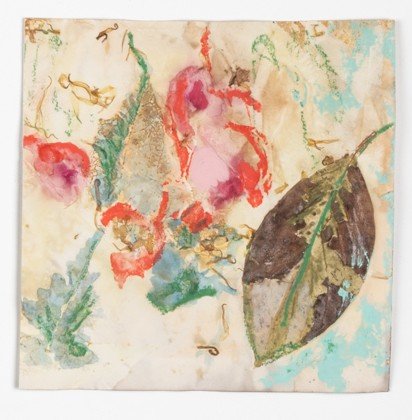
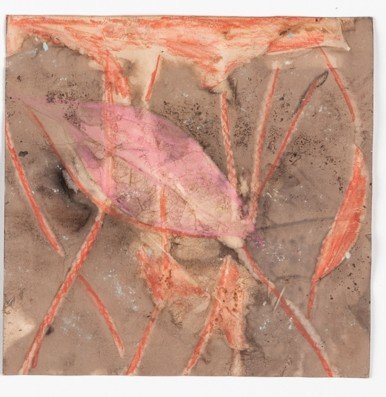
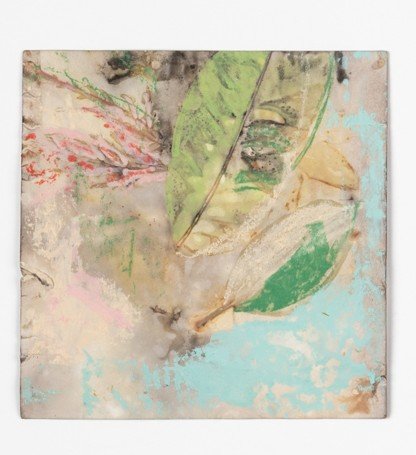
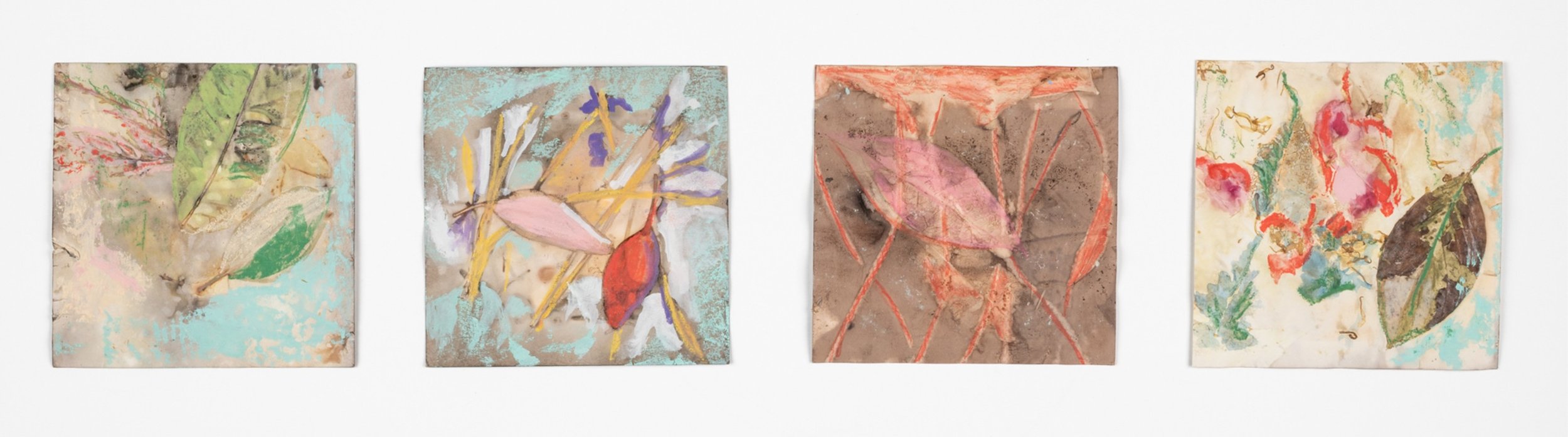
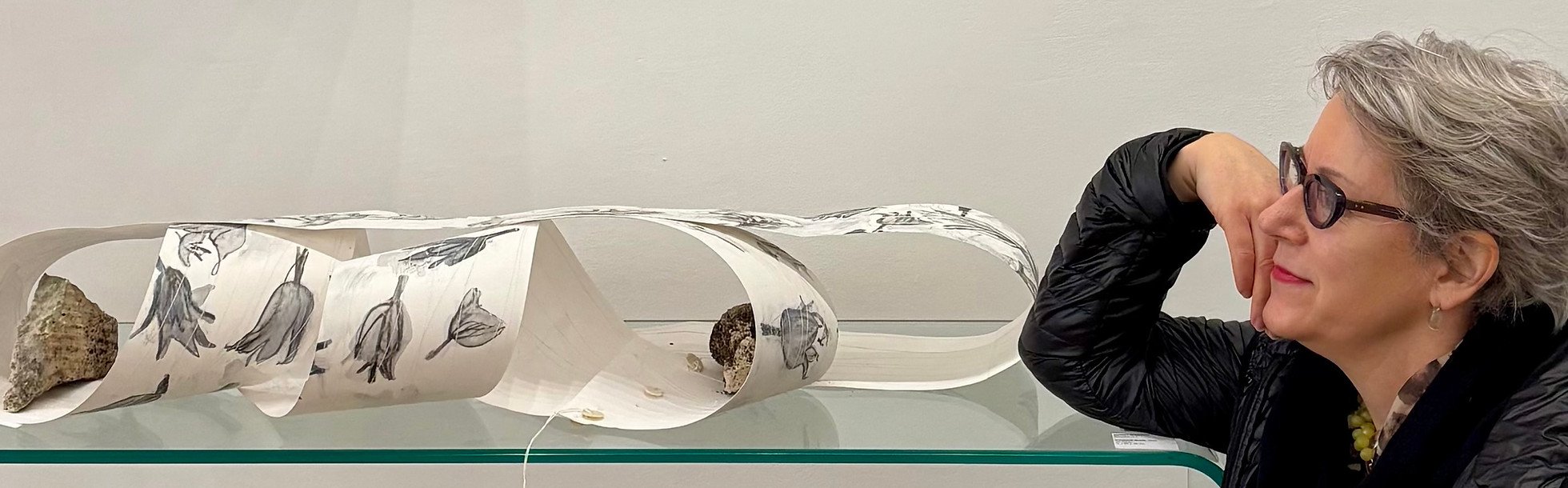
My artistic practice is rooted in experimental techniques, including printmaking and, since 2019, botanical monoprints. The versatility and expressive nature of this process move me to create unique works involving elements of chance.
In my studio, I produce plant-based inks using local plant materials, charcoal, and water-soluble graphite. I mix tint and tint pastes with various gums and glues and use these to transfer images to textiles and paper. I often layer textures and marks with translucent, found materials — from plastic to parchment paper — and finish works with thread, synthetic inks, and paint.
While traveling, I turn to monoprinting to interact with the elements of nature that catch my attention and to document my connection to them. The result is a body of two- and three-dimensional work that is temporal, unique and distinctive.
Social Networks :
Website: barbarabitondo.com
Instagram: @studio_b.2
Substack: barbarabitondo.substack.com
Barbara BITONDO
1. Inspiration & Style
What initially inspired you to become an artist, and how did you develop your unique artistic style?
Two things, early on. I grew up surrounded by remarkably diverse art, between Abidjan, Kinshasa, Jakarta, Tunis and Rome. And at twelve I was given a very good camera. Photography came first; a decade ago I turned to fibre, textiles and print, and since 2019 botanical monoprinting has been central. The work became mine when paper, silk and thread stopped being separate disciplines and began to stand off the wall as form.
2. Creative Process
Do you have any rituals or routines that help you get into a creative mindset when starting a new project?
My art walks are key. I map routes through museums and galleries, each following a question from the studio, with its own soundtrack, and share them in my newsletter, Out and About. Outside, I gather plants and make inks from what grows nearby. In the studio there is a loose intention, then the materials decide: layering, testing, stitching, responding.
3. Artistic Influences
How do you balance historical or artistic influences with your personal style, and how do these influences manifest in your work today?
Eva Hesse, Hessie, Olga de Amaral, Richard Serra, Anna Maria Maiolino: artists for whom process is the thinking. Repetition, weight, vulnerability, fibre as light. You see them in my stitch, in the accumulation of marks, and in a refusal of the flat surface.
4. Emotion & Expression
How do you use your art to evoke emotions, and what role does emotion play in your creative process?
Making is an inquiry; the work is its record. Memory and place are always present, from inner landscapes to the horizon line. I don't tell people what to feel. I'd rather slow their looking.
5. Standout Projects
Can you share a project that stands out to you and describe the creative process behind it?
Two, this past year. A site-specific installation for the International Finance Corporation headquarters in Washington, DC: botanical monoprint on silk and Arches paper, 96 x 60 inches. Moving from intimate paper sculpture to architectural scale demanded measurement and precision; the process itself stayed experimental. Then Luminous Horizons, a three-month solo show at the Whittemore House museum this fall, curated by Nuzhat Sultan. It brought the large textile reliefs together for the first time, Excavation, Moonwater and Aurora among them, and let the work breathe in a historic house.
6. Feedback & Growth
How do you incorporate feedback from critics or audiences into your work, and how do you balance this with your own artistic intuition?
I listen, keep what opens a question, and set aside the rest. Writers and curators sometimes name what I had only sensed. Then I return to the work; the materials are the final critic.
7. Motivation & Inspiration
How do you stay motivated and inspired, even when facing creative blocks or challenges?
Leaving the studio, mostly. What turns up goes into Out and About, on Substack: a show, un petit parcours, somewhere to pause, and a soundtrack or two. Writing about other artists for the Washington Printmakers Gallery blog, since 2024, also energizes me. Learning a new technique, too, of course. Quiet periods belong to the cycle. Botanical printing follows the seasons. Beginning again is built in.
8. Exhibiting Work
How do you feel about exhibiting your artwork with The Holy Art Gallery, and what does this opportunity mean to you?
The Holy Art showed Seasons, my hand-coloured botanical monoprints, in Paris. Washington plants, French walls. They held. Precisely where I want the practice to go.
9. Future Goals
What are your long-term goals and aspirations as an artist, and how do you plan to achieve them?
Larger, immersive installations in which botanical prints, paper, silk, wool and metal occupy space together, and a steady presence in Europe, France in particular. Next: Held by Thread, a solo show at Abadat Gallery in Poreč, Croatia, in spring 2027, then a summer solo across both Rhode Island locations of Jala Studio: Yoga & Art, in Providence and Pawtucket (Instagram @jala.yoga.art). Jala treats yoga and art as complementary disciplines, both explorations of consciousness, which suits work made through slow, attentive repetition.
10. Audience Connection
What do you hope viewers take away from experiencing your art, and how do you aim to connect with them on an emotional or intellectual level?
A slower way of seeing. The imprint of a leaf, the line of the horizon, light held in silk. If someone walks outside afterwards and notices the plants along their path, that is enough.