Isabelle (Bellee) Huang
ARTIST STATEMENT
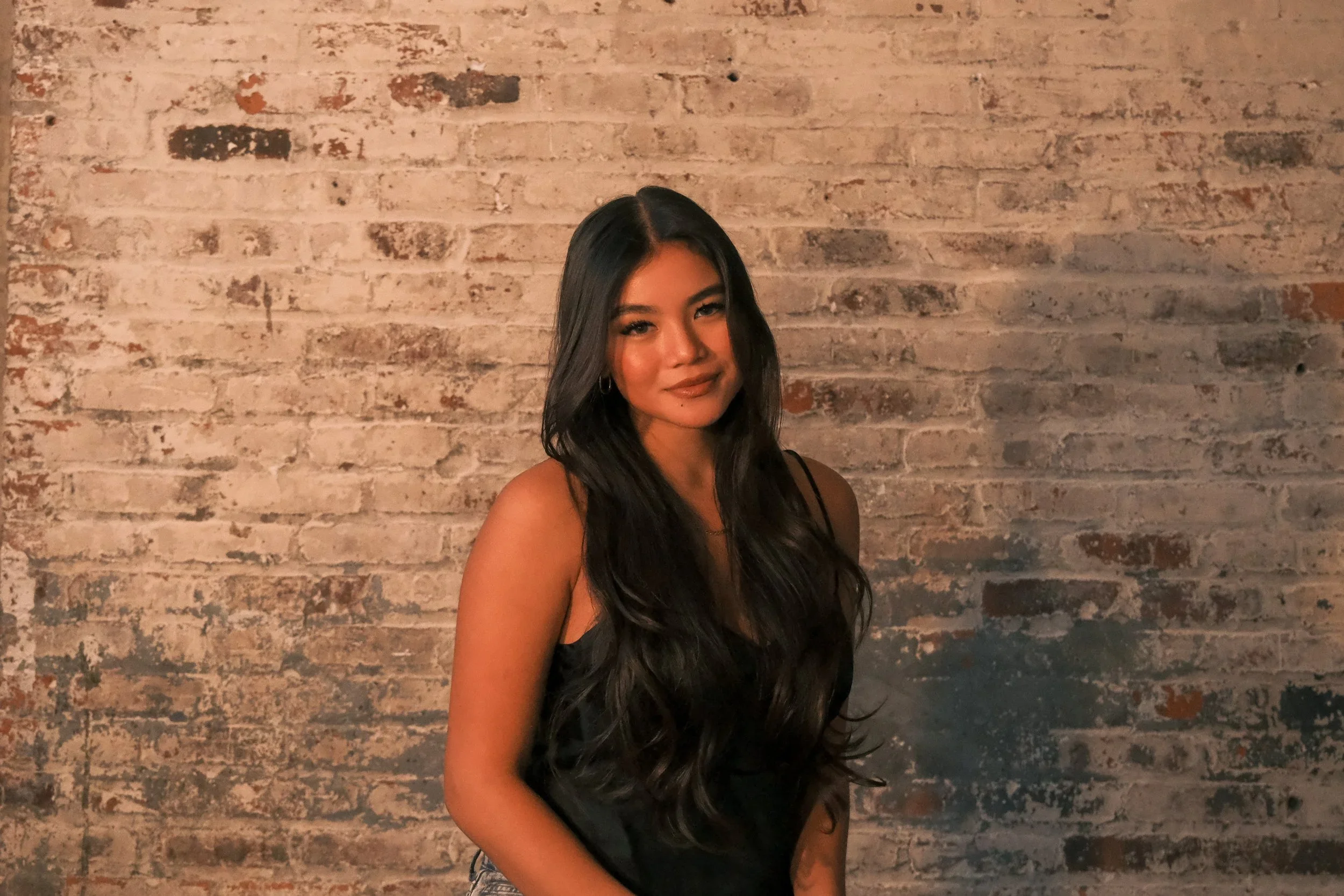
Isabelle Huang is a multidisciplinary artist from Manila, Philippines. Completing her bachelor's degree at New York University's Gallatin School of Individualized Study, she focuses on how critical social theory and political ecologies intersect with the visual arts in postcolonial societies. Her work is situated within the relationship among lived experience, cultural memory, and the politics of mobility particularly in Filipino coastal communities. Her work questions who moves through physical and nonphysical landscapes, and how freely they are permitted to. She spent her early life as an award-winning dancer, to which she attributes these formative years as the beginning of her education in embodiment—inhabiting her body as a site of knowledge. This way of translating feeling into gesture later shaped her approach to photography, where the camera acts not as a tool, but as an extension of her body and experience. Being raised within the waters of the Philippines has cultivated in her the duty to conserve and tell the stories of the ocean.
Social Networks :
Instagram: @bellee.h / @fortherestlesssoul
Website: www.isabellehhuang.com
Isabelle (Bellee) Huang
1. Inspiration & Style
What initially inspired you to become an artist, and how did you develop your unique artistic style?
Before I was a photographer, I was a dancer for eighteen years. Those years taught me embodiment and the organization of space, which still shape how I frame every image. What first pulled me toward photography was the shore: growing up in Manila and returning to coastal communities around the Philippines, I wanted to hold on to the people and waters that shaped me as development and tourism changed them. My style became my own when I stopped looking at what I photographed from an outside perspective, and began treating them as teachers rather than scenes. My studies in sociology at NYU Gallatin deepened that shift, turning my photographs into collaborations rather than captures—regardless of what it is I’m shooting, I search for the moment a body reveals how it belongs to a place.
2. Creative Process
Do you have any rituals or routines that help you get into a creative mindset when starting a new project?
Beginning a new project always starts with a return: to the self, to the ocean, to the land. To the self, I return by asking what I carry into the work; the memories, questions, and assumptions that shape what I see. I return to the ocean, as it has always been one of my first teachers. I return to the land by listening to the people who call it home, letting them show me what matters before I decide what to frame.
3. Emotion & Expression
How do you use your art to evoke emotions, and what role does emotion play in your creative process?
Emotion is where my process begins, as I often don’t photograph a place unless I feel for it. Dance taught me that feeling lives in the body before it becomes thought. That is the first instinct that I let guide my process. In front of my work, I hope people feel a sense of belonging, as if they are standing within the scene rather than looking at it from outside. Above all, I want them to leave with a little more wonder and respect for the places and people that sustain us, and a sense that we are part of the landscape, not apart from it.
4. Standout Projects
Can you share a project that stands out to you and describe the creative process behind it?
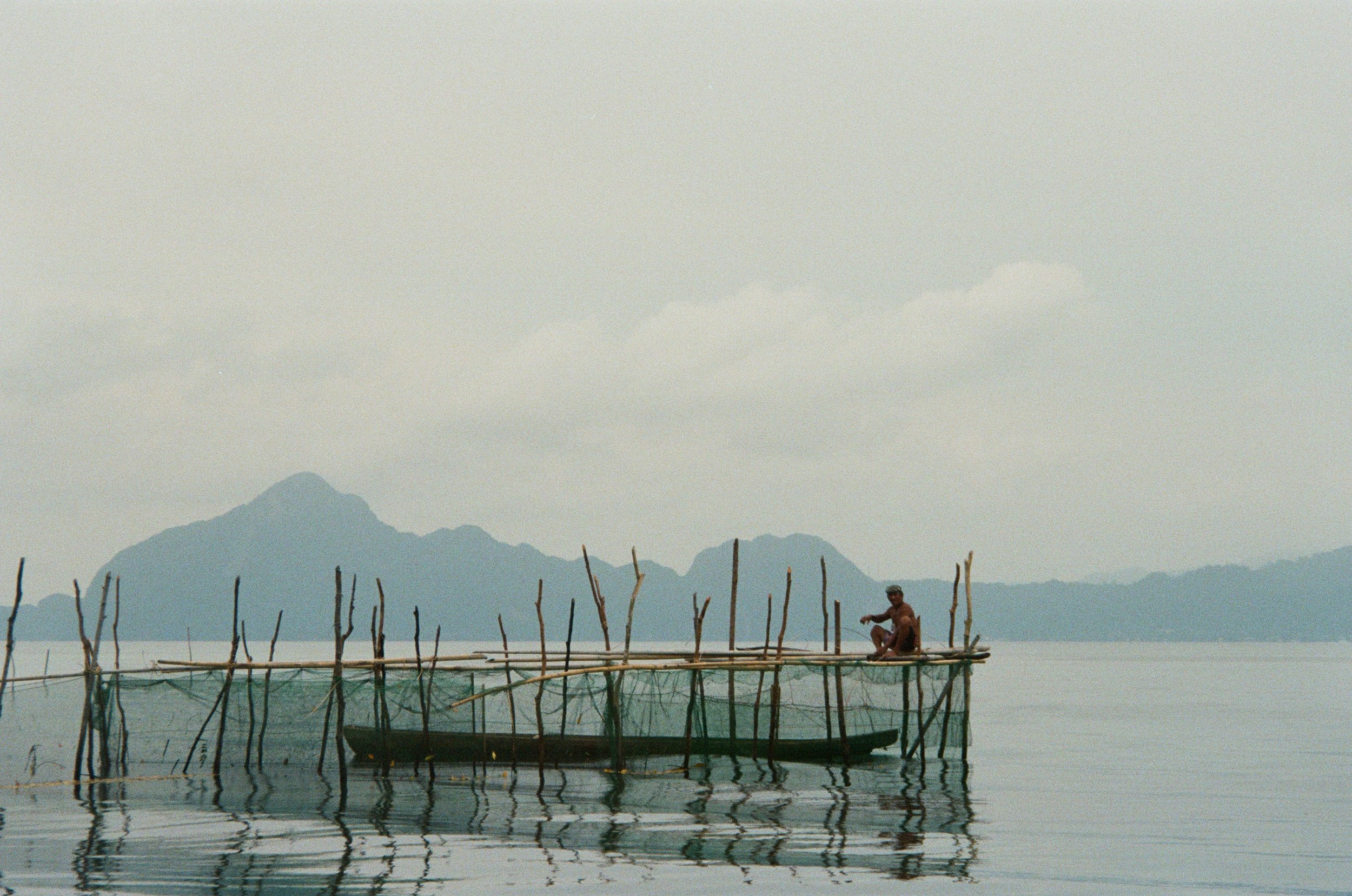
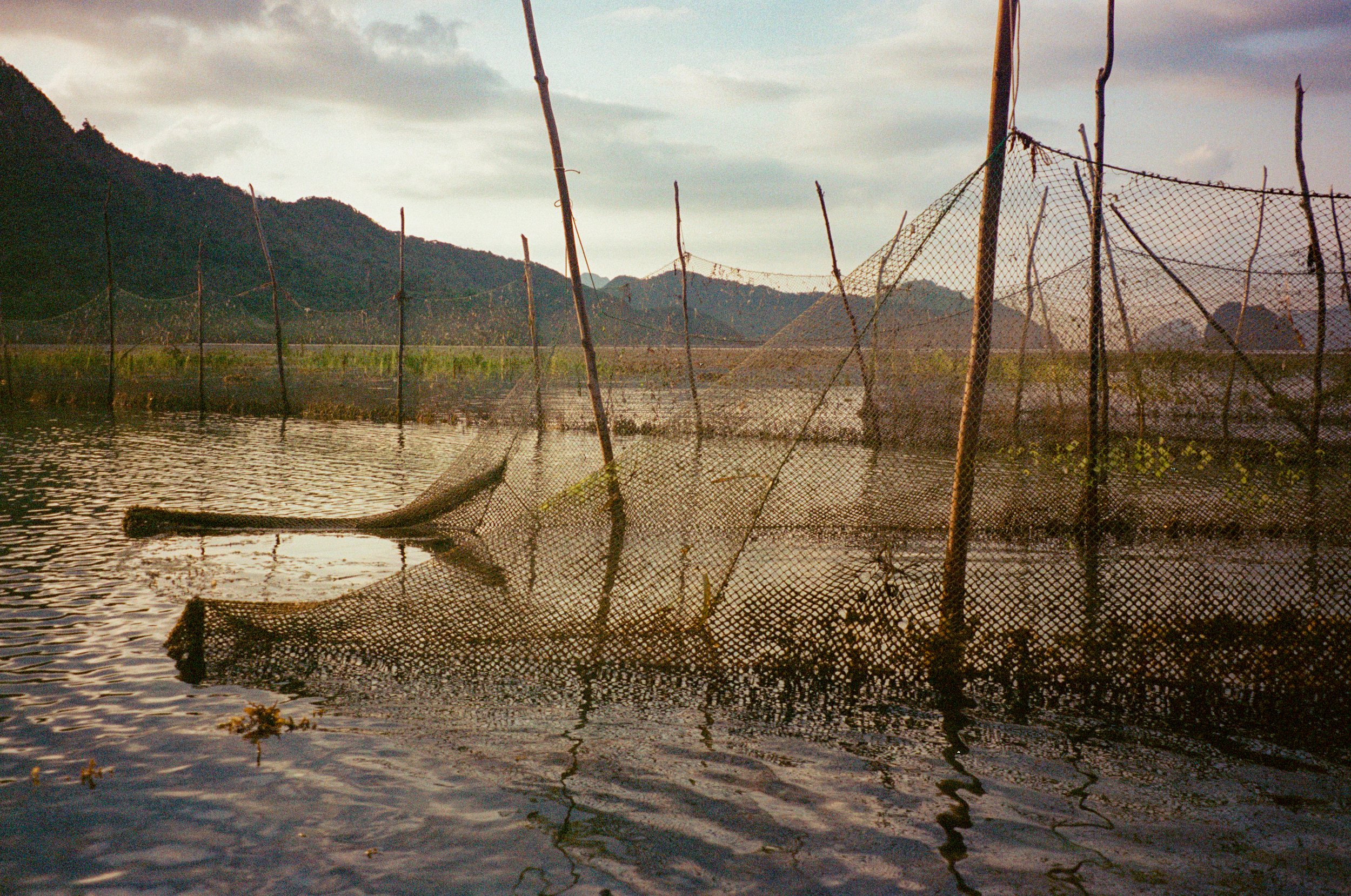
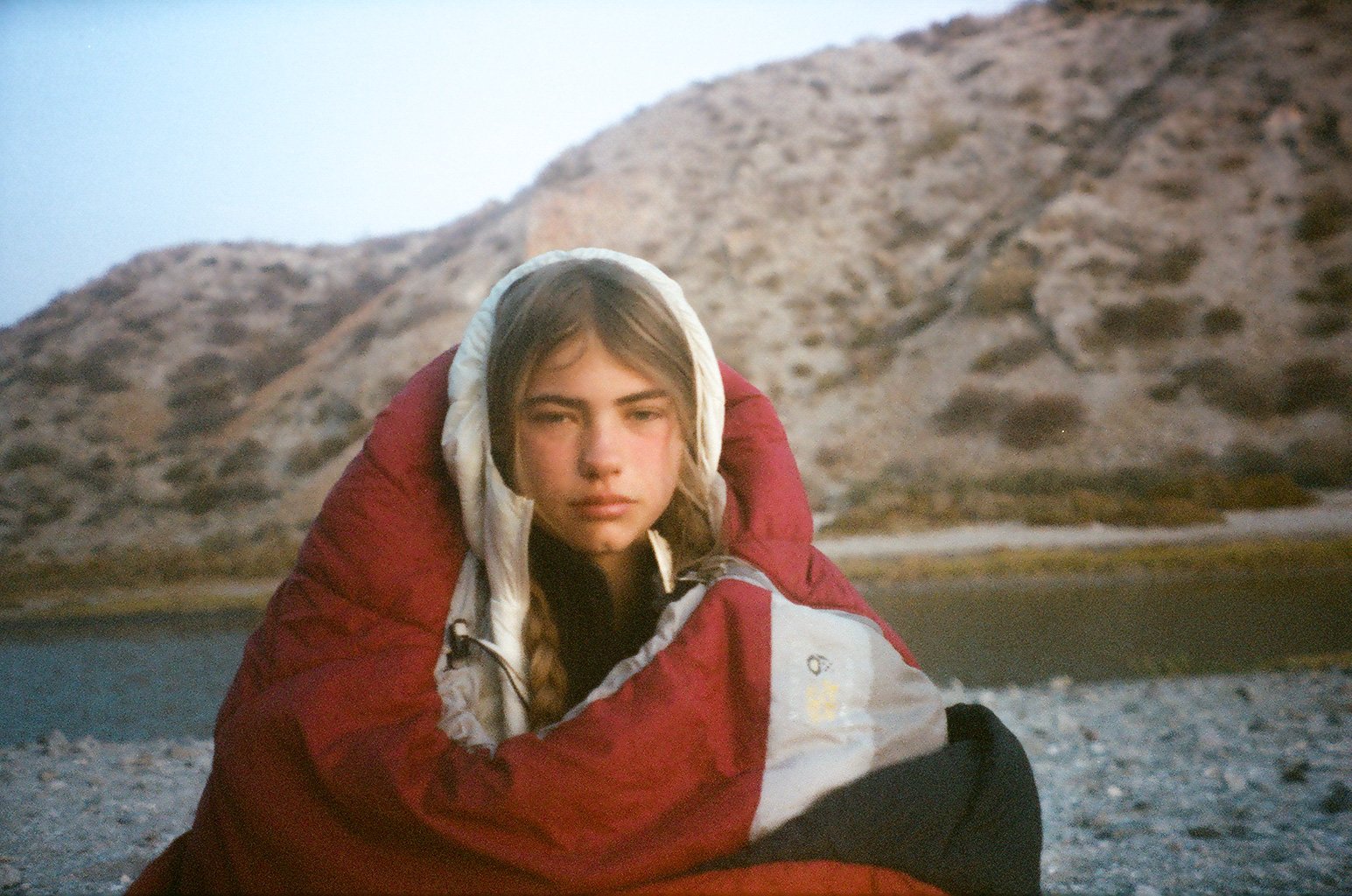
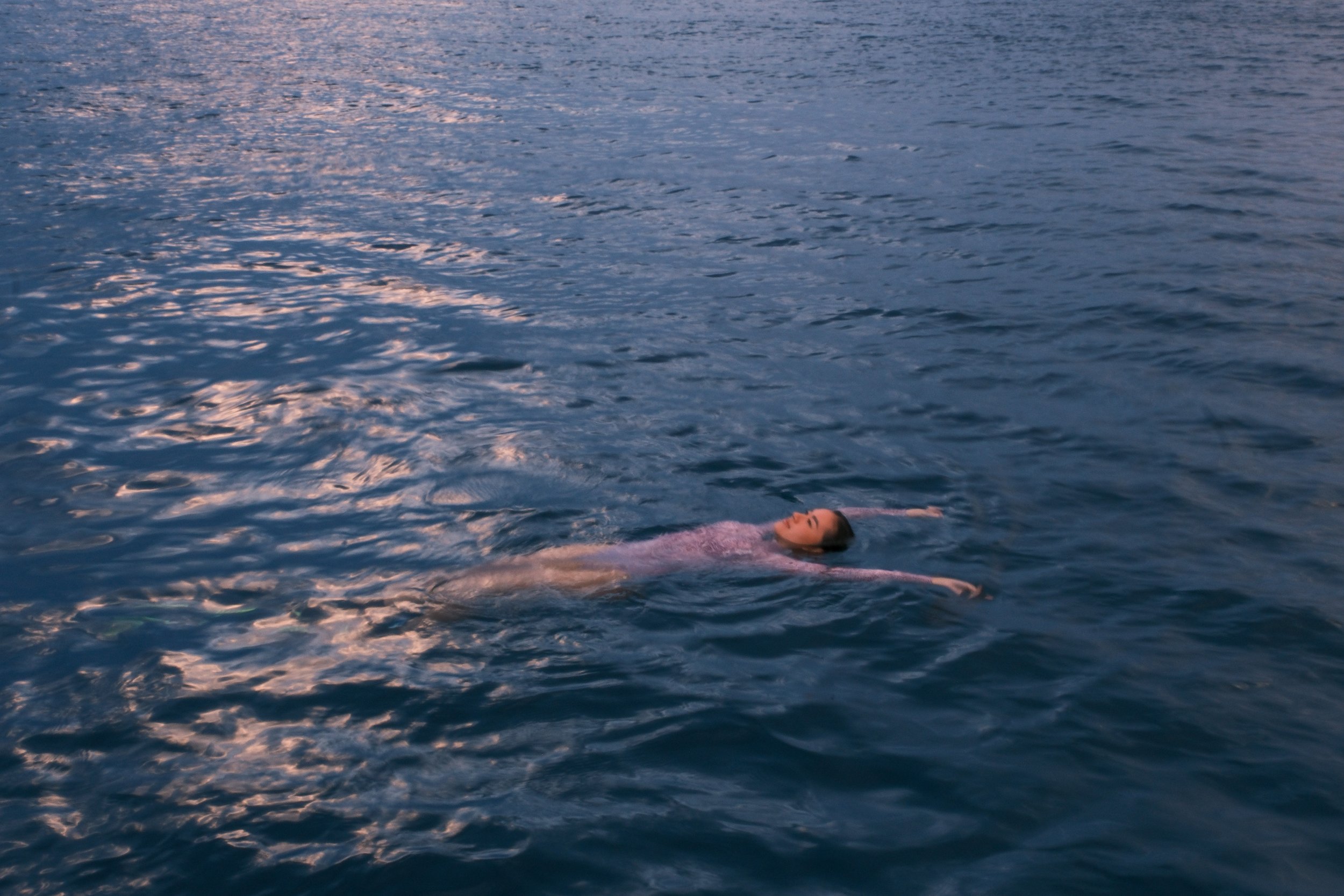
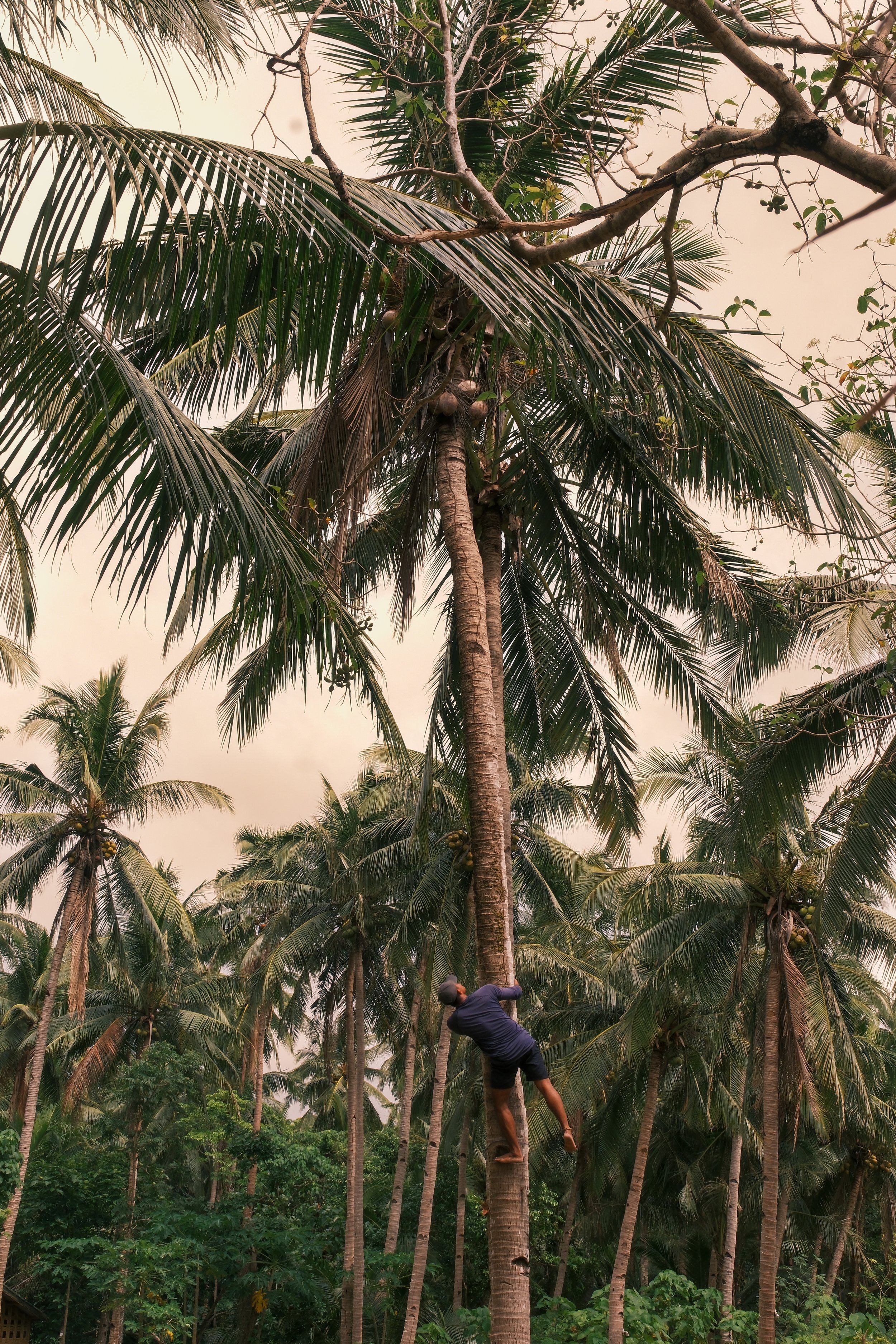
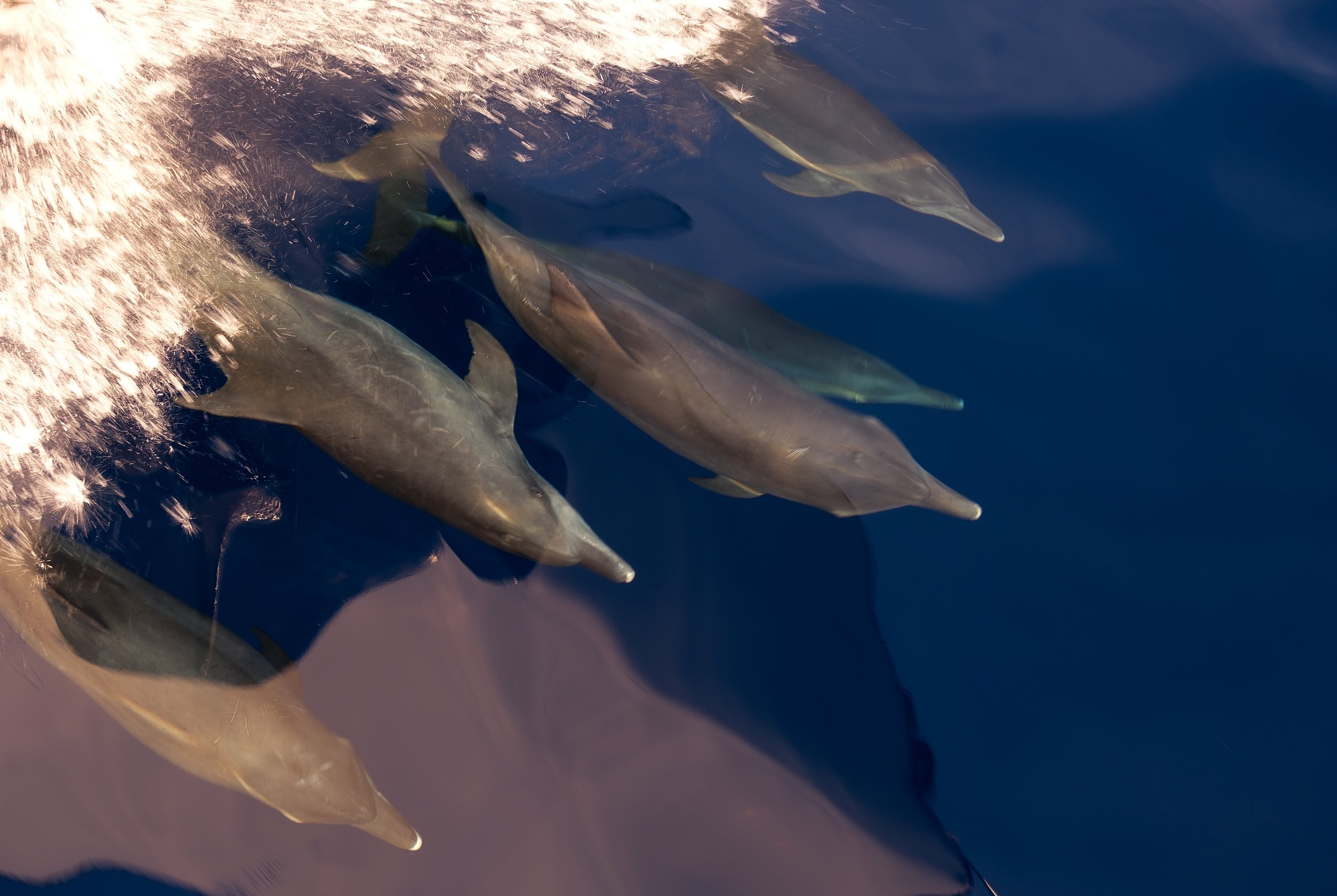
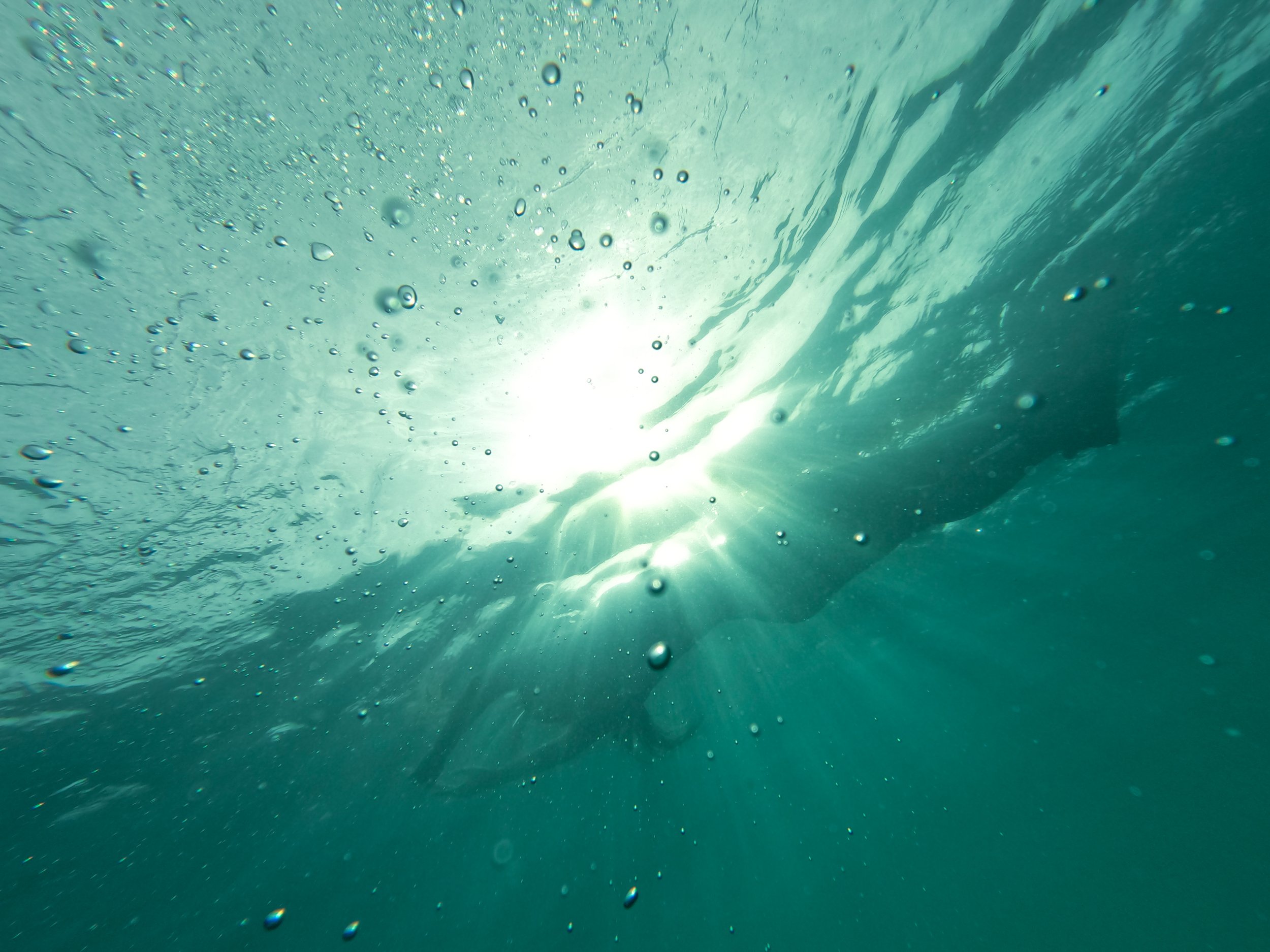
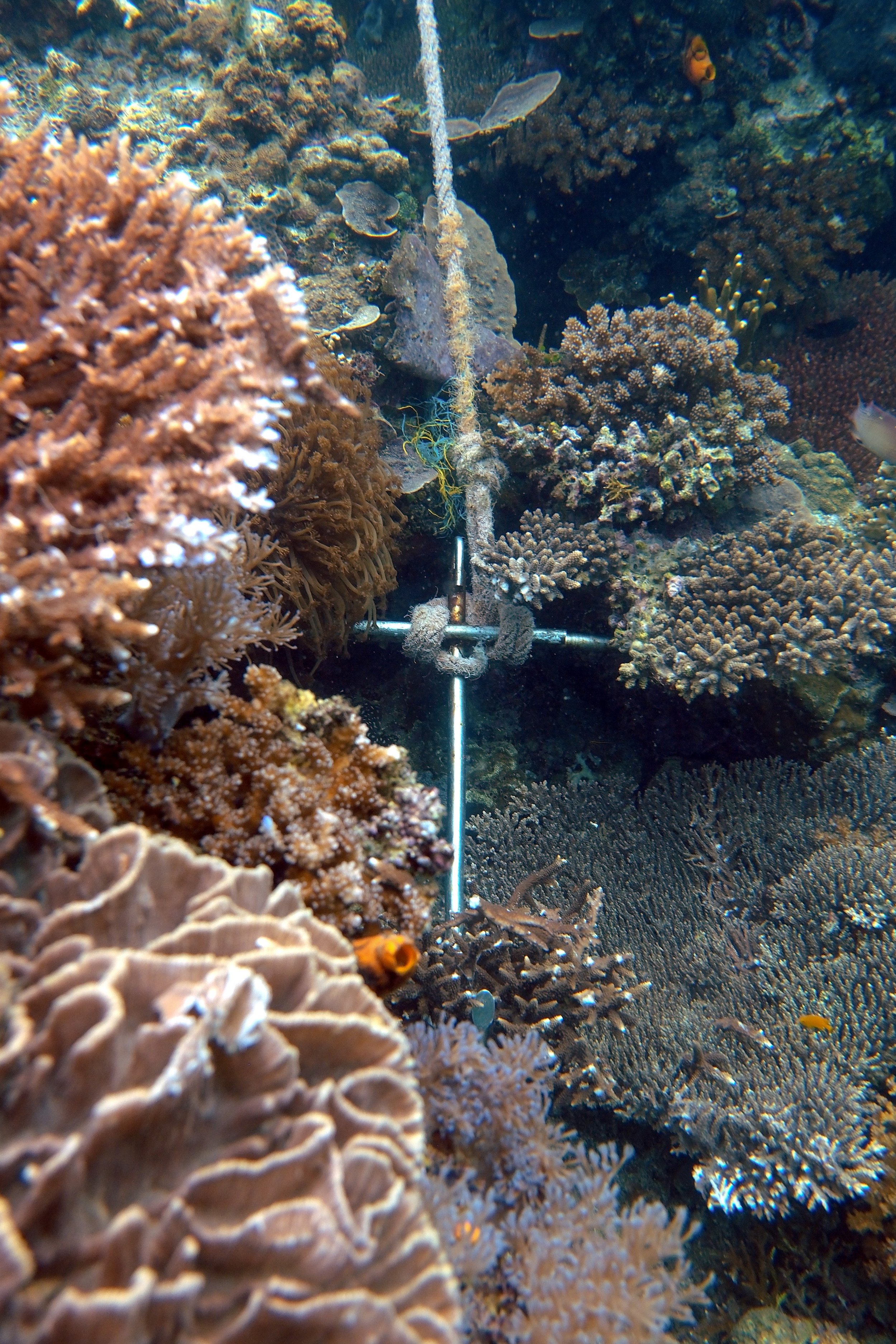
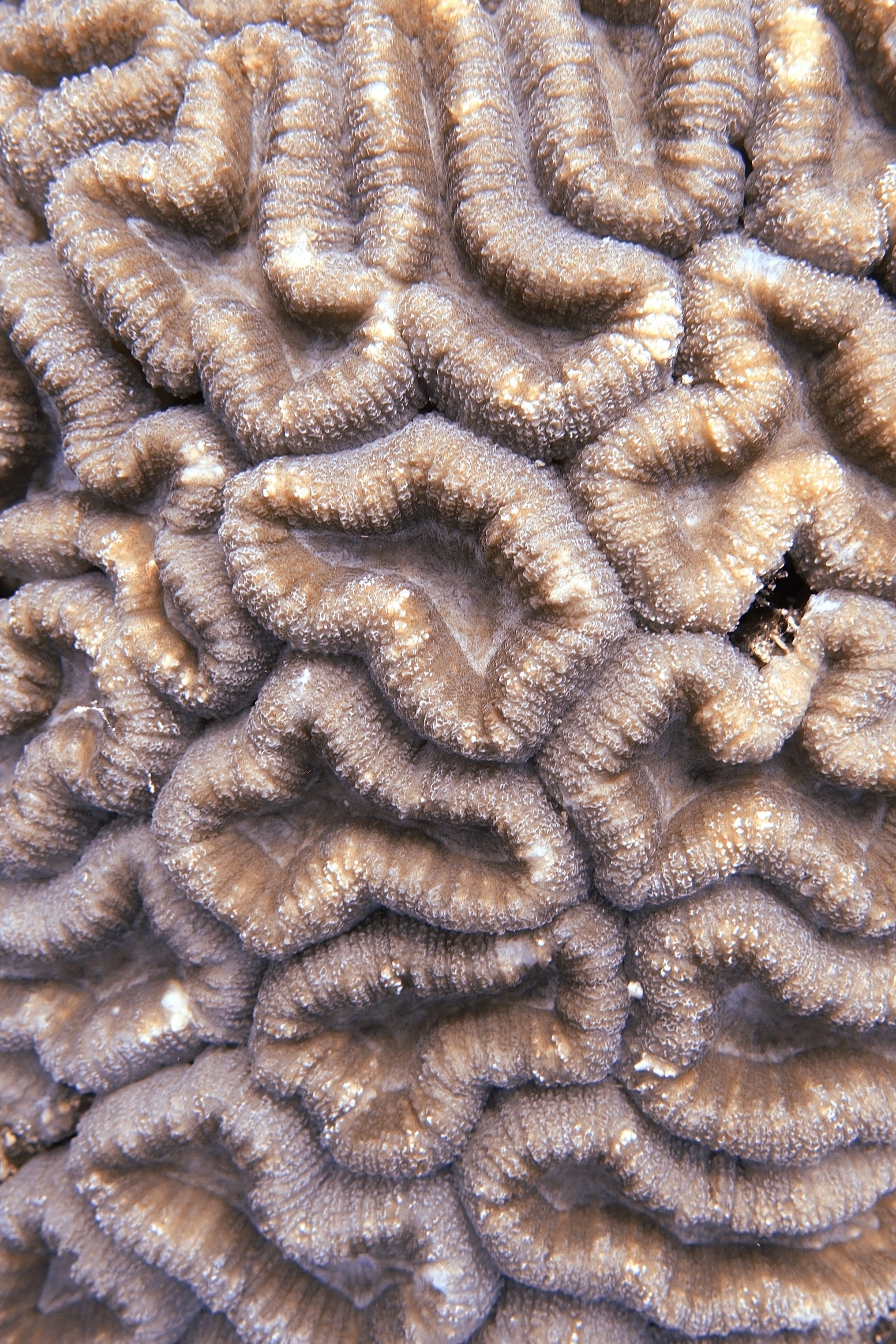
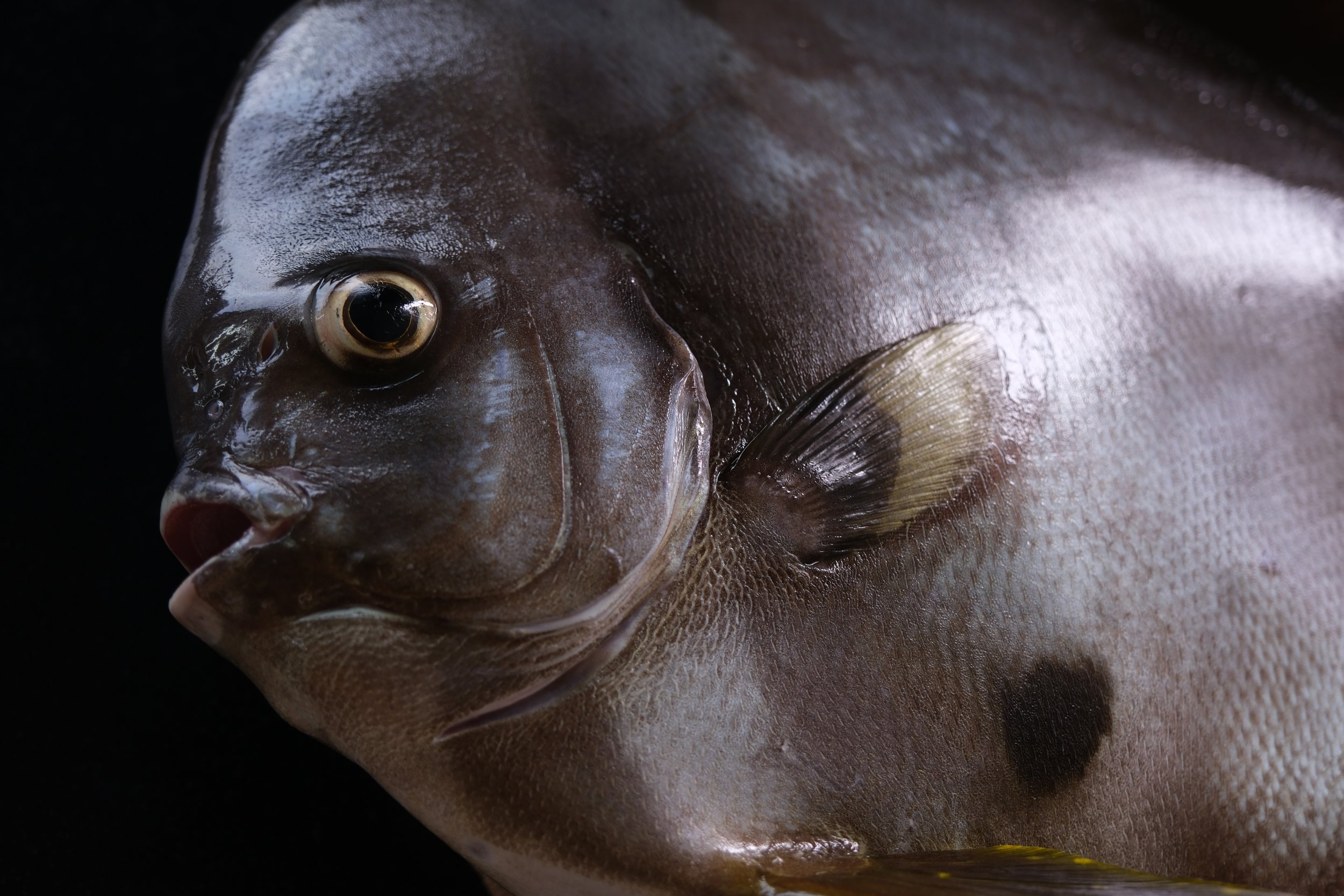
One project that stands out to me is My Water Teachers, a collection of photographs honoring the land and people of coastal communities across the Philippine Islands, the Aegean Sea, and Mexico’s Sea of Cortez. It came together slowly, through years of growing up along Philippine shores and later sailing both seas, where the people and places I met taught me how to read the currents and how to live in mutual relationship with the waters we swim. Photographing from under the water and above it, I began to see that we live within the land and ocean rather than upon it, a shift that became the heart of the series. Topophilia, the bonds of affect between people and place, gave the work its framework, alongside Mishuana Goeman’s reminder that “we do not act upon a stagnant landscape, but instead are a part of it.” At a time when anthropocentrism treats land and species as disposable, My Water Teachers is my way of capturing moments of peace, wonder, and mutual respect, and of arguing for coexistence.