Artist spotlight : Juan Ruiz
Artist Statement:
I am a healthcare professional with 26 years of experience, and this path has profoundly shaped my artistic vision. My practice does not emerge solely from the desire to create, but from a continuous exposure to human fragility, strength, and emotion in their most authentic form. Over the years, I have learned to read what remains unspoken: the silences, the gazes, the invisible narratives carried within each individual. This sensitivity now lies at the core of my work.
Alongside this journey, I have developed my path as a self-taught artist, guided by intuition, observation, and lived experience. My creative process does not follow rigid rules; instead, it is rooted in deep listening — to others, to memory, and to emotion.
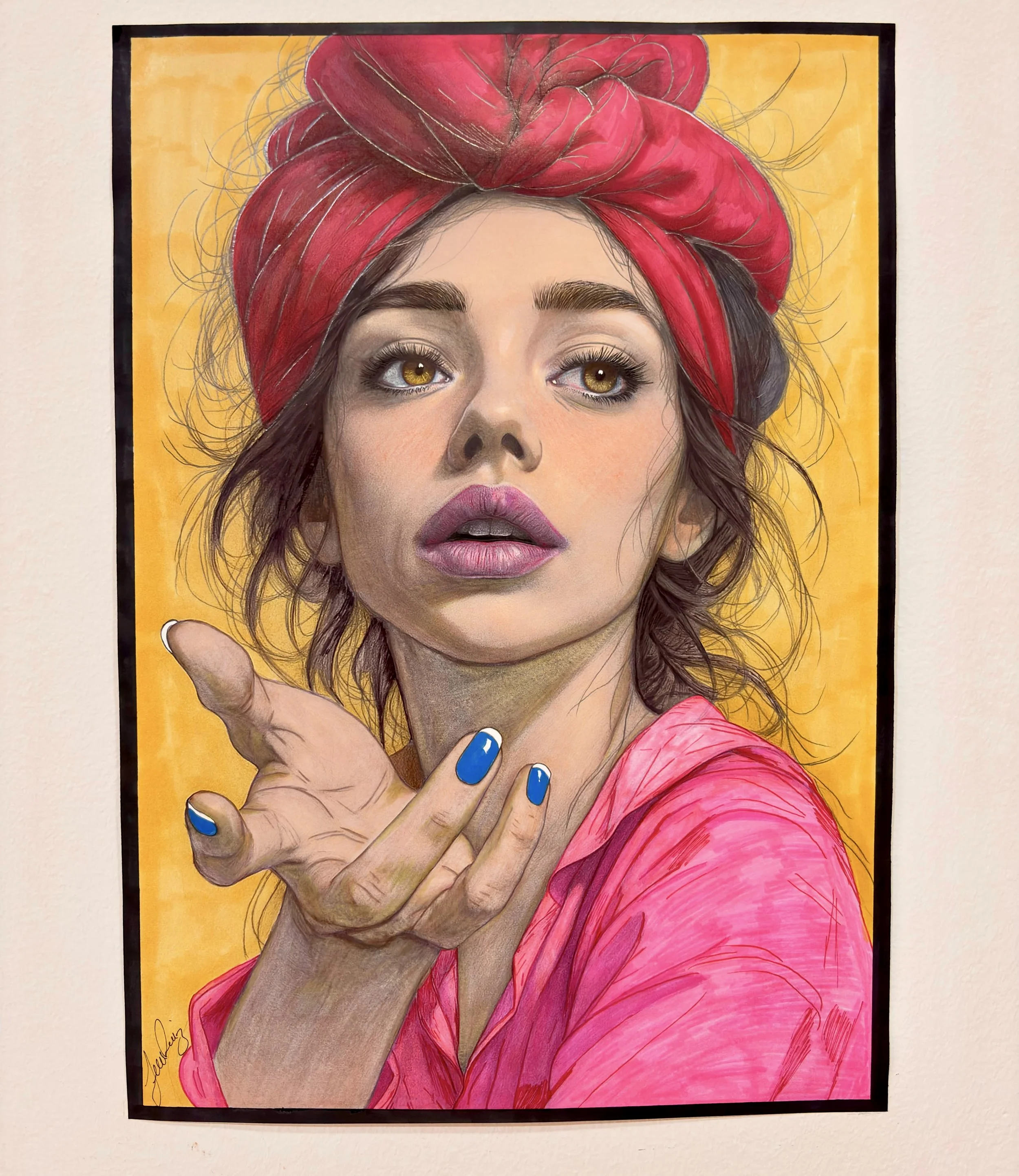
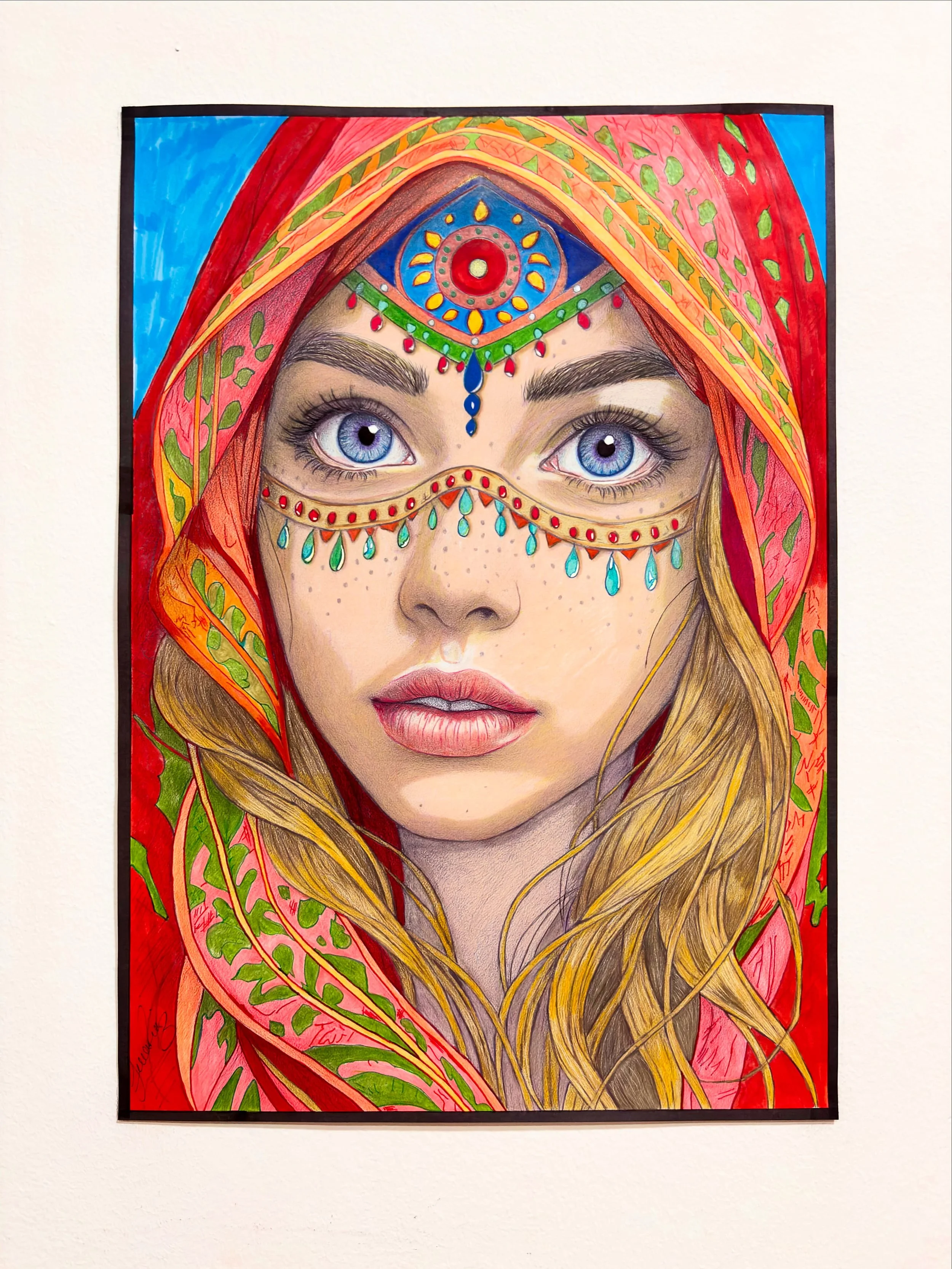
My work is woven from a rich tapestry of human encounters, both within my professional environment and my personal life. Within this universe, female faces have naturally become the central focus of my artistic exploration. Through these portraits, I do not simply depict — I reveal. I seek to honor and give visibility to real women: their quiet strength, their vulnerability, their dignity, and the lasting imprint they leave on those around them. Each face becomes an act of recognition.
The COVID-19 pandemic marked a pivotal turning point in my artistic evolution. In a time defined by uncertainty and emotional intensity, painting became a refuge — a space for reflection, resilience, and transformation. What began as a deeply personal need gradually evolved into a powerful means of expression and connection. Painting became not just a creative act, but a way of processing and translating complex human experiences.
I work intuitively, allowing each piece to find its own rhythm and truth. I do not pursue technical perfection as an ultimate goal; instead, I seek authenticity — that quiet intensity within a gaze, that moment where the viewer recognizes something profoundly human.
My art aspires to be more than an image. It is a testimony. A bridge between care and creation, between lived experience and shared emotion. Through each portrait, I aim to dignify human presence and create a space of connection where the viewer does not simply observe, but feels and recognizes themselves within it.
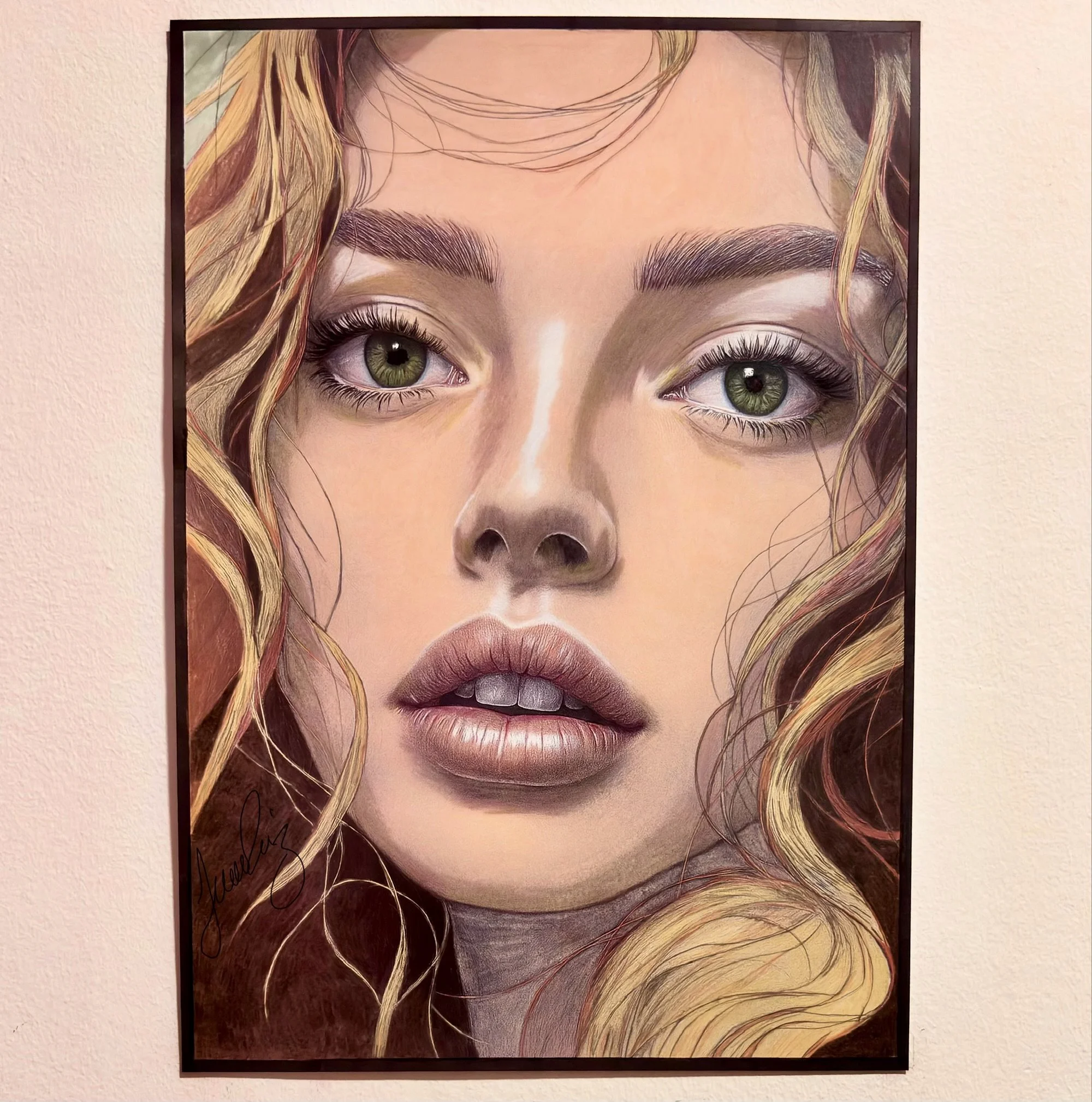
Artist : Juan Ruiz
Inspiration & Style
What initially inspired you to become an artist, and how did you develop your unique artistic style?
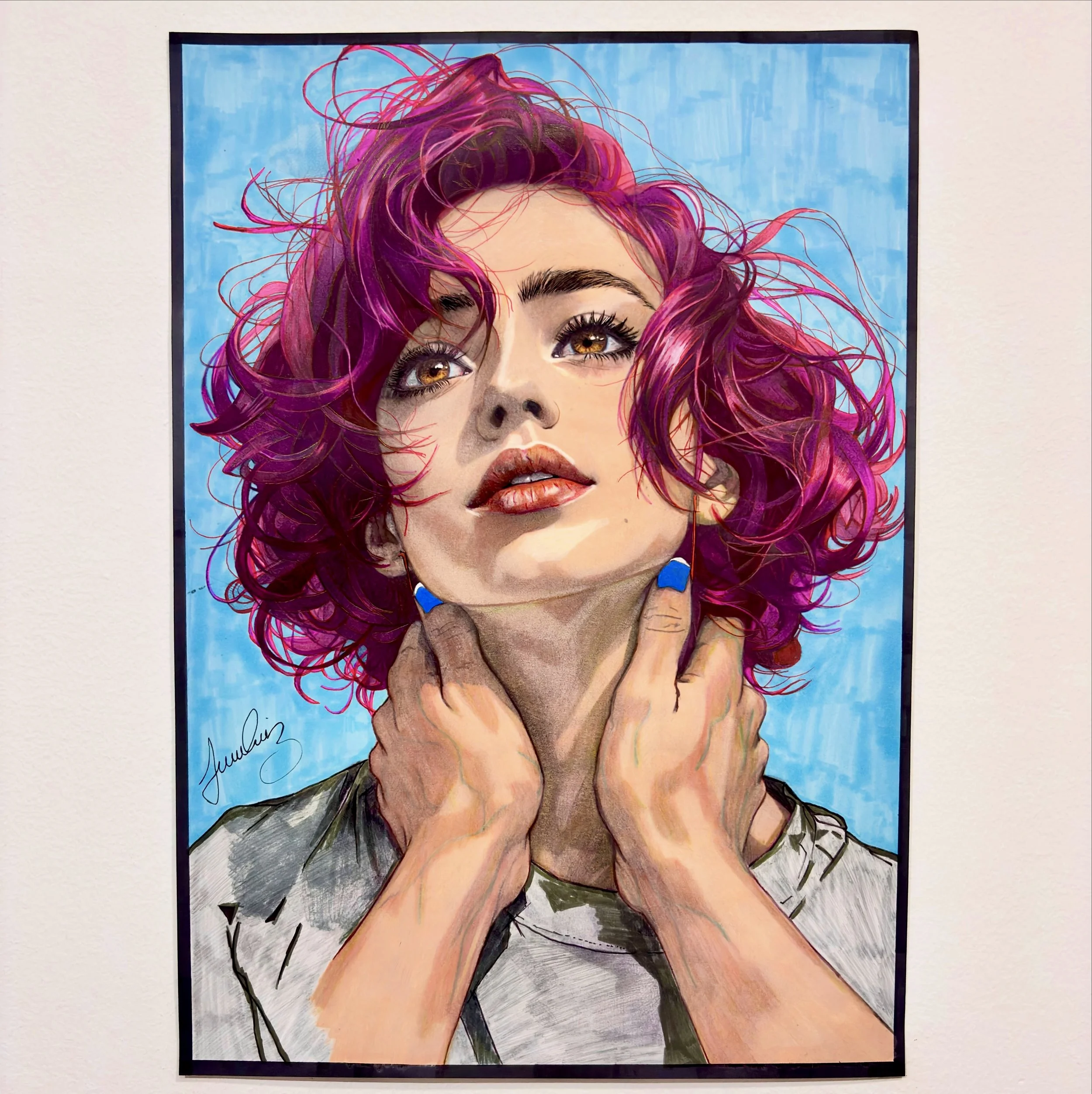
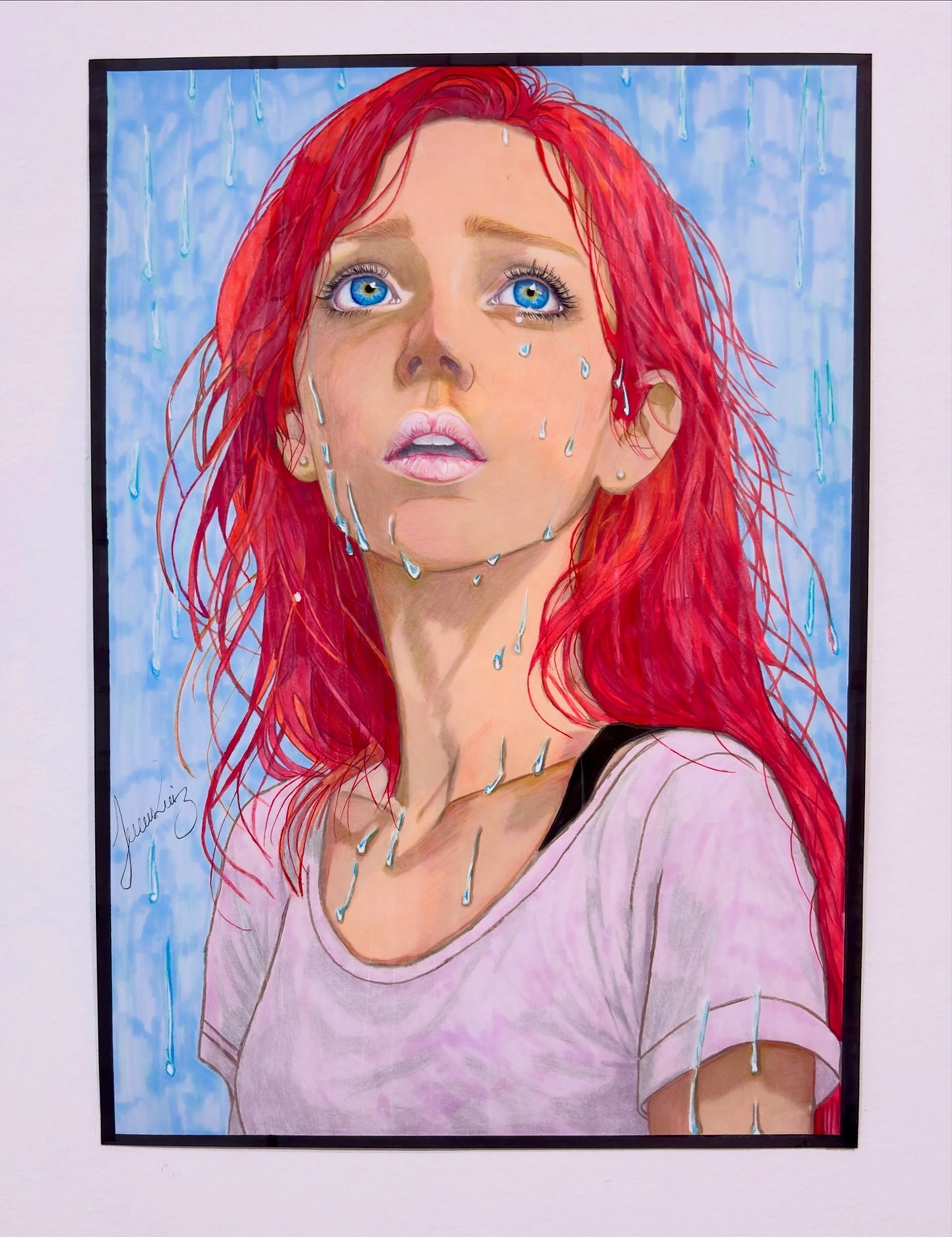
After 26 years working in healthcare, I have developed a very particular way of seeing people. Daily contact with vulnerability, pain, and at the same time resilience, has taught me that behind every face there is a story that is rarely visible at first glance.
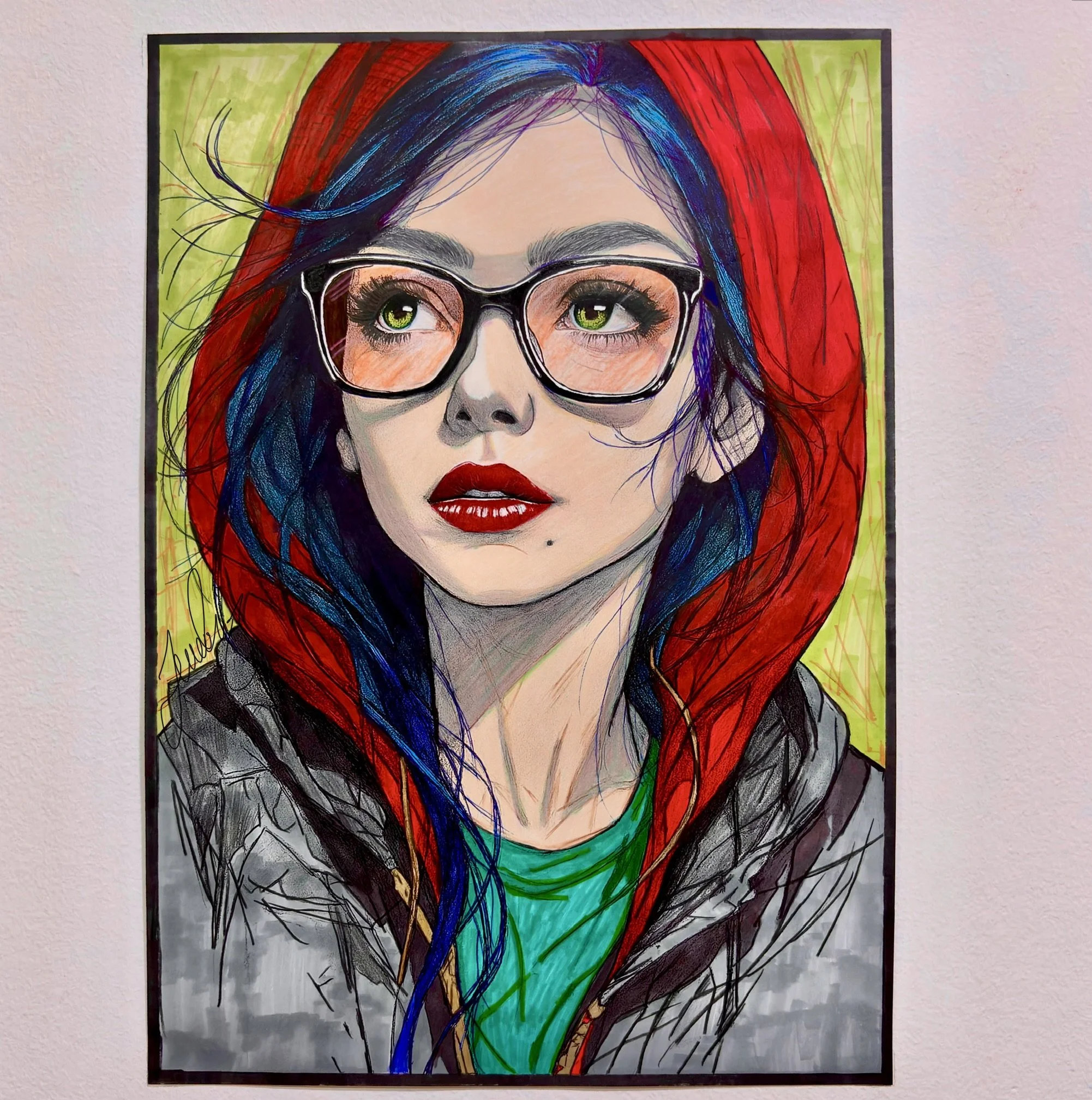
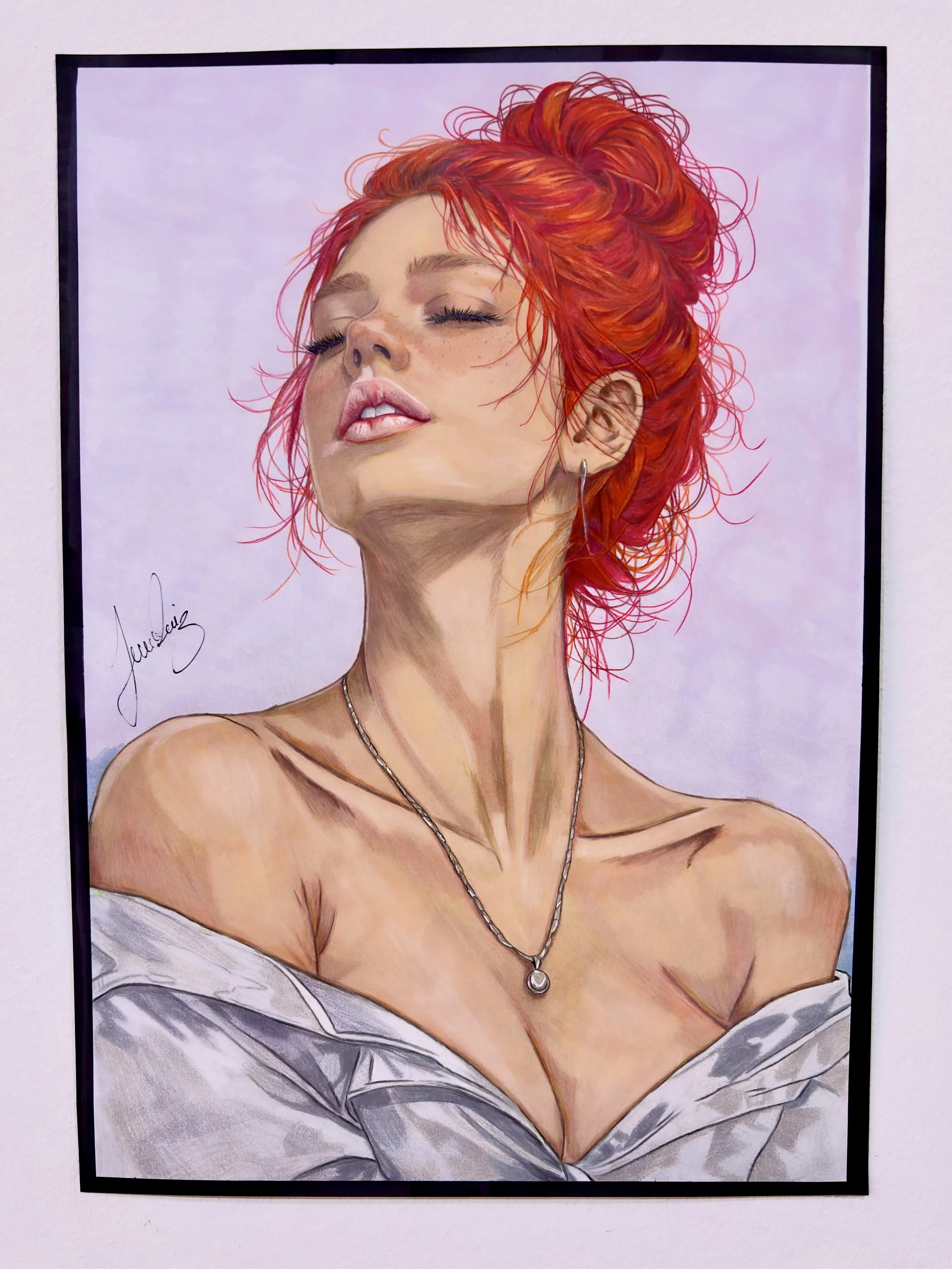
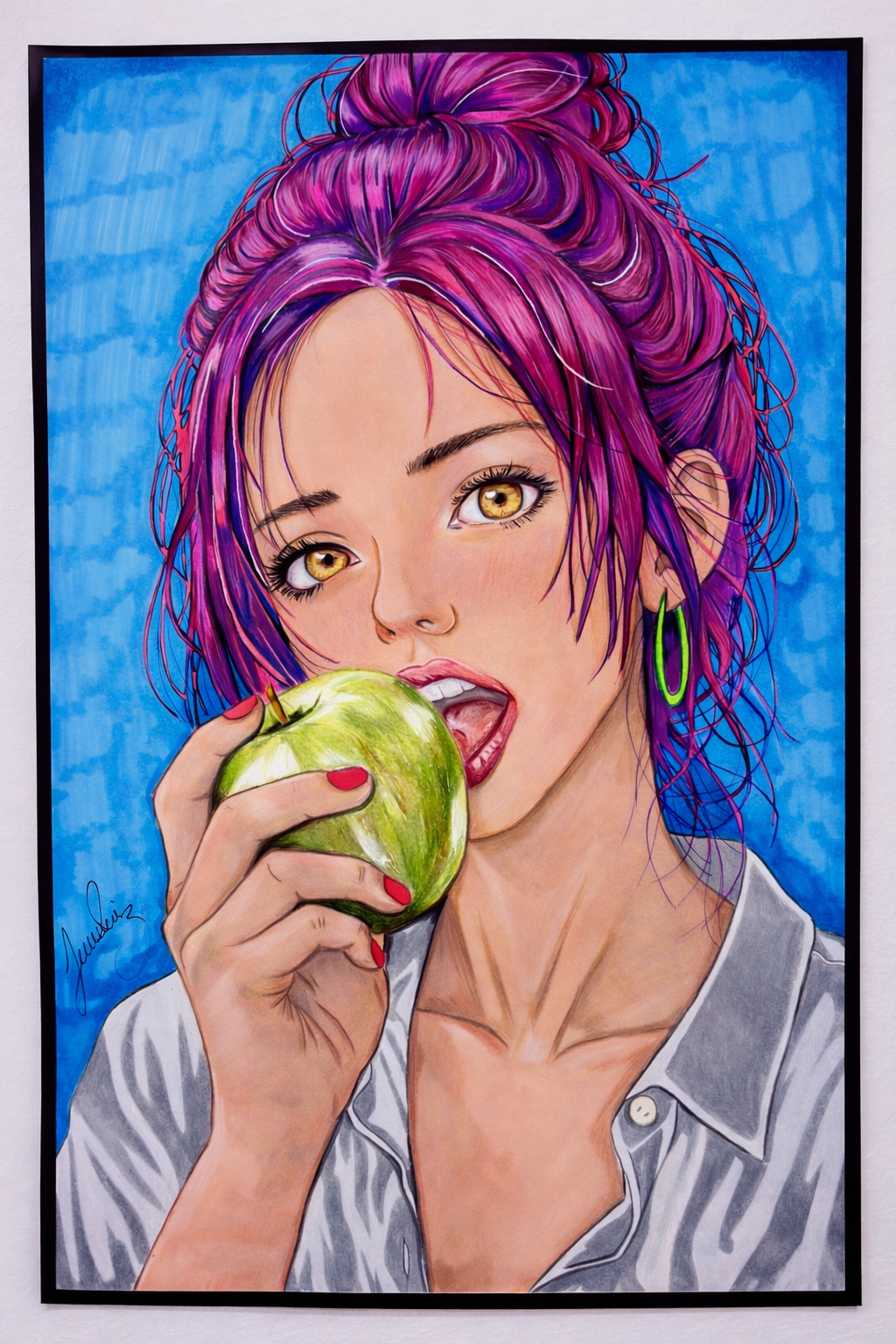
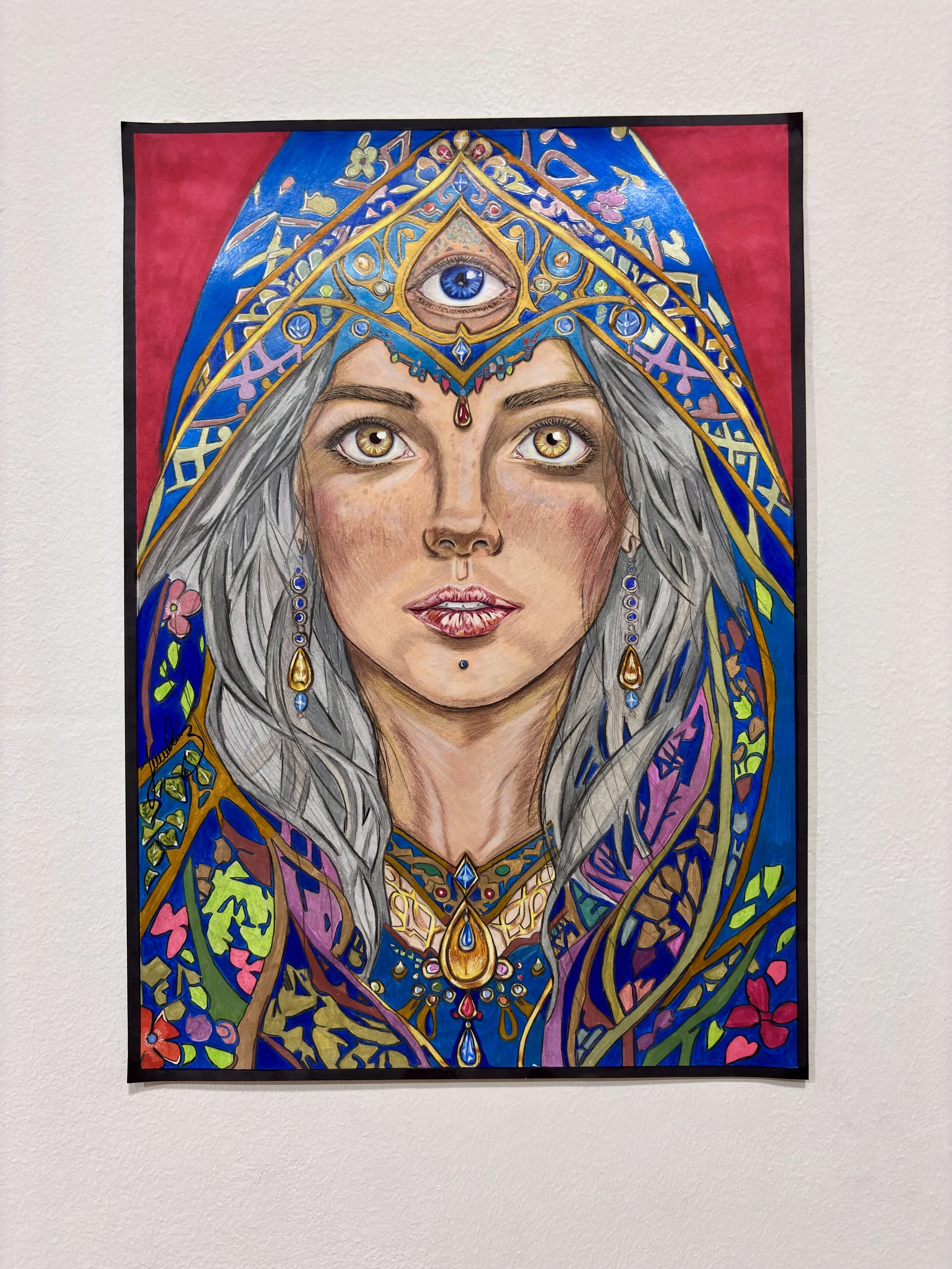
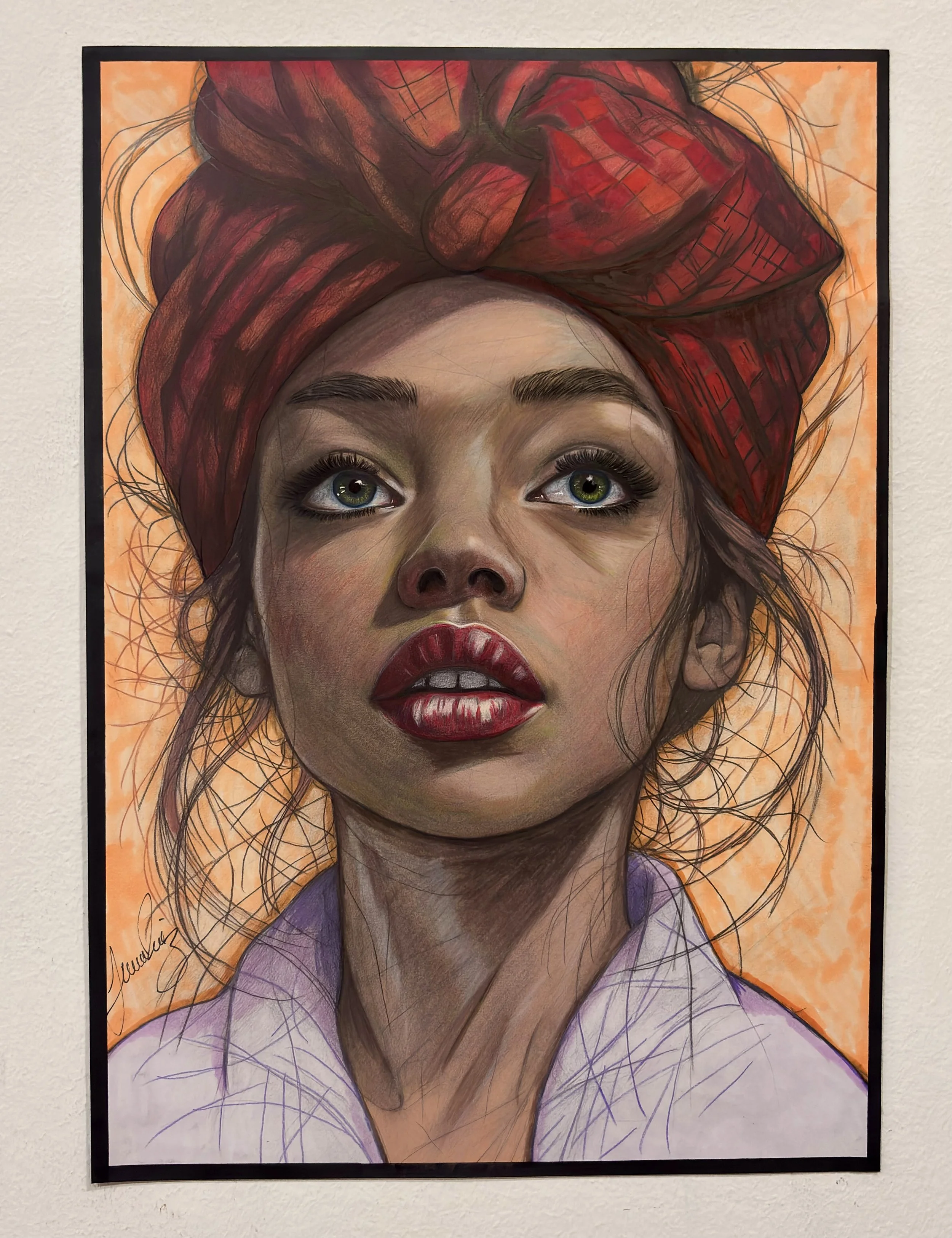
I am a self-taught artist, and my style has grown from observation and lived experience. When I paint, I’m not interested in capturing just an appearance, but in revealing something deeper: emotional weight, quiet strength, and the fragility we all carry within.
My work is deeply influenced by this clinical yet human perspective, where every detail matters. A gaze, a subtle gesture, or the way light falls can completely transform what is being communicated.
In the end, I don’t paint only what I see, but what I feel and perceive. My work becomes a way of honoring every woman who is part of my life, with the intention that those who observe it may recognize something of themselves within it.
Creative Process
Do you have any rituals or routines that help you get into a creative mindset when starting a new project?
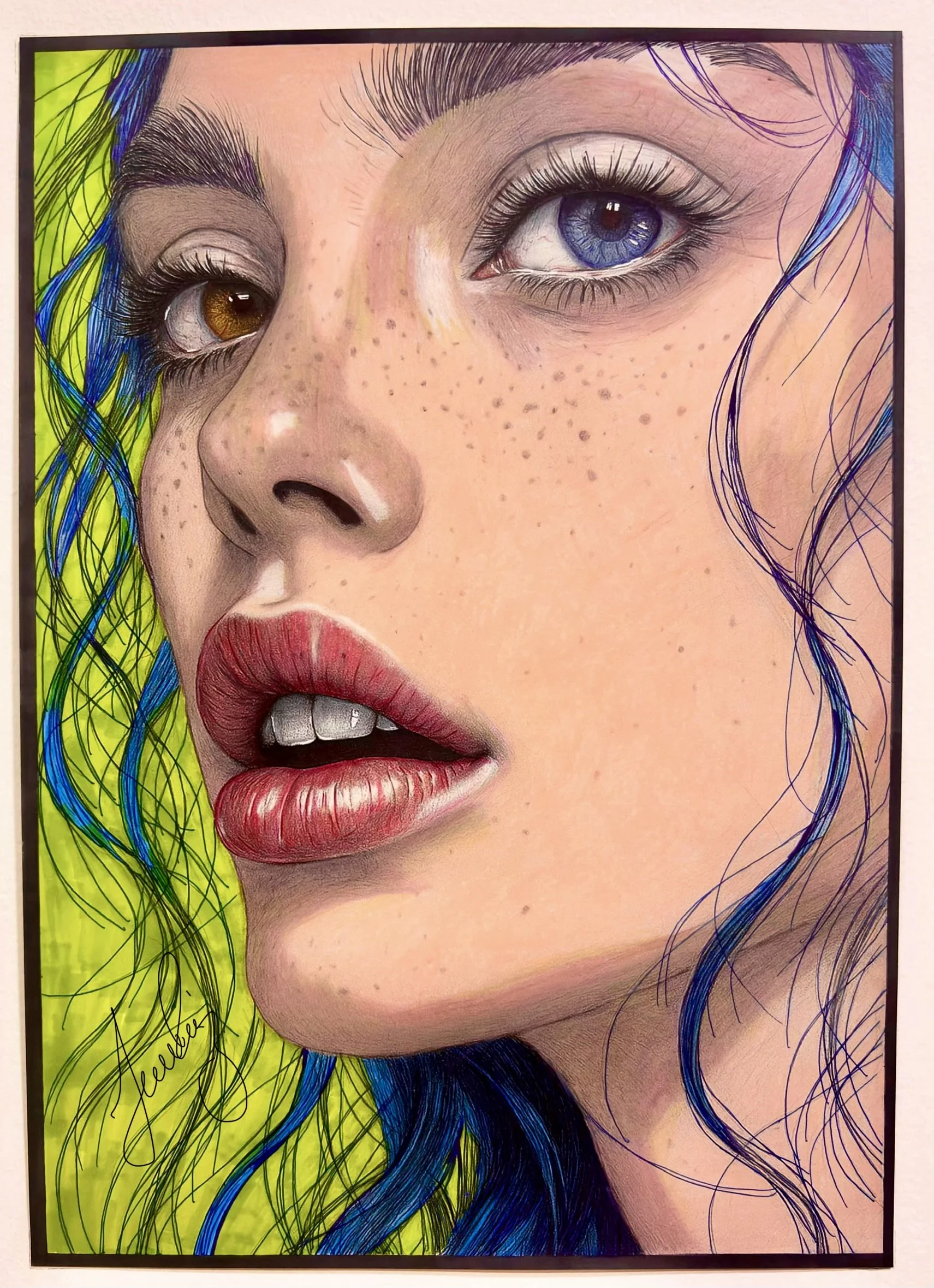
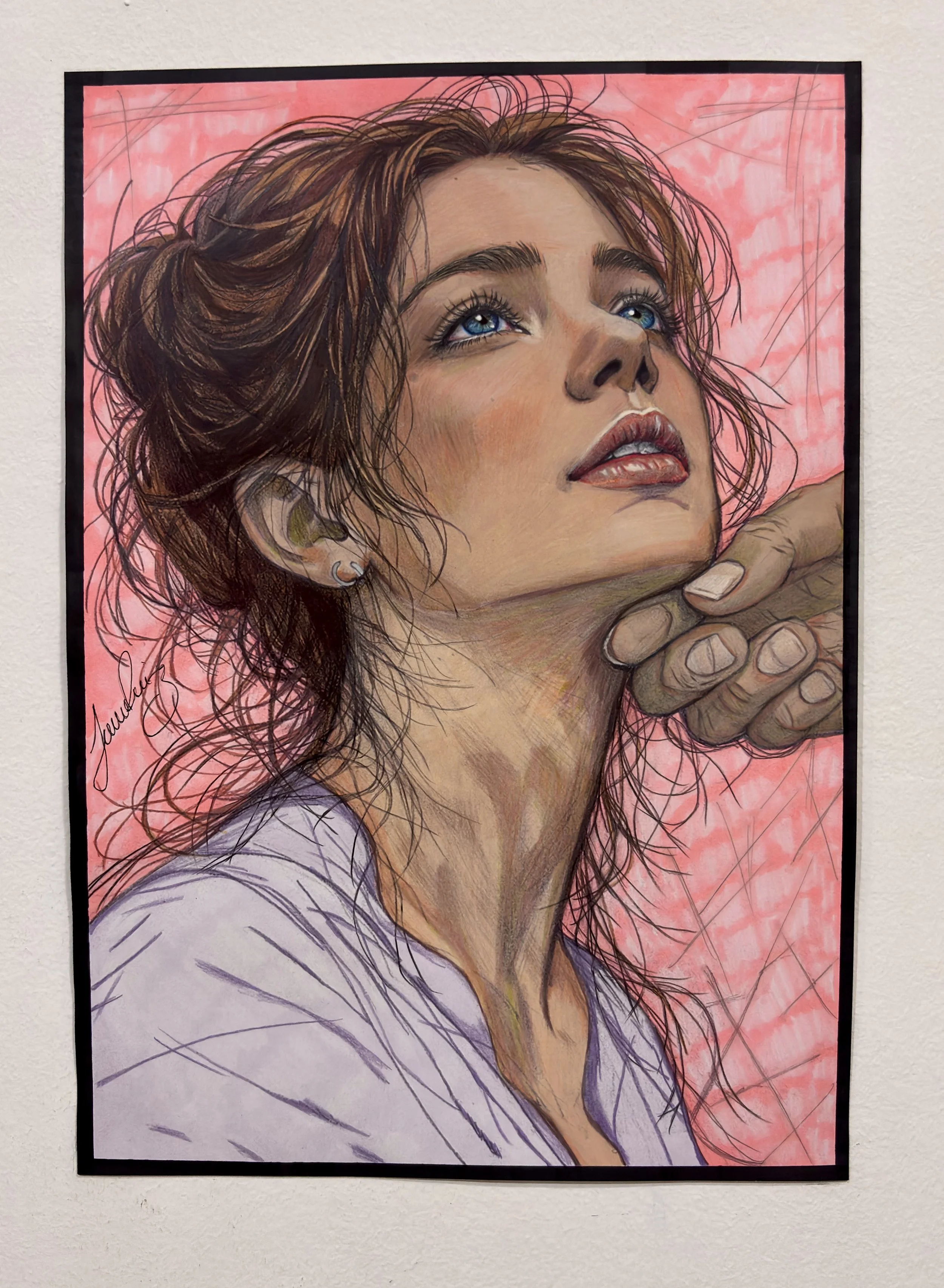
More than a ritual, what I have is a way of entering a state of attention. My experience in healthcare has taught me to slow down, to observe carefully, and to be fully present — something I carry directly into my creative process.
Before starting a piece, I take time to study the face, the light, and the emotion behind it. I look for a real connection with what I’m about to paint, and once it appears, the process becomes almost intuitive.
For me, the female face goes far beyond an idea of aesthetic beauty. I see it as an emotional territory — a space where strength, vulnerability, history, and identity intersect. I’m especially drawn to
the duality within a gaze: it can be soft and strong at the same time, open yet protective, fragile yet powerful.
Rather than representing an ideal, I seek to capture a presence — something that makes the viewer feel that the face is not only being observed, but is also looking back, creating a silent connection.
Painting, for me, is a space of silence and focus, where everything else fades away. It’s not just about technique, but about being mentally and emotionally present in every stroke.
Artistic Influences
How do you balance historical or artistic influences with your personal style, and how do these influences manifest in your work today?
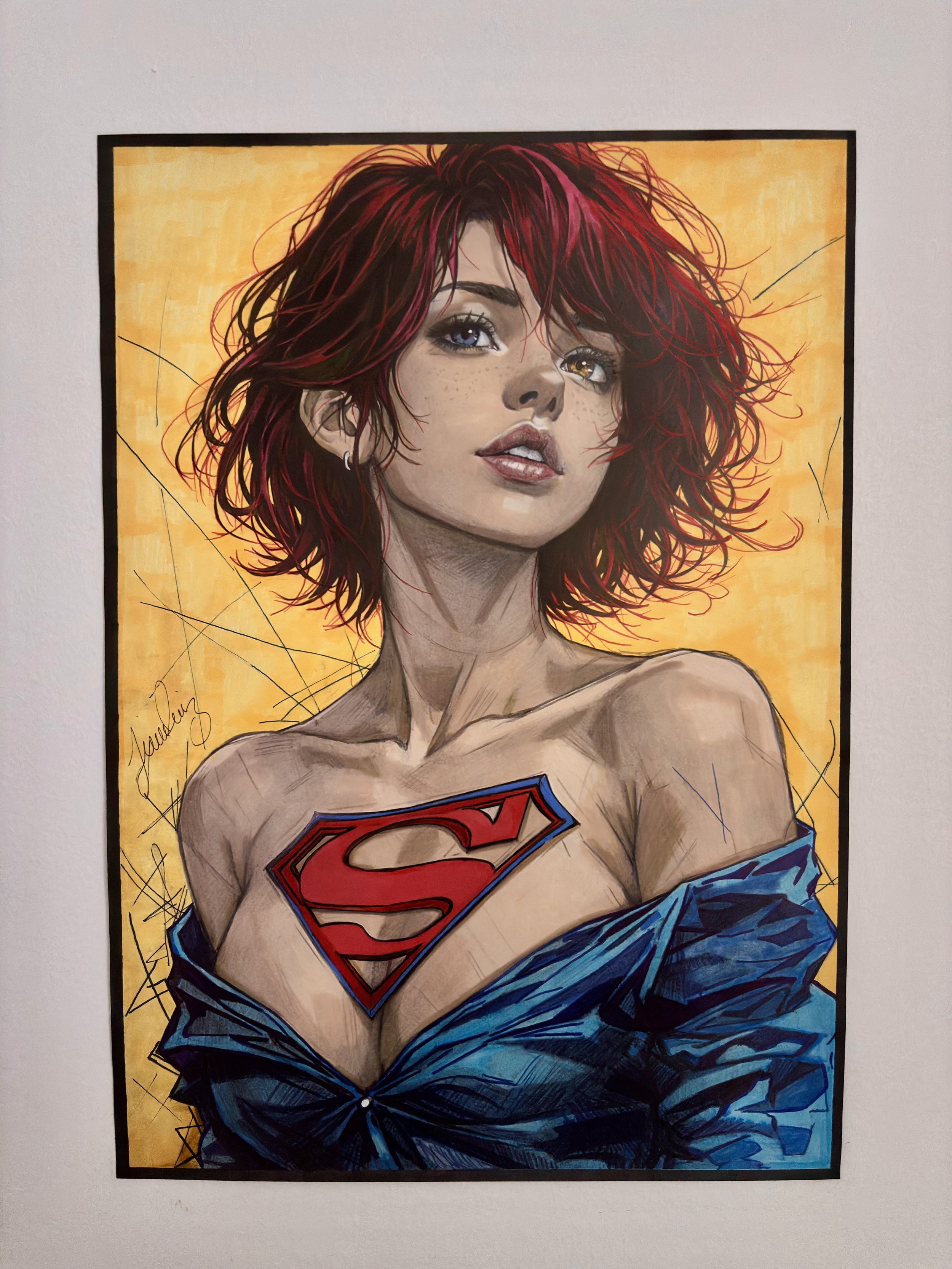
I am inspired by expressive painting as well as contemporary urban art. Rather than copying influences directly, I translate their energy into my own visual language. This creates a balance between traditional expressive power and my personal contemporary interpretation.
Emotion & Expression
How do you use your art to evoke emotions, and what role does emotion play in your creative process?
Influences are always present, but I don’t approach them in a conscious or academic way. As a self-taught artist, my visual language has been shaped more by observation, practice, and lived experience than by direct references.
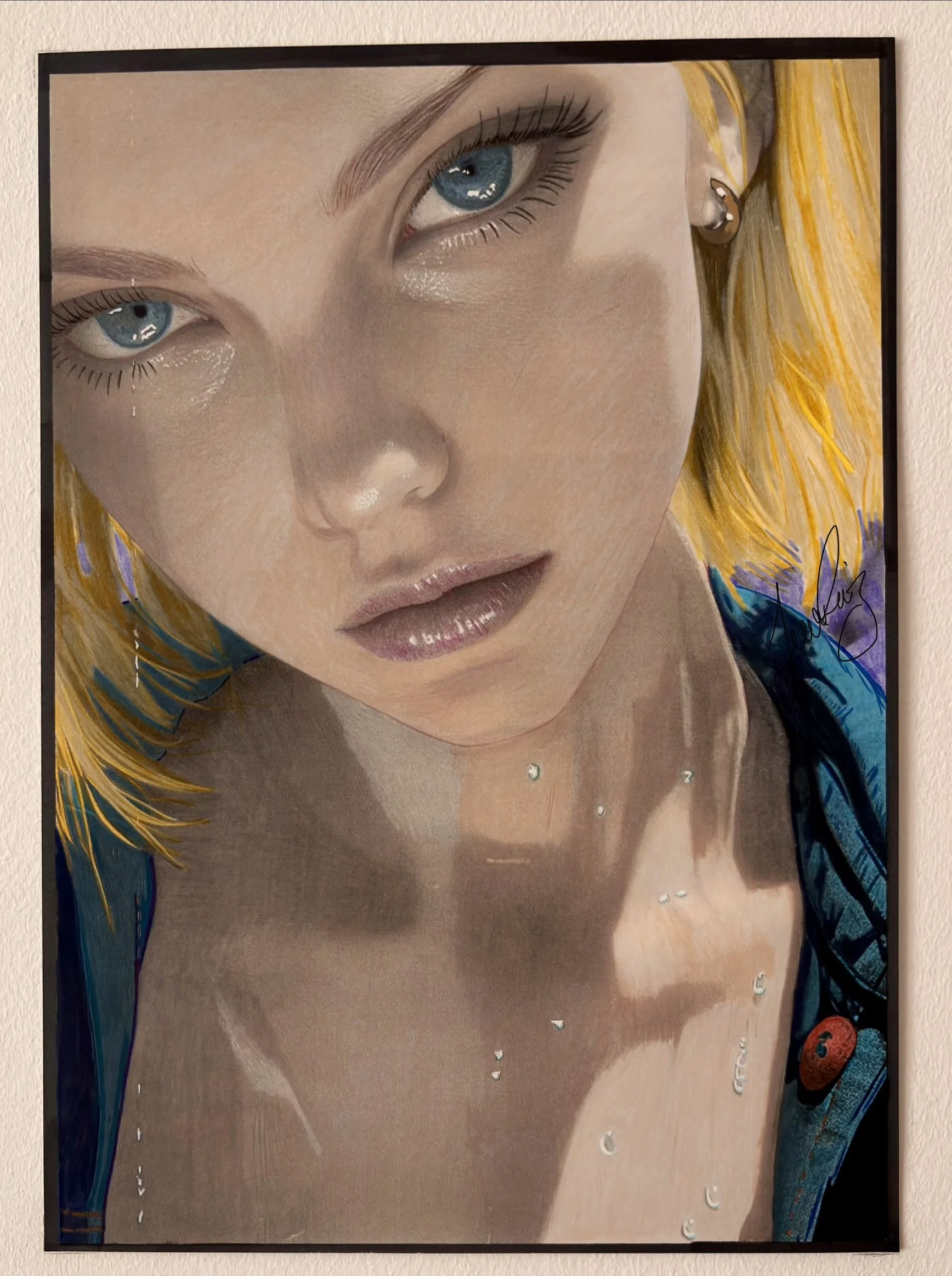
I admire the tradition of portraiture and the technical mastery of hyperrealism, but I’m not interested in replicating styles or following movements. Instead, these influences act as a quiet background that pushes me to go deeper into precision and the truth of each face.
The balance happens naturally: everything I see and experience is filtered through my own perspective. My background in healthcare, my connection with people, and my sensitivity to emotion transform any influence into something personal.
In my current work, this is reflected in a strong focus on presence and emotional depth. There may be a technical foundation rooted in tradition, but the intention is always contemporary — to create a connection, invite stillness, and offer an intimate experience to the viewer.
Exhibiting Work
How do you feel about exhibiting your artwork with The Holy Art Gallery, and what does this opportunity mean to you?
Exhibiting my work at the Holy Art Gallery is a very meaningful opportunity for me, especially considering the gallery’s trajectory and its growing presence within the contemporary art scene. It’s a space that supports diverse artistic voices and fosters genuine connections between artists and audiences.
I don’t see it only as a place to show my work, but as a platform where the stories I paint can meet other perspectives. Each piece carries a deeply personal emotional weight, so sharing them in this context means opening a part of myself and allowing the viewer to connect through their own experience.
I also see it as an important step in my journey as an artist. It gives visibility to work that comes from a very intimate and human place, placing it in dialogue with other sensibilities.
Beyond the exhibition itself, this opportunity represents both recognition and responsibility — the responsibility to remain true to my way of seeing and creating, while continuing to grow within a space that values authenticity and emotional depth.
Future Goals
What are your long-term goals and aspirations as an artist, and how do you plan to achieve them?
My long-term goals are not tied to a specific outcome, but to constant evolution. I aspire to continue deepening my artistic language and to take my work to a place that is increasingly honest, human, and emotionally driven.
I want my work to grow in presence and reach, to exist in different spaces, and to continue creating real connections with those who experience it.
Beyond that, what truly drives me is what happens after the encounter with the work. I hope the viewer feels that the painting is alive at all times — not just a still image, but a presence that breathes, observes, and accompanies.
Beyond that, what truly drives me is what happens after the encounter with the work. I hope the viewer feels that the painting is alive at all times — not just a still image, but a presence that breathes, observes, and accompanies.
I also hope to leave an emotional echo — a blend of tenderness, strength, and stillness that remains even after the viewer walks away, like a quiet energy that continues to resonate.
To achieve this, my path is to keep working with intuition, discipline, and honesty, staying true to the way I see and feel.
Audience Connection
What do you hope viewers take away from experiencing your art, and how do you aim to connect with them on an emotional or intellectual level?
The female face is at the core of my work because, for me, it goes far beyond the idea of beauty. It is an emotional territory where strength, vulnerability, history, and identity coexist. Each face I paint begins with a real person, but it doesn’t remain there — it evolves into something broader, a space where anyone can find a reflection of themselves.
Everything starts before I even touch the brush. I observe, I listen, and I feel what that face conveys to me. I focus on subtle gestures — the tension in a gaze, the tilt of the head — because that’s where the emotions that are not immediately visible tend to live. My inspiration comes mainly from the women who are part of my life: their strength, their silence, and their way of moving through the world. Each of them leaves a trace in my work.
The eyes play an essential role in this process. They are where truth remains when words are no longer enough. I don’t just aim for realism, but for presence — I want the viewer to feel that the gaze gives something back, that it recognizes, accompanies, or even questions them.
For this reason, my portraits are not just representations of individuals. They are attempts to capture universal emotional states: waiting, doubt, calm, resilience, hope. I want the viewer to think, “I don’t know who this is, but I know how they feel.”
In the end, what I seek is for the work not only to be seen, but to be experienced. I want the viewer to feel that the painting is alive — that it breathes, observes, and exists beyond the surface.
And above all, I want it to leave an echo. A feeling that doesn’t fade when the viewer walks away: a quiet blend of calm, tenderness, and strength that continues to resonate like a silent presence.