Artist spotlight : Marta Porretta
Marta Porretta is a multidisciplinary artist, born in Rome in 1979, currently living and working in Brussels. Graduated from the Faculty of Letters and Philosophy, specializing in Art, Music, and Performance, with a thesis in Modern Art History, she later furthered her studies in Visual and Performing Arts, developing a personal artistic language that blends theoretical research with expressive sensitivity.
Her artistic research is permeated and guided by a classical and artistic background, as well as by a deep admiration for the old masters — in particular Duccio, Giotto, Michelangelo, Masaccio, and the Early Flemish painters — alongside the Symbolists such as Segantini, Previati, Redon, and Böcklin. Always drawn to the symbolic language that evokes dreams, myth, and the unconscious, through her art, she explores a realm of mystery and infinite possibilities — a space shaped by the fleeting nature of the present and the subtle, elusive promises of eternity
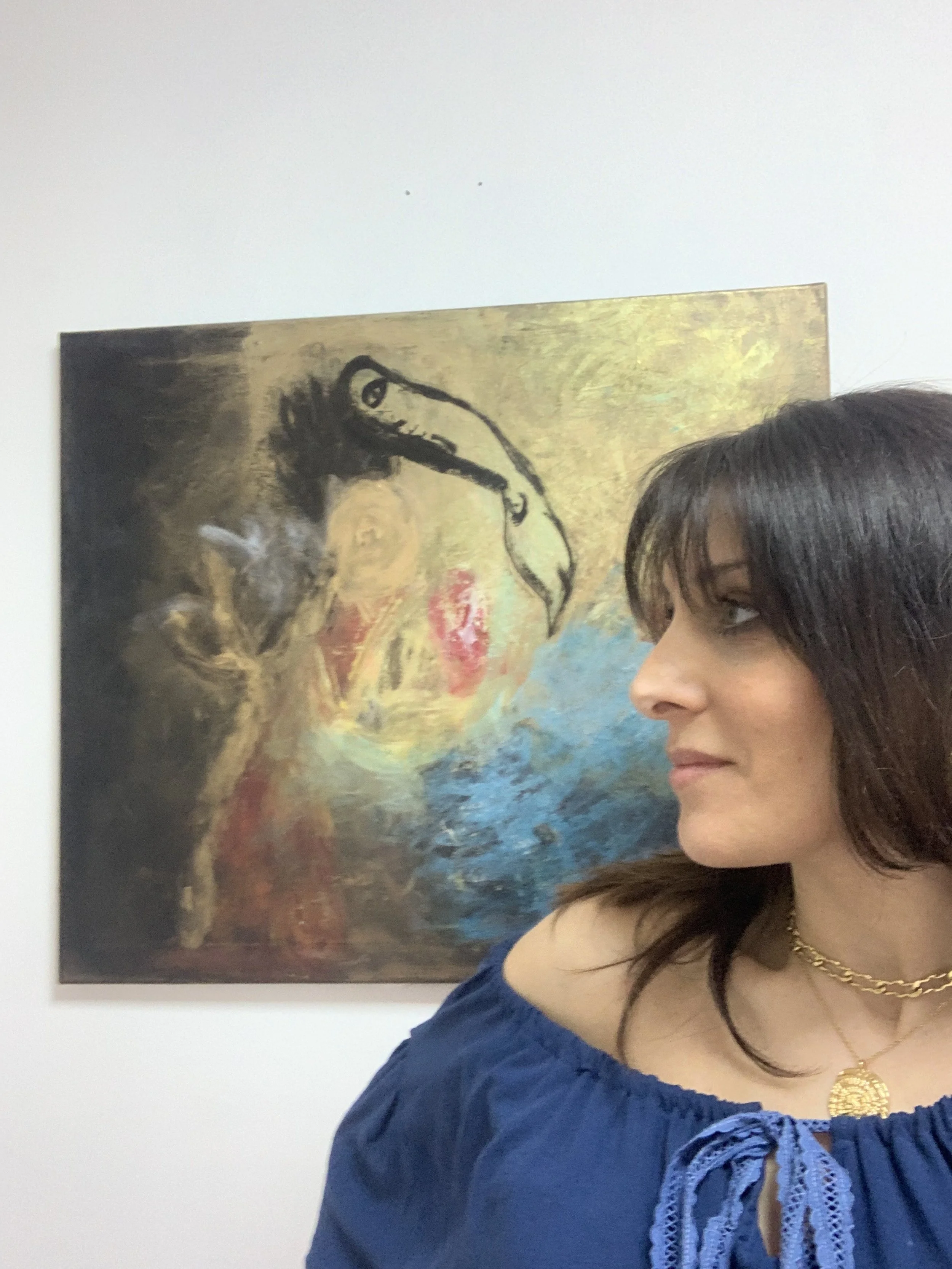
Artist: Marta Porretta
What initially inspired you to become an artist, and how did you develop your unique style?
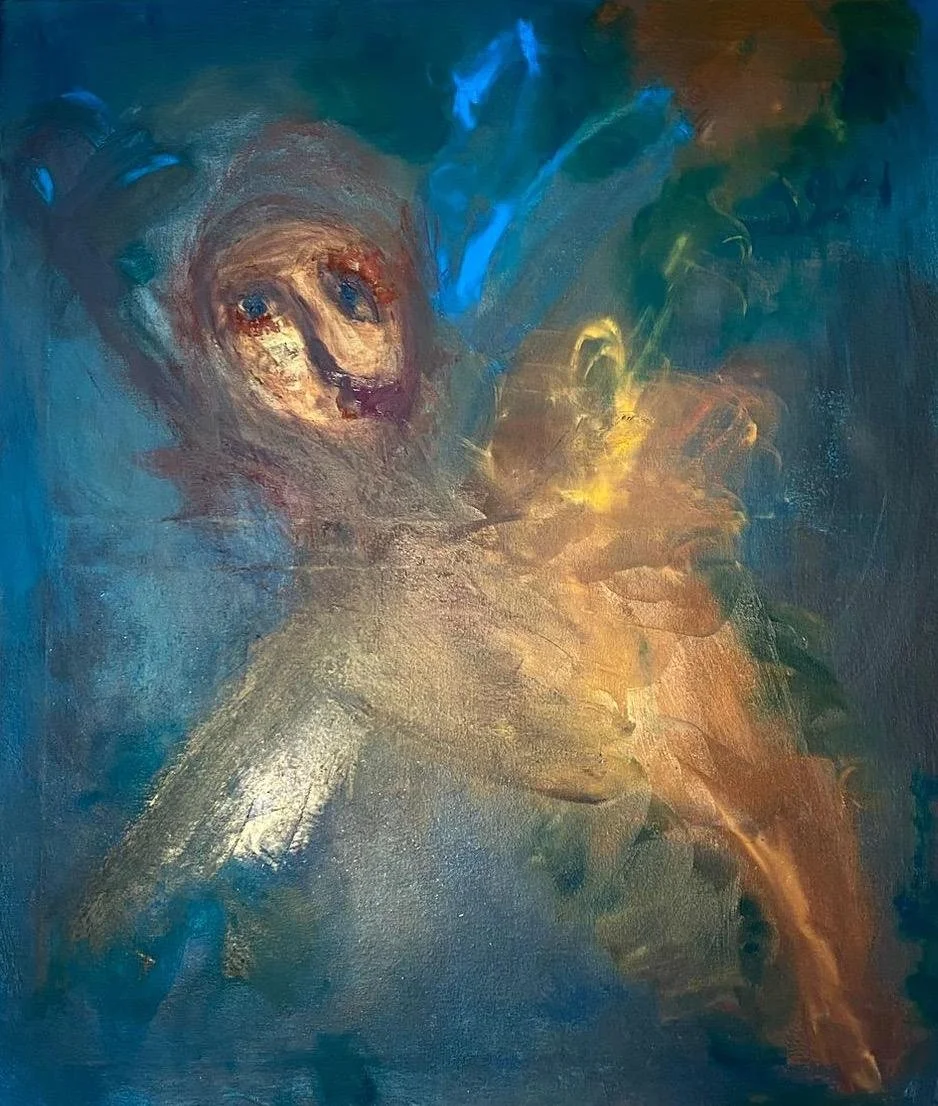
Since childhood, I’ve been deeply immersed in stories, symbols, and imagination. Writing and reading have always been a vital part of my life—sources of inner exploration and transformation. My classical studies offered a rich foundation in mythology, ancient narratives, and archetypal figures, which continue to inform the symbolic dimension of my work. Later, studying theatre alongside visual arts and art history expanded my sense of presence, gesture, and the invisible layers of human experience. Over time, these threads merged into a personal language where image, rhythm, and symbolism come together to reveal what cannot be spoken directly.
Do you have any rituals or routines that help you get into a creative mindset when starting a new project?
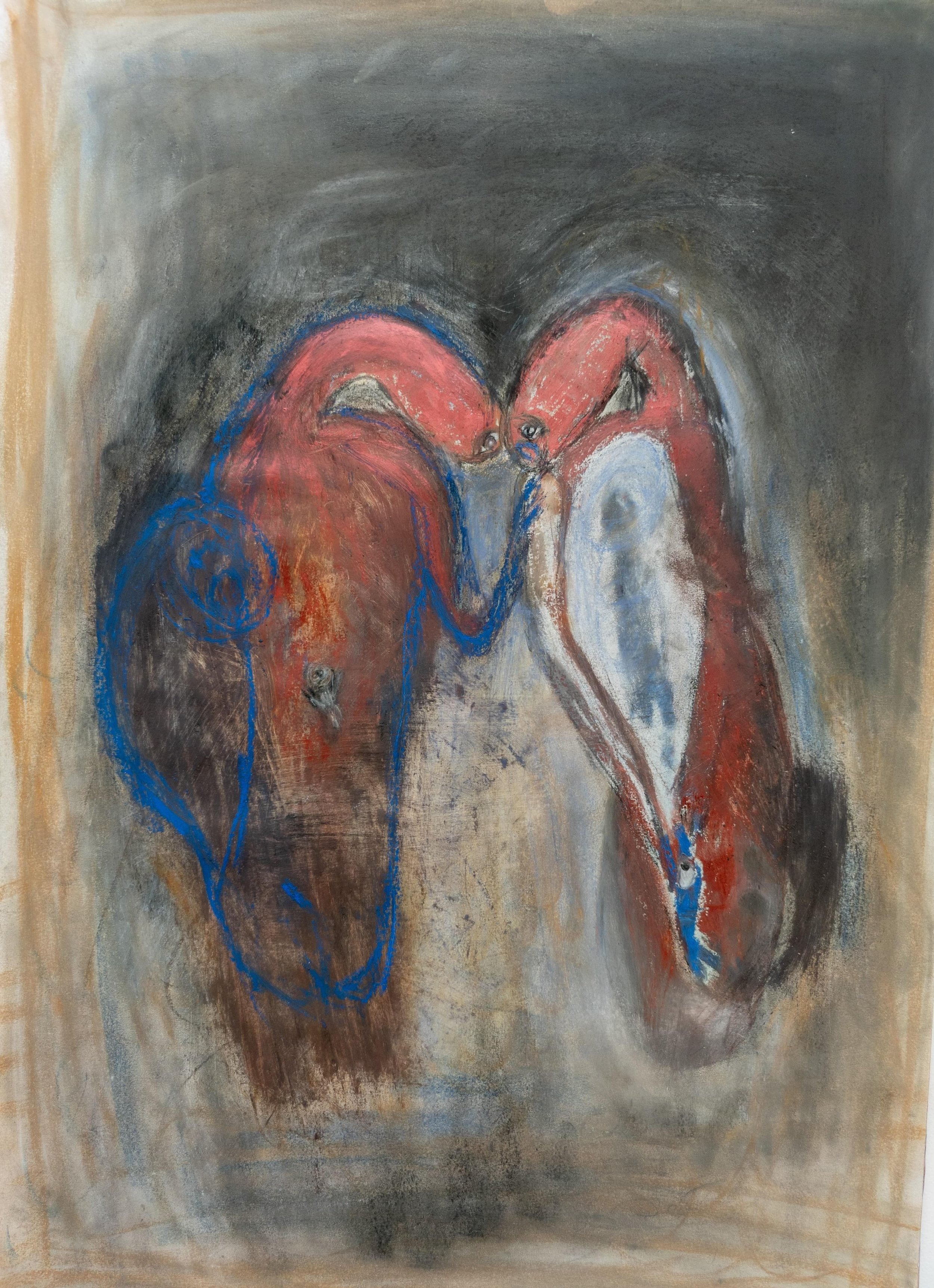
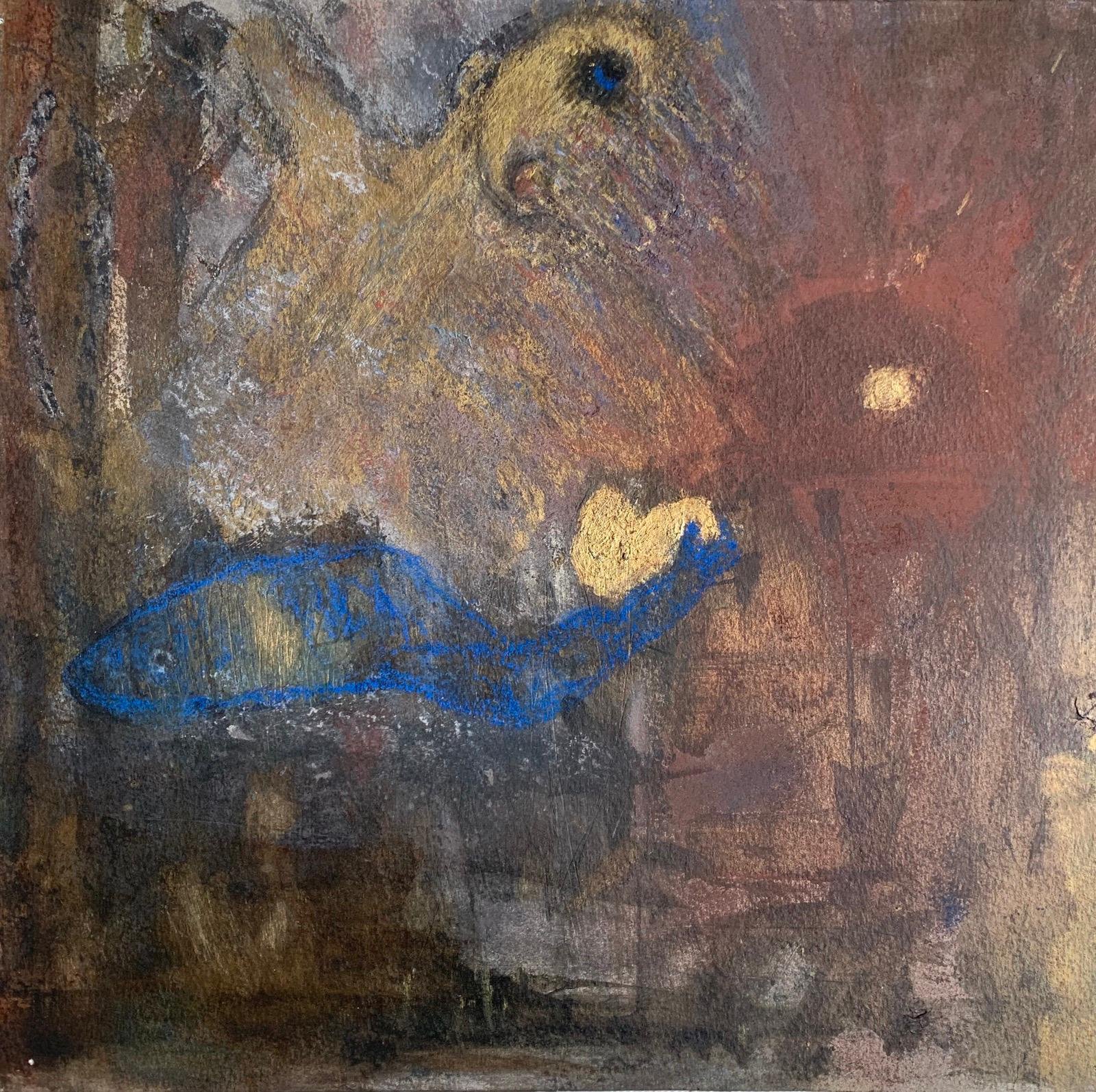
Yes, my process often begins in silence. I allow imagery, sensations, or fragments from dreams to surface without force. I sketch intuitively, then let the canvas evolve through layering. The ritual is one of listening—first to the inner murmurings, then to the materials as they respond and transform.
How do you incorporate feedback from critics and audiences into your artistic practice,and how do you balance this feedback with your own artistic intuition?
I welcome feedback as a mirror—it reflects what others perceive, and sometimes reveals patterns I might not see myself. However, I remain anchored in intuition. I believe the most authentic work arises when I trust that inner compass, even if it moves in unexpected directions.
How do you feel about exhibiting your artworks with The Holy Art Gallery?
It’s a meaningful opportunity to share my vision within a broader, international dialogue. I appreciate The Holy Art’s commitment to showcasing emerging voices, and I was especially excited to present my work in Paris—
a city imbued with artistic and philosophical depth.
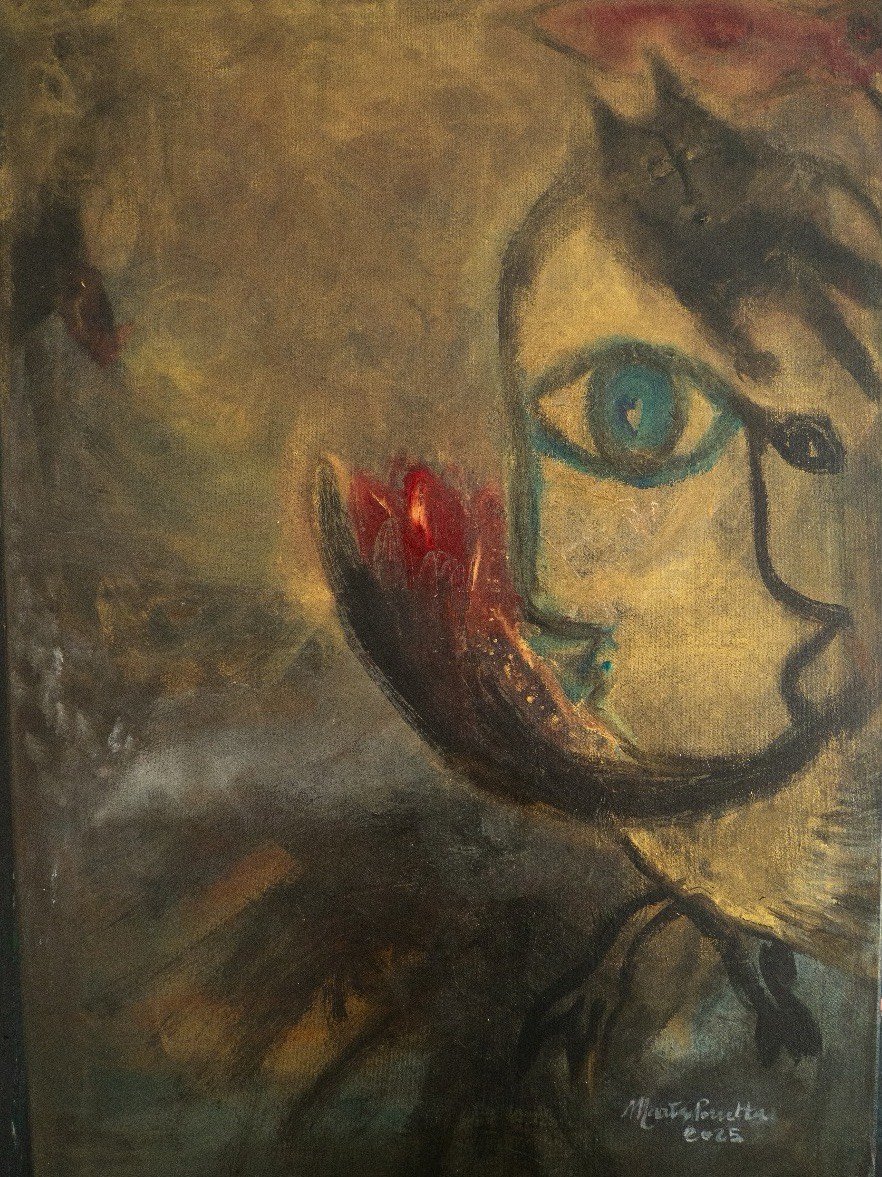
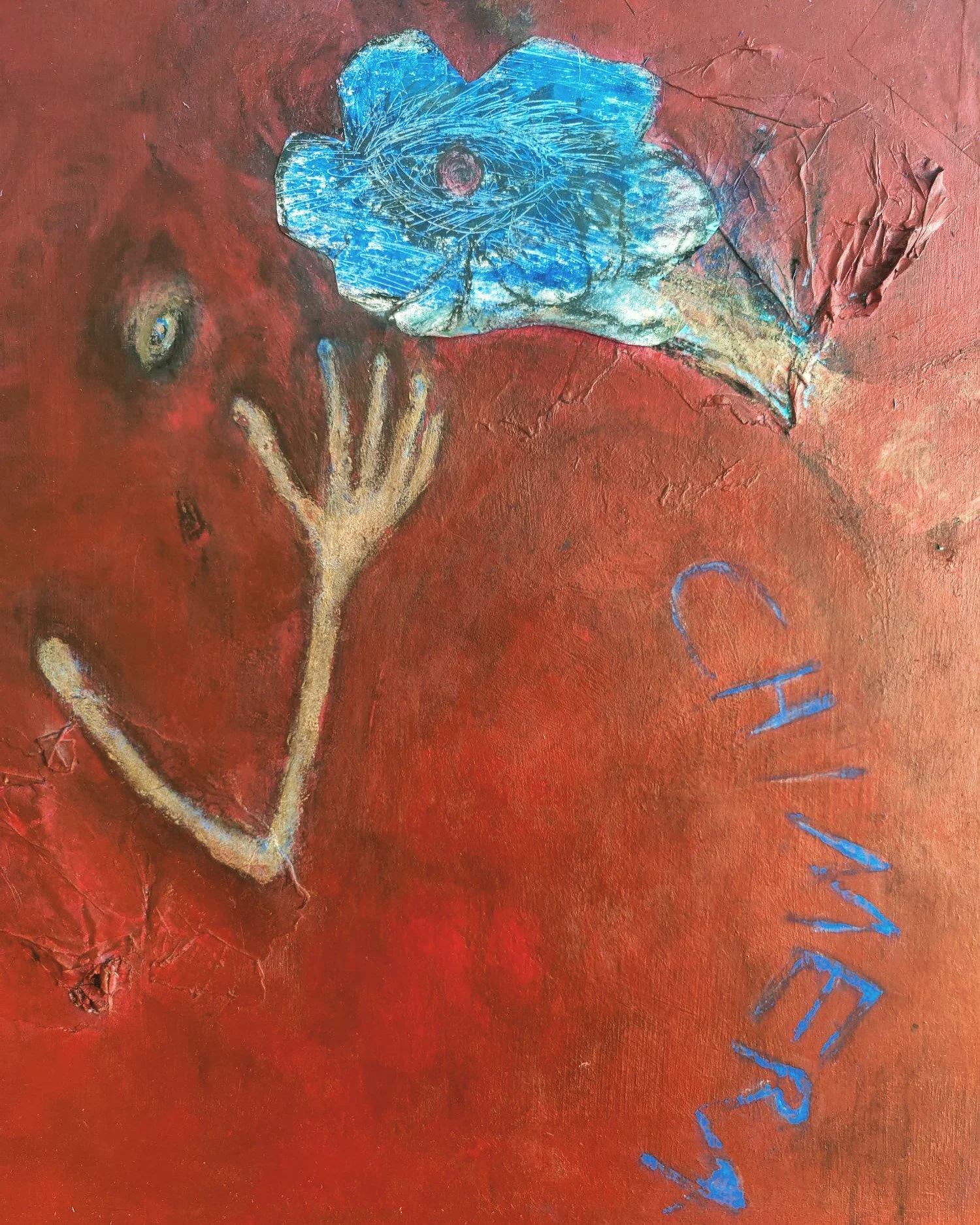
Looking ahead, what are your long-term goals and aspirations as an artist, and how do you plan to achieve them?
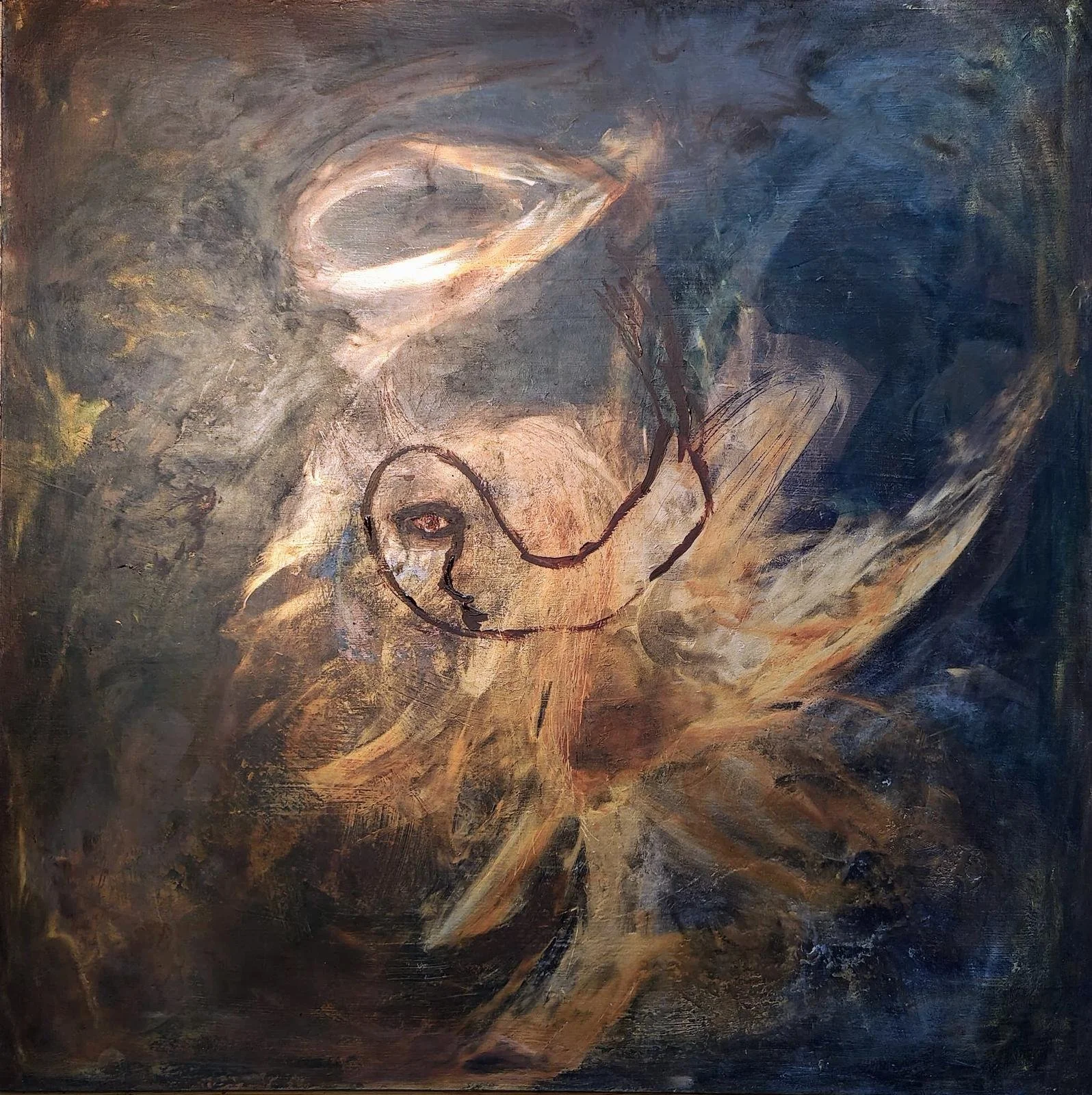
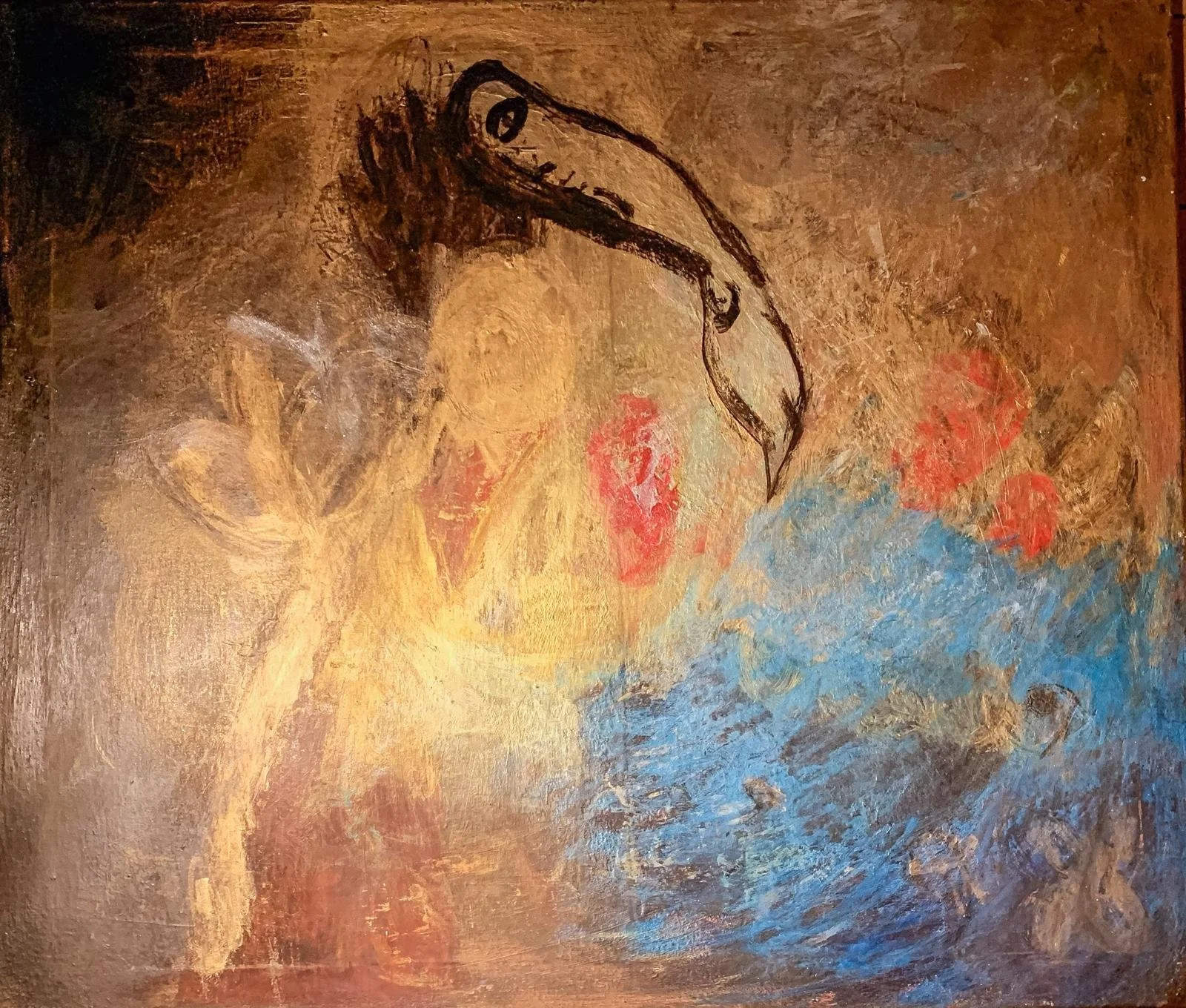
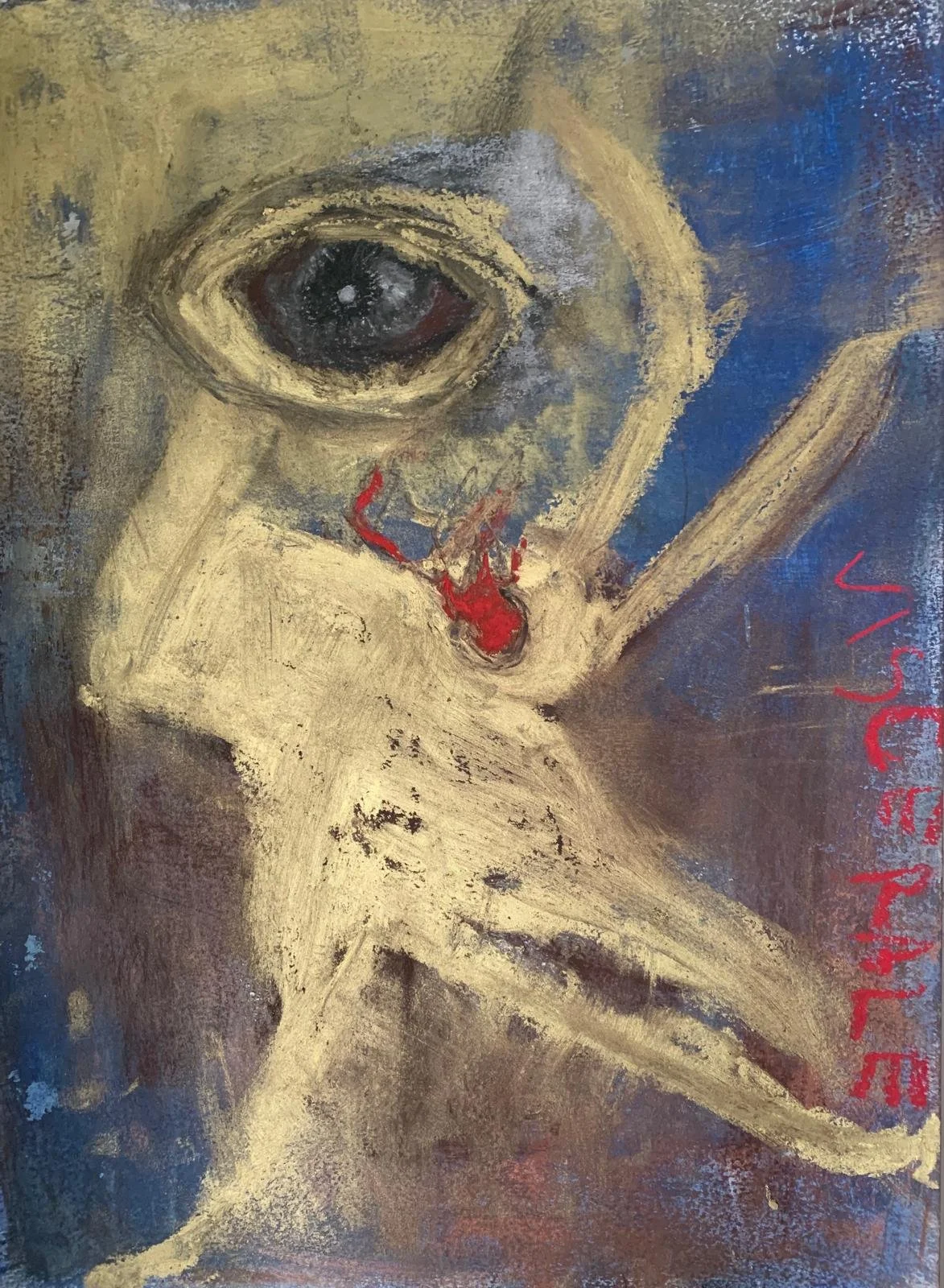
My aspiration is to continue creating a body of work that speaks to the inner world and opens poetic spaces of reflection. I intend to deepen my presence both online and through physical exhibitions, building connections with curators, collectors, and communities that resonate with this vision. Selling work regularly is part of sustaining this path.
What role does emotion play in your creative process, and how do you aim to evoke specific feelings or reactions from those who view your artworks?
Emotion is the current beneath everything—it’s not always explicit, but it shapes the atmosphere of a piece. I aim to evoke a quiet intensity, a sense of recognition in the viewer. When someone feels something stir in front of my work, as if encountering a forgotten dream, then I know the piece has fulfilled its purpose.
Can you share a particular project that stands out to you and explain the creative process behind it?
One piece that holds deep meaning for me is The Siren’s Dream. Created with acrylic and oil on unframed canvas (60x70 cm), it centers on the figure of the siren—a liminal presence within my visual mythology. She embodies the call of the unknown, beauty and danger, voice and silence. The painting emerged through a slow process of layering, like a tidal movement—revealing and concealing fragments of form, memory, and emotion.