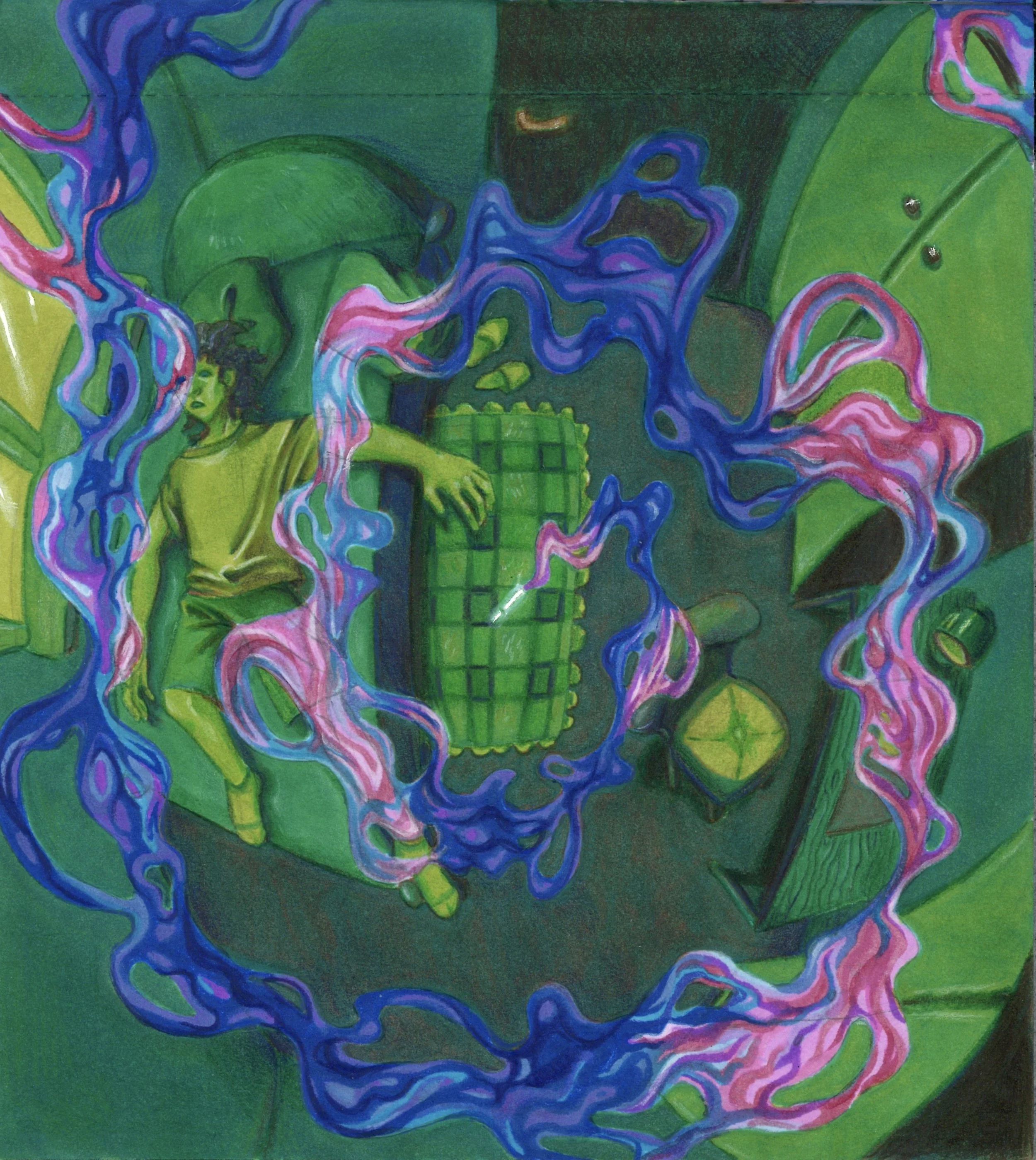
ARTIST STATEMENT:
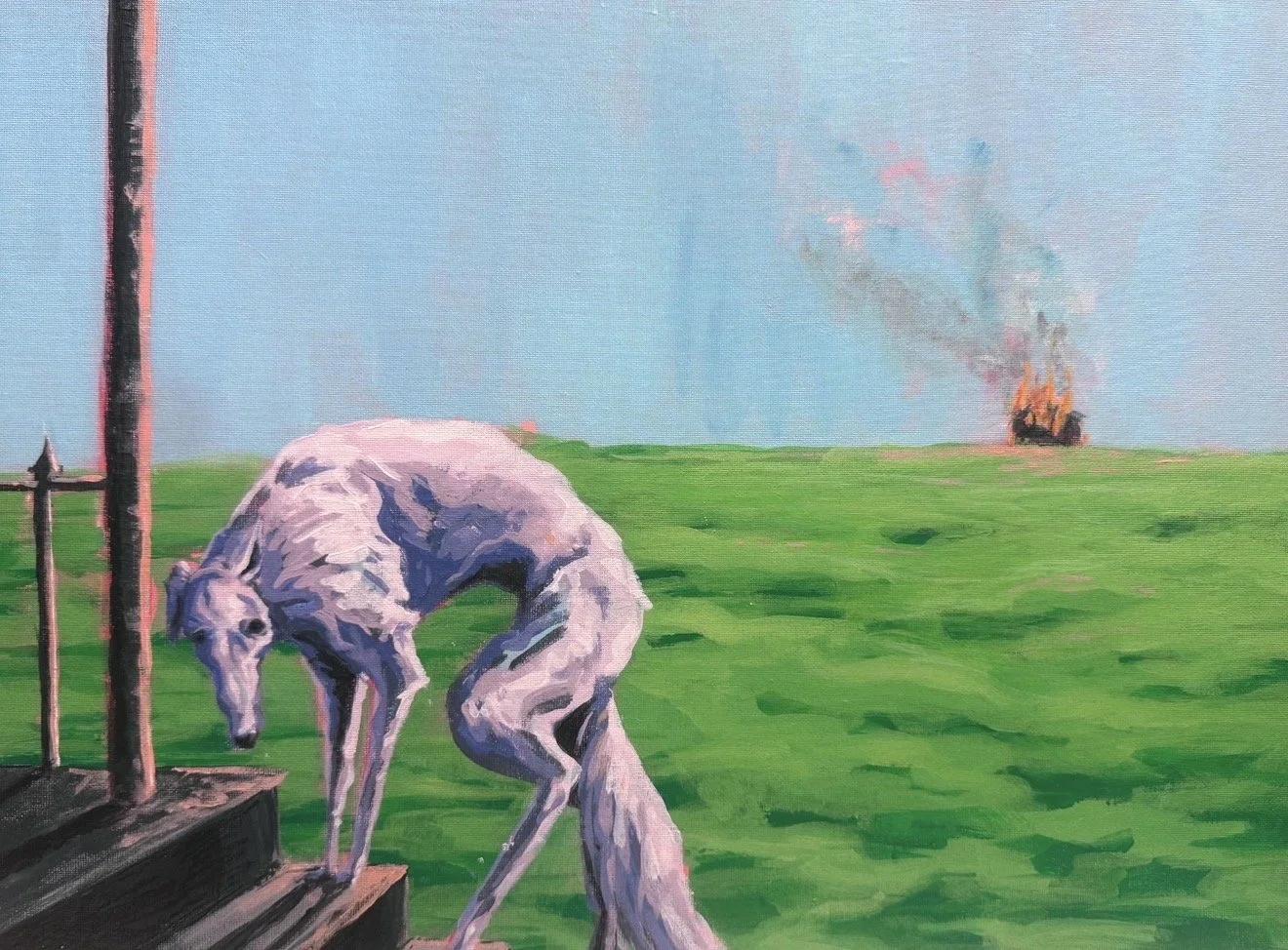
“The View” speaks about freedom. We are born into a set of circumstances by chance but it is on us to make the choice to walk away from a burning house.
Social Networks :
Instagram Handle: @garfields_juicy_lasagna
Website/ Portfolio: https://readymag.website/u2257863610/6452502/
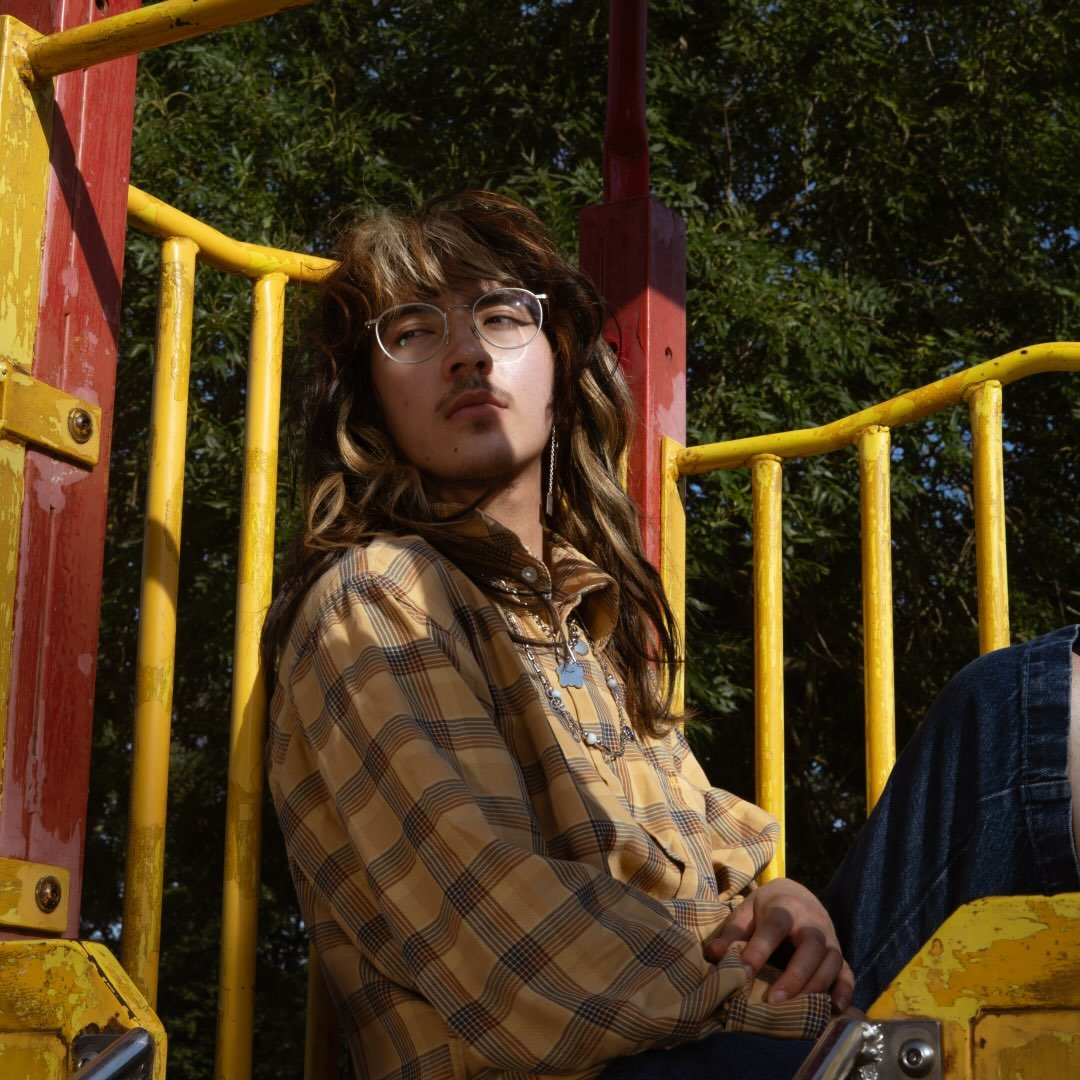
Oliver Rakhimov
1. Inspiration & Style
What initially inspired you to become an artist, and how did you develop your unique artistic style?
Answer: I didn’t intend to become an artist, it’s just something that happened naturally because I found it helped me express myself early on in my life. Thinking in pictures was much easier than verbalising my thoughts, so it kind of stuck with me. Due to that, my artistic style is mainly shaped by my lived experiences and emotions finding their place on a canvas, locked in and documented.
2. Creative Process
Do you have any rituals or routines that help you get into a creative mindset when starting a new project?
Answer: Not really, however I’m most inspired when I go out and just explore. I find that curiosity is what fuels my imagination the most, seeing something new or unfamiliar immediately generates images in my head to explain what I see and feel, that’s how I try to make sense of the world around me.
3. Artistic Influences
How do you balance historical or artistic influences with your personal style, and how do these influences manifest in your work today?
Answer: A lot of these influences meet on a subconscious level for me and I feel that only through my art I’m able to actually see how they interact with each other. I grew up surrounded by many different cultures, eastern, western, individualistic, collectivistic, etc, so I feel my influences are very global and varied, which makes it easy for me to understand a wide scope of different experiences. This is obviously very useful for me as an artist, because it allows me to express what I feel in a way that reaches a wider audience.
4. Emotion & Expression
How do you use your art to evoke emotions, and what role does emotion play in your creative process?
Answer: Feelings are what drive most of my art generally, I find that I represent a lot of my feelings through associations (like symbols, colours, compositions), so there tend to be some reoccurring themes or images for certain periods of time, getting replaced by other symbols once I worked through the previous themes enough. For example, I found that most recently, I tend to depict a lot of dogs in my artwork.
5. Standout Projects
Can you share a project that stands out to you and describe the creative process behind it?
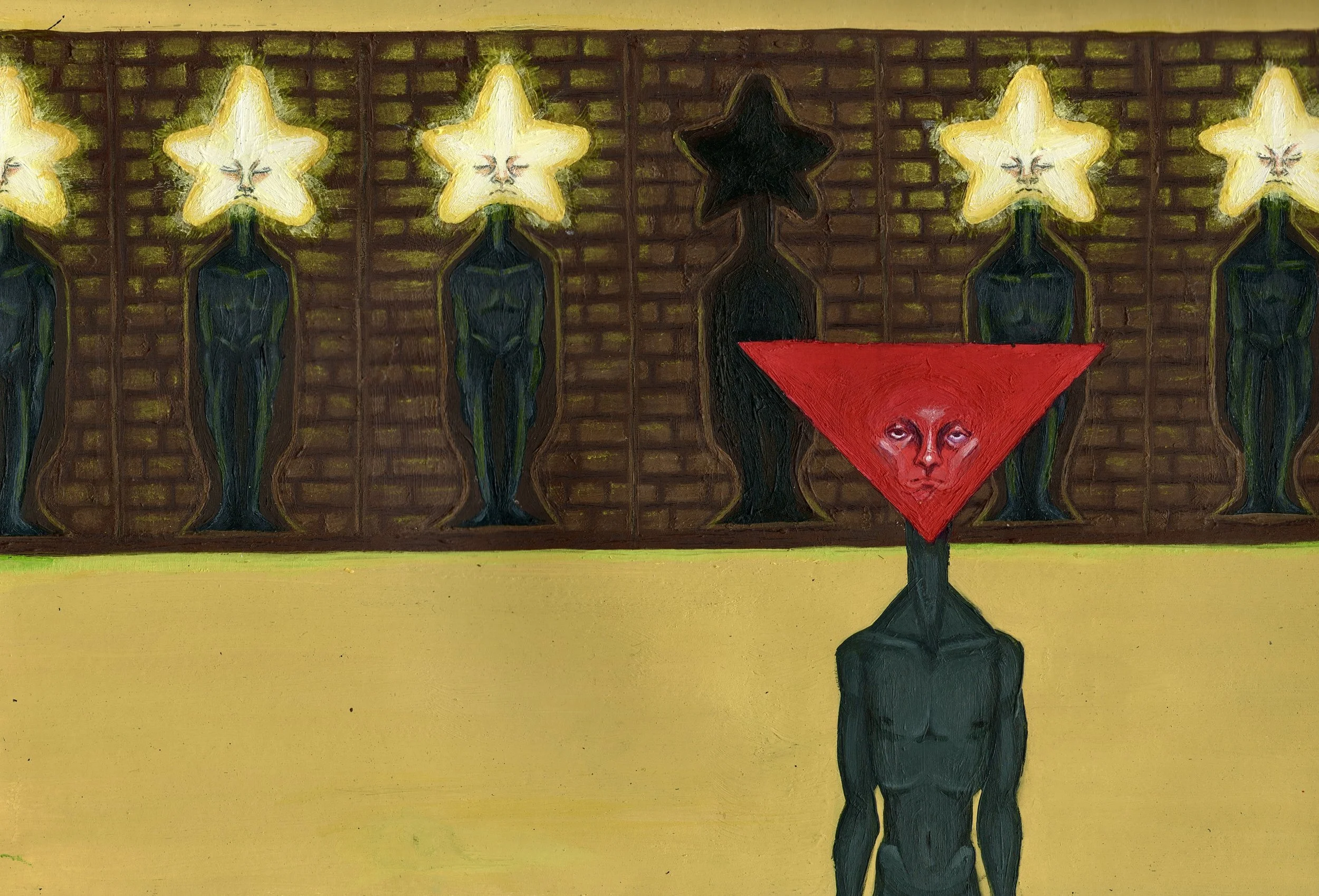
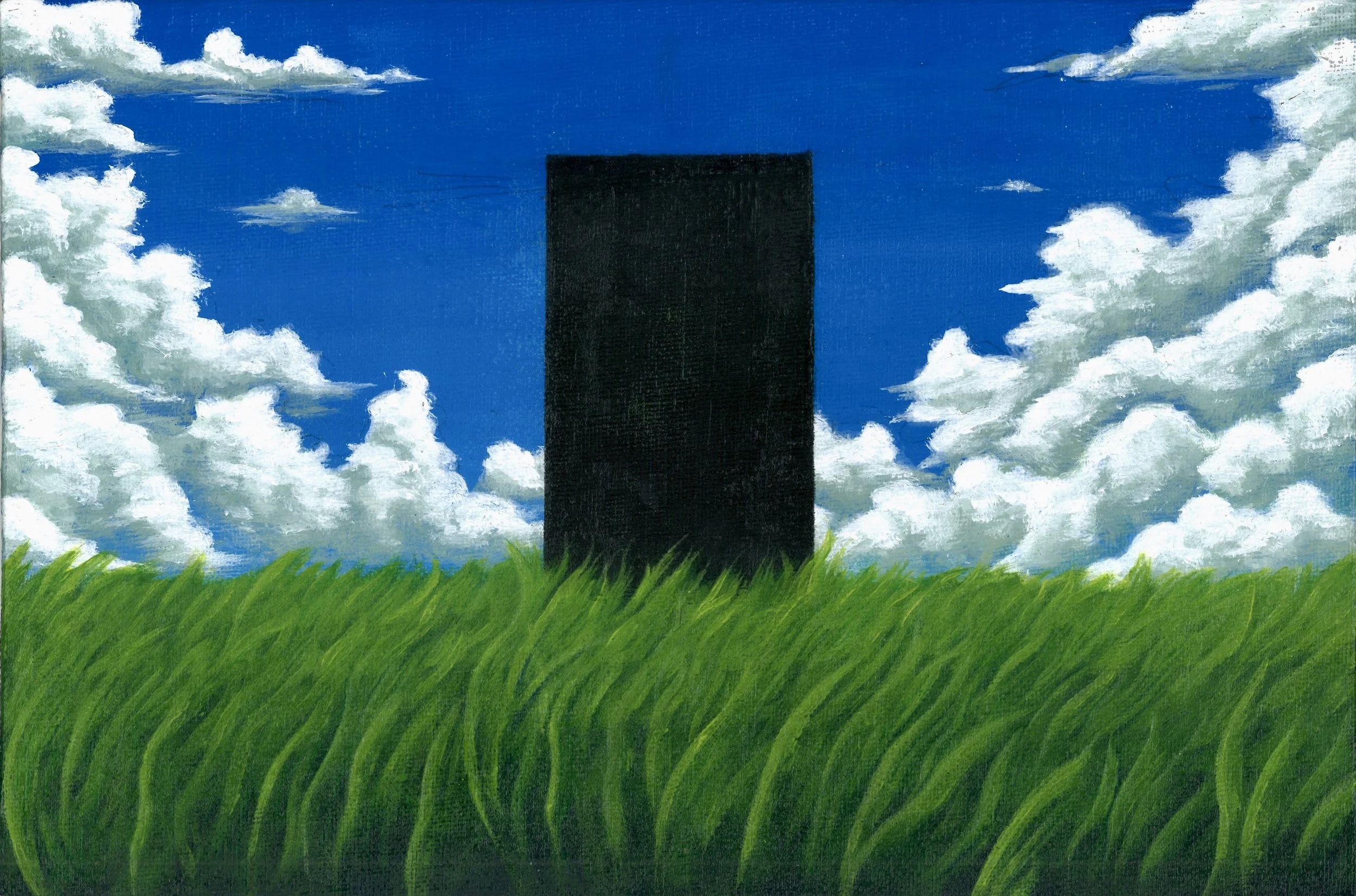
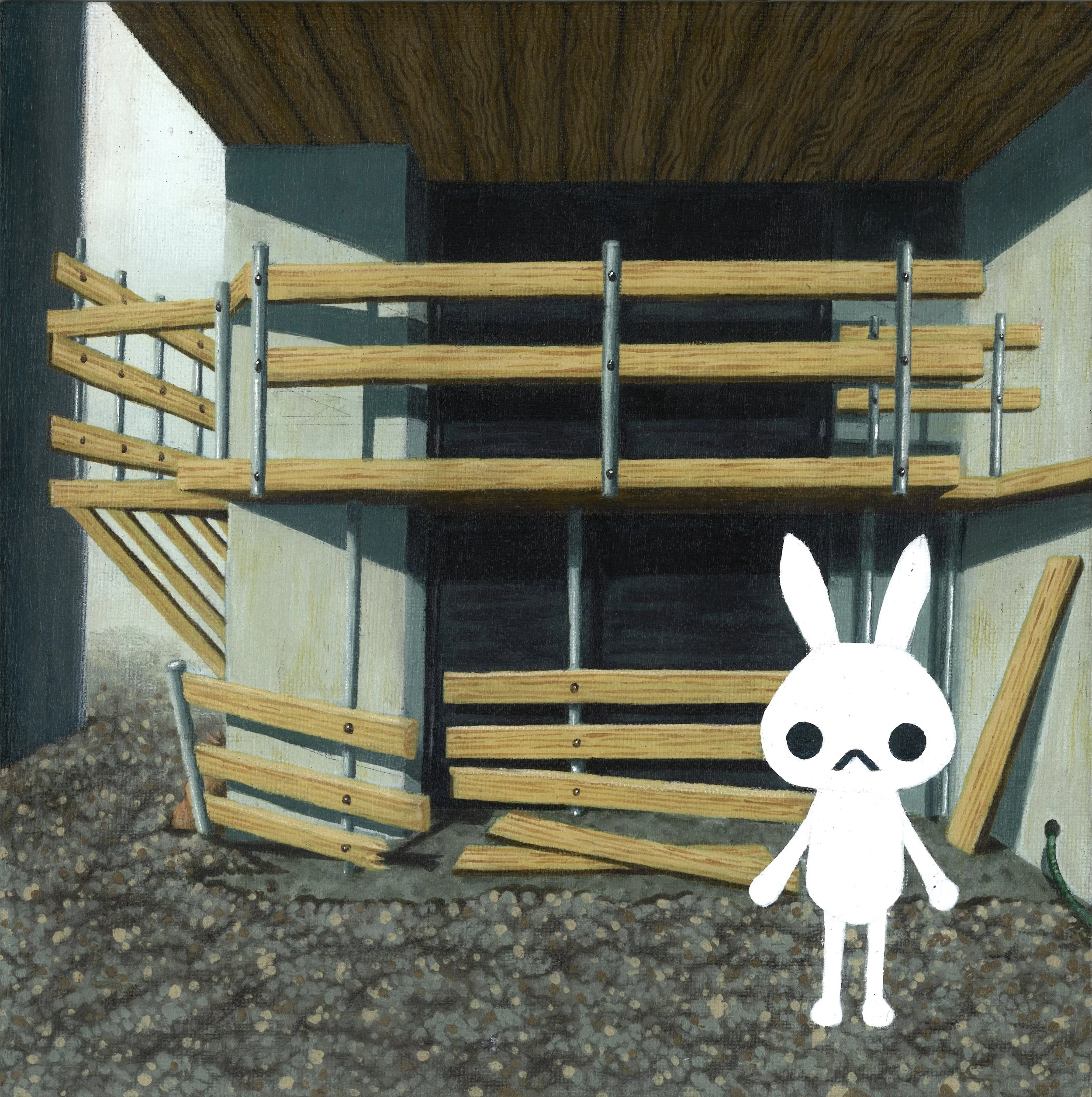
Answer: There’s this trilogy project I have done a while back that was very important to me. I was 19 at that time, at a really low point in my life. In response to those feelings I made a painting. Initially that was supposed to be it, but throughout the painting process I was able to reflect on a lot of what I have gone through, so the only natural progression from there was creating a response. And then a response to my response of that first painting. I feel like that trilogy illustrates so many different facets of being alive, capturing the transient nature of life. While I’m a fully different person now, that project still takes up a special place in my heart, marking probably the biggest shift I have made in my life thus far, splitting life into a “before” and an “after”.
6. Feedback & Growth
How do you incorporate feedback from critics or audiences into your work, and how do you balance this with your own artistic intuition?
Answer: I’ve always been very open to feedback because an outsider might have an easier time noticing mistakes I don’t see. Working on a piece for multiple days or even weeks is bound to make you blind to these sorts of errors. So whenever I do get criticism for my work I take it gladly and think about how I can apply it to my next project.
7. Motivation & Inspiration
How do you stay motivated and inspired, even when facing creative blocks or challenges?
Answer: I try to get every idea I have out somehow, whether that’s writing it down or sketching it quickly. By every idea I do mean every single one, even those I deem “bad” or “not up to my standard”, that way I avoid cluttering my brain with “bad” ideas that take up space that could have been occupied by “better” ideas. Not everything an artist creates is gonna be the most amazing piece of art ever and that’s okay, the earlier one gets over that fear of failing the sooner they become “productive artists” so to speak.
8. Exhibiting Work
How do you feel about exhibiting your artwork with The Holy Art Gallery, and what does this opportunity mean to you?
Answer: This is my first time showing my work publicly like that. It already took a lot to come out of my shell and start posting what I create, doing it on a bigger scale like with this exhibition is what I saw as the next step in overcoming that fear of showcasing what I create. It’s not the criticism or negative reception I fear, but it’s that feeling of not being in control of what happens with my work once it’s out there. But that’s also what art is about isn’t it? I may have put my own story into a piece but that doesn’t give me emotional monopoly over my work, art is meant to be consumed by an audience. Each member of the audience will have their own unique dialogue with the piece, finding reflections and thoughts that could only make sense to them and it is precisely that lack of control that makes art so powerful. Art is like that chaos that helps break the order of how things usually work, subverting your expectations to reveal systems and patterns you weren’t even aware you were a part of. So I see this exhibition as an opportunity to overcome that fear of being seen as well as a chance to have this kind of connection with strangers, getting something different out of looking at the same piece of art.
9. Future Goals
What are your long-term goals and aspirations as an artist, and how do you plan to achieve them?
Answer: I want to keep sharing the space I create through my art, be seen and let others be seen too. I would also like to participate in more collaborative projects, I usually tend to work alone but I’m hoping to change that through networking for example (like at this exhibition).
10. Audience Connection
What do you hope viewers take away from experiencing your art, and how do you aim to connect with them on an emotional or intellectual level?
Answer: I’d like to talk to those who are willing to share their thoughts and feelings on my piece of art. Gaining a glimpse into how others think is one of my biggest sources of inspiration, it helps broaden my horizons, momentarily seeing the world through a different lens. As I mentioned previously, that’s a way of subverting your own expectations, revealing something you could not have seen through your own eyes. I hope that my piece leads the audience towards a similar experience too.