Artist spotlight :Olivia Herring
ARTIST STATEMENT:
As a former scientist, the question that shaped my work was always: why? Why does a medicine work? Why does a cell behave the way it does? Science taught me to search for answers. Art allows me to ask questions without needing to resolve them.
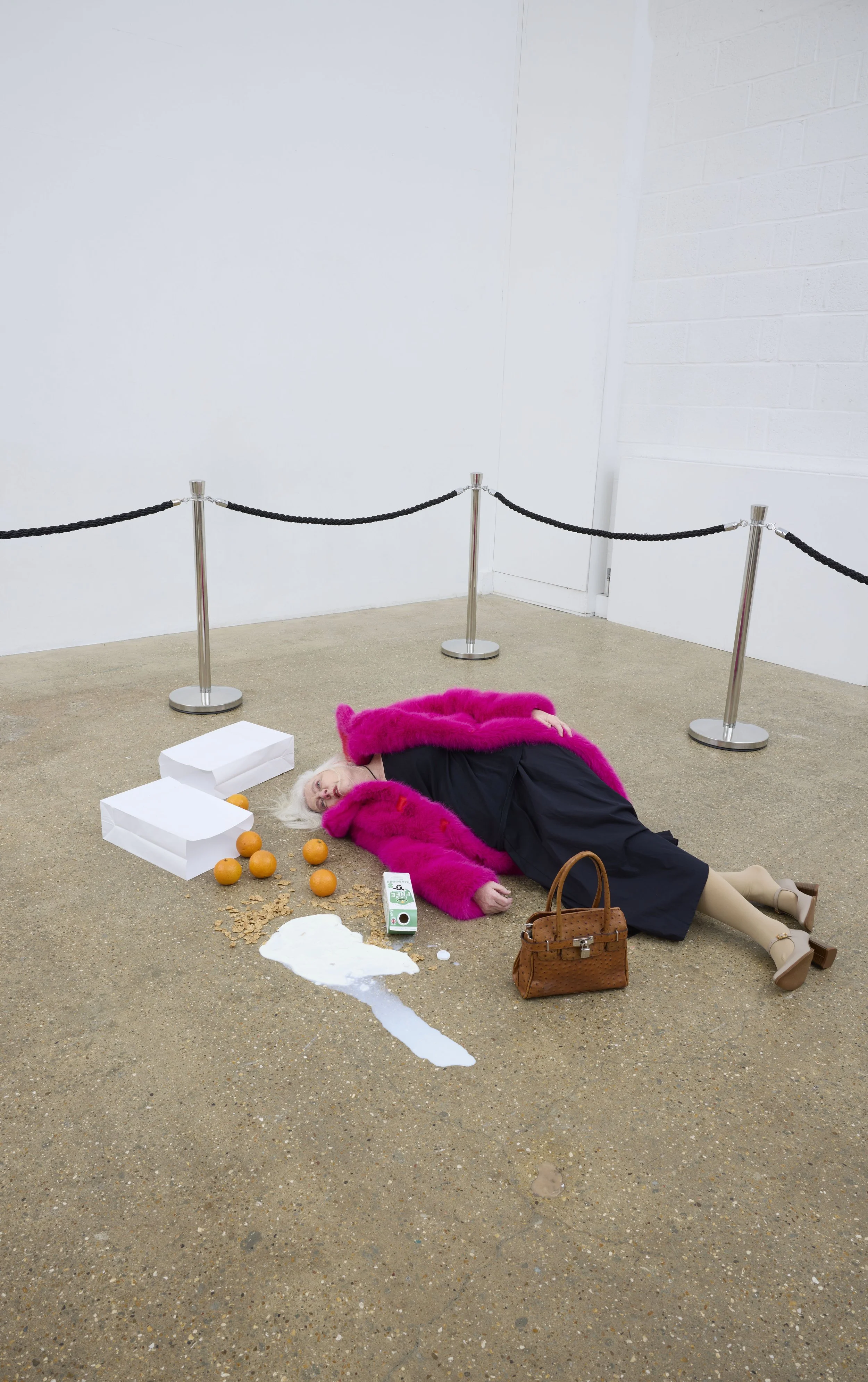
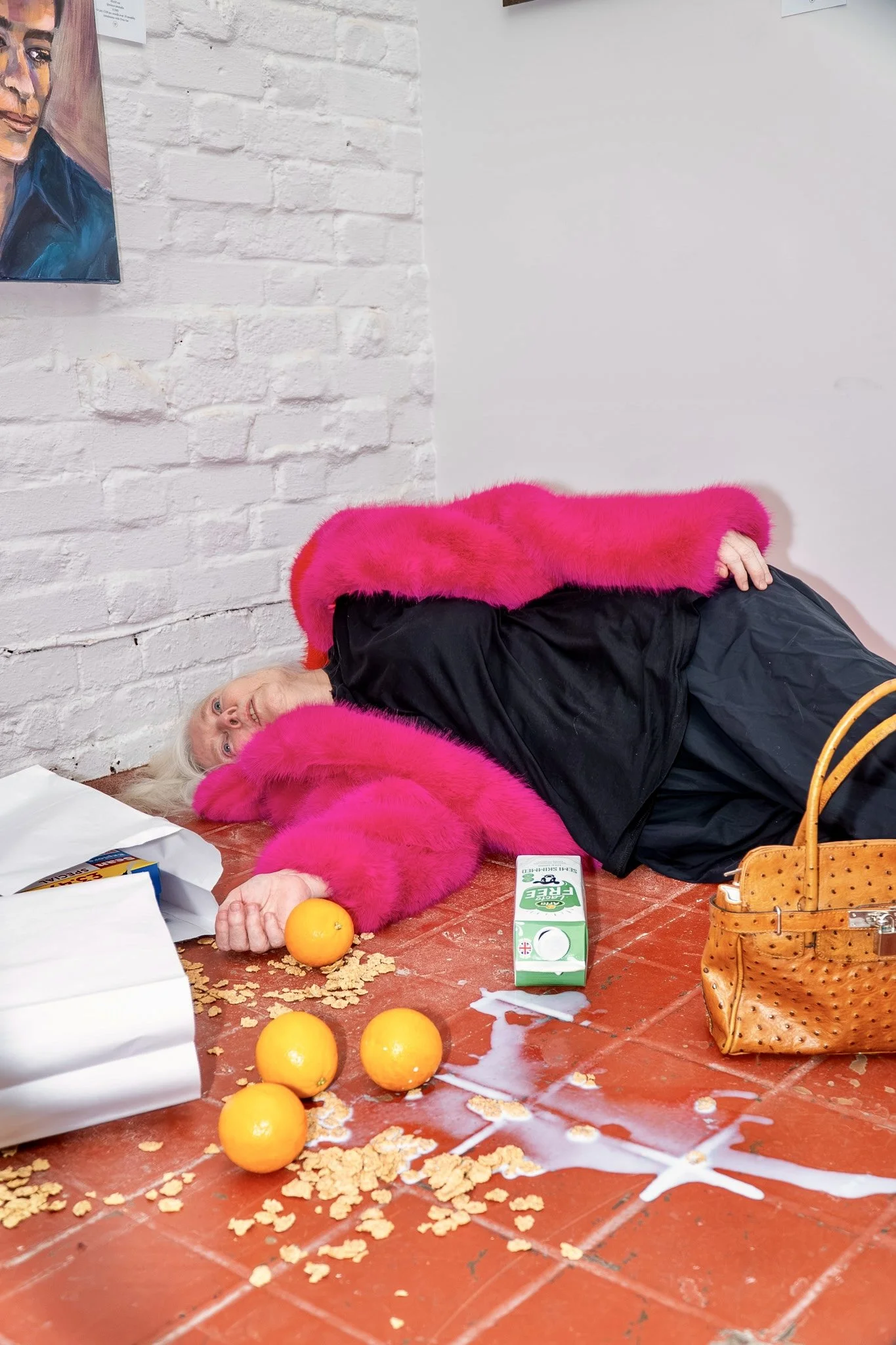
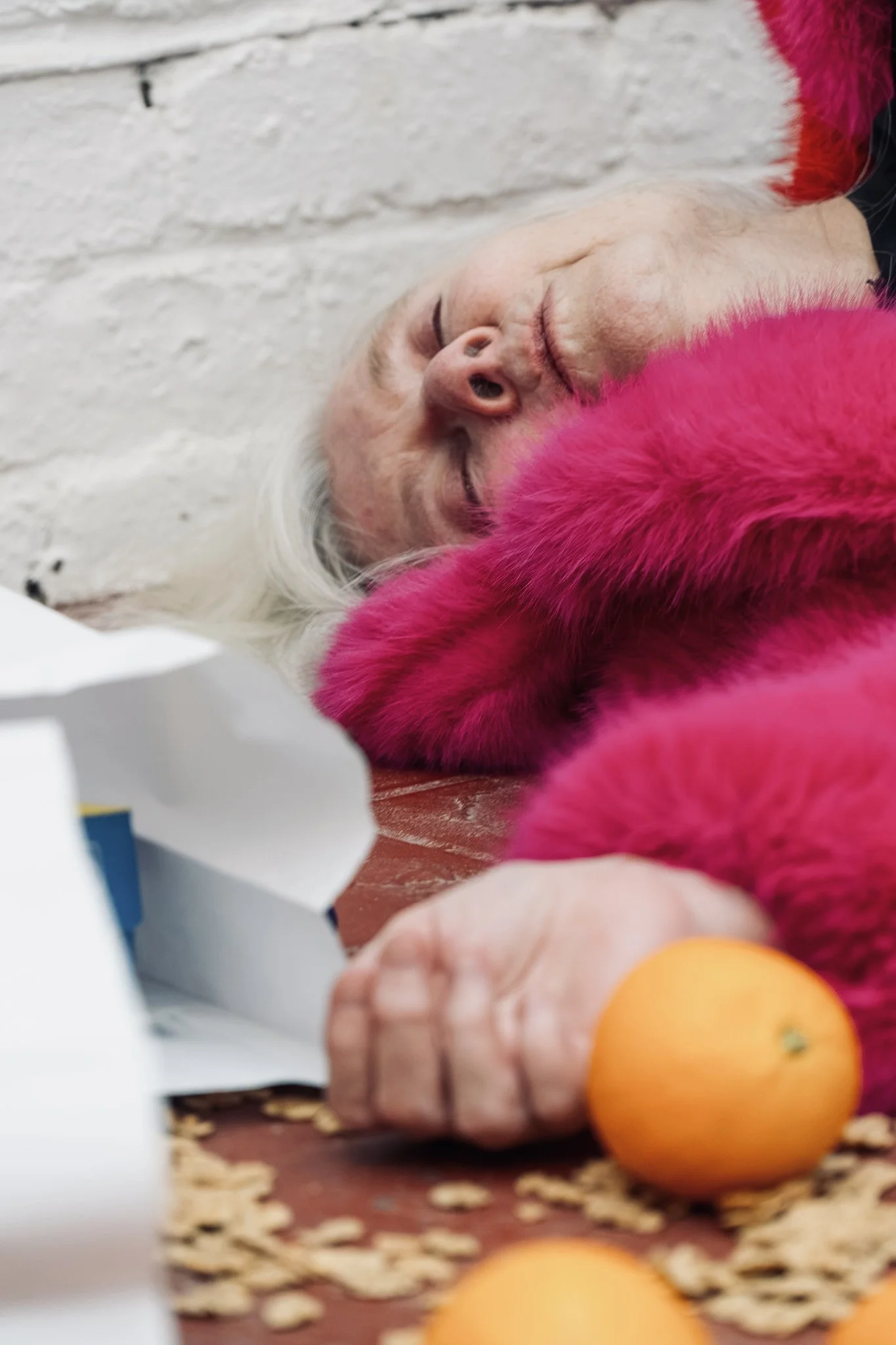
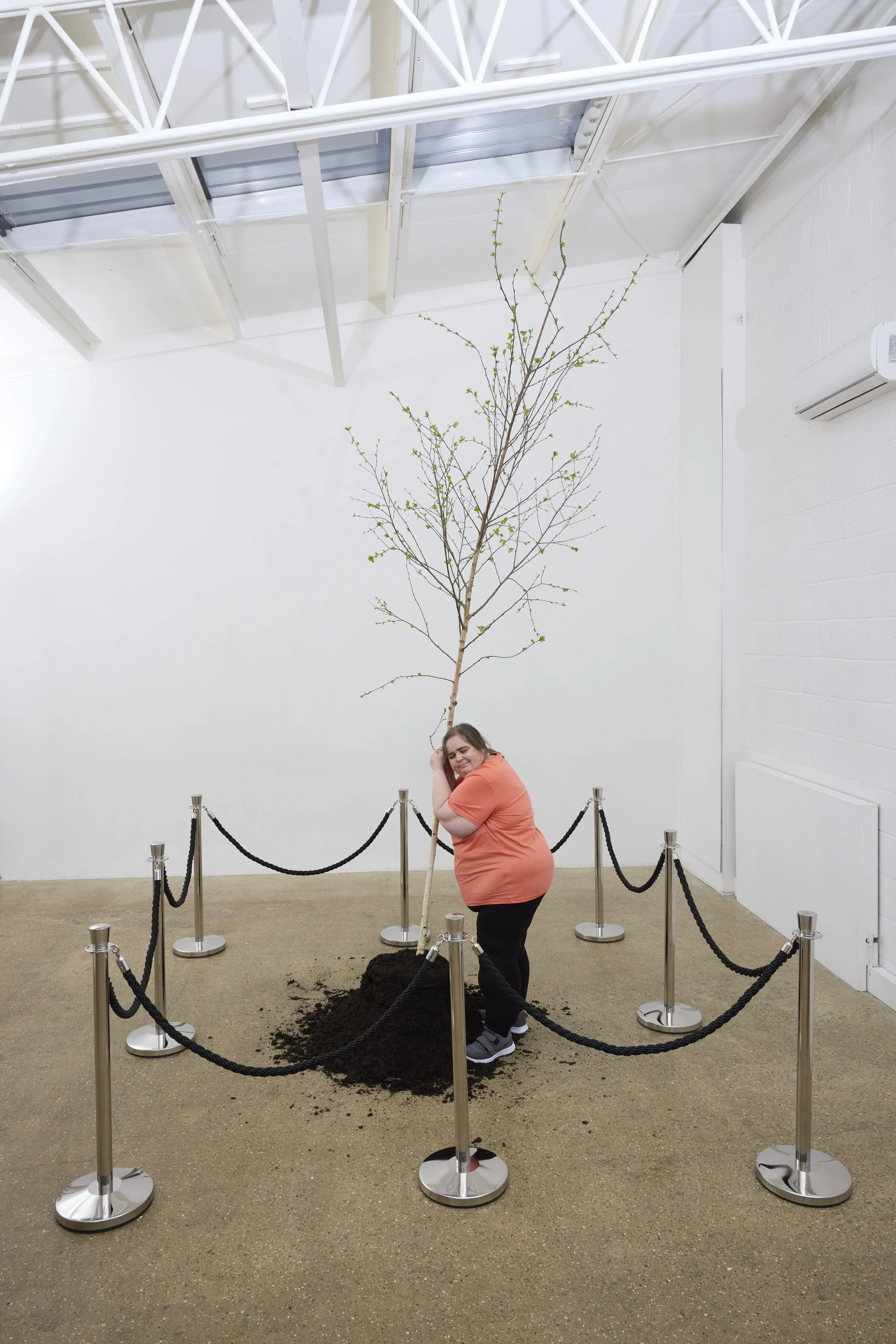
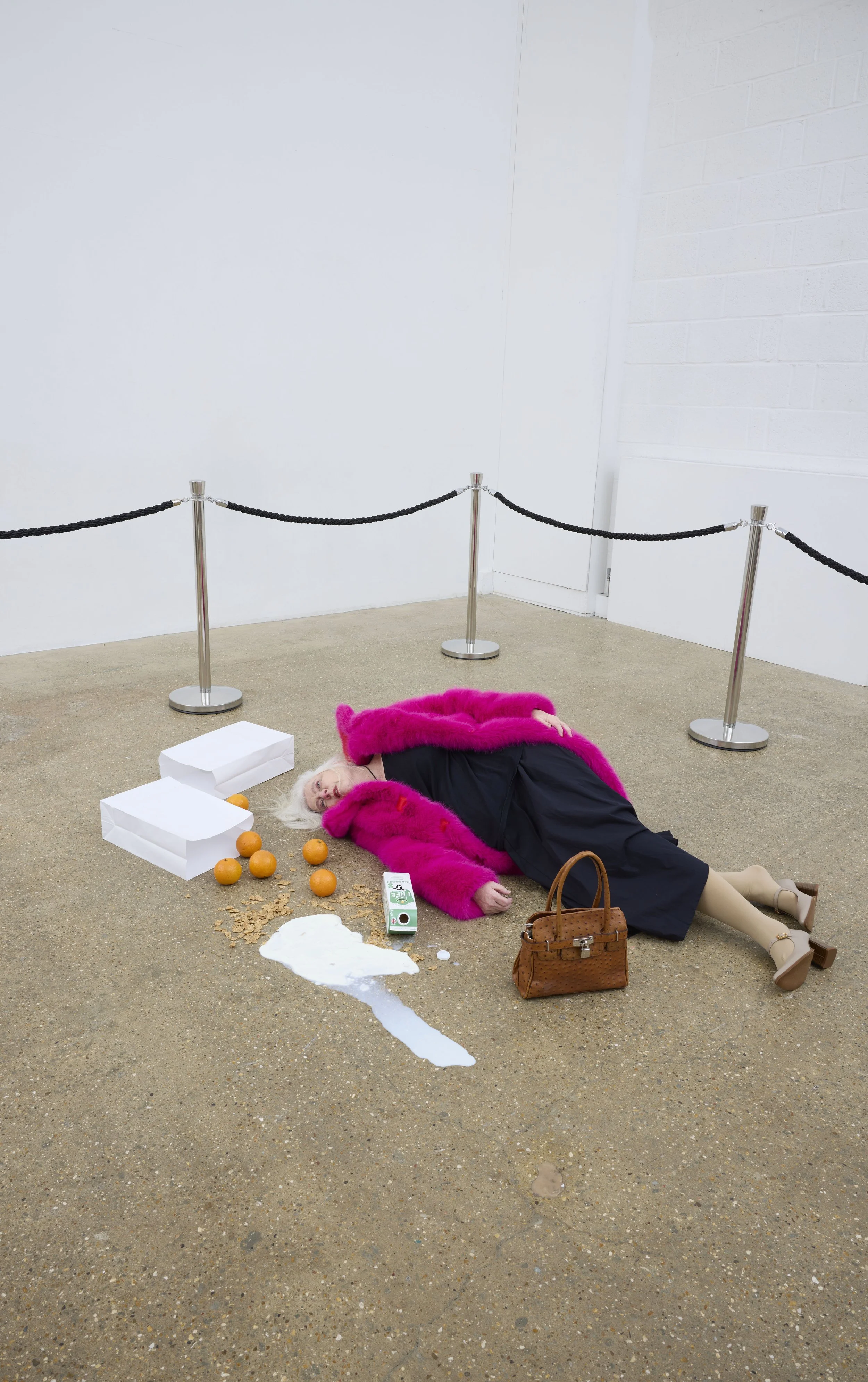
I work across installation and photography, creating temporary installations using live performers that are realised as carefully staged photographs. I'm interested in creating images that feel psychologically charged - images that suggest meaning without fully revealing it. Rather than explaining themselves, they invite viewers to pause, look again and search for their own understanding.
Social Networks :
Instagram Handle: @oliviaherringart
Olivia Herring
1. Inspiration & Style
What initially inspired you to become an artist, and how did you develop your unique artistic style?
Answer: I didn't set out to become an artist. I trained as a scientist, where I spent years asking questions and trying to understand the world. Art became another way of asking those questions, but without needing to arrive at a single answer.
My work combines installation and photography to create carefully staged scenes that feel familiar but leave something unresolved. I'm interested in making images that stop people, make them look again, and encourage them to question their first impression.
2. Creative Process
Do you have any rituals or routines that help you get into a creative mindset when starting a new project?
Answer: Every work starts with a visual idea that I can't stop thinking about. I sketch it, test it and keep refining it until the image feels believable but slightly off. Once I know what I want to create, I work with performers, props and locations to build the scene as a temporary installation before photographing it.
3. Artistic Influences
How do you balance historical or artistic influences with your personal style, and how do these influences manifest in your work today?
Answer:
I'm inspired by artists who create simple ideas that stay with you. Damien Hirst's ability to transform everyday objects into works that provoke questions has influenced the way I think about staging and symbolism. Tracey Emin's honesty reminds me that the strongest work often comes from trusting an instinct rather than over-explaining it. Marina Abramović has shaped the way I think about the body as a medium, and how the presence of a real person can create tension, vulnerability and emotional weight.
While these artists have influenced my thinking, I'm interested in creating images that leave room for the viewer. Rather than telling people what to think, I want to create work that encourages them to question their own assumptions and arrive at their own interpretation.
4. Emotion & Expression
How do you use your art to evoke emotions, and what role does emotion play in your creative process?
Answer: I don't set out to tell people what to feel. I'm more interested in creating a moment of uncertainty where people instinctively start asking questions. The emotions that emerge often say as much about the viewer as they do about the work.
5. Standout Projects
Can you share a project that stands out to you and describe the creative process behind it?
Answer: My STILL LIFE series has been the most important project in my practice so far. Each work begins as a live installation before being realised as a photograph. Building the scenes has taught me that changing very little can completely transform how an image is understood, and that often the most powerful work leaves room for the viewer rather than providing an explanation.
6. Feedback & Growth
How do you incorporate feedback from critics or audiences into your work, and how do you balance this with your own artistic intuition?
Answer: I welcome feedback because I'm interested in how different people experience the work. If everyone interprets an image in exactly the same way, I usually feel I've explained too much. At the same time, I've learned to trust my instincts and protect the ambiguity that makes the work feel alive.
7. Motivation & Inspiration
How do you stay motivated and inspired, even when facing creative blocks or challenges?
Answer: I'm motivated by curiosity. I collect visual ideas constantly and often find myself returning to images that I can't fully explain. When I get stuck, I stop trying to force an answer and instead look for the next question worth asking.
How do you feel about exhibiting your artwork with The Holy Art Gallery, and what does this opportunity mean to you?
Answer: I'm excited to exhibit with The Holy Art Gallery because it's my first ever opportunity to place the work in front of a live audience and hear interpretations I could never have predicted. For me, the artwork isn't complete until someone else brings their own perspective to it.
9. Future Goals
What are your long-term goals and aspirations as an artist, and how do you plan to achieve them?
Answer:I'm still at the beginning of my practice, so my main goal is to keep making work. I want to build a body of images that people recognise as unmistakably mine, while pushing the scale of the installations and exhibiting them more widely. Long term, I'd like to create immersive installations that exist both as live experiences and as photographic works, continuing to blur the boundaries between the two.
10. Audience Connection
What do you hope viewers take away from experiencing your art, and how do you aim to connect with them on an emotional or intellectual level?
Answer: I hope people leave with a question they didn't arrive with. I'm not interested in telling viewers what to think or what an image means. I want the work to create just enough uncertainty that people begin searching for their own answers. If someone is still thinking about the work days later, then I feel it's done its job.