Pelin Bayçelebi
ARTIST STATEMENT
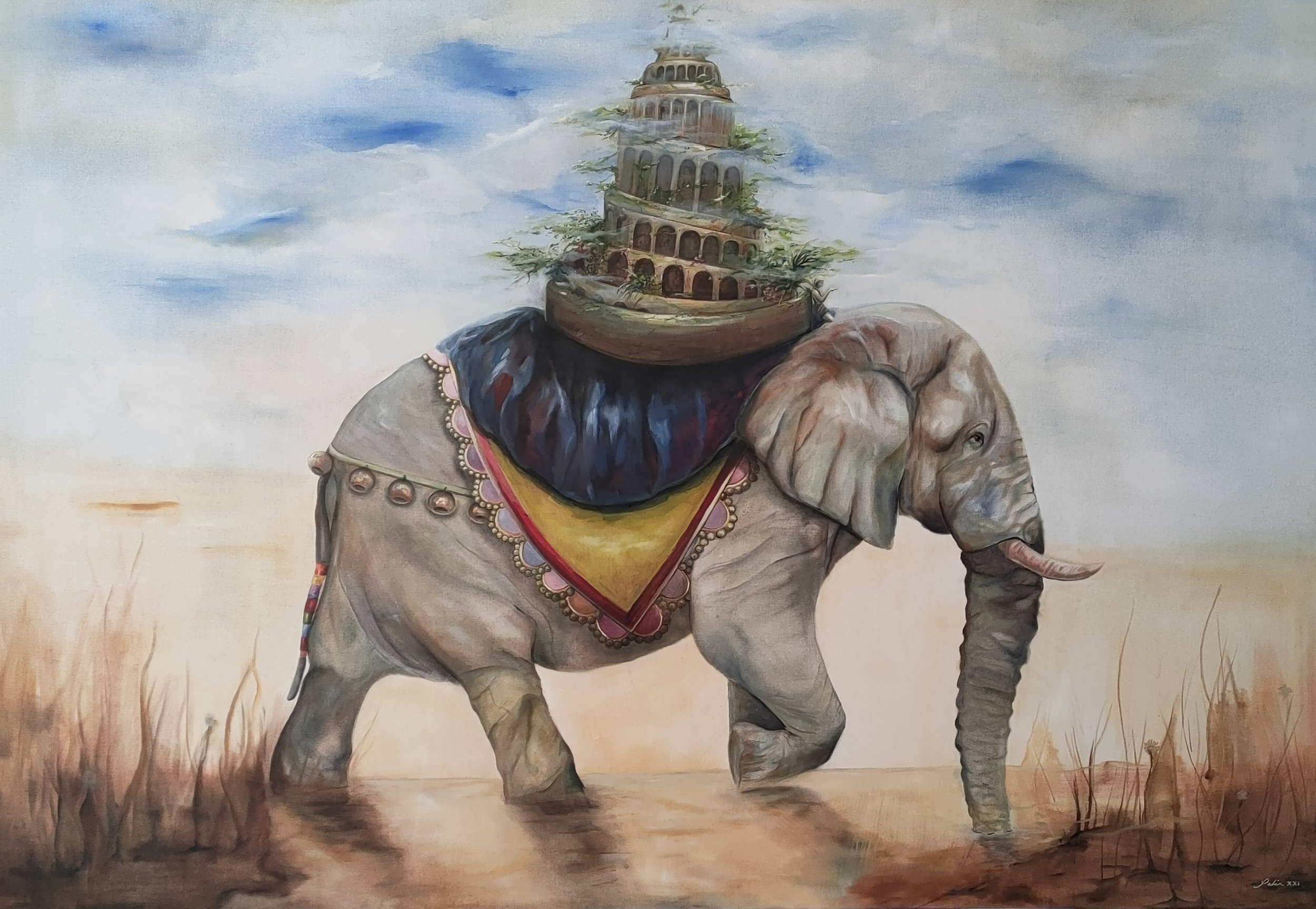
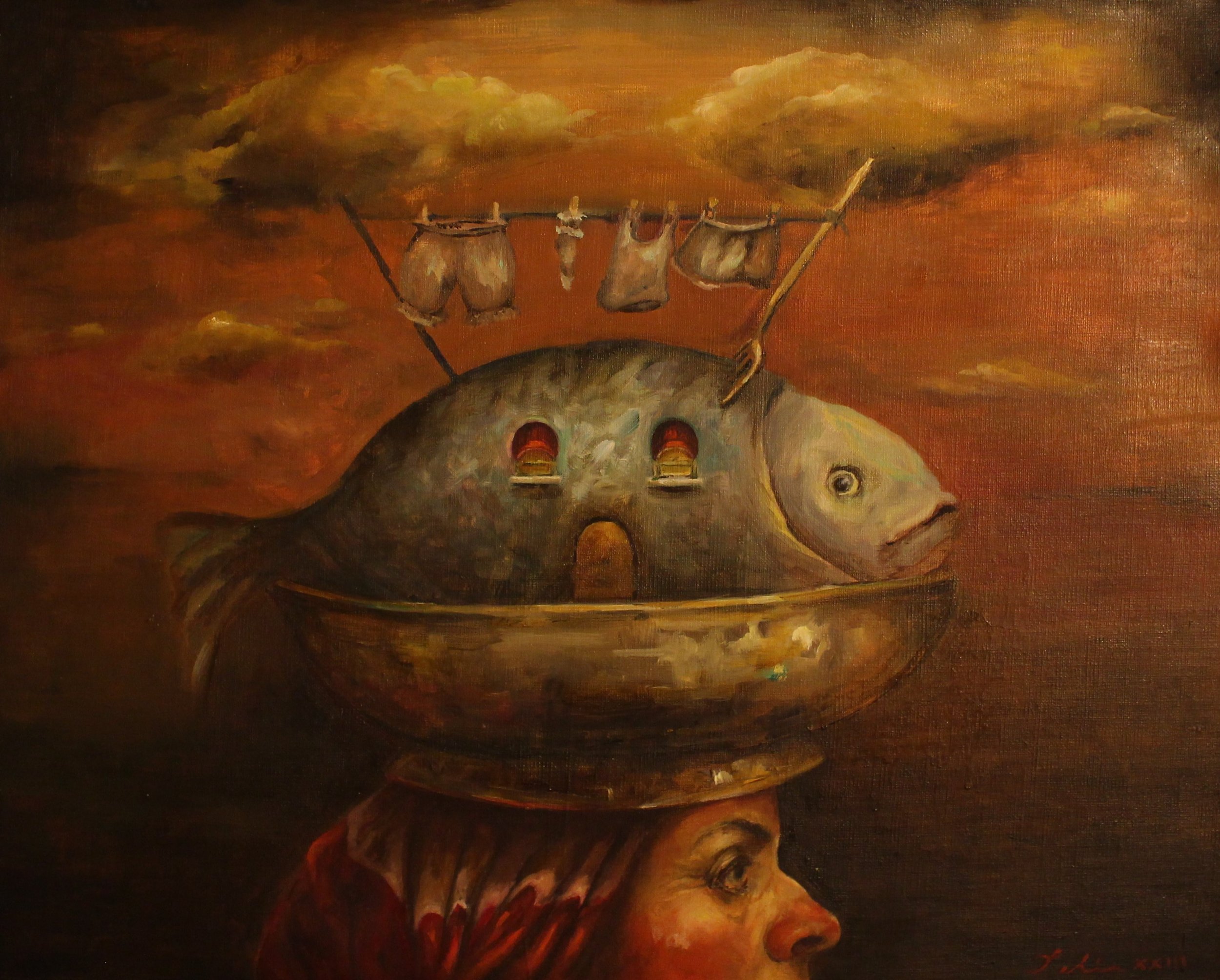
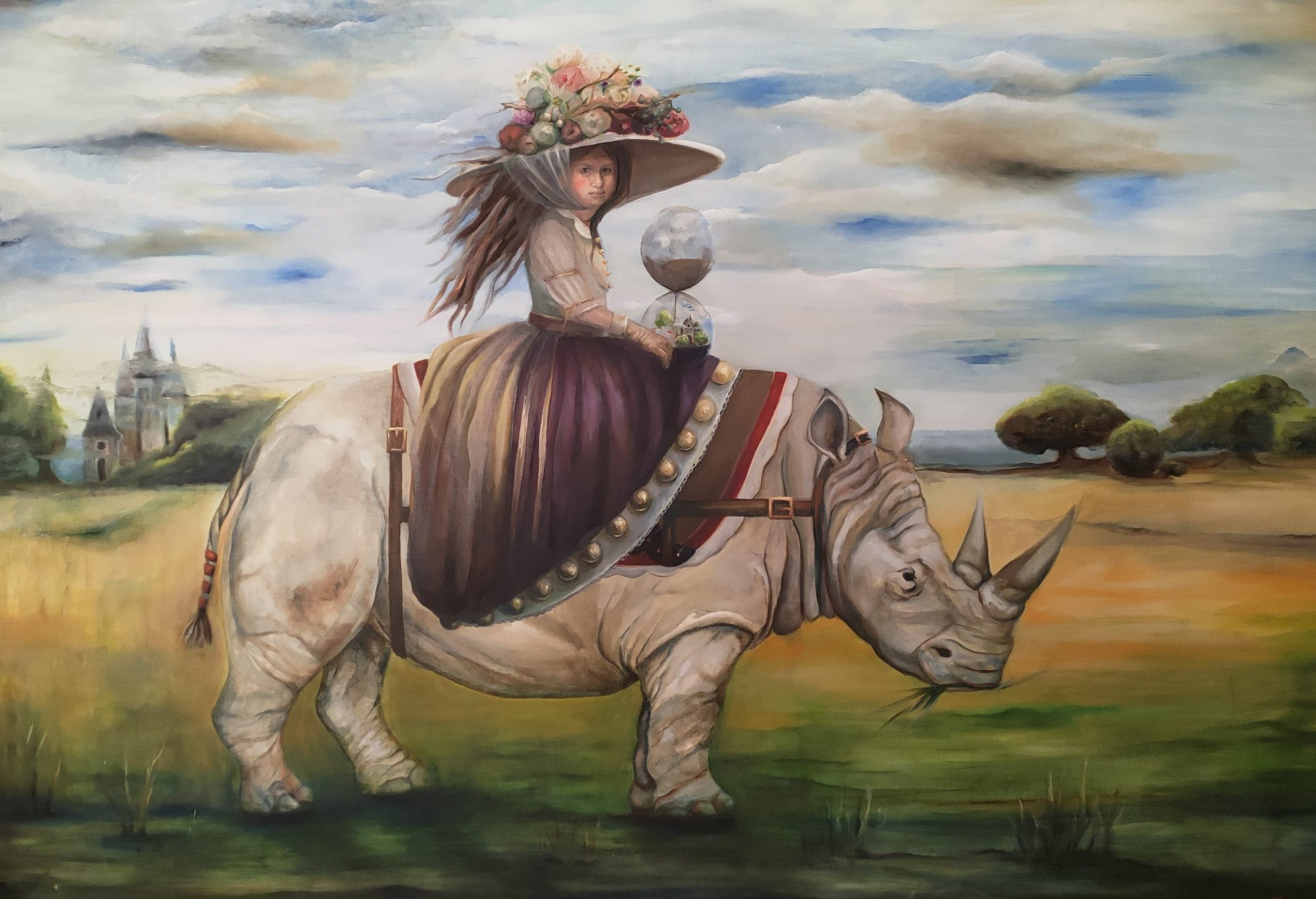
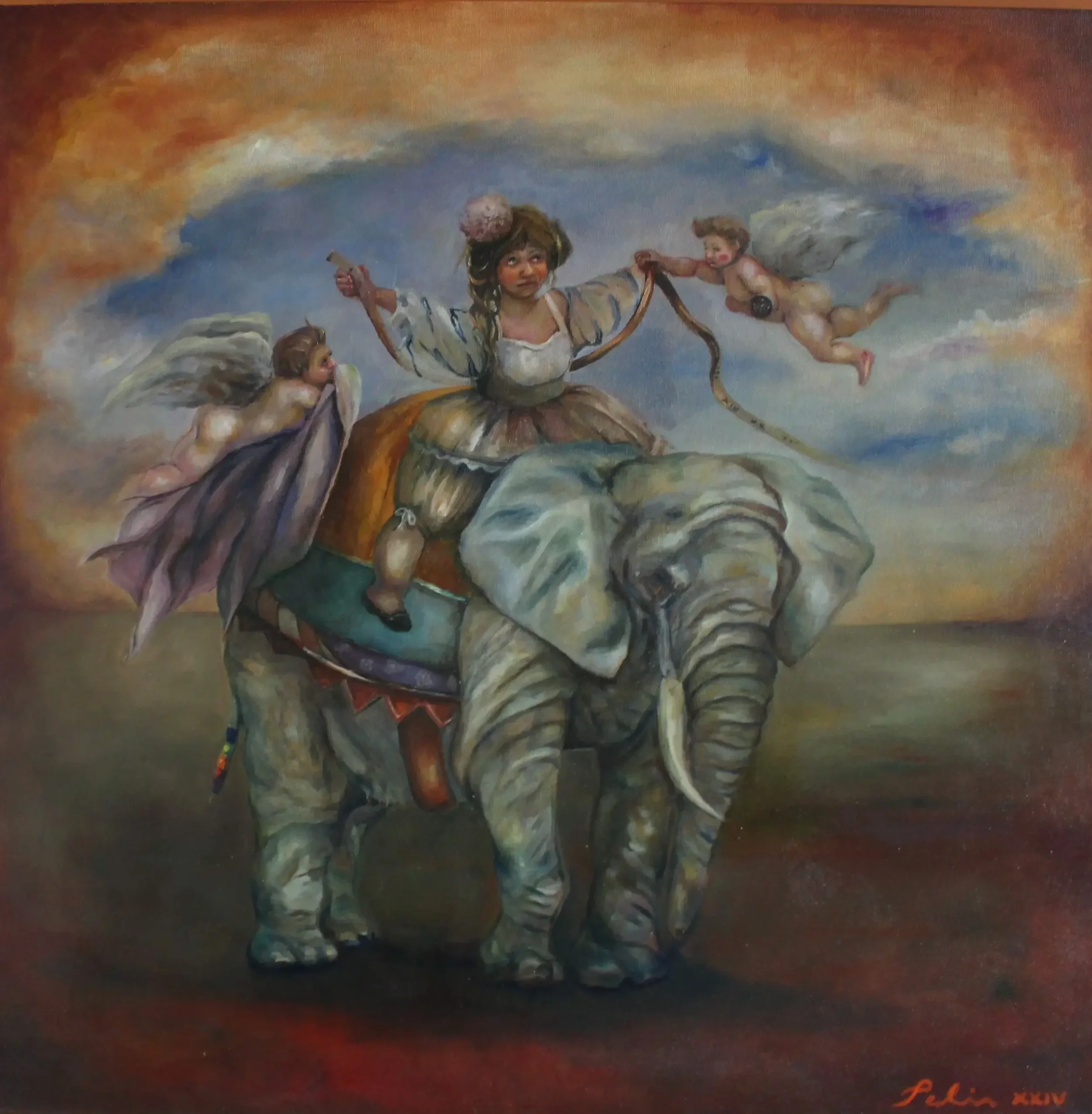
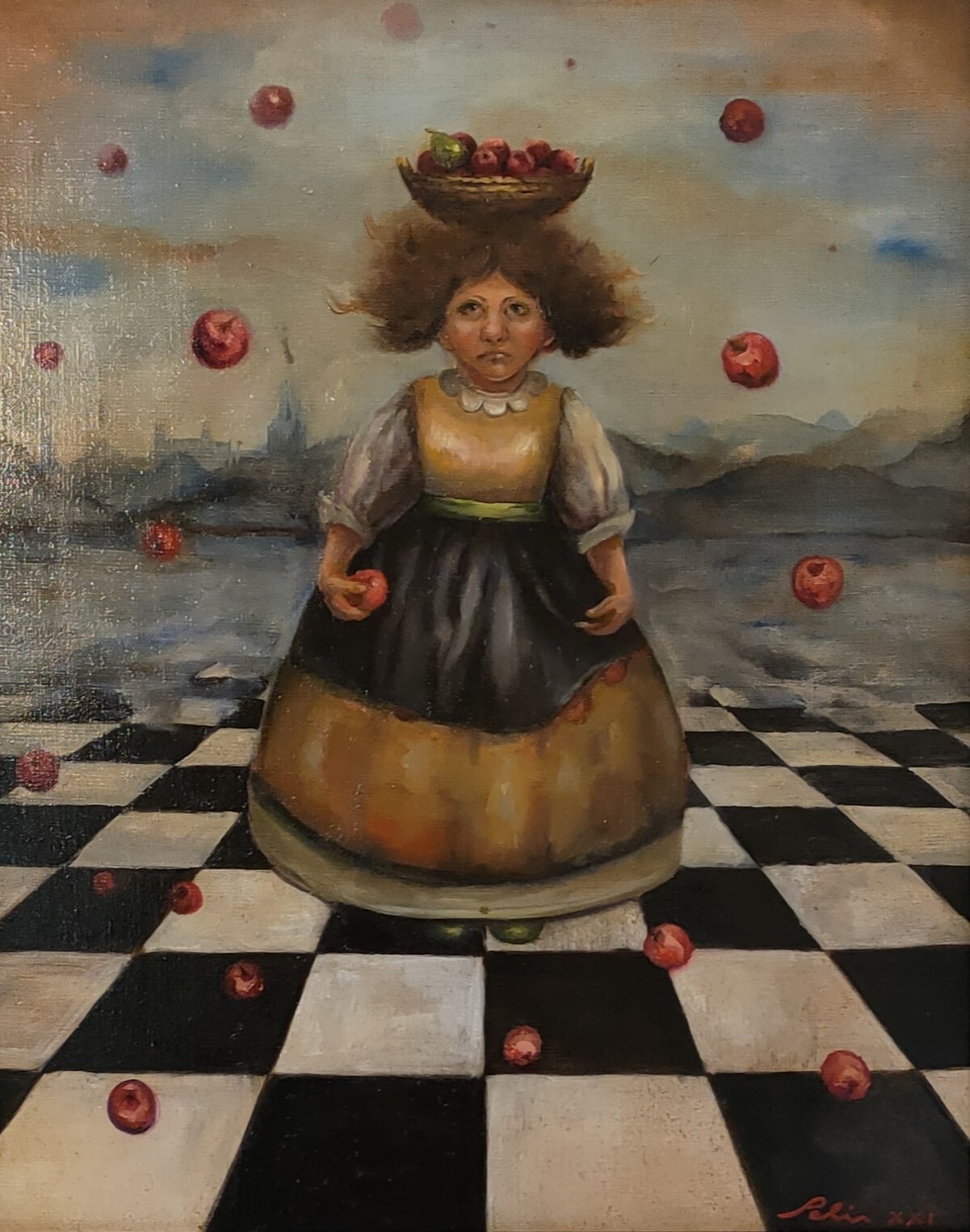
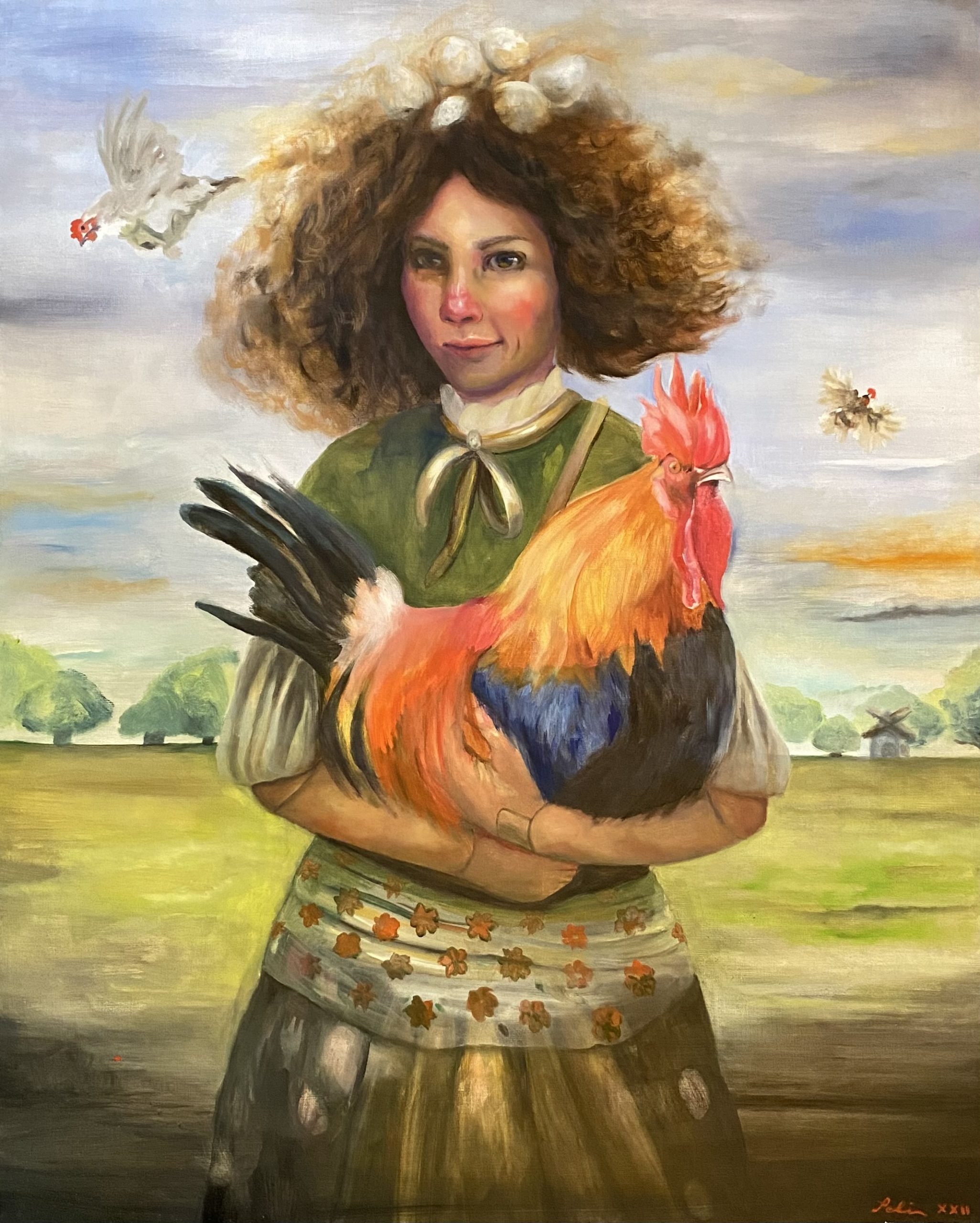
In my paintings, I explore the boundaries of perception and imagination. Moving beyond realist representation, I use light, shadow, colour and texture to reconstruct forms and identities, creating alternative worlds in which the rules of reality can shift and anything becomes possible.
I express emotions through perspectives that may belong to an adult or a child, freed from fixed ideas of time and gender. My work is inspired by the poetic relationships between the visible and invisible elements of the universe, as well as the delicate yet extraordinary balance found in nature.
By inviting viewers into my strange and surreal universe, I hope to encourage them to look beyond the familiar, question the limits of reality and reconnect with their own imagination.
Pelin Bayçelebi
Social Networks :
Instagram: https://www.instagram.com/pelinbaycelebi/
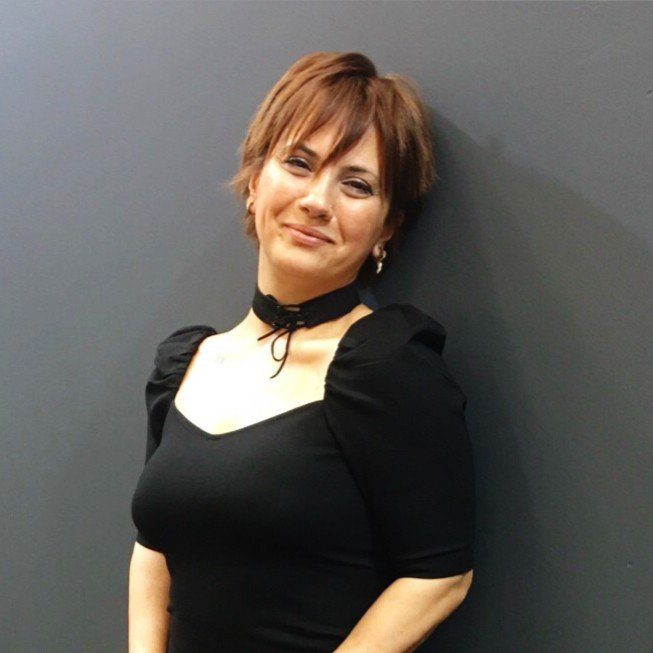
Pelin Bayçelebi
1. Inspiration & Style
What initially inspired you to become an artist, and how did you develop your unique artistic style?
Whenever I am asked how my artistic journey began, my mind returns to a childhood memory. I am six years old, dancing and singing in front of a mirror, overwhelmed by a creative energy I have yet to find a language for. Even then, I somehow knew that art would have to be part of my life.
I believe art begins as an inner necessity. Technique can be learned through observation, practice, and studying the masters, but finding your own voice requires the courage to eventually break the very rules you have learned.
My artistic language continues to evolve, and I resist defining it through a single style or movement. I want the freedom to follow my imagination wherever it leads, whether toward reality or the impossible.
Above all, art is where I encounter the many versions of myself. It is a space of complete honesty, where I feel most connected to who I am. And when someone finds meaning or beauty in something born from that intimate world, the joy is unlike anything else.
For me, art is not simply a way of expressing myself. It is a way of becoming whole.
2. Creative Process
Do you have any rituals or routines that help you get into a creative mindset when starting a new project?
I don't have a fixed ritual. My creative process is often unpredictable, moving between moments of intense concentration and long periods of quiet observation.
Sometimes a painting begins with a clear vision; other times, it reveals itself gradually. I might spend months on a canvas that doesn't feel quite right, only to discover that a single brushstroke is all it needs to become complete.
I find this unpredictability fascinating. It reminds me that creation is not always about controlling the process, but about recognizing the moment when everything finally comes together.
I believe in discipline, but I also believe in allowing ideas the time and freedom they need to find their own form.
3. Artistic Influences
How do you balance historical or artistic influences with your personal style, and how do these influences manifest in your work today?
I admire artists who have challenged conventions and continually reinvented themselves. I feel particularly connected to Picasso's understanding of artistic evolution — the idea that long periods of uncertainty can suddenly lead to a breakthrough that opens an entirely new direction.
My training in painting and sculpture has given me a deep appreciation for traditional techniques, composition, light, and form. I believe mastering the craft is essential, but so is having the courage to move beyond its established rules.
I don't see artistic influences as something to follow faithfully. I see them as doors to new possibilities.
Whether I choose to paint something entirely realistic or create an impossible world, I want the decision to come from my own curiosity rather than an obligation to remain within a recognizable style.
4. Emotion & Expression
How do you use your art to evoke emotions, and what role does emotion play in your creative process?
Emotion is part of my work, but I am equally drawn to curiosity, humour, contradictions, and the unexpected.
I enjoy creating images that can be playful and unsettling at the same time, where familiar things exist in unfamiliar relationships. Sometimes a painting begins with an emotion; sometimes it begins with an absurd idea that simply makes me smile.
I am fascinated by the freedom of childhood imagination, when the impossible doesn't require an explanation.
I don't believe art must deliver a message, reveal an absolute truth, or teach a lesson. I prefer to leave space for the viewer's imagination, allowing each person to discover something different.
What matters to me is not whether someone understands a painting exactly as I intended, but whether it awakens something within them.
5. Standout Projects
Can you share a project that stands out to you and describe the creative process behind it?
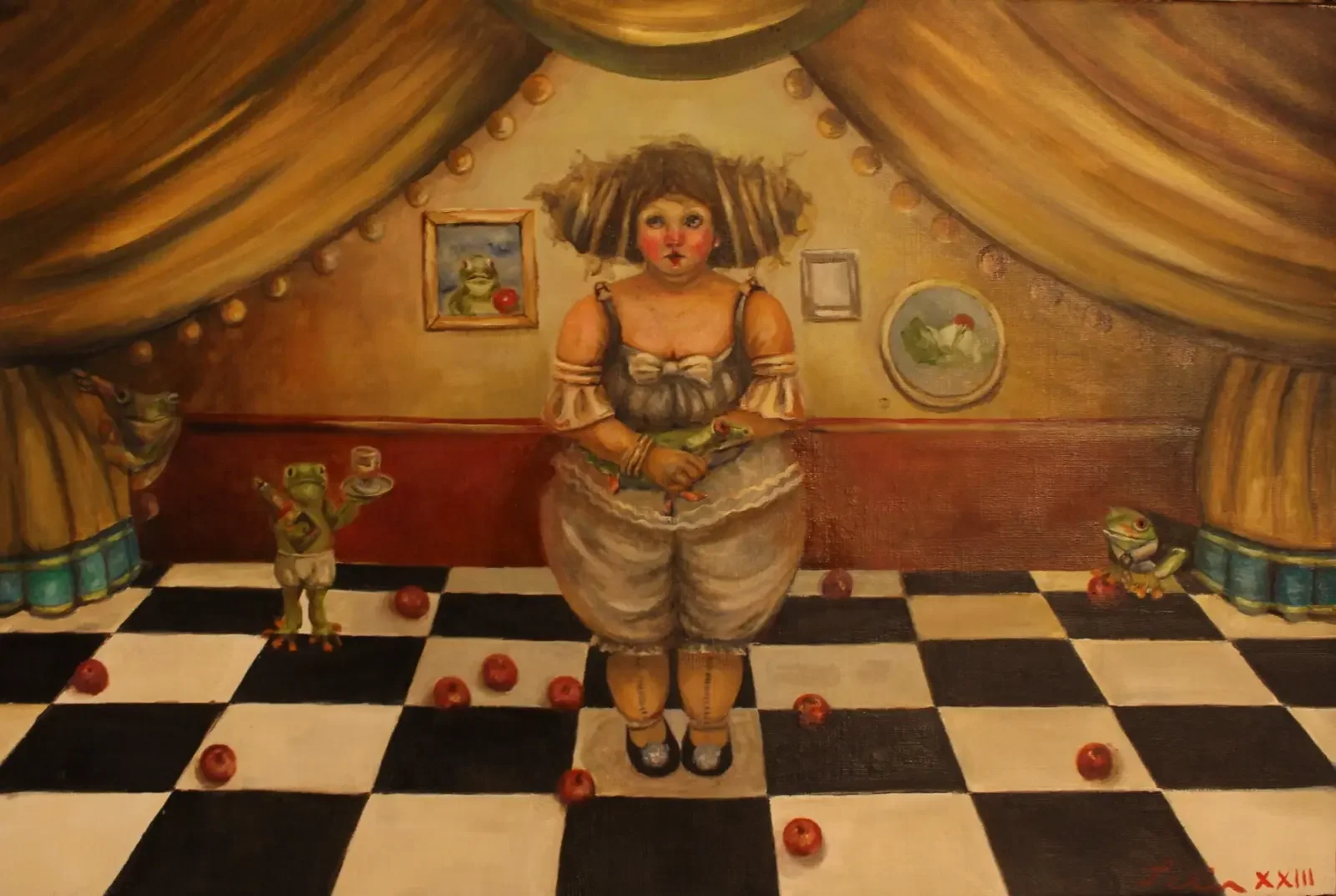
It is difficult for me to single out one painting. Works such as The Sacred Garden, Fallow, The Frog Story, Awakening, Destiny, and Harvest have each left a distinct mark on my artistic journey. They represent different stages of my exploration, moments when I discovered something new about my imagination, my abilities, or myself.
Among my recent works, Dissonance, which I plan to exhibit in November 2026, feels particularly significant. It explores the coexistence of the different selves within me — their conversations, contradictions, and occasional battles. In a way, the painting reflects not only my inner world but also the creative struggle that accompanies my artistic journey.
I rarely consider a painting a final achievement. My ambition is always to go beyond the work that previously felt like my strongest. I don't compete with other artists, but I have an ongoing rivalry with myself — sometimes a quiet challenge, sometimes an outright argument.
That inner tension is one of my greatest driving forces. It pushes me to question what I have already accomplished and discover what might lie beyond it.
6. Feedback & Growth
How do you incorporate feedback from critics or audiences into your work, and how do you balance this with your own artistic intuition?
I listen to criticism, but I am careful not to let it determine my artistic direction. I believe that becoming too concerned with other people's opinions can gradually erode the very individuality that makes an artist's work meaningful.
Art is subjective, and trying to satisfy everyone would mean compromising my own creative freedom.
I trust my instincts, even when they lead me toward uncertainty or mistakes. I would rather follow my own path than create something that pleases others but no longer feels like mine.
For me, artistic growth is not about learning to please more people. It is about becoming more confident in my own voice.
7. Motivation & Inspiration
How do you stay motivated and inspired, even when facing creative blocks or challenges?
Creative blocks can be deeply unsettling. When they happen, I sometimes withdraw from painting for a few days, sleep more, revisit earlier works, or occupy myself with small, ordinary tasks.
There is always a certain restlessness in not creating, but I have learned to remind myself that these periods are temporary and that forcing inspiration rarely helps.
What fascinates me is that my mind never truly stops working. Even during silence or sleep, ideas continue taking shape somewhere beneath the surface. Some of my most significant breakthroughs have emerged unexpectedly in those fleeting moments between sleep and wakefulness.
I believe inspiration and discipline need each other. Sometimes the right thing is to step away; other times, it is simply to pick up a brush and begin.
And yes, occasionally that familiar inner voice whispers, "You are not really a painter." I have found that the best way to silence it is not through argument, but through painting.
I have come to accept that creativity doesn't always move forward in a straight line. Sometimes a long silence is simply the beginning of a new language.
8. Future Goals
What are your long-term goals and aspirations as an artist, and how do you plan to achieve them?
My greatest ambition is to continue evolving without becoming trapped within my own artistic identity.
I don't want to spend my life repeating a recognizable formula simply because it works. I want the freedom to experiment, change direction, make mistakes, and surprise myself.
I don't believe an artistic journey needs a clearly defined destination. Some of the most meaningful discoveries happen when we allow ourselves to wander beyond what we already know.
I believe life is fleeting, and neither success nor failure lasts forever. Remembering this helps me keep both achievement and disappointment in perspective — and resist taking myself too seriously.
I want to remain open to unexpected breakthroughs, to the moments when a painting opens a door to an entirely new world. And whatever comes, I hope never to lose the ability to smile — whether out of genuine happiness or at the delightful absurdity of laughing at myself.
9. Audience Connection
What do you hope someone carries home with them after seeing your work?
I hope they take home more than a painting. I hope they take home a world that continues to unfold.
I would love for my work to open a new window in their lives each time they look at it — revealing a different story, a forgotten feeling, or a possibility they hadn't noticed before.
I don't want a painting to reveal all its secrets at once. I want it to grow with its owner, changing meaning as life itself changes.