Sihan Qiao
ARTIST STATEMENT
Form Fluid:
“Sculpted in Silence”
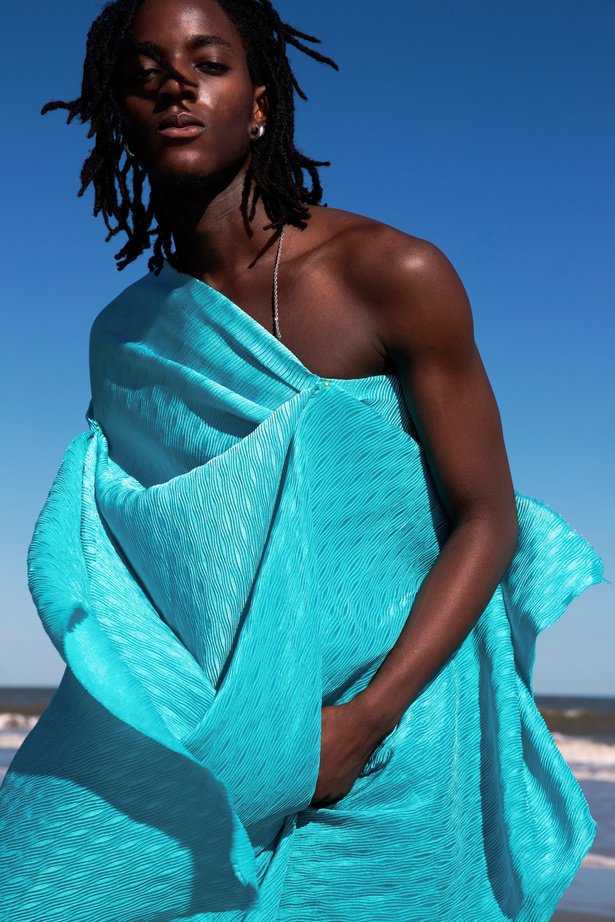
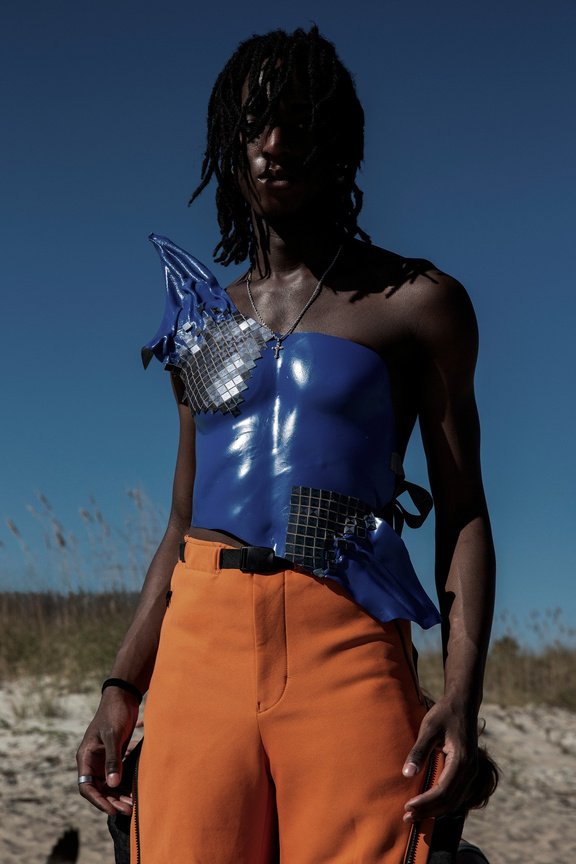
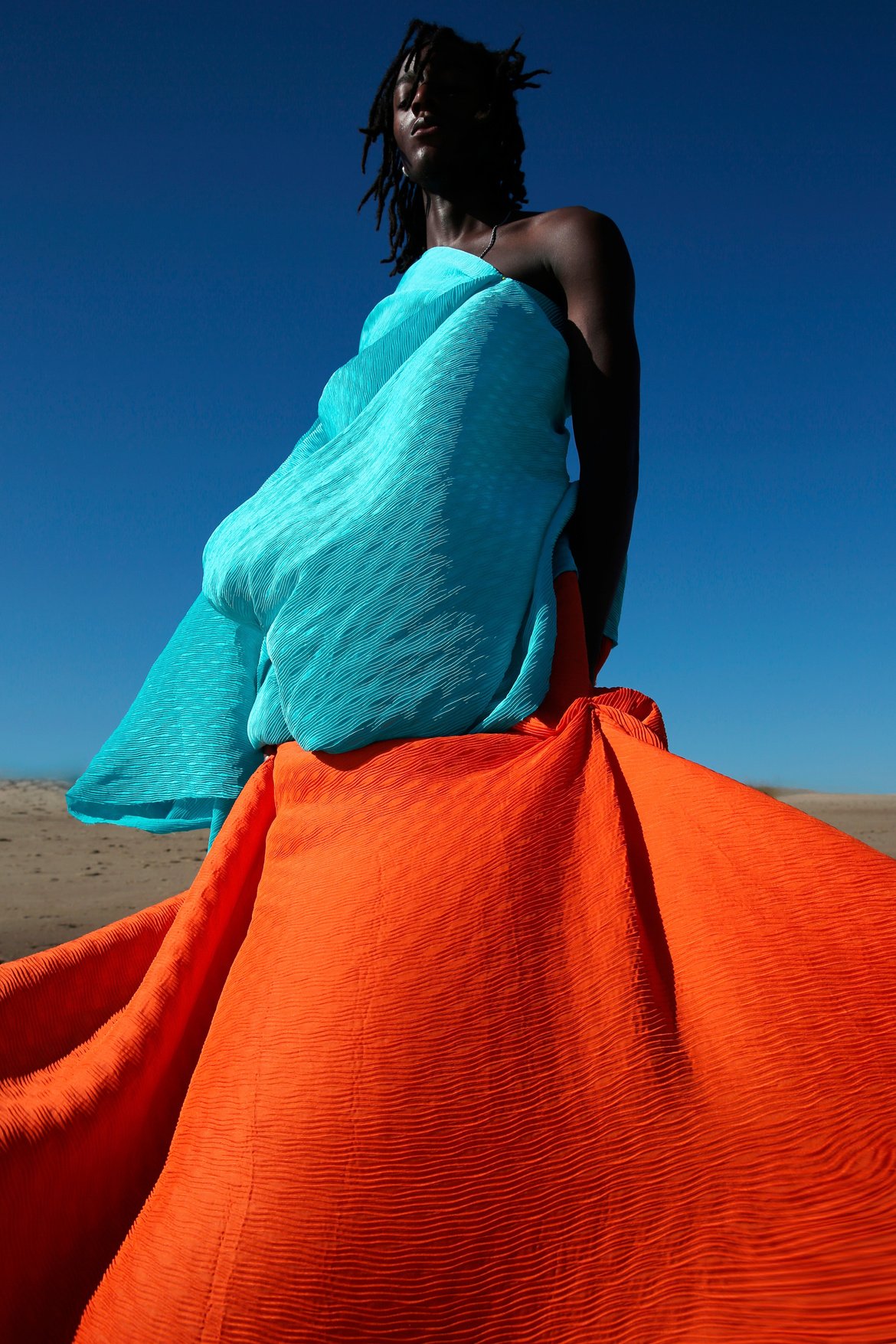
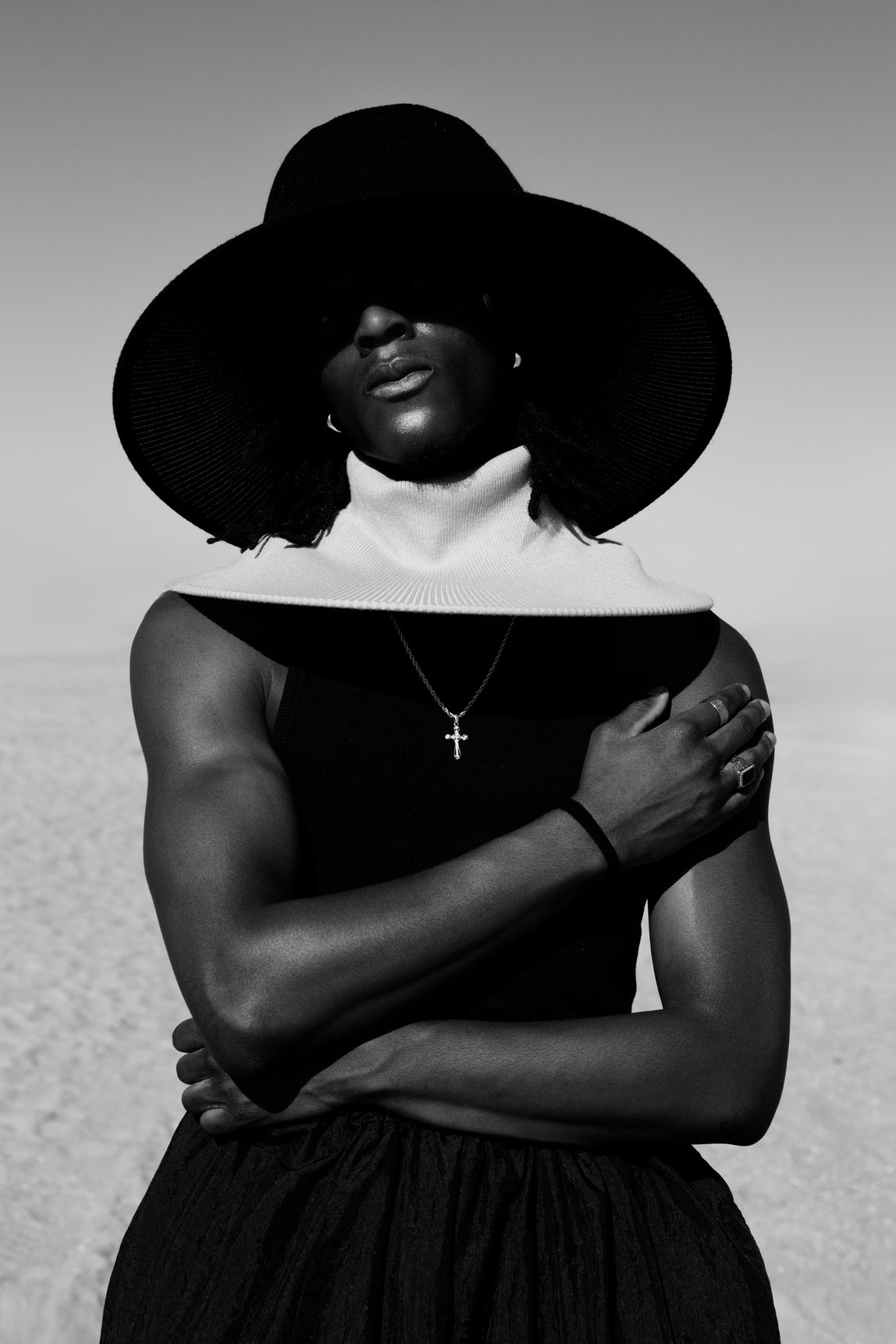
Fashion goes far beyond aesthetics; it is a subtle and yet powerful language. One that does not exist merely to please the eye, but to provoke thought, stir emotion, and leave a lasting presence. I create those works not just to be seen, but to be felt. My work is shaped by the desire to leave something behind like an echo of curiosity or understanding that lingers, even after the piece is no longer in sight. Fashion, when done with intention, has the rare ability to make us feel, to question, and to reimagine how we see ourselves and each other, especially through the lens of identity.
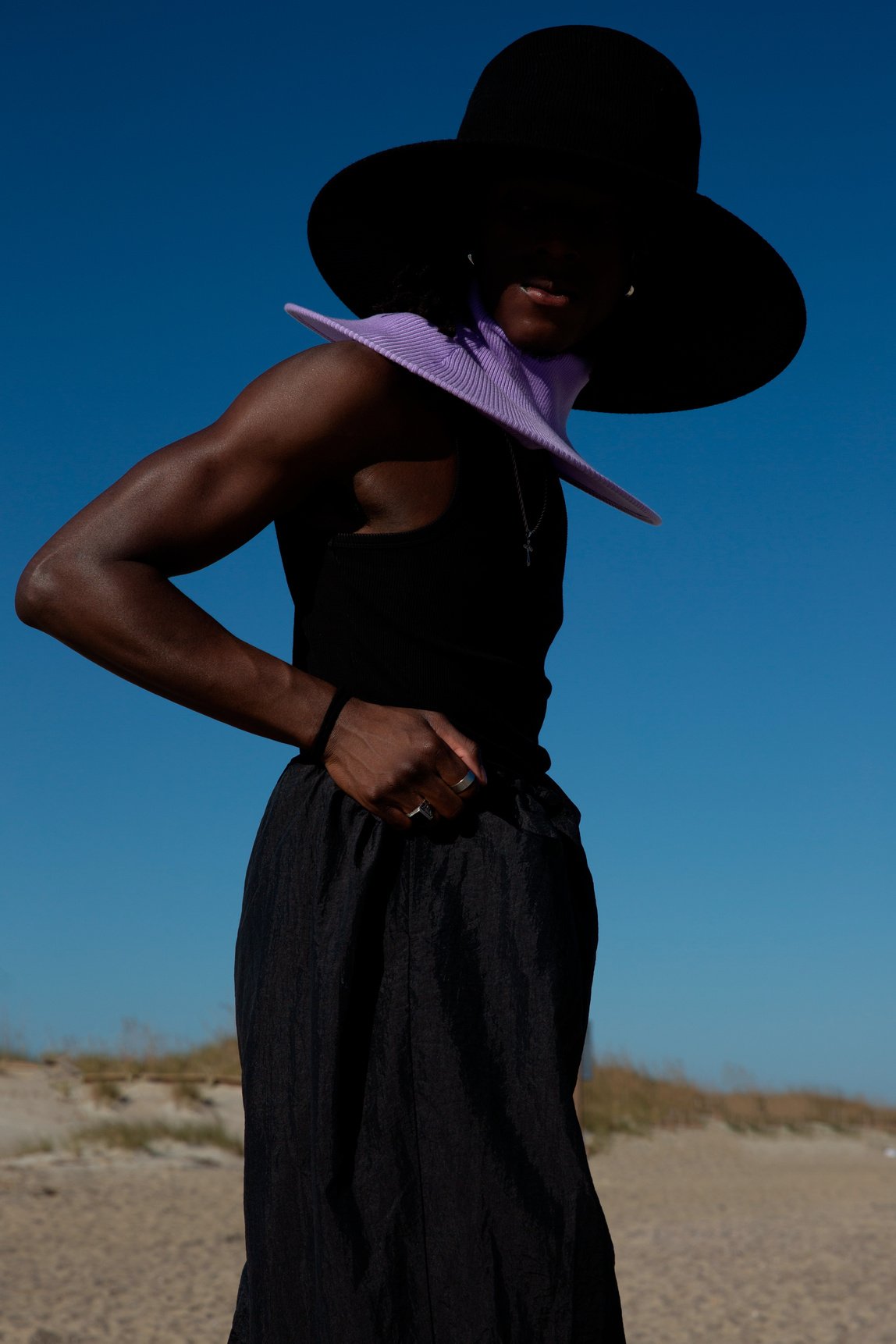
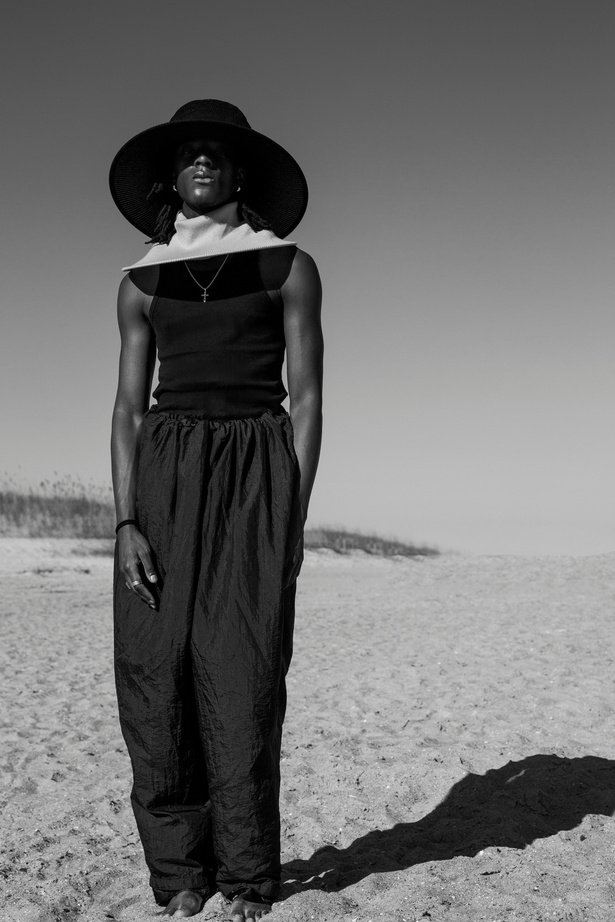
One of the ways I express this inner dialogue is through the interplay of black and white with color. For me, the absence of color is not the absence of feeling, but it is the distilled essence of it. It is where clarity meets ambiguity, where contrast creates tension. Every fold, shadow, and shape becomes sharper, more meditative. These moments feel sculpturally silent, but not still. They are reflective spaces where emotion is stripped to its core.
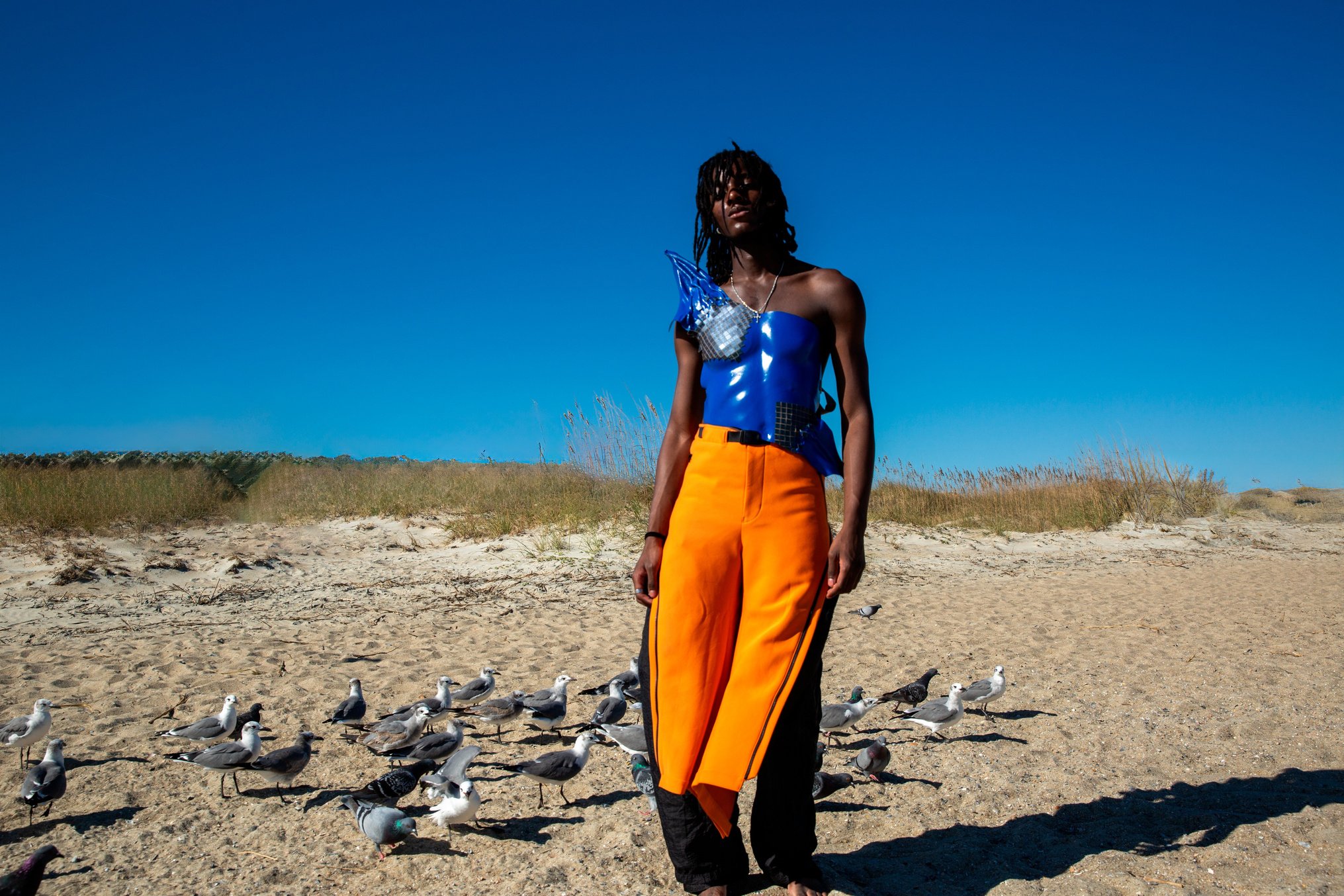
Color, by contrast, carries a different emotional weight. It is expressive, expansive, and deeply intuitive. I use color not just for decoration, but as an emotional cue, as energy, vibration, or even disruption. When paired with black and white, color becomes a shift in perspective, like a breath held and then released. This sequencing of monochrome’s quietness is punctuated by the pulse of color, and mirrors the internal rhythms of identity, restraint and release, reflection and revelation. It is a deliberate contrast that heightens the emotional impact of both.
Social Networks :
1. Inspiration & Style
What initially inspired you to become an artist, and how did you develop your unique artistic style?
My journey as an artist began quite simply, by taking pictures of my friends and family. I found a strong sense of satisfaction in capturing moments that revealed something meaningful or unexpected about a person. This motivated me to learn photography more deeply, not just as a way to document what I saw, but as a way to express ideas and emotions.
Over the years, through studying, experimenting, and exploring other artists’ work, I developed a stronger understanding of lighting, composition, and visual aesthetics. My artistic direction really began to take shape during my master’s degree, when I started thinking more deeply about what I wanted my images to communicate. I became interested in using fashion, the human form, and constructed imagery not only for their beauty, but as conceptual tools to explore identity, emotion, perception, and the inner self.
2. Creative Process
Do you have any rituals or routines that help you get into a creative mindset when starting a new project?
I don’t really have any rituals when starting a new project. Usually, I take some time to think and look for a simple but meaningful way to approach the idea. I like to question my first instinct and consider whether there might be another way to express the same concept.
My cultural background also influences this process. Growing up in China, I was exposed to different visual traditions, symbols, and ways of understanding the world. Sometimes I find myself connecting those ideas with what I have experienced in the U.S. and looking at the same subject from a different perspective. For me, creativity often comes from that process of questioning, observing, and finding unexpected connections.
3. Artistic Influences
How do you balance historical or artistic influences with your personal style, and how do these influences manifest in your work today?
I deeply respect the artists who have influenced the way I see and understand art. During my learning process, Serge Lutens, the French artist known for his work across photography, fashion, and other creative fields, had a particularly strong impact on me.
His work really changed my understanding of what art and photography could be. It taught me that an image does not always need to explain everything; it can create a feeling, raise questions, and leave space for personal interpretation. I was especially drawn to the way he used color, atmosphere, composition, and symbolism to create a sense of mystery. His influence encouraged me to look beyond aesthetics and think more about the ideas and emotions behind an image. At the same time, I continue to develop these influences through my own experiences, cultural background, and personal visual language.
4. Emotion & Expression
How do you use your art to evoke emotions, and what role does emotion play in your creative process?
Passion, solitude, and strength are the main emotions I want my work to communicate. Many of my images use strong, expressive colors because color has always felt powerful to me. Certain combinations can make me feel bold, intense, and strong, and I enjoy using that visual language to create an immediate emotional impact.
At the same time, solitude is something much deeper and more personal to me. It connects to my inner world and the way I experience and reflect on myself. I often use photography as a way to explore that feeling, allowing emotion to guide the atmosphere, visual choices, and overall direction of my work.
5. Standout Projects
Can you share a project that stands out to you and describe the creative process behind it?
Yes. Fluid Form is one of the projects that has had the strongest emotional connection for me, both before and throughout the creative process. The project focuses on identity and the way gender expectations can shape how we see ourselves.
Growing up in Chinese culture, I was surrounded by traditional ideas about how women and men are expected to look, dress, and behave. These expectations can create very clear standards of what is considered feminine or masculine. As I developed the project, I began questioning those boundaries and thinking about whether identity really needs to fit into fixed categories.
Through fashion, the human form, color, movement, and light, I wanted to create images that feel less defined and more open to interpretation. The process became a way for me to explore the coexistence of different qualities within one person and to reflect on identity as something that can shift, develop, and remain open.
6. Feedback & Growth
How do you incorporate feedback from critics or audiences into your work, and how do you balance this with your own artistic intuition?
Feedback, for me, is also a way to learn and continue developing as an artist. I don’t necessarily take every piece of feedback literally, because everyone experiences an image differently and not every opinion reflects the direction I want to take. However, there are moments when certain feedback resonates with me, especially when I hear similar thoughts from different people. Those moments make me pause and reconsider my work from another perspective.
At the same time, I believe it is important to trust my own artistic intuition. Feedback can open a door to a new way of seeing, but ultimately, I have to decide whether that perspective feels honest to my work. I try to use feedback as a tool for reflection rather than a set of rules. It helps me grow while still allowing me to stay connected to my own vision.
7. Motivation & Inspiration
How do you stay motivated and inspired, even when facing creative blocks or challenges?
Networking and spending time with friends are truly meaningful ways for me to stay motivated and inspired. Before coming to the U.S., I was not someone who easily opened myself up to others or talked about what I was thinking and feeling. After living here for many years, I’ve learned how meaningful it can be to have open conversations, exchange ideas, and surround myself with positive and supportive people. Being around other creative people and seeing how they approach their own work often gives me new energy and perspectives.
I also believe that obstacles are a natural part of the journey toward growth and success. When I face creative blocks or challenges, having the support of talented friends and family reminds me that I don’t have to go through everything alone. Sometimes, a simple conversation with someone who brings positive energy can completely change my perspective and help me move forward. Their encouragement gives me the confidence to step back when I need to and return to my work with a fresh mind.
8. Exhibiting Work
How do you feel about exhibiting your artwork with The Holy Art Gallery, and what does this opportunity mean to you?
I feel truly honored and grateful to have my work included in London exhibition with The Holy Art Gallery. This opportunity is very meaningful to me, not only because I get to share my work in a professional exhibition setting, but also because it allows my photography to reach a wider audience.
Having people encounter my work outside of my own space is incredibly valuable. I hope this exhibition can create new connections, open conversations, and allow my work to resonate with people in ways I may not have expected. I’m truly appreciative of the opportunity and excited to see where it may lead.
9. Future Goals
What are your long-term goals and aspirations as an artist, and how do you plan to achieve them?
My long-term goal is to continue creating meaningful work that reflects my growth as an artist and explores the themes that are important to me. I’m especially interested in exploring identity more deeply, although I feel that I’m still at the beginning of that journey and discovering what it means to me through my work.
I want my practice to remain open to change and discovery rather than being defined by one particular style or subject. I hope to keep expanding my visual language, questioning the way I see myself and the world around me, and allowing new experiences to shape the work. I would also love to collaborate with different field of artists, bringing different perspectives into my process and allowing those encounters to expand my understanding of visual story telling. Ultimately, I want to create work that feels personal while leaving space for ambiguity, interpretation, and connection.
10. Audience Connection
What do you hope viewers take away from experiencing your art, and how do you aim to connect with them on an emotional or intellectual level?
I hope my work encourages viewers to think about identity as something that does not always need to be defined or placed into a fixed category. For me, identity can remain open, changing, and personal. I want people to feel that they can be who they are without feeling the need to fit into someone else’s expectations.
Emotionally, I hope my work leaves viewers with a sense of strength, confidence, and independence. At the same time, I want to leave enough space for each person to bring their own experiences and interpretations to the images. If someone can see a part of themselves in my work, question something they have always assumed, or simply feel a little more confident in who they are, then I feel the work has created a meaningful connection.