Artist spotlight :Xiaojing Zhang
ARTIST STATEMENT:
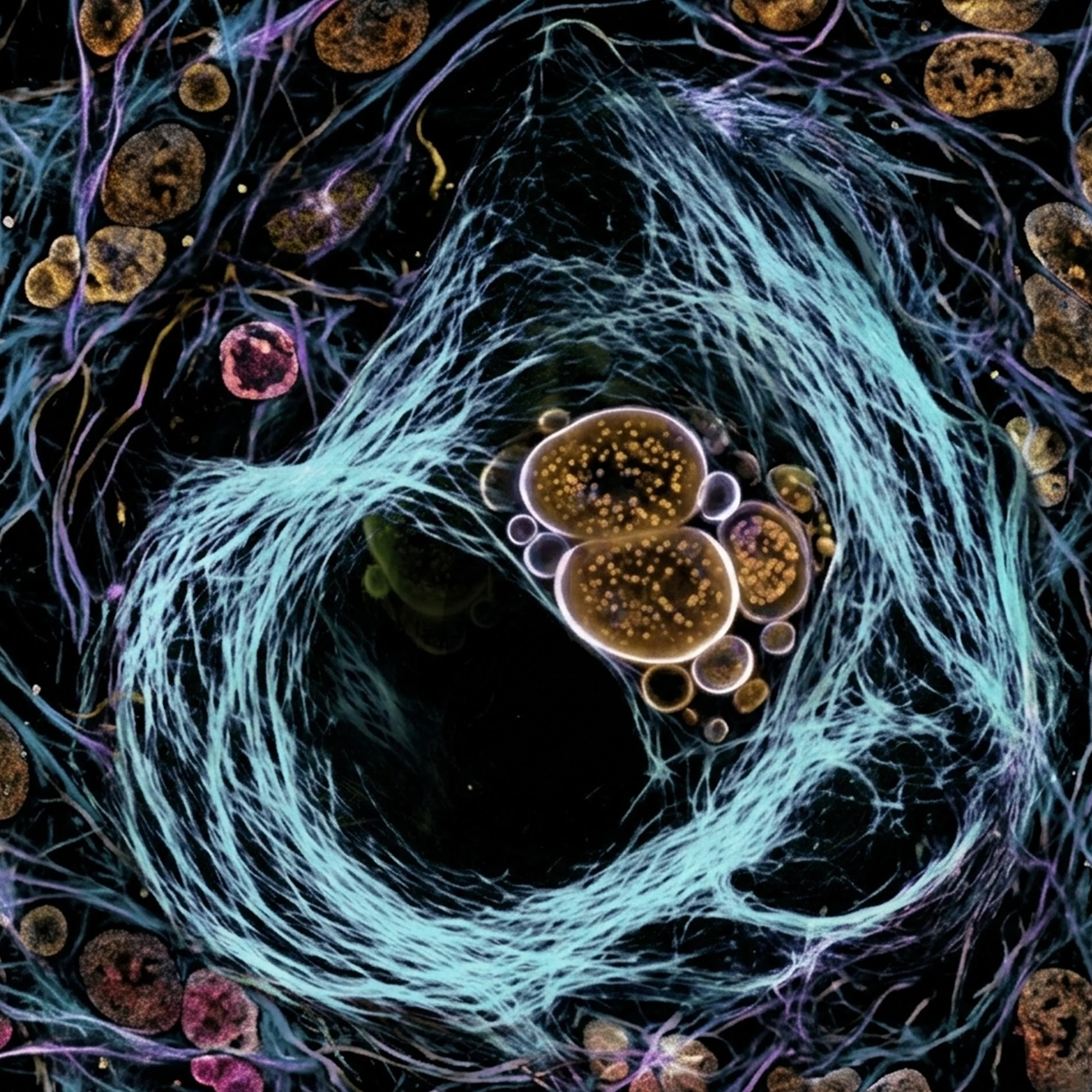
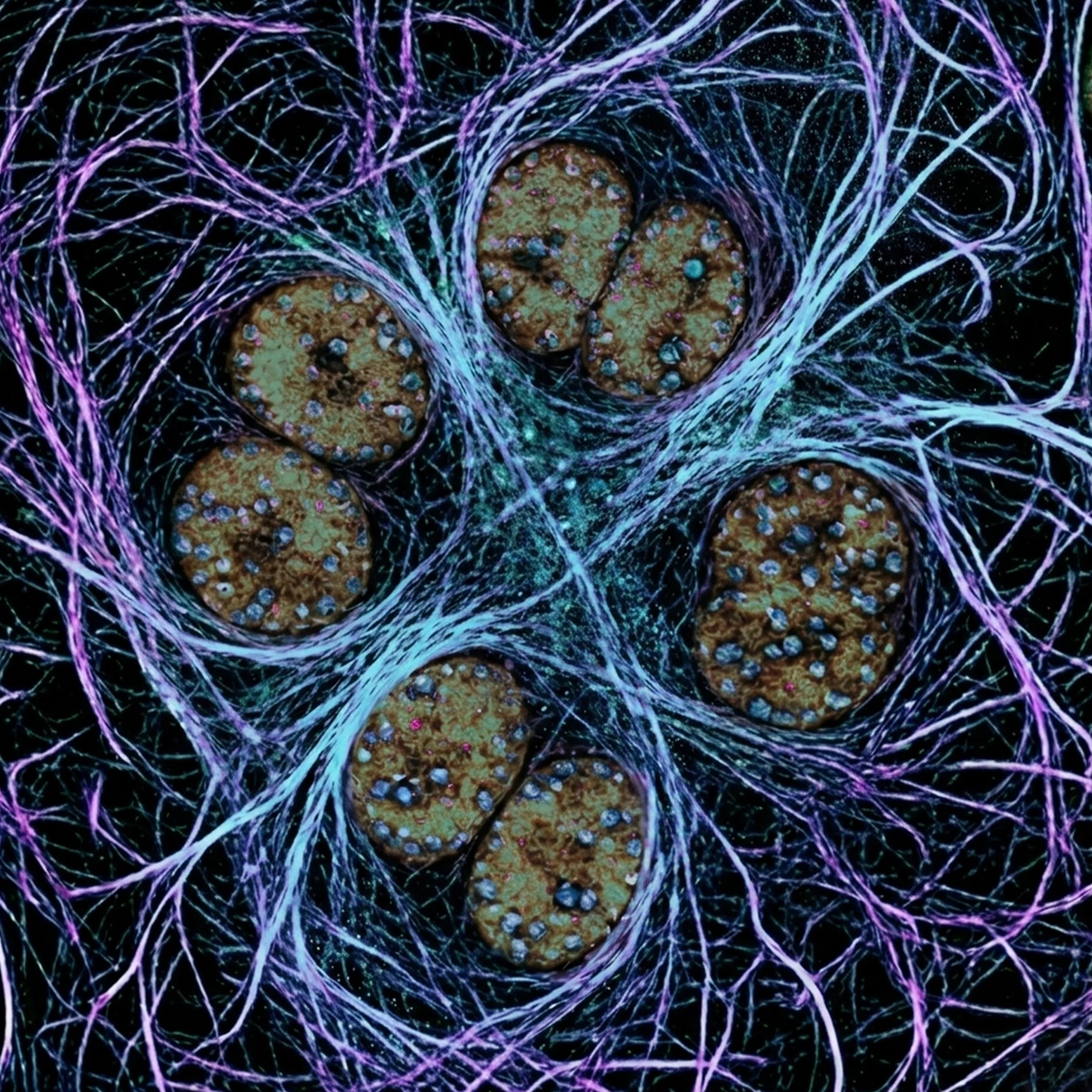
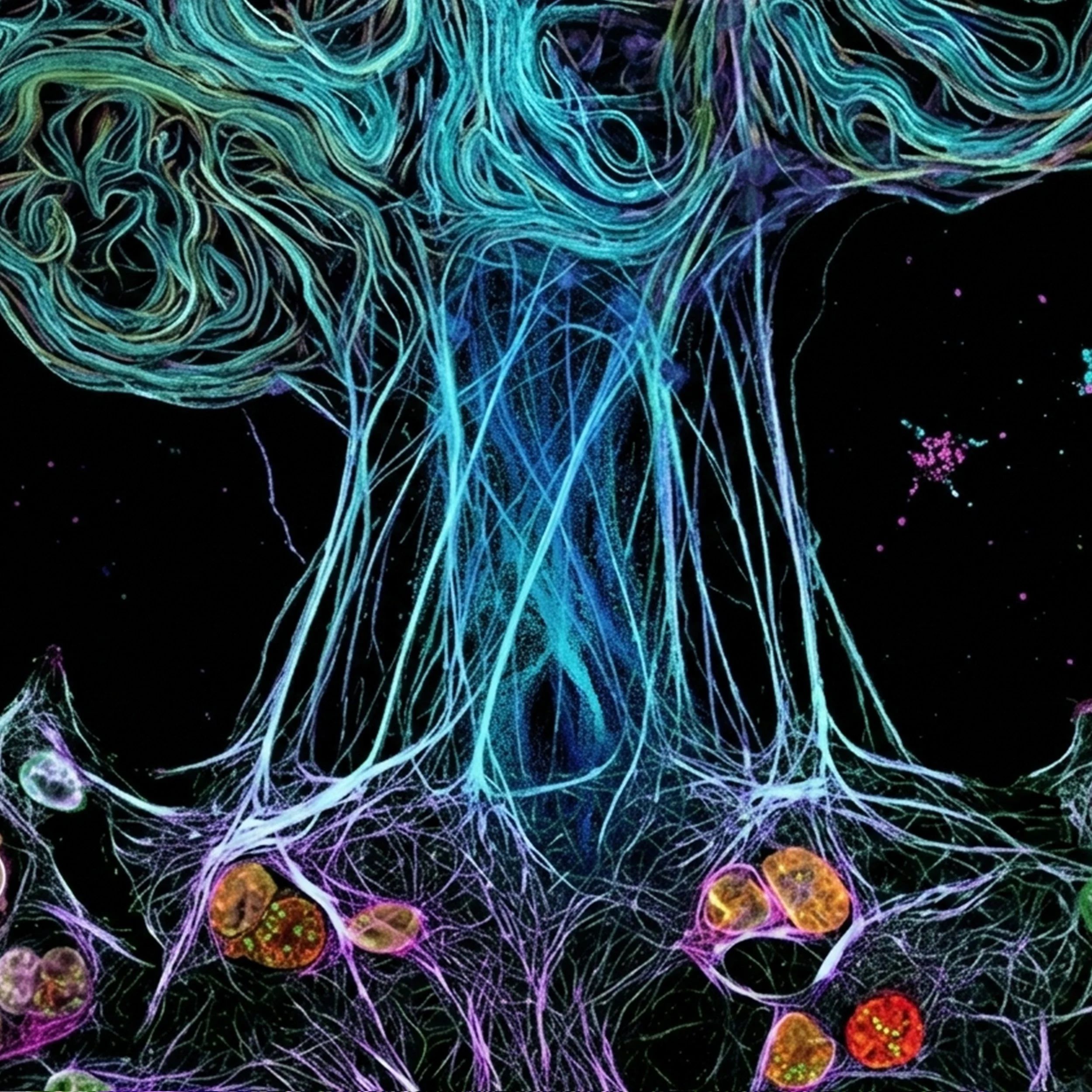
Xiaojing Zhang is an artist with a Master of Arts from the Royal College of Art. Her practice locates itself at the boundary of ecology, environmental art and creative computation. Her works are organised around a single question — how do human systems, technological, political, and economic, transform living environments. They draw on data mapping and encoding, generative simulation, and Generative Adversarial Networks (GANs), using genetic sequences, plant cells, oceanographic measurements, and climate projections as material. Through these methods she constructs living systems that follow ecological and evolutionary rules, exploring ecosystems and symbiotic relationships across species. Her works seek to foster immersive experience, cross-species empathy, and critical reflection.
Social Networks :
Instagram Handle: @jeanncheung
Xiaojing Zhang
1. Inspiration & Style
What initially inspired you to become an artist, and how did you develop your unique artistic style?
I have been deeply passionate about drawing since childhood and trained professionally in sketching, oil painting and quick sketches. I keep learning and exploring along the path of art till now. As I began to reflect more deeply, I gradually came to understand the world and myself better. What we cannot see shapes us more than what we can. The invisible natural world needs to be made visible, the lives need to be attended to. In order to represent the invisible, I started experimenting with AI, using chains of evidence as material, algorithmic generation and rule-based simulation.
2. Creative Process
Do you have any rituals or routines that help you get into a creative mindset when starting a new project?
My creative process begins with curiosity, which drives me into research: reading the literature, learning the relevant subjects, collecting materials, organising and analysing data, etc. Through the process of exploration, I can get into a creative mindset immediately.
3. Artistic Influences
How do you balance historical or artistic influences with your personal style, and how do these influences manifest in your work today?
Humanism changed the way people understood and interpreted the world during the Renaissance. The fusion of philosophy, culture, art, science and technology made art a diverse and democratic medium. Leonardo da Vinci was convinced that knowledge lives within nature itself. He dissected bodies, studied water currents, observed the growth of plants, and created from that understanding. These inspired me to explore, understand, and interpret the world through interdisciplinary perspectives, organising biological gene sequences, analysing marine environmental data, observing microscopic images of plants. Jan van Eyck revolutionised the medium by developing an improved formula of linseed and walnut oils. Today, AI provides me with new possibilities to create.
4. Emotion & Expression
How do you use your art to evoke emotions, and what role does emotion play in your creative process?
Through the visual and immersive experiences of digital storytelling, my works invite viewers to rediscover and rethink. Data records objective facts, but also traces of emotion. It is no longer obscure, abstract information, cold numbers and code. It is collective memory. Emotion gives data warmth, connecting objective reality with subjective experience, mine and the viewer's.
5. Standout Projects
Can you share a project that stands out to you and describe the creative process behind it?
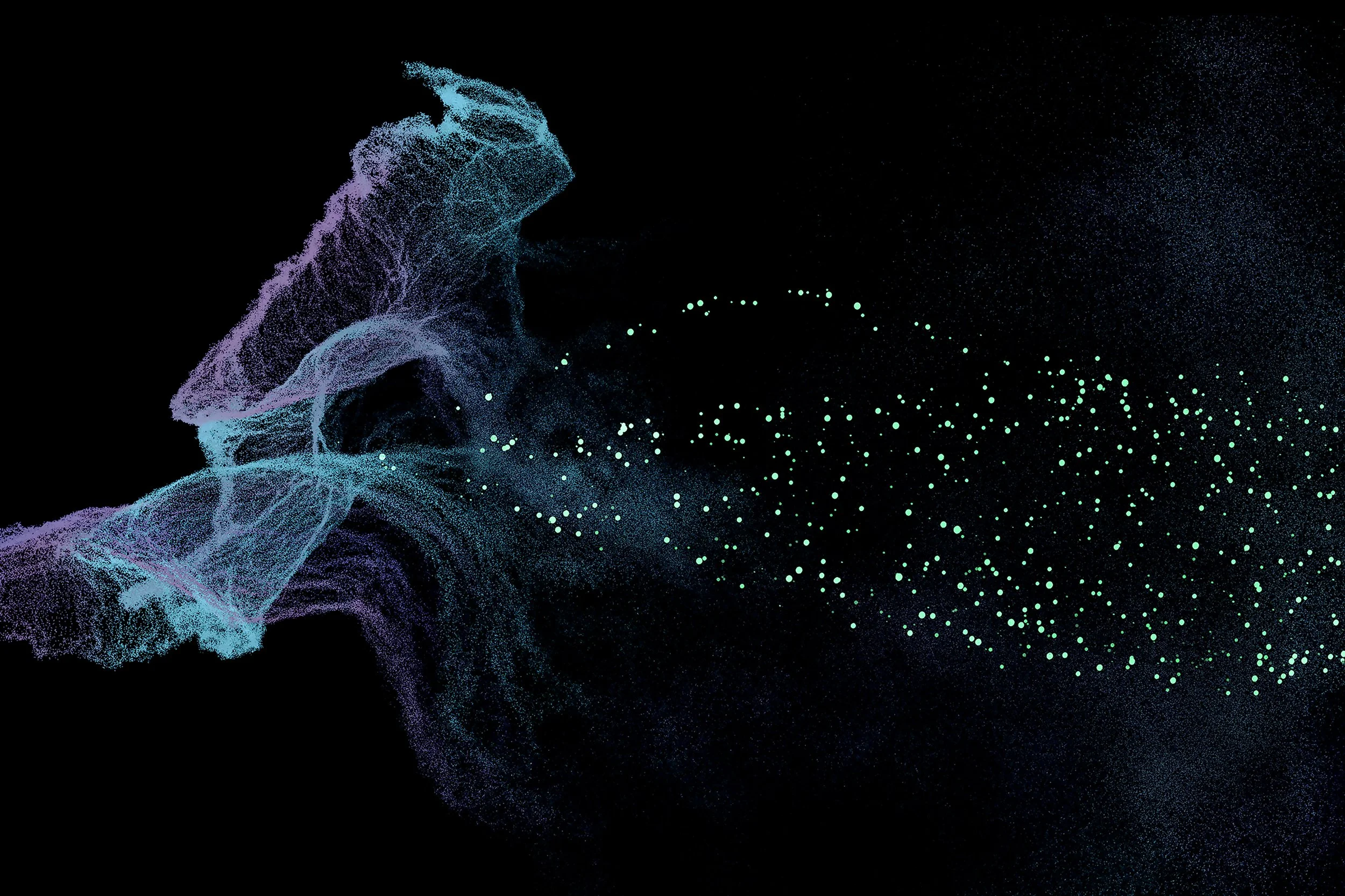
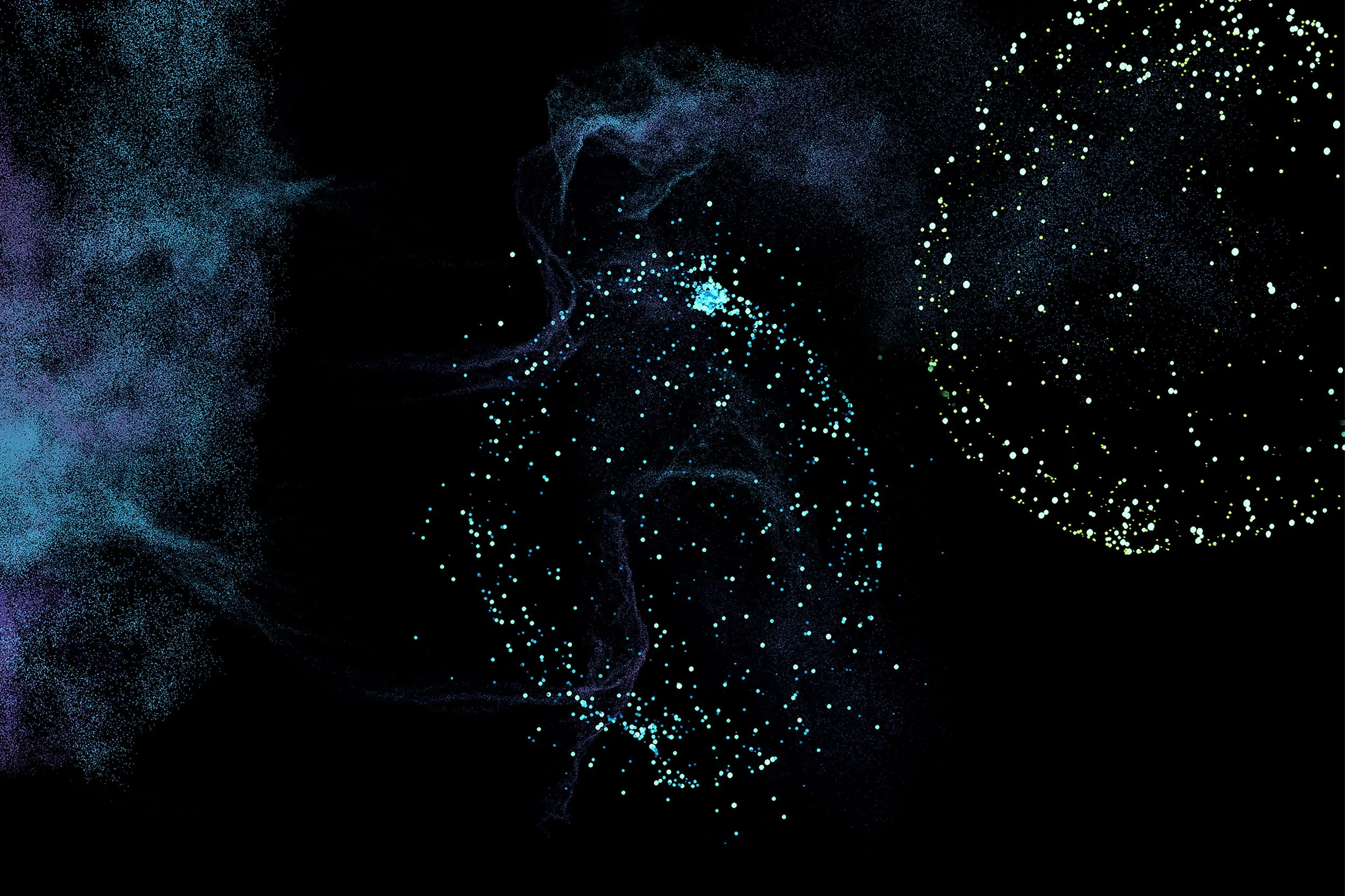
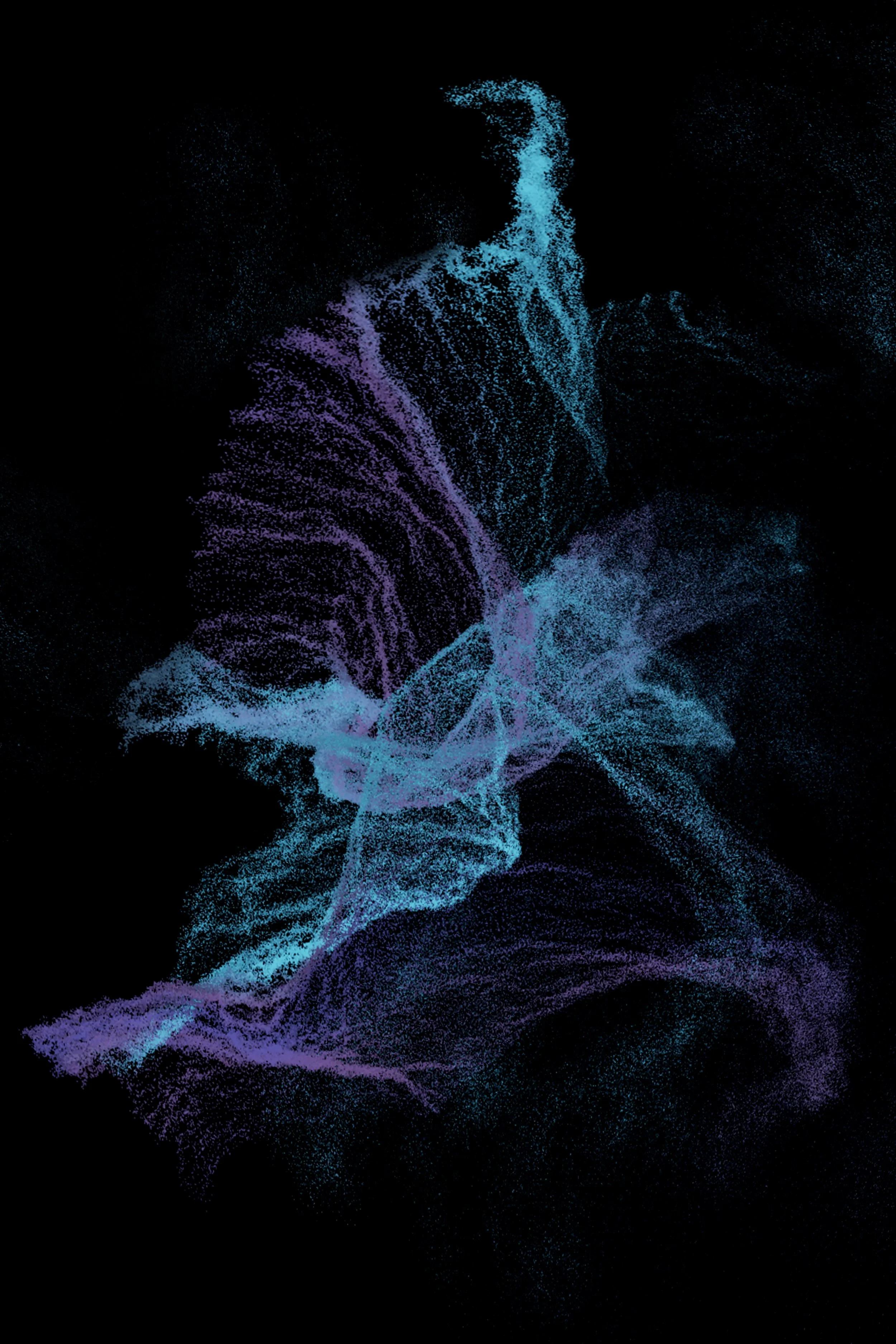
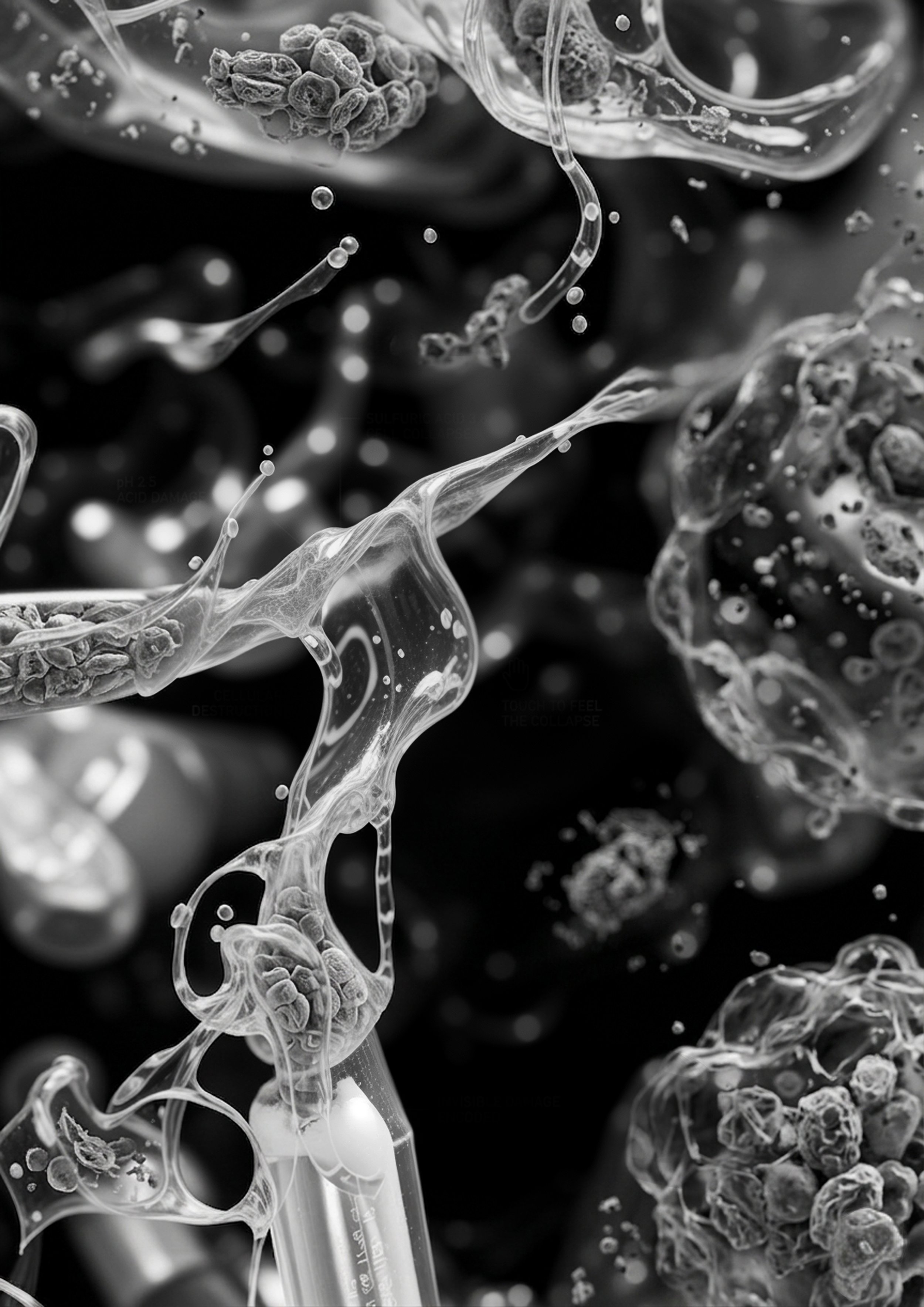
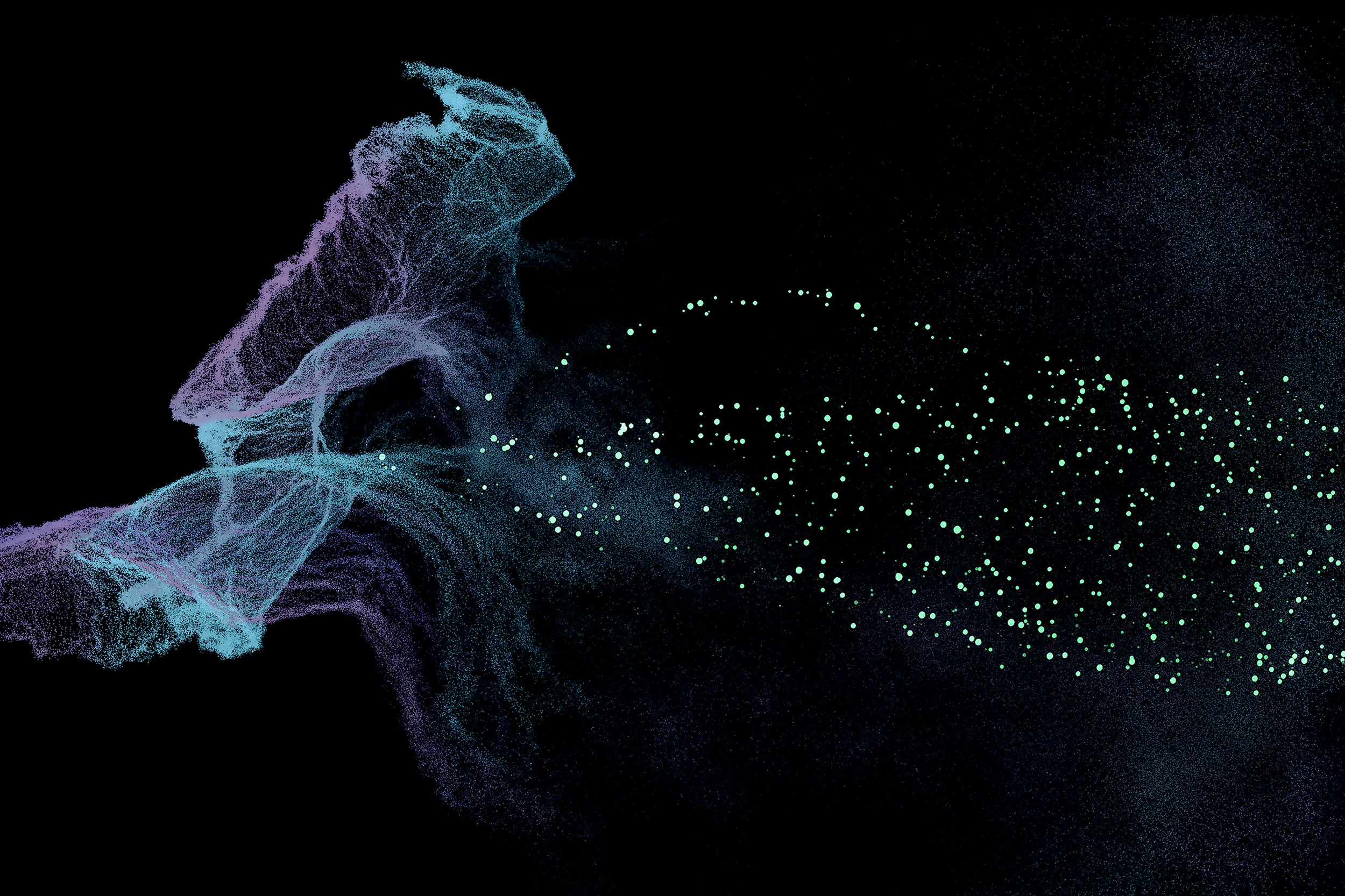
‘pH7.75’ is a real-world data-driven simulation and prediction of marine ecosystems exploring the symbiotic relationship between humans and nature. The code follows biological and environmental rules. Raw genetic data collected from twenty real marine organisms, sourced from NCBI GenBank, the international repository of publicly available nucleotide sequences, is fed into a generative system that translates DNA sequences into morphology and movement.
The marine environment is constructed from 83,087 measurements from the World Ocean Database, covering temperature, salinity, oxygen content, CO2 concentration, and pH, recorded across the global ocean since 1850 and projected to 2100 using the IPCC SSP2-4.5 climate model.
pH 7.75 is the projected ocean acidity at 2100. At that threshold, the calcification processes sustaining coral and much of the marine food chain become chemically impossible. ‘pH7.75’ invites viewers to re-examine their ecological responsibility as members of the Earth.
6. Feedback & Growth
How do you incorporate feedback from critics or audiences into your work, and how do you balance this with your own artistic intuition?
Feedback from critics and audiences provides a direct insight: it reveals whether I have succeeded in immersing people in the environment and rules I have constructed, and whether this immersion has evoked emotion and stimulated thought. The topics that emerge from feedback may serve as the starting point for my next work. I embrace critical feedback, viewing it as an integral part of the work, though my artistic intuition remains the final arbiter. It requires neither agreement nor dissent, what I ultimately seek is the act of thinking itself.
7. Motivation & Inspiration
How do you stay motivated and inspired, even when facing creative blocks or challenges?
Passion is the prerequisite for everything. I genuinely enjoy the creative process, exploring the unknown and challenging my own limits is quite interesting. When I face a creative block, I stop and step outside. Life always offers inspiration, and nature always provides the driving force.
8. Exhibiting Work
How do you feel about exhibiting your artwork with The Holy Art Gallery, and what does this opportunity mean to you?
I am extremely grateful for this opportunity to exhibit my work with The Holy Art Gallery. It bridges diverse artistic communities and brings together artists and audiences. This opportunity also allows me to engage with the diverse artistic themes, styles, and approaches presented by the gallery, drawing inspiration, deepening my love for art, strengthening my beliefs, and learning from outstanding global artists.
9. Future Goals
What are your long-term goals and aspirations as an artist, and how do you plan to achieve them?
My long-term goal is to keep developing my practice that combines ecological science, environmental art, and creative computation. From microscopic ecosystems, ocean simulations, the commodification of wind, to exploring the tactile quality of natural fibres, I look forward to continuing to explore ecosystems and symbiotic relationships from interdisciplinary perspectives. I will continue to learn about and experiment with different AI technologies, and keep developing new approaches.
10. Audience Connection
What do you hope viewers take away from experiencing your art, and how do you aim to connect with them on an emotional or intellectual level?
I hope my artwork offers viewers an immediate, immersive, and unique experience, and plants a seed in their minds. That seed may one day take root: on a beach, in a forest, in some quiet corner of life. Art cannot solve the ecological crisis, but it can change the way we see the world.-----Would you like me to help you draft an email to send these responses to the gallery?