Artist spotlight : Yana Medow
Artist Statement:
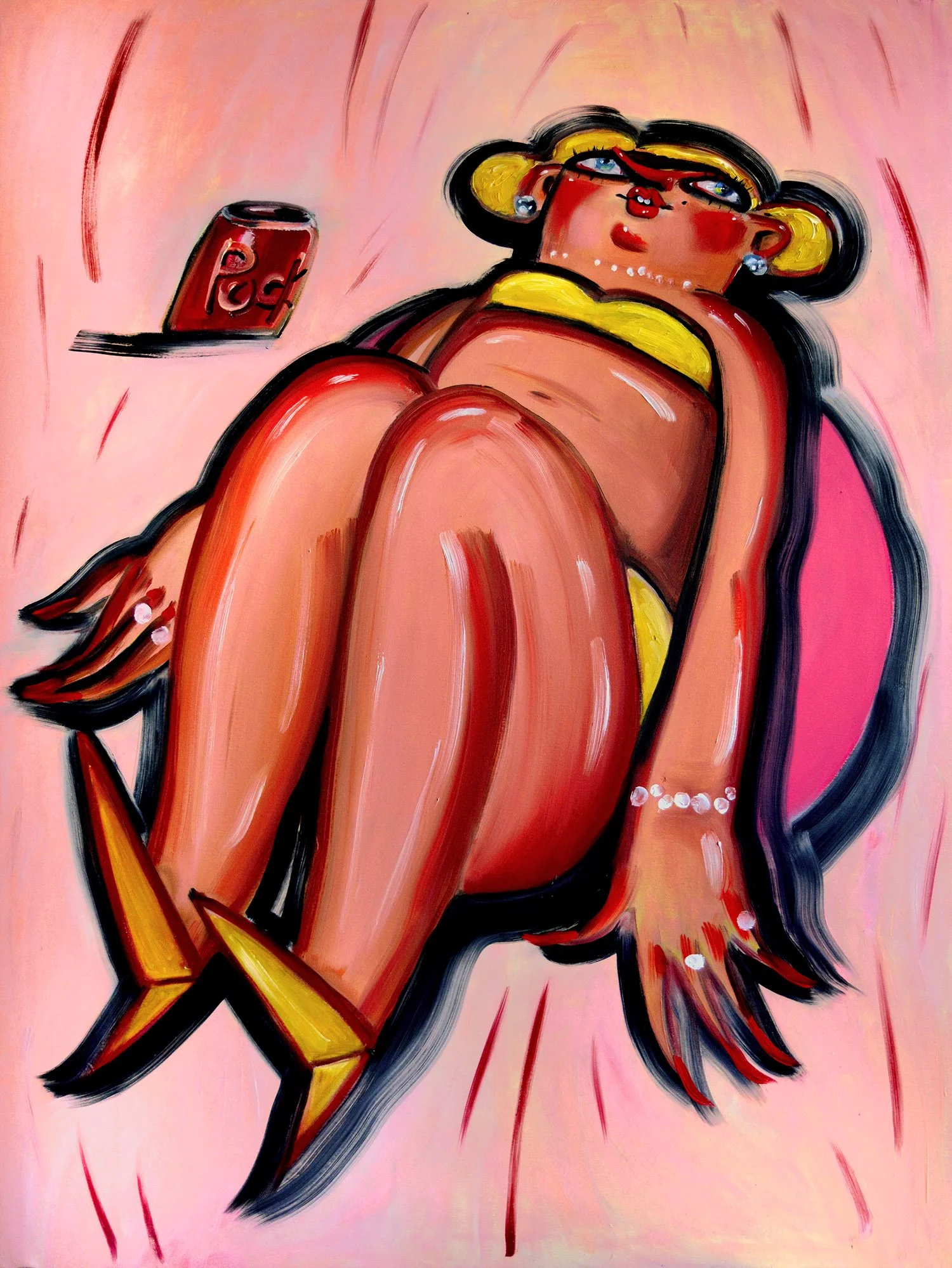
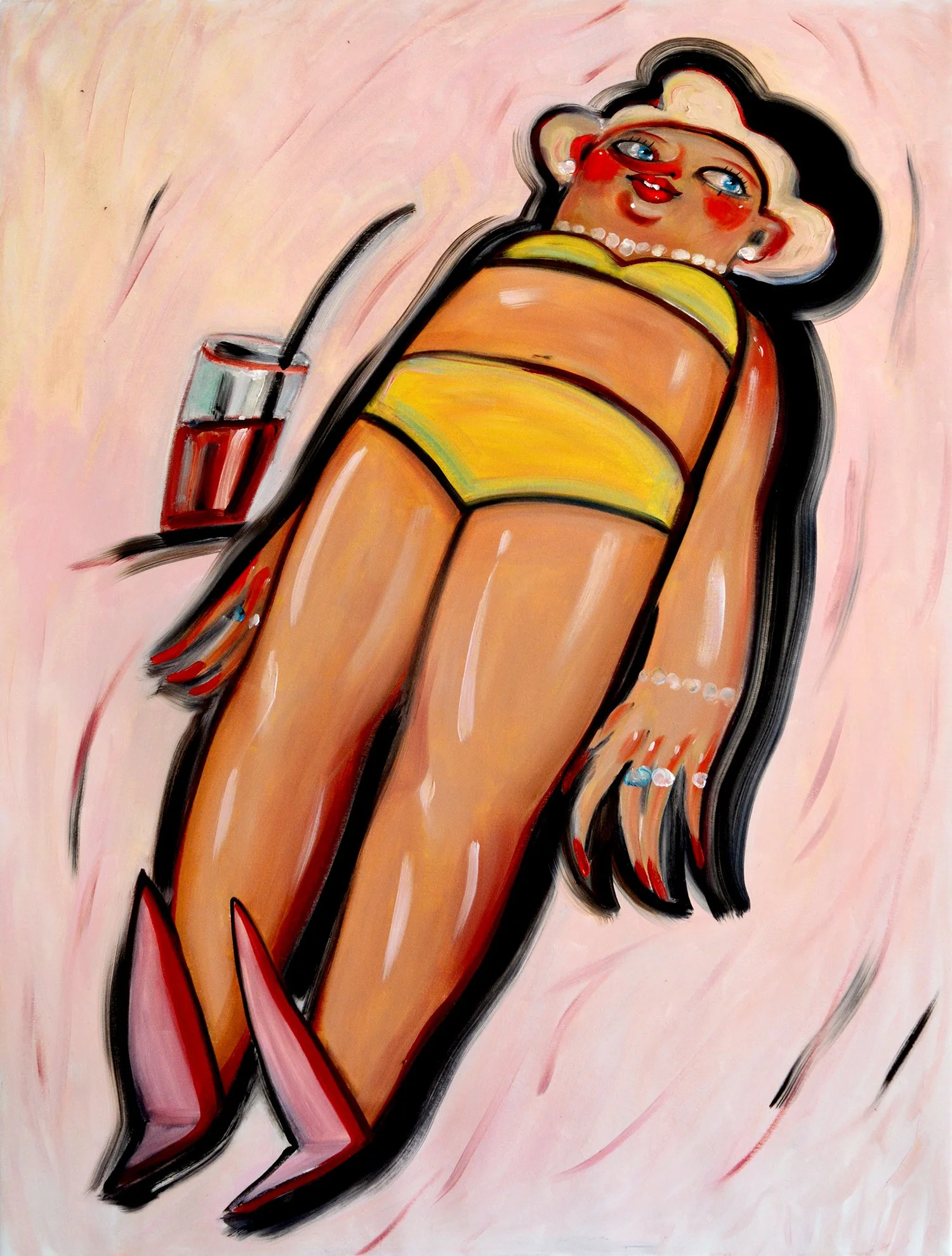
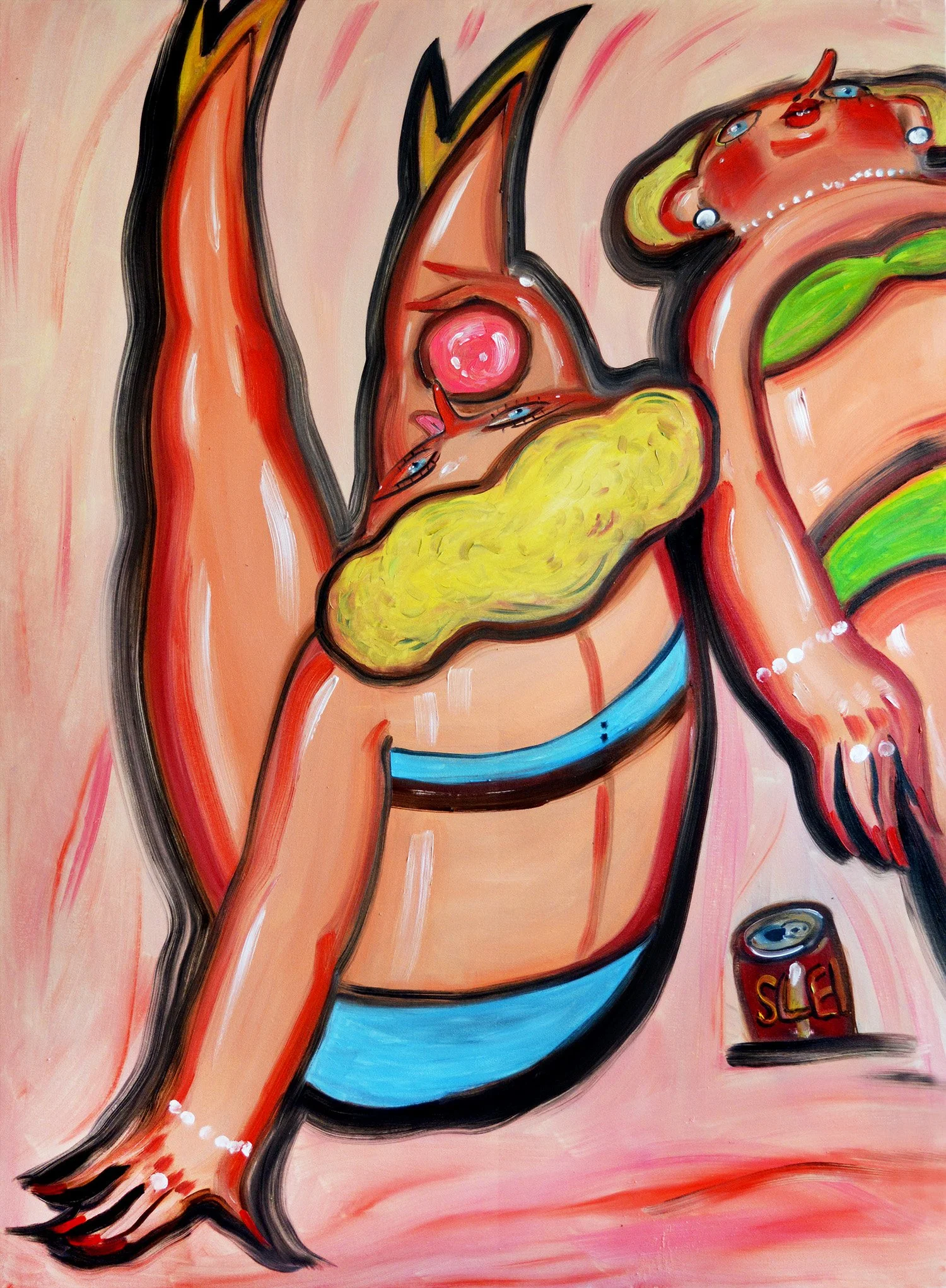
My practice centers on contemporary figurative painting and the expressive potential of the human body. I approach the figure as a choreography of gesture, where posture, rhythm, and movement become a visual language capable of conveying emotion, tension, and narrative.
The female figure frequently appears as the protagonist in my work. I am interested in femininity as a complex and shifting presence rather than a fixed image. My characters inhabit ambiguous spaces where elegance, humor, and vulnerability coexist, creating scenes that feel both intimate and subtly theatrical.
Formally, my paintings are constructed through the dialogue between color and line. Fluid contours and bold chromatic contrasts shape bodies that are sometimes elongated or slightly distorted, allowing gesture and emotional resonance to emerge beyond strict realism.
Through this visual language I explore the poetics of gesture and the silent theatre of the human figure.
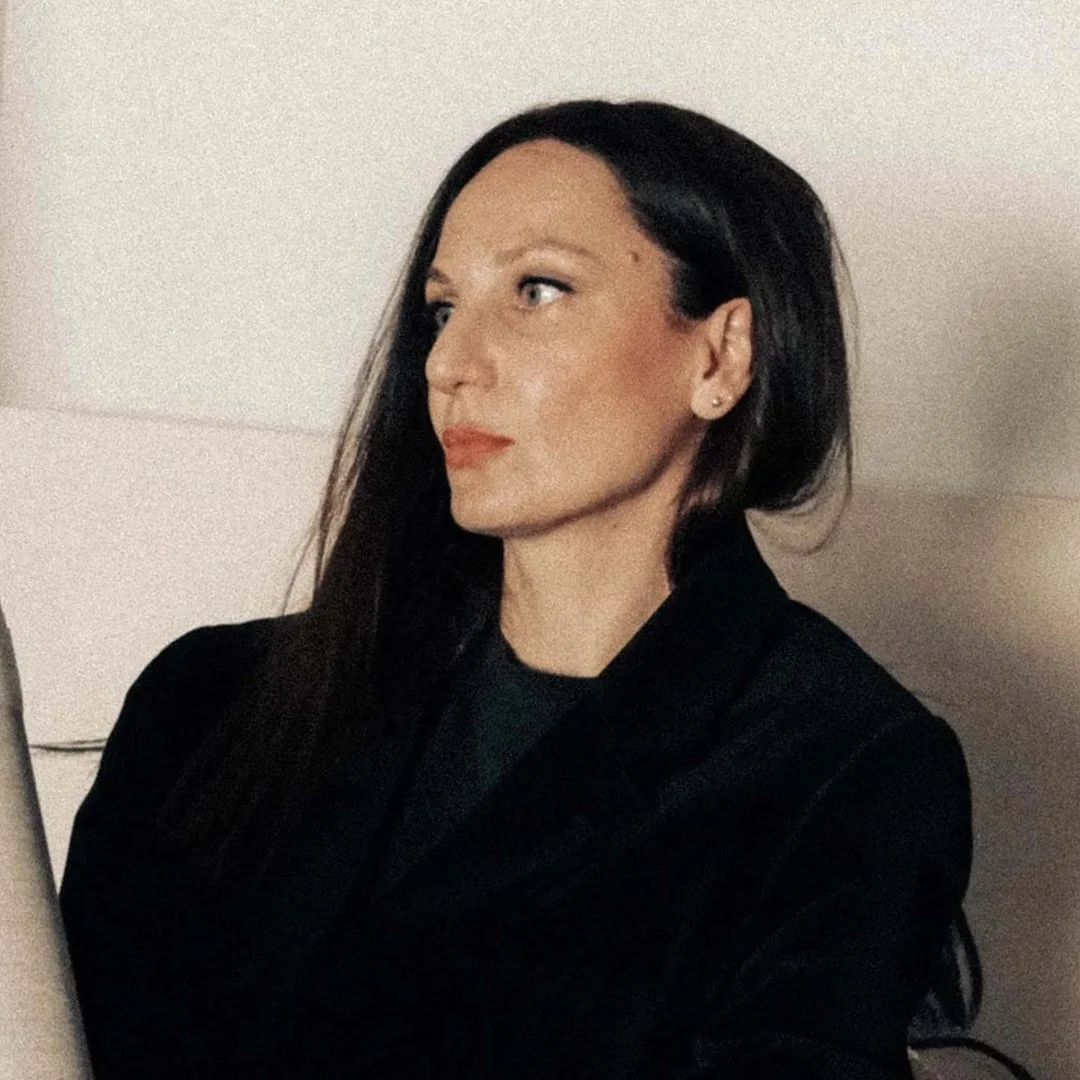
Artist : Yana Medow
Inspiration & Style
What initially inspired you to become an artist, and how did you develop your unique artistic style?
I was drawn to art almost instinctively from an early age, growing up surrounded by museums where images stayed with me as living memories rather than static objects. My formal training deepened this connection, especially under the influence of a teacher who combined visual art with literature and introduced me to writers like Ray Bradbury, Isaac Asimov, and Stanisław Lem, expanding my imagination beyond the visible. Over time, my style evolved into a dialogue between figuration and abstraction, where I explore the human body as something fluid and expressive rather than fixed, with a particular sensitivity to femininity as a feeling; through flexible lines and color, I allow forms to emerge, dissolve, and breathe, guided more by rhythm and sensation than by strict representation.
Creative Process
Do you have any rituals or routines that help you get into a creative mindset when starting a new project?
I don’t follow strict rituals, but I do create a kind of atmosphere that invites the work to begin. It often starts with silence or sound, sometimes music, sometimes just the ambient rhythm of the space, allowing me to slow down and become more attentive. I spend time looking rather than doing, observing light, movement, or even small details around me until something resonates internally. Drawing is usually my entry point, a way to loosen control and let the hand move freely before the painting takes shape. For me, the creative process is less about discipline and more about tuning into a certain sensitivity, where the body, memory, and emotion quietly align and guide the work forward.
Artistic Influences
How do you balance historical or artistic influences with your personal style, and how do these influences manifest in your work today?
I see historical and artistic influences not as something to replicate, but as a quiet dialogue that runs beneath my work. I’ve always been drawn to classical painting and the sensitivity of the human form, yet I don’t aim to preserve it in a traditional way, rather to let it dissolve and re-emerge through my own perception. These influences live in my attention to gesture, composition, and the emotional presence of the body, but they are filtered through a more fluid, contemporary language
Emotion & Expression
How do you use your art to evoke emotions, and what role does emotion play in your creative process?
Emotion is at the core of everything I create, it’s both the starting point and the thread that carries the work forward. I don’t try to illustrate a specific feeling; instead, I build an atmosphere where emotion can be sensed rather than defined. During the process, I rely on intuition and sensitivity, allowing the painting to evolve organically, almost like a dialogue between myself and the canvas. For me, emotion is not something added at the end, it is the structure itself, shaping the rhythm, the movement, and the presence of each piece.
Exhibiting Work
How do you feel about exhibiting your artwork with The Holy Art Gallery, and what does this opportunity mean to you?
A few years ago, I received a prize in your creative competition, which meant a great deal to me. Exhibiting with The Holy Art would be a valuable opportunity to broaden my audience.
Future Goals
What are your long-term goals and aspirations as an artist, and how do you plan to achieve them?
My long term goal is to continue developing a deeply personal visual language that expands beyond painting into immersive, sensory experiences, where the viewer can enter the work physically and emotionally. I’m interested in creating projects that combine image, light, and sound, building environments that feel meditative yet alive.
Audience Connection
What do you hope viewers take away from experiencing your art, and how do you aim to connect with them on an emotional or intellectual level?
I hope viewers leave with a feeling rather than a fixed interpretation, something subtle that stays with them, like an afterimage or a quiet echo. I’m not trying to communicate a specific message; instead, I create space for personal reflection, where each person can find their own meaning. Through the fluidity of the body, the movement of line, and the atmosphere of color, I aim to connect on an emotional level first, allowing the work to be felt before it is understood.