Alexia Gaglia
ARTIST STATEMENT
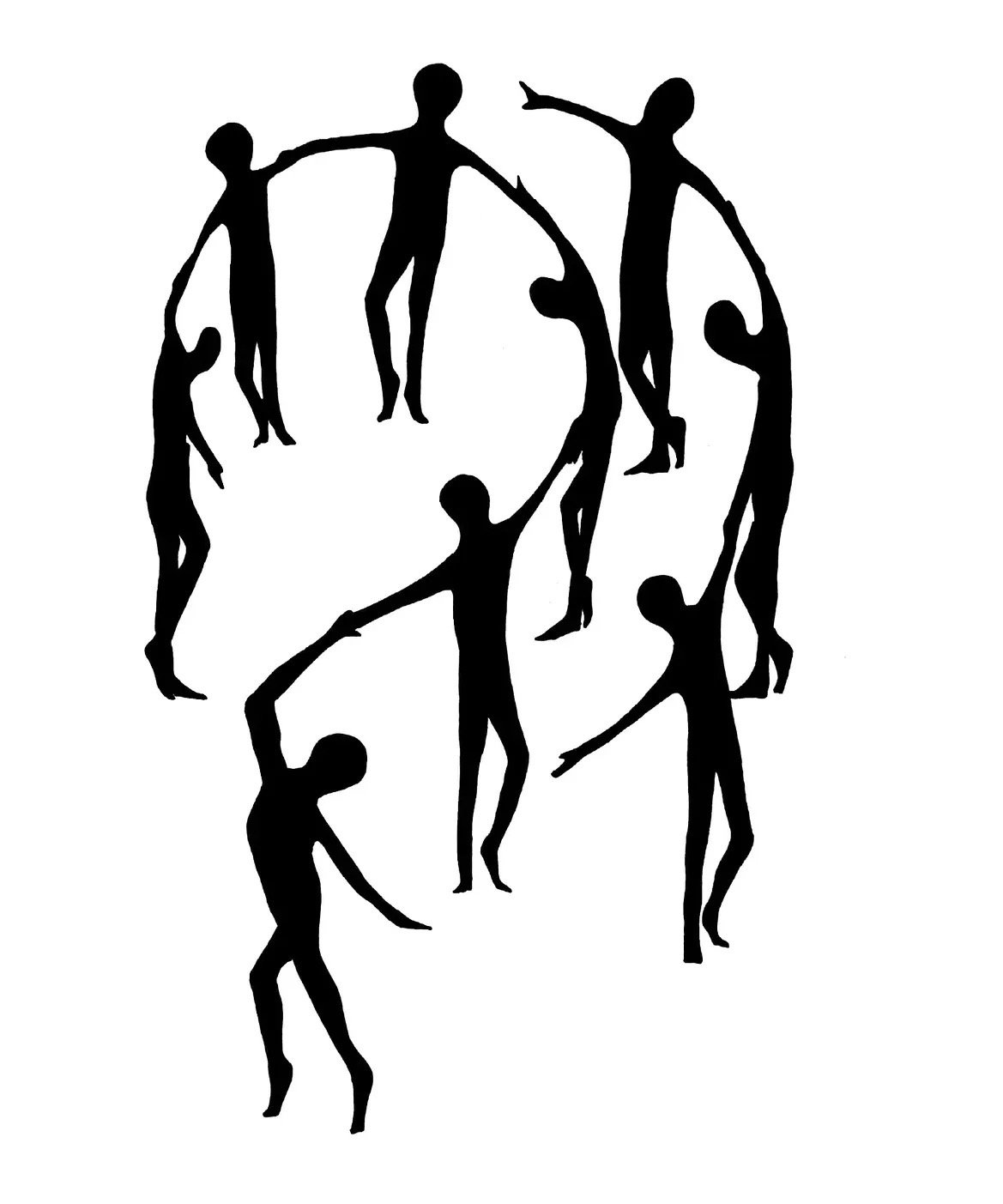
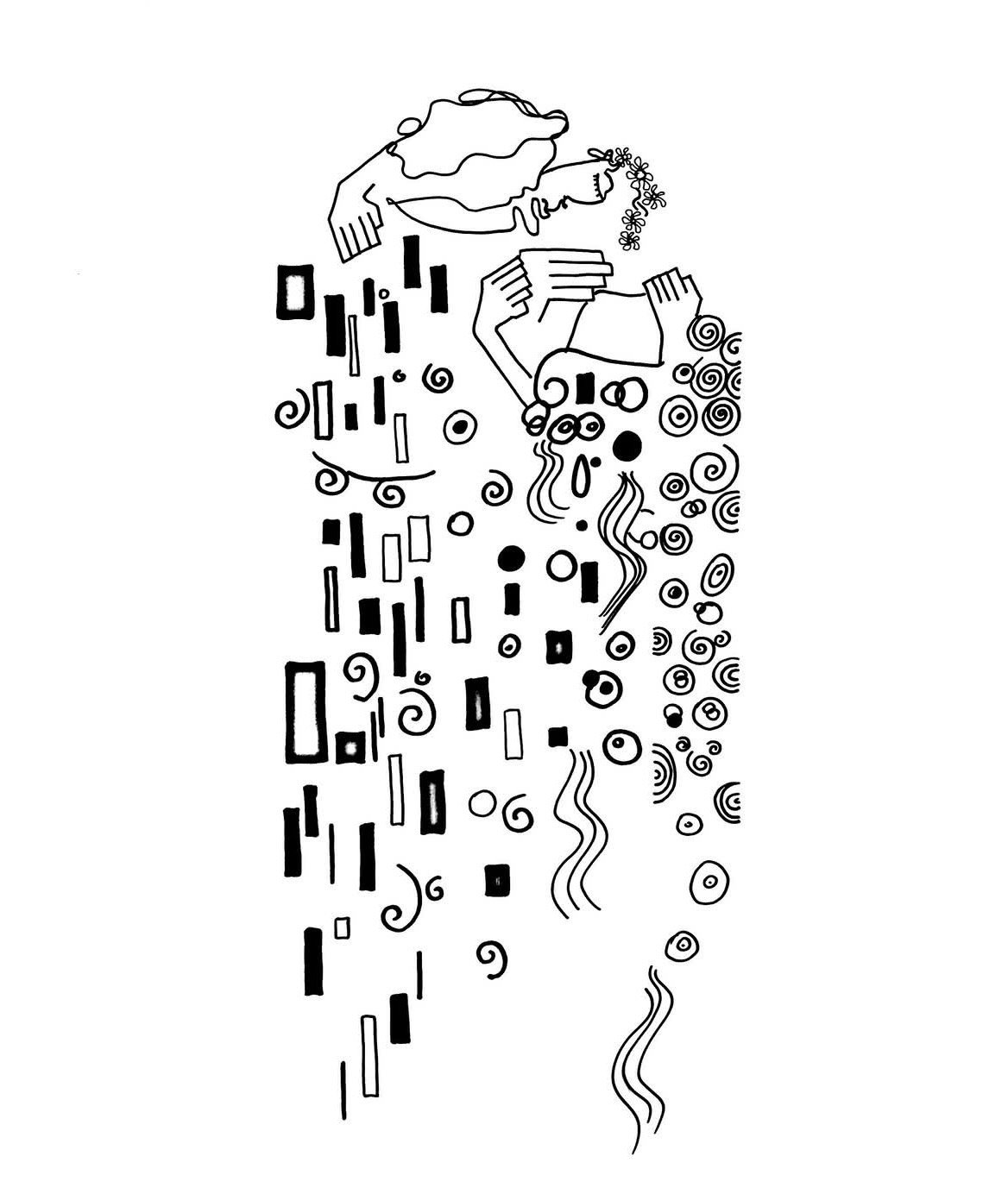
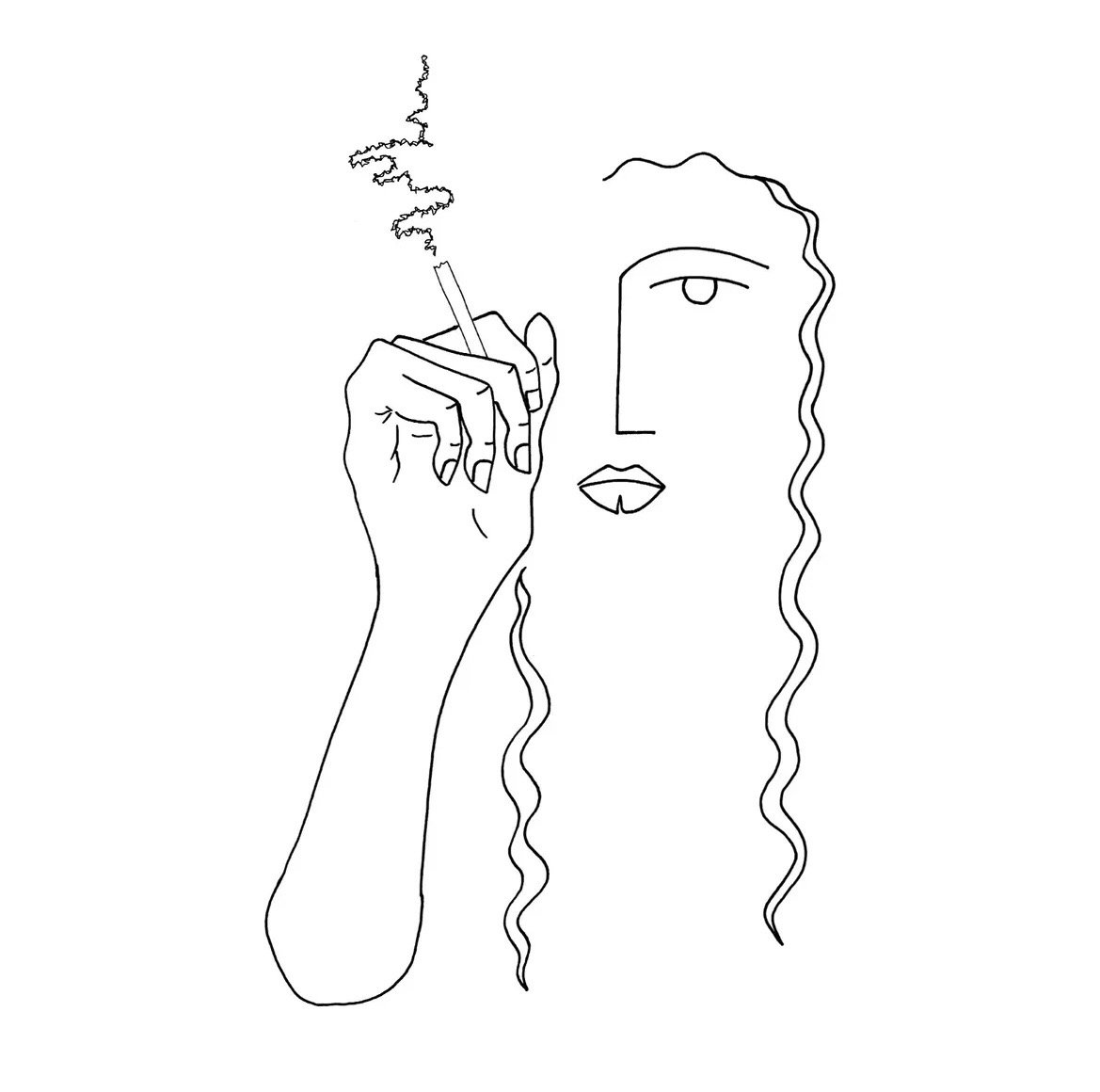
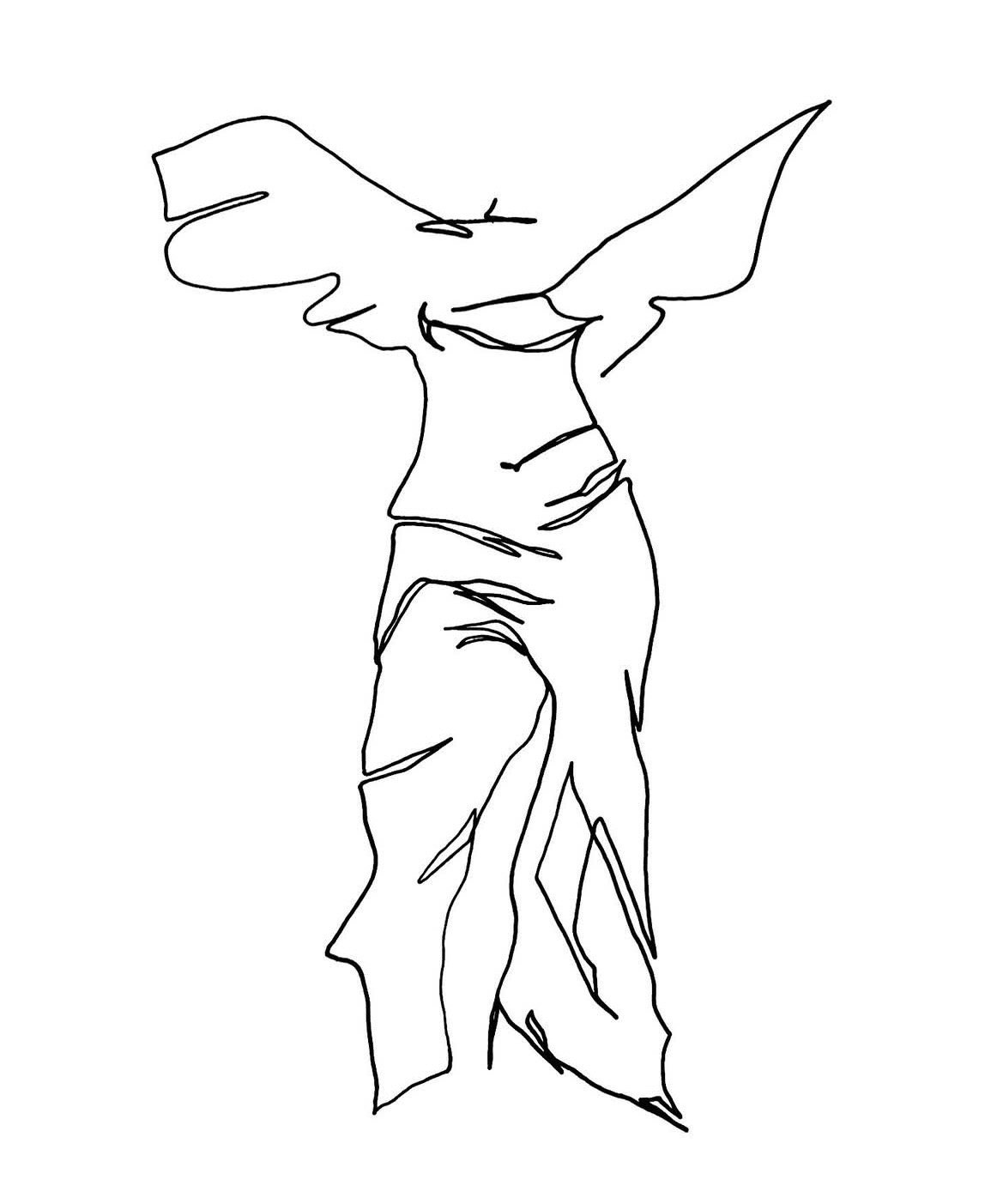
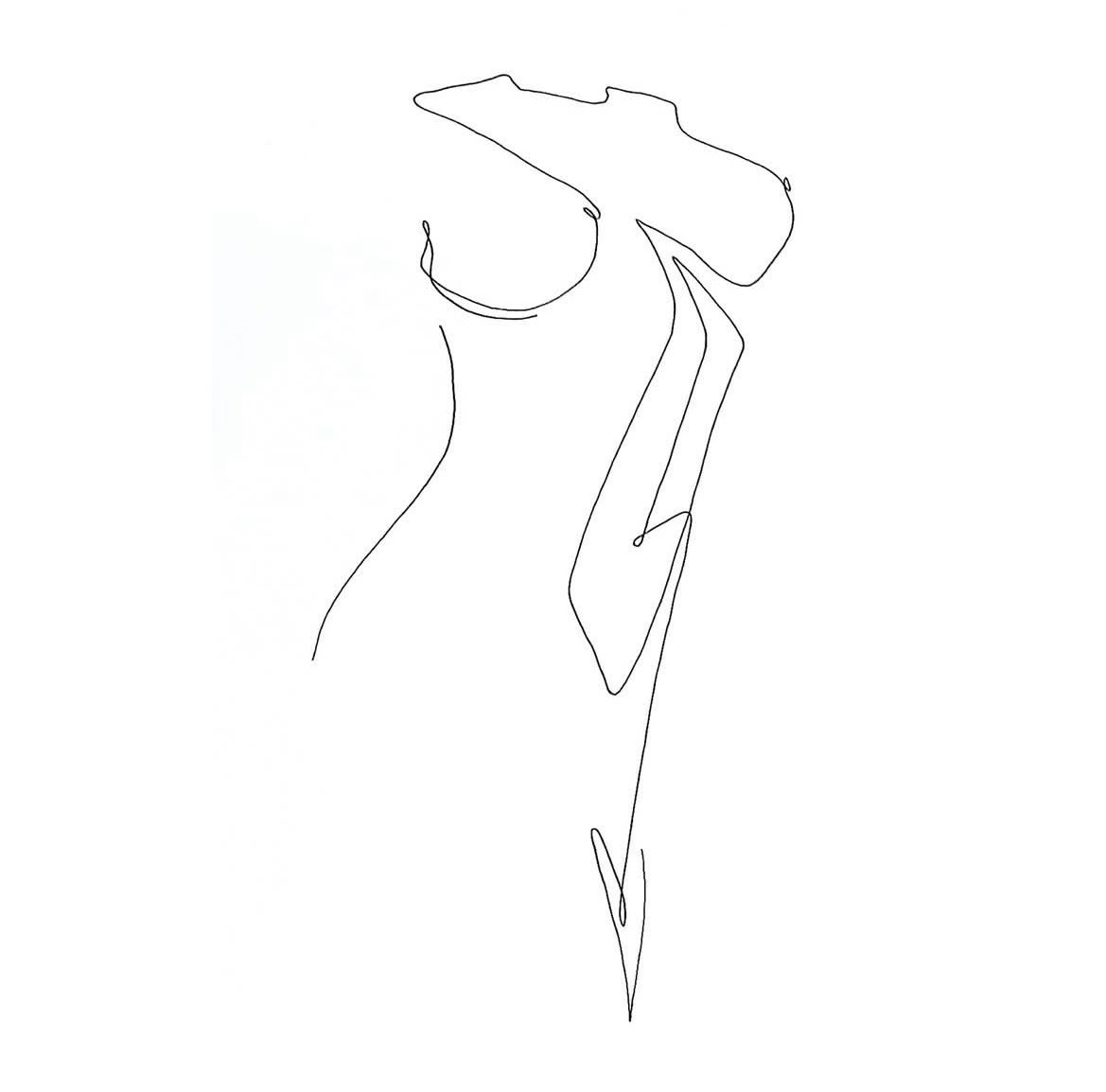
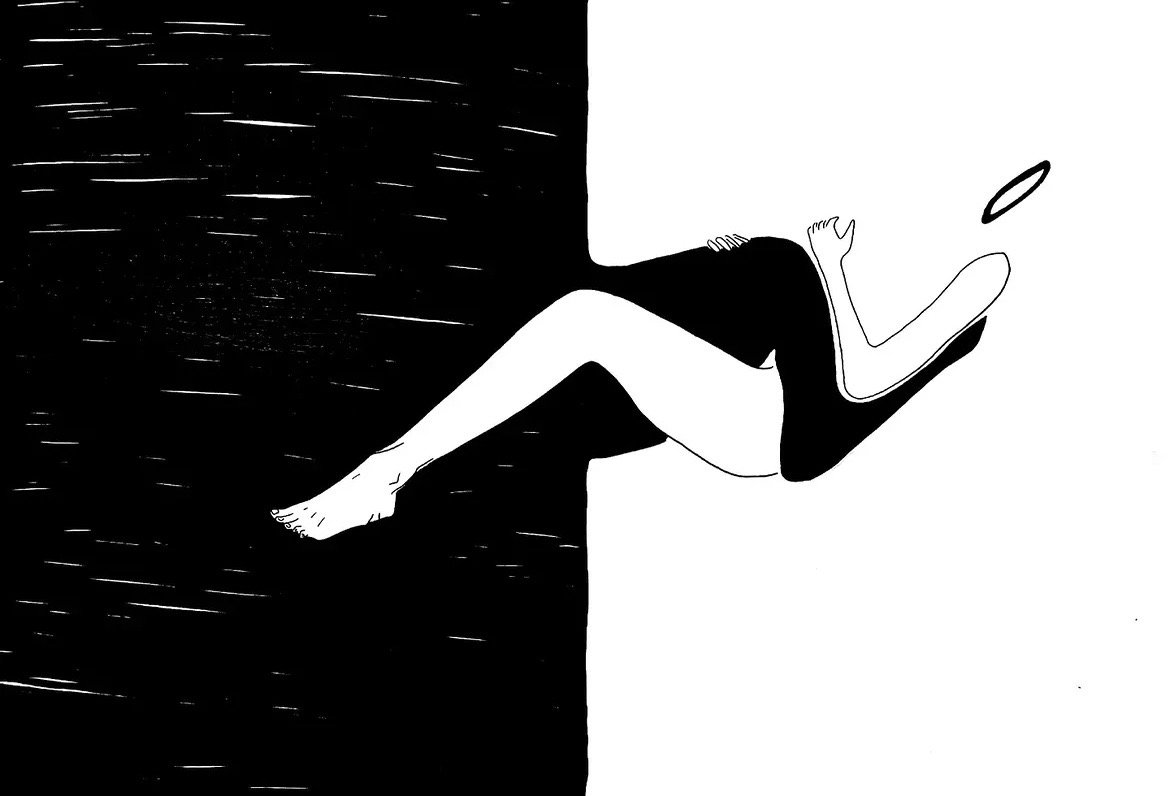
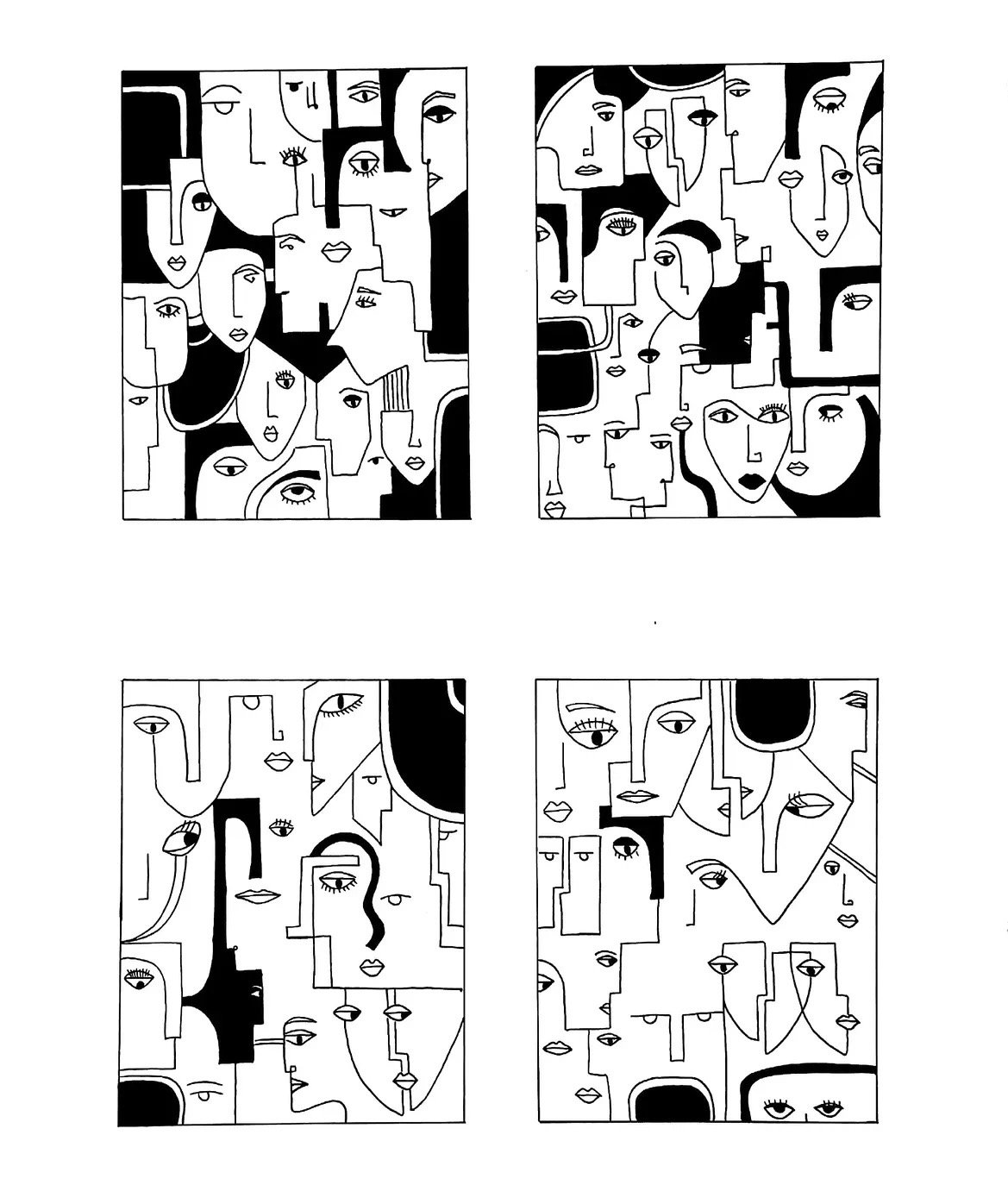
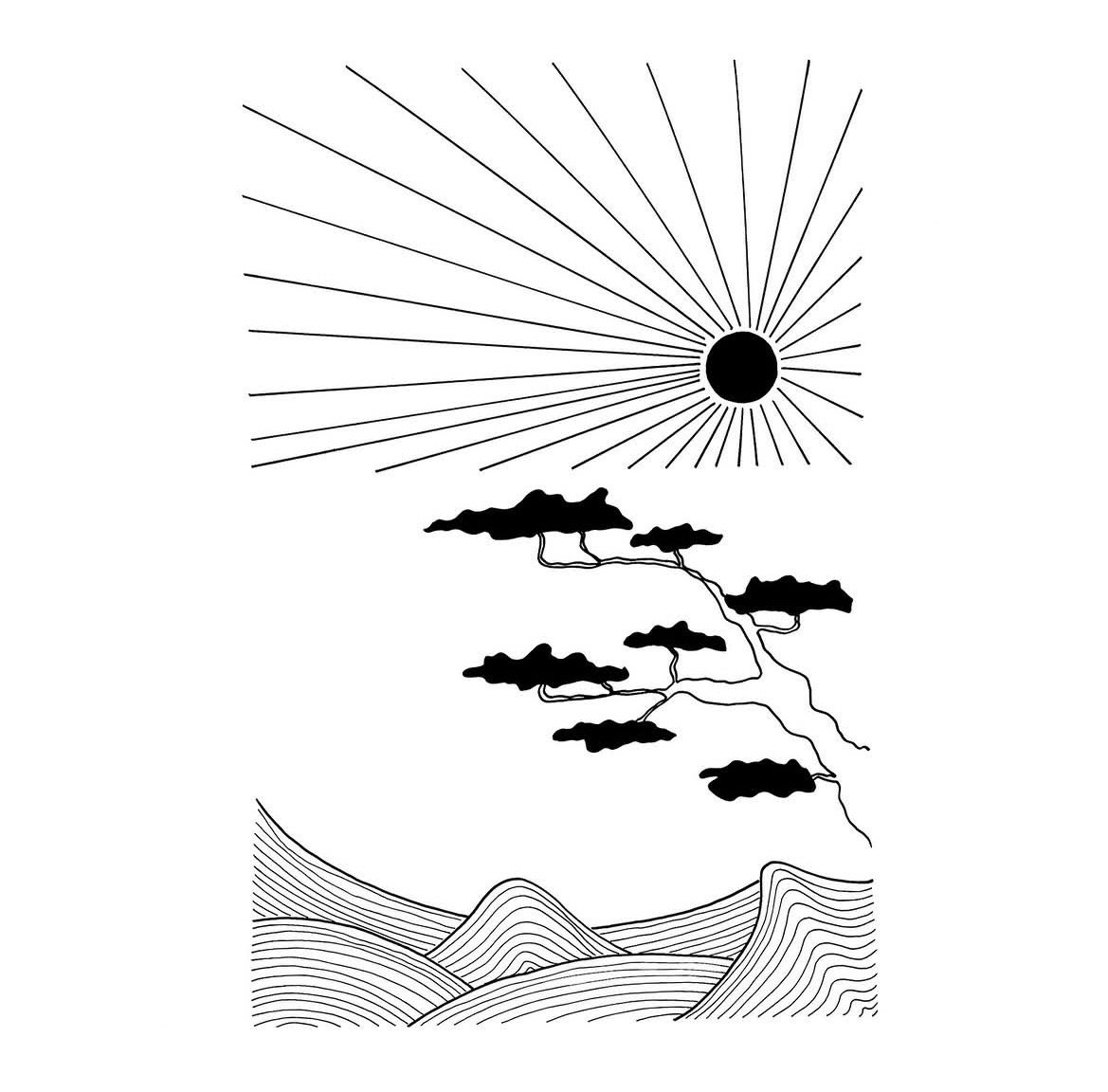
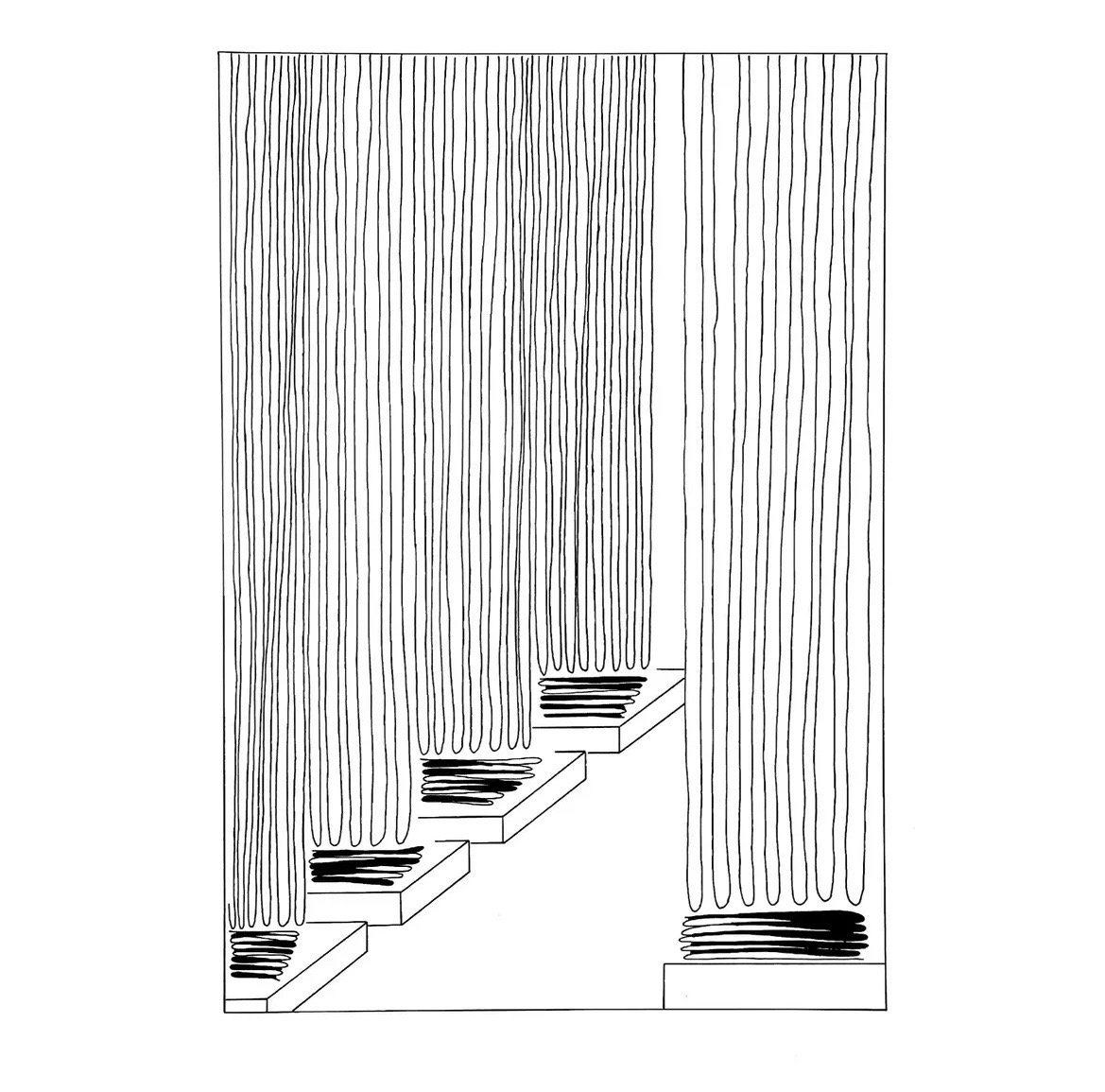
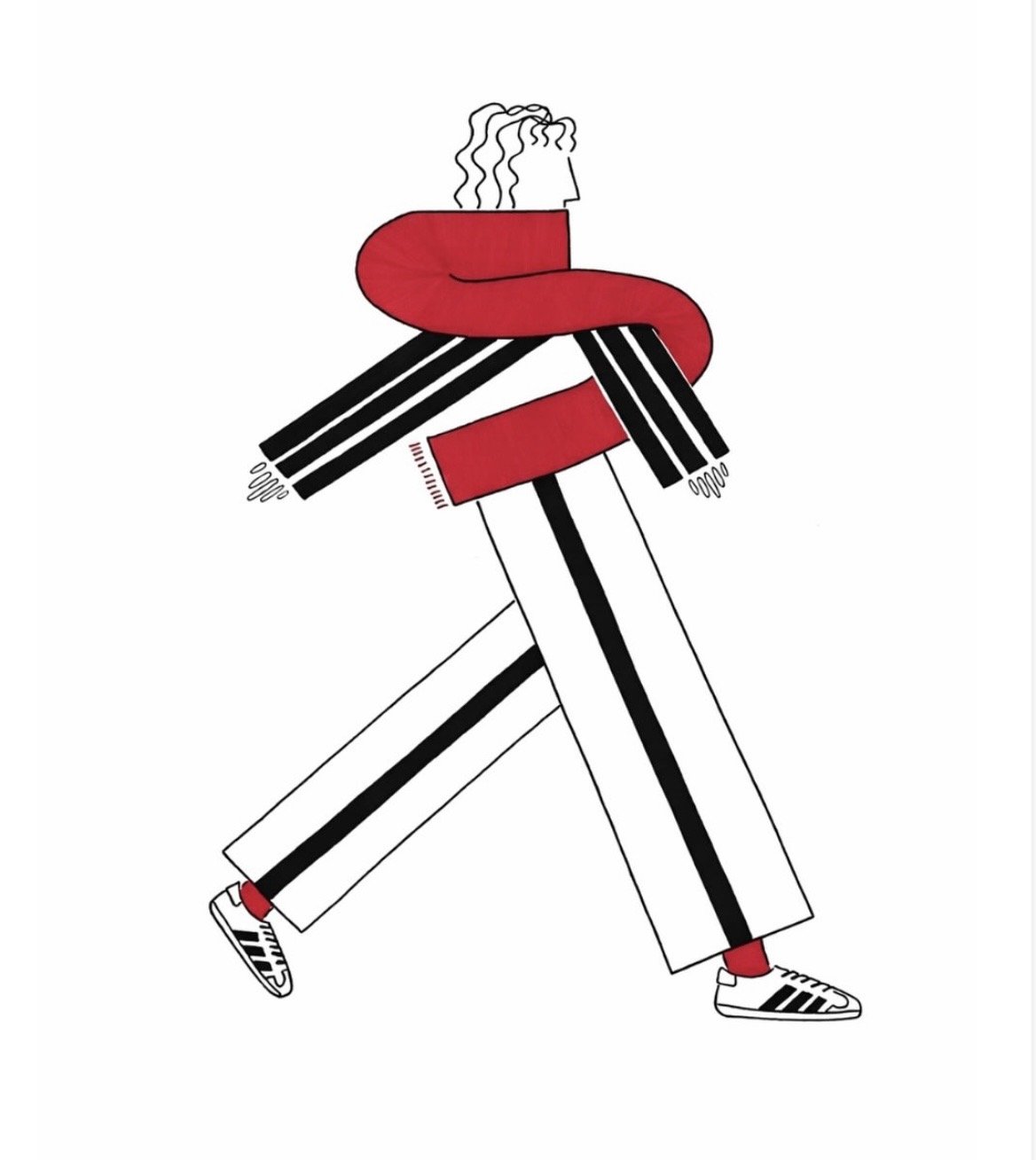
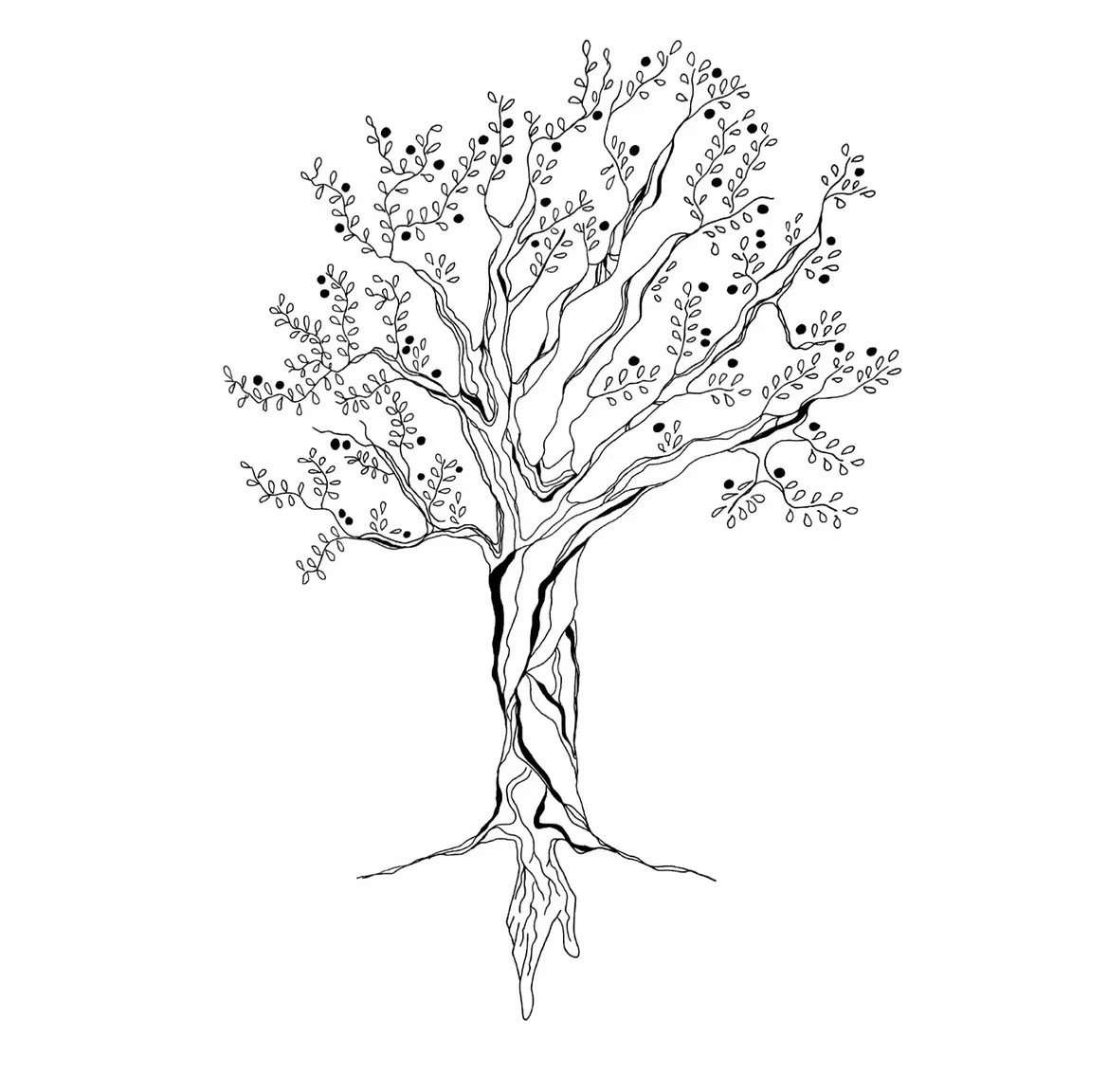
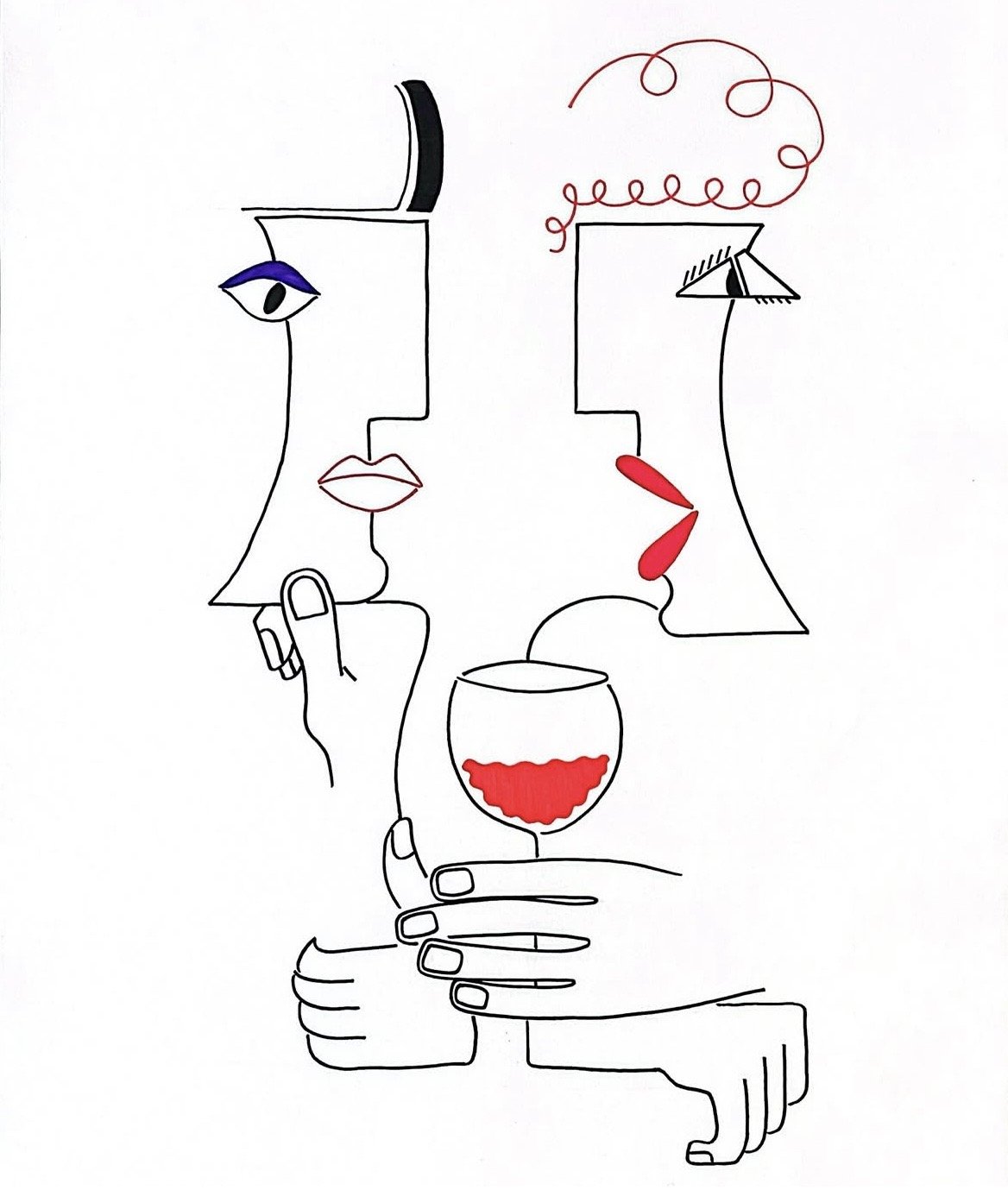
My artistic identity is centred on minimal line art and hand-drawn compositions created on paper using pencil and permanent marker. I believe that simplicity and conciseness can strongly reflect contemporary social realities while also offering a critical response to them.
In a world increasingly shaped by information overload, overconsumption, digital excess, and constant distraction, minimal line art becomes a way of reclaiming balance and awareness. For me, minimalism is not the absence of meaning, but rather a deliberate effort to reveal it through restraint.
My inspiration often emerges from spontaneous everyday moments, human interaction, movement, and observation. At the same time, my academic background in History and Archaeology deeply influences my visual language, leading me to draw references from archaeological forms, ancient material culture, and the broader field of the plastic arts.
Social Networks :
Instagram handle: @a_minimal_world
Portfolio: https://drive.google.com/file/d/1yyEl5SI75dP7KS0lGUo5Qjd1rOMfJZ9w/view?usp=sharing
Alexia Gaglia
1. Inspiration & Style
What initially inspired you to become an artist, and how did you develop your unique artistic style?
My relationship with art became more active in 2019, during the period of the coronavirus pandemic. At a time of isolation, uncertainty and constant social and political tension, art became a way for me to process everyday reality and create moments of reflection and emotional escape.
Over time, I developed a visual language based on minimal line art and hand-drawn compositions on paper, using pencil and permanent marker. My style evolved naturally from my interest in simplicity and observation. I became increasingly interested in how a limited number of lines can communicate an idea, emotion or social reality.
2. Creative Process
Do you have any rituals or routines that help you get into a creative mindset when starting a new project?
I do not have a strict ritual or routine when I begin a new project. My ideas often emerge spontaneously from everyday moments, human interaction, movement and observation. I tend to notice small details around me and then gradually develop them into visual ideas.
I also find that my professional and academic background constantly feeds my creative process. Working as an archaeologist and tour guide means that I am continuously observing people, objects, history and different forms of human expression. These experiences often become starting points for my work.
Once I have an idea, I work directly on paper with pencil and permanent marker, allowing the line itself to carry as much of the idea as possible.
3. Artistic Influences
How do you balance historical or artistic influences with your personal style, and how do these influences manifest in your work today?
My academic background has a strong influence on the way I approach art. Having studied History, Archaeology and Social Anthropology, followed by Museum Studies, I have always been interested in how people, objects and visual forms communicate meaning across different periods and cultures.
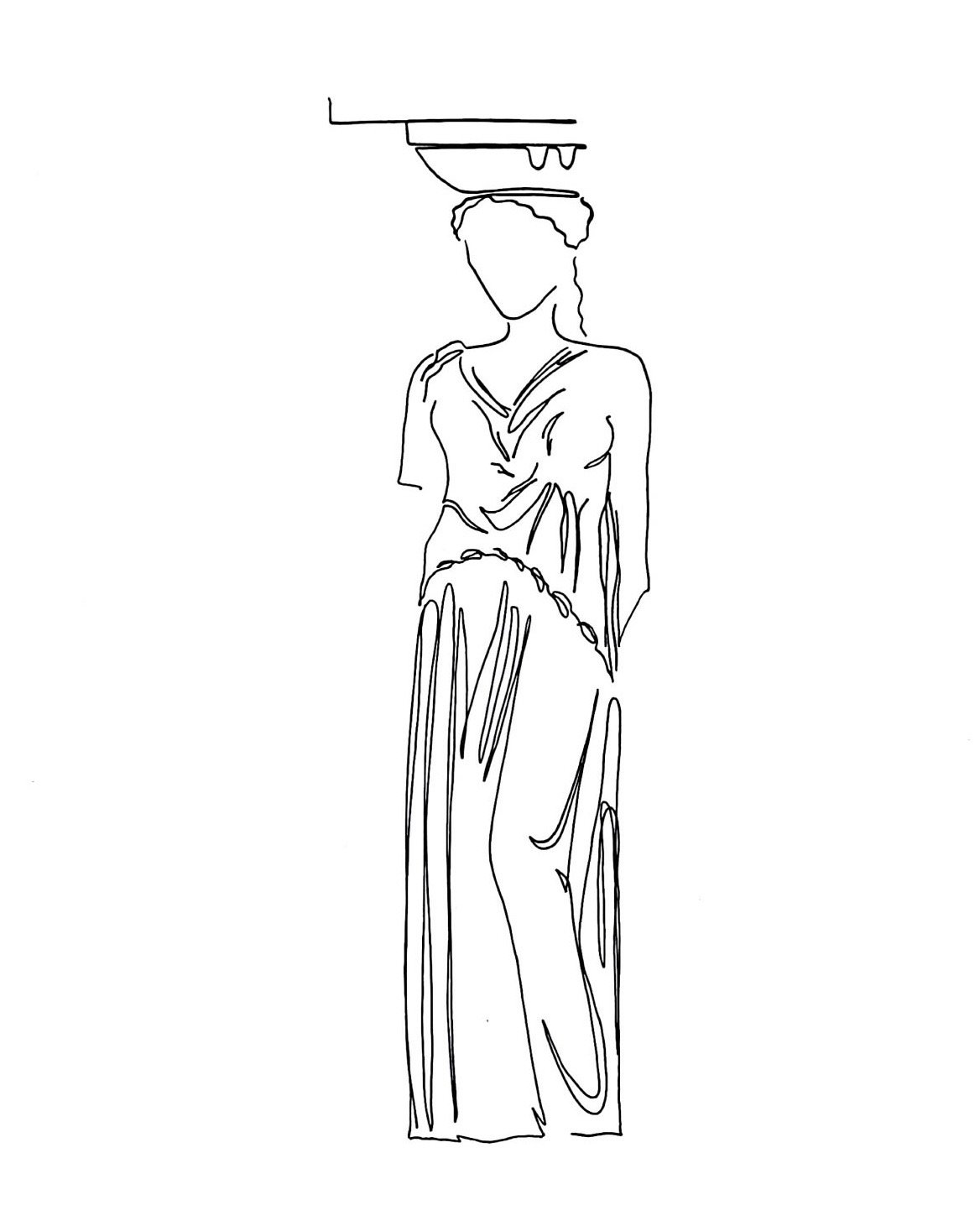
Archaeology, in particular, has influenced my visual language. I often find inspiration in archaeological forms, ancient material culture and the broader field of the plastic arts. However, I do not want to simply reproduce historical references. I reinterpret what I encounter through my own contemporary perspective and through the language of minimal line art.
I think this combination of the past and the present is an important part of my artistic identity: historical forms and ideas can become a starting point for reflecting on contemporary life.
4. Emotion & Expression
How do you use your art to evoke emotions, and what role does emotion play in your creative process?
Emotion plays an important role in my creative process. I am interested in how a very simple image or a few carefully placed lines can leave space for the viewer to interpret, feel and reflect.
My work emerged during a period of isolation and uncertainty, so art initially became a way of processing my own experience of everyday reality. Today, I also use it as a way to reflect on and critically respond to broader contemporary and sociopolitical issues, including information overload, overconsumption, digital excess and the constant distractions that shape our lives. Through my art, I hope to evoke not only an emotional response, but also a sense of awareness and critical reflection. I want viewers to question what they see, form their own judgments and, perhaps, feel encouraged to react and consider how we can contribute to positive change and a better world.
I do not necessarily want to tell the viewer exactly what to feel. Instead, I want to create a visual pause, something that encourages them to slow down, observe, think and judge.
5. Standout Projects
Can you share a project that stands out to you and describe the creative process behind it?
One project that stands out to me is my first solo exhibition, LINES CAN TALK, which took place in 2023 on Ikaria, my home island in Greece. It was especially important because it was the first time I introduced my artistic practice to the public.
The exhibition grew out of my minimal_world series, which began during the coronavirus pandemic as a way of processing isolation, uncertainty and everyday reality. Through minimal line art, I explored how simple lines can communicate ideas about people and society.
I wanted the audience to become part of the work, so I avoided extensive explanations and a predetermined route, allowing visitors to create their own interpretations. I also invited them to anonymously leave their thoughts and social messages at the end of the exhibition.
For me, LINES CAN TALK demonstrated that simplicity can create space for dialogue, reflection and participation.
6. Feedback & Growth
How do you incorporate feedback from critics or audiences into your work, and how do you balance this with your own artistic intuition?
I find feedback valuable because every viewer brings a different perspective to an artwork. When someone asks me why I depicted something in a particular way, I am happy to explain my intention, but I also like to ask them how they would have depicted it differently and why.
I enjoy this exchange because it allows me to switch roles with the audience and learn from their often very different or even contrasting perspectives. I listen to criticism and feedback, but at the same time, I believe it is important not to lose your own artistic voice by trying to satisfy every interpretation or expectation.
7. Motivation & Inspiration
How do you stay motivated and inspired, even when facing creative blocks or challenges?
For me, observation is one of the most important sources of inspiration. I try to remain attentive to everyday life, human interaction, movement, small moments that can easily go unnoticed, and of course my professional interests.
When I experience a lack of inspiration, I do not see it as a problem or a frustration. I see it as a sign that I may need to slow down, observe more carefully, or perhaps redefine my artistic goals. Often, stepping away from the pressure to create allows new ideas to emerge naturally. And of course, another way I reconnect with my creativity is by visiting new exhibitions and experiencing the work of other artists. This often gives me new perspectives and ideas.
8. Exhibiting Work
How do you feel about exhibiting your artwork with The Holy Art Gallery, and what does this opportunity mean to you?
I am very happy and grateful to have the opportunity to exhibit my work with The Holy Art Gallery. For me, an exhibition is not only an opportunity to present my work and see how people respond to it, but also a chance to meet other artists, exchange perspectives and experiences, and hopefully develop new connections and collaborations.
9. Future Goals
What are your long-term goals and aspirations as an artist, and how do you plan to achieve them?
I do not have a rigid long-term plan for my artistic career. I prefer to allow my practice to develop organically as I continue to learn, observe and experience new things. I would like to continue exhibiting my work, reaching new audiences and connecting with other artists.
One day, I would also love to create my own open space, open in terms of its physical boundaries, ideas, forms of expression and activities. I imagine it as a place where artists and people of all ages can come together through exhibitions, events, lectures, workshops and creative activities. For me, it would be a space for exchange, participation and freedom of expression, rather than simply a conventional gallery.
10. Audience Connection
What do you hope viewers take away from experiencing your art, and how do you aim to connect with them on an emotional or intellectual level?
I hope my work creates a personal connection with each viewer. I do not want to dictate what someone should see or feel. I am more interested in giving them the freedom to create their own interpretation and perhaps discover something I had not considered myself.
At the same time, I want my work to raise questions about contemporary social and sociopolitical issues. I hope viewers will not only connect emotionally with the work, but also question what they see, challenge certain ideas or social norms, and perhaps feel motivated to react or think about how change can happen.
For me, the most meaningful connection is when a viewer leaves with a thought or question that continues beyond the artwork itself.