RedChili / F.Isaac
ARTIST STATEMENT
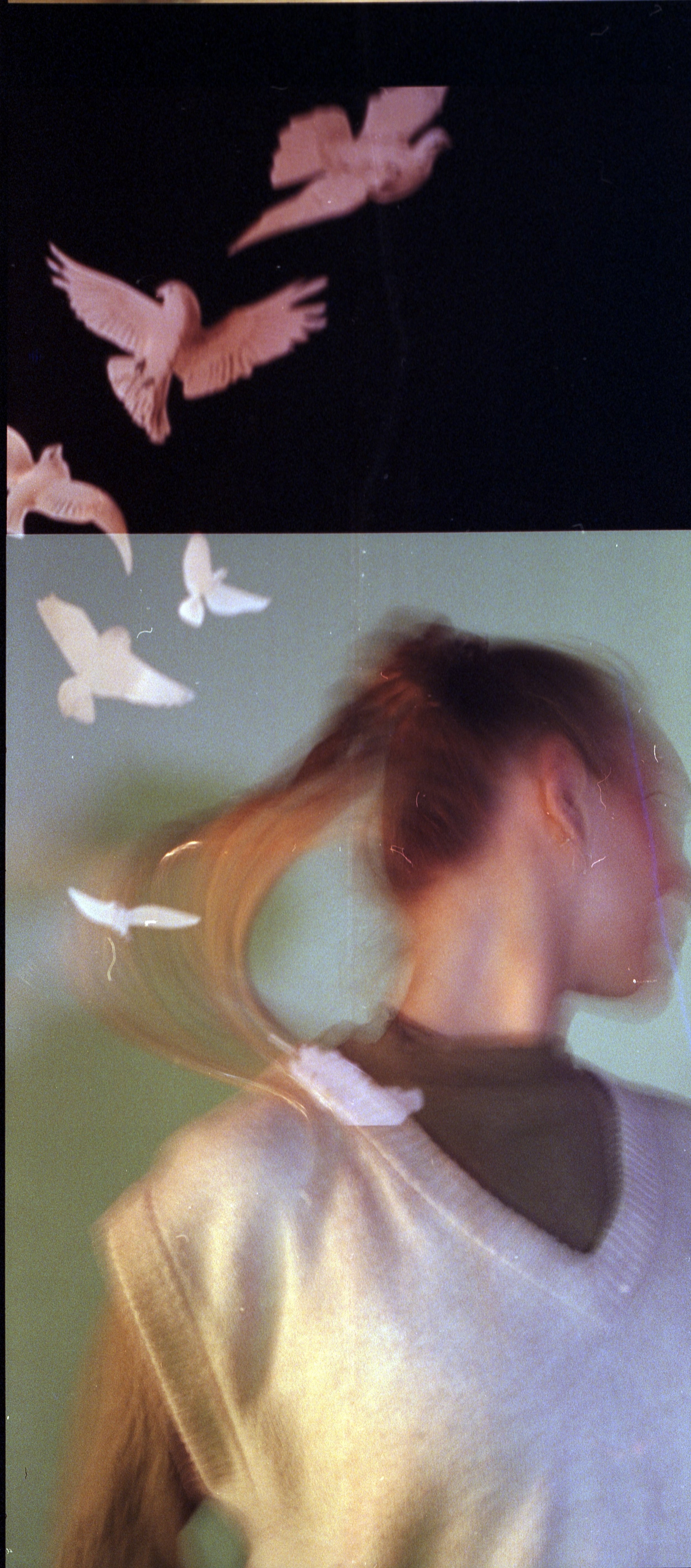
Isaac is an innovative mixed-media artist and fine art photographer known for blending historical photographic processes with experimental contemporary techniques. Drawing from a diverse technical toolkit, their work explores the interplay between light and texture through methods such as light painting, Vandyke Brown printing, scanner photography, and paper-negative processing. Centered on themes of time, memory, and tactile beauty, their distinct aesthetic captures ephemeral moments and transforms them into layered visual experiences..
Social Networks :
Instagram handle:@f.isaac_artifacts
Portfolio: https://drive.google.com/drive/folders/1pXv-_Th79ocM6Q6DGQcg4rme6cA6rR0F
RedChili / F.Isaac
1. Inspiration & Style
What initially inspired you to become an artist, and how did you develop your unique artistic style?
My work is primarily inspired by my own imagination and the way I perceive the world around me. I draw inspiration from music, films, videos, people, my environment, other artists and exhibitions, as well as from my own experiences and memories.
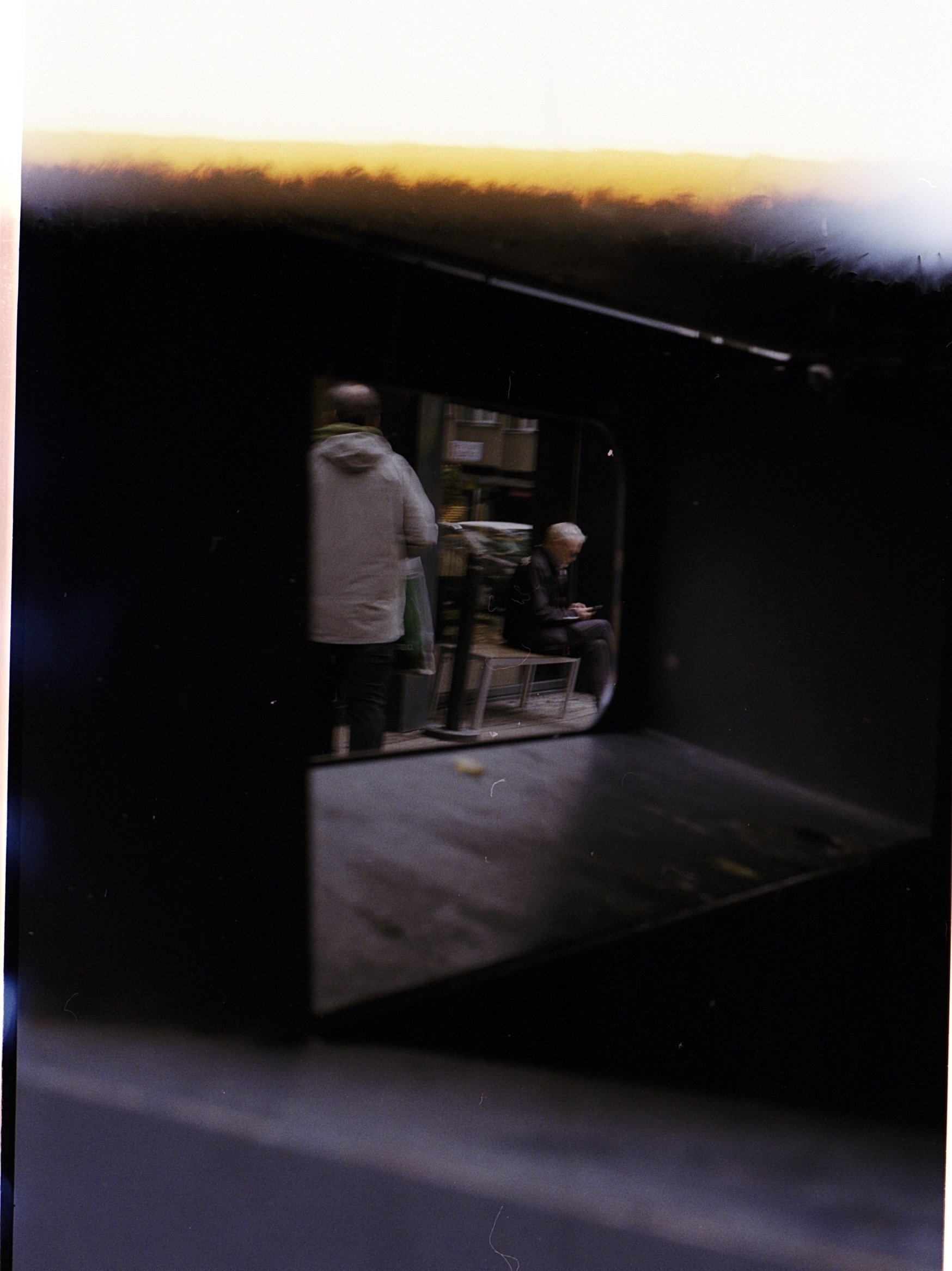
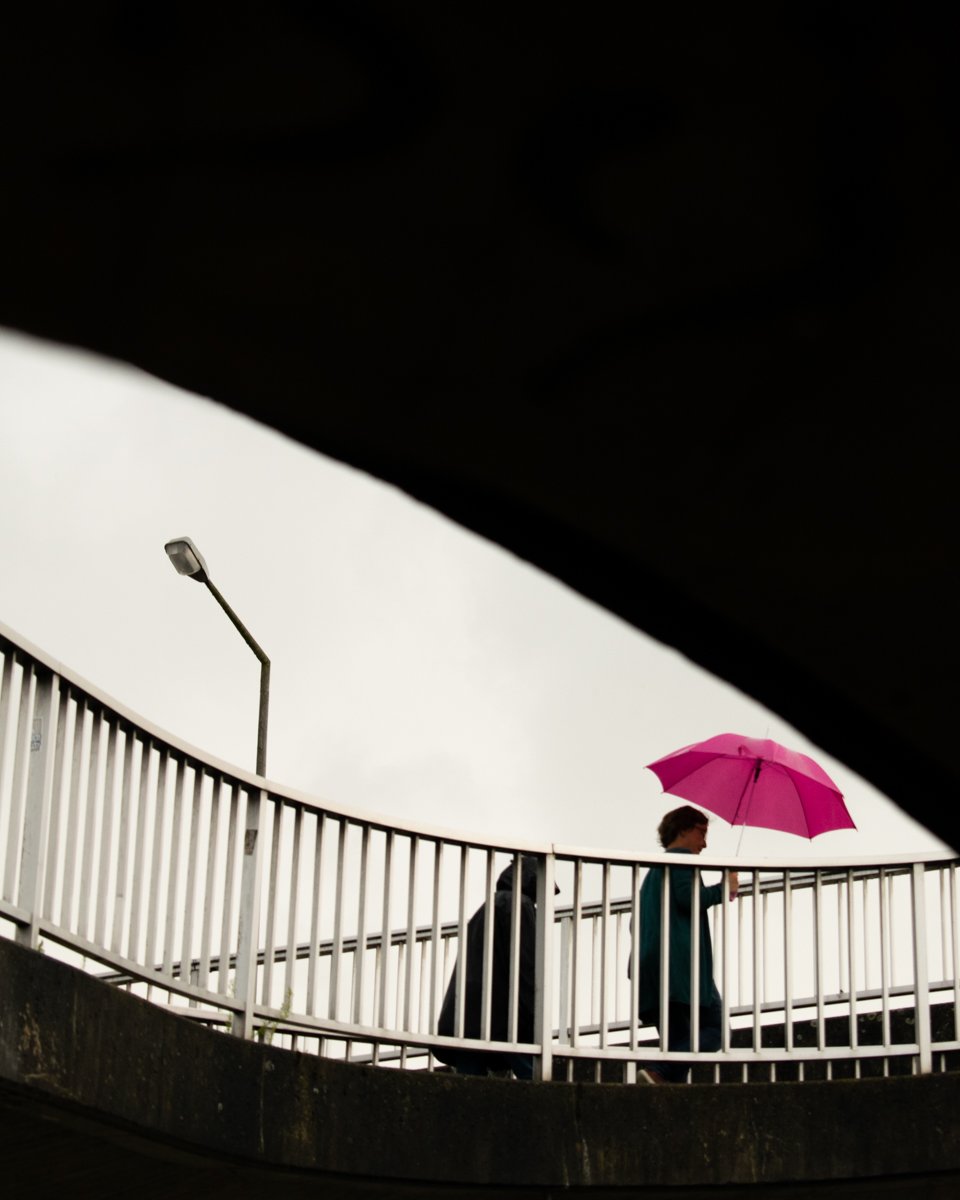
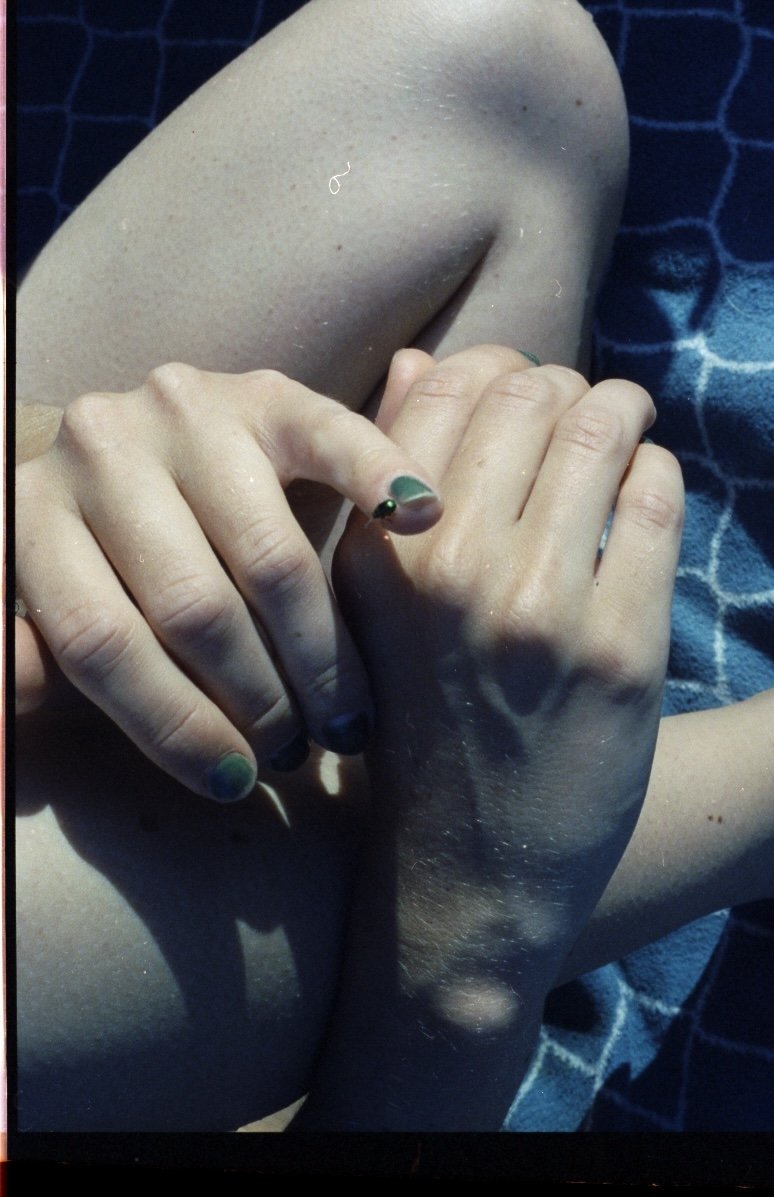
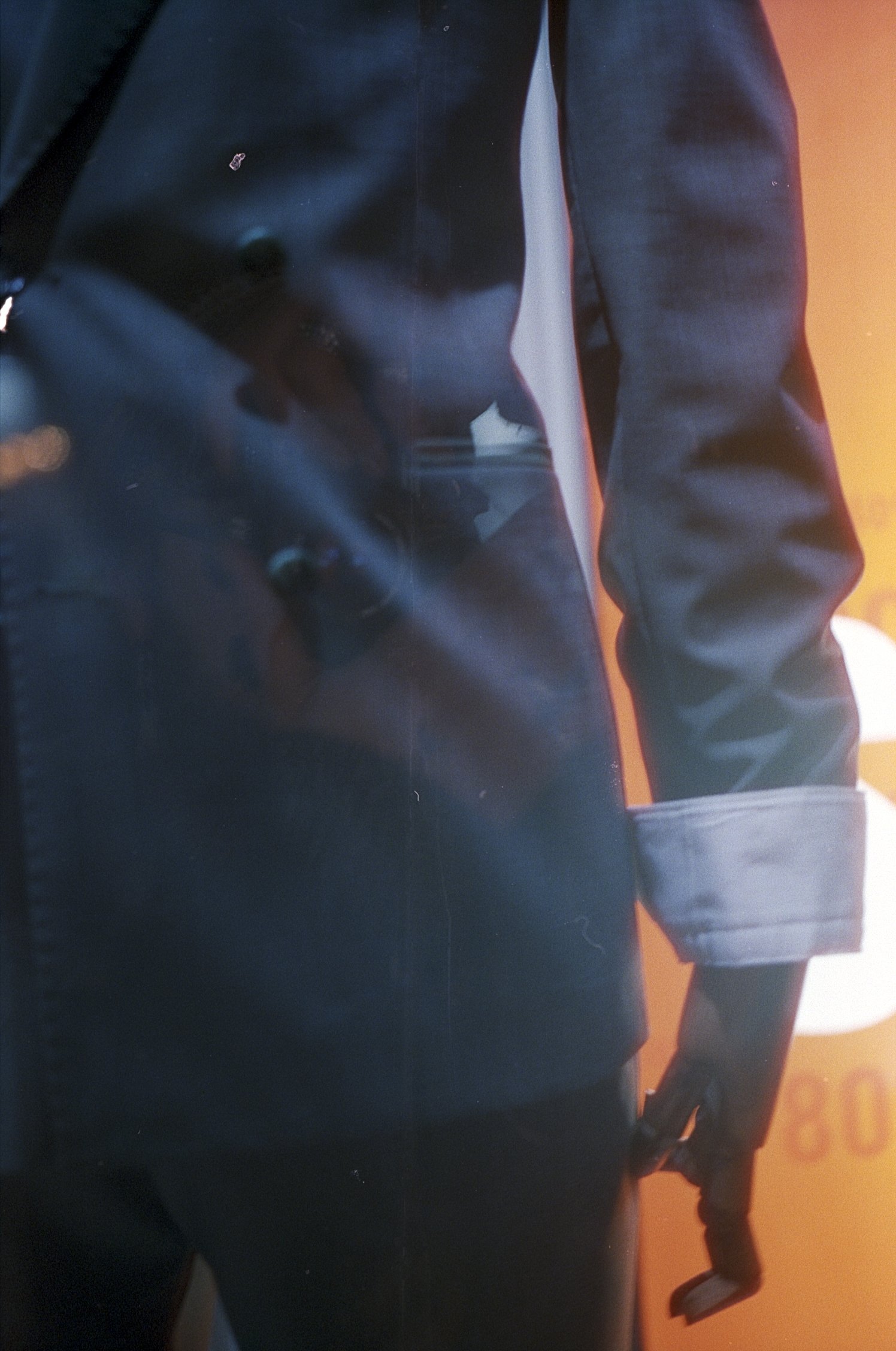
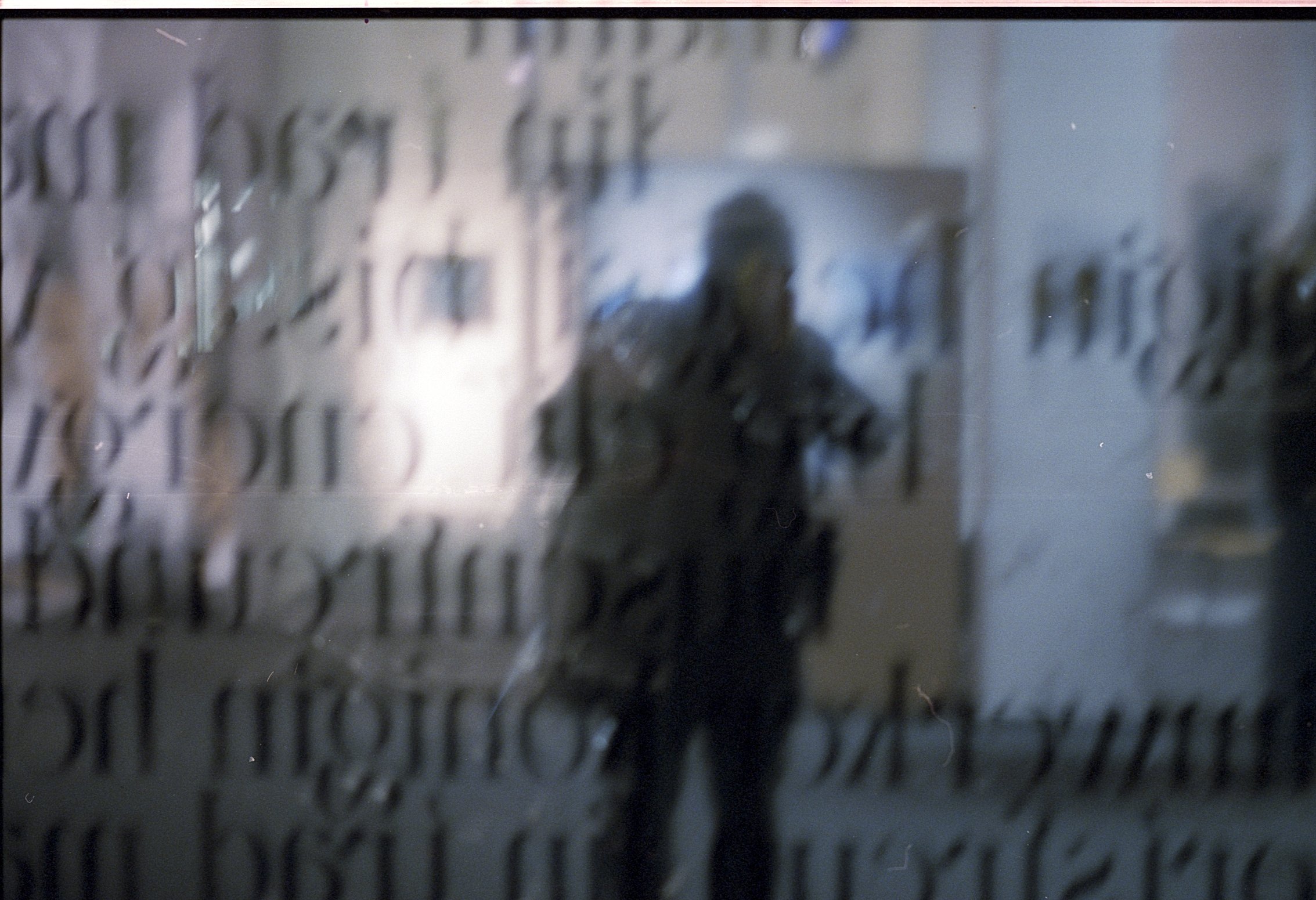
My artistic style is strongly abstract. I often intentionally hide or distort details and information, making the original subject less obvious. I want the viewer to look closer, search for hidden meanings, and create their own interpretation. For me, the artwork becomes more interesting when it does not reveal everything immediately, but leaves space for curiosity, questions, and imagination.
2. Creative Process
Do you have any rituals or routines that help you get into a creative mindset when starting a new project?
My creative process is based heavily on experimentation. I constantly test different techniques, compositions, perspectives, and approaches until I achieve the result I have in mind. Before I started working with cameras, I trained my eye to observe light, shapes, details, movement, and composition in my surroundings. This helped me develop a strong visual instinct that guides me throughout my creative process.
3. Artistic Influences
How do you balance historical or artistic influences with your personal style, and how do these influences manifest in your work today?
At the moment, I would not say that there is one particular artist who directly influences my work. I have spent a lot of time developing my own visual style and perspective, training myself to see and interpret things in my own way rather than following a specific artistic direction.
However, I find the work of Sean Tucker, Saul Leiter, and Monaris particularly interesting. Their approaches to photography, observation, atmosphere, and visual storytelling resonate with me, even though I continue to develop my own distinct visual language.
4. Emotion & Expression
How do you use your art to evoke emotions, and what role does emotion play in your creative process?
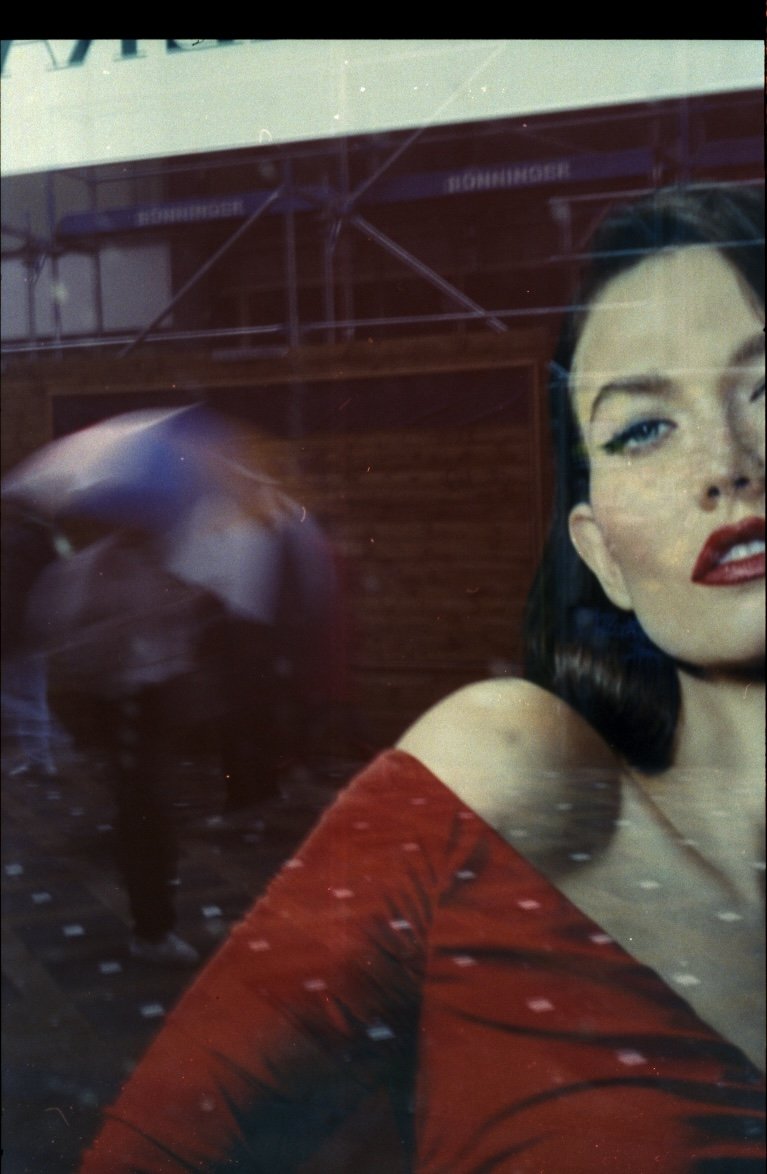
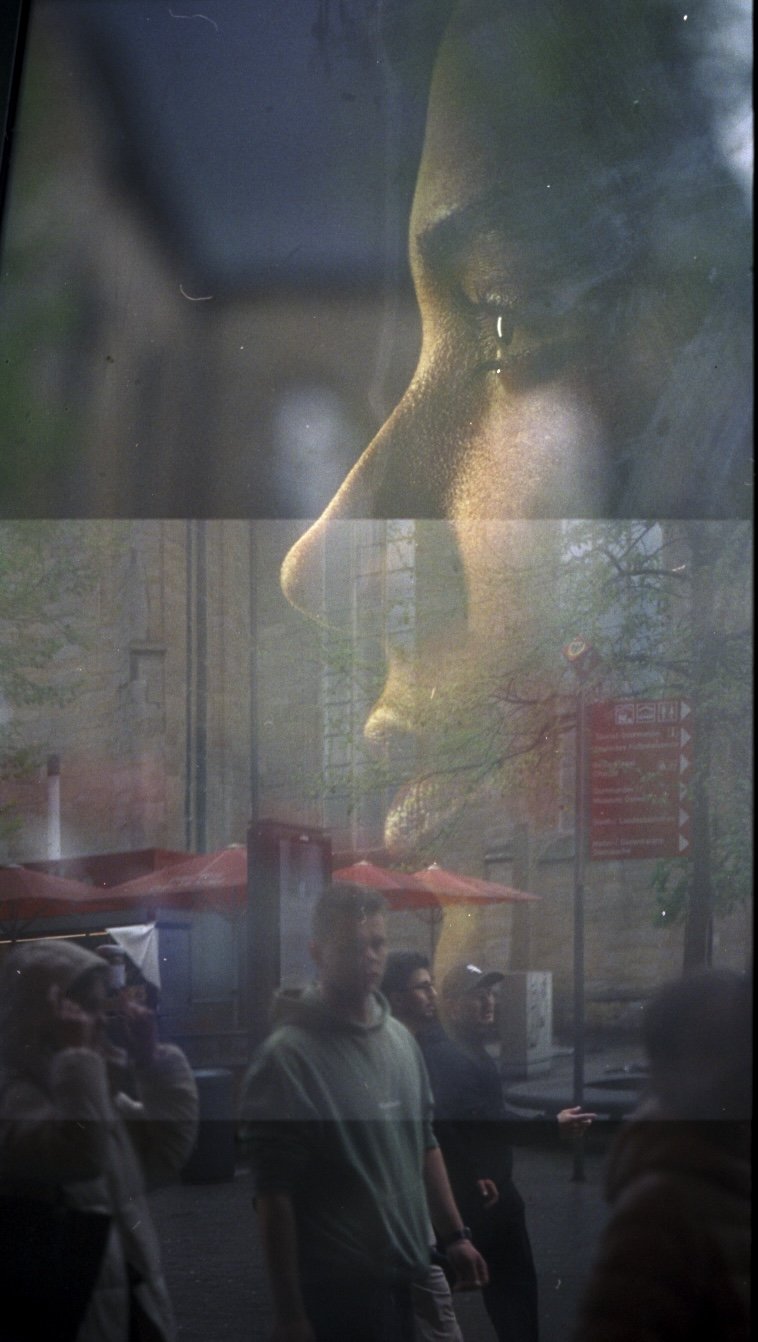
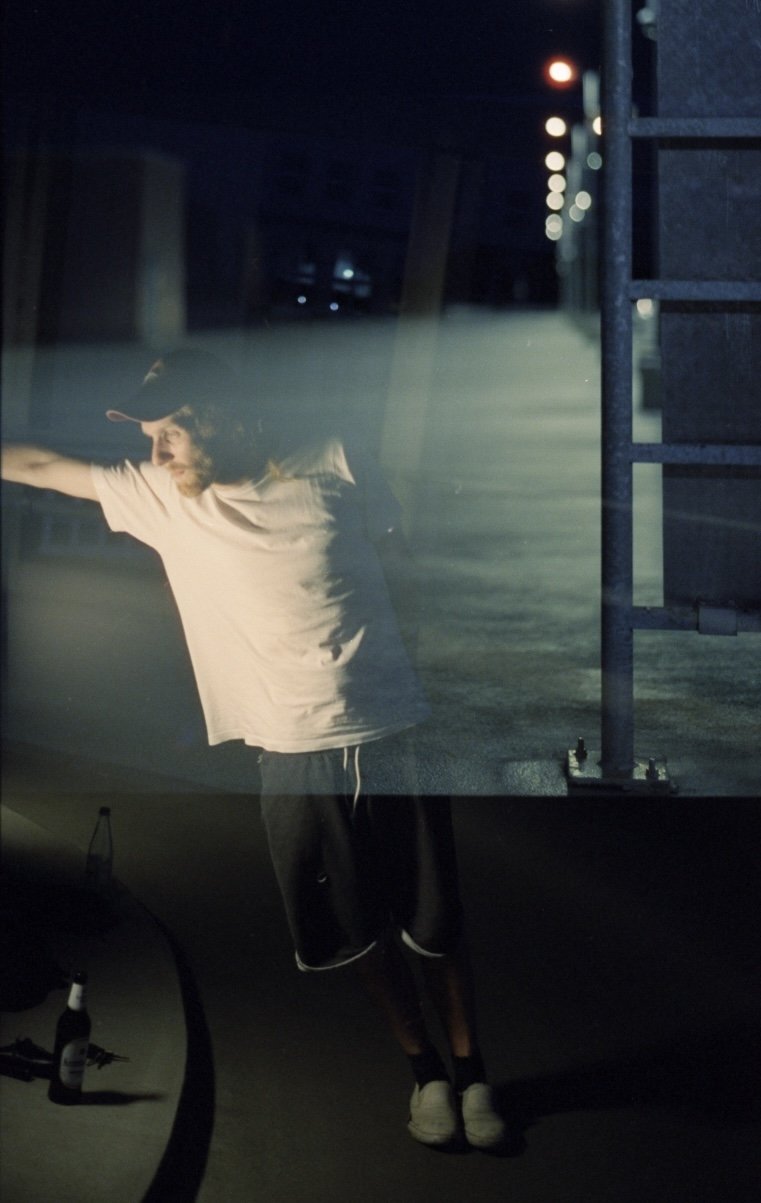
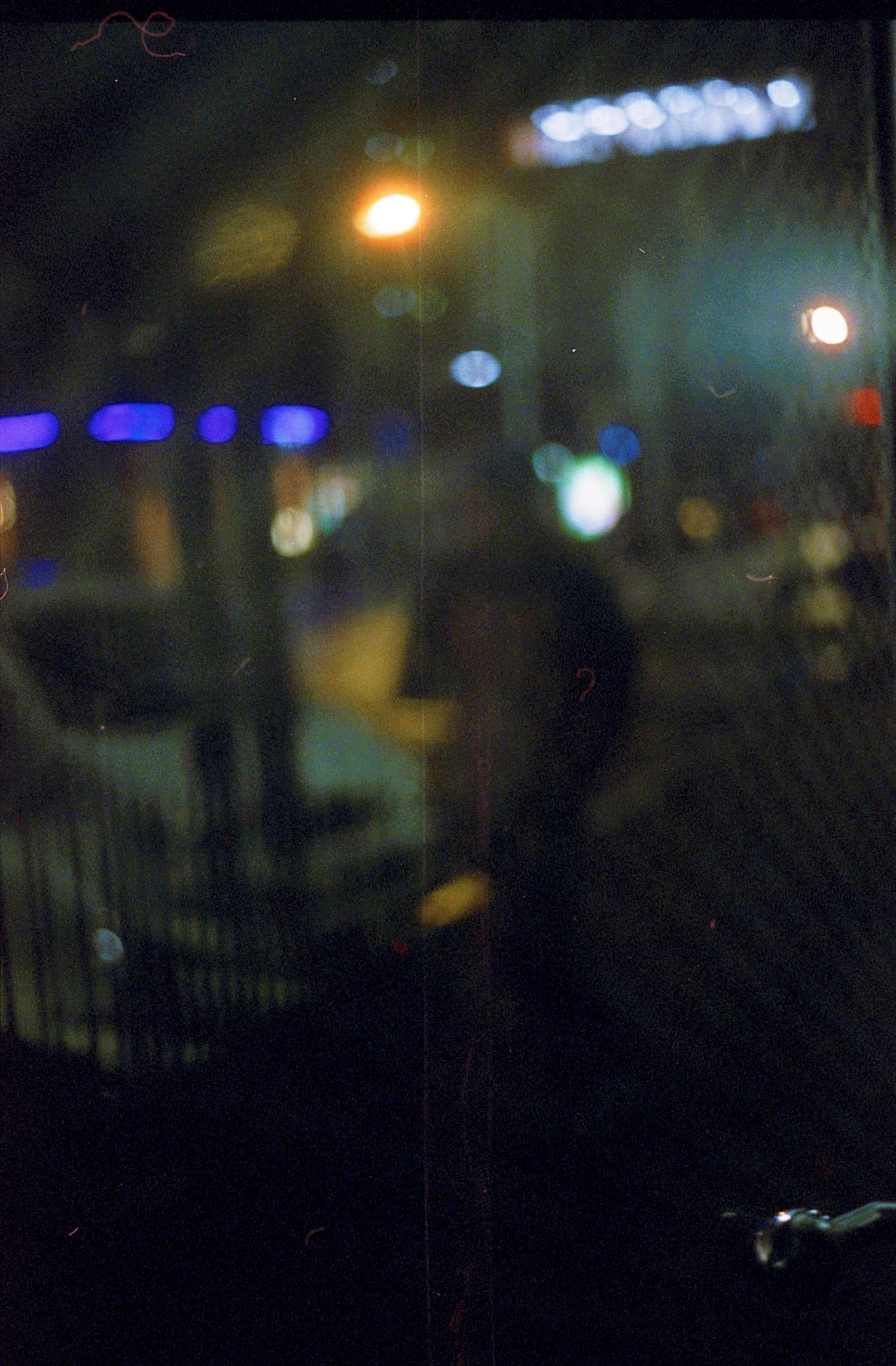
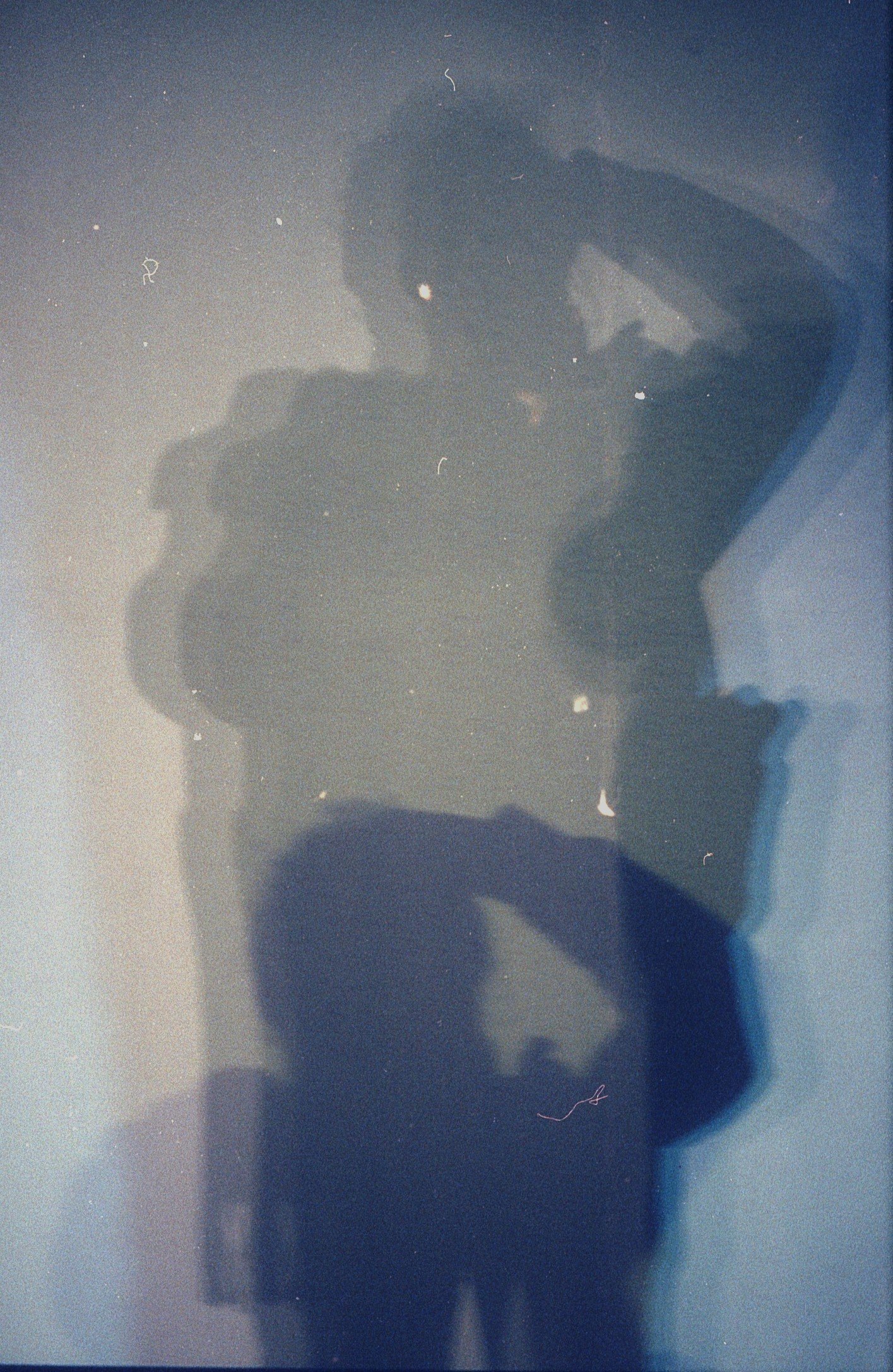
For me, photography is not only about capturing what I see, but also about expressing what I feel. I often use light, shadows, movement, abstraction and double exposure to create images that feel almost like fragments of a memory.
I’m interested in emotions that are difficult to describe with words: nostalgia, uncertainty, loneliness, desire, or the feeling of being lost in your own memories. I also like leaving space for interpretation, because I want the viewer to bring their own emotions and experiences into the image.
5. Standout Projects
Can you share a project that stands out to you and describe the creative process behind it?
One of my most significant projects is my photobook and Bachelor project, Lost in a Memory. The project explores how memory and perception constantly change depending on emotions, surroundings, and personal experiences. I worked with techniques such as double exposure, long exposure, abstraction, and layering to create images that feel fragmented, almost like memories themselves.
Another important part of my artistic journey has been exhibiting my work internationally. These exhibitions allowed me to see how my work can exist outside of my own personal context and how different audiences respond to it. I also work across photography, video, and design, which has helped me develop a more experimental and multidisciplinary approach to visual storytelling.
6. Feedback & Growth
How do you incorporate feedback from critics or audiences into your work, and how do you balance this with your own artistic intuition?
I’m very open to feedback, especially when it comes from a neutral and constructive perspective. I appreciate criticism when its intention is to help me improve my skills, strengthen my work, or see something from a different perspective.
I listen to feedback with an open mind and take time to reflect on it rather than reacting emotionally. At the same time, I believe that artistic intuition is an important part of my work, so I don’t necessarily apply every piece of feedback. I try to understand whether the criticism is genuinely helping me grow or simply reflects someone’s personal taste. For me, the balance comes from being open to learning while staying true to my artistic vision.
7. Motivation & Inspiration
How do you stay motivated and inspired, even when facing creative blocks or challenges?
I’m not motivated all the time, and I think that’s completely normal as a creative person. But I’m inspired all the time. Even when I don’t have the motivation to create, I’m constantly observing, thinking, collecting ideas, and being influenced by the world around me.
Sometimes inspiration comes from photography, music, people, places, or even small everyday details. I’ve learned not to force creativity when I’m experiencing a block. I give myself space, and often the motivation comes back naturally when I find the right idea or feeling to explore. For me, inspiration is constant; motivation simply comes and goes.
8. Exhibiting Work
How do you feel about exhibiting your artwork with The Holy Art Gallery, and what does this opportunity mean to you?
I’m very happy and grateful to be part of The Holy Art Gallery’s selection of artists. I truly appreciate the opportunity to showcase my work alongside other artists and to have my art presented to a wider audience. Being included in this exhibition is a meaningful opportunity for me, and I’m excited to see where this experience takes my artistic journey.
9. Future Goals
What are your long-term goals and aspirations as an artist, and how do you plan to achieve them?
One of my biggest future goals is to live closer to nature, because that is where I feel most like myself. I imagine having my own atelier surrounded by trees, the sea, and fresh air, where I can create without distractions and have the space to think clearly.
At the same time, I would like to stay within reach of a city, so I can still experience culture, connect with people, and enjoy some of the comforts and luxuries of urban life. For me, the ideal future is finding a balance between nature, creativity, freedom, and a certain quality of life.
10. Audience Connection
What do you hope viewers take away from experiencing your art, and how do you aim to connect with them on an emotional or intellectual level?
I want my work to create a personal connection with the audience. I don’t necessarily want to tell people exactly what they should feel or understand when they look at my work. Instead, I like leaving space for their own experiences, memories, and emotions to become part of the interpretation.
If an image makes someone feel something, remember something, question something, or simply see the world from a different perspective, then I feel that the work has achieved something meaningful. For me, the connection between the artwork and the viewer is just as important as the artwork itself.