Artist spotlight :Amaya Ximena Gutiérrez Estrada
Ximena Gutiérrez Estrada’s work is guided by the phrase “Lose the prejudice of form.” She
approaches painting as a means of translating emotion rather than reproducing appearances.
Writing is an important element of her process: handwritten texts are often placed directly onto the canvas and subsequently covered with paint, remaining materially present beneath the image.
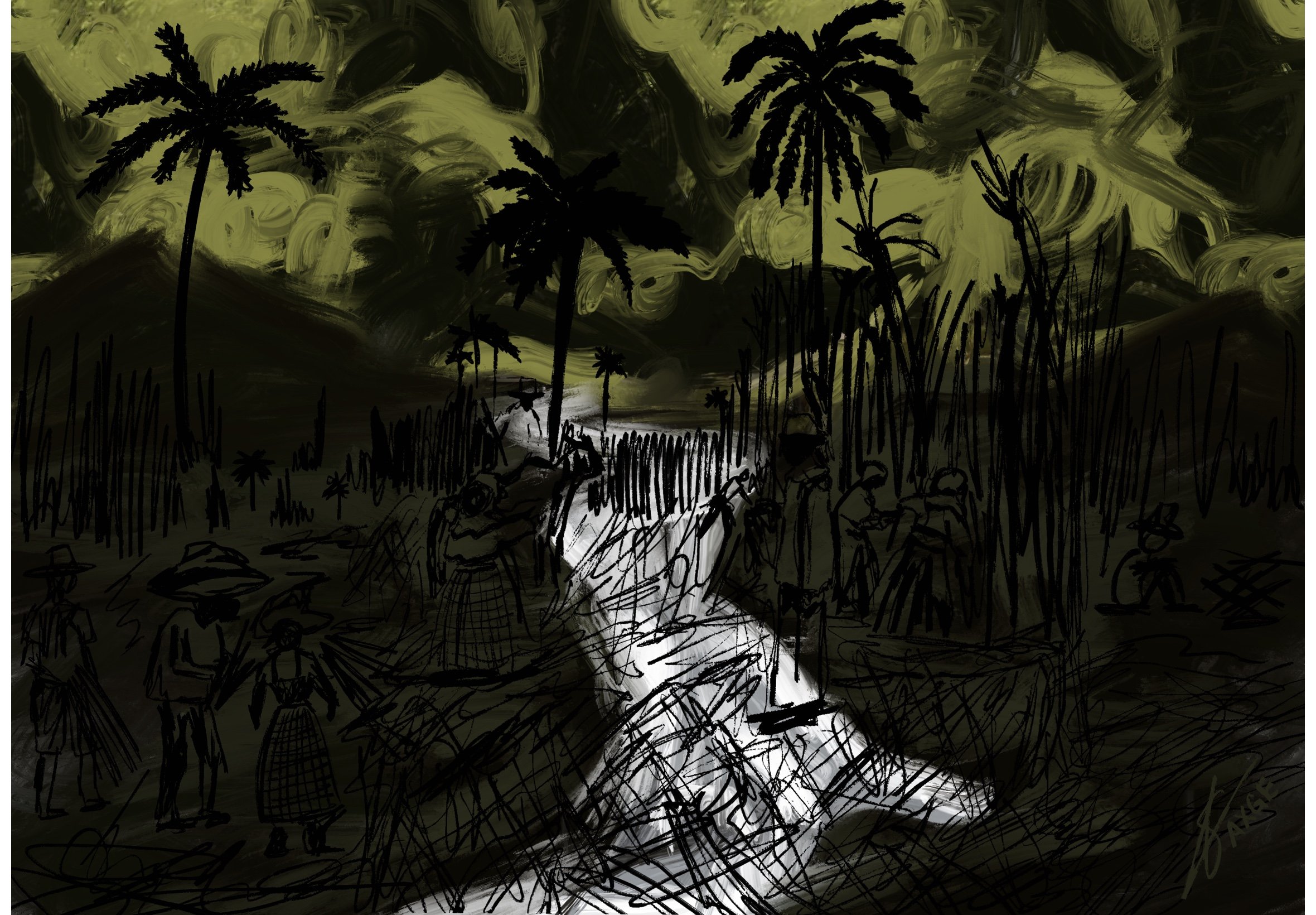
Her current work examines loss, memory and the darker territories of the psyche. Painting begins for Ximena with a memory, encounter or feeling that demands expression. Rather than seeking a conventional likeness, she uses gesture, colour, scribbles and layered marks to translate her own interior world. She allows intuition to interrupt precision, moving between observation and freedom as the painting takes shape.
Ximena’s practice is informed by her studies in Renaissance and contemporary art history, which
have shaped her understanding of painting as both a historical language and an open field of
experimentation. Her experience with Quarantine Events in Spain, alongside her training in
academic drawing at the Florence Academy of Art in Italy, has brought close observation and
technical discipline into conversation with intuition, material unpredictability and chance.
Social Networks :
Instagram handle: @xim.estrada
Personal Website: N/A
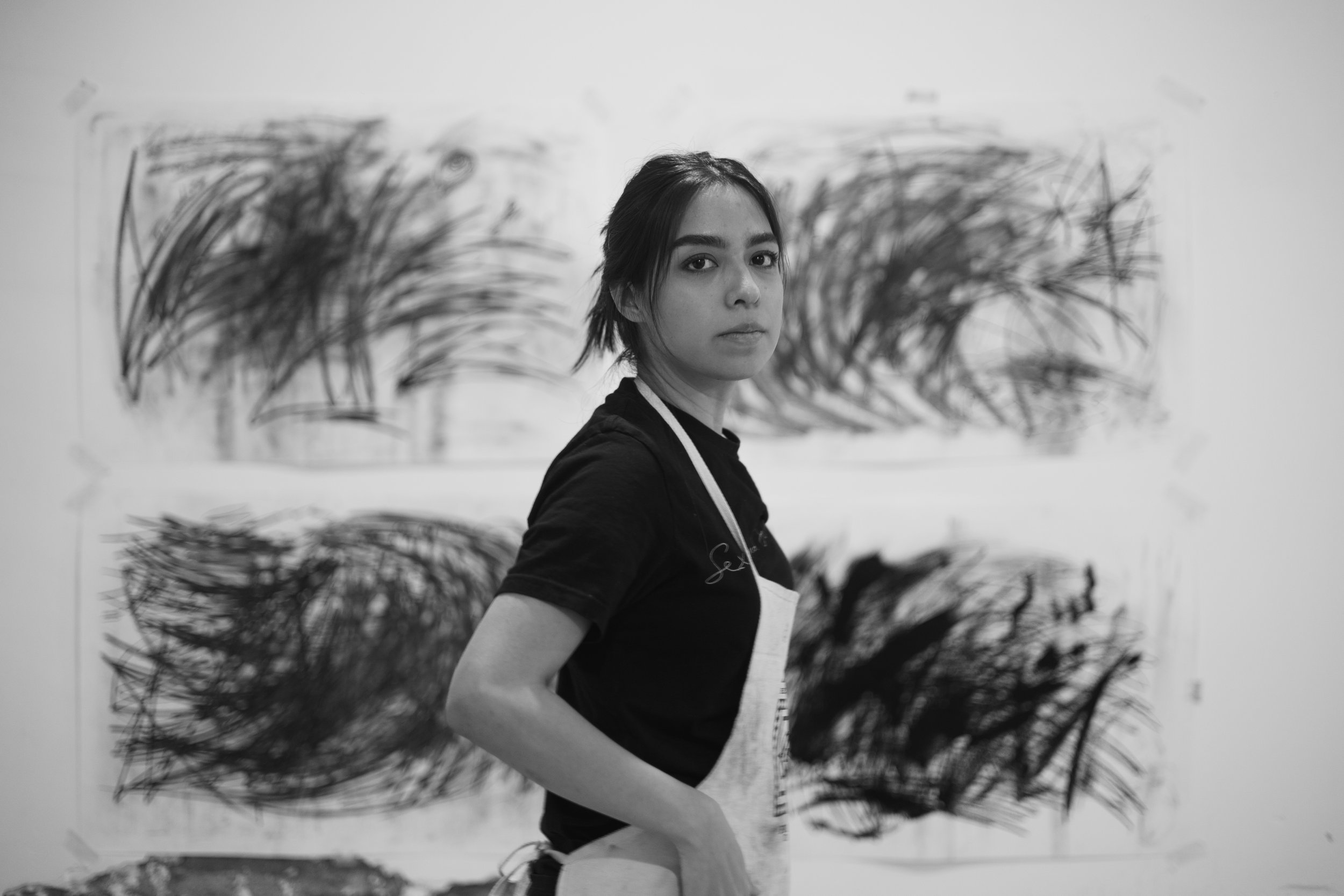
Amaya Ximena Gutiérrez Estrada
1. Inspiration & Style
Question: What initially inspired you to become an artist, and how did you develop your unique artistic style?
Answer: I have been painting for as long as I can remember. I was fortunate to grow up with parents who always encouraged me to créate, they even let me paint on the walls at home. Their support gave me the freedom to see art as a natural and essential part of my life from an early age. Over time, I explored many different mediums and techniques, including oil and acrylic painting, charcoal and pencil drawing, sculpture, and ceramics. Developing the style I have today took time; after learning academic techniques (observation, proportion, structure), I gained the confidence to move beyond them and break the rules more intuitively.
2. Creative Process
Question: Do you have any rituals or routines that help you get into a creative mindset when starting a new project?
Answer: Music is a fundamental part of my creative process, helping me connect with emotions difficult to access through words. I also need to be completely alone when beginning to create, often working at night or early in the morning. Before starting, I look at images and search for textures to enter a visual and emotional world.
3. Artistic Influences
Question: How do you balance historical or artistic influences with your personal style, and how do these influences manifest in your work today?
Answer: My work is shaped by a dialogue between historical influences (such as Artemisia Gentileschi and Jan van Eyck for symbolism and narrative) and contemporary artists (such as Tracey Emin, Natalie Frank, and Cy Twombly for free, expressive technique). Today, I preserve a symbolic dimension while allowing my hand and brushstrokes to move more intuitively between intention and spontaneity.
4. Emotion & Expression
Question: How do you use your art to evoke emotions, and what role does emotion play in your creative process?
Answer: Emotion is at the centre of my practice. My work begins with feelings strong enough to demand expression—such as love, pain, grief, happiness, nostalgia, and uncertainty. Because my work is rooted in genuine emotion, I hope it carries a sense of truth that viewers can recognise and connect with in their own lives.
5. Standout Projects
Question: Can you share a project that stands out to you and describe the creative process behind it?
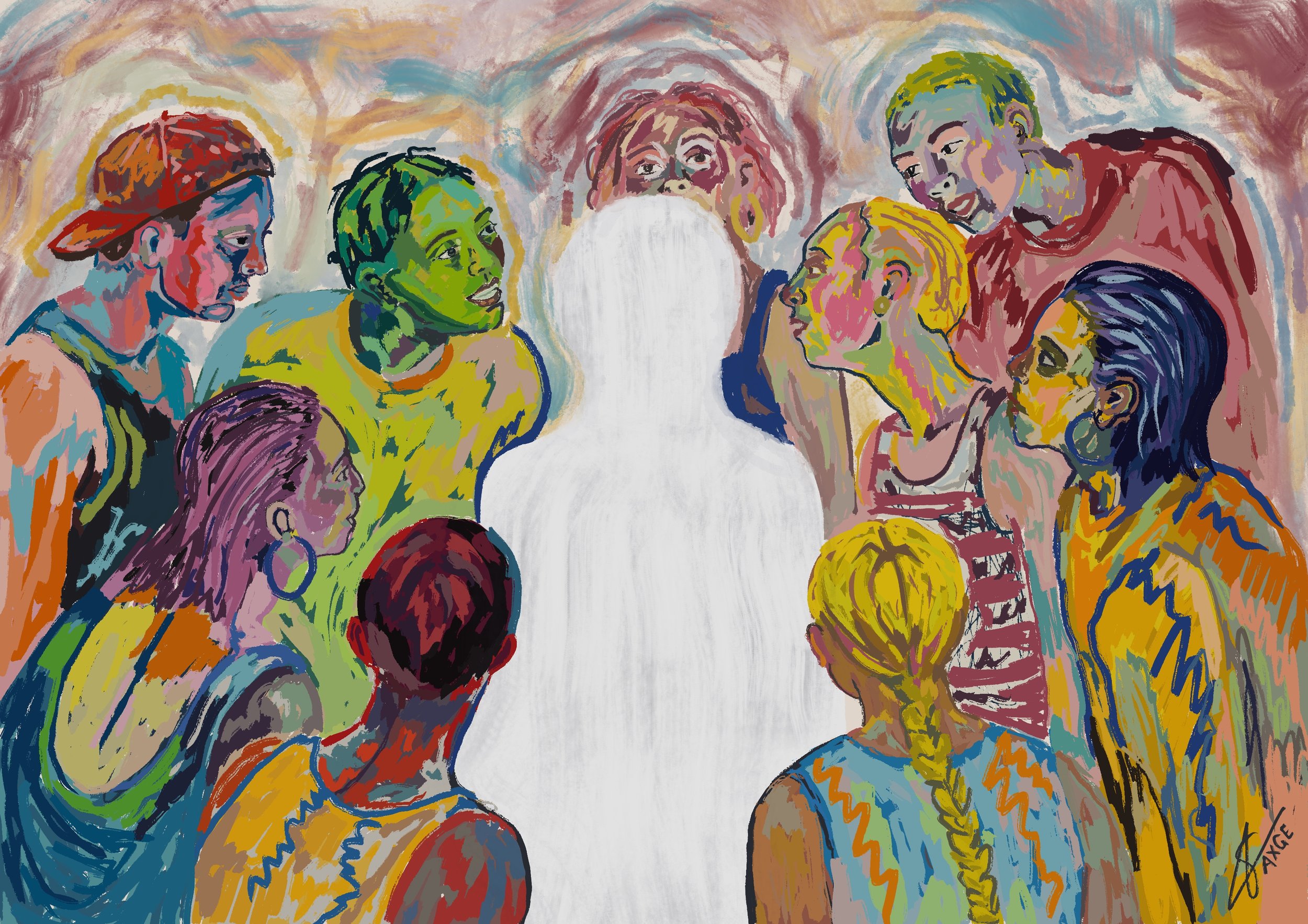
Answer: One standout project is a series of portraits titled X-Ray of the Soul (Retratos del Alma), consisting of around fifteen large-scale paintings. I interviewed people with powerful stories and used free brushstrokes, scribbles, colour, and gesture to portray their inner lives and memories rather than a conventional likeness. Participants prepared personal playlists to help them relax and speak openly during the process.
6. Feedback & Growth
Question: How do you incorporate feedback from critics or audiences into your work, and how do you balance this with your own artistic intuition?
Answer: Constructive criticism and strict academic feedback have been important for my growth. Listening to different perspectives expands my understanding, but I do not change the essence of my work simply to please others. A thoughtful critique guides professional growth, while my intuition remains the foundation of my practice.
7. Motivation & Inspiration
Question: How do you stay motivated and inspired, even when facing creative blocks or challenges?
Answer: I try not to depend on inspiration as the main force behind my work. Instead, discipline guides me. When facing creative blocks, I continue working by learning and practicing technique, returning to observation, and attending live figure drawing sessions to keep my hand, eye, and mind active.
8. Exhibiting Work
Question: How do you feel about exhibiting your artwork with The Holy Art Gallery, and what does this opportunity mean to you?
Answer: I feel incredibly happy and grateful. As an artist from Mexico, the opportunity to travel to the United Kingdom and exhibit internationally is a significant goal, and I am excited to see my work in dialogue with artists from different cultural contexts.
9. Future Goals
Question: What are your long-term goals and aspirations as an artist, and how do you plan to achieve them?
Answer: My long-term goal is to build an international artistic practice that allows me to keep learning, travelling, and engaging with different cultures. Near-term aspirations include participating in an artist residency, continuing to create a substantial body of work, gaining gallery representation, participating in museum exhibitions, and having my work included in auctions.
10. Audience Connection
Question: What do you hope viewers take away from experiencing your art, and how do you aim to connect with them on an emotional or intellectual level?
Answer: One of my greatest satisfactions would be to connect with anyone who may not feel fully confident sharing their own work, offering them a sense of safety and recognition. While I hope to create space for personal connection, I also value the fact that each viewer brings their own interpretation and unique perspective.