Artist spotlight :Amir Afroozeh
ARTIST STATEMENT:
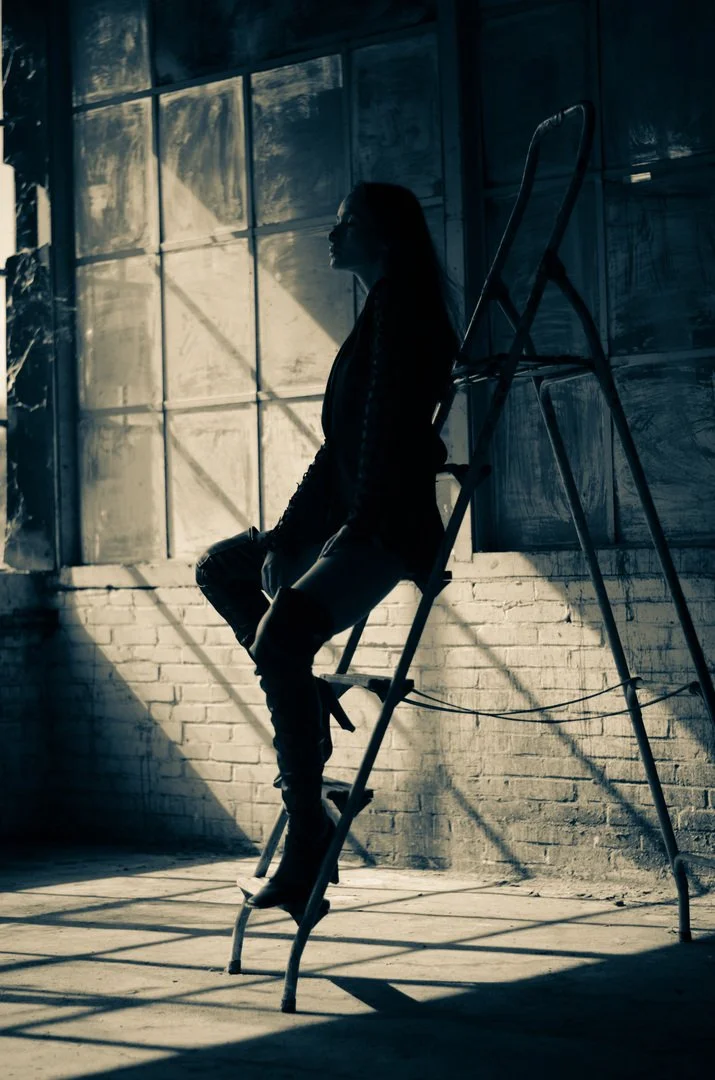
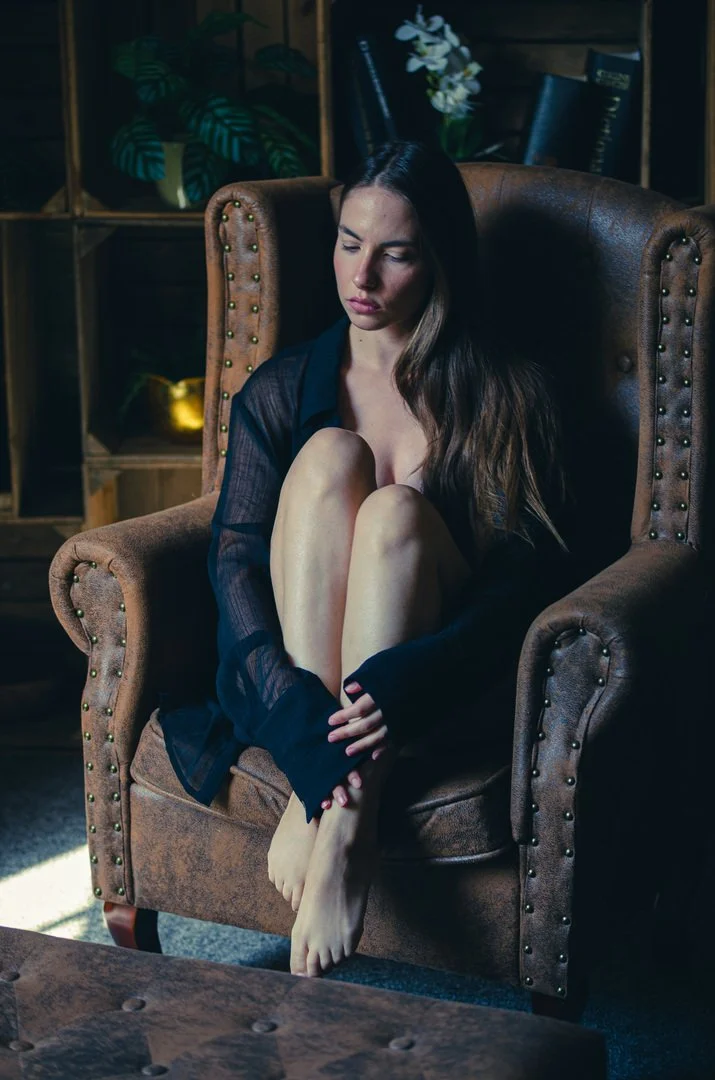
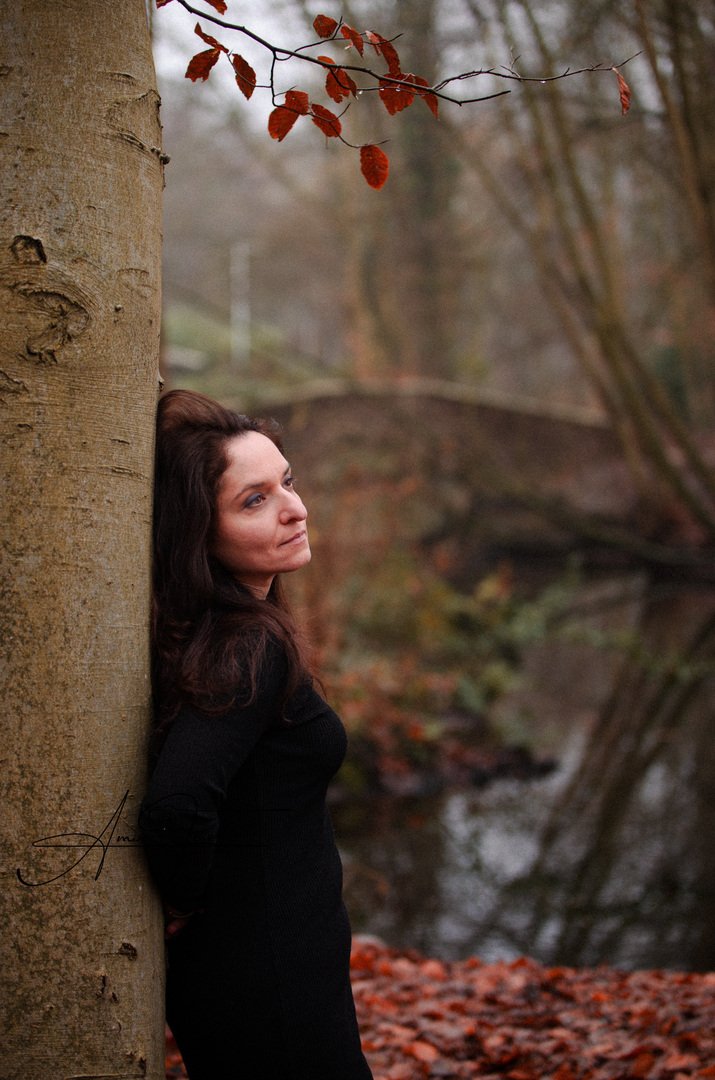
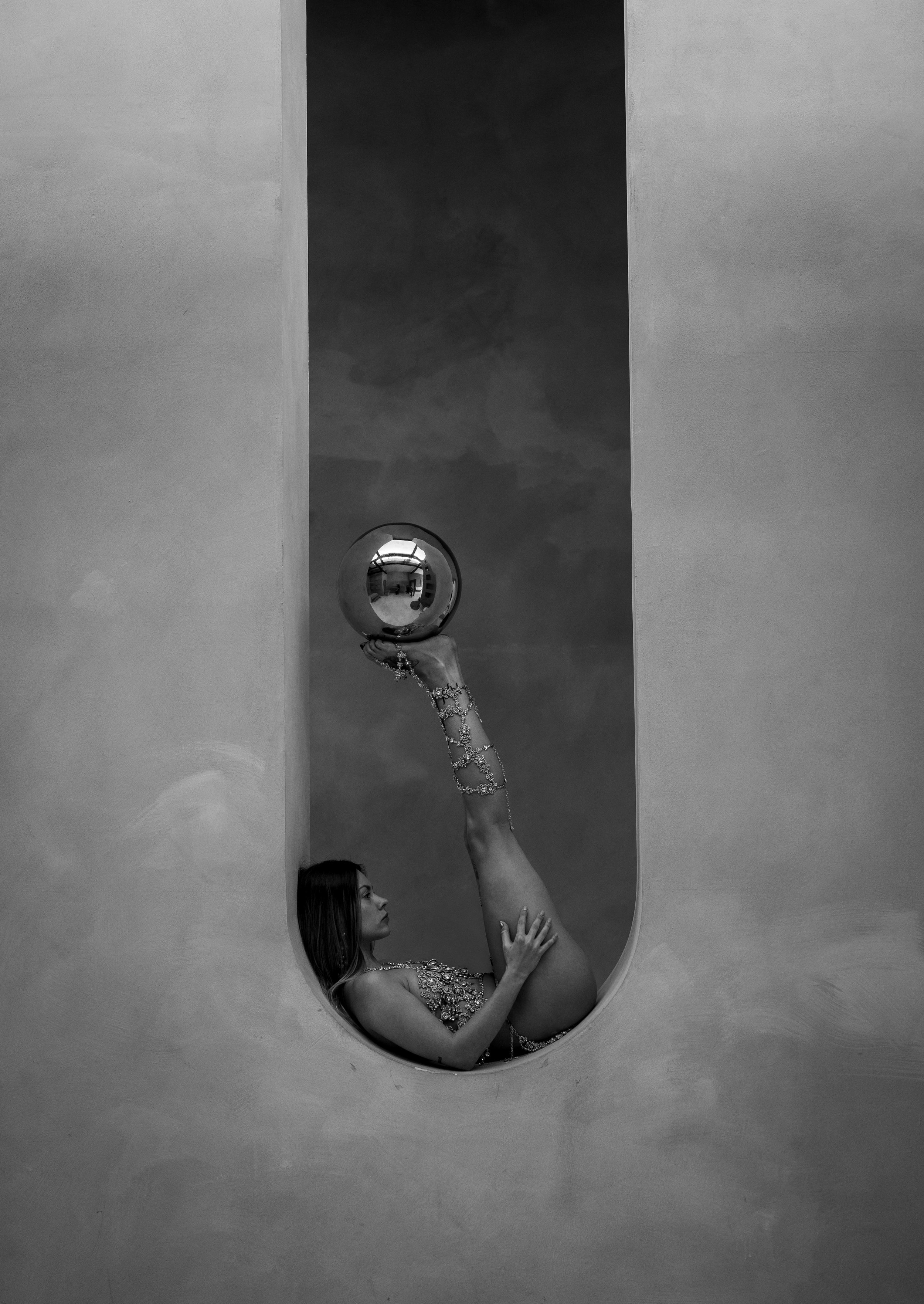
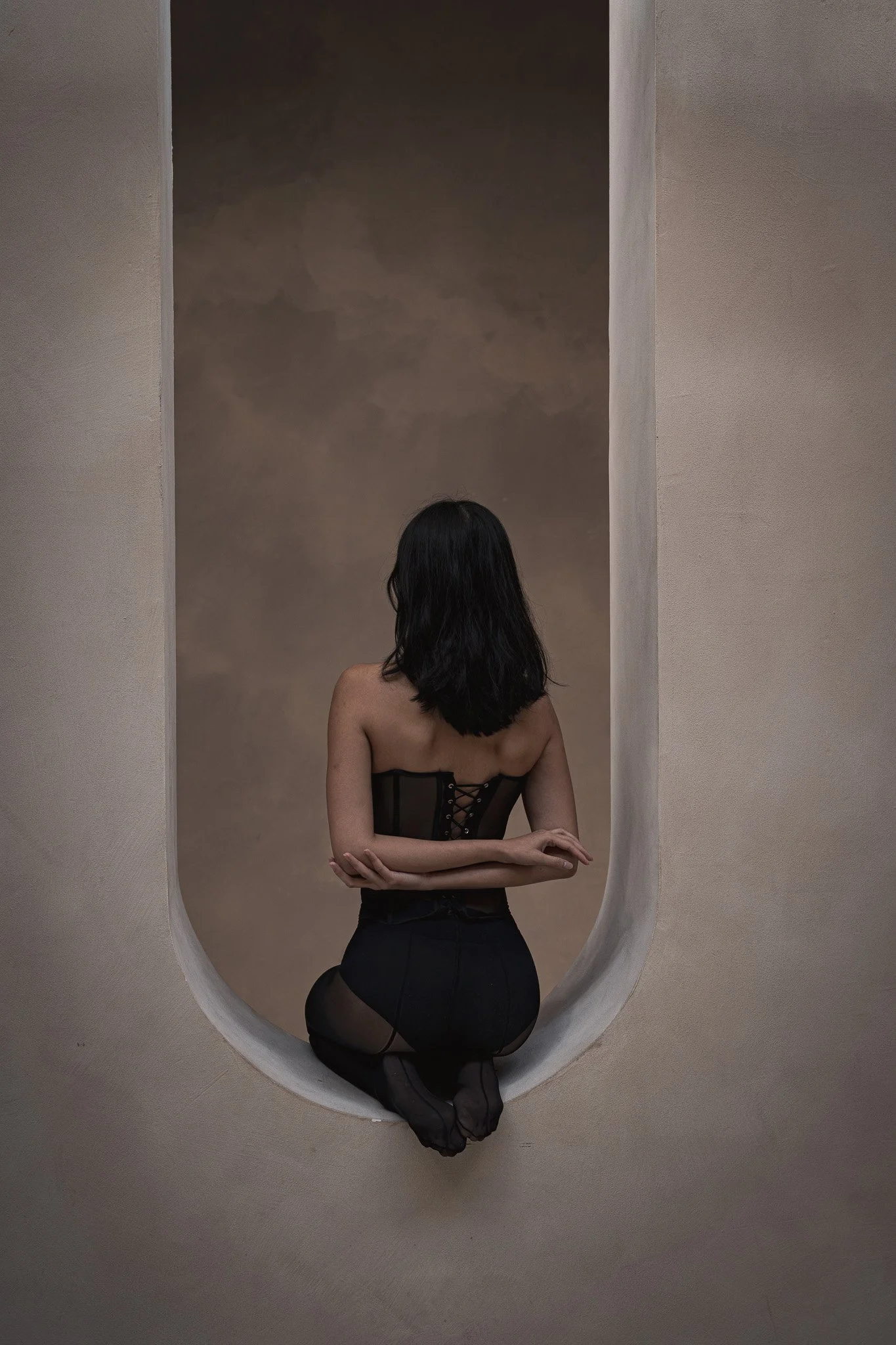
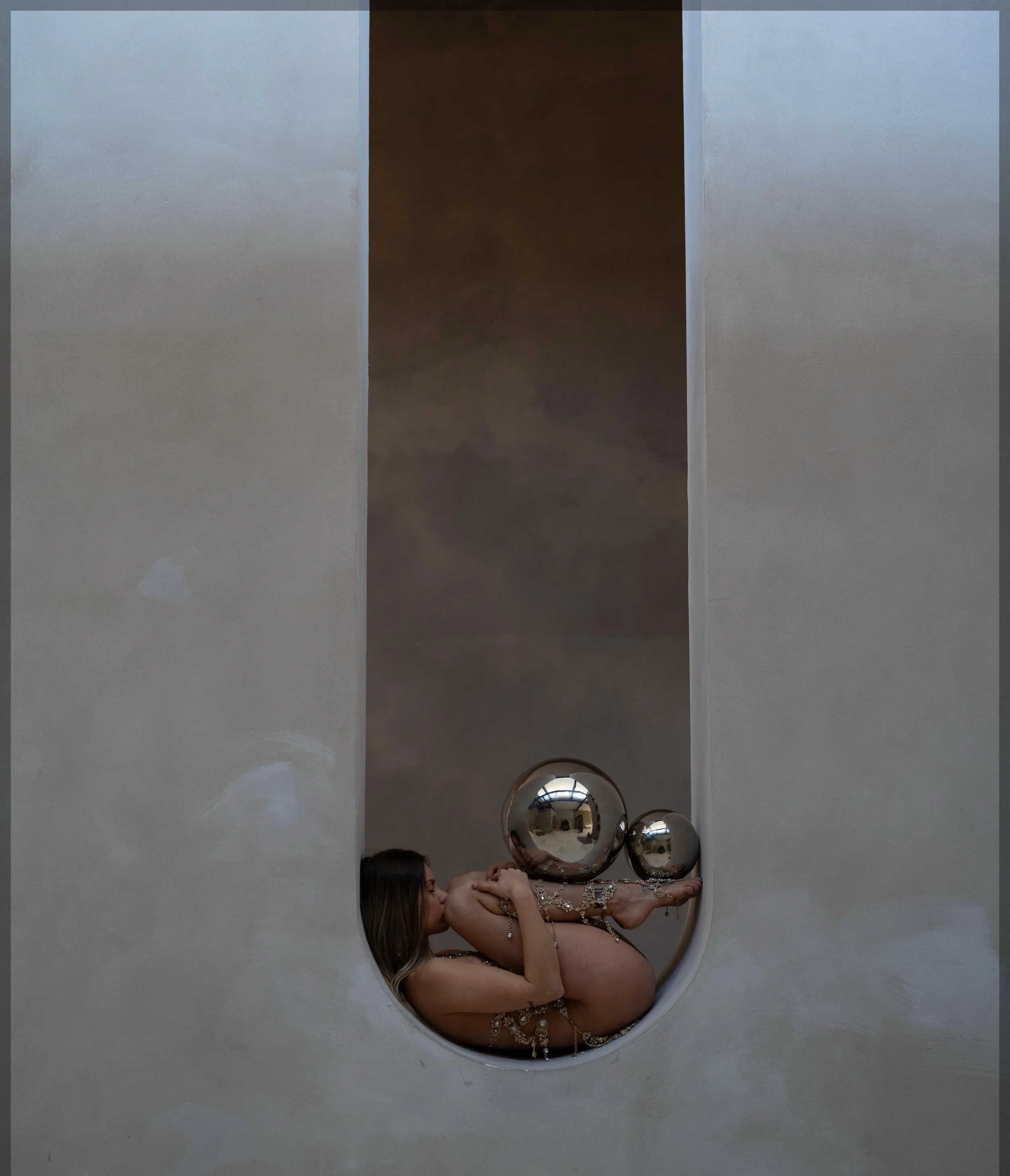
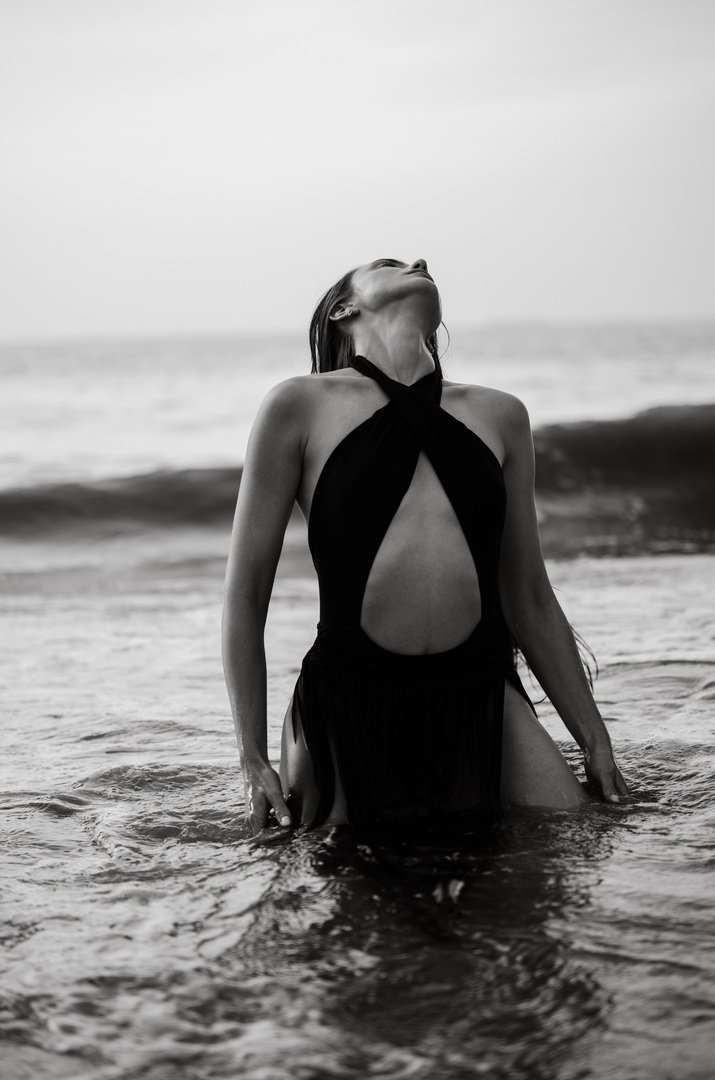
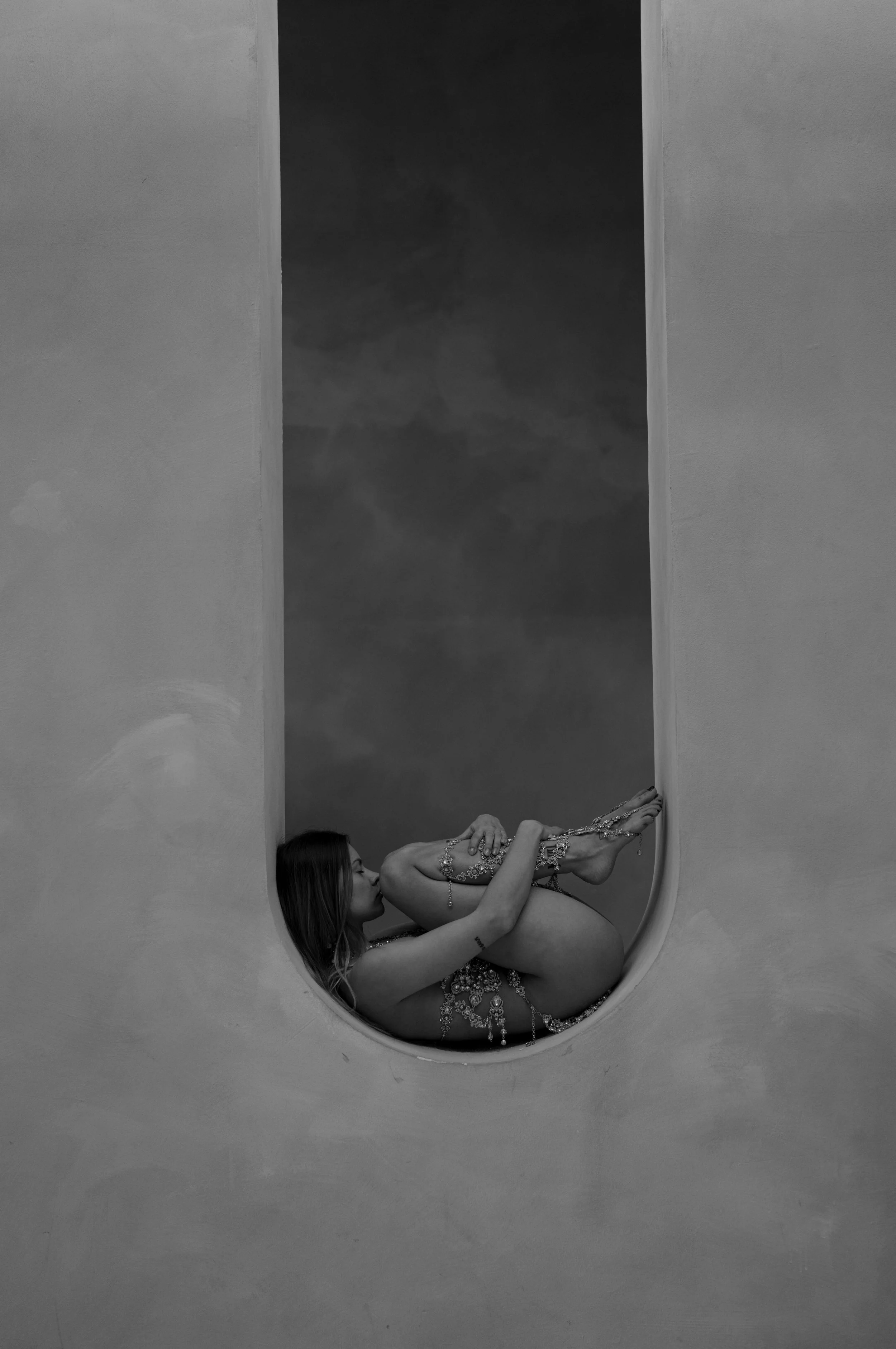
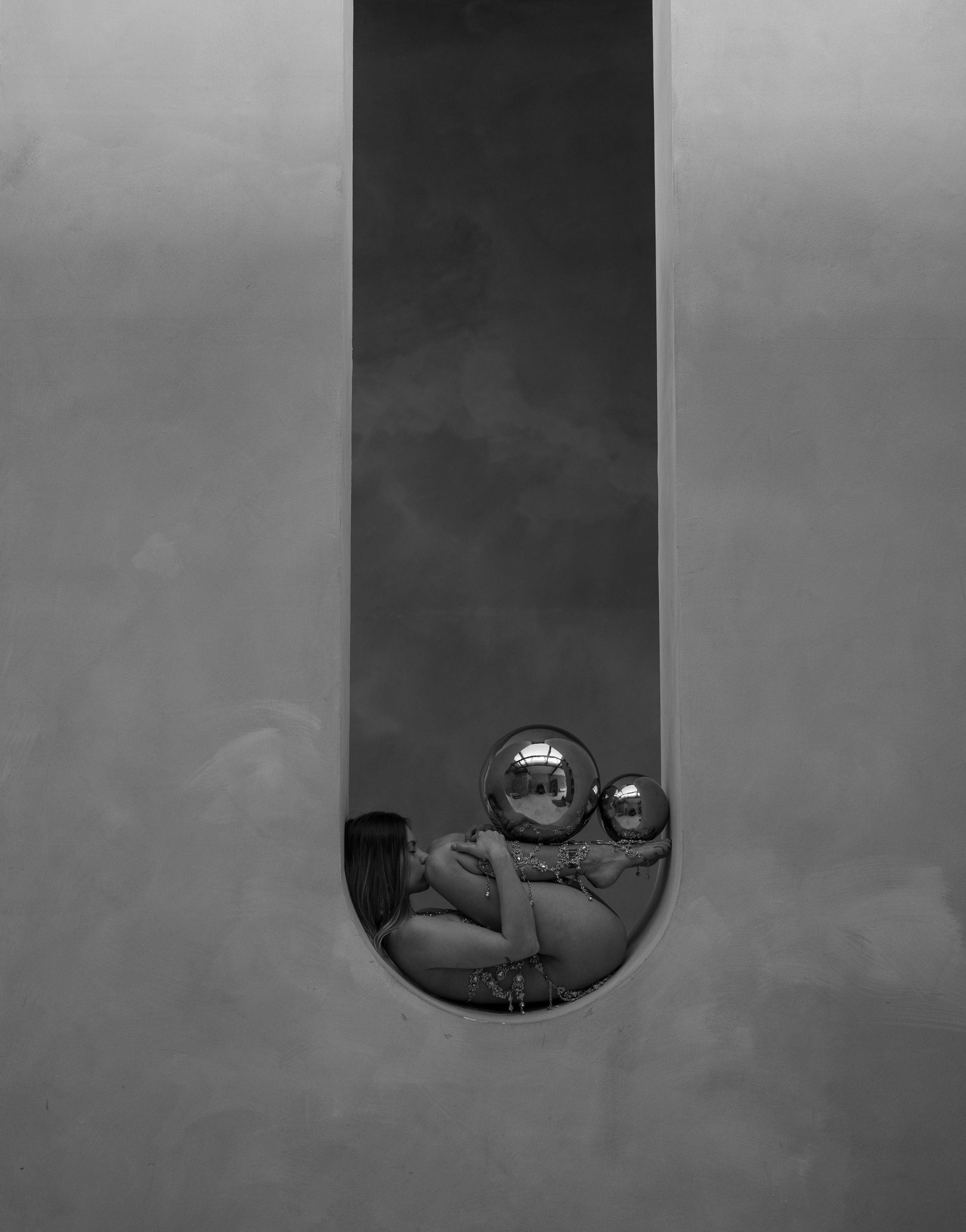
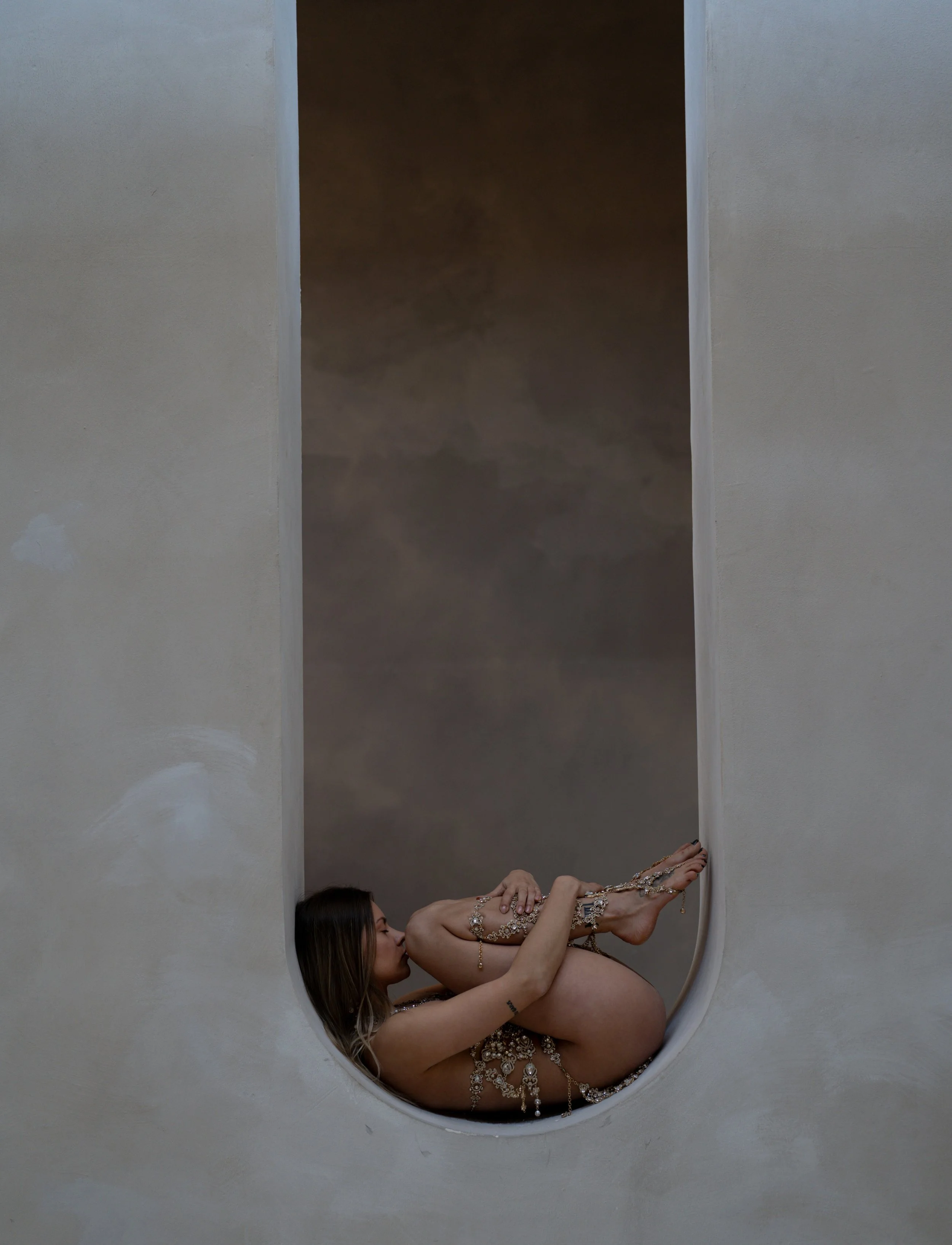
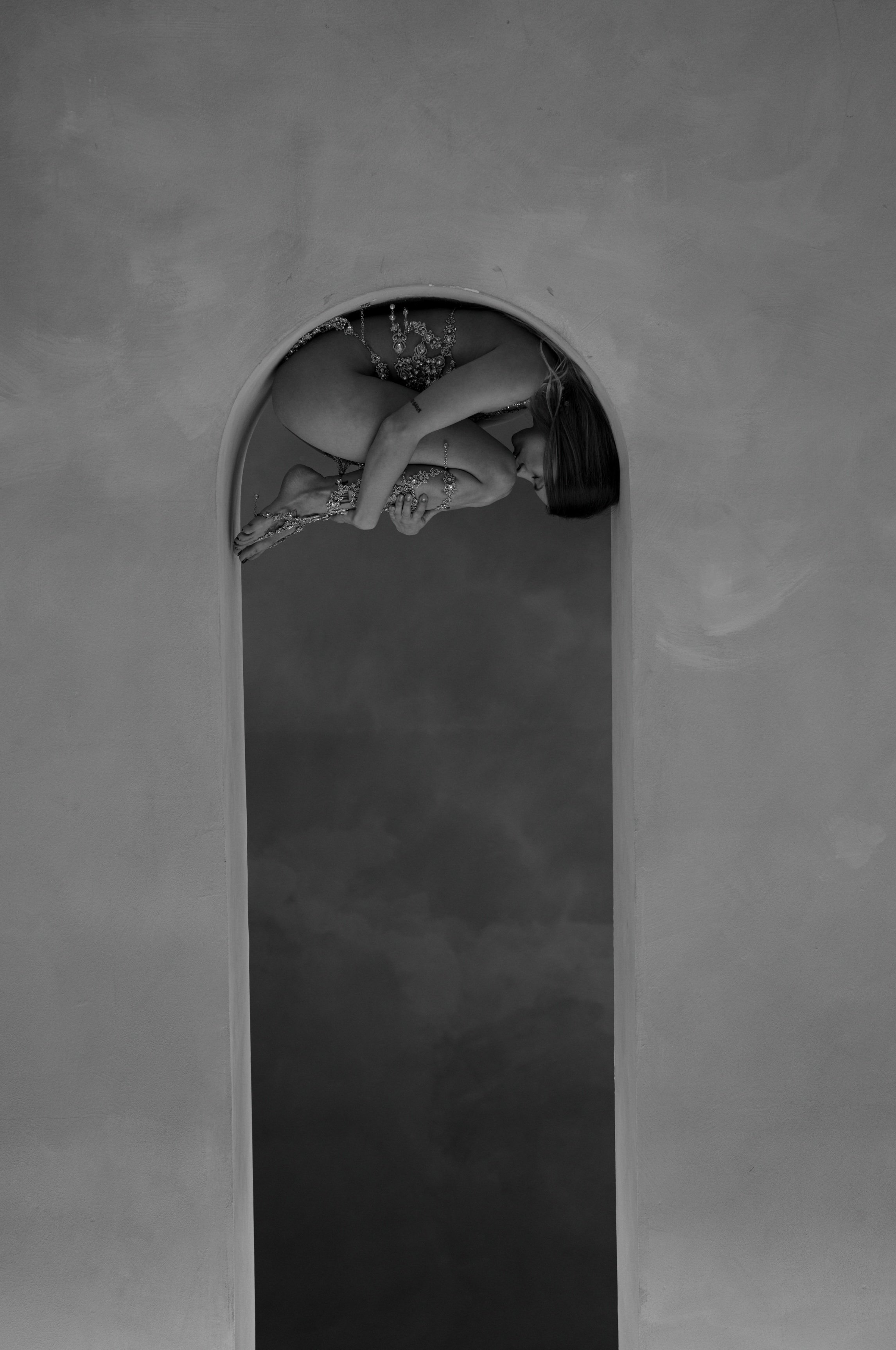
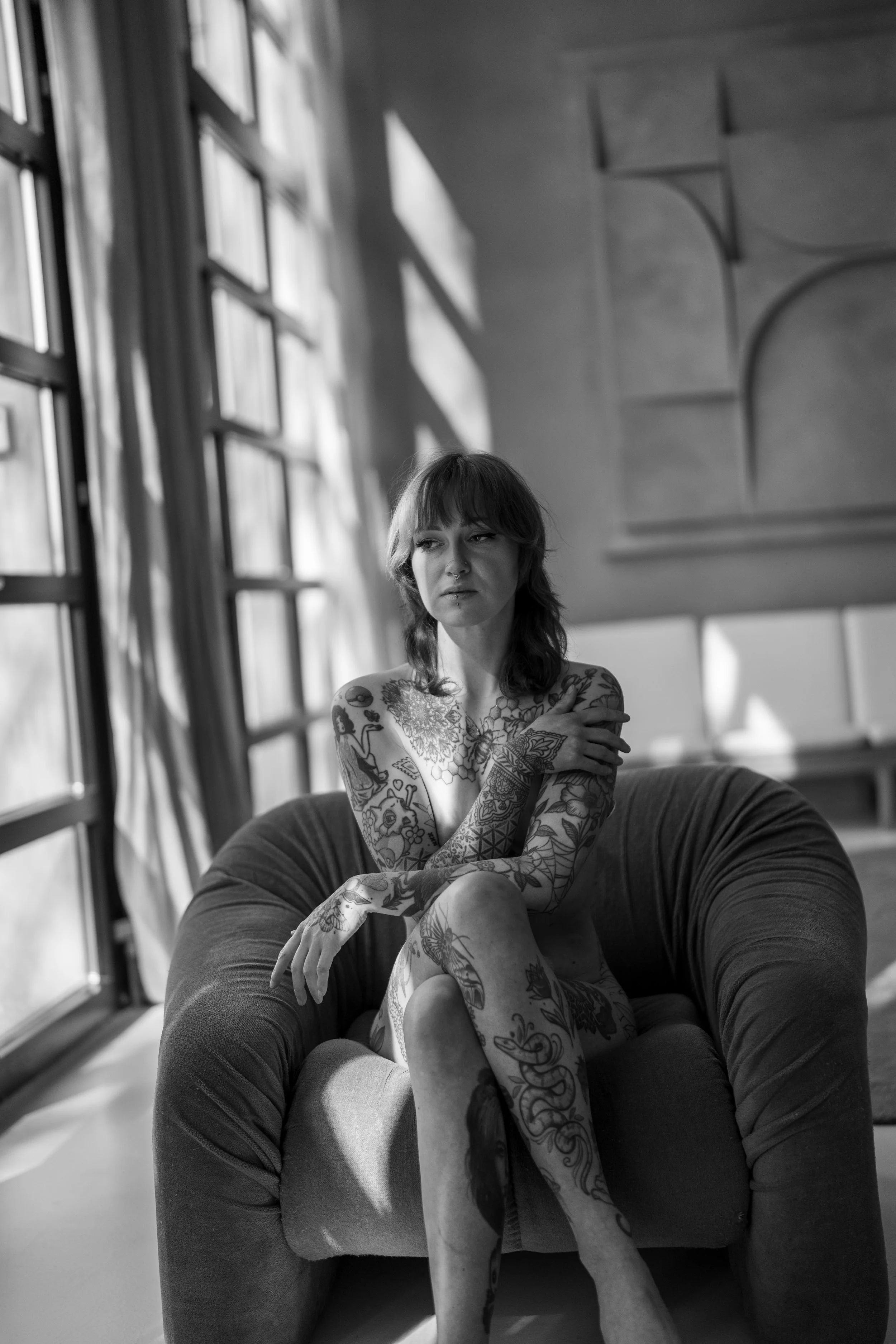
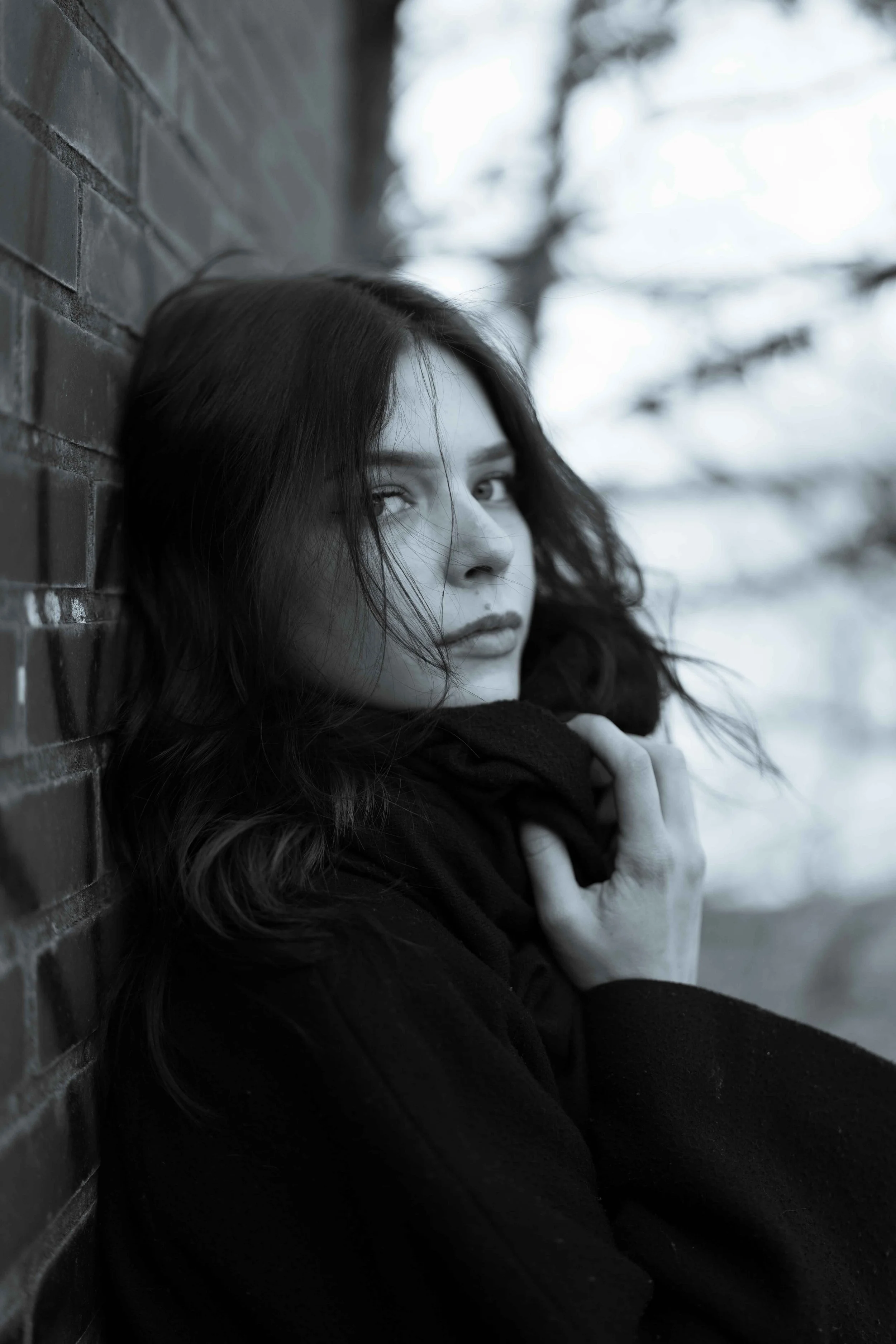
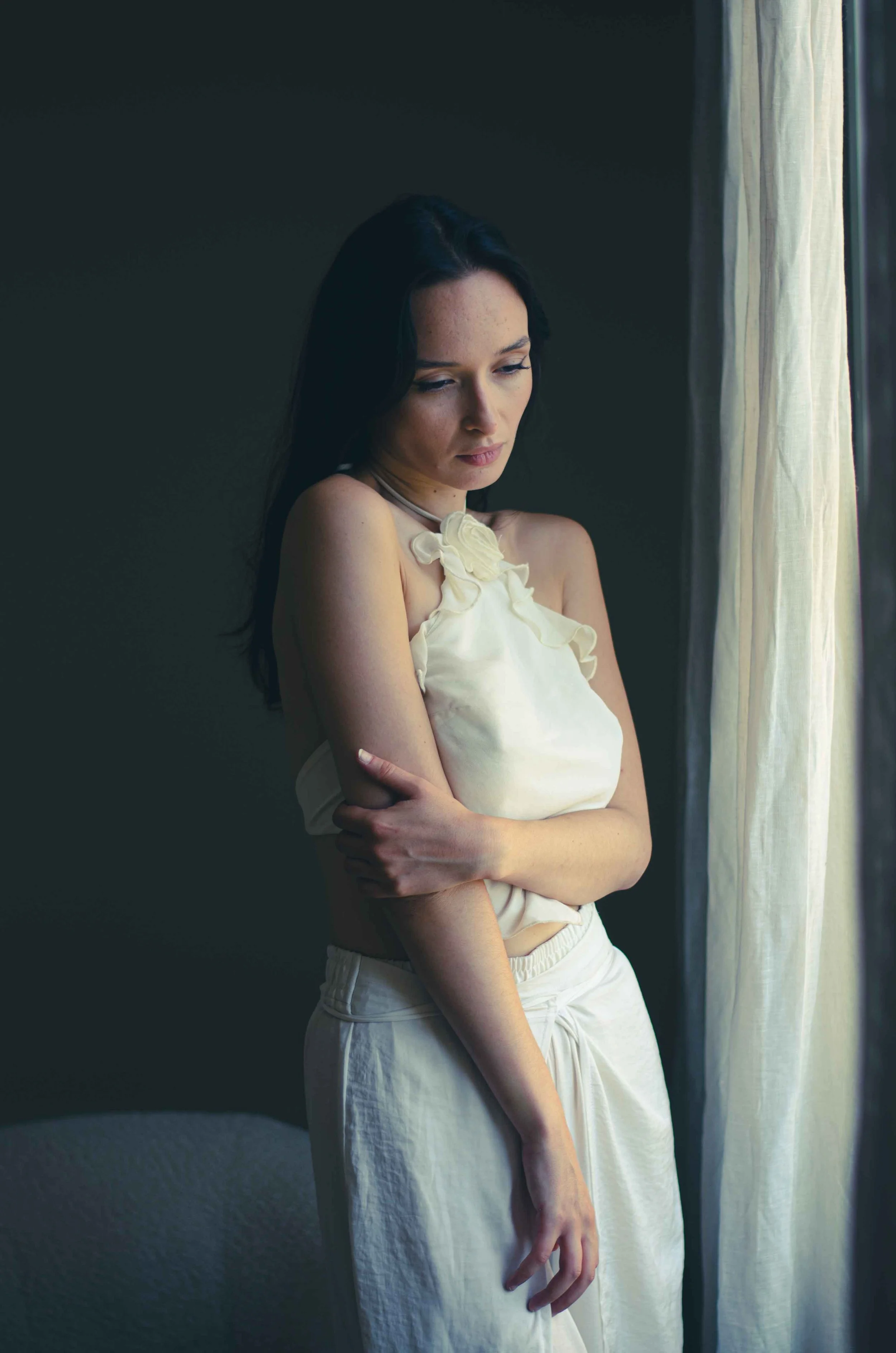
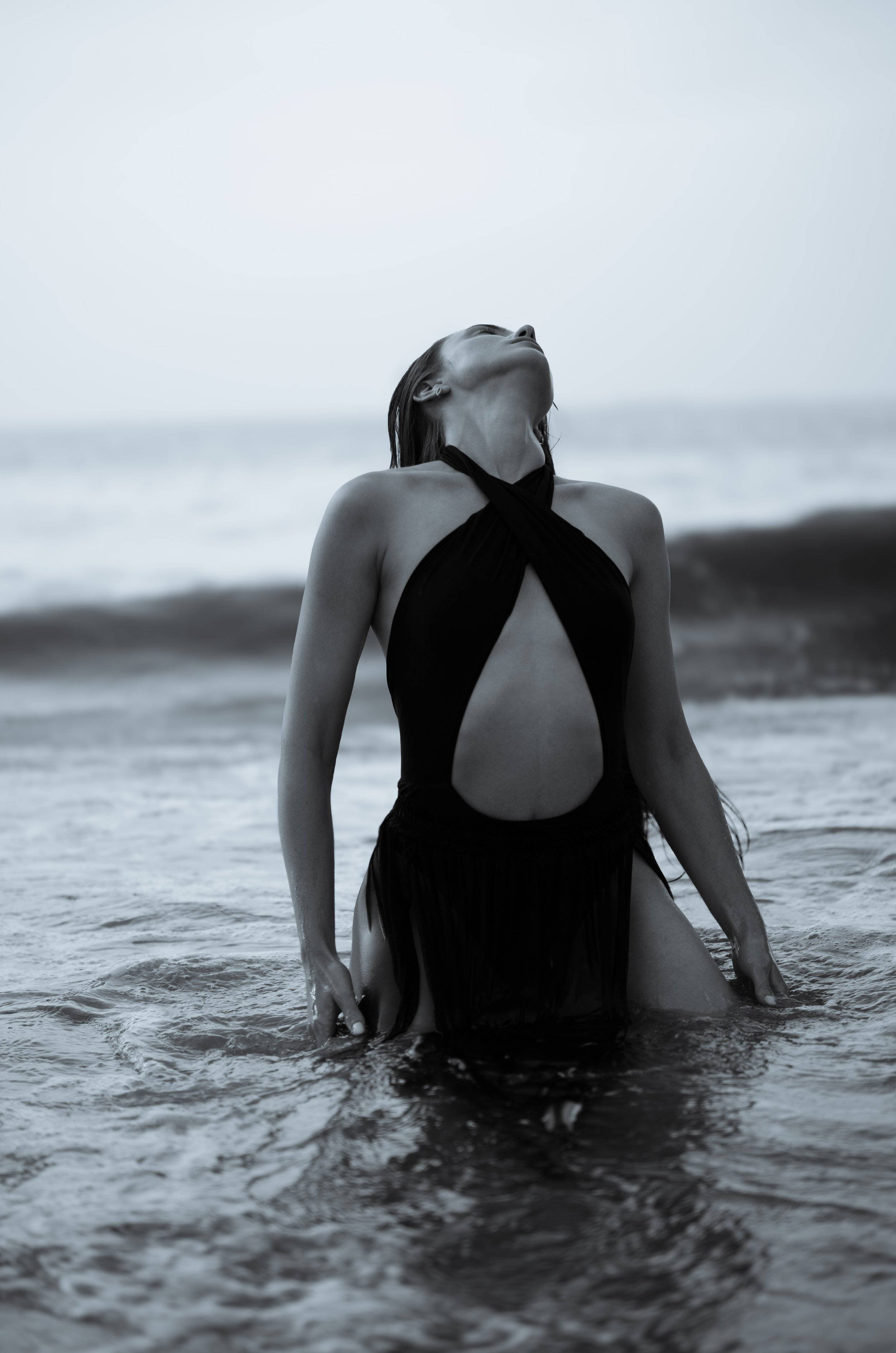
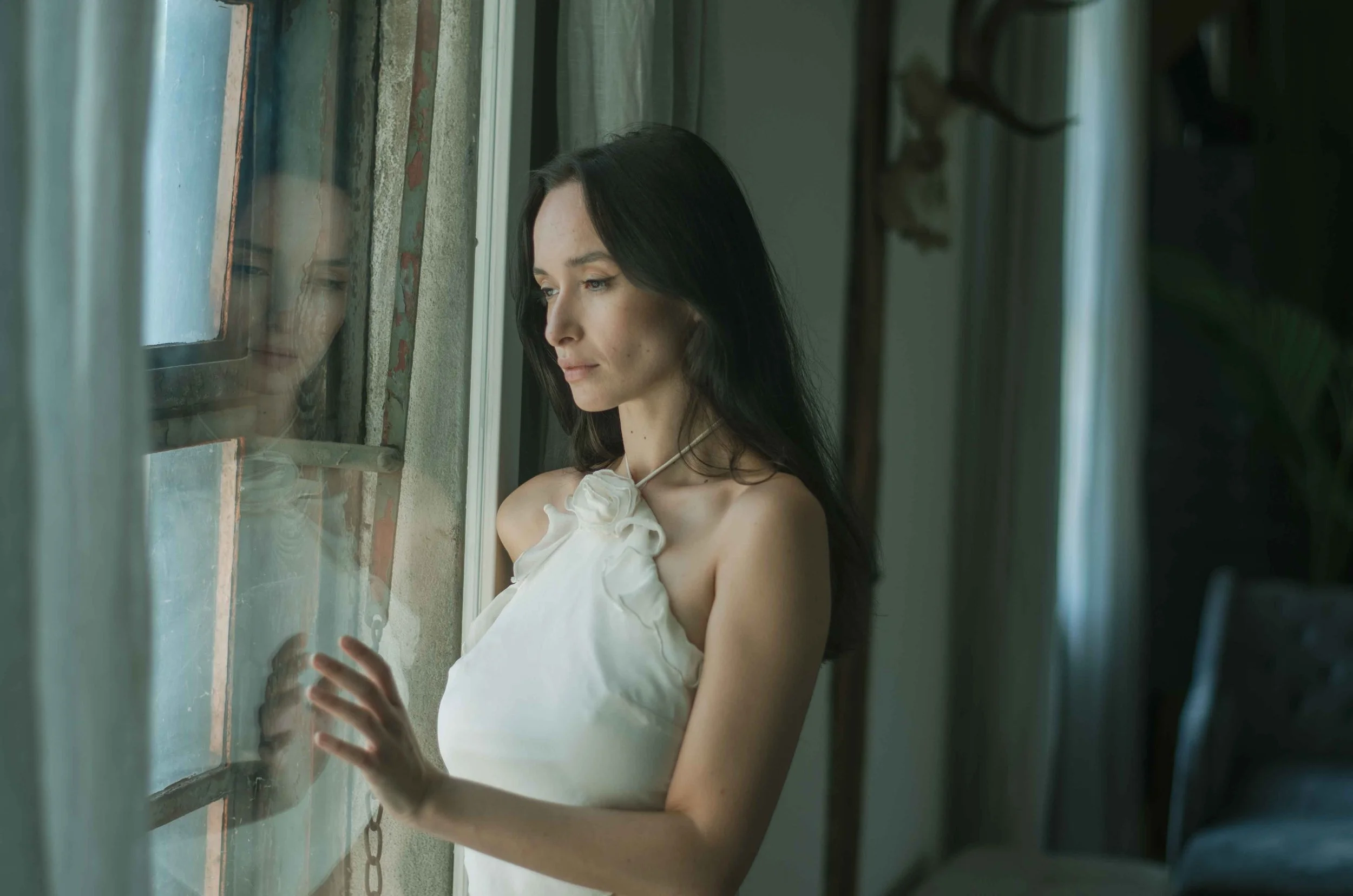
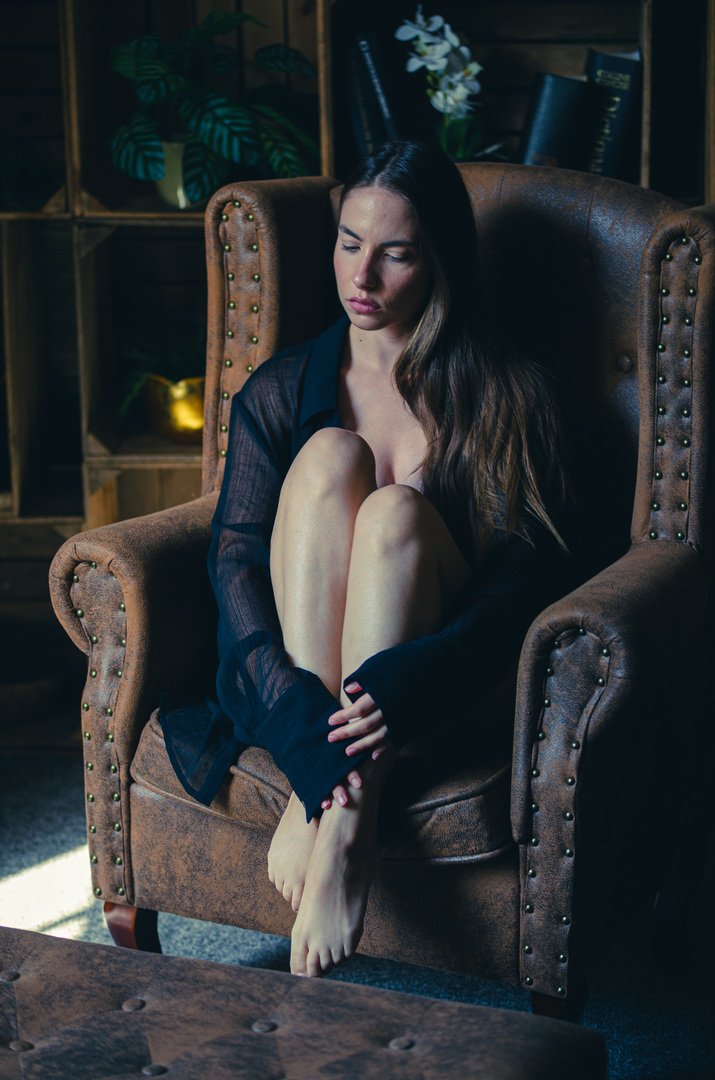
This body of work emerges from the poetics of withheld vision — a constellation of concealed, lowered, averted, or absent gazes that resist the economy of visibility through which the female body has historically been framed, possessed, and interpreted. The women inhabiting these images do not offer themselves to the viewer’s certainty. They withdraw from direct confrontation, not as an act of passivity or retreat, but as a radical gesture of autonomy: an intentional refusal to become transparent within systems of recognition shaped by desire, surveillance, and power. Here, the gaze is not merely absent; it is suspended. And within that suspension, a profound instability begins to unfold. The viewer, deprived of reciprocal eye contact, is denied mastery over meaning. Desire is awakened not toward conquest, but toward absence itself — toward that which continually escapes articulation. The unseen gaze transforms the image into a threshold: a space where longing, uncertainty, shame, and intimacy coexist in unresolved tension. These figures inhabit a liminal territory between presence and disappearance. Their silence is not emptiness but density — charged with the weight of histories carried within the body. In turning away, they expose the fragile architecture of spectatorship itself, revealing how deeply the act of looking is entangled with control, projection, and the fear of the unknowable. The viewer becomes aware not only of the image, but of their own position within the act of seeing. Darkness, shadow, and obscurity function here not as aesthetic devices alone, but as philosophical conditions. Meaning refuses fixation. Identity dissolves into ambiguity. The image remains fluid, resisting closure and stable interpretation. Much like memory, desire, or grief, these works evade definitive form; they exist in a continuous state of becoming. The absent gaze opens a rupture within the symbolic order — a silent rebellion against the demand to be legible. What remains is a presence that cannot be fully possessed nor entirely understood. In this space of indeterminacy, the works invite contemplation of what exceeds visibility: the unseen emotional residue of existence, the politics of refusal, and the hidden force contained within eyes that choose neither to see nor to be seen. Ultimately, these images are meditations on opacity — on the right to remain partially unknowable in a world obsessed with exposure. They ask whether true presence might emerge not through revelation, but through concealment; not through visibility, but through the sacred and irreducible mystery of what withdraws from sight.
Social Networks :
Instagram Handle: @amirslens
Website: www.amirslens.com
Amir Afroozeh
1. Inspiration & Style
What initially inspired you to become an artist, and how did you develop your unique artistic style?
Art has always been a way for me to understand and reinterpret the world around me. I was initially inspired by the emotional power of visual storytelling and the ability of art to communicate beyond language. Over time, I developed my artistic style through experimentation, observation, and a continuous exploration of emotion, memory, and human experience. My work combines contemporary aesthetics with personal narratives, creating pieces that aim to feel both intimate and universal.
2. Creative Process
Do you have any rituals or routines that help you get into a creative mindset when starting a new project?
Before starting a new project, I usually spend time in silence, collecting thoughts, references, and emotions connected to the idea. Music, painting, calligraphy, and everyday moments often help me enter a creative mindset. I also like to sketch loosely or write fragments of thoughts before beginning the final work. This process helps me create organically rather than forcing a fixed outcome.
3. Artistic Influences
How do you balance historical or artistic influences with your personal style, and how do these influences manifest in your work today?
I’m influenced by both classical and contemporary artists, especially those who create emotional depth through simplicity, atmosphere, and symbolism. While I appreciate historical influences, I try not to imitate them directly. Instead, I absorb certain moods, philosophies, and visual approaches, then reinterpret them through my own perspective and experiences. This balance allows my work to remain personal while still connected to a broader artistic conversation.
4. Emotion & Expression
How do you use your art to evoke emotions, and what role does emotion play in your creative process?
Emotion is at the center of my creative process. I use composition, texture, color, and contrast to create an emotional atmosphere that invites viewers to pause and reflect. Rather than giving direct answers, I prefer creating open emotional spaces where viewers can project their own memories and interpretations onto the work. I believe art becomes meaningful when it creates a personal connection between the artwork and the viewer.
5. Standout Projects
Can you share a project that stands out to you and describe the creative process behind it?
One project that stands out to me developed over several years of exploring themes of trauma, grief, femininity, and loneliness. During this period, philosophy and psychology played an important role in helping me understand the deeper connections between these emotional states and how they shape human identity.
The core of this work is a series of portraits—mostly of women—that reflect an internal search I had within myself. These figures are not just external subjects, but symbolic representations of emotions and psychological states I was trying to understand and confront. Through this process, I was continuously questioning identity, vulnerability, and emotional presence.
In many ways, the project became a dialogue between my inner world and the external image of the portrait. It helped me connect personal experience with broader human conditions, especially the complexity of loneliness and emotional fragmentation. I see this body of work as an ongoing exploration rather than a finished statement—something that continues to evolve as I evolve.
6. Feedback & Growth
How do you incorporate feedback from critics or audiences into your work, and how do you balance this with your own artistic intuition?
I see feedback as an important part of artistic growth. Listening to viewers and critics often helps me discover new perspectives about my own work. At the same time, I believe intuition is essential in maintaining authenticity. I try to absorb constructive feedback without losing the emotional honesty and personal vision that define my practice.
7. Motivation & Inspiration
How do you stay motivated and inspired, even when facing creative blocks or challenges?
Creative blocks are a natural part of being an artist. During those moments, I try not to force inspiration. Instead, I step back, observe everyday life, visit exhibitions, read, travel, or simply allow myself time to reconnect with my thoughts. Inspiration often returns unexpectedly through ordinary experiences. Curiosity and emotional honesty continue to motivate me to create.
8. Exhibiting Work
How do you feel about exhibiting your artwork with The Holy Art Gallery, and what does this opportunity mean to you?
Exhibiting with The Holy Art Gallery is a meaningful opportunity for me to share my work with an international audience and connect with a wider creative community. I appreciate platforms that support diverse artistic voices and encourage dialogue through art. Being part of this exhibition feels both exciting and inspiring, and I’m grateful for the opportunity to contribute my work.
9. Future Goals
What are your long-term goals and aspirations as an artist, and how do you plan to achieve them?
My long-term goal is to continue evolving artistically while expanding the reach of my work on an international level, with a strong aspiration to exhibit in cities such as New York and London. I am deeply committed to the idea of becoming a global artist, not only in terms of visibility, but in the way my work communicates across cultures and emotional boundaries.
For me, art is not just a career path but a deeply personal journey of self-discovery; something I experience almost as a form of trap or spiritual path that continuously pulls me inward. It is a process of confronting myself, understanding emotional layers, and transforming personal experiences into visual language.
I hope to participate in more exhibitions, collaborations, and interdisciplinary projects that allow me to explore new ideas and mediums. Most importantly, I want to continue creating work that remains emotionally honest, psychologically deep, and meaningful over time—work that grows with me as I move through different stages of life and self-awareness.
10. Audience Connection
What do you hope viewers take away from experiencing your art, and how do you aim to connect with them on an emotional or intellectual level?
I hope viewers experience a sense of emotional connection, reflection, or curiosity when engaging with my work. Rather than communicating a single fixed message, I want my art to create space for personal interpretation and emotional resonance. If someone feels understood, moved, or inspired after viewing my work, then I feel the artwork has fulfilled its purpose.