Social Networks :
Instagram handle: @dr.ayman.mohsen
Portfolio: https://www.behance.net/tree_freeh0c46
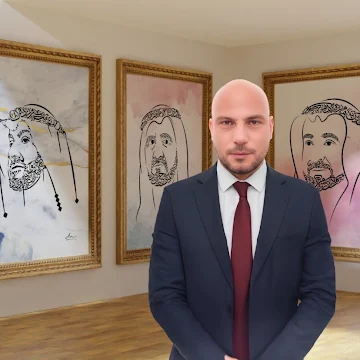
Ayman Mohsen Ayad
Here is the extracted Q&A from the interview questionnaire with artist Ayman Mohsen Ayad:
1. Inspiration & Style
Q: What initially inspired you to become an artist, and how did you develop your unique artistic style?
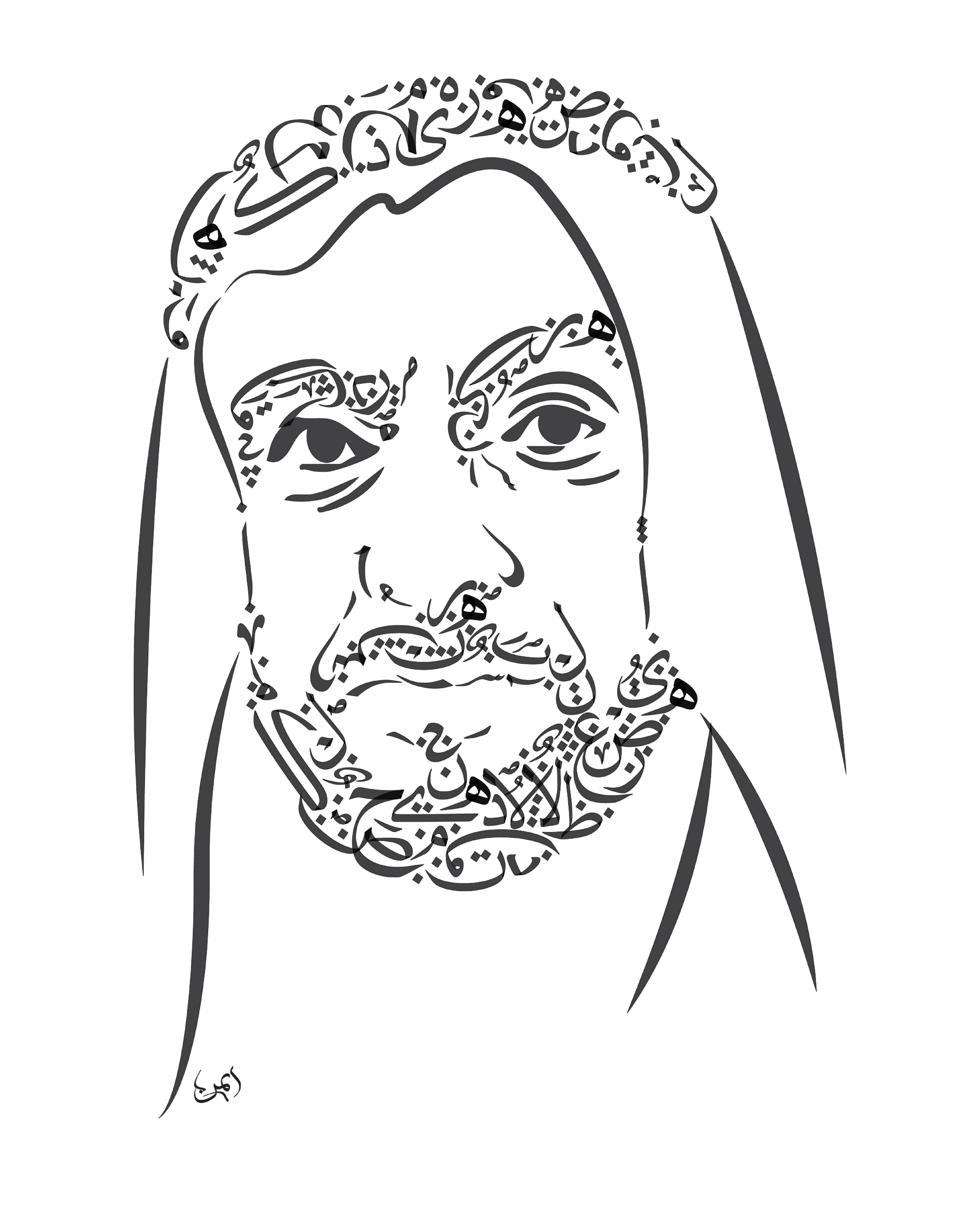
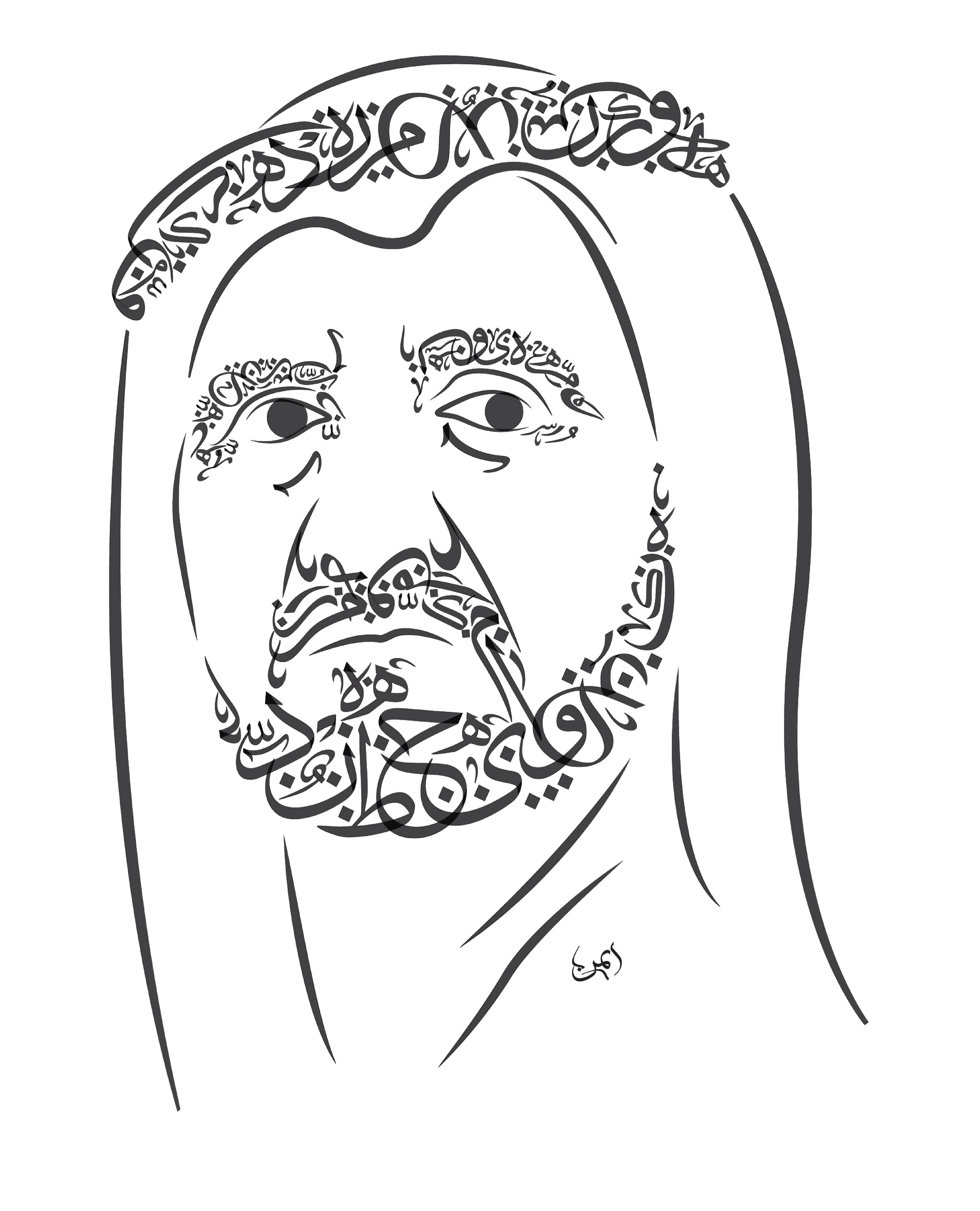
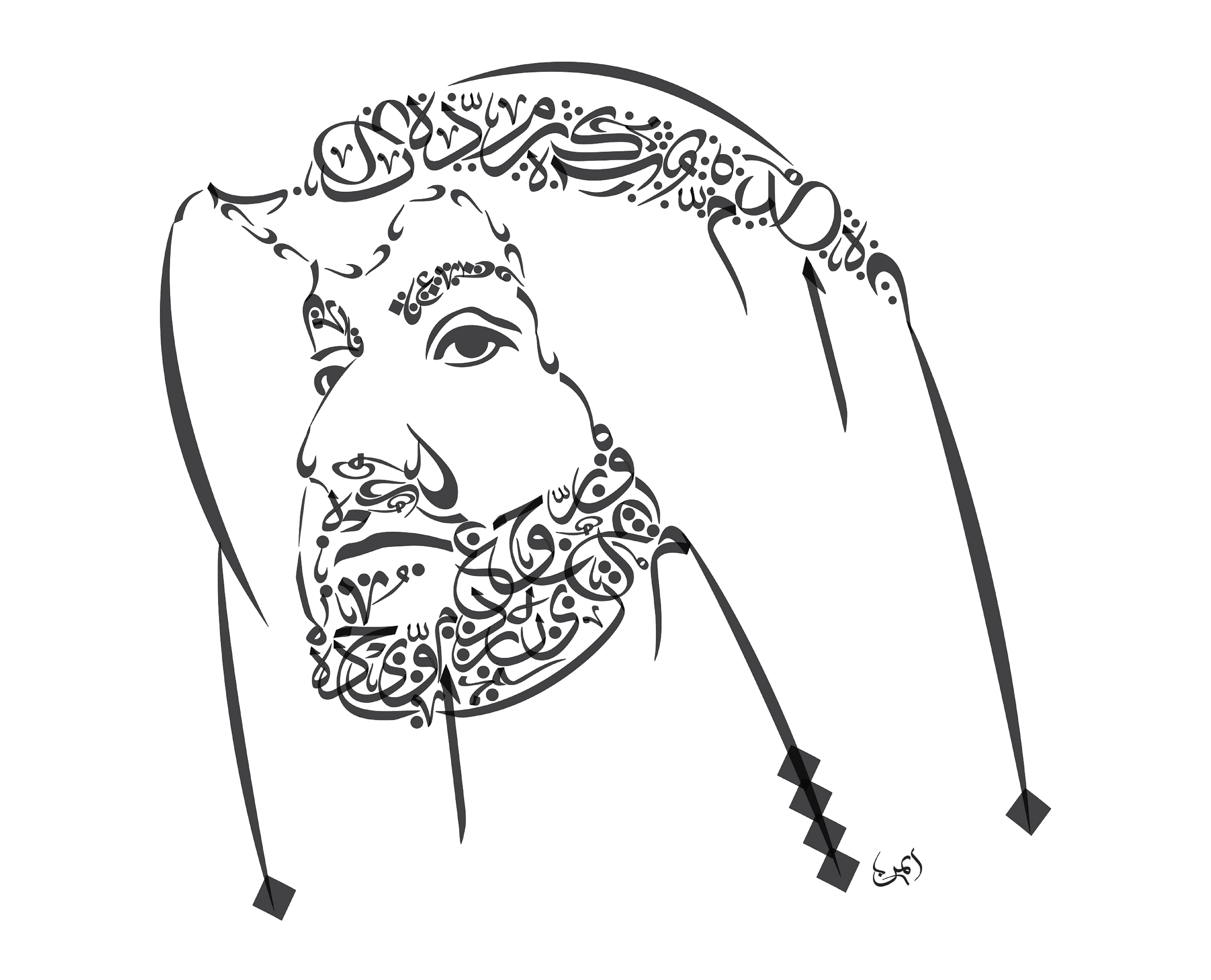
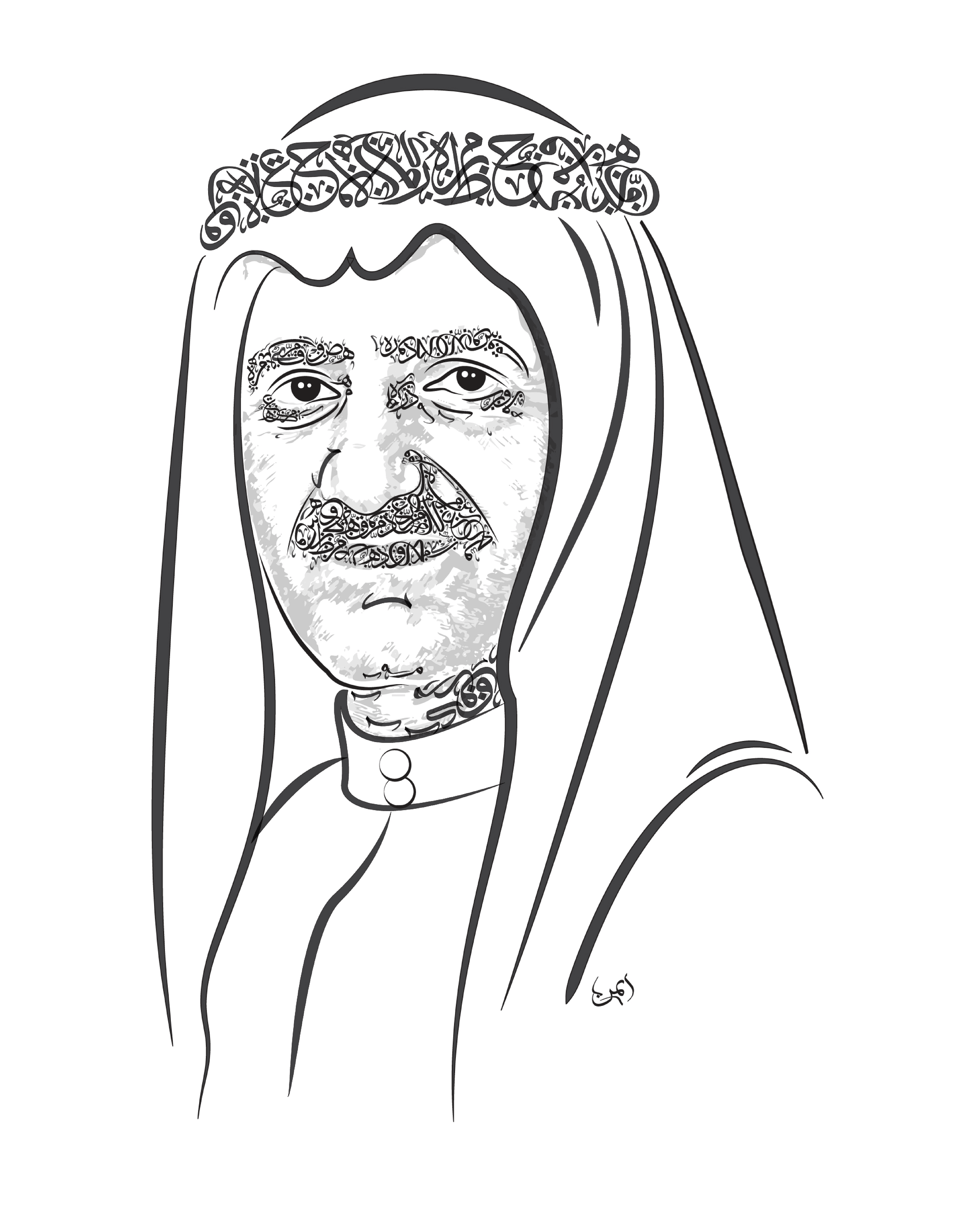
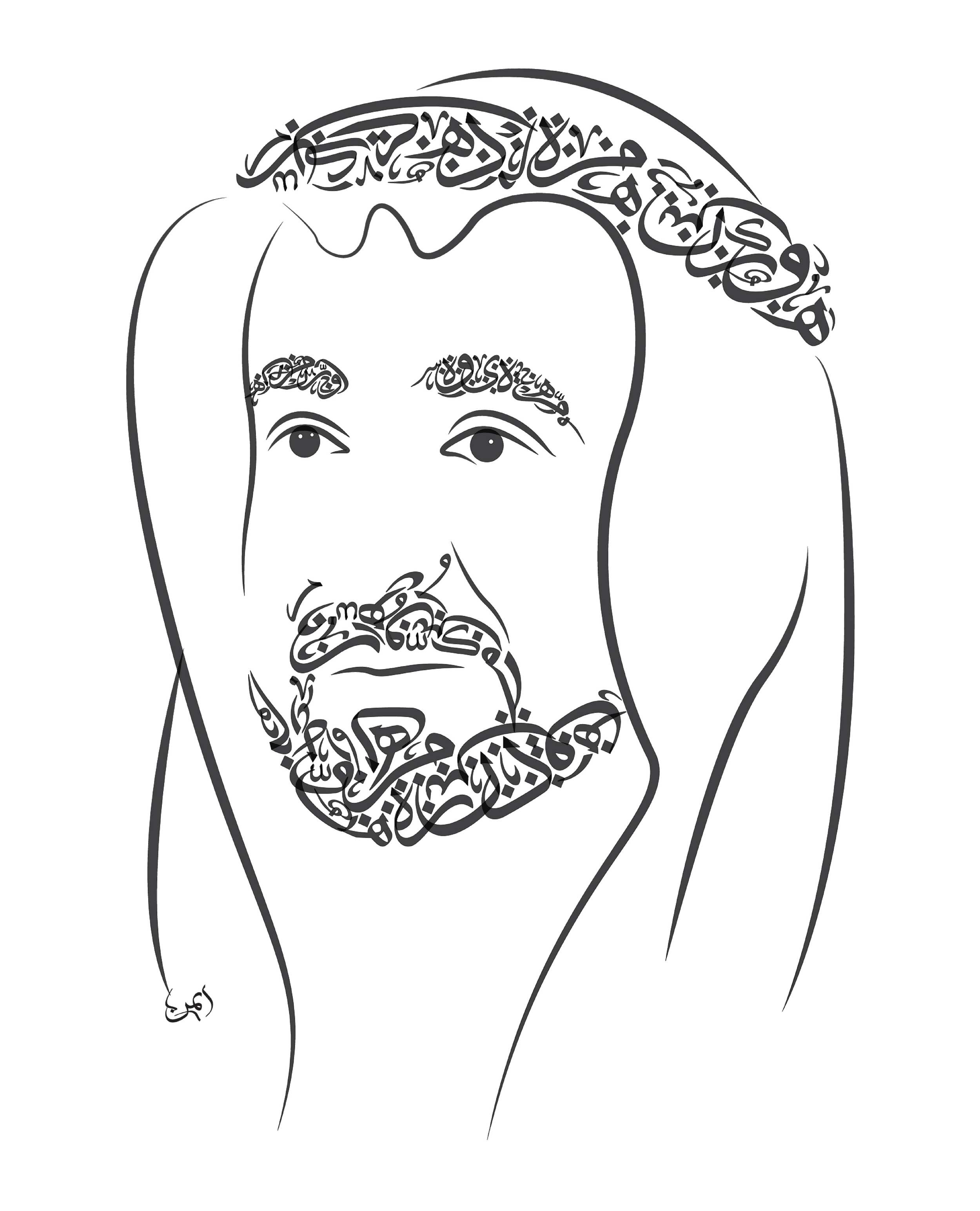
A: My artistic journey began with a deep fascination with Arabic calligraphy and its remarkable ability to transform language into a visual and emotional experience. As my practice developed, I began treating letters as independent visual structures expressing movement, identity, memory, and human emotion. Through years of experimentation with painting, portraiture, sculpture, relief, mixed media, and graphic design, I developed a style that brings Arabic calligraphy into dialogue with contemporary visual art, reinterpreting Arab and Islamic cultural heritage through modern compositions.
2. Creative Process
Q: Do you have any rituals or routines that help you get into a creative mindset when starting a new project?
A: Before beginning a new project, I spend time reflecting on the central idea and the emotional message I want to communicate, researching relevant subjects, poetry, historical references, and visual elements. I often begin by writing or sketching Arabic letters by hand to understand their rhythm and composition, followed by experimentation with surroundings and materials. Silence and focused observation help me enter a calm mental state to listen to the artwork rather than force it.
3. Artistic Influences
Q: How do you balance historical or artistic influences with your personal style, and how do these influences manifest in your work today?
A: I approach historical influences with respect and a desire to reinterpret them. Classical scripts like Thuluth, Naskh, and Nastaliq provide a foundation in discipline and proportion, which I combine with contemporary painting, expressive portraiture, abstraction, sculpture, and mixed media. The balance comes from understanding the essence of the tradition rather than copying its appearance, allowing personal experiences and contemporary perspective to reshape it. (As Pablo Picasso said regarding a similar realization, I found that Arabic calligraphy preceded me to it.)
4. Emotion & Expression
Q: How do you use your art to evoke emotions, and what role does emotion play in your creative process?
A: Passion is the focus of my work; art becomes meaningful when it creates a real emotional connection with the viewer. I use line direction, letter tension, color intensity, facial expressions, and light/shadow contrast to create emotional states. The chosen words carry poetic or spiritual meanings, but the visual rhythm is designed to communicate across linguistic and cultural boundaries.
5. Standout Projects
Q: Can you share a project that stands out to you and describe the creative process behind it?
A: One of the most significant directions in my practice is a series of calligraphic portraits inspired by influential Emirati and Arab personalities, where words and letters become part of the subject's personality, history, and identity. The process involves extensive research into the individual's life, selecting meaningful quotations, studying facial features, and constructing a visual relationship where portraiture and writing become one unified image.
6. Feedback & Growth
Q: How do you incorporate feedback from critics or audiences into your work, and how do you balance this with your own artistic intuition?
A: I consider thoughtful feedback an important part of growth, listening carefully to perspectives I might not have initially recognized. However, an artist must protect the sincerity of their vision rather than satisfying every opinion or trend. I evaluate feedback based on whether it clarifies the concept or deepens the viewer's experience, keeping my artistic intuition as the final guide.
7. Motivation & Inspiration
Q: How do you stay motivated and inspired, even when facing creative blocks or challenges?
A: When facing a block, I return to the foundations of my practice: drawing, observing, studying letters, reading poetry, and exploring cultural heritage through experimentation. Teaching, working with students, architecture, nature, and human expressions also keep me inspired, turning challenges into opportunities to reconsider methods, scale, or materials.
8. Exhibiting Work
Q: How do you feel about exhibiting your artwork with The Holy Art Gallery, and what does this opportunity mean to you?
A: I am honoured and excited to exhibit with The Holy Art Gallery, allowing my practice to enter an international and culturally diverse space. It is an opportunity to introduce audiences to the expressive potential of Arabic calligraphy and create meaningful conversations about heritage, identity, spirituality, memory, and cultural continuity on a global platform.
9. Future Goals
Q: What are your long-term goals and aspirations as an artist, and how do you plan to achieve them?
A: My long-term goal is to continue developing an internationally recognized artistic language connecting Arabic calligraphy, contemporary art, and cultural storytelling. I aim to produce larger installations, sculptural works, and participate in major international exhibitions, while supporting younger artists through education. I plan to achieve this through continuous research, disciplined studio practice, and international collaboration.
10. Audience Connection
Q: What do you hope viewers take away from experiencing your art, and how do you aim to connect with them on an emotional or intellectual level?
A: I hope viewers experience my work first as an emotional encounter, feeling the energy and spiritual depth of Arabic letters. On an intellectual level, I hope it encourages reflection on identity, memory, and the relationship between tradition and contemporary life—leaving them with a sense of connection to culture, human experience, and communication beyond language.