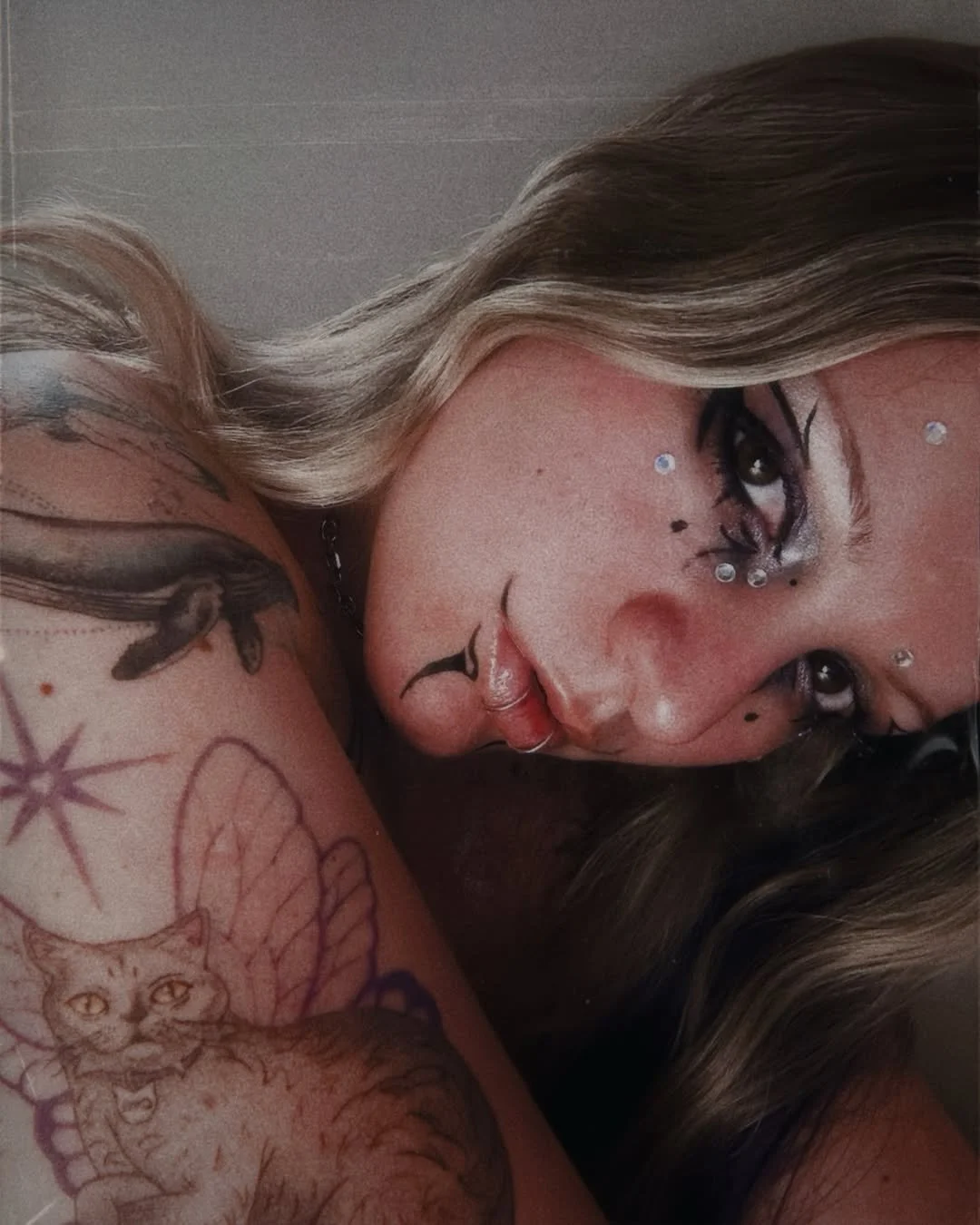
Artist spotlight : Buse Aksaç
Artist Statement:
I have been working in the media and creative industry since 2009, with a focus on advertising, digital production, and visual storytelling. My work centers on developing creative communication for brands through art direction and visual systems, combining traditional craft with digital techniques. Over the past few years, I have been working with generative AI, developing workflows and integrating AI into creative production processes. I currently lead these efforts internally within my organization. I continue to explore different ways of producing and scaling creative work through both traditional and AI-supported methods.
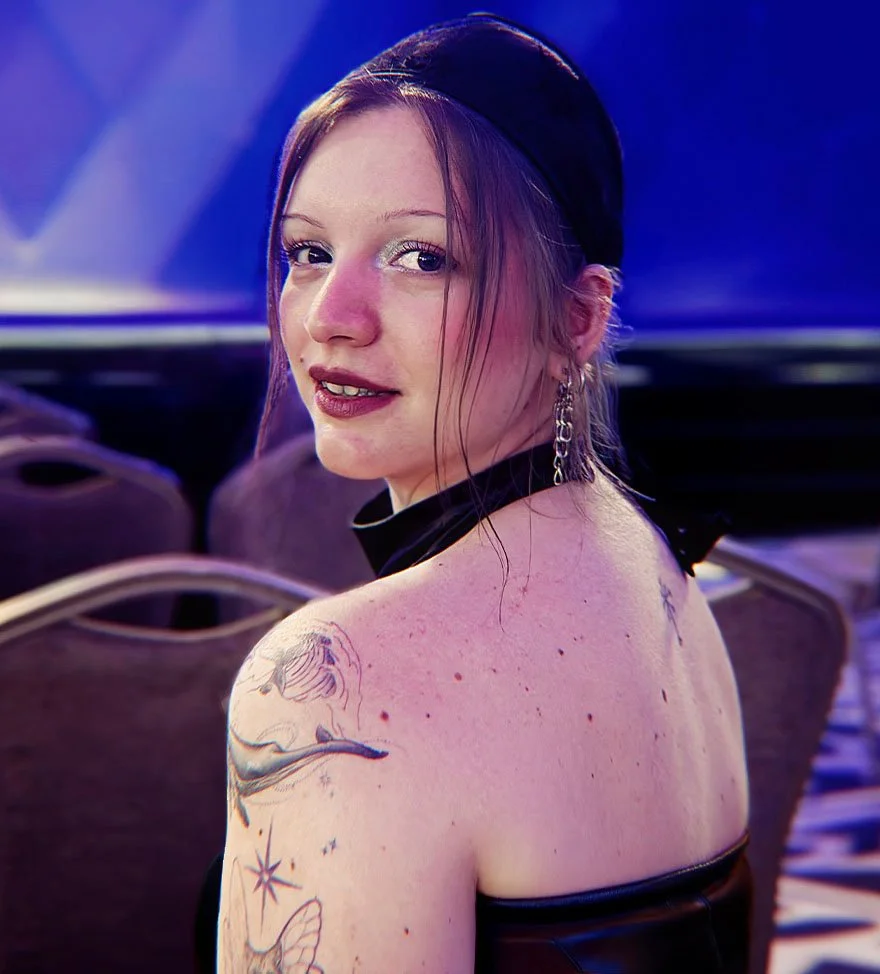
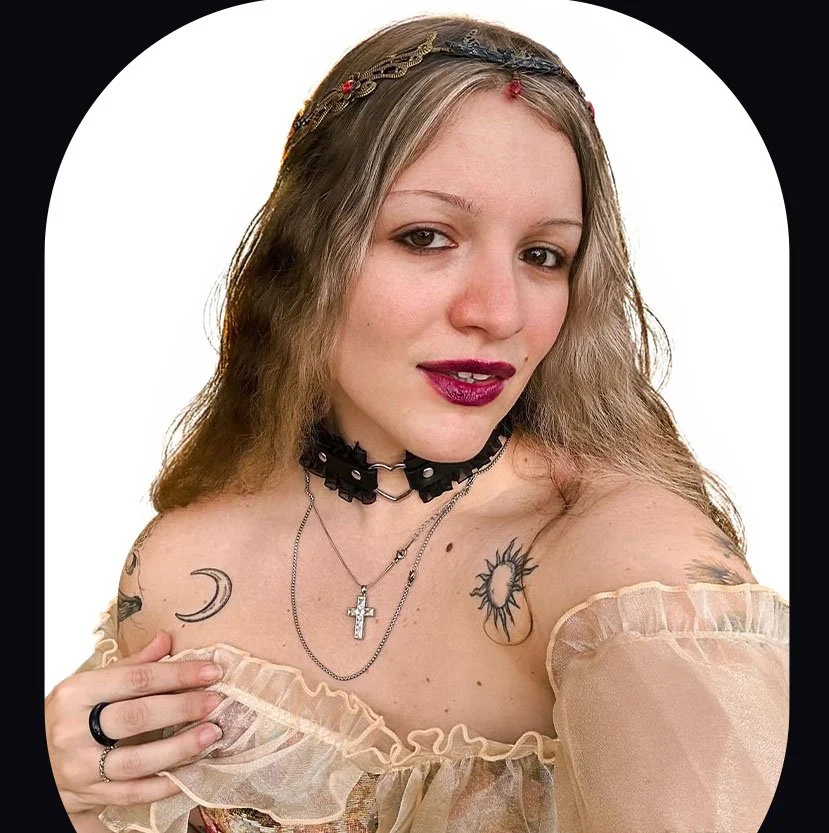
Artist : Buse Aksaç
Inspiration & Style
What initially inspired you to become an artist, and how did you develop your unique artistic style?
Before I could even read or write, I used to invent stories by looking at the images inside books. I spent most of my days flipping through encyclopedias, which sparked a deep curiosity in me about animals, explanations, and discovering the world itself. Over time, I began hearing that the things I drew were considered “beautiful” at school, and that was my first encounter with the social impact of art. Later, I realized I could create the same effect through writing as well. As people grow older, I believe the depth of their soul expands and contracts according to what they have lived through, what they have missed, and the ways they have been broken. There were periods in my life when drawing felt better than speaking. During my university years, I would walk around with drawings covering my hands and arms. Over time, I understood that lines were my way of expressing myself, and that I carried a natural sense of confidence within them.
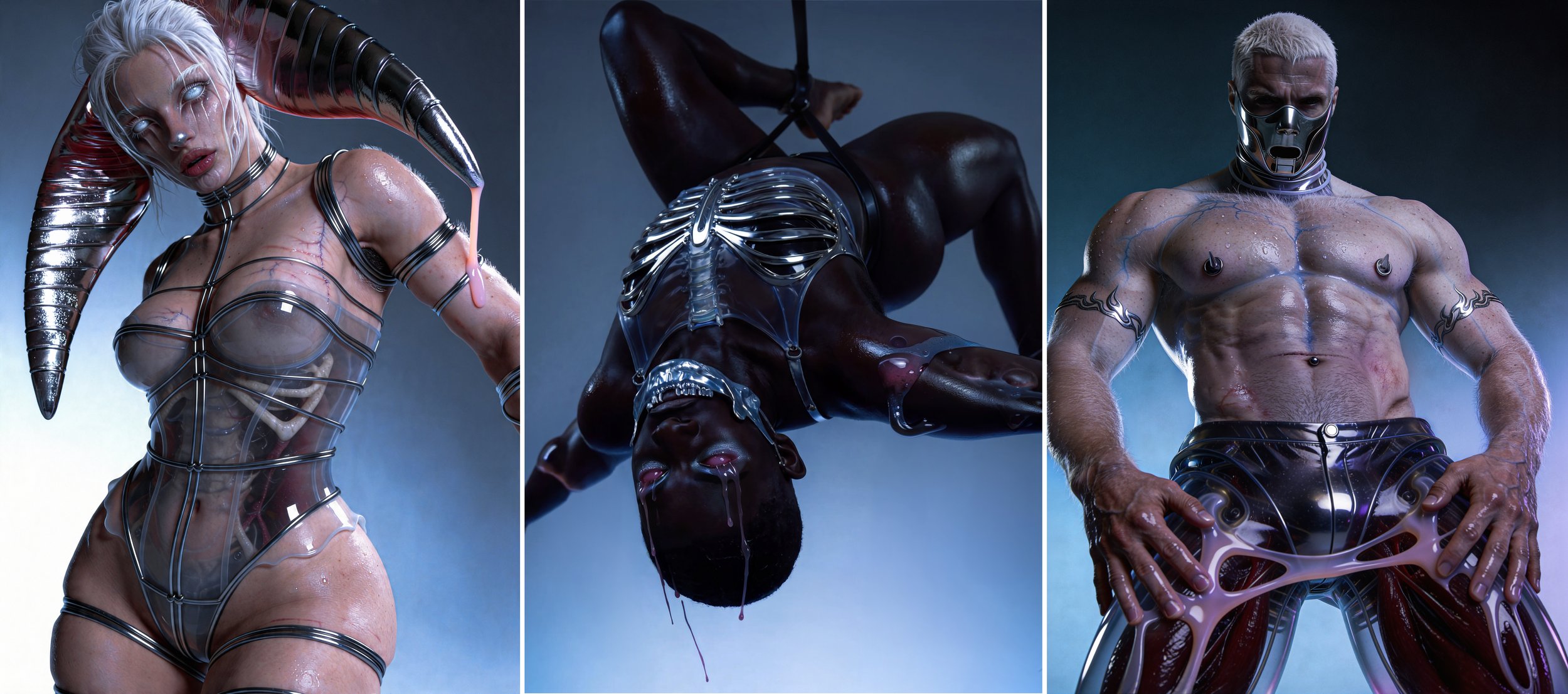
I draw and work with digital mixed media. For the past five years, I have been particularly focused on specializing in AI technologies as a way to continue my own artistic approach. Being able to maintain a high level of control within this technological layer, using artificial materials to construct realistic sensations and emotional experiences, has become an important field of research for me.
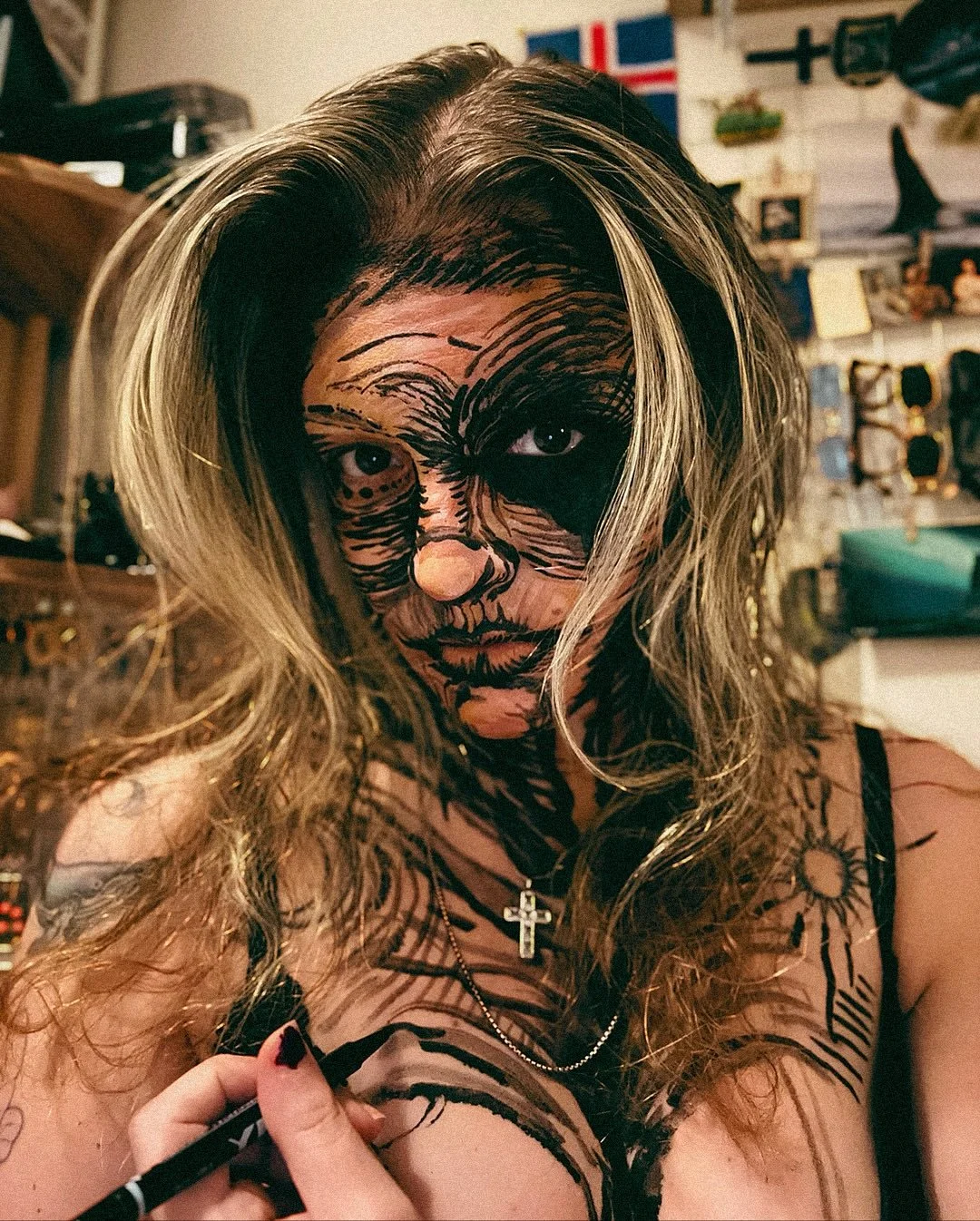
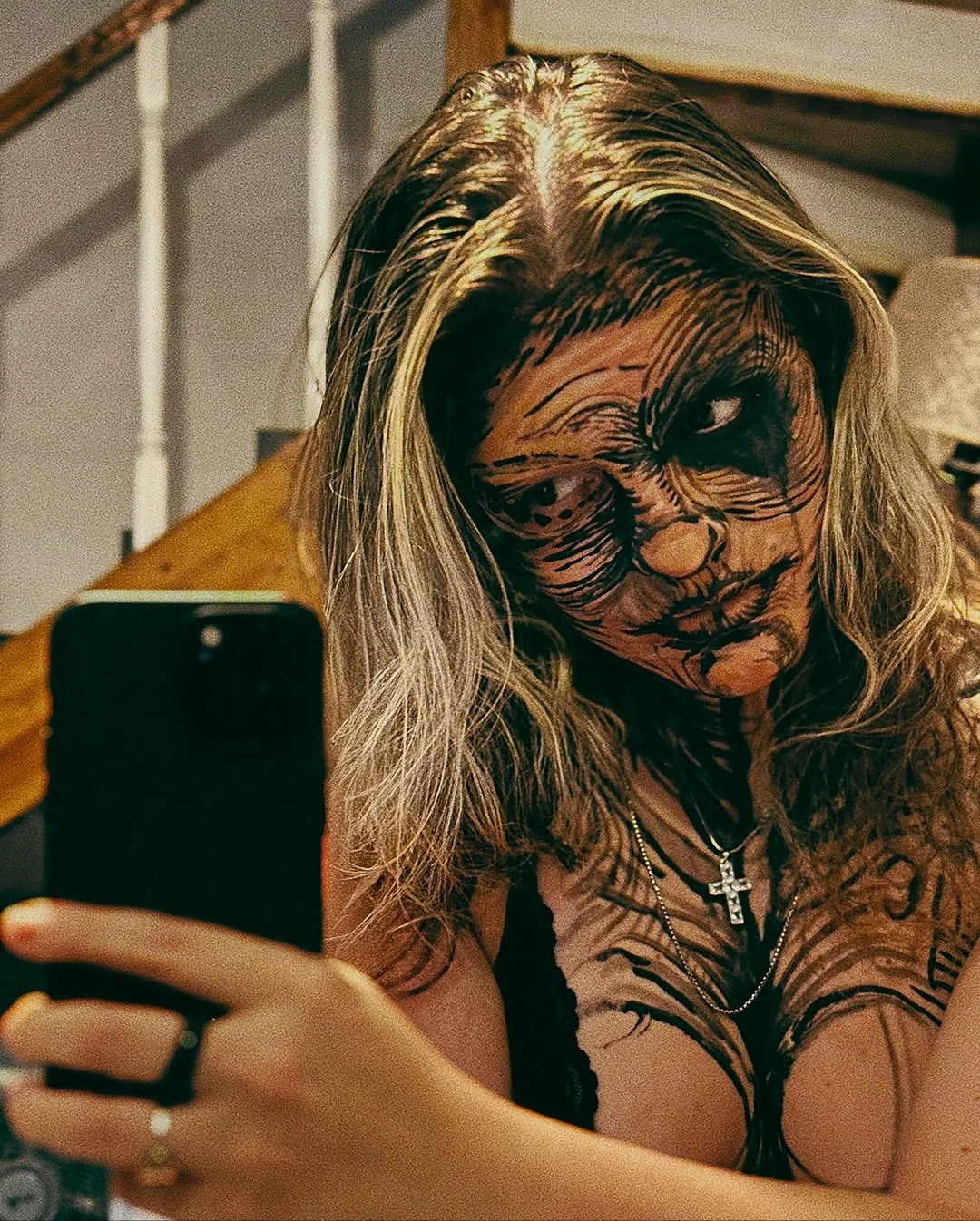
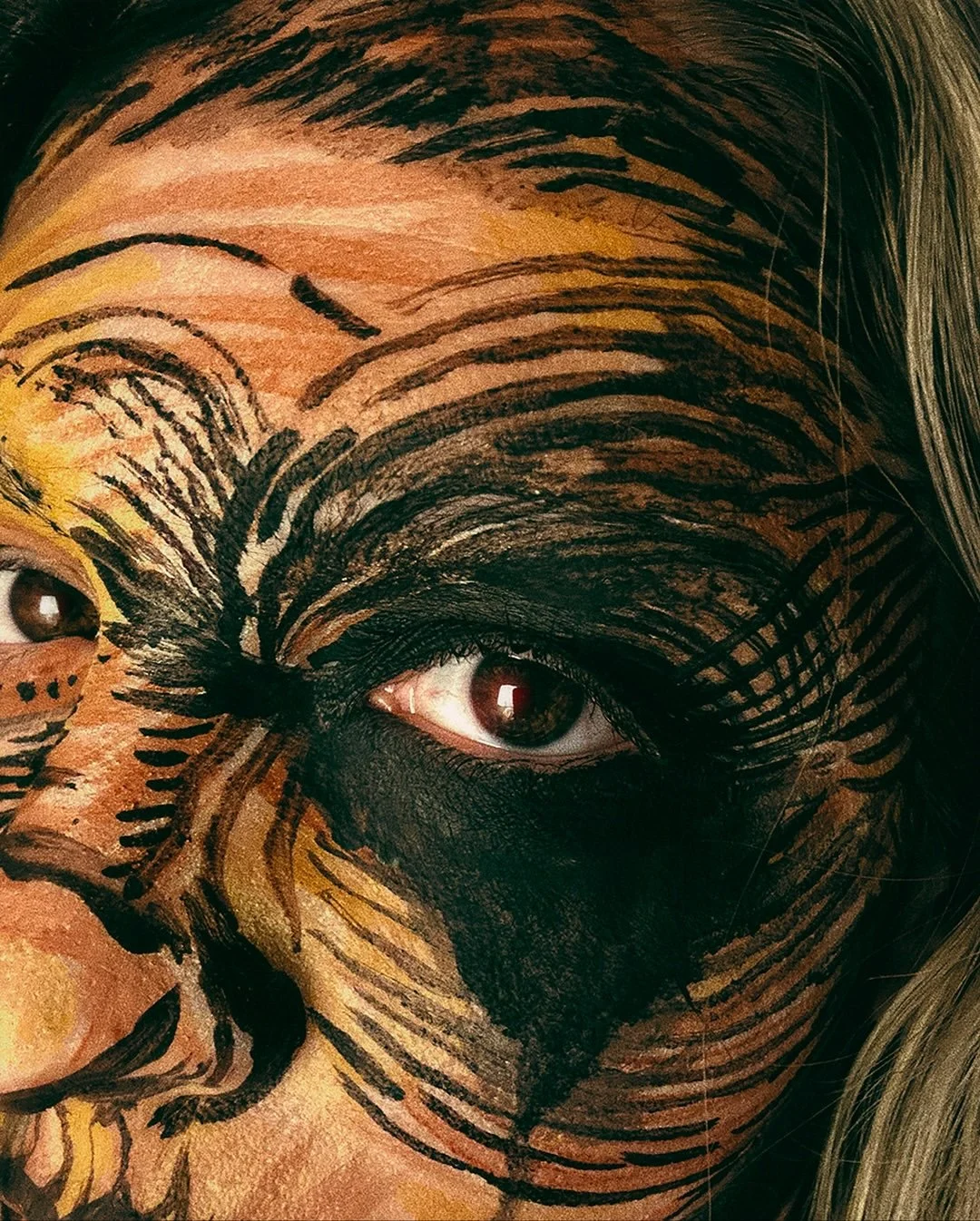
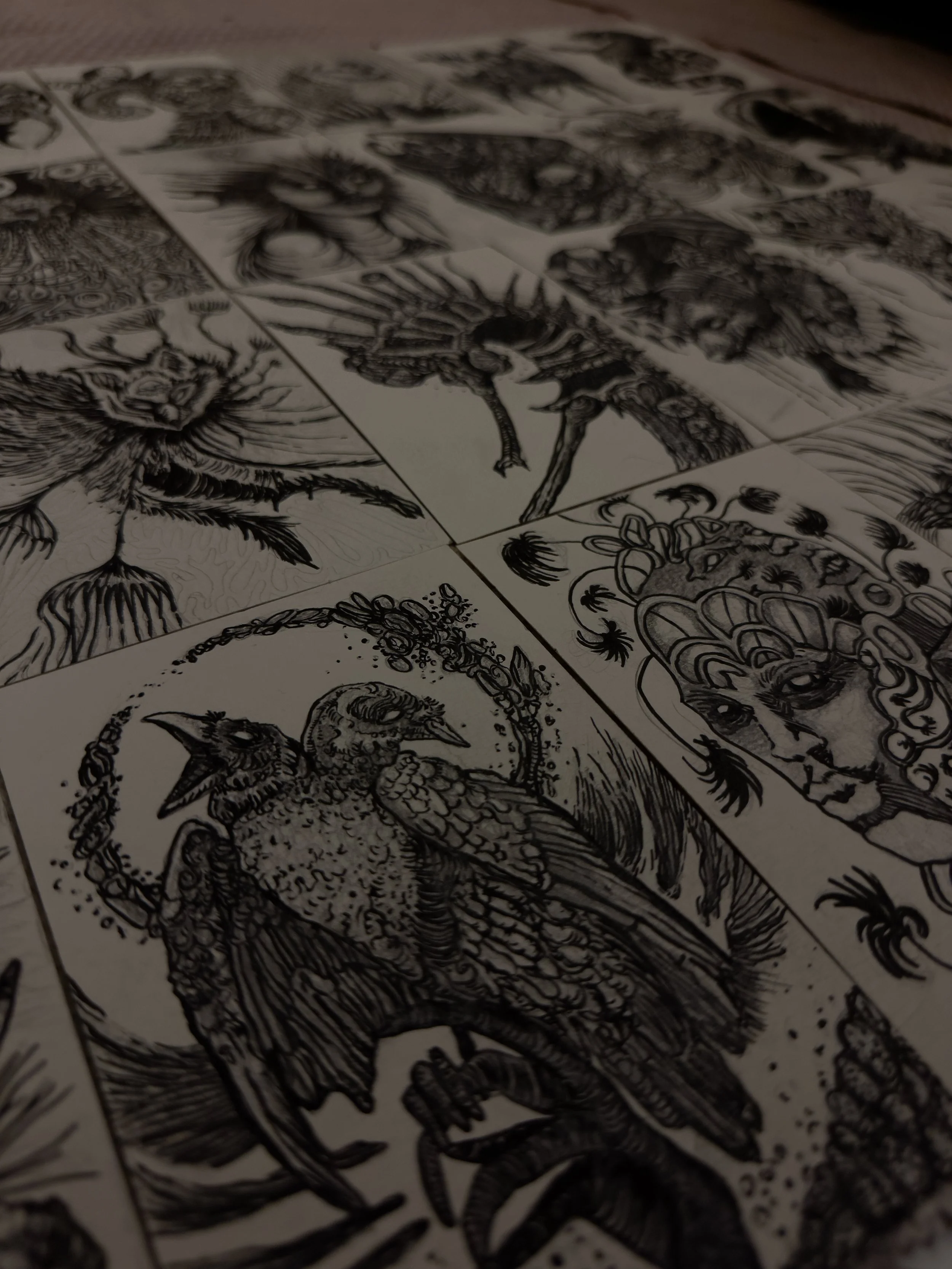
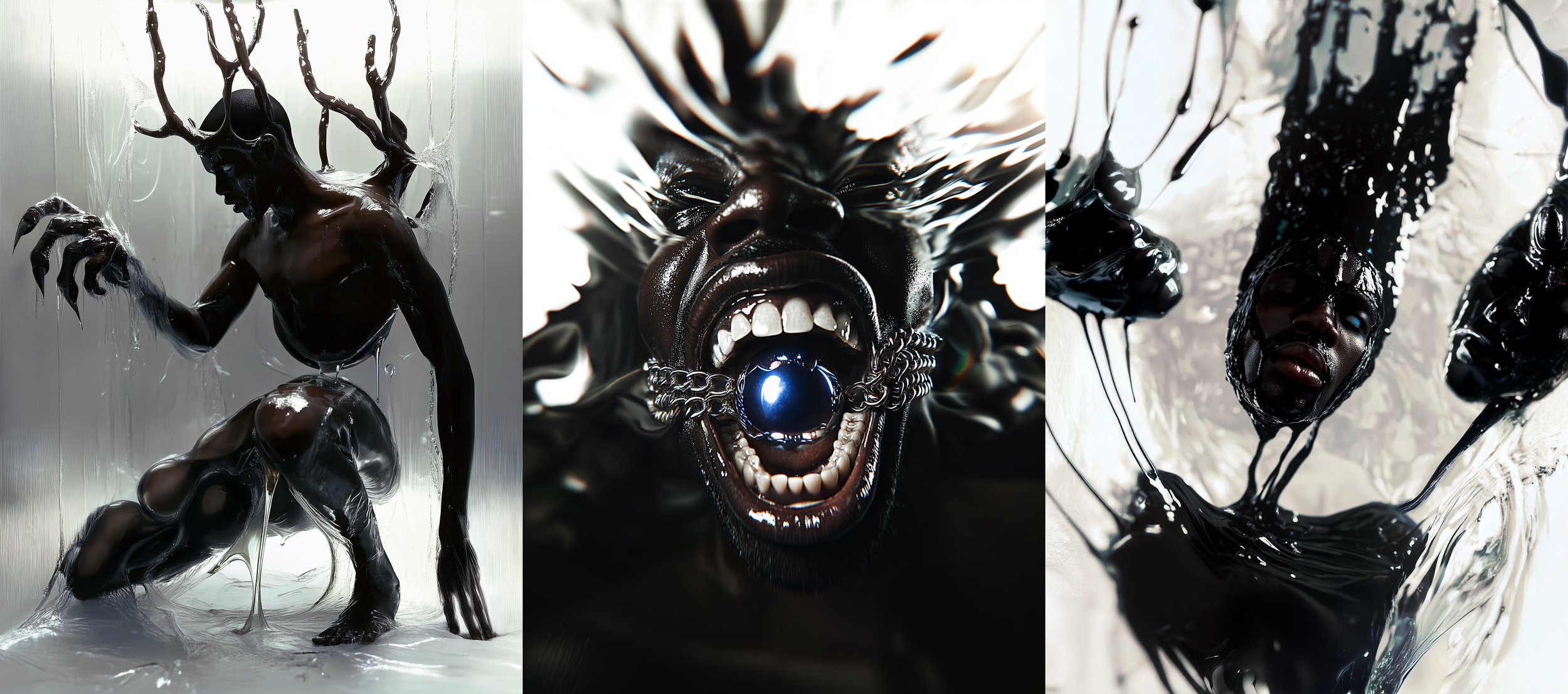
My style contains chaos and contradiction. Contrast is my key language. One side of the forms I create carries desire, sensation, and the impulses of life, while the other points toward the impermanence of existence. Because of this, some people interpret my work as “dark” or “disturbing.” I understand that perspective, but in reality, I am also portraying the part of life that will inevitably embrace death one day. I do not approach this through horror, but through a sense of acceptance and inclusiveness. I understood very early on that every storybook eventually reaches its final page.

Creative Process
Do you have any rituals or routines that help you get into a creative mindset when starting a new project?
I do not know if I would call it a ritual, but traveling alone before major decisions, or after significant outcomes, is one of the few things that truly helps me process life. Sometimes this means simply going to the edge of the sea, and sometimes it means crossing an ocean to see whales. I often find myself observing animals, people, and cultures. I enjoy the feeling of accomplishing things that involve high levels of excitement and intensity. In many ways, it feels like I am still wandering through the pages of encyclopedias as a child. The question “What is this?” and the feeling of curiosity keep me creative. Integrating my personal discoveries into my work is one of the main ways I unlock my mind.
Artistic Influences
How do you balance historical or artistic influences with your personal style, and how do these influences manifest in your work today?
At some point, I realized that I naturally admire things that are difficult to achieve. My fascination with Baroque, Renaissance, Rococo, Avant-garde, Impressionist, and Gothic works comes from the labor, aesthetic understanding, and courage they embody. Every time I look at them, they affect me deeply. I am also drawn to intelligent solutions. When something that has existed in front of our eyes our entire lives is reinterpreted through unexpected simplicity or extraordinary mastery, it captures me immediately.
At the same time, I sometimes question works where, for example, an ordinary spoon is presented with endless layers of meaning simply because “it is art.” Of course, this is entirely subjective and based on my personal taste. I believe diversity in art is incredibly valuable, and I respect every form of expression. In my own work, however, this is why details, layers, and risk tend to stand at the forefront.
Emotion & Expression
How do you use your art to evoke emotions, and what role does emotion play in your creative process?
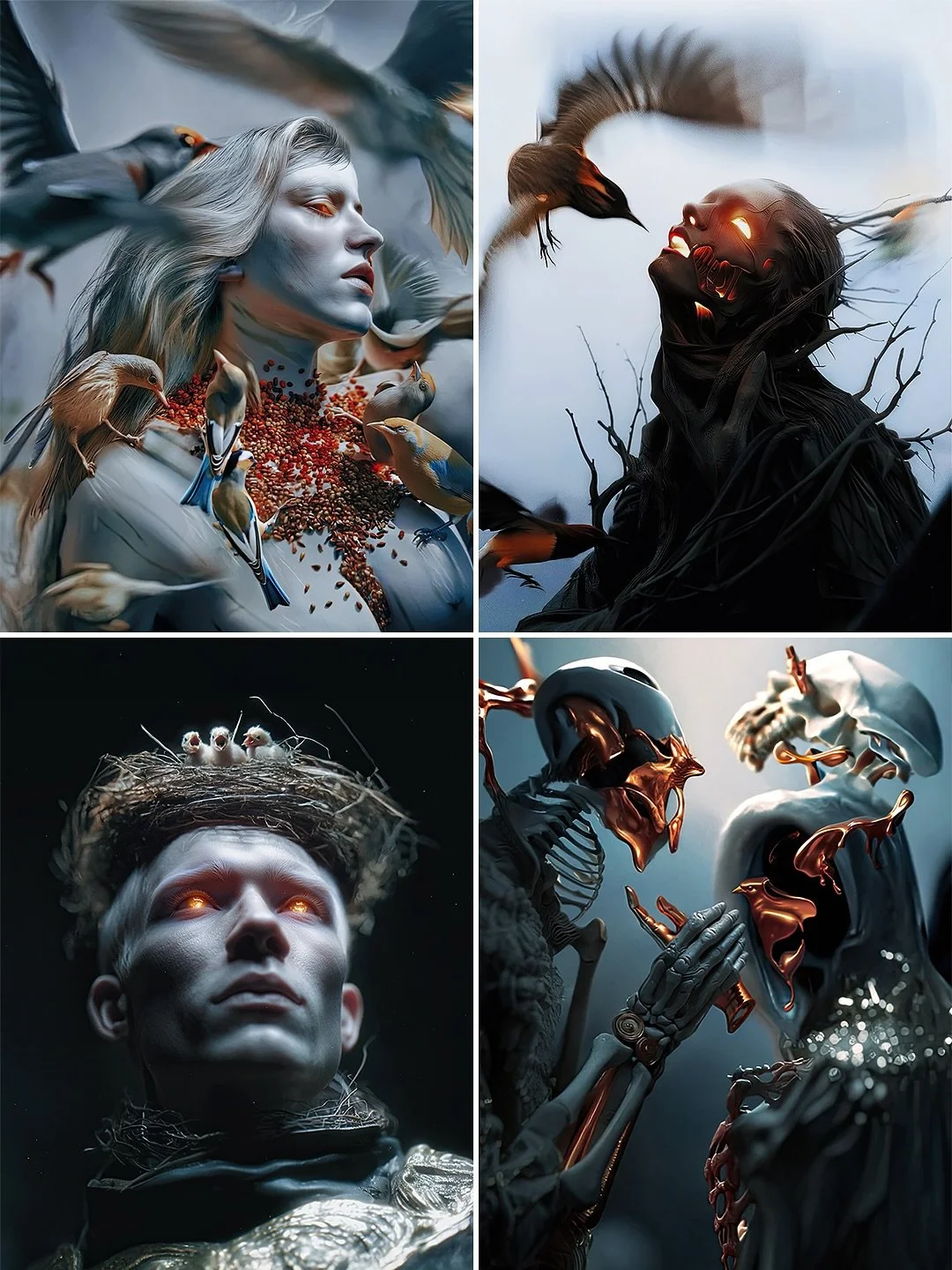
This is probably the subject I care about most. When I share my work, I do not want people to struggle in order to find an emotion within it. I want the work to create a feeling, an idea, or an impact at first glance. The part of me that creates is directly fueled by my emotions and personal experiences. In a way, I feel as if I am extending a memory or an emotional fragment of my own life with my own hands. That is why I do not create generic work.
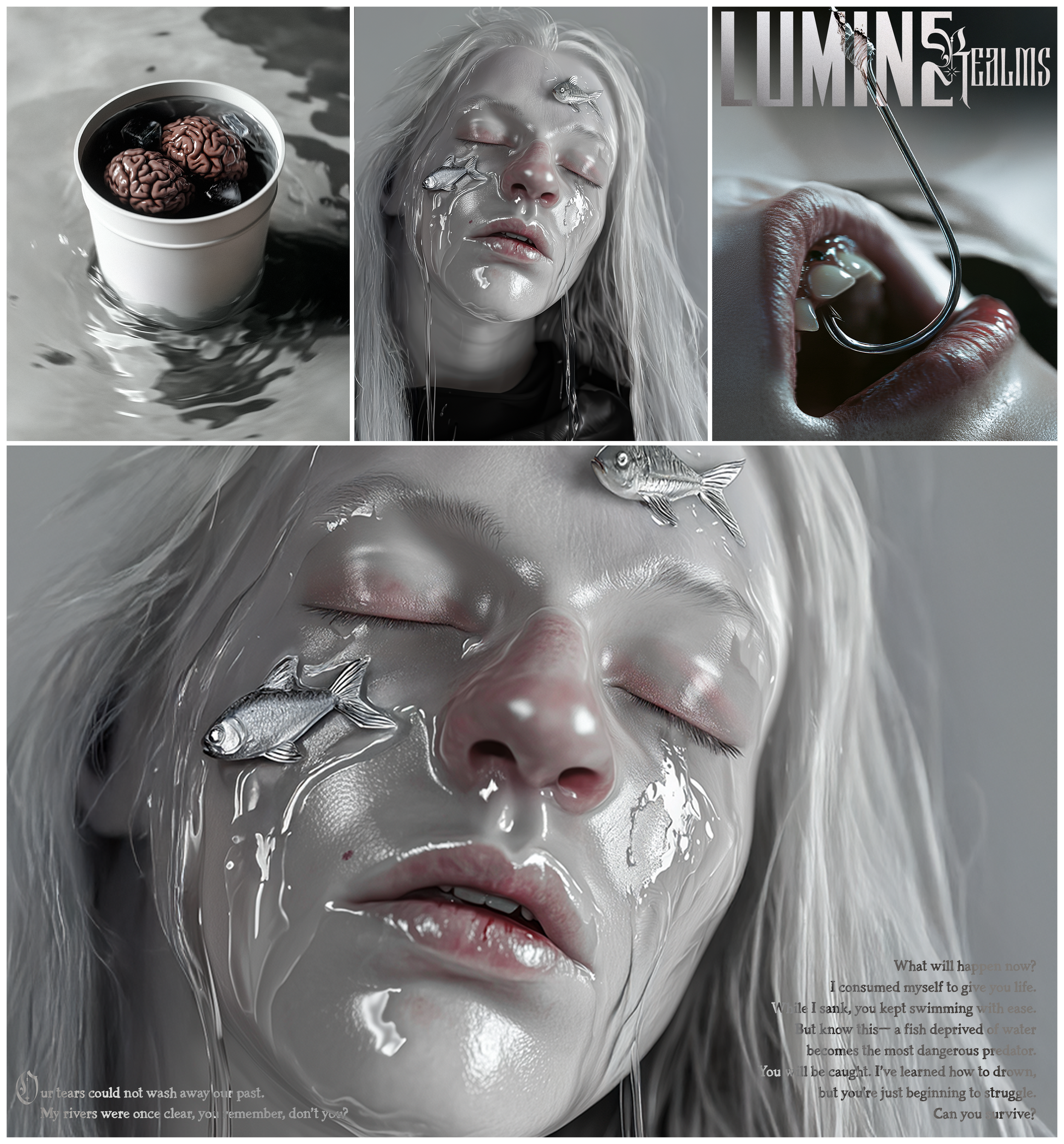
For example, I reinterpret the bizarre and fascinating details of the animal kingdom by mutating them within my visual language. Since I focus heavily on the desires, weaknesses, and instincts that exist within our collective subconscious, creating work disconnected from emotion has become almost impossible for me.
Exhibiting Work
How do you feel about exhibiting your artwork with The Holy Art Gallery, and what does this opportunity mean to you?
This is my first exhibition on this scale. Being part of The Holy Art is especially meaningful to me because it allows artists from many different parts of the world to exist within the same space while expressing themselves through entirely different techniques and stories. I believe this opportunity will create important new turning points: new people, new stories, and new platforms. I also believe that first experiences are unforgettable. I currently find myself in a very unusual transitional period in my life, and for the first time in a long while, I truly feel that I am where I want to be. I am breathing.
Future Goals
What are your long-term goals and aspirations as an artist, and how do you plan to achieve them?
Since childhood, we are constantly asked, “What will you become when you grow up?” Because of this, many of us grow up believing that we can only be successful or fulfilled if we become bigger, higher, or more powerful. Over time, however, I realized something else: what truly matters is the ability to become smaller and discover your essence. When a person genuinely holds onto their core self, every step they take leaves a permanent mark. Sometimes that mark reaches millions of people, and sometimes it reaches only the one person you hoped would see it.
My dream is not for my height to grow, but for my shadow to grow longer. I want to continue affecting people and continue telling stories throughout my life.
Audience Connection
What do you hope viewers take away from experiencing your art, and how do you aim to connect with them on an emotional or intellectual level?
In my work, I confront viewers with provocative elements built around intensity, discomfort, the aesthetics of monstrosity, desire, weakness, and defeat. I want people to feel triggered, unsettled, curious, and compelled to question the personas carried by my characters. At the same time, I always place softer and more emotional touches against that intensity. For me, one of the strongest forms of contrast is the ability for harshness and fragility to exist simultaneously.