ARTIST STATEMENT:
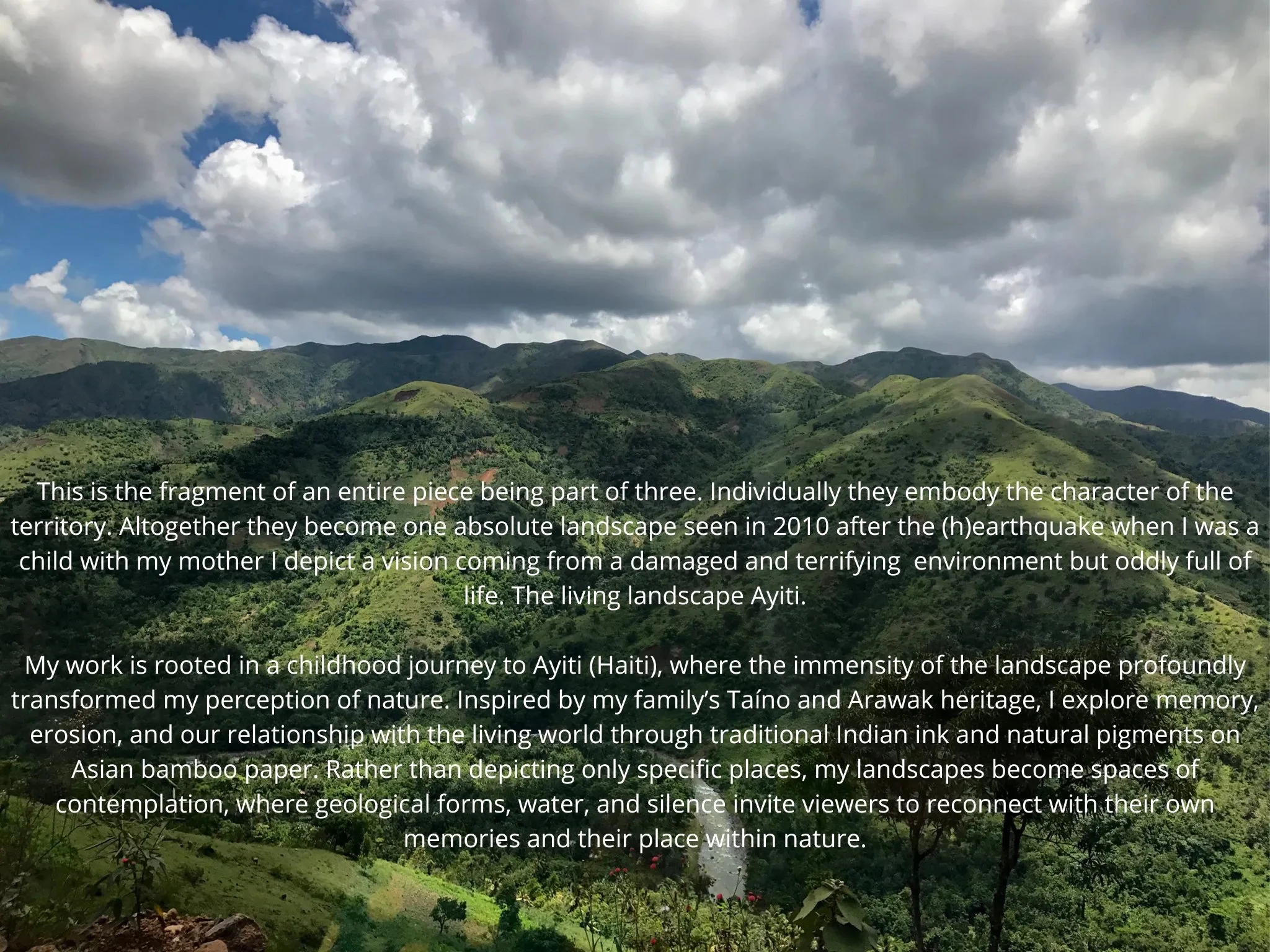
Following a journey, child with my mother, in the country where she was born, Ayïti. I have been marked. Overflowed by this environment, Stupefied by the different faces of this landscape, disfigured by the earthquake. But oddly full of life, where I felt nature alive, inundating me In each place traversed, mountain, ocean and sky, I felt ethearal nature communicating with me. Reminding my sense of belonging to this world.
The changes brought about by the Haitian Hearthquake provoked in me a feeling of awe but a weird state of well-being, amazement and delight. A feeling of what I called the sublime. This developed in me an individual conception of the beauty like I was seeing for the first time, what nature really is, beyond the beauty and reminded me of my minimal place in a new perspective.
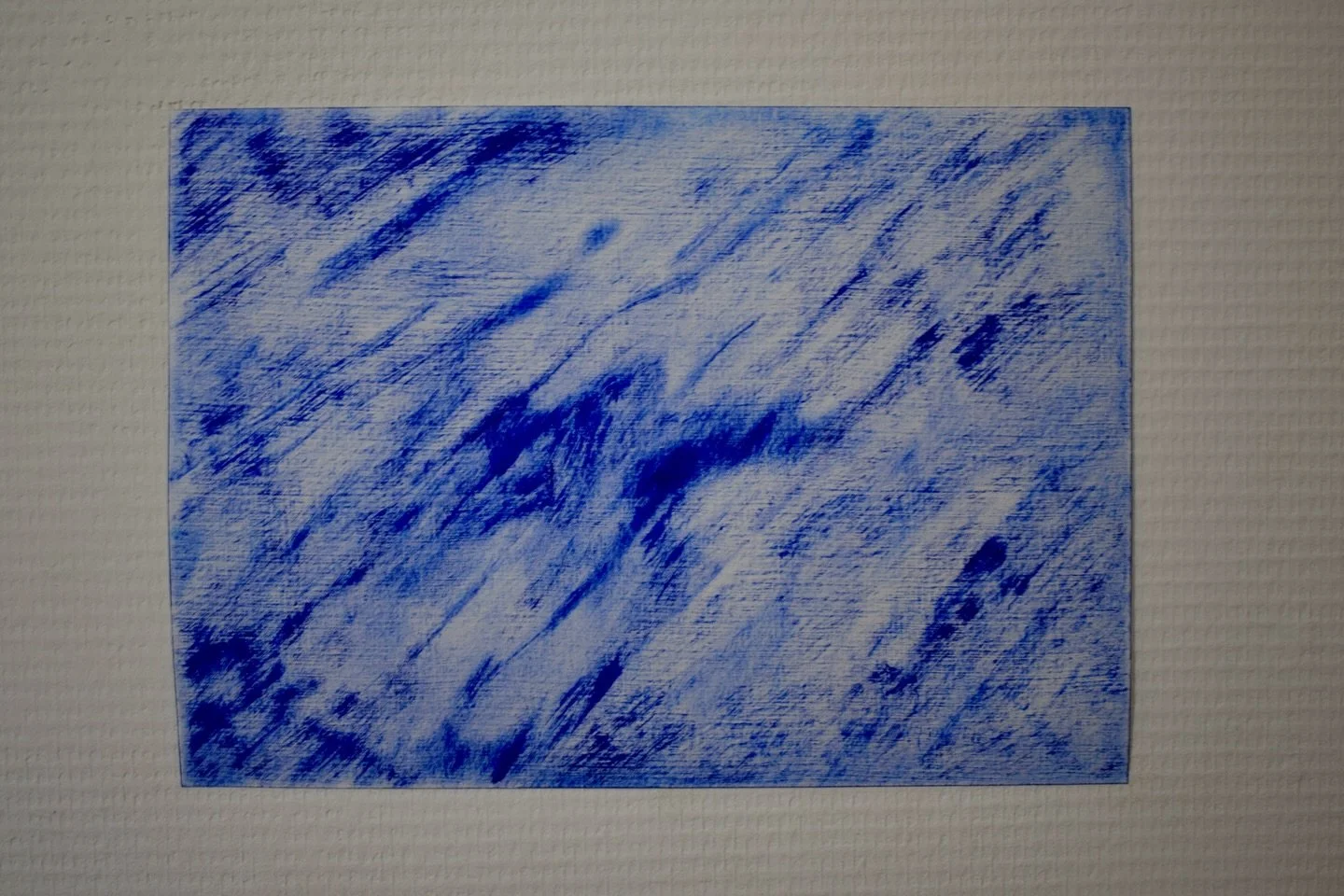
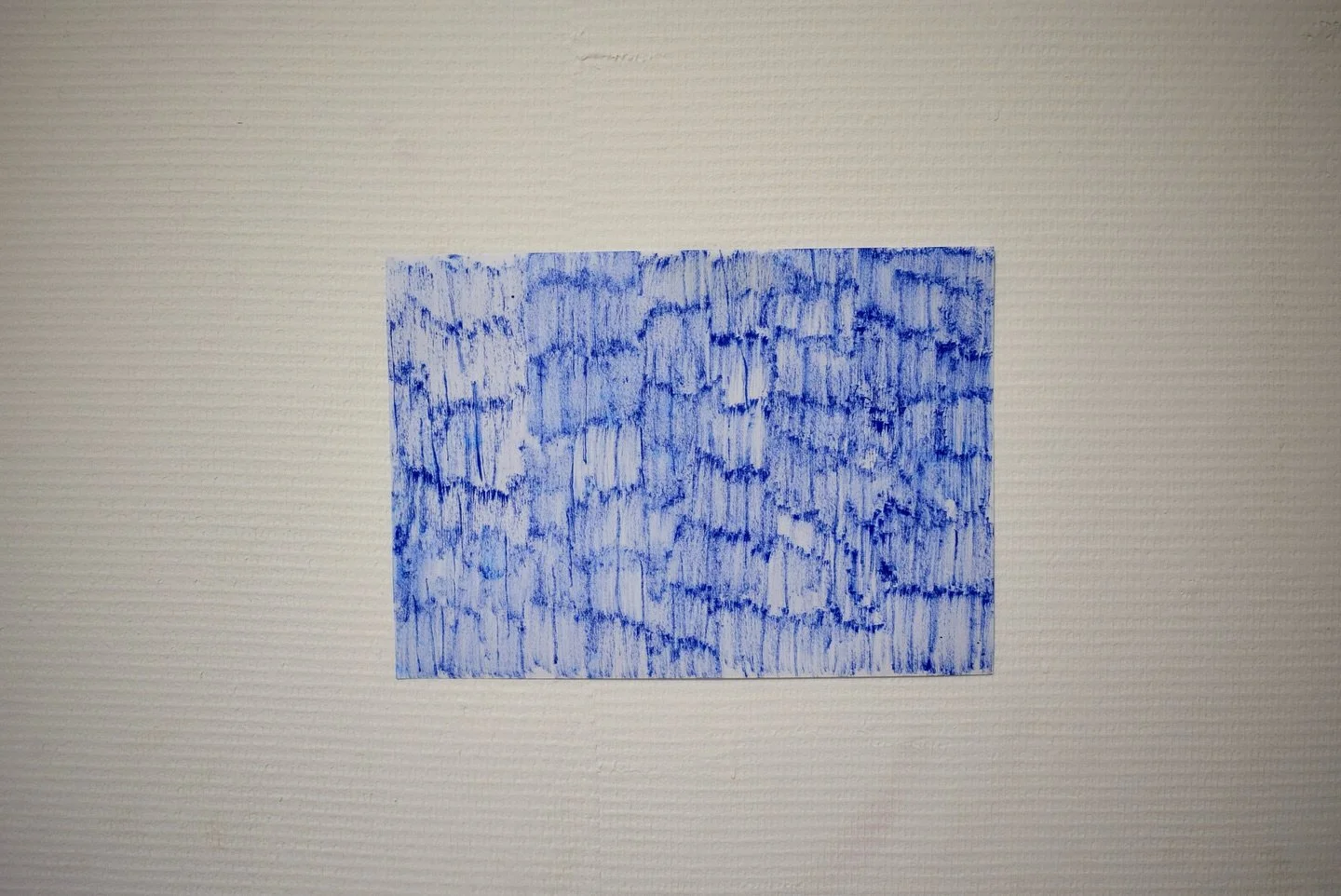
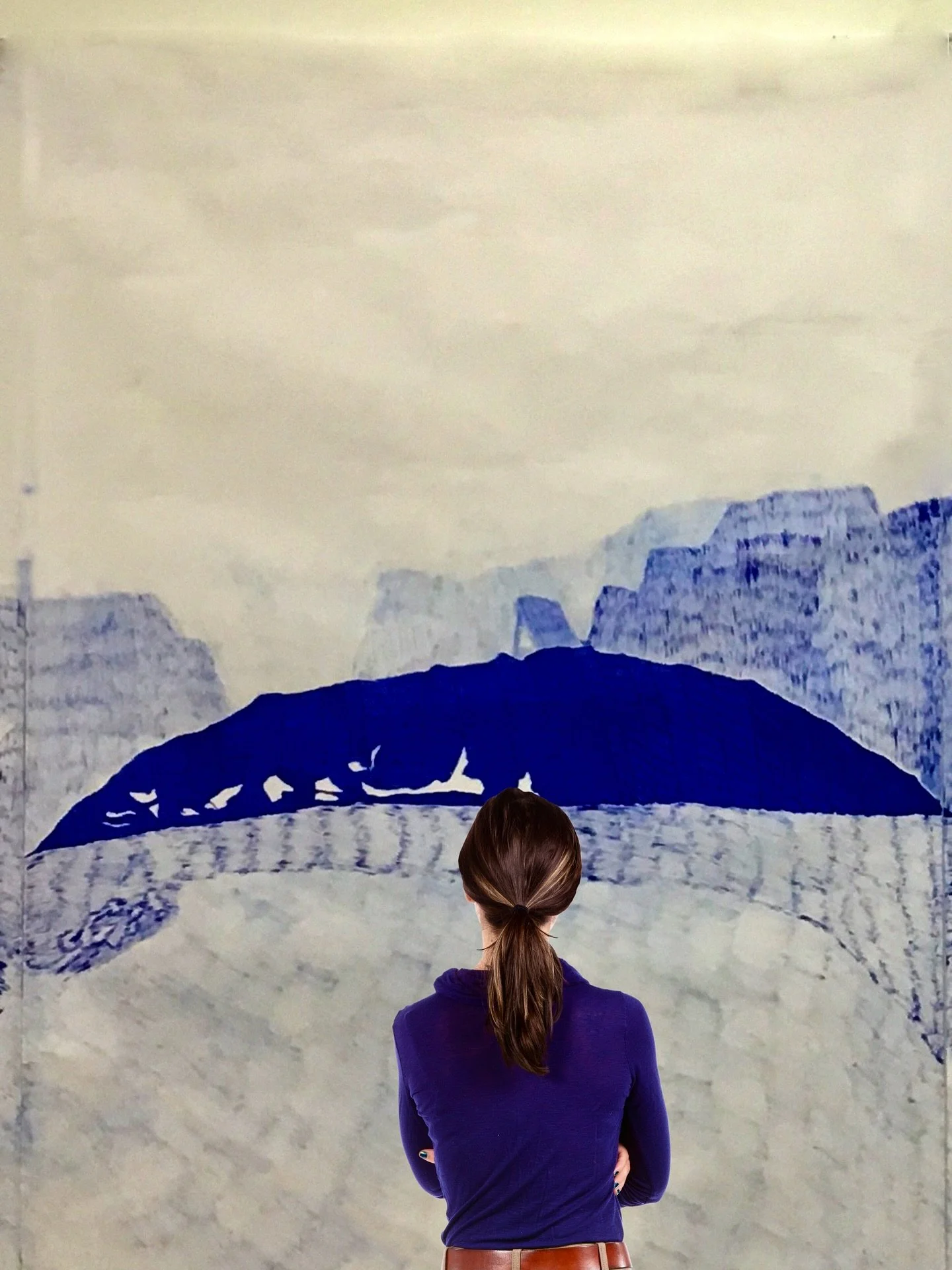
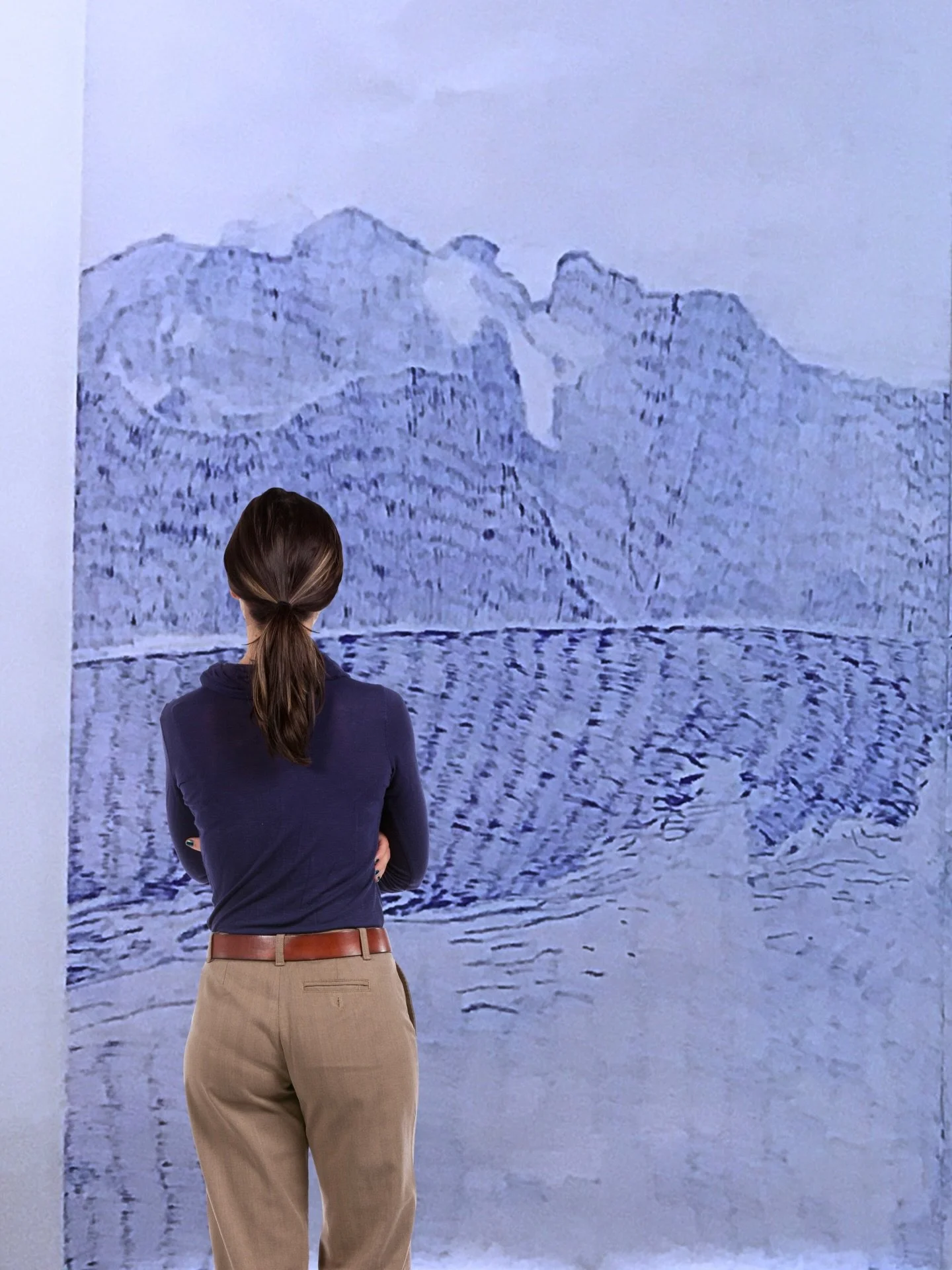
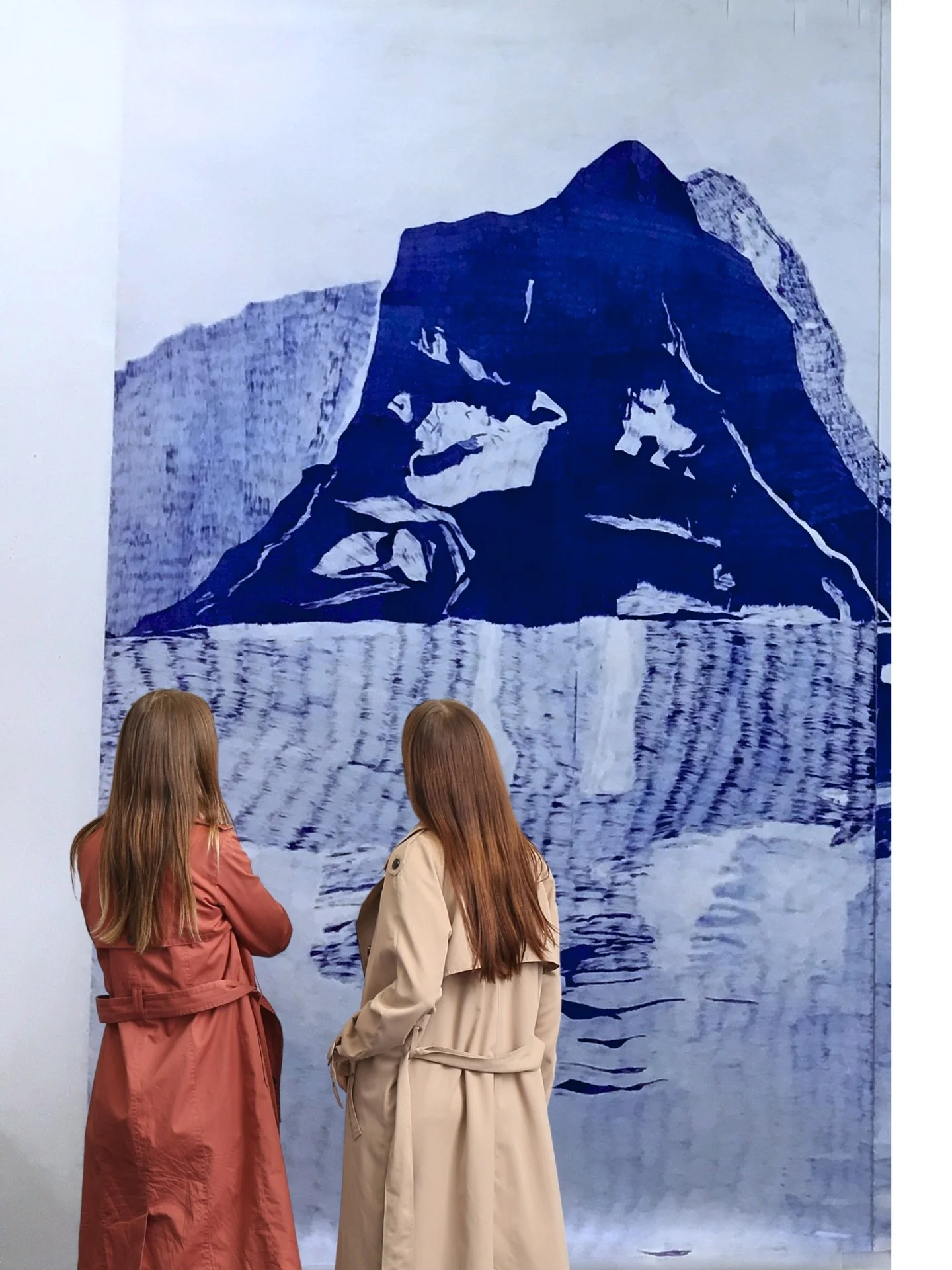
The country was culturally damaged and today, teared physically. These fault lines, visibles and invisibles have bring me to interrogate through my native cultures these environment : the entropy of an nature almighty despite human beings. These borders linked me to ecological issues. That has initiated my work on spiritual landscape supplying by oriental art : The monochrome and chan buddhism in a cathartic way are helping me to represent the matter and her constitution related to my religious vision, as a type of landscape consciousness. Inherent to that tradition, The ink permit me to reveal the appearance of the landscape, but beyond, what is inside the matter guided in her symbolic and spirtual process representing unicity and energy as an idea of soul of the landscape.
I realise my own ink following native rituals with natural elements in close process of communication with earth, who permit me to have the most immaculate shade, it allows me to get an infinite range of possibilities. driving me to the heart of the elements.
Thanks to my education : Haitian, Native American and christian. Then from my birth country, France. My eye is always shared between an oriental and occidental perception. I developed a poetic of the terrestrial not determined only by culture and nation states but movement and mobility of the traveler wondering as the wanderer.
Today seeking for this lost feeling endured once, my work on the landscape is indebted to Romanticism defined by this feeling endured once which I call the sublime. Working on the boundless phenomenons of nature source of destruction and creation, I employ an iconography from the sky, water and mineral chracteristics of Haiti’s landscape being a mountainous island, which draws my attraction for territories related to the geology. Associating geologist studies and technics to reveal the matter and her constitution with Native-American and Asian knowledges, allying science and contemplation.
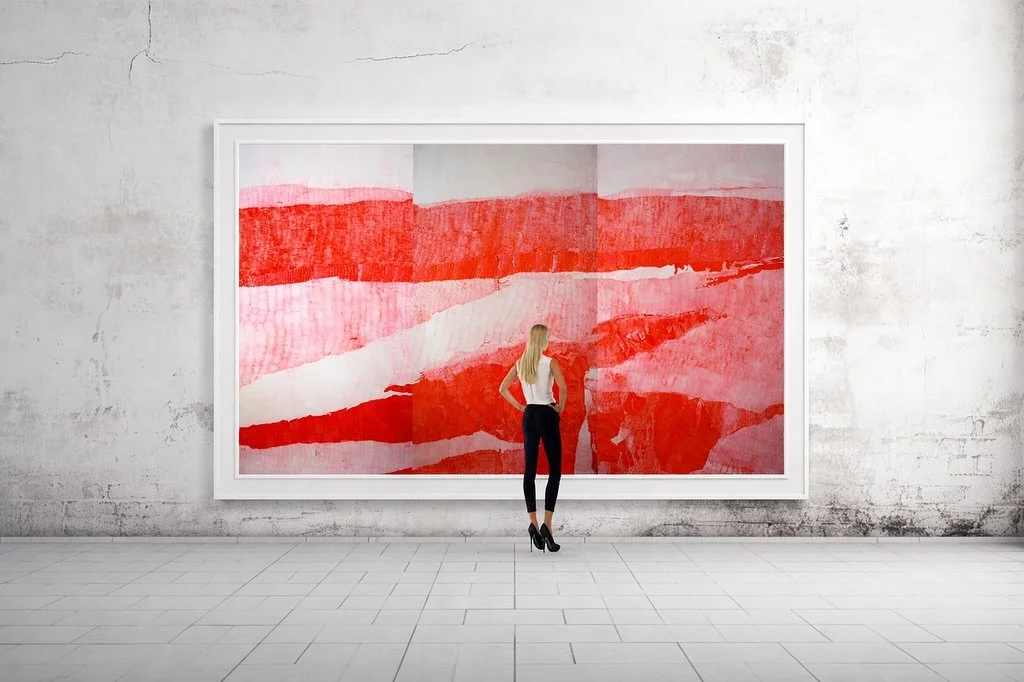
The overflowing inherent to the sublime, I attempt continually to realise landscapes giving to the finish the form of the infinite , as the Romantic concept from the romanticism. Pushing me to a quest for the size requiring like the nature a disproportionate scale to give a voluptuous confusion. I observe as a spectator, with bitterness, the increasing capitalism and a feeling in me of loss of the world I knew. We should leave behind human scale sporadically to cultivate once again our bond to the earth we don't know anymore, if we are to reach out the environmental catastrophy and regain well-being. In life.
Social Networks :
Instagram: https://www.instagram.com/Christopherprevot_Aube
Linktree : https://www.linktree.com/Christopherprevot_Aube
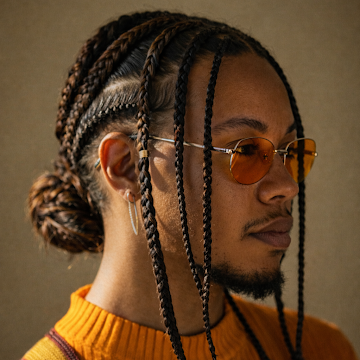
Christopher Prevot Aube
Inspiration & Style
What initially inspired you to become an artist, and how did you develop your unique artistic style?
Answer: I first been inspired by the animation industry. I grown in a modest family without financial resources in a Parisian suburb. Child I always been amazed in how beautiful the creativity and creation within Animation art could be. Then how they were able to transmit colors, dreams and hope to children’s like me dreaming of a colorful life.
Working on spiritual landscape supplying by oriental art : philosophy and monochrome traditions in a cathartic way.
Thanks to the education of my parents, Native American, Haitian and christian. Then an education from my country of origin, France my eye has always been shared between an oriental and occidental perception.
I developed a poetic of the terrestrial not determined only by culture and nation states but movement and mobility of the traveler.
Creative Process
Do you have any rituals or routines that help you get into a creative mindset when starting a new project?
Answer: I do have a routines and rituals.They are multiple researches I always do regarding the projects, litterature to increase the understanding of the former artists, before the contemporary art.Understand what they have achieve. How, and their life help me with my own situation.
Furthermore as I said the animation industry is what has first showed how powerful and therapeutic art can be. Therefore even today like a child I start each day and project watching an animation from my childhood. My personal ritual to stay creative. Be a child forever.
Artistic Influences
How do you balance historical or artistic influences with your personal style, and how do these influences manifest in your work today?
Answer: Following a journey, child with my mother, in the country where she was born, Ayiïti. I have been marked.
The changes brought about by the Haitian (h-)earthquake provoked in me a feeling of awe but a weird state of well-being and delight. A feeling of what I called the sublime. Since that moment I draw inspiration from the historical instances of the sublime travelling in painting, litterature, poesis and science, coming from different places from a place of philosophy.
Today seeking for this lost feeling,my work on the landscape is indebted to Romanticism defined by this bracing feeling endured once which I call the sublime.
I employ an iconography from,sky water, mineral own to the landscape of Haïti being a mountainous island.
The overflowing inherent to the sublime, I attempt continually to realise landscapes giving to the finish the form of the infinite , such as the German Romanticism. Pushing me to a quest for the size requiring like the nature a disproportionate scale to give a voluptuous confusion.
Emotion & Expression
How do you use your art to evoke emotions, and what role does emotion play in your creative process?
Answer: Emotion is the starting point of my practice rather than its final goal. My work emerges from a childhood journey to Ayiti (Haiti), where the immensity of the landscape profoundly changed my perception of nature and humanity’s place within it. Through traditional Chinese ink, natural pigments, and organic gestures, I explore memory, erosion, and impermanence. Rather than directing the viewer toward a specific emotion, I seek to create a contemplative space where silence, reflection, and personal experience can unfold freely.
Standout Projects
Can you share a project that stands out to you and describe the creative process behind it?
Answer: One of the projects that excites me most is still evolving. While my current practice explores contemplative landscapes through ink and natural pigments, I am increasingly interested in creating immersive environments where light becomes part of the work itself. I am inspired by artists such as James Turrell, not to imitate their approach, but by the way light can transform perception and create an emotional experience.
In the long term, I hope to bring my landscapes into dialogue with nature, ecology, and the cultural heritage of the Taíno and Arawak peoples. My ambition is to create works that move beyond representation, becoming spaces where memory, landscape, and ancestral identity can be experienced rather than simply observed.
Feedback & Growth
How do you incorporate feedback from critics or audiences into your work, and how do you balance this with your own artistic intuition?
Answer: I value thoughtful feedback as an opportunity to gain perspective on my work. Constructive criticism helps me refine how I communicate my ideas and strengthen the coherence of my practice, without compromising its core intention. I believe artistic growth comes from balancing openness to dialogue with trust in one’s own intuition. My decisions are ultimately guided by a long-term vision rather than trends or external expectations.
Motivation & Inspiration
How do you stay motivated and inspired, even when facing creative blocks or challenges?
Answer: I rarely experience creative blocks because my work is rooted in something deeply personal rather than in the search for new ideas. It grows from my childhood, my family’s history, my mother’s Taíno and Arawak heritage, and the landscapes of Ayiti (Haiti) that profoundly shaped me. The challenge is not finding inspiration, but understanding and translating what I feel into visual form.
What keeps me moving forward is my passion for creating, the determination built through years of sacrifice, and the belief that this path is inseparable from who I am. Above all, I draw strength from the unwavering support of my mother, my loved ones, and the people who have believed in my work. Their confidence reminds me to keep growing, even through moments of uncertainty.
Exhibiting Work
How do you feel about exhibiting your artwork with The Holy Art Gallery, and what does this opportunity mean to you?
Answer: Exhibiting with The Holy Art Gallery represents a meaningful opportunity to share my work with a new international audience and become part of a wider artistic community. Beyond exhibiting my work, I value the possibility of building genuine connections with collectors, curators, galleries, and fellow artists. I hope this collaboration will foster meaningful dialogue, open new opportunities, and contribute to the long-term development of my artistic practice.
Future Goals
What are your long-term goals and aspirations as an artist, and how do you plan to achieve them?
Answer: My long-term goal is to continue expanding my practice beyond the painted surface, creating increasingly immersive works that deepen the relationship between landscape, nature, and perception. I hope to develop a body of work that pays tribute to the Taíno and Arawak heritage of my family, not through illustration, but through a contemporary visual language rooted in memory, ecology, and contemplation.
As my practice evolves, I would like my work to become a source of inspiration, particularly for Taíno, Arawak, and Haitian communities that remain underrepresented within the contemporary art world. If my journey can encourage others to believe that ambitious artistic paths are possible regardless of their background, I will consider that one of my greatest achievements.
Beyond painting, I hope to collaborate across disciplines—including animation and sustainable fashion—with people who share a commitment to creativity, cultural respect, and environmental responsibility. Whether these ambitions evolve over time or take unexpected forms, they all stem from the same desire: to create work that connects people, nature, and culture in meaningful ways.
Audience Connection
What do you hope viewers take away from experiencing your art, and how do you aim to connect with them on an emotional or intellectual level?
Answer: I hope my work encourages viewers to slow down and experience a moment of quiet contemplation. Rather than offering fixed meanings, I invite each person to bring their own memories, emotions, and personal experiences to the work. Through landscapes shaped by erosion, natural materials, and the dialogue between abstraction and nature, I hope to create a space where reflection, memory, and our relationship with the living world can quietly emerge.