“THE TRIAL”
My work explores a timeless yet profoundly relevant subject: war and its futility. It is a message that invites each of us to reflect, to be unsettled, and even to embrace confusion. Through a surreal visual language rich in allegory and symbolism, the viewer may discern one of the countless horrifying truths of war.
With my work, "The Trial", I hope to shake, provoke thought, and deeply unsettle those who experience it.
“The Trial” explores architectural structures, their deconstruction, and the destruction of materials through a woven fabric of familiar visual representations that come together to form something unknown to the viewer. Warm, calm, and inviting, color encourages the viewer to engage with the work and unravel the mystery unfolding before their eyes, while simultaneously allowing themselves to become immersed in the conceptual mutability of the forms.
The brushstrokes, at times precise and deliberate, at others tangled and serpentine, transform into an almost poetic surface, where two worlds, radically different from one another, interact and struggle to claim the first impression upon the viewer’s retina. Serene interventions within a world immersed in anguish and hardship transform suffering into an even more intense and exhausting ordeal.
Similarly, in my work, the tranquil and peaceful scene beside a burning ship becomes a monumental moment in which everything represented suddenly acquires a sinister character. The application of thick, bold masses of paint onto the canvas creates relief-like forms, lending further intensity to the scene and, consequently, to the painting itself. In this way, the work becomes a magical experience, as the magic that exists between the artist and the work is transferred into the relationship between the work and the viewer.
Social Networks :
Instagram handle: @dimitris_mrst & @drmarsgallery
Website: https://drmarsgallery.carrd.co
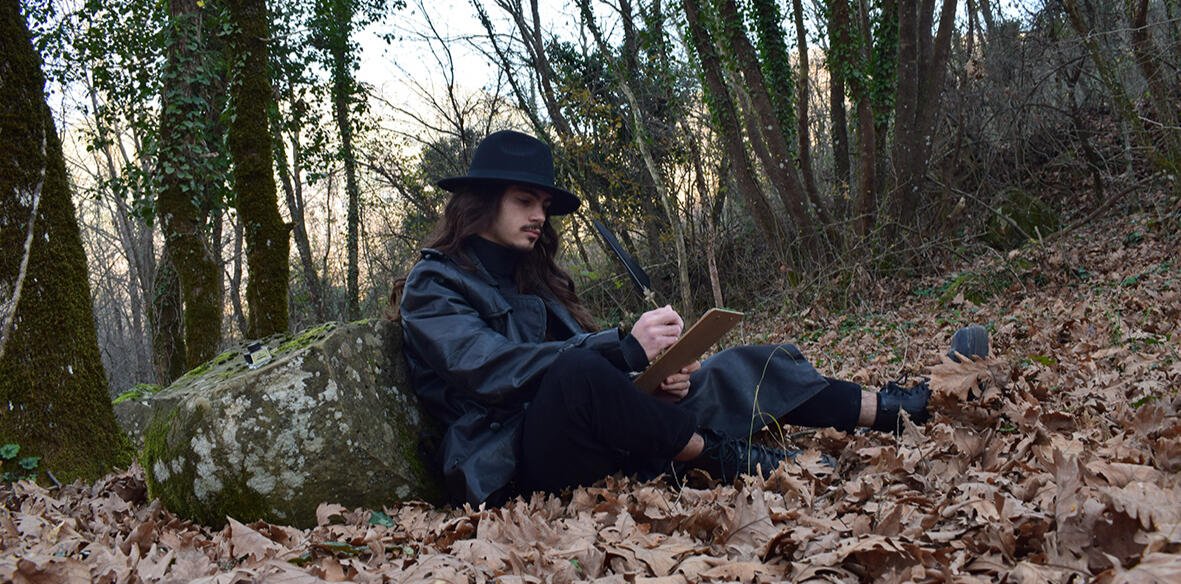
Dimitrios-Rafail Marsitopoulos
1. Inspiration & Style
Question: What initially inspired you to become an artist, and how did you develop your unique artistic style?
Answer: I was inspired at a very young age by children’s books and comics, particularly the work of Carl Barks. I began creating children’s comics of my own. Over the years, I gradually discovered other aspects and fields of art, which led me to further develop the techniques and mediums I would use in my work. Through my art, I eventually found my own voice – that which defines me the most – and my artistic practice became fully focused on this direction. In doing so, I discovered and developed my own artistic style.
2. Creative Process
Question: Do you have any rituals or routines that help you get into a creative mindset when starting a new project?
Answer: Very often, when I begin a new project, I go for a walk outdoors or put on some progressive music and let my mind wander wherever the notes may take me. Colors, lines, and fragments of text begin to appear in my mind, and I feel the need to immediately capture them in a sketchbook or notebook that I always keep close at hand. Quite often, the walk I take will lead me to a café, where I sit by myself and use the sketchbook I have brought with me to capture the ideas and images that came to me along the way.
3. Artistic Influences
Question: How do you balance historical or artistic influences with your personal style, and how do these influences manifest in your work today?
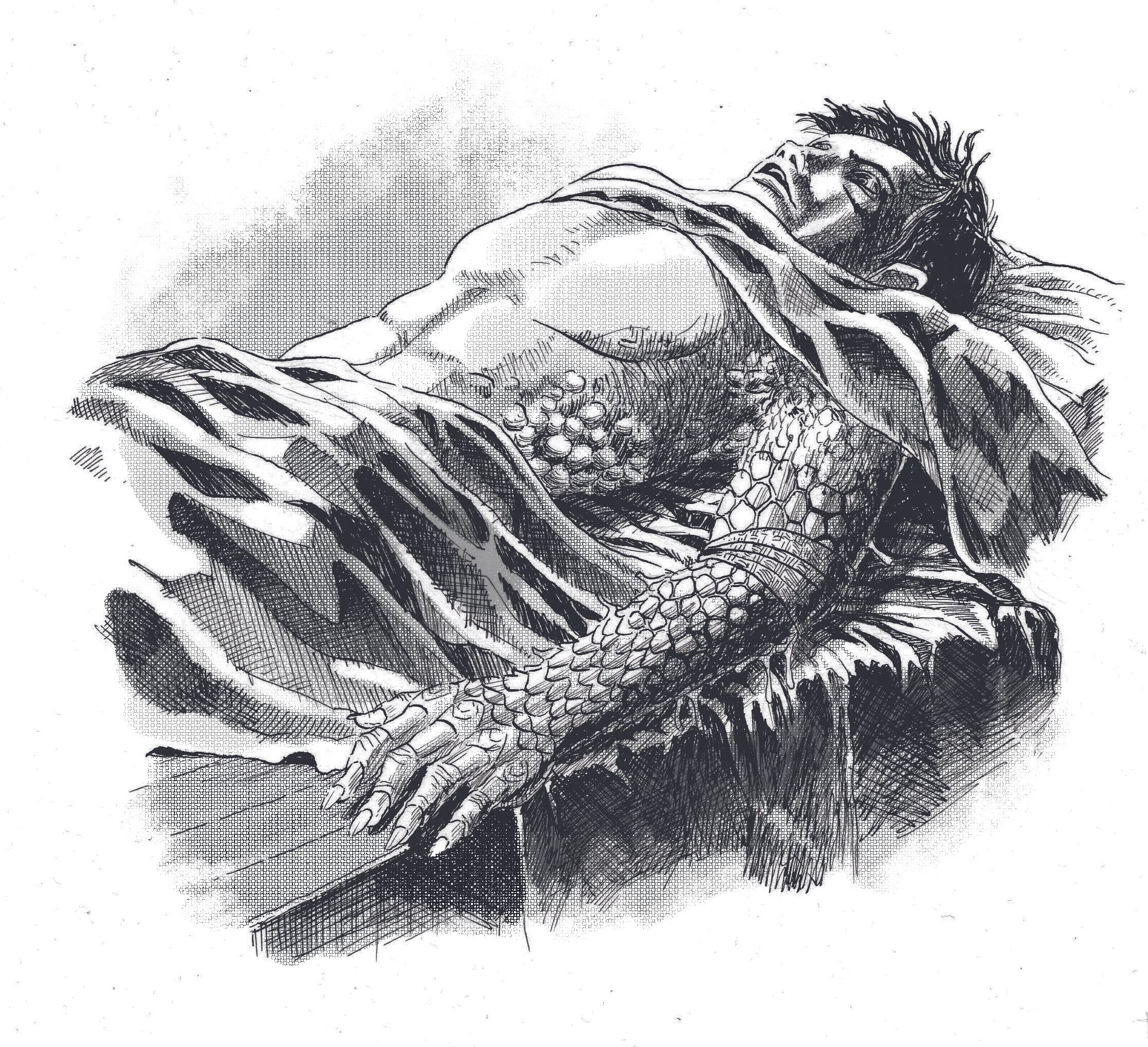
Answer: I am deeply influenced by the history of art. Artists such as Claude Monet, Francisco de Goya, and J. M. W. Turner have offered me a different perspective on the ways in which color can be used and expressed. Rene Magritte, Salvador Dali, Marc Chagall, Pablo Picasso, and Francis Bacon are among the artists whose philosophies and ideas behind their work have influenced my own way of thinking when I sit down to create. However, the artists who have had the greatest influence on my work are Gustave Dore, Otto Dix, Francis Bacon, Man Ray, Odilon Redon, and Goya, particularly his engravings. My personal style consists primarily of surrealist elements expressed through ink and line, creating a visual language reminiscent of the distinctive structure and aesthetic of printmaking.
4. Emotion & Expression
Question: How do you use your art to evoke emotions, and what role does emotion play in your creative process?
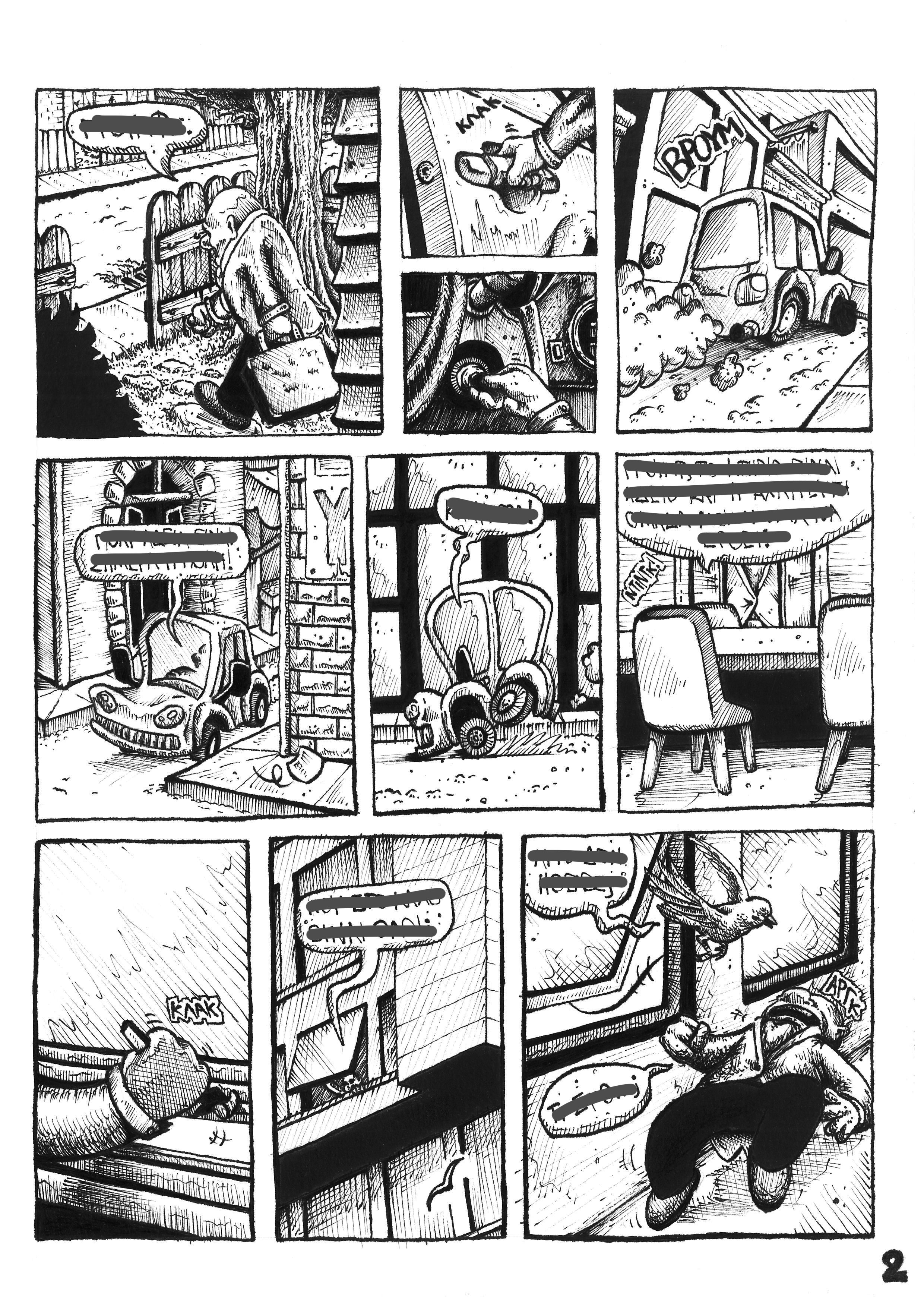
Answer: Emotion is the most important element in my work. Every creative process begins with an emotion. I primarily focus on the writing and creation of graphic novels, a form of art through which I have found the most powerful way to convey emotions while also evoking them in the reader. Through emotional and moving stories, filled with mysteries and allegories about life itself, I aim to create an experience in which the reader or viewer can identify with the characters and the story – to feel, to empathize, to cry, and even to be frightened.
5. Standout Projects
Question: Can you share a project that stands out to you and describe the creative process behind it?
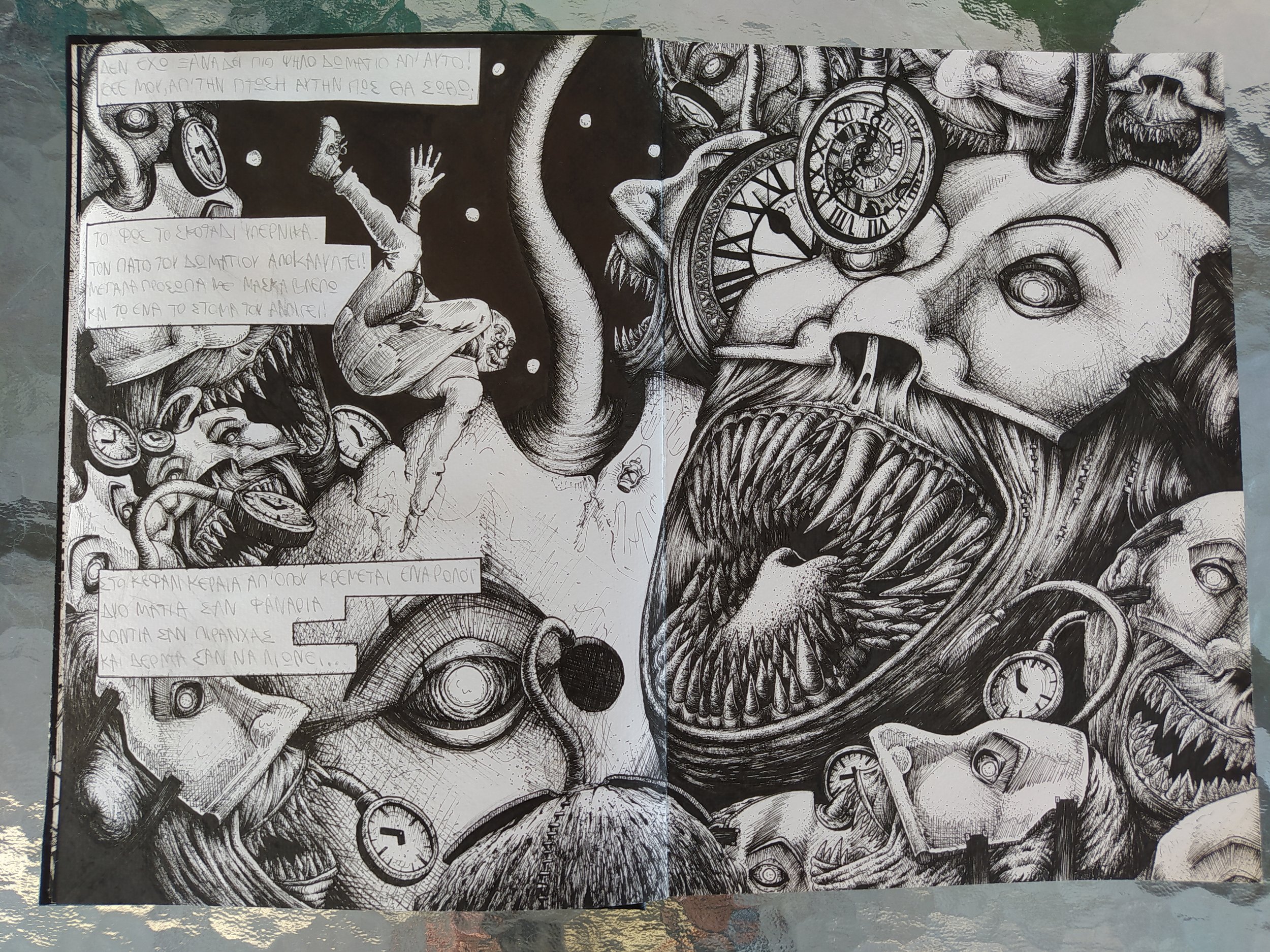
Answer: This double-page spread is part of a book I created when I was around 13-14 years old, which is why it holds great personal significance for me. I am still impressed by the fact that I was able to create a work like this at such a young age. The creative process behind the piece involved pushing myself to my limits and bringing out as much of my artistic ability as possible. I wanted to create an illustrated book in which the viewer’s eye could become lost, constantly searching for answers within utterly absurd and surreal environments. I created it using nothing more than a simple fine-liner pen across two A4 pages, together with a great deal of imagination. I believe it is also worth noting that I am now 20 years old, and that my artistic abilities and visual language have developed considerably since I created this work at the age of 13-14. This piece therefore represents not only an important part of my artistic journey, but also a point of reference from which I can see how much I have grown as an artist.
6. Feedback & Growth
Question: How do you incorporate feedback from critics or audiences into your work, and how do you balance this with your own artistic intuition?
Answer: I believe that not every piece of feedback should necessarily lead me to a change in the work. My artistic intuition and the emotional intention behind a piece remain my main guides. I try to distinguish between feedback that helps me communicate an idea more effectively and feedback that would compromise the original vision of the work. Ultimately, I take criticism as a tool for growth rather than a set of instructions. It allows me to question my choices, refine my techniques, and continue developing my artistic language while remaining true to my own vision.
7. Motivation & Inspiration
Question: How do you stay motivated and inspired, even when facing creative blocks or challenges?
Answer: Rather than seeing my work as something I create for society as a whole, I see it as something I create for the people I know, the people who love me and whom I love. Suddenly, the creative process becomes filled with so much more passion and dedication, because I know my audience personally and I know that my work will excite them. Whenever I create something, I need to know that I am creating it for someone. Sometimes that someone is myself, but most of the time, it is not. I have more ideas than I have time to bring them to life, so I would say that running out of ideas is something I don’t have to worry about just yet.
8. Exhibiting Work
Question: How do you feel about exhibiting your artwork with The Holy Art Gallery, and what does this opportunity mean to you?
Answer: This is a truly wonderful opportunity to share a part of myself with people who may genuinely appreciate it. I feel deeply honored that this particular work of mine – my very first oil painting, and therefore a piece of great emotional significance to me – will be exhibited alongside so many beautiful works of art in such an important exhibition. Thank you very much for giving me the opportunity to experience something so incredible. I am more than grateful that you chose my work, as it means that you found something beautiful in it. For an artist, there is perhaps no greater feeling than knowing that their work is appreciated and has resonated with others. Lastly, I truly hope and wish that people who may genuinely be interested in my work, pursue to find out more about me as an artist and learn about the book I am writing.
9. Future Goals
Question: What are your long-term goals and aspirations as an artist, and how do you plan to achieve them?
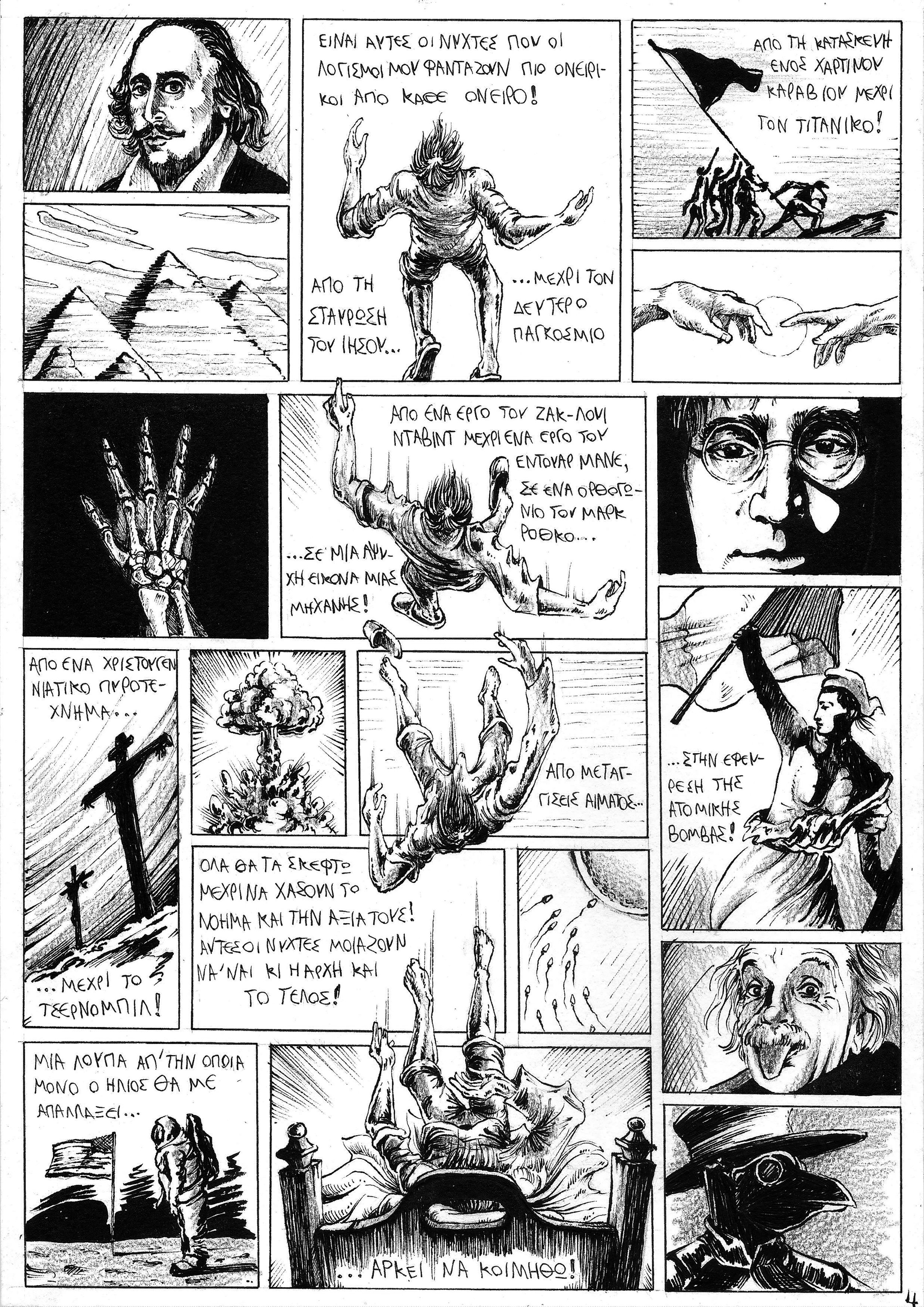
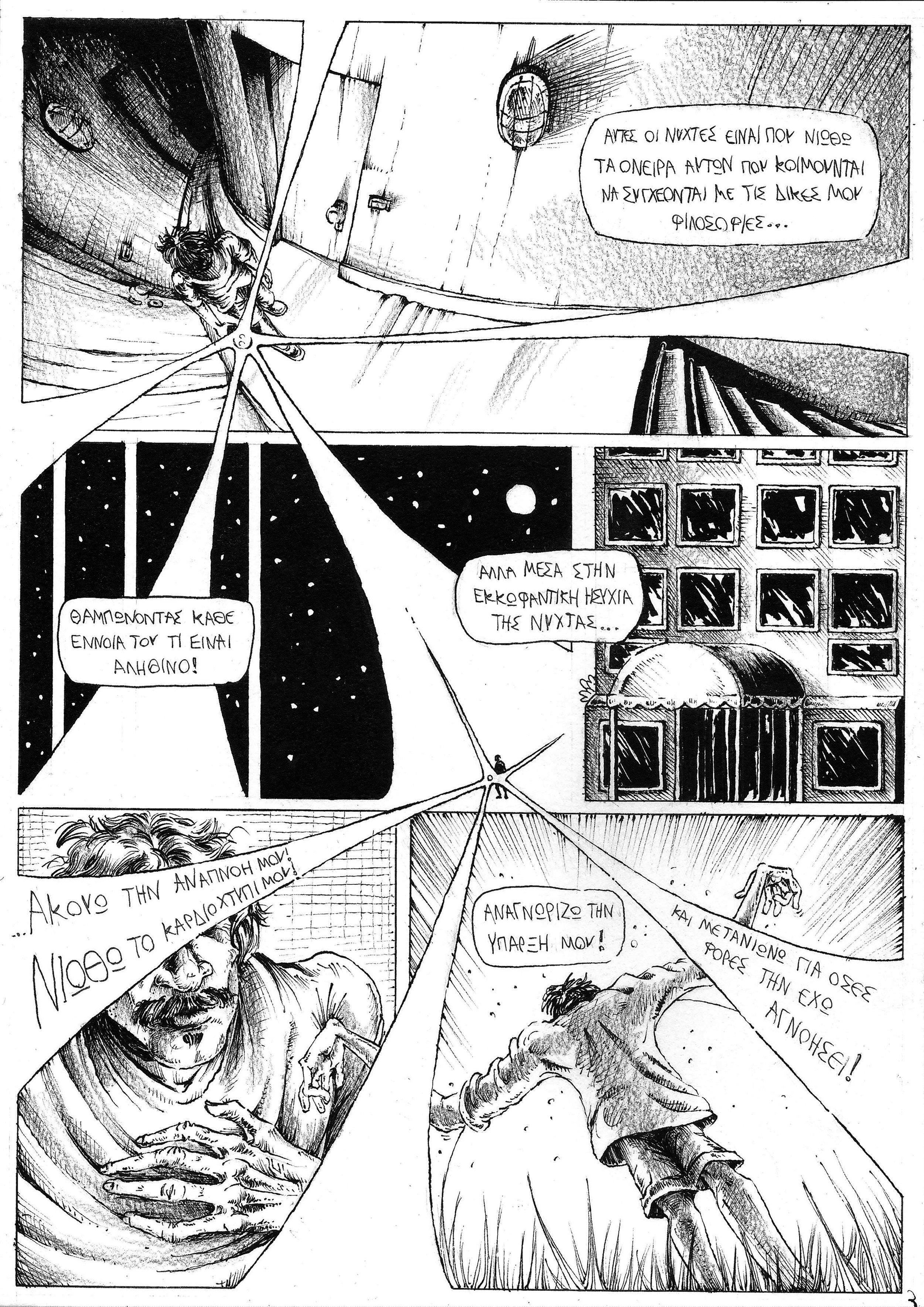
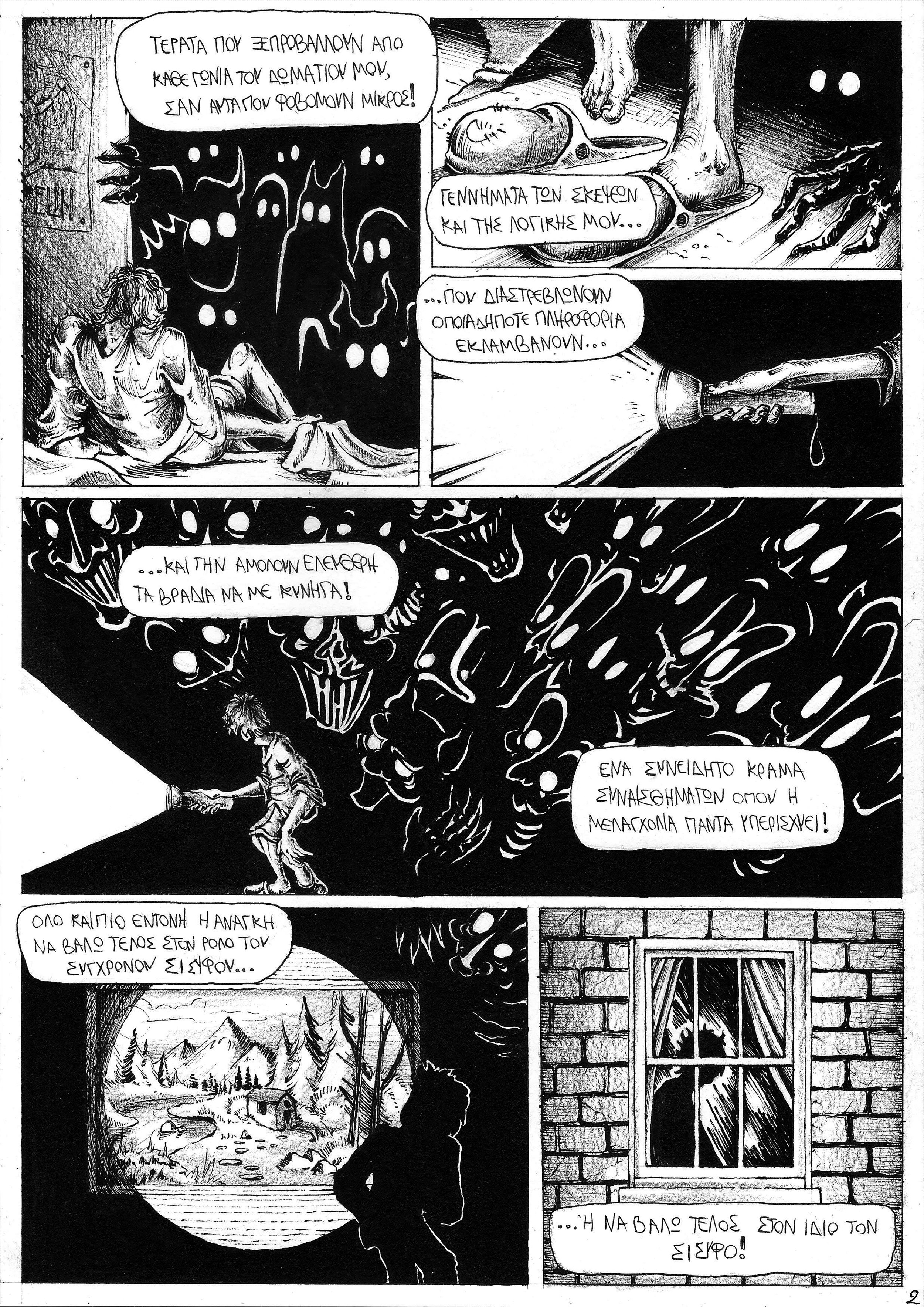
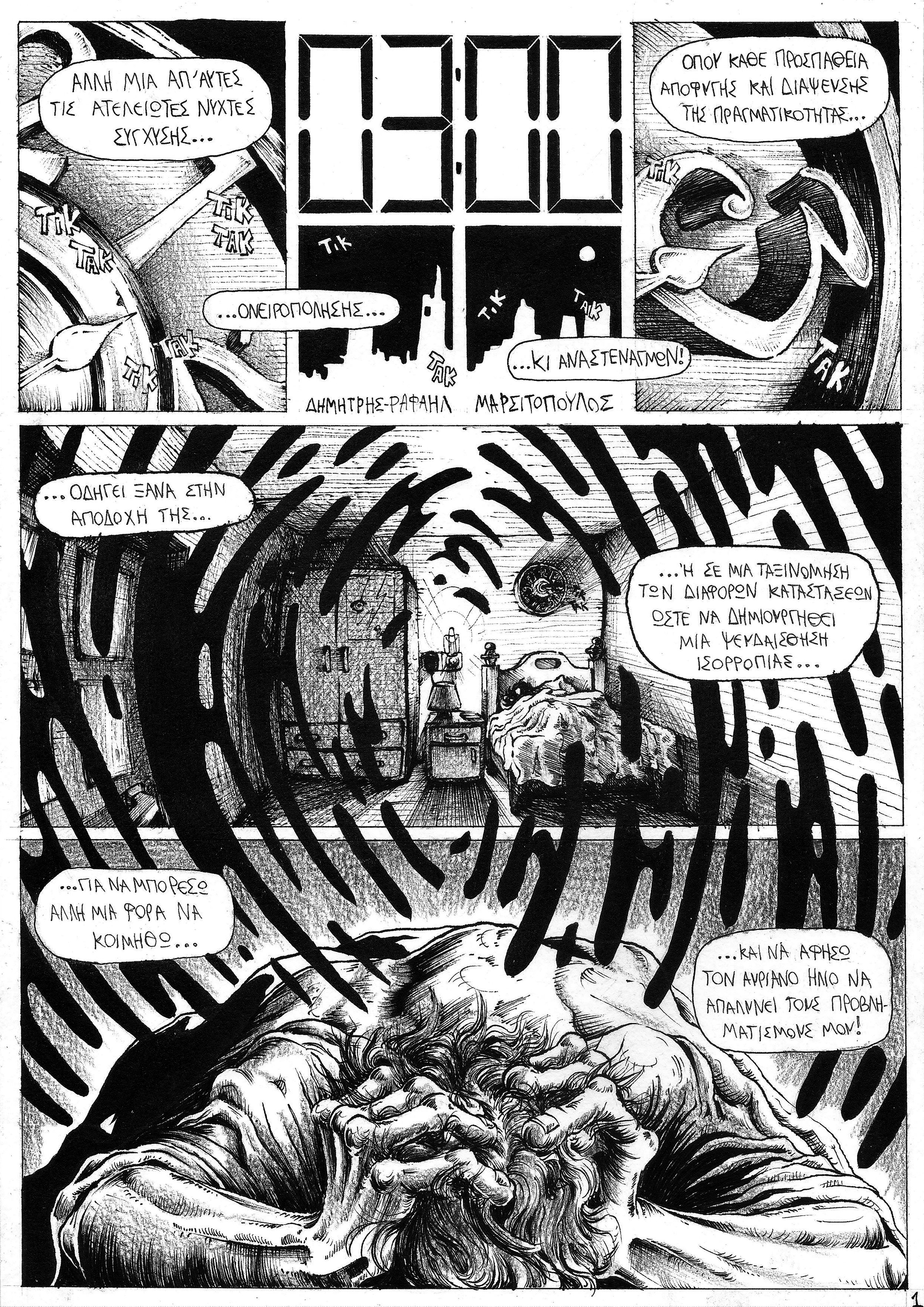
Answer: My long-term dream as an artist is to publish the graphic novel I am currently working on. It is a book of nearly 1000 pages, filled with original artwork, with every page created entirely by hand using traditional techniques. It is a story full of meaning and emotion, into which I have poured everything that is within me. In the portfolio you requested, I will include several pages from this book to give you a glimpse into the work and the world I am creating. My plan for achieving this goal is, first and foremost, to complete the entire story. Once the work is finished, I intend to approach major publishers abroad and seek the opportunity to have it published. This is my lifelong dream, because this project means everything to me. Another part of my dream is to complete my university studies at the institution I am currently attending. I am studying Architecture at the National Technical University of Athens (NTUA), also known as the Athens Polytechnic.
10. Audience Connection
Question: What do you hope viewers take away from experiencing your art, and how do you aim to connect with them on an emotional or intellectual level?
Answer: What I hope to achieve through my work is to stimulate the viewer's thoughts – to raise questions in their mind and to encourage them to search for answers within the enigmatic environment I have created. When the viewer finds the answer hidden within the work, I hope they experience a sense of satisfaction as the questions that initially arose begin to dissolve, but also a sense of horror, as the subject of the work is far from pleasant. I hope to connect with the viewers through the shared sense of aversion that I believe we all have toward war and its horrors, while also creating a connection through our appreciation of surrealism and the allegorical ways in which ideas and meanings can be expressed through painting.