Lumi Liu is a New York–based artist and designer whose work explores the relationship between humans, nature, and the inner self. Drawing inspiration from science and the natural world, her practice reflects on how we understand ourselves and our connection to the world around us.
Social Networks :
Instagram handle: @lumi_illustration
Website: https://lumidesign.cargo.site/
Lumi Liu
1. Inspiration & Style
Q: What initially inspired you to become an artist, and how did you develop your unique artistic style?
A: My work as a medical communication designer initially inspired me to become an artist. My role is to translate professional medical information into visuals that are accessible to a broader audience, which has given me many opportunities to work with medical experts and scientists. Through these conversations, I became fascinated by the invisible structures and systems within the human body and realized their artistic potential.
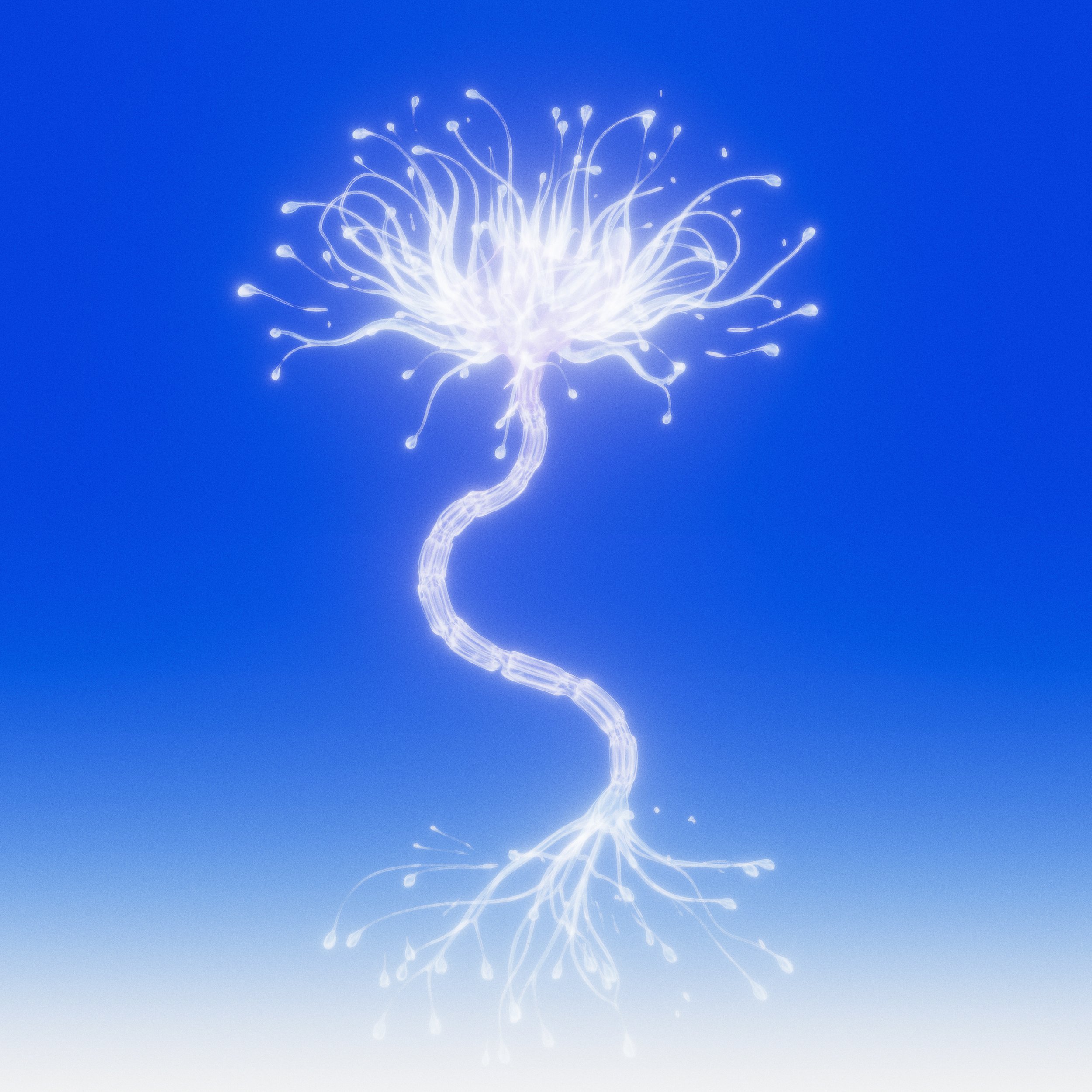
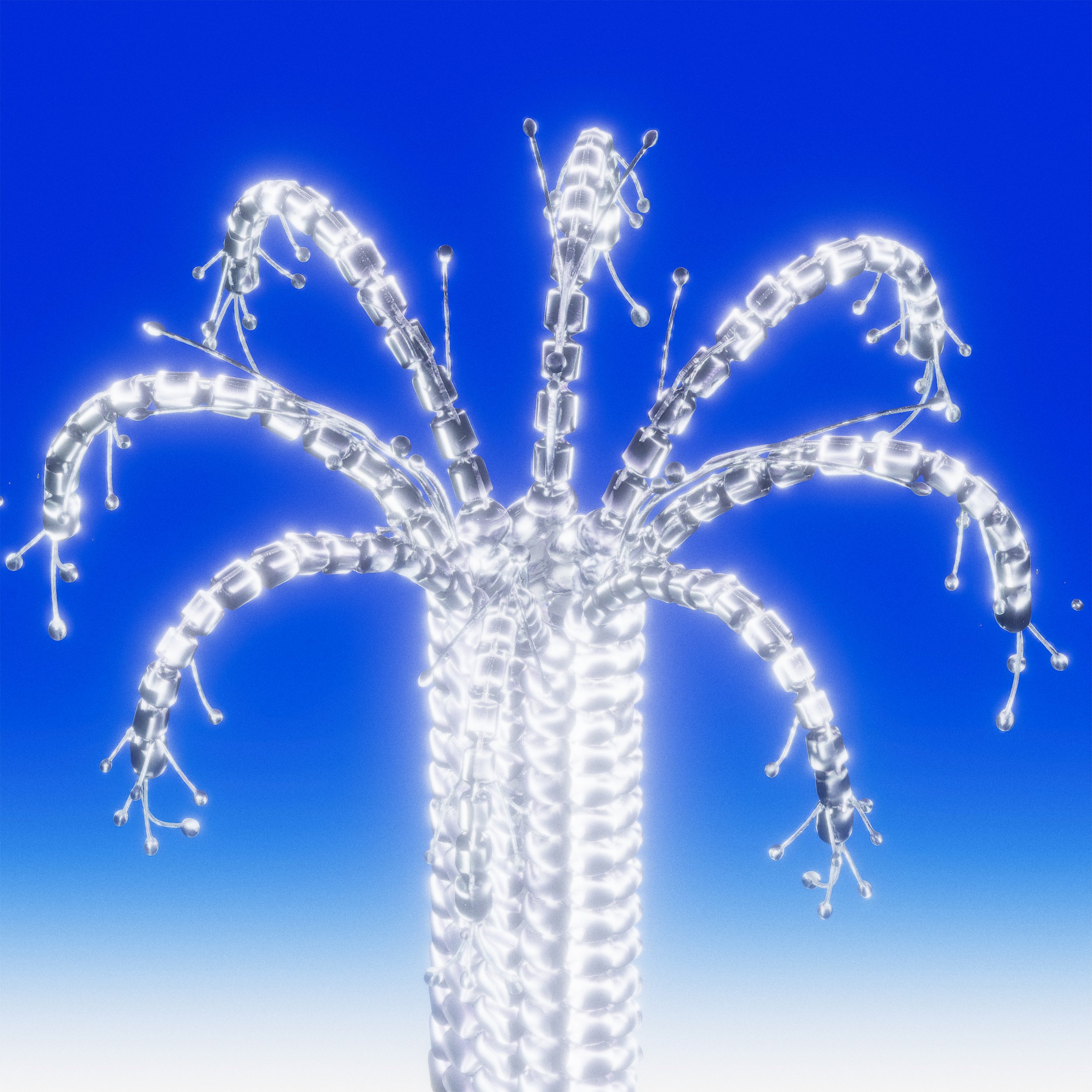
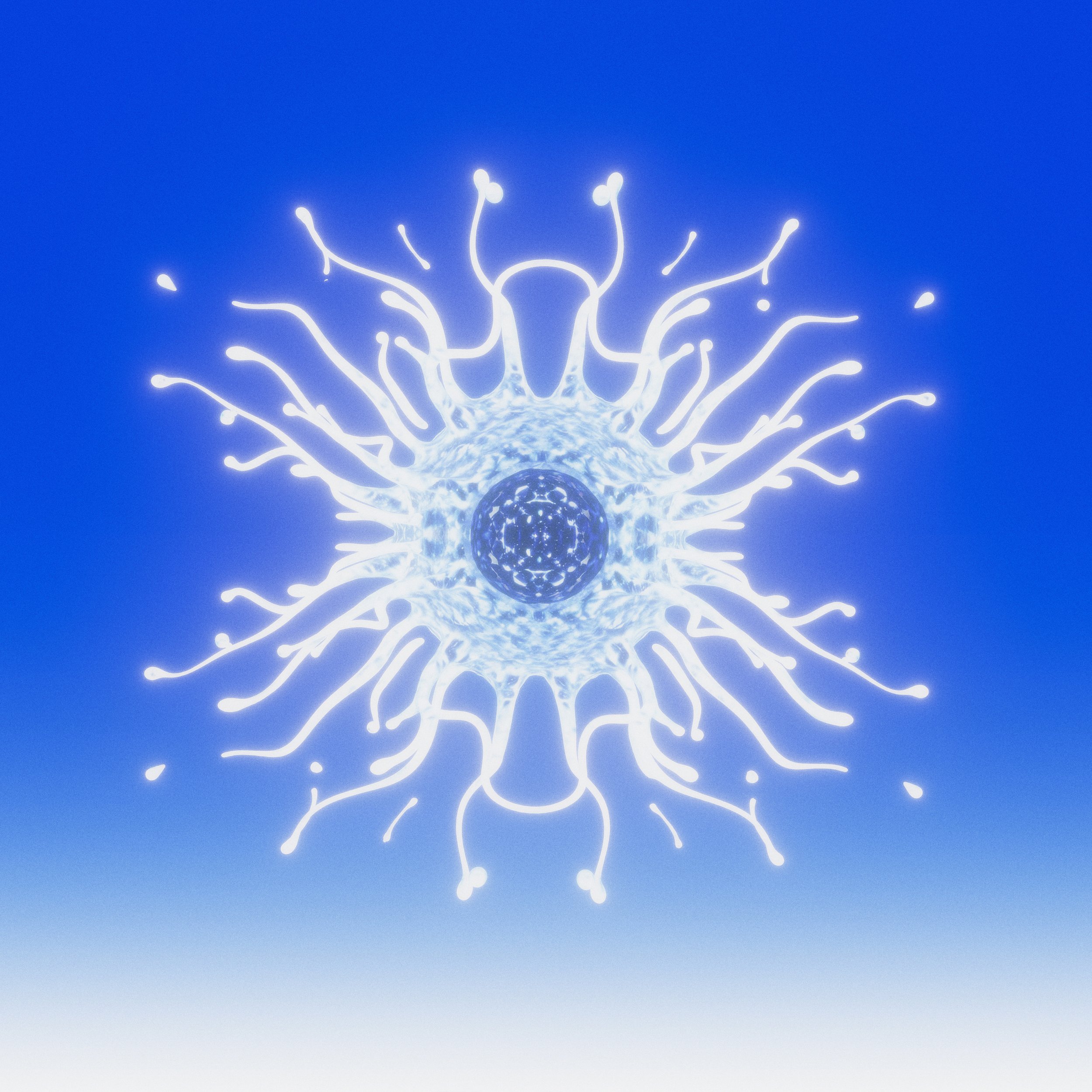
My practice explores the balance between scientific accuracy and artistic expression. Through illustration and 3D modeling, I visualize this invisible world in a way that is both scientifically grounded and visually compelling, revealing how fascinating the human body can be while communicating the science behind it.
2. Creative Process
Q: Do you have any rituals or routines that help you get into a creative mindset when starting a new project?
A: I usually start a new project with brainstorming and visual mapping. I collect a wide range of references, from scientific images that may seem abstract or difficult to recognize, to futuristic art and design. I’m often inspired by the unexpected shapes and structures I find in scientific imagery.
From there, I combine observation with imagination, allowing a fictional visual world to gradually form in my mind. I then experiment with different tools, whether 2D or 3D, to translate that imagined world into a visual form.
3. Artistic Influences
Q: How do you balance historical or artistic influences with your personal style, and how do these influences manifest in your work today?
A: I believe every artist grows from what came before us. No one creates from an entirely blank canvas. For me, classical art, especially Renaissance art, has been an important influence. I’m fascinated by how a single still image can contain such rich, dramatic storytelling.
I don’t directly borrow historical visual elements or illustrate historical stories. Instead, I’m inspired by the narrative thinking behind them. In my own work, I use contemporary visual forms to reveal the dramatic stories hidden within the invisible world. I think we can learn from art history without copying its appearance, taking its ideas and approaches to storytelling while developing a visual language of our own.
4. Emotion & Expression
Q: How do you use your art to evoke emotions, and what role does emotion play in your creative process?
A: Artwork is a window into the artist’s inner world. Whether the work is objective or subjective, something of the artist’s emotions and personality will always become part of it.
Although I’m quite outgoing in daily life, my work reflects a quieter and more peaceful side of myself. Creating art feels like having a conversation with my inner self, and I naturally pursue a sense of calm in the process. In a world where everything moves quickly and we are constantly scrolling through information, I hope my work can create a moment of stillness, for myself and for the audience.
5. Standout Projects
Q: Can you share a project that stands out to you and describe the creative process behind it?
A: One project that stands out to me is Within, a digital art series that brings together my background in medical communication and my artistic practice. Through poetic visual storytelling, I explore the invisible structures within the human body and transform scientific imagery into more imaginative visual forms.
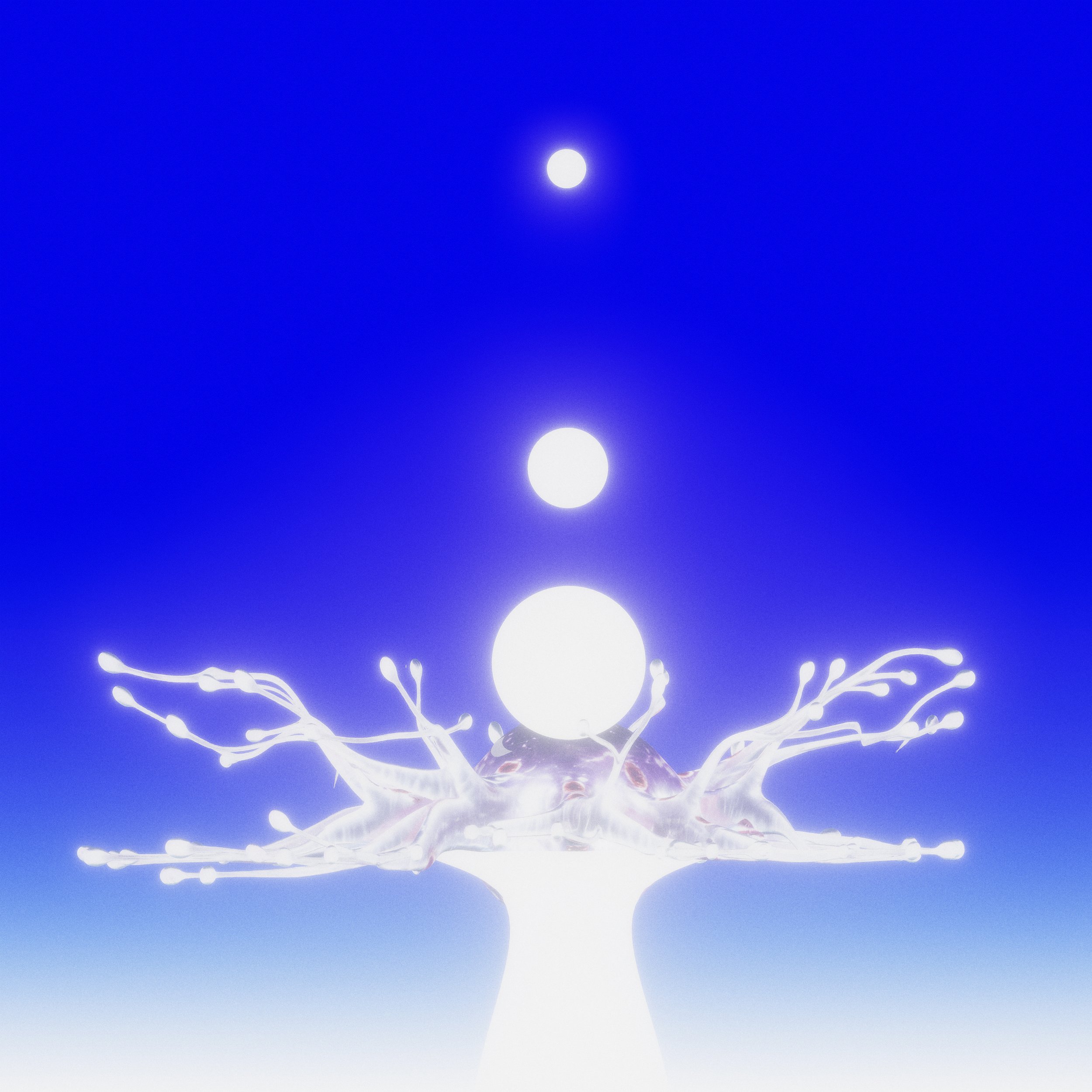
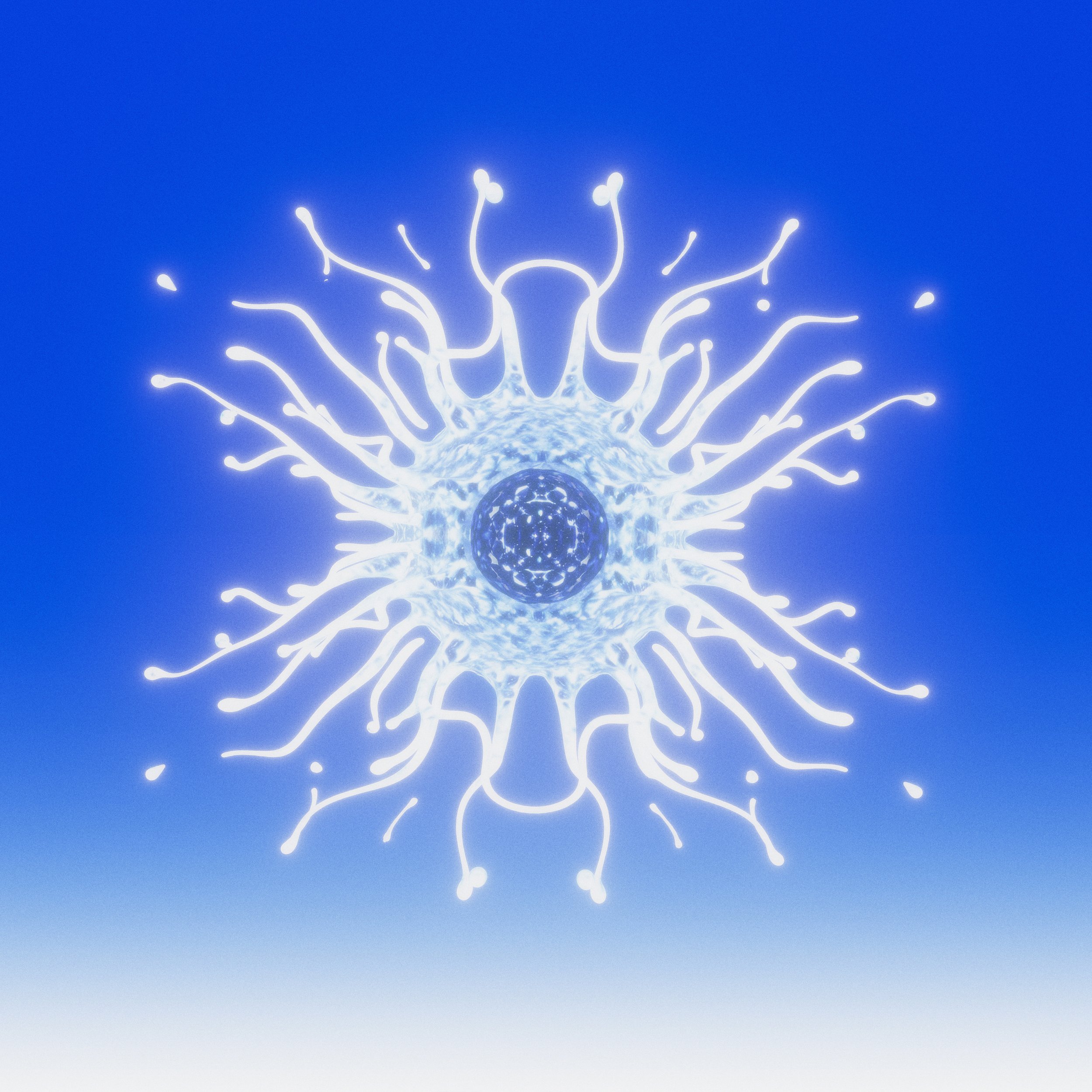
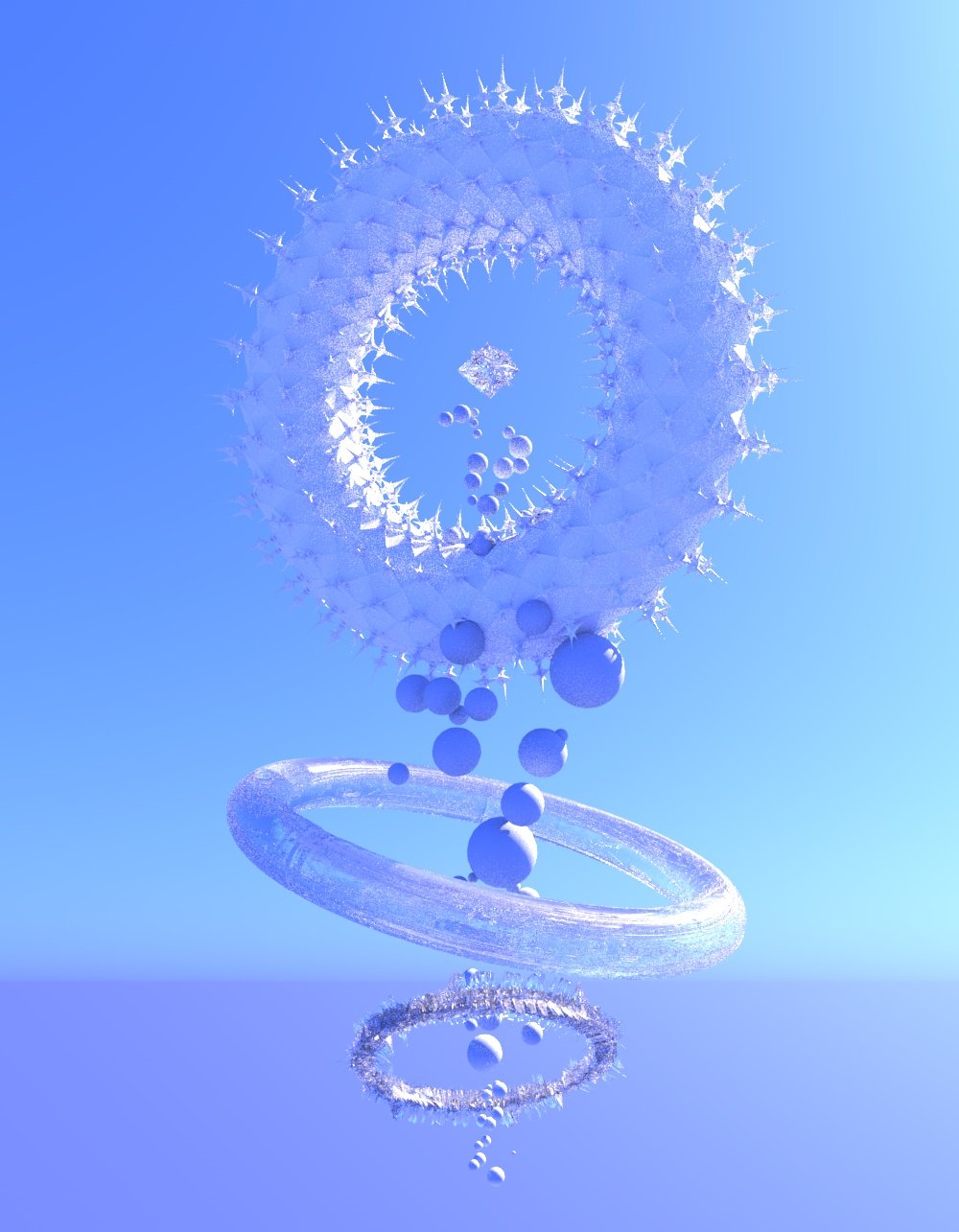
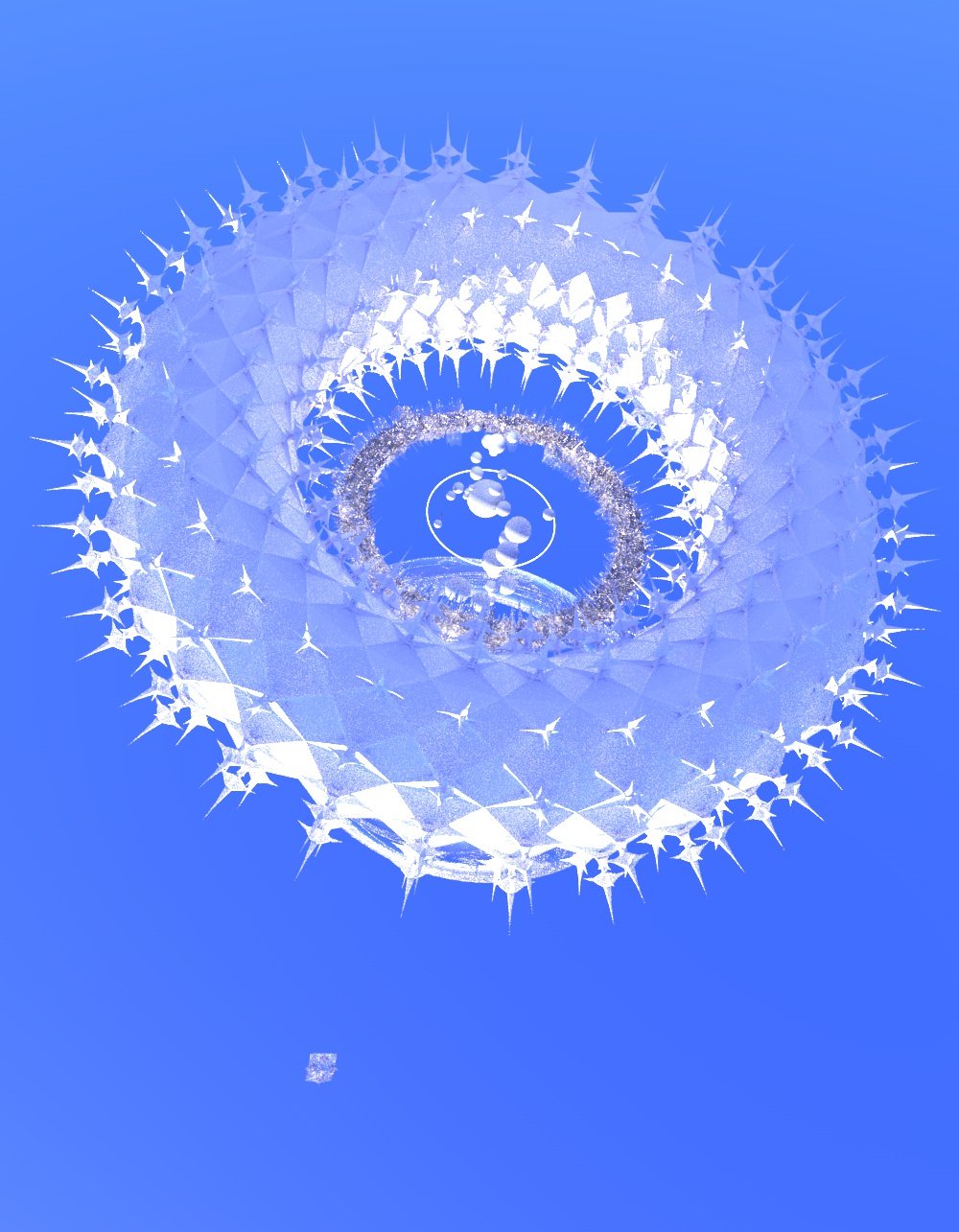
A similar approach appears in my work with diatoms, which I exhibited with The Holy Art Gallery. These microscopic organisms are almost invisible to us, yet they contribute significantly to the oxygen we breathe. In both projects, I begin by observing the visual characteristics of the subject—such as radial structures, symmetry, repetition, and rhythm. I then extract, amplify, and reorganize these elements through digital modeling. Rather than simply reproducing the scientific image, I use its underlying visual language to create an artwork that reflects the unique character of the organism itself.
6. Feedback & Growth
Q: How do you incorporate feedback from critics or audiences into your work, and how do you balance this with your own artistic intuition?
A: I’m always very open to feedback and conversation, and this is actually one of my favorite parts of exhibiting my work. Speaking with people from different fields often gives me completely new ways of seeing the world.
For example, someone I know who works in chip manufacturing once told me that the structures they work with can be even smaller than the microtubules I explore in my work. I found that fascinating. It made me realize that the invisible world is not limited to biology—physics, technology, and industry all contain extraordinary microscopic worlds of their own.
Rather than directly following feedback, I absorb these conversations as new perspectives and possibilities. They expand my thinking while I still rely on my own artistic intuition to decide where the work goes next. This has encouraged me to gradually broaden my practice from life science toward natural science and perhaps even industrial technology.
7. Motivation & Inspiration
Q: How do you stay motivated and inspired, even when facing creative blocks or challenges?
A: When I face a creative block, I like to jump out of my current field and explore something entirely different. Talking with people from different industries, or reading research papers and magazines that have nothing to do with art, can always bring me unexpected inspiration.
For example, I might jump from invisible biological structures to sociology and start asking: What is the basic unit of a society? Or what is the basic unit of time? These questions can become inspiration for my next creation. For me, staying inspired is about jumping out of my current scope and constantly exploring how different fields see and understand the world.
8. Exhibiting Work
Q: How do you feel about exhibiting your artwork with The Holy Art Gallery, and what does this opportunity mean to you?
A: I really enjoy showing my work publicly. As artists, we spend so much time facing ourselves when we create, but a gallery can become a bridge—letting our work leave our own world and meet different people. I’m very thankful to The Holy Art Gallery for giving my work the opportunity to reach an international audience.
The Tokyo exhibition will be my second time exhibiting with The Holy Art Gallery. My first was in New York, where I had the chance to meet many artists and share our stories. I remember talking with an artist whose work was inspired by her childhood dream. After starting a family and having a daughter, she finally found some time for herself and decided to return to creating art. I found her story very warm and inspiring.
For me, exhibitions are not only about showing my work, but also about meeting people, exchanging stories, and getting inspired by different creative journeys.
9. Future Goals
Q: What are your long-term goals and aspirations as an artist, and how do you plan to achieve them?
A: My long-term goal is to be a bridge between different disciplines and art. I want to translate professional ideas from science, medicine, and other fields into artistic visualizations, making them more accessible and compelling to a broader audience.
For me, art is also a way to learn about the world. Right now, I’m working on a data visualization project about time, asking questions like: What is the basic unit of time? How can we visualize something so abstract? I want to keep exploring unfamiliar subjects, learn from different disciplines, and use art to bring these ideas closer to people.
10. Audience Connection
Q: What do you hope viewers take away from experiencing your art, and how do you aim to connect with them on an emotional or intellectual level?
A: In today’s society, there are too many things trying to grab our attention. With my work, I simply hope the audience can find a moment of peace. If they can slow down for a moment, communicate with themselves, and look at their inner world, that already feels successful to me.
I hope they might think, “Wow, the human body is so fascinating—and I, as a person, am fascinating too.” If there is one emotion I want to deliver through my work, it would be a sense of calm and peace. I would like to send that as a small gift to my audience.