Artist spotlight : Gilad Brimer
ARTIST STATEMENT:
I don't always know why I make art. The work usually begins with a feeling—a moment of inspiration, restlessness, or dissatisfaction. I rarely know exactly what I'm going to make when I begin. I open the canvas, start working, and let the piece develop through experimentation.
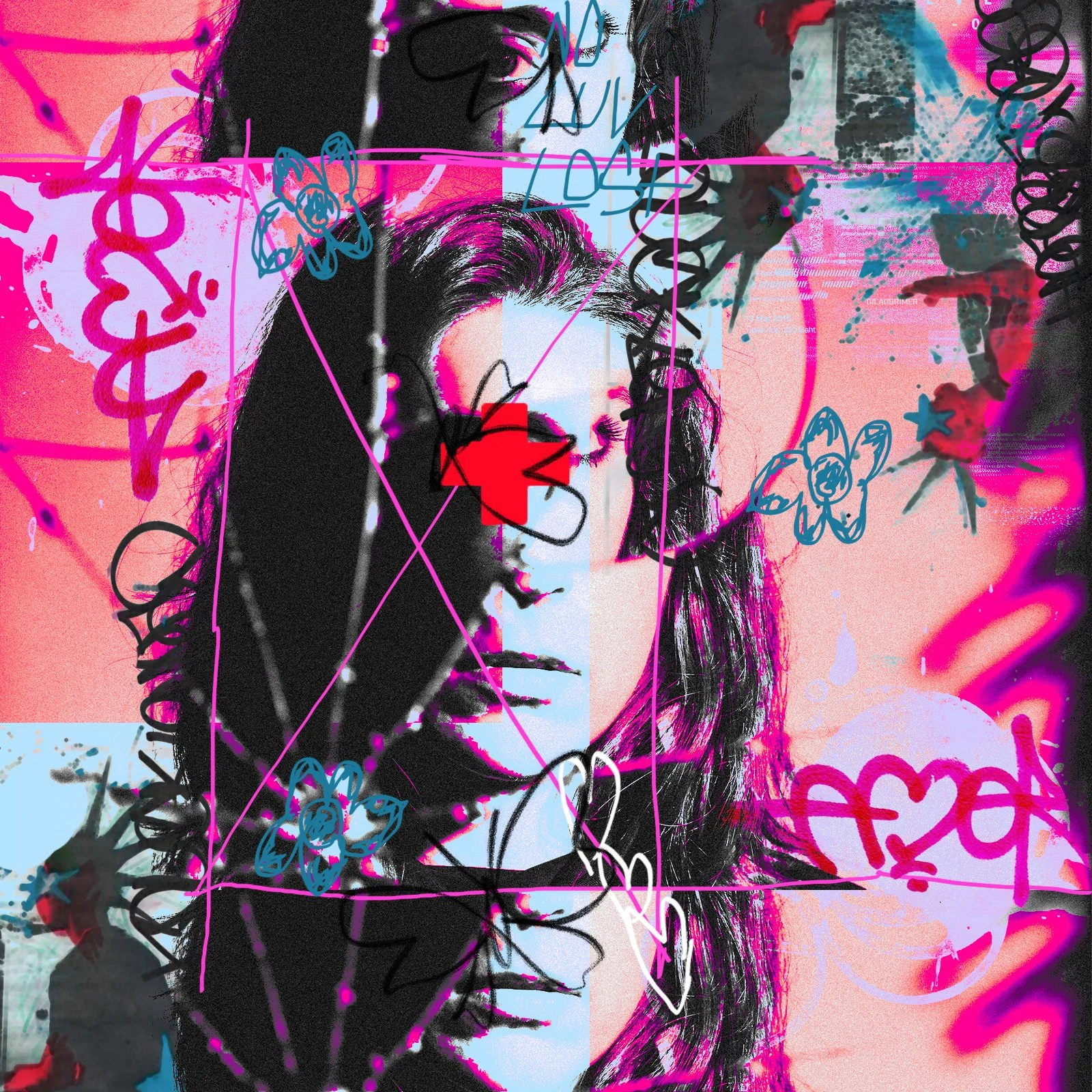
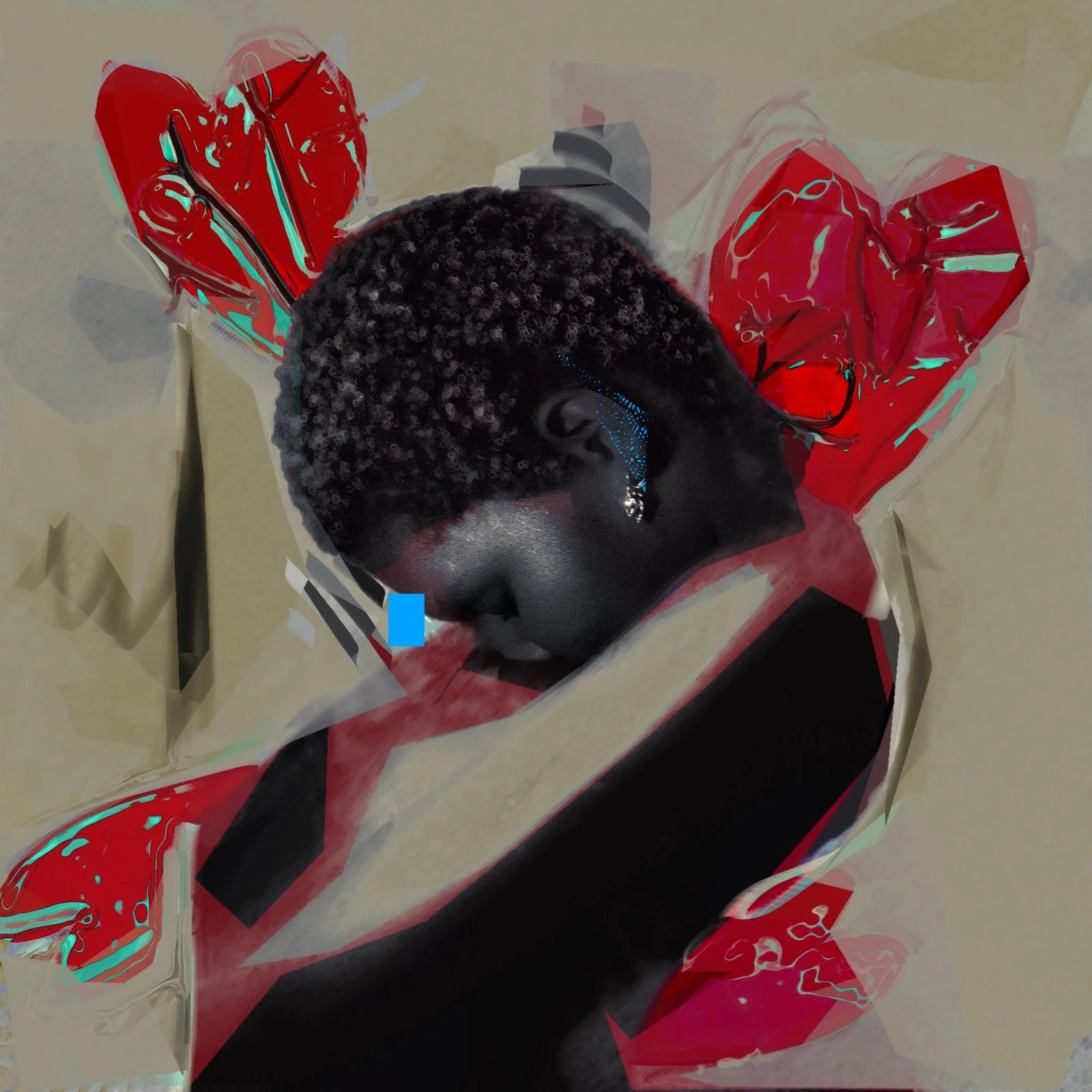
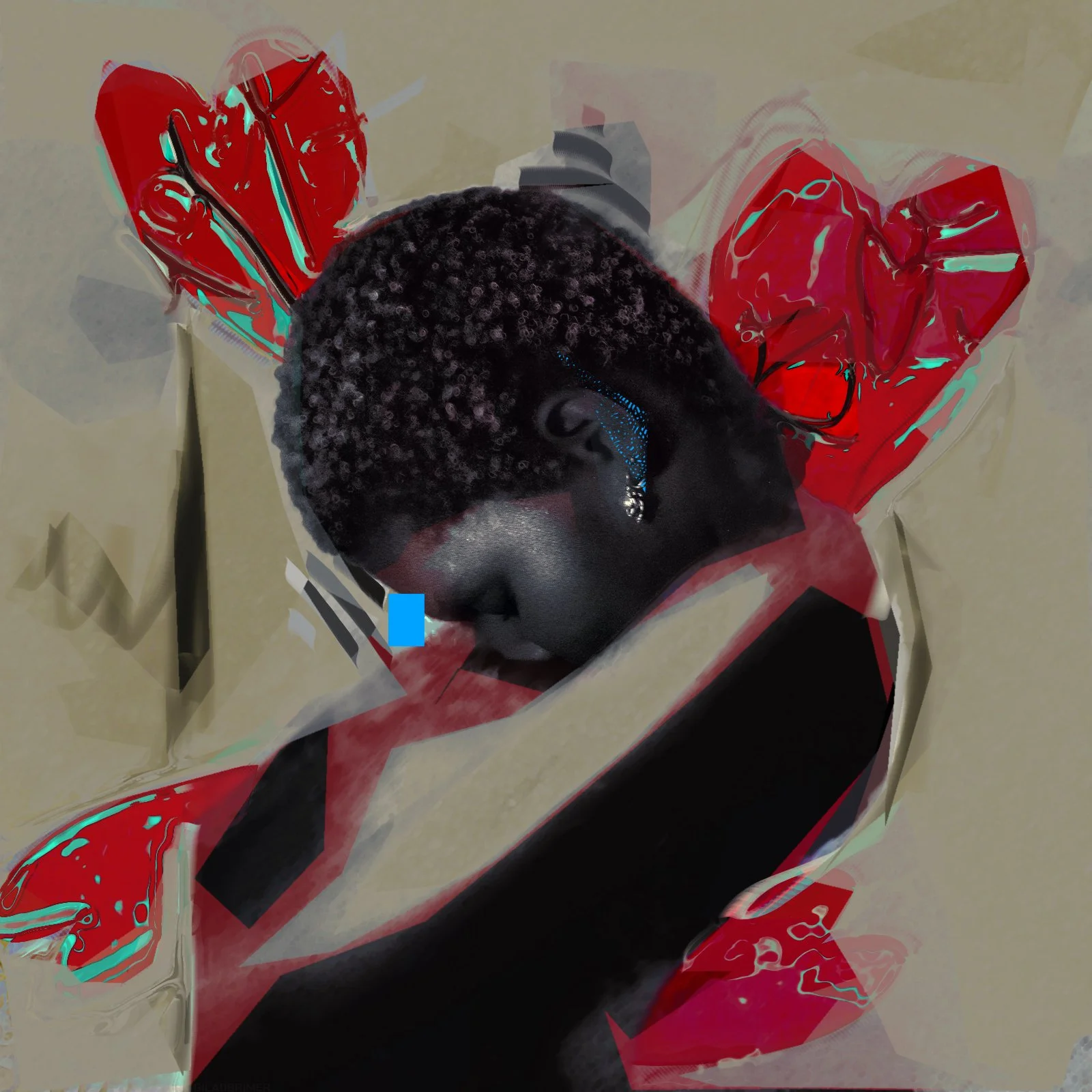
Working with photography, digital collage, painting, and graffiti-inspired mark-making, I create layered mixed media works that explore identity, perception, and the relationship between the human figure and the digital image. I'm drawn to repetition, fragmentation, and bold color because they transform the way an image is perceived, allowing a single figure or portrait to take on multiple meanings.
I don't create work to deliver a fixed message. What matters most to me is that it makes people feel something. Whether that feeling is curiosity, discomfort, nostalgia, or something entirely unexpected, I want each viewer to have their own experience rather than arrive at one interpretation.
My work is influenced by graffiti, fashion photography, digital culture, and the visual language of contemporary media. Through layering, distortion, and reconstruction, I create images that reflect the complexity of memory, identity, and the ways we see ourselves and each other.
Social Networks :
Instagram Handle: @ihatesexwithyou
Website: N/A
Portfolio: N/A
Gilad Brimer
1. Inspiration & Style
What initially inspired you to become an artist, and how did you develop your unique artistic style?
Answer:
I've always been drawn to images and visual culture. I spend a lot of time living inside my imagination, and making art is the most natural way for me to express it. My work didn't begin with a single moment of inspiration—it developed through constant experimentation. By combining photography, digital collage, painting, and graffiti-inspired mark-making, I gradually developed a visual language that feels authentic to me.
2. Creative Process
Do you have any rituals or routines that help you get into a creative mindset when starting a new project?
Answer:
Not really. I rarely begin with a fixed plan or a clear idea of how the final piece will look. I simply begin creating and allow the work to evolve through experimentation. Each decision responds to the one before it, and the composition gradually reveals itself as I work.
3. Artistic Influences
How do you balance historical or artistic influences with your personal style, and how do these influences manifest in your work today?
Answer:
My influences come from many places—graffiti, street art, tattoos, fashion photography, pop culture, metal and emo music, hip-hop, and even song lyrics. I don't try to imitate any one influence. Instead, I absorb visual and cultural references from different worlds and let them naturally become part of my own artistic language.
4. Emotion & Expression
How do you use your art to evoke emotions, and what role does emotion play in your creative process?
Answer: Emotion is where every piece begins. I don't create work to deliver one fixed message. What matters most to me is that the work makes people feel something. Whether it's curiosity, nostalgia, discomfort, or excitement, I want every viewer to have their own experience.
5. Standout Projects
Can you share a project that stands out to you and describe the creative process behind it? Answer: MIRRORS, my first solo exhibition, is the project that means the most to me. It explores identity and perception through layered portraits, repetition, and bold color. Like most of my work, the exhibition developed through experimentation rather than following a predetermined concept, allowing each piece to evolve naturally.
6. Feedback & Growth
How do you incorporate feedback from critics or audiences into your work, and how do you balance this with your own artistic intuition?
Answer: I always listen to feedback because it's interesting to see how other people experience my work. Then I step back and decide whether it aligns with my own instincts. Sometimes it does, and sometimes it pushes me to go in the opposite direction. At the end of the day, I have to stay honest to my own vision.
7. Motivation & Inspiration
How do you stay motivated and inspired, even when facing creative blocks or challenges? Answer: To be honest, I don't think motivation is what drives me. Fear probably does more than motivation. I'm afraid of standing still creatively or not reaching my potential, and that keeps me making work even when inspiration isn't there. I've learned that creative blocks are part of the process, and the only way through them is to keep creating.
8. Exhibiting Work
How do you feel about exhibiting your artwork with The Holy Art Gallery, and what does this opportunity mean to you?
Answer: I'm excited to have my work out in the world and seen by new audiences. I really appreciate the opportunity to be shown at The Holy Art Gallery because they give artists the chance to share their work internationally and connect with people they otherwise might never reach.
9. Future Goals
What are your long-term goals and aspirations as an artist, and how do you plan to achieve them? Answer: My goal is to continue developing my artistic practice, exhibit internationally, collaborate with galleries and institutions, and build a body of work that continues to evolve. I want to keep challenging myself creatively while reaching new audiences around the world.
10. Audience Connection
What do you hope viewers take away from experiencing your art, and how do you aim to connect with them on an emotional or intellectual level?
Answer: I don't expect everyone to interpret my work in the same way. If someone stops, spends time with a piece, and feels something, then the work has achieved its purpose. I hope viewers see fragments of themselves in the work—their own memories, emotions, and experiences—rather than searching for one correct meaning.