Artist feature : Haïfa Melliti
Artist Statement:
My artistic practice exists at the intersection of painting, intuitive piano, spirituality, and the feminine. Inspired by my Tunisian and Mediterranean roots, I create a universe inhabited by my “Goddesses of Light” feminine figures surrounded by birds, flowers, moons, flames, protective symbols, and musical notes.
I paint intuitively, allowing colours, emotions, and symbols to guide the creation of each work. Music is inseparable from this process. I improvise at the piano, and my melodies often become an extension of my paintings, creating a dialogue between sound and image.
Through my work, I explore inner beauty, feminine strength, memory, spirituality, transmission, and connection. I see my paintings as spaces of contemplation and emotion, inviting each viewer to enter the work through their own sensitivity and personal story. For me, painting gives form to the invisible, while music gives it a voice. Each canvas carries its own story, and each canvas can have its own melody.
Website :
www.haifamelliti.com
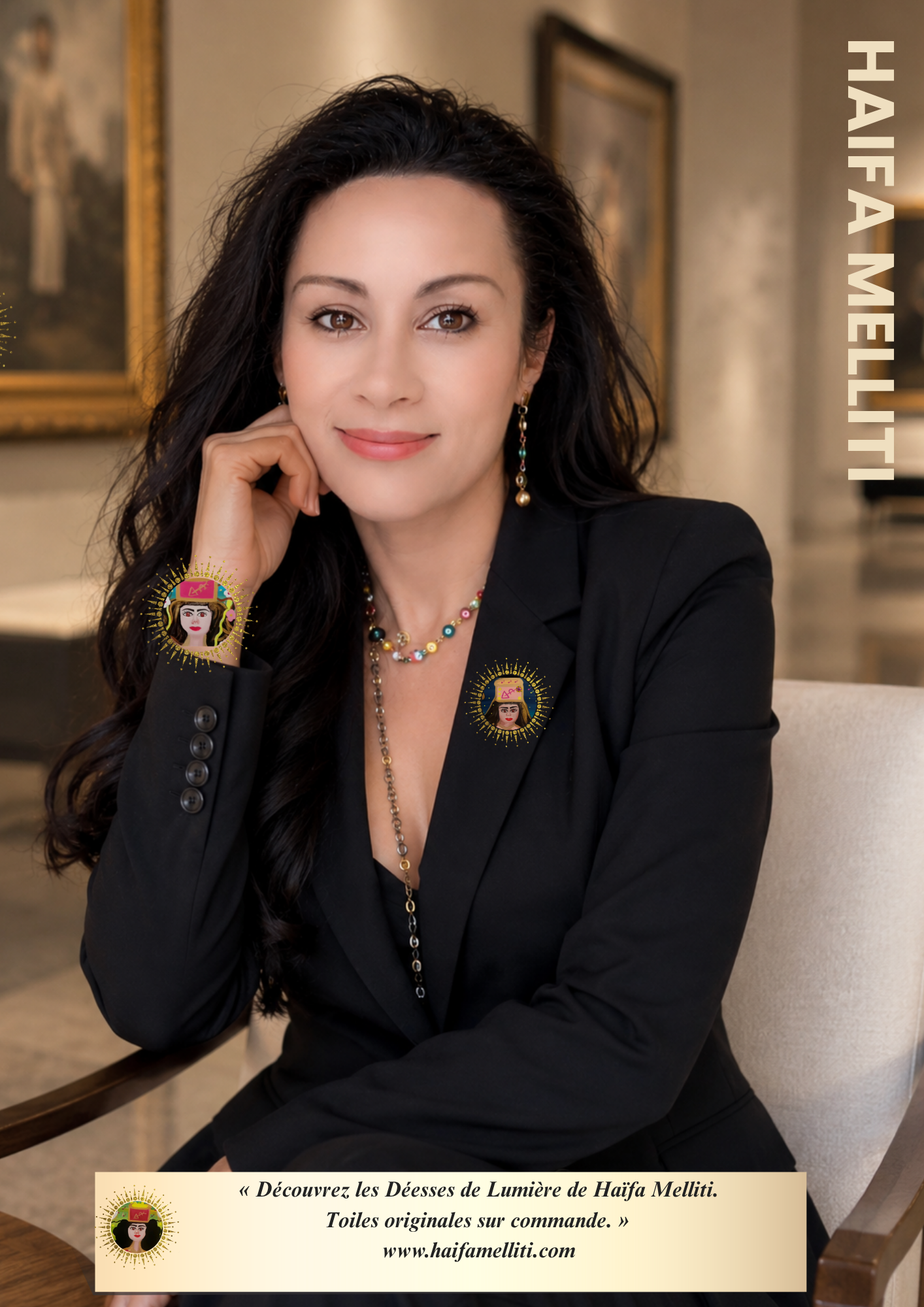
Artist : Haïfa Melliti
When Painting Becomes Prayer and Music Becomes Light
An Artistic Immersion at Dar Ya, in the Heart of the Medina of Tunis
There are places we visit, and others that awaken something within us.
For Franco-Tunisian artist Haïfa Melliti, the Medina of Tunis belongs to the latter. In March 2027, she will return to Tunisia for an intimate artistic immersion at Dar Ya, bringing together painting, intuitive piano melodies, spirituality, and the female figures that have become the signature of her artistic universe.
From 27 March to 3 April 2027, Dar Ya will become far more than an exhibition venue. For several days, the space will be transformed into a living artistic sanctuary — a place where painting, melody, silence, heritage, and creation come together.
Between Two Shores
Haïfa Melliti’s artistic identity has been shaped between France and Tunisia, between the Mediterranean and the ancestral memory of North Africa.
A self-taught painter and intuitive pianist, she has developed a deeply personal visual language inhabited by luminous female figures whom she calls her Goddesses of Light.
They appear surrounded by birds, flowers, moons, flames, protective eyes, musical notes, and imaginary gardens. Their long hair sometimes carries candles, incense, or symbolic elements, while their dresses become landscapes, temples, and musical scores.
These women are not portraits in the traditional sense.
They are guardians.
Messengers.
Figures of memory, strength, tenderness, and inner light.
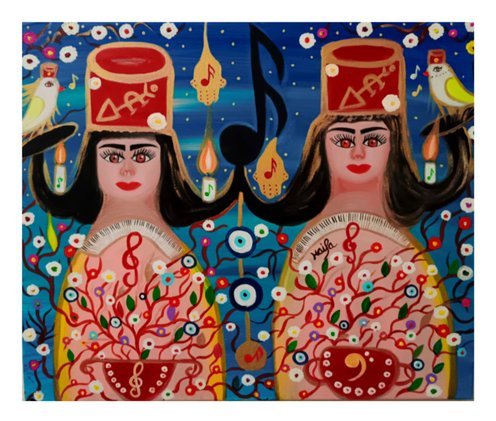
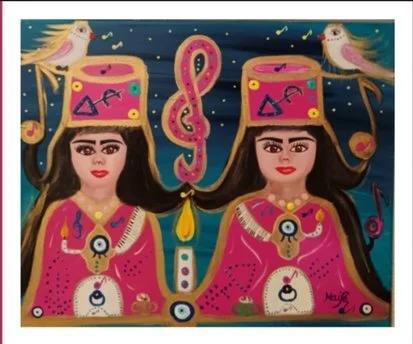
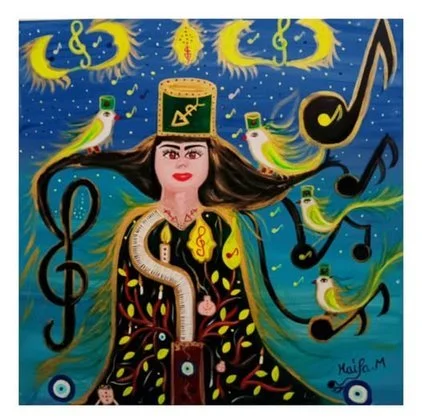
Through them, Haïfa explores femininity not as fragility, but as a sacred and creative force capable of carrying memory, healing, transmission, and hope.
Every Painting Has Its Own Melody
Haïfa Melliti’s universe does not end at the edge of the canvas. Music is inseparable from her painting.
When she sits at the piano, she often begins without a written score. Her hands follow emotion, silence, and intuition. The melody is born in the moment.
For her, painting and music are two expressions of the same inner language.
“I paint the invisible. I play the silence.”
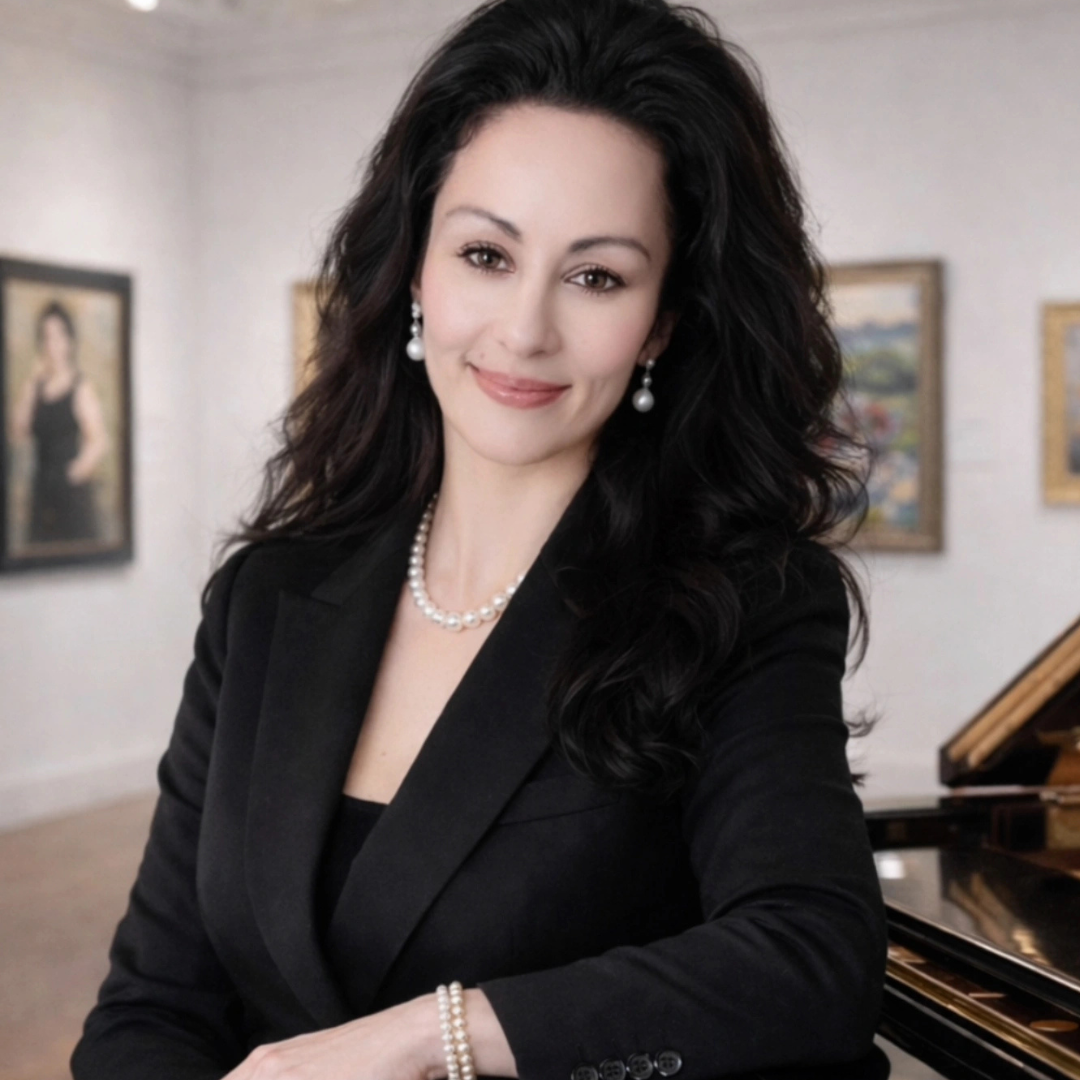
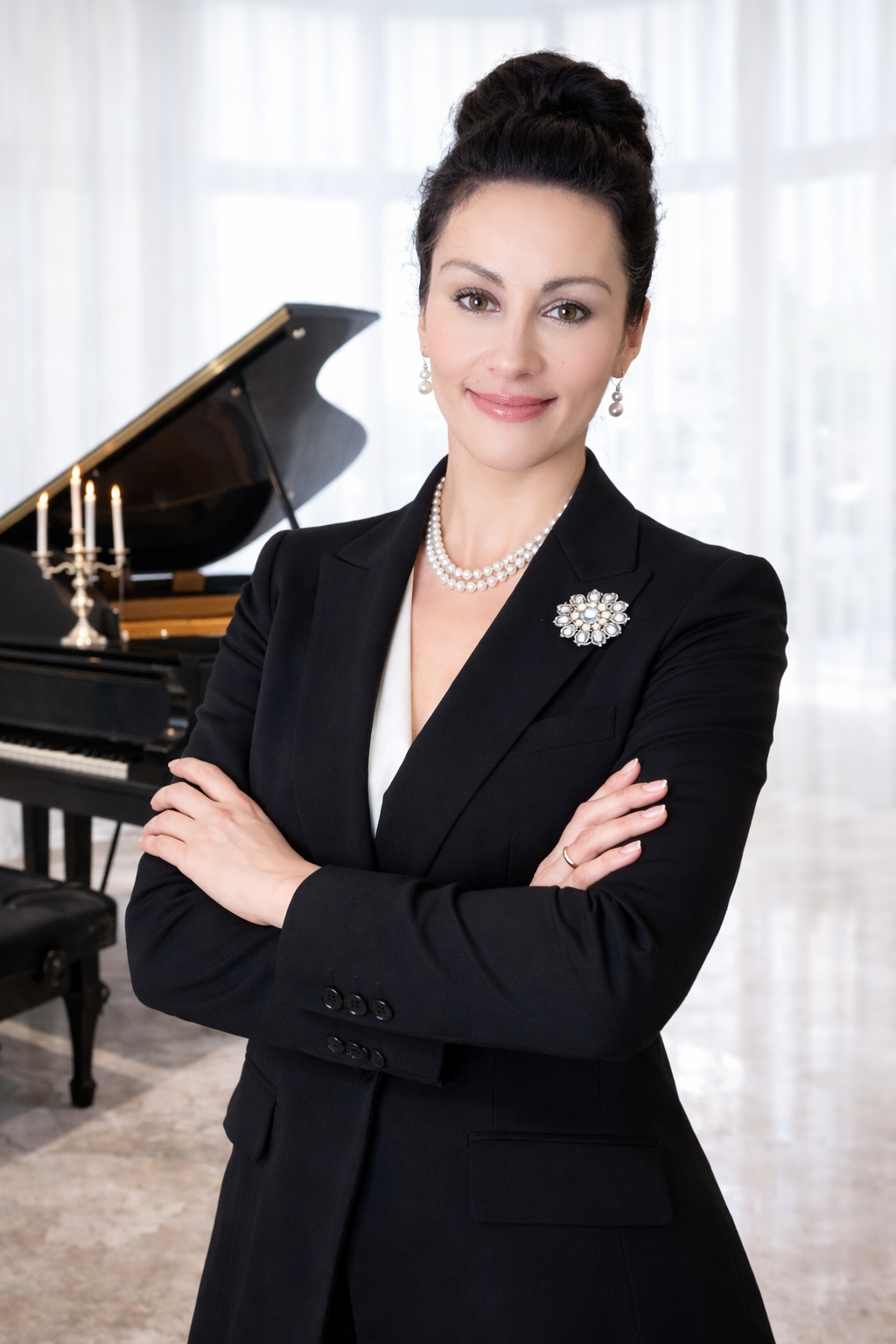
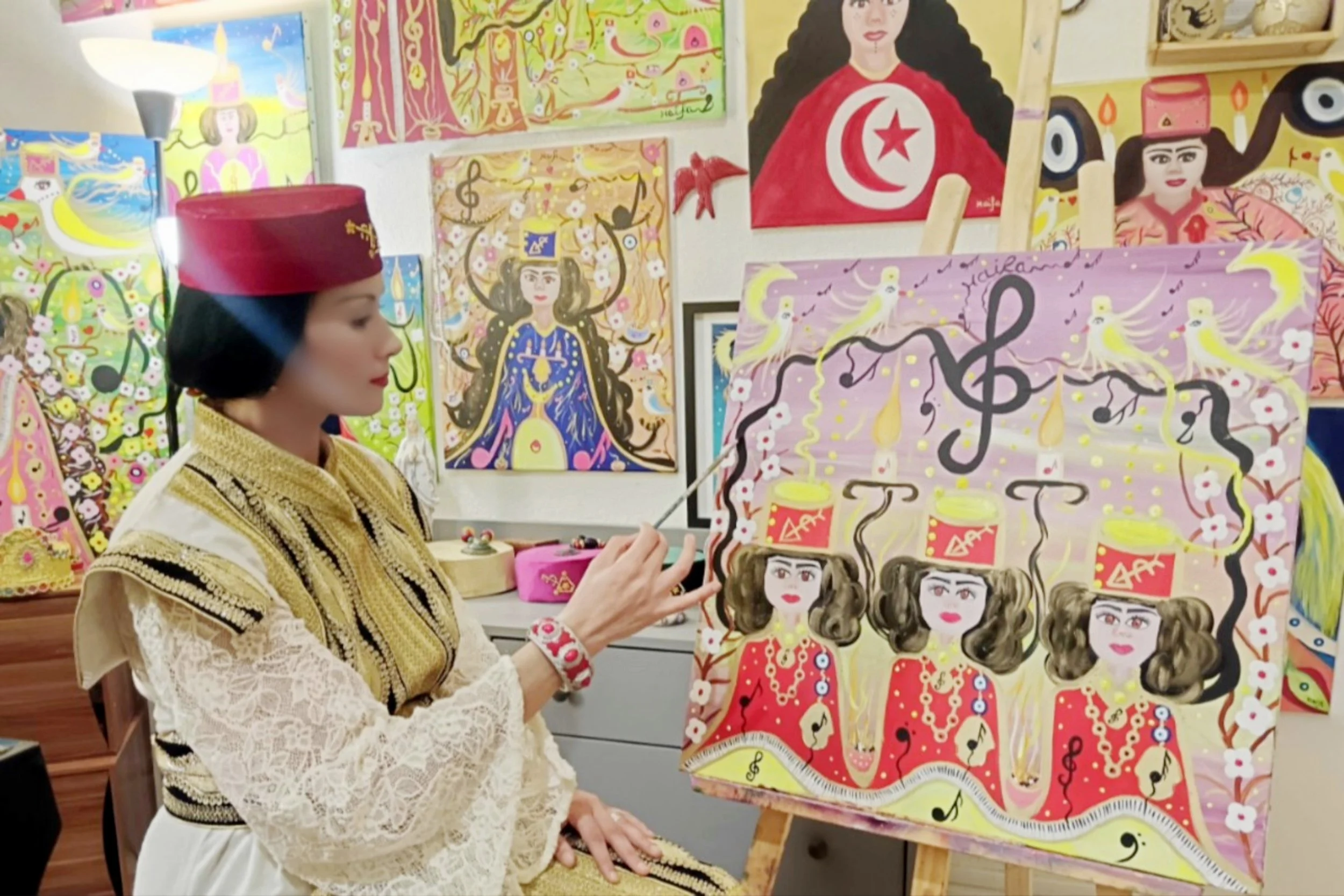
A painting can give birth to a melody. A melody can become a colour. A note can become a bird, a flame, or the movement of a woman’s dress.
This dialogue between sound and image has gradually become one of the foundations of her artistic practice. Her original piano compositions accompany her visual world, inviting the viewer not only to look at an artwork, but to enter into it.
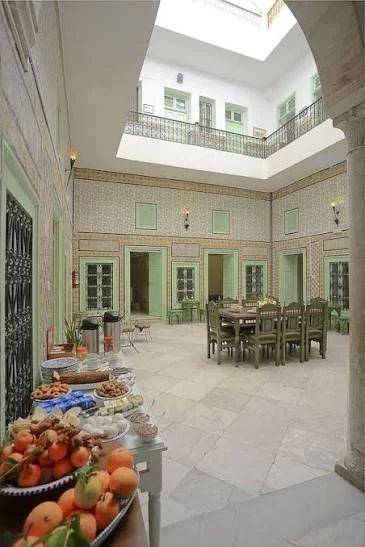
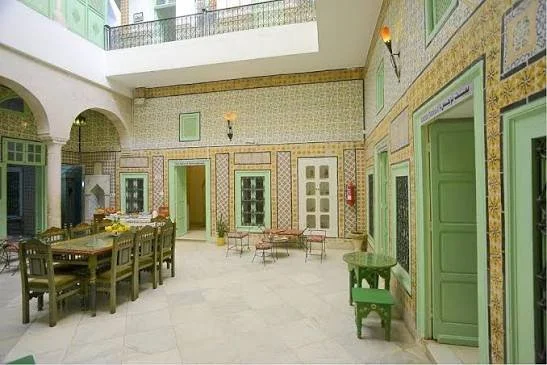
Dar Ya, a Jewel in the Heart of the Medina of Tunis
In the heart of the Medina of Tunis, Dar Ya is not simply the venue chosen to host this immersion: it becomes one of its protagonists.
Within this historic Tunisian house, the architecture, textures, doors, courtyards, and light already tell a story before a single artwork is installed. Dar Ya carries the distinctive atmosphere of the traditional houses of the Medina, where heritage, hospitality, and memory seem to enter naturally into dialogue.
It is precisely this soul that drew Haïfa Melliti to the place.
During the immersion, Dar Ya will become, for a few days, the House of the Goddesses of Light. Paintings will inhabit its spaces while the artist’s original melodies accompany them, creating a dialogue between Tunisian heritage and contemporary creation.
Visitors will not simply be invited to discover an exhibition. They will enter a universe in which the place itself becomes part of the experience: ancient walls will meet the colours of the canvases, the silence of the house will welcome the notes of the piano, and the history of the Medina will enter into dialogue with the female figures imagined by the artist.
Moments of intuitive creation, contemplation, and discovery of the Medina will extend this encounter.
In this way, Dar Ya will not simply provide a setting: it will become the living vessel of the artwork.
For Haïfa, this immersion in Tunis carries a deeply personal meaning.
With its ancient doors, narrow streets, light, architecture, colours, and fragrances, the Medina resonates with the visual language that runs throughout her work.
The immersion therefore represents a form of return — to roots, memory, and transmission, but above all to a source of creativity that remains vibrantly alive.
For several days, creation will not be approached as performance, but as presence.
There will be a time to observe. A time to listen. A time to paint. And perhaps, a time to rediscover a part of oneself.
Women at the Heart of the Work
Women occupy a central place in Haïfa Melliti’s universe.
Her artistic practice is nourished by the women she meets, accompanies, and observes through her work in art and holistic well-being.
Their stories, resilience, tenderness, transformations, and inner strength continually find their way — sometimes consciously, sometimes invisibly — into her paintings.
Her Goddesses may be imaginary, but the emotions they carry are profoundly human.
They speak of women across cultures and generations. Women who create. Women who protect. Women who rebuild themselves. Women who transmit.
Women who continue to carry light even after passing through difficult chapters of their lives.
Rather than portraying a single ideal of femininity, Haïfa creates a symbolic kingdom in which multiple ways of being a woman can coexist.
Tunisia: Between Memory and Living Inspiration
In Haïfa’s paintings, Tunisia is rarely represented literally.
It appears through sensations. Through a colour. An ornament. A protective symbol. The memory of jasmine. The architecture of an imaginary temple. The warmth of Mediterranean light. The feeling of an ancient story that continues to breathe beneath contemporary life.
The project therefore creates a bridge between Haïfa’s life in France, her connections with Africa, and her Tunisian heritage — between contemporary artistic expression and ancestral imagination.
Art as an Offering
A spiritual dimension also runs quietly through Haïfa Melliti’s work.
She approaches creation with gratitude.
Painting is not simply about producing an object, just as playing music is not simply about performing notes. Both can become acts of contemplation.
For the artist, a canvas can carry an intention. A melody can soothe. A colour can awaken a memory. An artwork can become a silent offering.
This philosophy can also be found in her artistic tale, Where Goddesses Are Born, the Canvas Sings, in which painting, music, spirituality, and storytelling enter the same imaginary kingdom.
The book extends the universe of her paintings and melodies, inviting the reader to experience art through several senses at once. Her work therefore exists at the meeting point of several disciplines: painting, music, storytelling, and an inner journey.
From Tunis to the World: An Artistic Language Without Borders
Presenting this immersion today to the readers of The Holy Art Journal gives the project a particular resonance.
From Tunis to Tokyo, from the Mediterranean to major international art scenes, geographical distances begin to disappear when art touches upon universal experiences: memory, femininity, spirituality, beauty, transmission, and the search for light.
Haïfa Melliti’s universe is part of this dialogue between cultures.
Her Goddesses carry the memory of Tunisia and the Mediterranean, yet they are confined by no borders. They speak of women, heritage, inner strength, and hope.
Her melodies, too, require no translation.
This immersion at Dar Ya therefore becomes an invitation reaching far beyond Tunis: to enter a kingdom where a painting can become a melody, where an ancient house can become a living work of art, and where art builds bridges between women, cultures, and continents.
A Kingdom Made of Light
The artistic immersion at Dar Ya represents a new chapter in this ever-evolving universe.
For Haïfa Melliti, it is not simply about hanging paintings on walls. It is about creating an atmosphere.
A place where a visitor can stand before a Goddess of Light while listening to the melody associated with her; where another person can take up a brush and create intuitively; where the Medina itself becomes part of the artwork.
And when the immersion comes to an end, what remains may not simply be the memory of paintings or music.
Perhaps a feeling will remain.
A colour. A melody. A moment of silence. A small inner light that each person can carry away with them.
Because at the heart of Haïfa Melliti’s artistic practice lies a simple conviction:
Art can be far more than something we look at.
It can become something we enter, something we feel, and something that continues to live within us long after we have left the space.
Tunis becomes the starting point.
Dar Ya becomes the setting.
Painting and music become the language.
And the light travels.
Prayer at the Heart of My Paintings
At the heart of each of my creations lies, above all, a profound gratitude to Almighty God. I thank Him for the gift of creation, for the light that guides my hands, and for the melodies that sometimes emerge from silence. My paintings carry within them a form of prayer — a prayer painted through colours, symbols, women of light, and hope. When I paint or play the piano, I seek to transform this gratitude into an artistic offering, humble and sincere. May each Goddess, each colour, and each note carry a little peace, love, and light into the world. To God, I offer my deepest gratitude for every inspiration, every encounter, and every work of art that comes to life through my hands.
Haifa Melliti
Dar ya
6 Rue de la carriere,
Tunis 1006, Tunisie