Artist spotlight : Jane Hsieh
ARTIST STATEMENT:
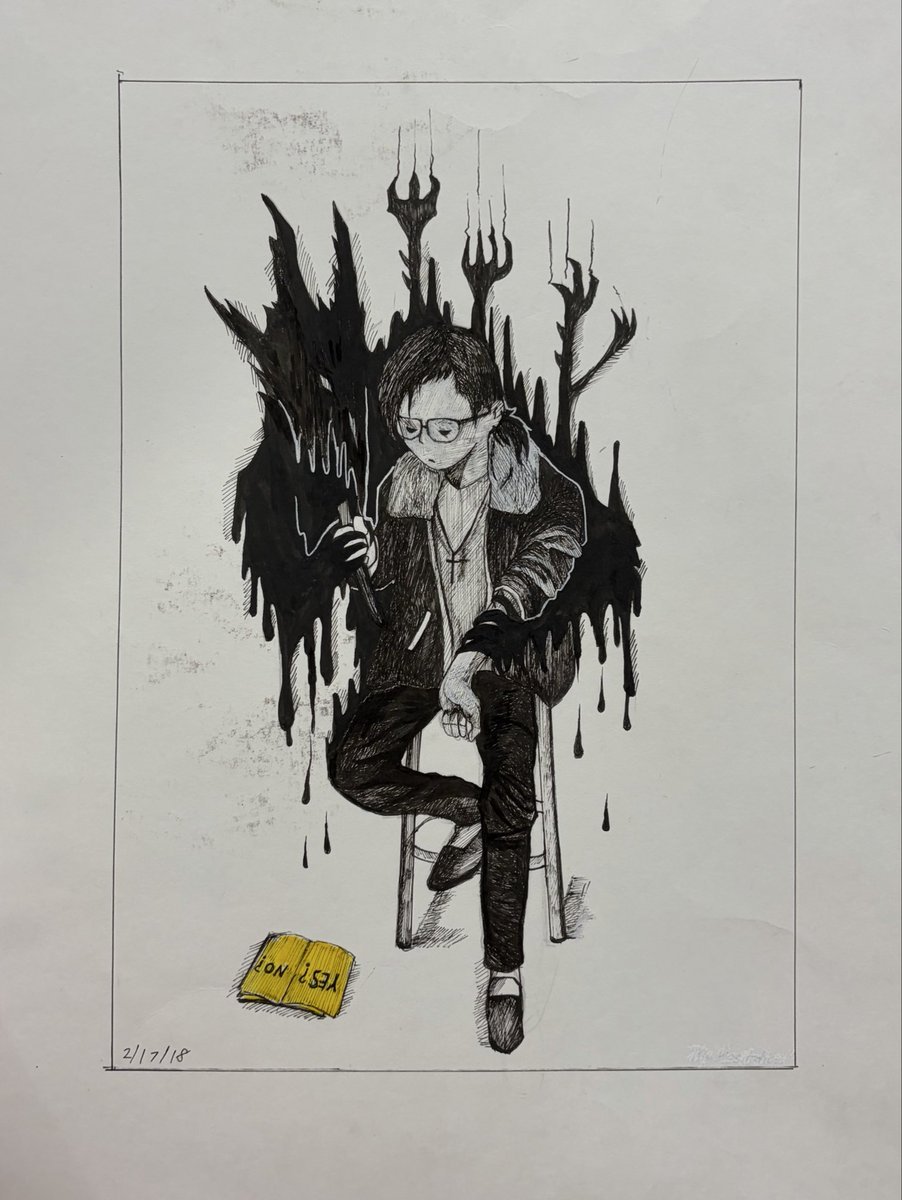
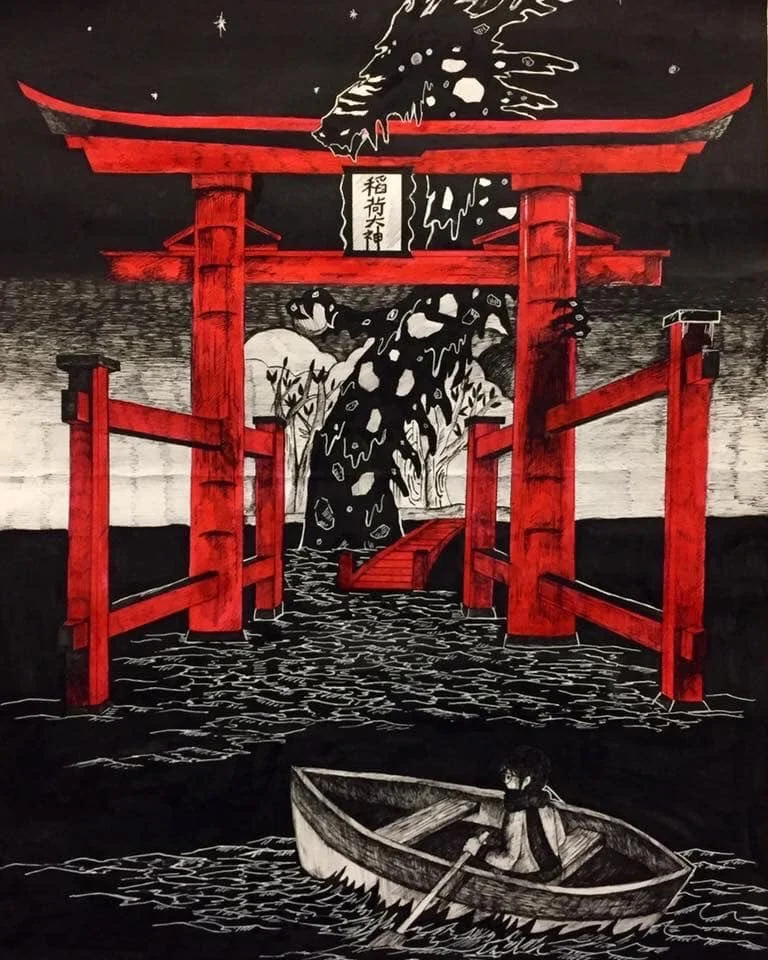
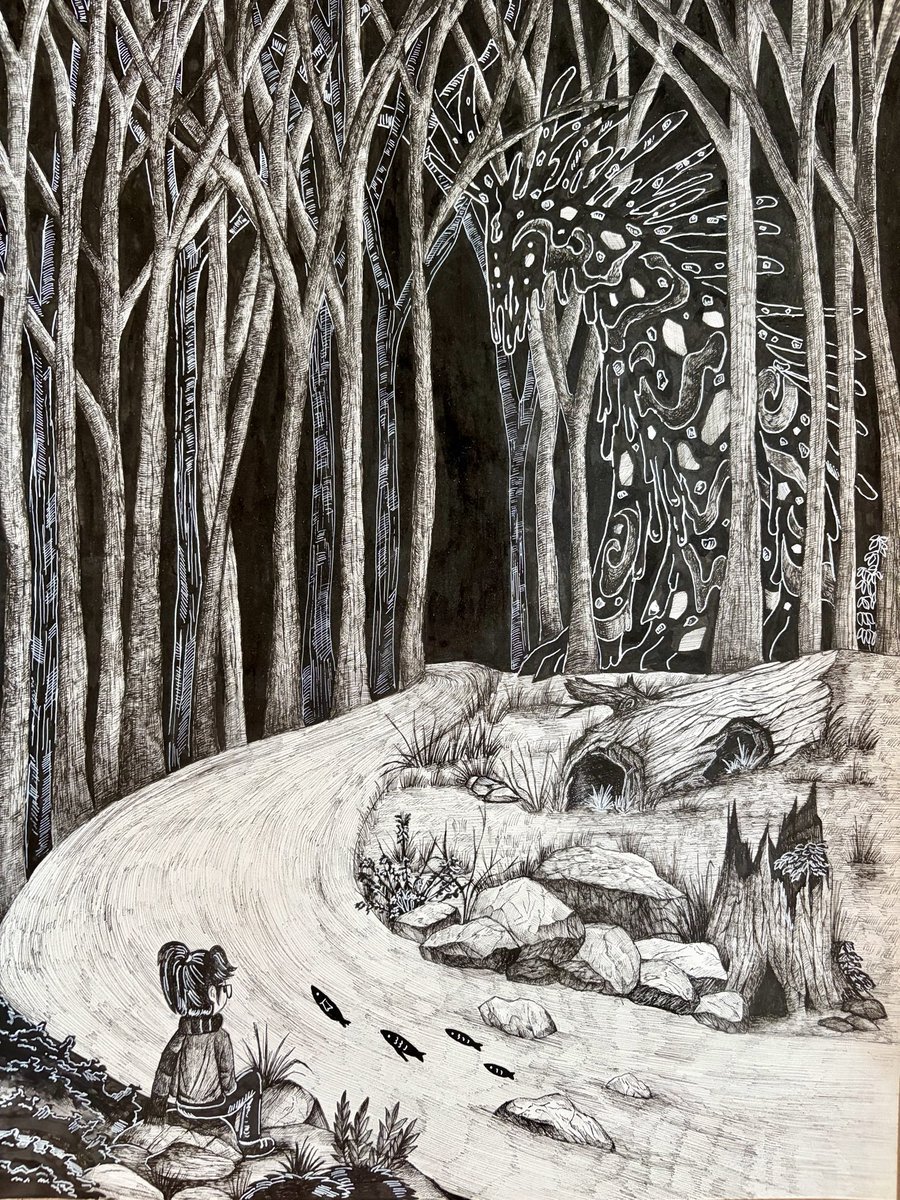
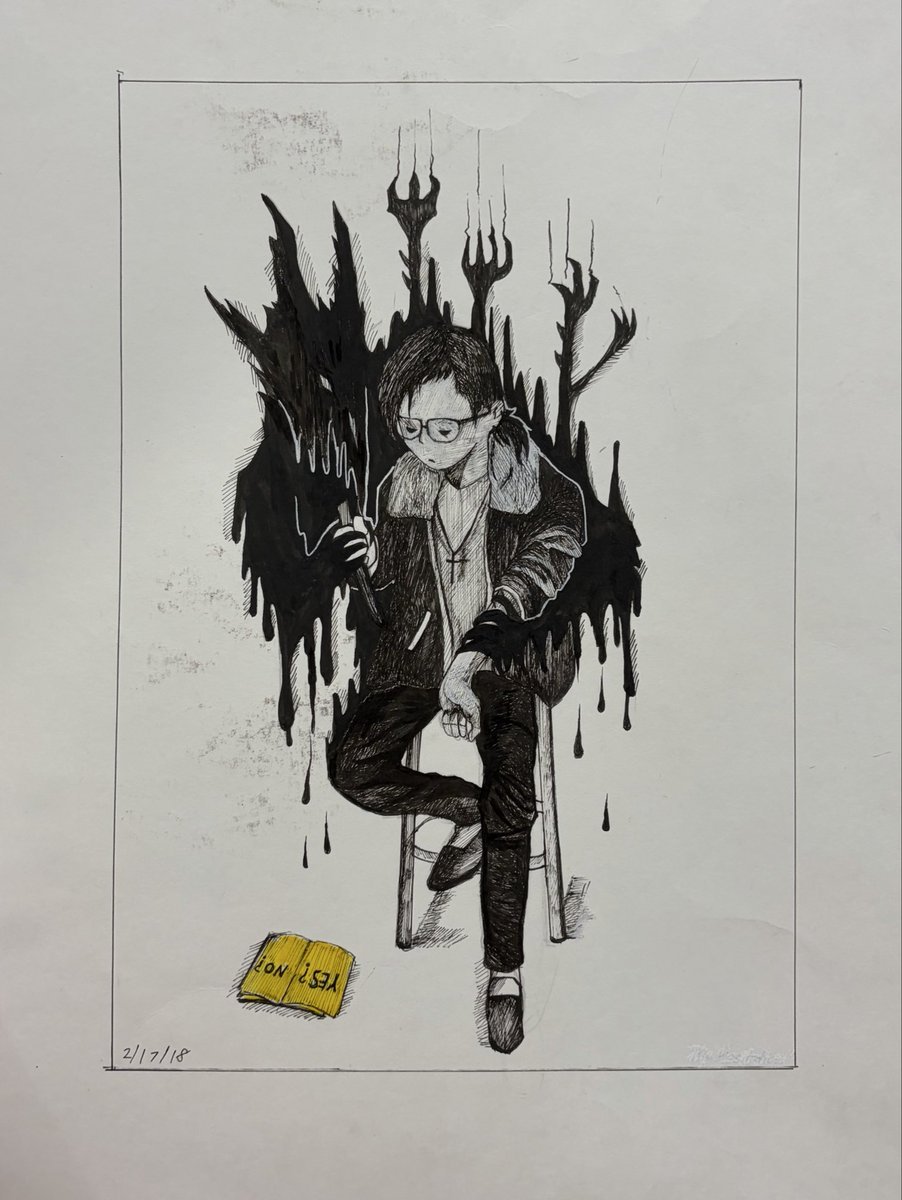
I make illustrations where shadow and wonder meet through precise, monochrome marks. Emotional depth can be felt in a moment: each piece showcases dynamic cross-hatching, heavy atmospheres, and solitary figures wrapped in a quiet setting-my aim is to balance control with chaos. Simplicity and detailed etched textures across the paper, with a small number of colors, communicate a full range of loneliness and fragile hope. The work lingers on the edge of pain and wonder, capturing moments that feel both haunting and beautiful.
Social Networks :
Instagram handle: @hjane_arts
Personal Website: https://jhgallery.squarespace.com/
Jane Hsieh
1. Inspiration & Style
What initially inspired you to become an artist, and how did you develop your unique artistic style?
Answer:
I began drawing and sketching when I was young. Because I have an introverted, quiet personality, I found that art and creativity were my best way to express my emotions and imagination and to show who I am. They brought me empathy, joy, and comfort throughout my dark times; they were the few things that defined what made me happy and who I wanted to be. Throughout having loneliness, pain and struggles in my life, these experiences have been woven into my artistic creations. I am also deeply inspired by the emotional narrative storytelling elements of Pixar Animation Studios, the quiet yet striking, magical-fantasy world imagination of Studio Ghibli, and the intimate, intricate detail work of pen-and-ink illustrators. My ultimate goal is to inspire and share the same comfort and empathy that I once experienced with viewers and audiences. I hope my work can make someone feel less alone or offer a little hope, reminding them that beauty exists even in the darkest moments of our lives.
In earlier development of my artistic style, I took multiple printmaking classes during my college years. The etching technique from printmaking class instantly caught my attention. I wanted a style that helped the aesthetic of my pen-and-ink drawings stand out more. Thus, I experimented and developed my style with a black ink background, using white pen and regular pens to demonstrate the importance and balance between simplicity and complex, intricate shading details in my illustrations.
2. Creative Process
Do you have any rituals or routines that help you get into a creative mindset when starting a new project?
Answer:
Whenever I start a new project, I go through two fundamental practices in my daily routine: cultivating low self-expectations and observing and exploring the world. My illustrations often involve multiple rough sketches, so I always remind myself to start with a messy first draft whenever possible, or even to write down all kinds of ideas in my notebook, regardless of quality, to keep things open-minded and playful, and to stay curious throughout the beginning of the process. In addition, on days off, I make time to explore unfamiliar places, walk through natural landscapes, listen to new music, watch the new films and attend art exhibitions twice a month; these small routines serve as a source of rejuvenation and refreshment for my brain and mindset, providing wellspring energy and potential inspiration to start the new project.
3. Artistic Influences
How do you balance historical or artistic influences with your personal style, and how do these influences manifest in your work today?
Answer:
My illustrations are formed by two influences: Edward Gorey's monochrome, ominous world and Studio Ghibli's magical, childlike wonder. Gorey drew me to precise cross-hatching and to struggle, pain, and trauma. Ghibli fascinated me with its imagination, where landscapes hold spirits or other unknown things to discover. My style developed between these two, balancing their clear contrast.
My daily rituals are where I balance them. My practice of observing the world—taking walks, exploring new places—corresponds to the Ghibli sense of wonder. It enables me to find the hidden details and beauty within real-world environments and landscapes. When I begin my messy first draft, I start with a loose feeling, playing around with different standpoints and placements in the composition. Then, I bring in Gorey's discipline. I layer my monochrome etching over these ideas, not to make my works dreadful, but to heighten the contrast: quiet tension against wonder, and beauty contrasting darkness.
As a result, my works create an atmosphere of melancholic wonder. Spooky, dark creature; an isolated character, perfectly still; tight, detailed, textural monochrome etching. Yet the world isn’t always empty, doomed, or full of darkness. It also offers magic: a dreamy imagined world that remains fragile, infused with quiet comfort in the darkness. In this way, I invite the audience to be curious and see the world’s bright, beautiful, and dark, ominous sides, where wonder and darkness stay in balance.
4. Emotion & Expression
How do you use your art to evoke emotions, and what role does emotion play in your creative process?
Answer:
My work explores loneliness, pain, and the ongoing challenge of living with inner demons, both visible and hidden. I focus on the contrast between the calm we show others and the underlying chaos within. Through my illustrations, I give form to dark creatures and figures, capturing the weight of isolation, the tension of internal conflict, and the persistent darkness that follows us everywhere.
My visual language supports these themes. The etching style and heavy monochrome palette make my internal struggles more visible, while the isolated figures emphasize loneliness. Inspired by Studio Ghibli, I confront these demons and struggles by exploring and observing the world. This tension between darkness and wonder drives my work.
During the rough draft process, I explore my random imagination by testing out the setting, the figure’s behavior, and story. My goal is not a perfect narrative, but to transfer my ideas onto the page. Seeing my imagination take shape brings relief, clarity, and direction for further development.
Next, patience and discipline guide my process. The slow, repetitive details of etching and inking help me channel feelings of pain and loneliness into my work through simplicity, texture, and depth. While the dark creature remains, it is now surrounded by the comfort and wonder the world can offer. I continually experiment in this space between haunting and wonder, which is my most authentic expression of living with an inner demon.
5. Standout Projects
Can you share a project that stands out to you and describe the creative process behind it?
Answer:
The projects that stand out the most with me are “The Little Girl Journey” and “Daily Struggles.” “The Little Girl Journey” follows a girl as she enters a dark fantasy world, explores new places, and confronts an inner demon. “Daily Struggles” highlights the personal challenges, pain, and trauma people may experience, such as difficult decisions, depression, and overwhelming moments. Despite these themes, both projects conclude with a sense of hope, comfort, and positivity in each illustration.
For both projects, I begin by documenting all ideas in a notebook. These ideas often arise from my unconscious thoughts, intriguing places, or personal experiences. After gathering enough material, I select one or two concepts and create rough sketches to develop the composition.
Then, my detailed process begins by adding an etched texture, contrast, and depth, along with black ink in each illustration. Midway through, I pause to review progress and ensure a balanced contrast between simplicity and detail in each piece.
6. Feedback & Growth
How do you incorporate feedback from critics or audiences into your work, and how do you balance this with your own artistic intuition?
Answer:
When I receive feedback from audiences or critics, I remind myself that art is subjective, and perspectives will differ. I do not incorporate all feedback directly, but I listen carefully and remain open to others’ interpretations. I value engaging in deeper conversations about their impressions. If feedback inspires a new idea, I consider it for future work.
Ultimately, my intuition guides my decisions. If feedback does not align with the core emotional value I want to express, I set it aside. However, if it reveals a new opportunity, I pursue it. Maintaining this balance between openness and staying true to my vision is essential to my growth as an artist.
7. Motivation & Inspiration
How do you stay motivated and inspired, even when facing creative blocks or challenges?
Answer:
When I hit a creative block, I've learned to step back instead of forcing it. I'll take a day or two away, shift my routine, and give my mind room to breathe. Walking is especially helpful for me, it clears my head and helps me reset whatever anxiety or frustration has built up around my art.
I also keep a low-pressure practice of doodling and sketching. There's no goal of making something "good." In fact, I give myself full permission to make bad art. That freedom usually rebuilds my confidence and quietly leads my way back to inspiration.
8. Exhibiting Work
Answer:
Exhibiting at The Holy Art Gallery is a profound honor. This marks my first international showcase in Japan and represents a significant step in my artistic journey.
This opportunity expands the reach of my work and introduces it to new, diverse audiences. I'm excited to share my narrative and imaginative world, and I hope my art creates genuine connection, conversation, and discussion with viewers in the gallery space.
9. Future Goals
What are your long-term goals and aspirations as an artist, and how do you plan to achieve them?
Answer:
My long-term aspirations are to create a visual world where the themes of loneliness, inner demons, and wonder can unfold across larger narrative methods. I always dream of publishing a graphic novel or a small illustrated book that presents my ideas on these themes and invites readers into my monochrome universe to experience the journey through darkness and hope, or continuing to build a body of work that resonates with people struggling with mental health to help others feel seen and less alone. I want to give a message to viewers and the audience who might feel isolated or struggle through hard times, in moments of darkness, to say “I see you, and you are not alone.” Pain and beauty can coexist, and I believe being brave enough to look through that darkness without flinching can become a form of healing.
To achieve these goals, I will continue to commit to my daily rituals-the messy sketches, the slow inking, the walk and observation since they are the foundation of everything. In addition, I will actively build and expand my universe and world to make longer-form storytelling through comics or a series of pieces, which I hope can grow into a full-length illustrated book. Lastly, I am planning to share my work more publicly in gallery or art show spaces to seek out the community of artists and readers who connect with what I am trying to express.
Even if I know the plan and the path can shift, as long as I trust my own process and stay disciplined and honest about how I feel about my vision, the work I create will find its own audience and potential to shine more.
10. Audience Connection
What do you hope viewers take away from experiencing your art, and how do you aim to connect with them on an emotional or intellectual level?
Answer:
When viewers experience my illustration, I hope they feel a sense of loneliness in the darkness, the unknown weight that we all carry silently. In the meantime, I also want them to notice the small traces of wonder and comfort that exist alongside that darkness. On an emotional level, I aim to create an atmosphere and space where viewers can sit with their own feelings, without judgment. My usage of isolated figures and heavy monochrome tone speaks to what many of us feel but struggle to express. And I want viewers and audiences to look more closely, to feel the tension between the macabre and the tender. Ultimately, my goal is to create a connection: if someone looks at my illustration and they feel comfortable about their own inner demons, or feeling seen, or changing a perspective of being in a dark place, then my work has done what it was meant to do.