H.M Gedara
ARTIST STATEMENT
Who taught you to mourn,
over the voice of a dead man?
A ballad that was never written for you,
In a story you have no part in,
If nobody told you what it meant,
Why did you cry?
Social Networks :
Website: hmgedara.com
Instagram: https://www.instagram.com/h.m.gedara/
Portfolio: https://www.hmgedara.com/portfolio
H.M. GEDARA
1. Inspiration & Style
What initially inspired you to become an artist, and how did you develop your unique artistic style?
For me, creating has never been a job, or hobby, or pastime; it’s my obsession. The same psychoactive, ruthless necessity heroin demands. I never became an “artist”; I wrestled with my own potential and lost. I am drawn to things that resist explanation: myth, religion, desire, death, beauty, dreams, love, the ghosts that linger behind ordinary things. My style is deliberately difficult to pin down; I pity the idea of stapling one aesthetic to an artist when the world is infinitely strange and I am infinitely susceptible to it. If the work asks for restraint, I restrain myself; if it asks me to cut my hand and bleed onto the canvas, so be it. I’m a slave to the subject.
2. Creative Process
Do you have any rituals or routines that help you get into a creative mindset when starting a new project?
The most important ritual for me is time; I let ideas grow organically, sometimes for months, without demanding that they reveal themselves before they are fully mature. The little spider in my mind begins weaving its intricate webs, tying experience to experience, but the pin knows exactly when to drop, I’m not in control. More than anything, I try to be present: to experience the world, respond to it, think about it, and allow myself to be moved by it. You have to disassemble reality before you can reassemble it into something of your own, and that requires paying attention to the pieces. And when the pin eventually does drop, you’ll know exactly why. I also listen to a lot of music. Deftones on the outside, Swiftie on the inside.
3. Artistic Influences
How do you balance historical or artistic influences with your personal style, and how do these influences manifest in your work today?
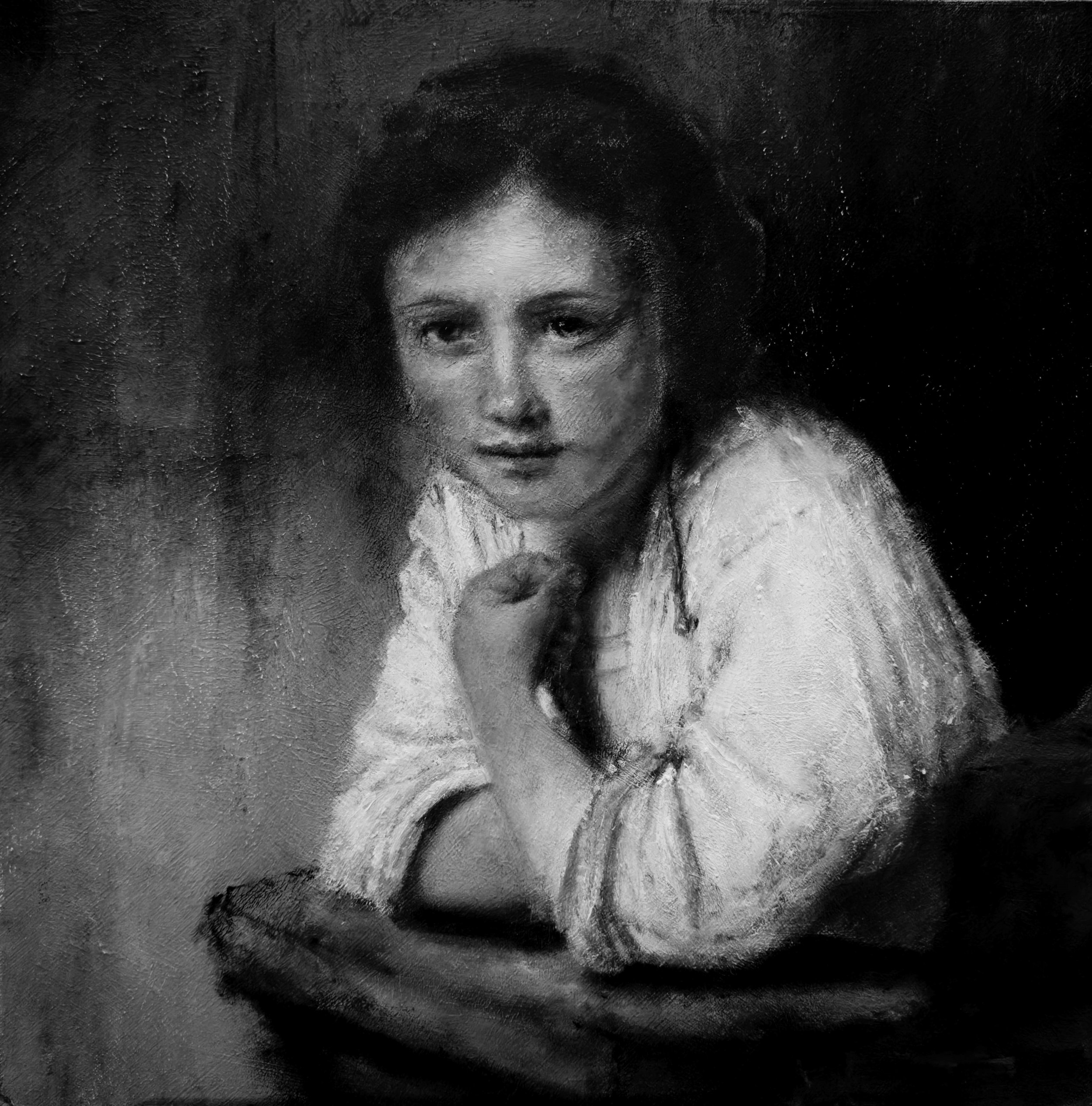
“I have seen further, it is by standing on the shoulders of giants.” Influence is something to surrender to, digest, and eventually transform. Rembrandt, Velázquez, Moreau, Bonnat, Sargent, they aren’t ghosts I try to imitate, but voices in a very crowded room, bickering with one another inside my head. I steal shamelessly from the dead, but I return the favour by giving what I have stolen a new life. Originality is when enough influences collide inside one person that they become something neither the artist nor their giants could have anticipated.
4. Emotion & Expression
How do you use your art to evoke emotions, and what role does emotion play in your creative process?
Symbology. Emotion is the raw material of my work; Is it not unreasonable to ask a painting to resonate with another if it doesn’t first resonate with me? Symbols are a kind of prism, taking something felt but difficult to articulate and refracting it into an image that can be experienced rather than simply explained. Emotion is also a remarkably useful instrument of productivity. You can either let it consume you, or tame it, redirecting its violence towards something constructive. In that sense, painting for me is often less about expressing emotion than giving it a home.
5. Standout Projects
Can you share a project that stands out to you and describe the creative process behind it?
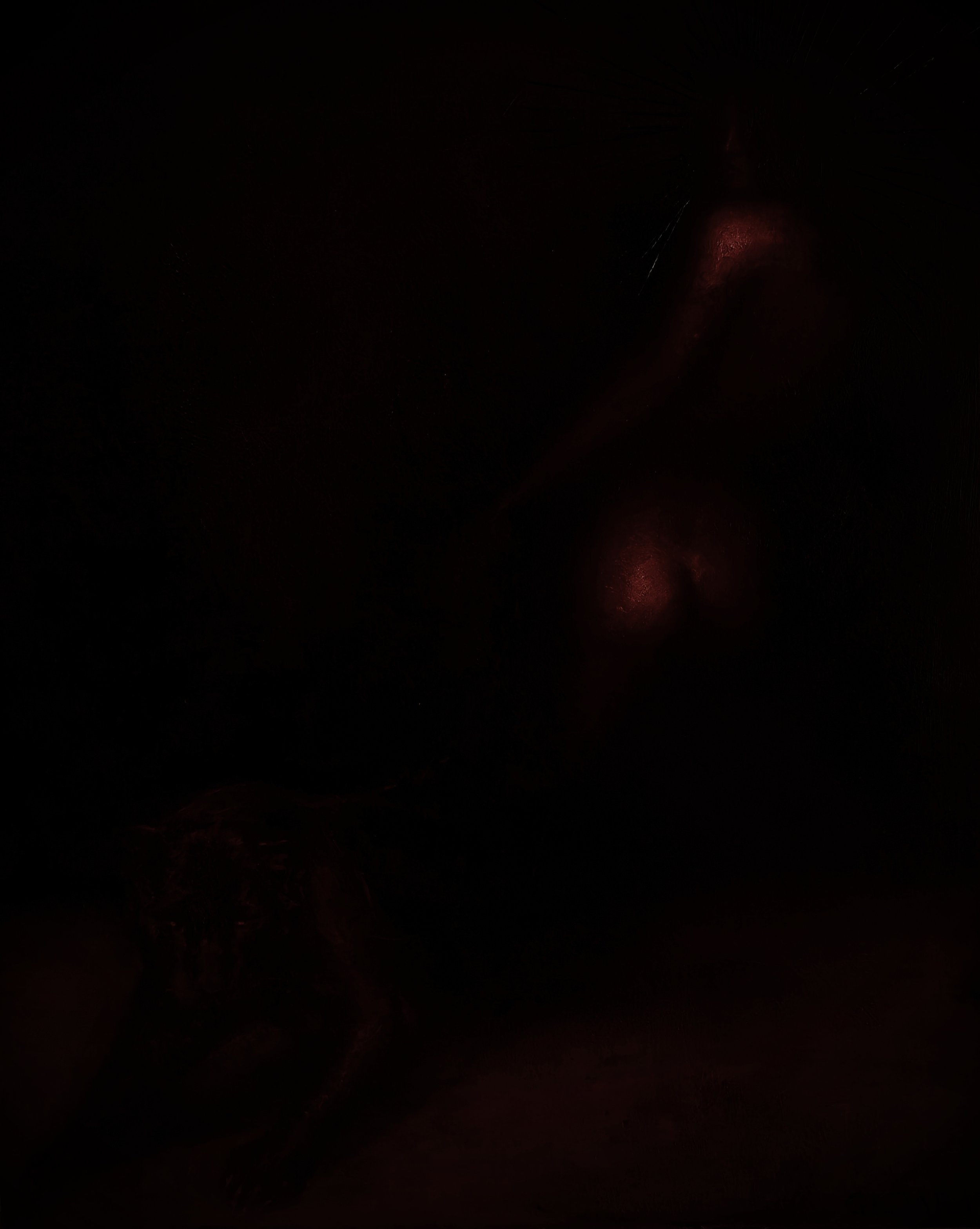
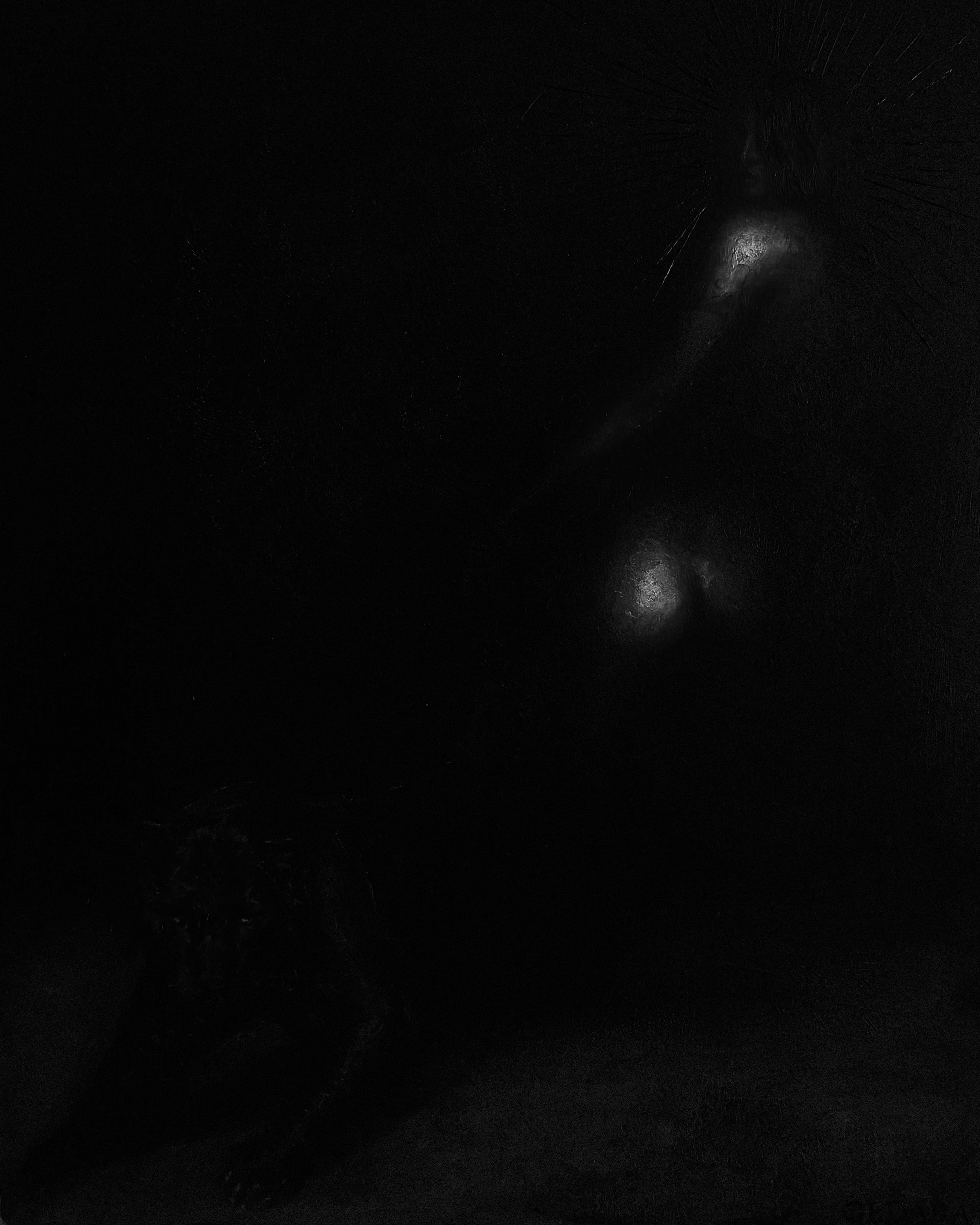
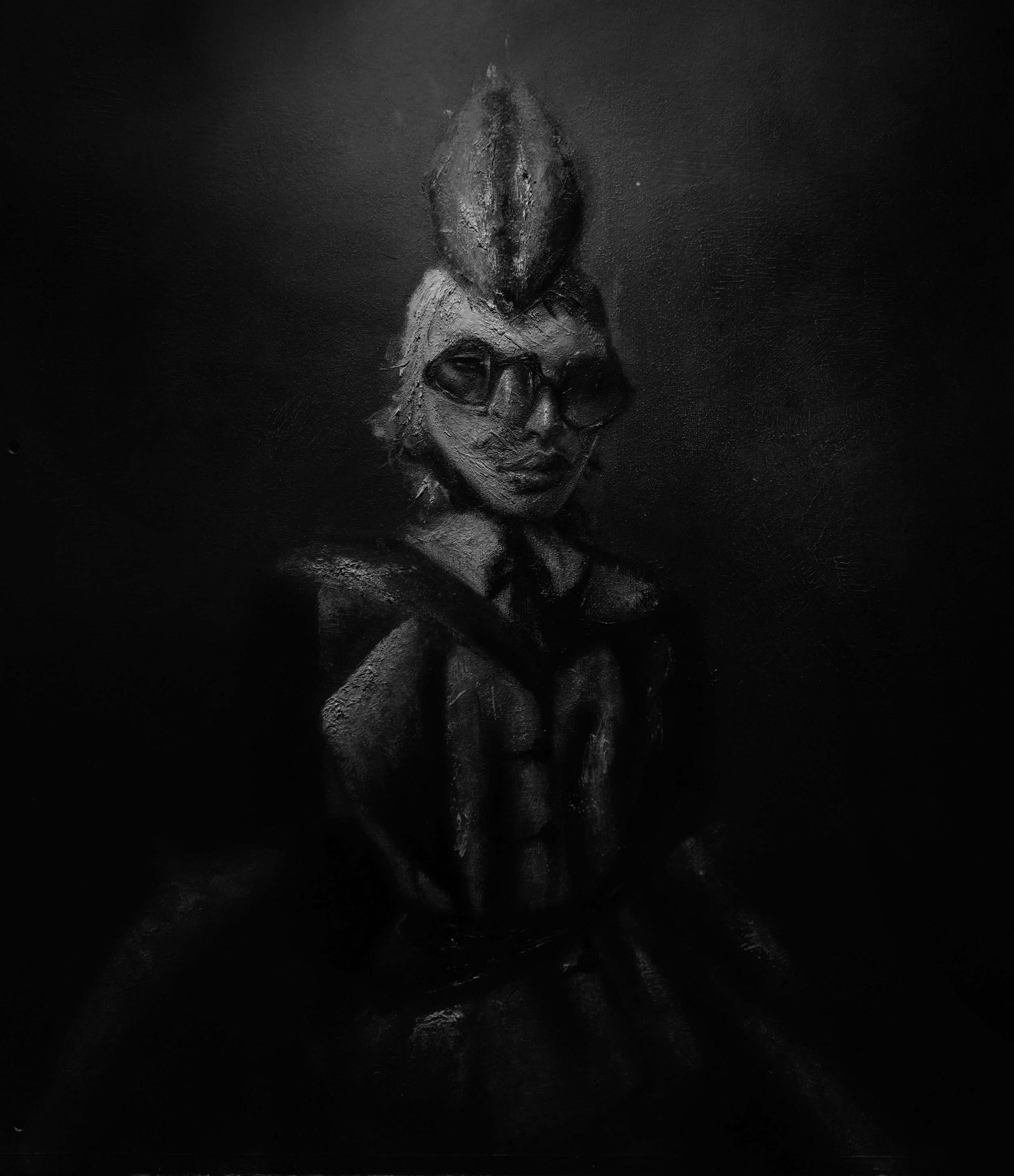
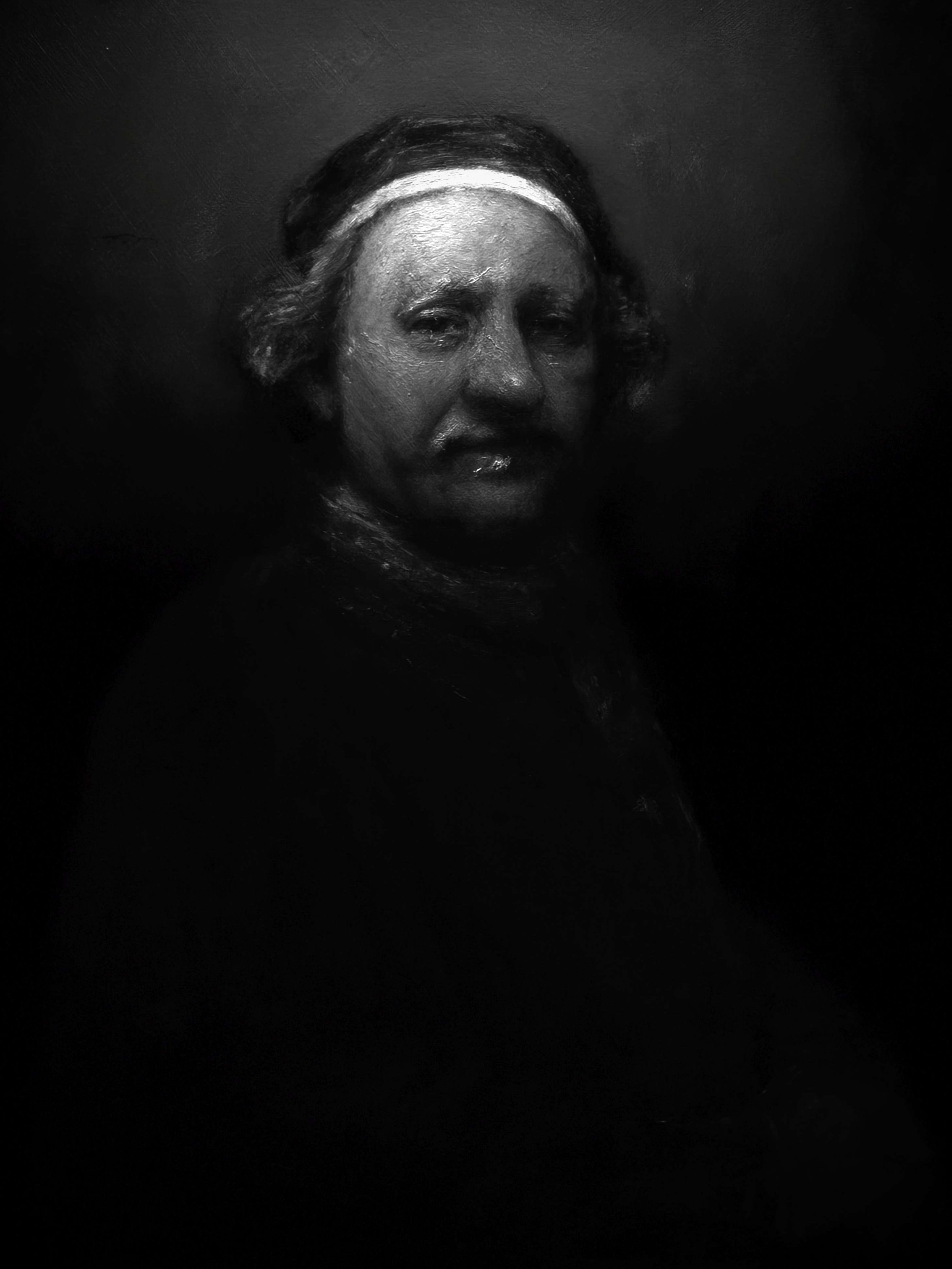
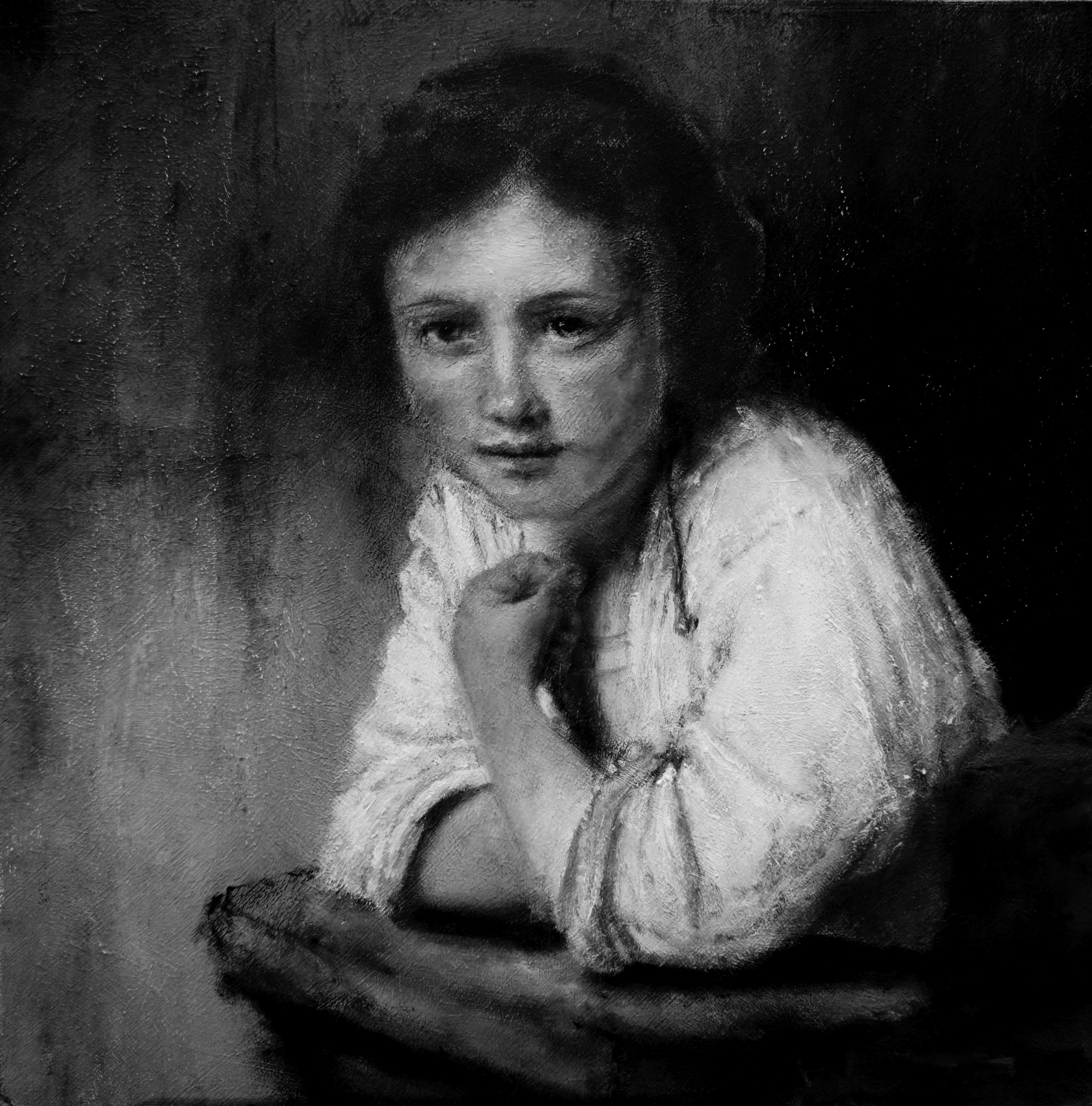
The painting exhibited here was an unusually insightful experience for me; the pin dropped, and the emotions, the obsession, the idea…all of these waves collided at once. I didn’t have the luxury of allowing the idea to cultivate slowly over time; it demanded to be made, and it demanded to be made soon, so I went to work. I redirected all the emotional turmoil from which the idea had grown into discipline, turning something potentially destructive into something tangible. There is a strange alchemy in that process: blood, sweat and tears often provide the most fertile ground for roses to grow.
6. Feedback & Growth
How do you incorporate feedback from critics or audiences into your work, and how do you balance this with your own artistic intuition?
When it comes to technicality and methodology, I pay very close attention to the criticism of a select group of people whose judgement I respect; there is always something to sharpen. But when it comes to “Art”, I find the very premise of criticism amusing, because it presupposes a hierarchy that I do not believe exists. There is no objectively good art or bad art. My work may resonate with you, or it may leave you completely cold, and neither outcome can be controlled by the artist nor the viewer. I grow by sharpening my craft, questioning myself relentlessly, and remaining unapologetically authentic to love, and purpose. If I begin making paintings to satisfy other people's eyes, I have already stopped making my own.
7. Motivation & Inspiration
How do you stay motivated and inspired, even when facing creative blocks or challenges?
It returns to what I mentioned before: be present, and allow yourself to be moved. Read the book you found abandoned on the Tube, watch the film you have had bookmarked for six months, have a drink with the suspicious man with the eyepatch at the bar, go to church on magic mushrooms. Keep your mind, body and soul nourished; inspiration isn’t something you summon, but something you remain available to. How can you disassemble and reassemble the beauty of reality if you’re only seeing it through a keyhole?
8. Exhibiting Work
How do you feel about exhibiting your artwork with The Holy Art Gallery, and what does this opportunity mean to you?
Exhibiting with The Holy Art Gallery feels like a small blissful surrender: the work is no longer entirely mine, and I have to accept that it will be interpreted, misunderstood, loved, ignored, or perhaps all four before the bar opens. That is the strange privilege of making art, to give a piece of yourself a body, and then have the courage to let it walk into the world without you. For me, this exhibition is another step in that process: not an arrival, but an opening of the door.
9. Future Goals
What are your long-term goals and aspirations as an artist, and how do you plan to achieve them?
have never been particularly interested in becoming “successful” in the conventional sense as an artist; I am interested in seeing how far this obsession can take me. I want to build a body of work that is unmistakably my own. A strange, evolving mythology assembled from everything I have seen, loved, feared, questioned and failed to understand. I want to paint with enough technical discipline that the hand becomes almost invisible, leaving the idea, the symbol and the emotion to speak for themselves. As for achieving it, I intend to keep looking, keep reading, keep making, keep failing, and remain sufficiently curious to be continually surprised by the world. The rest, I suspect, is largely beyond my control…which is perhaps the most exciting part.
10. Audience Connection
What do you hope viewers take away from experiencing your art, and how do you aim to connect with them on an emotional or intellectual level?
I don’t particularly aim for the viewer to understand my work; I only wish for them to encounter it.
I once approached a woman in a gallery who had brought herself to an exhibition and was standing alone before a seascape, weeping, quietly falling apart.
She had recently lost her little boy to cancer, and somehow, in that sea, she found him.
It didn’t matter who had painted it, what it was called, or what they wrote on the plaque. Who are we to tell her what that painting meant?
There is something profoundly human about this mysterious capacity to be struck by art, to have something within us answer something outside us, never being able to explain why.
So let the burden of creation be mine: bleed me dry, take everything I have to give, and let me pour it into my work so that, when I finally lay down the brush, there is nothing left for me to claim. The work is no longer mine; it belongs to you, to the woman weeping before the sea, to every stranger who finds within it something I could never have put there myself.
And if, somewhere hidden in the waves or the clouds or the moon, you find a piece of yourself…something forgotten, something wounded, something loved, then take it, freely; that is why I made it.