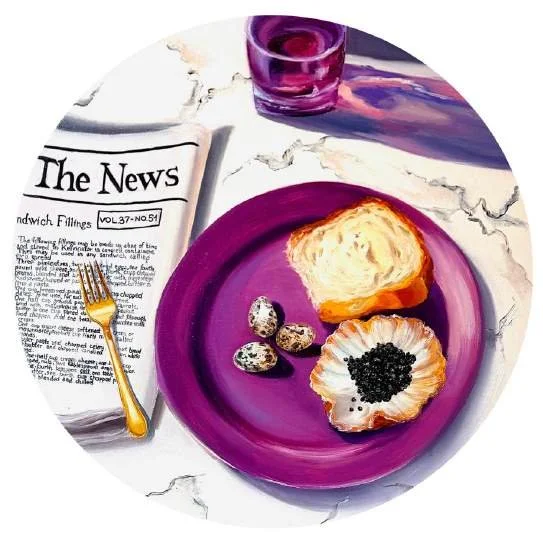
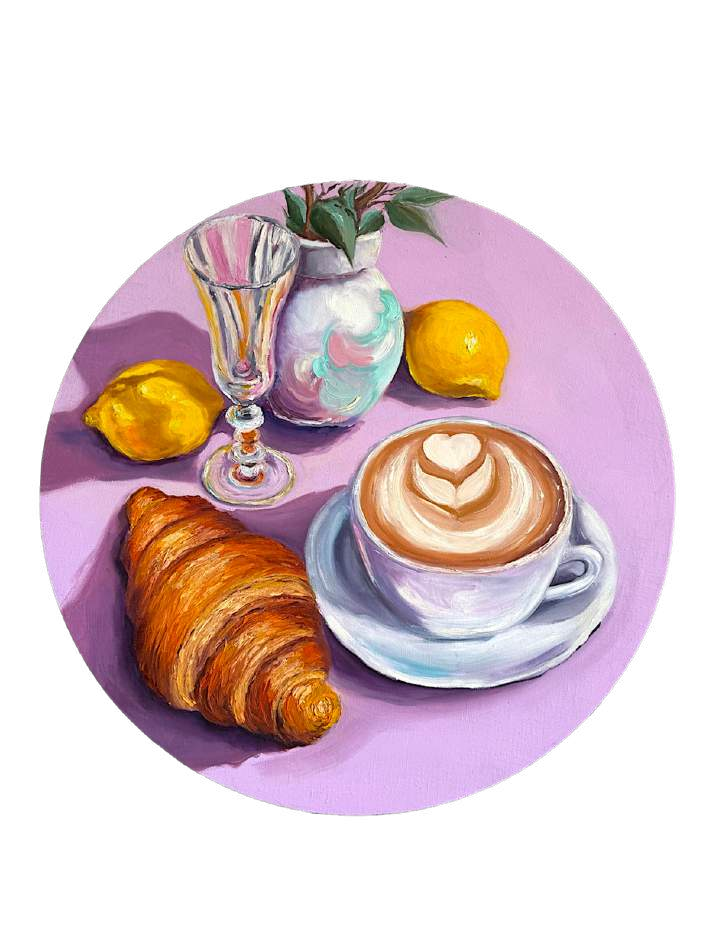
Artist spotlight : Ira Payweather
ARTIST STATEMENT:
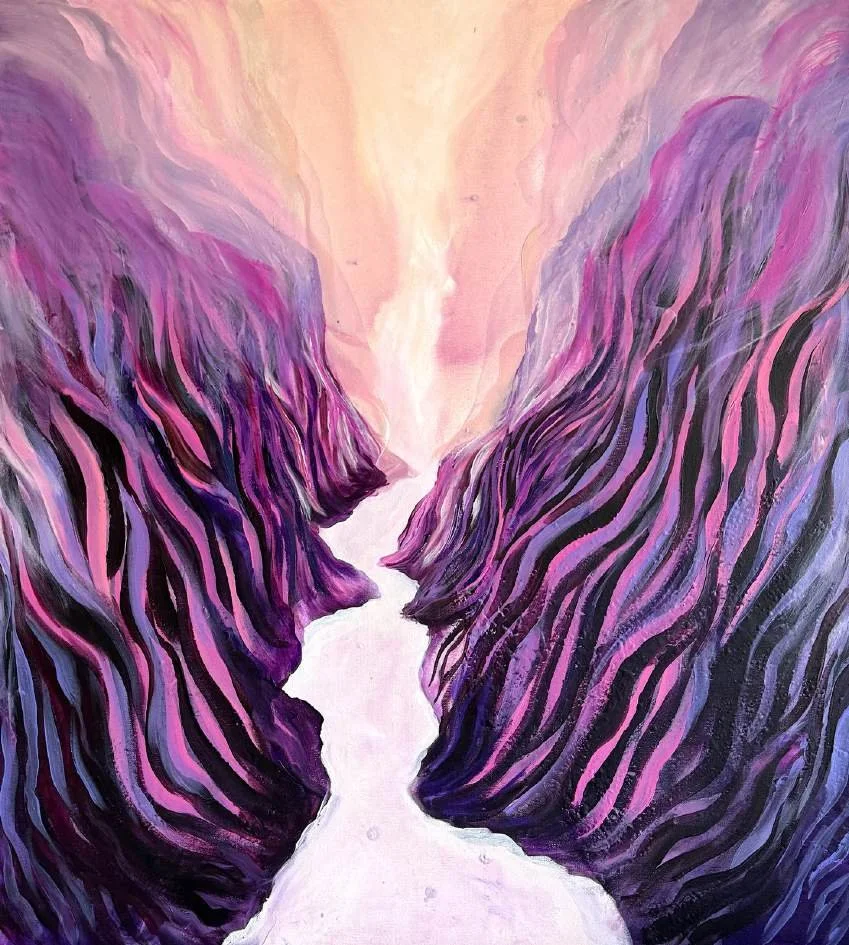
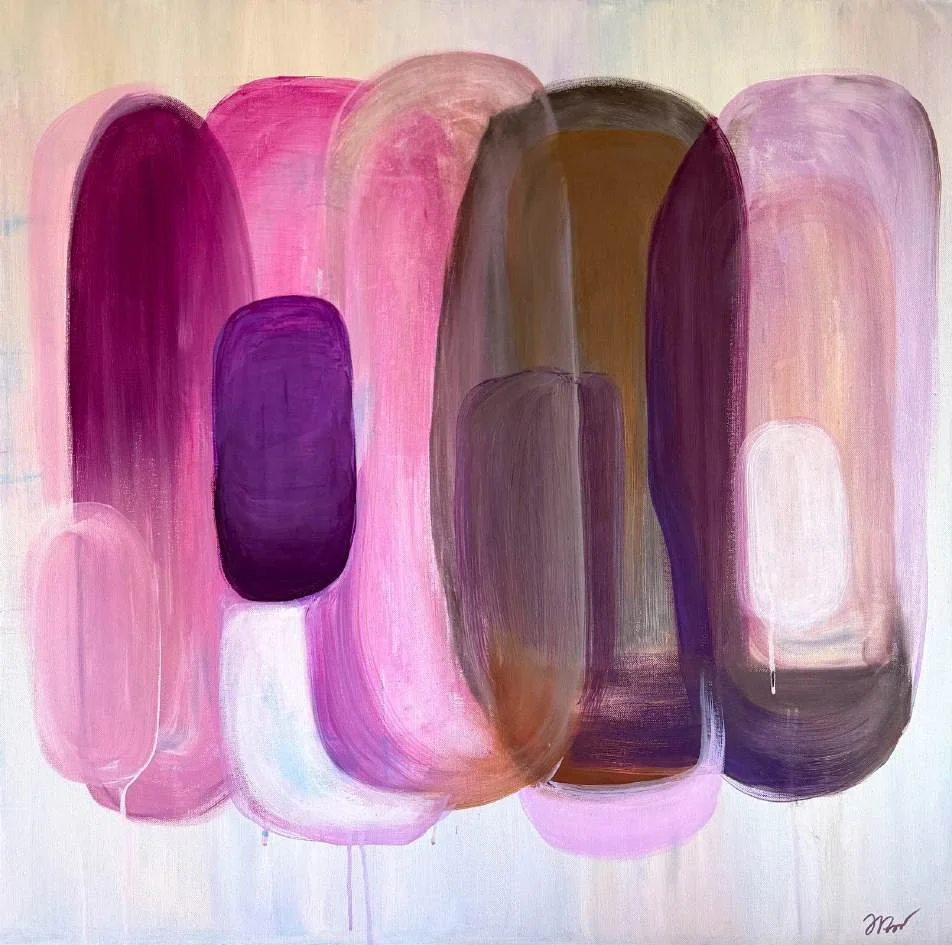
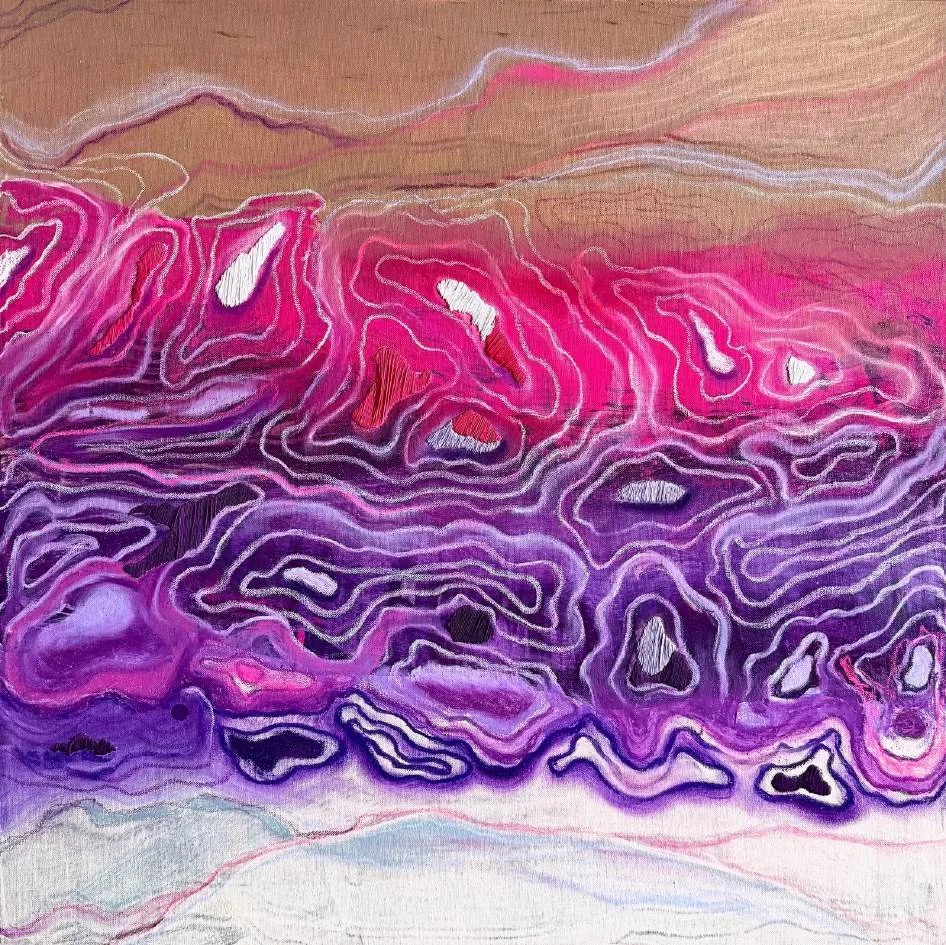
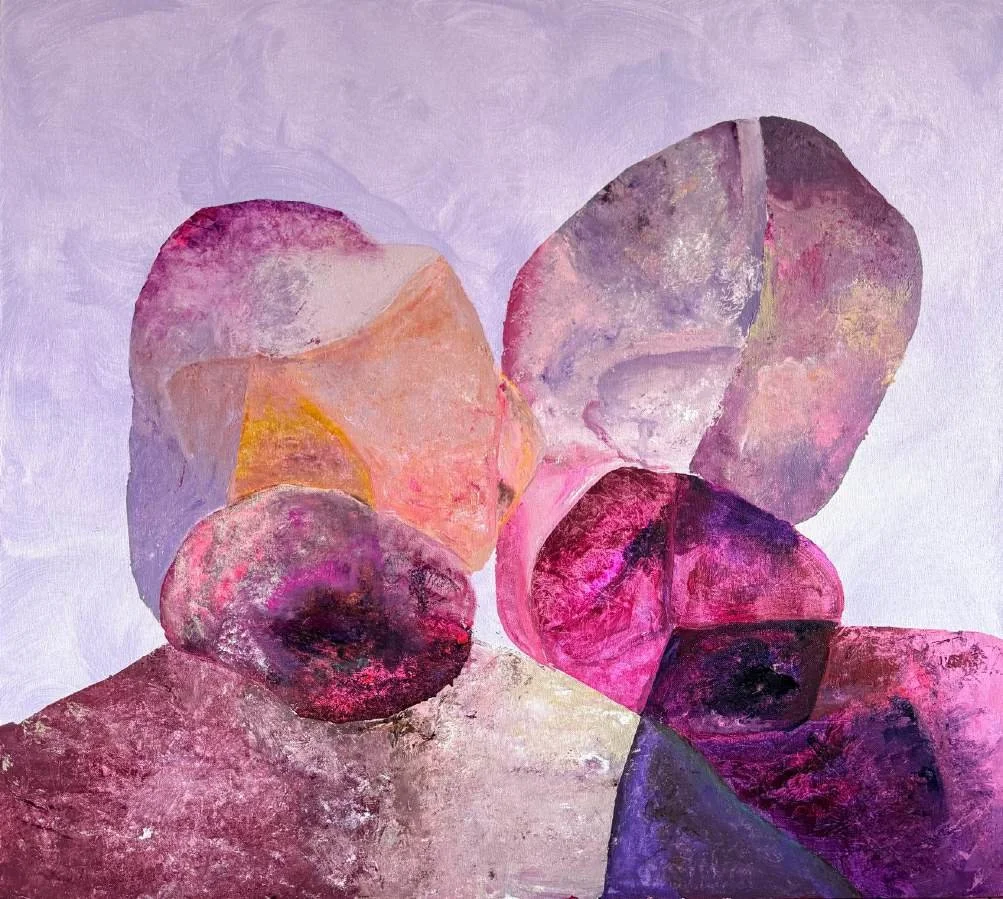
Memory is not an archive of the past. To me, it is a living material that continues to shape our identity long after the events themselves have disappeared. I am interested not in what happened, but in what remains: emotional traces, fragmented images, sensations and invisible connections that cannot be seen, yet continue to influence who we are.
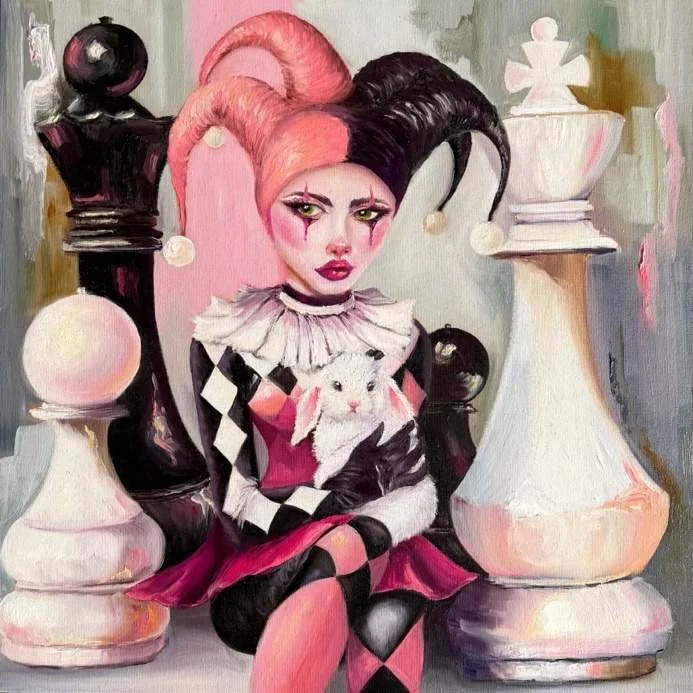
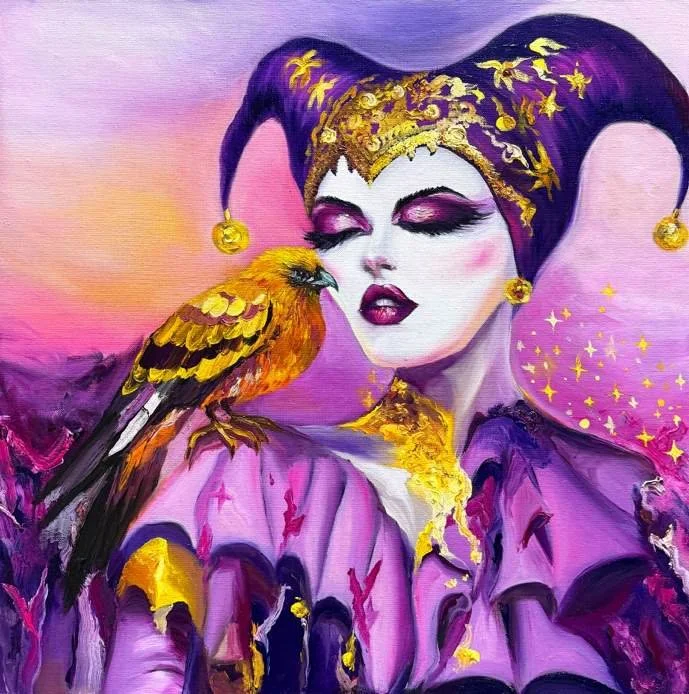
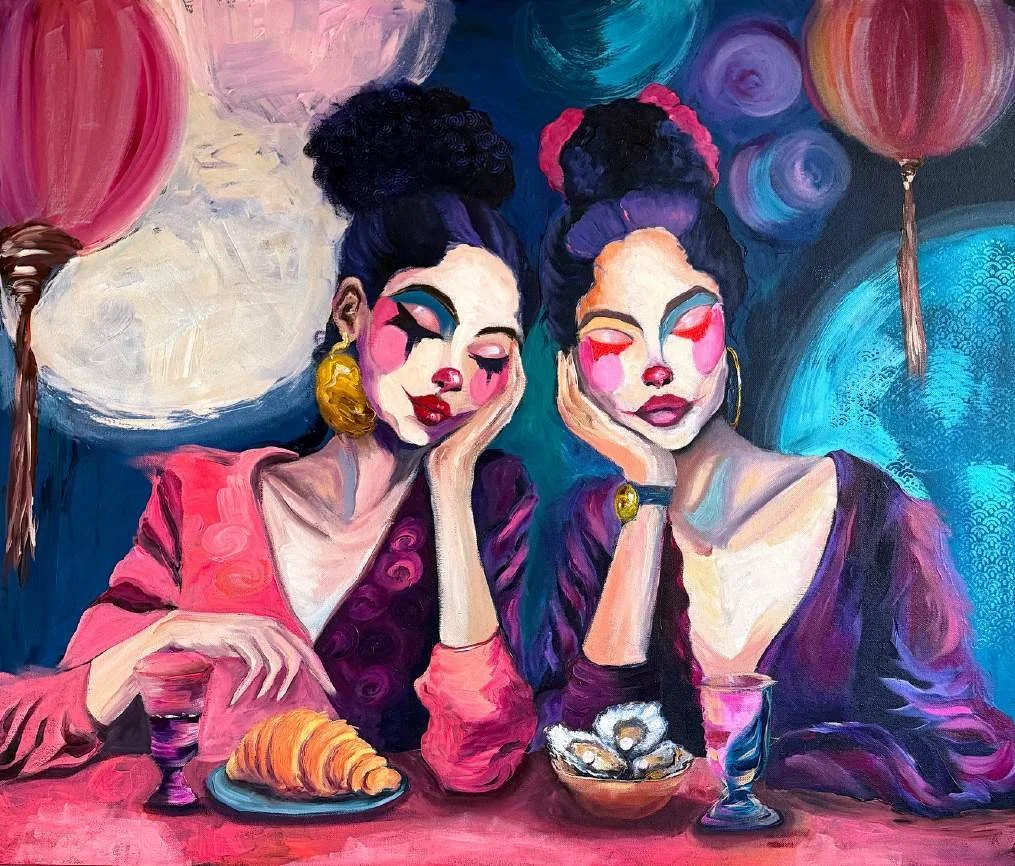
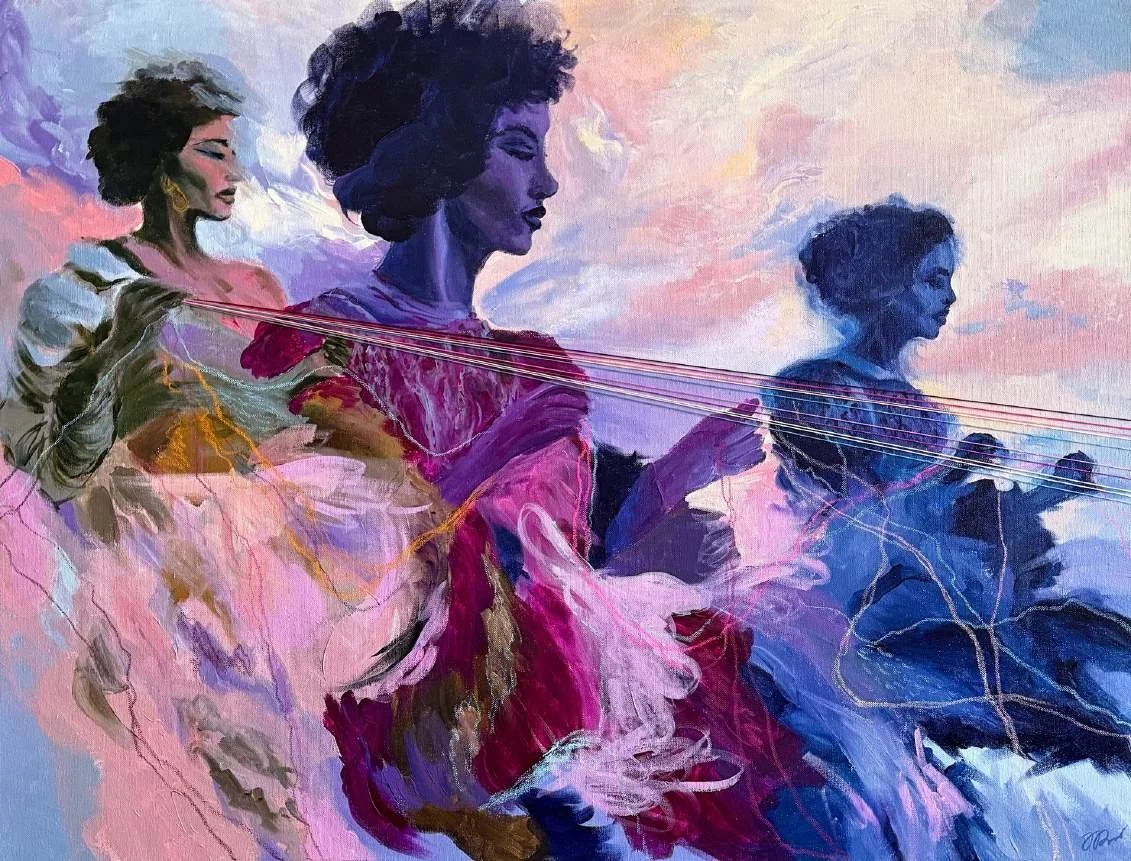
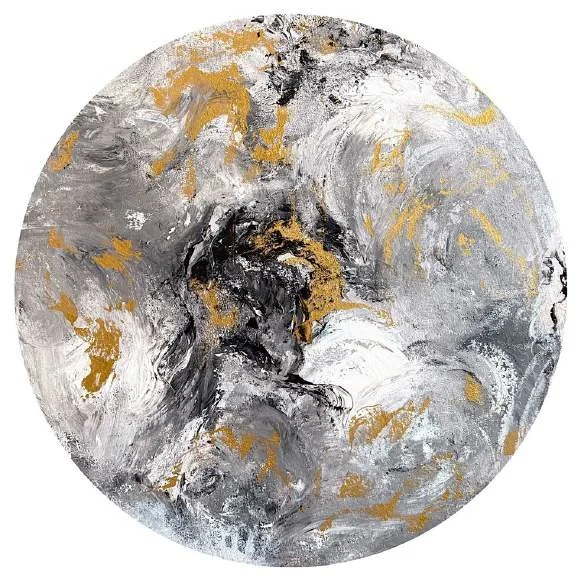
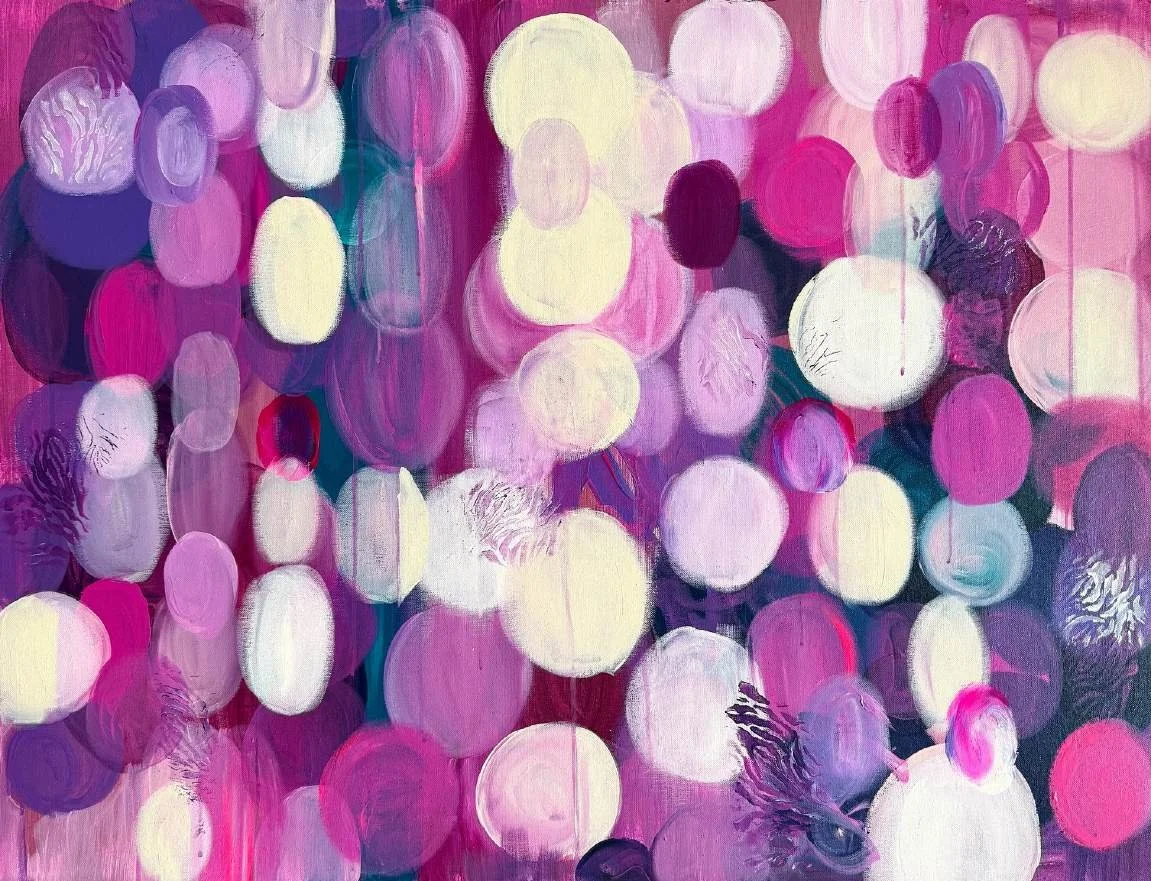
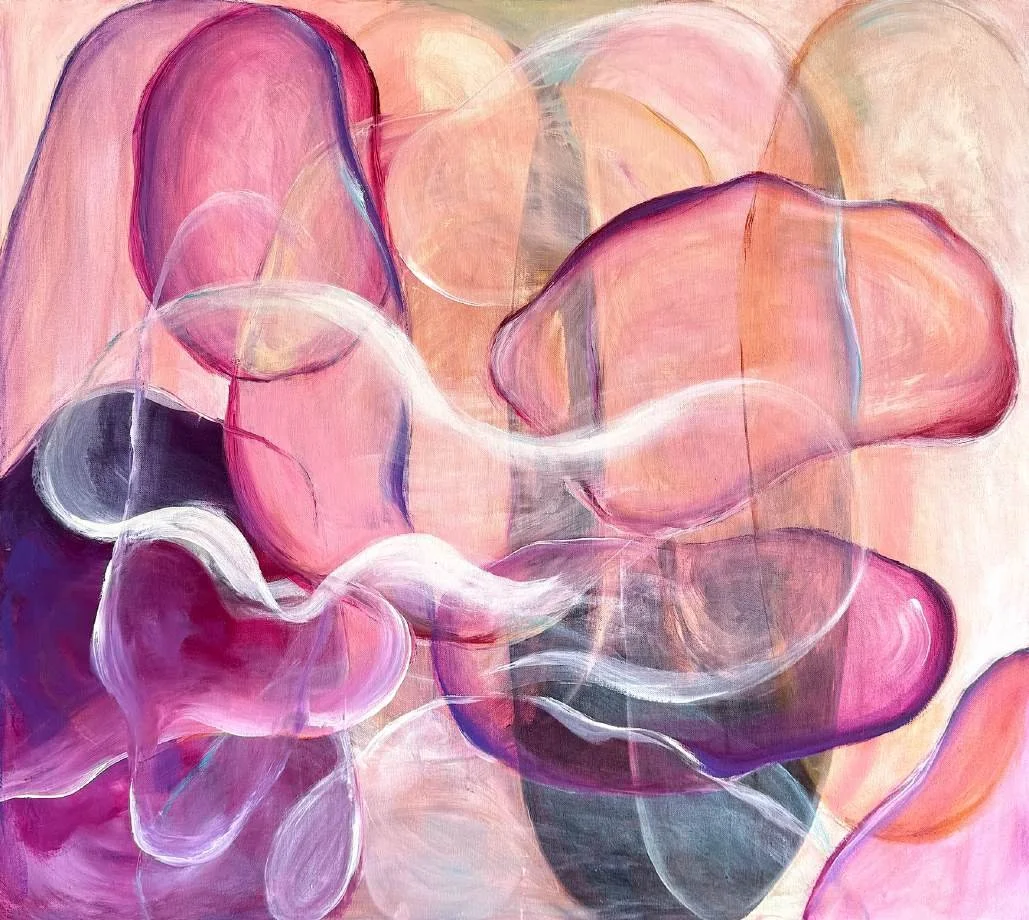
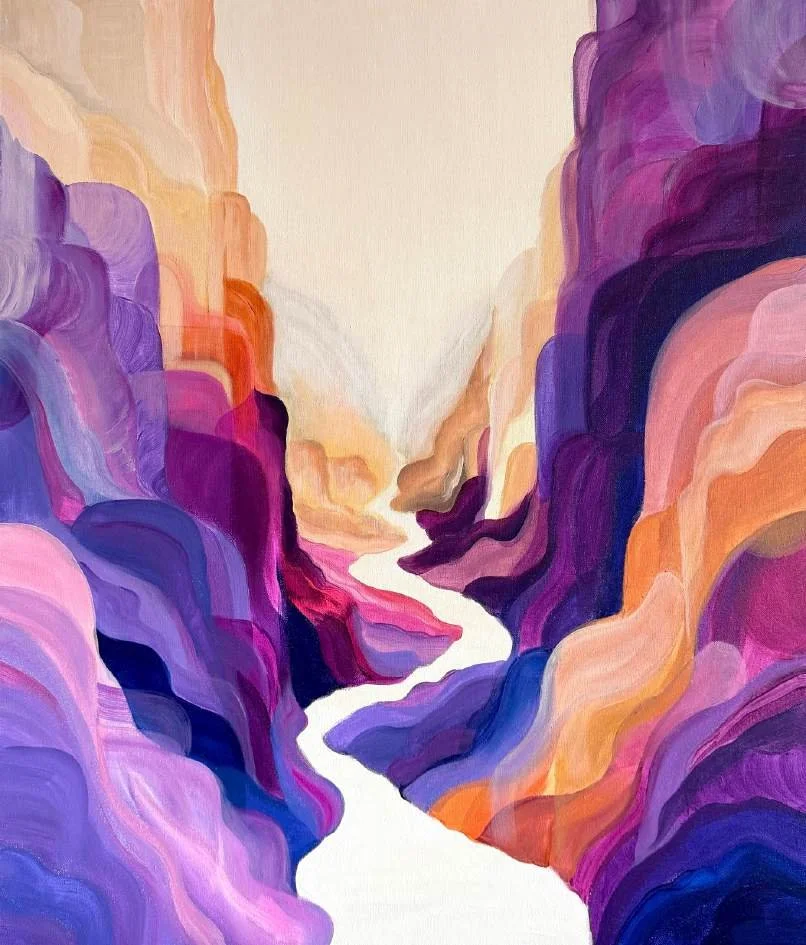
My practice exists at the intersection of contemporary figurative painting, abstraction and hand embroidery. The painted surface becomes a landscape of memory, while thread serves as its physical manifestation. Embroidery is never a decorative element; it represents the fragile attempt to preserve connections between past and present, between personal and collective memory. Every stitch becomes a trace, linking fragments of experience in much the same way memory gradually assembles our sense of self.
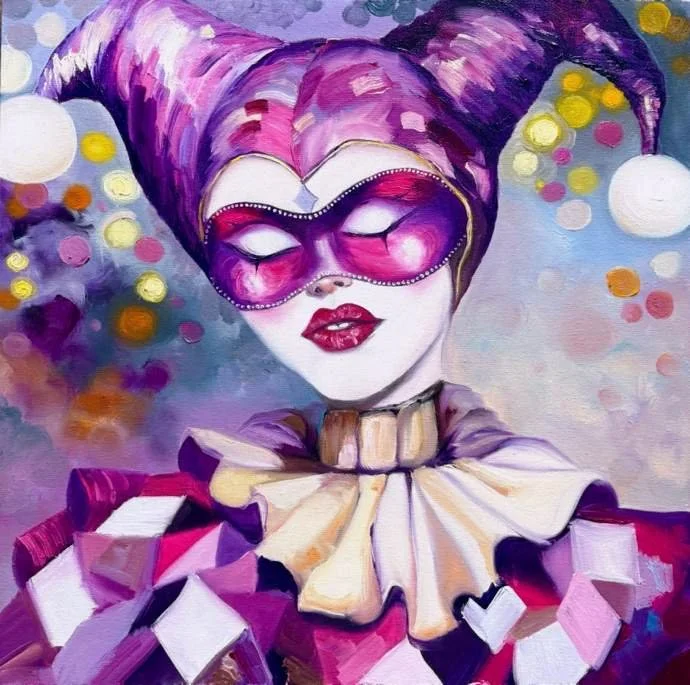
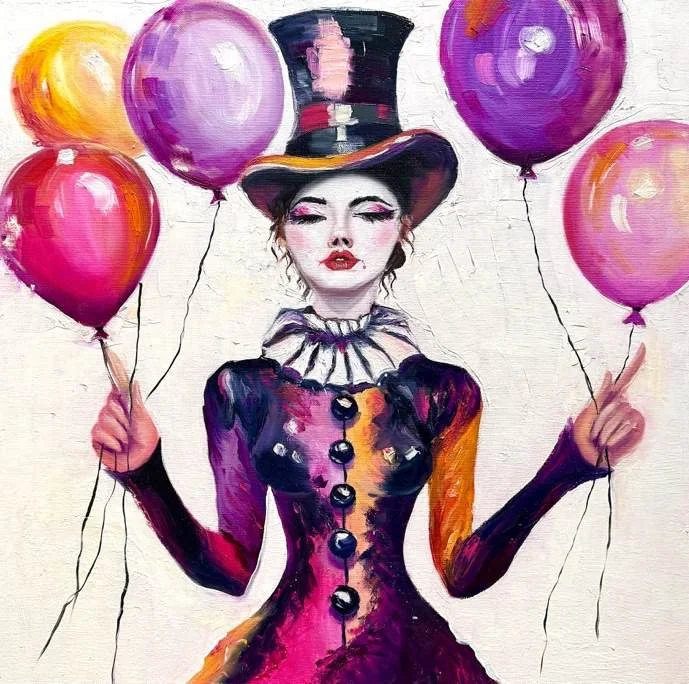
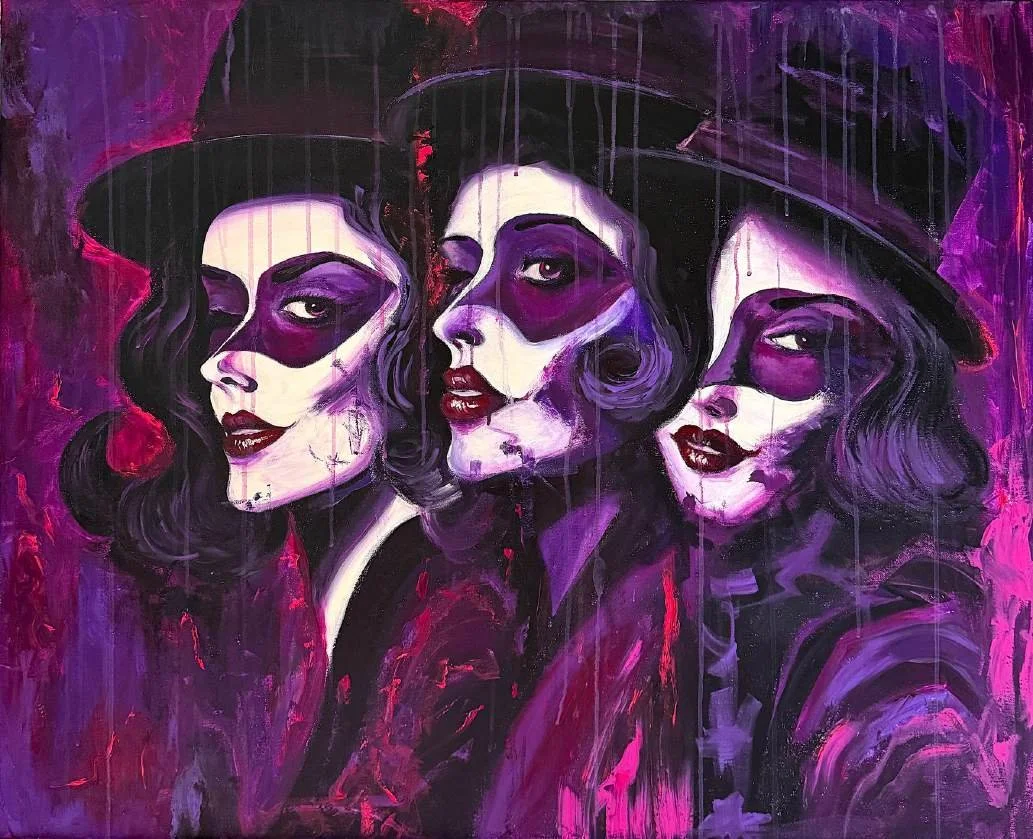
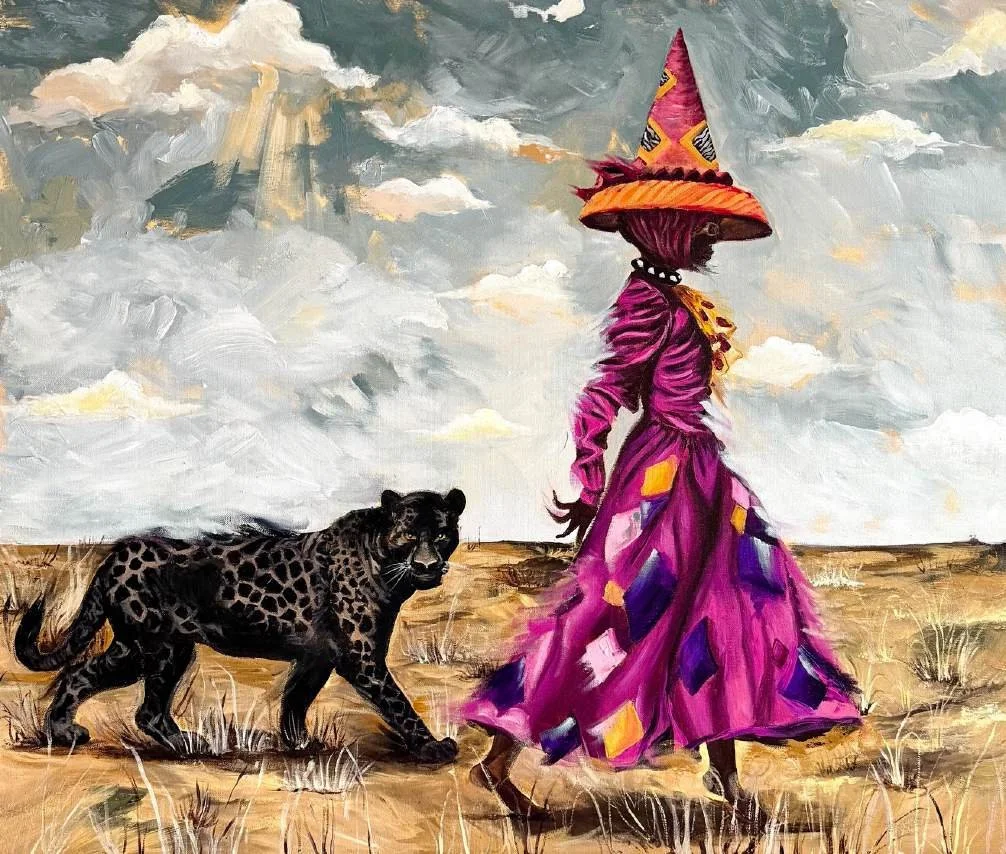
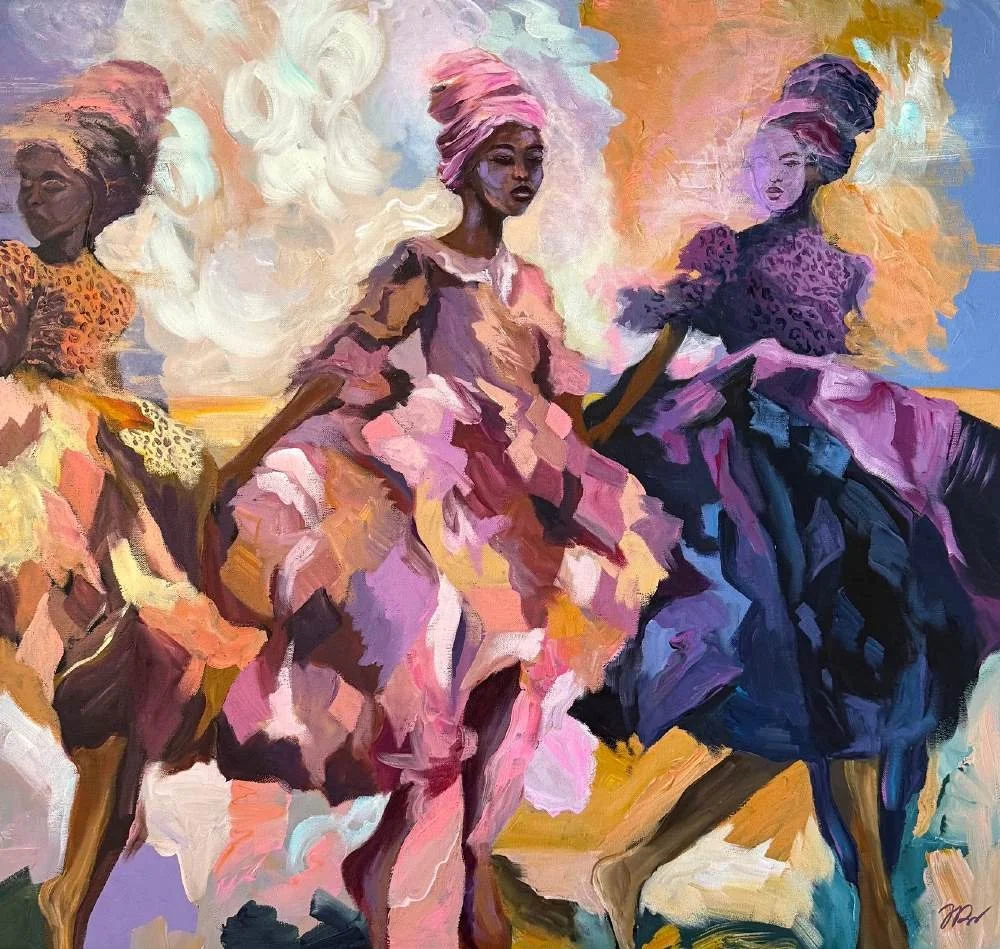
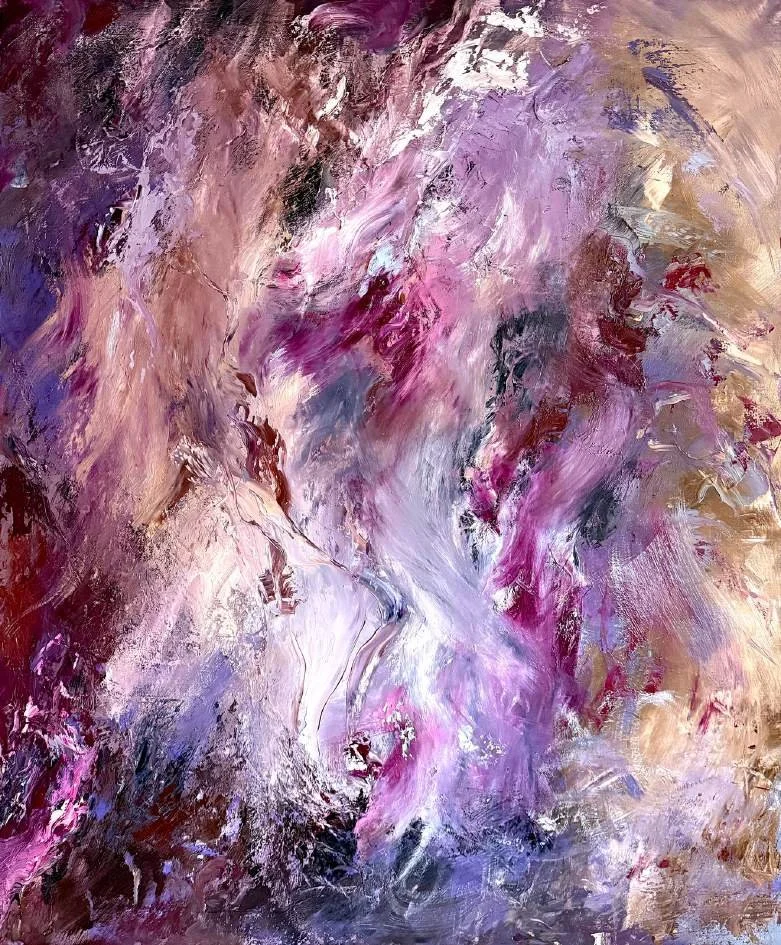
The figures in my paintings are not portraits of specific individuals. They are symbolic keepers of memory—carriers of emotions, experiences and inner states. Existing between figuration and abstraction, they inhabit spaces where recognizable forms dissolve into color, allowing memory to be perceived emotionally rather than literally. Color becomes a language of remembrance, capable of preserving feelings long after events have faded.
Rather than offering a fixed narrative, I seek to create open spaces for personal reflection. I hope each viewer brings their own memories and experiences into the work, allowing it to become a shared place of recognition. When a painting begins to hold someone else's memories
alongside my own, it no longer belongs solely to the artist—it becomes a reminder that memory is not only about the past, but an invisible force that continues to shape our present
Social Networks :
Instagram Handle: @ira_payweather
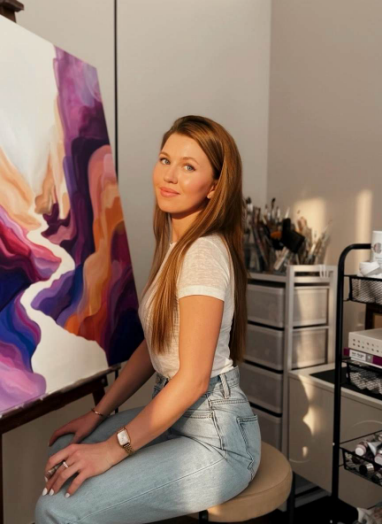
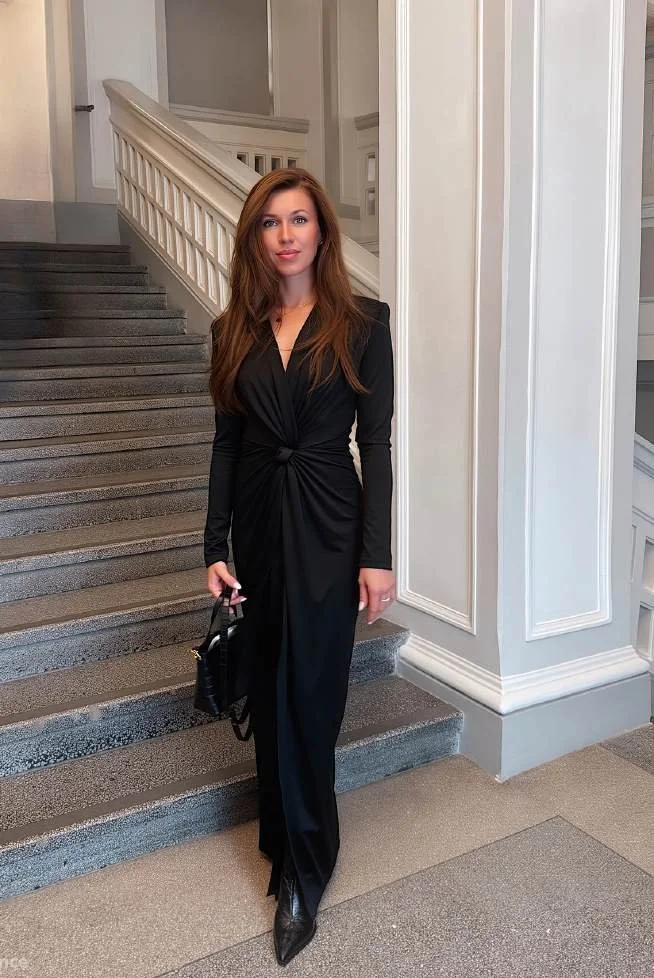
Ira Payweather
1. Inspiration & Style
What initially inspired you to become an artist, and how did you develop your unique artistic style?
Answer: I did not become an artist simply to create images. I became an artist in search of a way to hold on to what is, by its very nature, impossible to keep. My paintings do not seek to reconstruct the past; they explore why certain memories continue to resonate within us long after the moments themselves have disappeared. Threads, maps, keeper figures and dissolving forms emerge throughout my practice as recurring metaphors—not for memory as recollection, but for memory as an unseen force that quietly shapes our inner lives.
2. Creative Process
Do you have any rituals or routines that help you get into a creative mindset when starting a new project?
Answer: Before every new artwork I have two obligatory conditions: two cups of hot coffee and full free day without any other plans. No matter how long I will create new project, but start is always the same.
3. Artistic Influences
How do you balance historical or artistic influences with your personal style, and how do these influences manifest in your work today?
Answer: Rather than consciously referencing specific artists or historical movements, I see art history as a continuous conversation that shapes the way I think about painting. I am drawn to the emotional freedom of Fauvism, the symbolic language of Surrealism and the expressive potential of abstraction, but I don't quote these traditions directly. Instead, I allow them to merge naturally with my own visual language. Over time, my focus has shifted from depicting the visible world to exploring memory as an invisible landscape. Painting, embroidery and texture have become equally important, allowing me to transform intangible experiences into something physical. Today, historical influences are present not as stylistic references, but as part of a personal vocabulary that continues to evolve through my own questions about memory, identity and what remains after experience has passed.
4. Emotion & Expression
How do you use your art to evoke emotions, and what role does emotion play in your creative process?
Answer: I don't use art to express emotions; I use it to preserve them. My paintings are an attempt to make visible the invisible traces that emotions leave behind. I believe that what stays with us is rarely the event itself, but the emotional imprint it leaves in our memory. Through painting, abstraction and thread, I give those traces a physical presence. I don't ask viewers to understand my emotions—I invite them to rediscover their own.
5. Standout Projects
Can you share a project that stands out to you and describe the creative process behind it?
Answer: One of the most significant projects in my practice is my ongoing series “The Memory Keepers”. It grew from a simple question: what remains after a moment has passed? Rather than illustrating memories, I explore the traces they leave behind. By combining painting, abstraction and embroidered thread, I create figures that become symbolic keepers of memory. The thread is more than a material—it represents the invisible connections between past and present, while each painting becomes a space where personal memories can transform into something universal.
6. Feedback & Growth
How do you incorporate feedback from critics or audiences into your work, and how do you balance this with your own artistic intuition?
Answer: I truly value thoughtful feedback because it helps me understand how my work is perceived beyond my own perspective. Sometimes viewers notice connections or emotions that I wasn't consciously aware of and I find that incredibly valuable. At the same time, I don't believe feedback should determine the direction of my practice. I listen carefully, but I always return to the central question that drives my work. If a comment helps me express that idea more clearly, I embrace it. If it pulls me away from it, I let it go. For me, artistic intuition and external feedback are not opposites—they are part of an ongoing dialogue. Feedback can refine the way I communicate, but it never replaces the reasons why I create in the first place.
7. Motivation & Inspiration
How do you stay motivated and inspired, even when facing creative blocks or challenges?
Answer: My greatest source of motivation comes from within. I have a deep sense that I am exactly where I am meant to be and that certainty keeps me moving forward, even through periods of doubt or creative challenges. Creating art isn't something I do only when inspiration arrives—it's an essential part of how I understand the world and myself. I am also inspired by artists who remained true to their vision despite years of uncertainty, little recognition or slow progress. Their stories remind me that building an artistic practice takes patience and resilience. They encourage me to keep evolving, to trust the process, and to believe that an authentic voice always finds its place with time.
8. Exhibiting Work
How do you feel about exhibiting your artwork with The Holy Art Gallery, and what does this opportunity mean to you?
Answer: I see every exhibition as more than a place to present finished artworks—it's an opportunity to discover how people connect with them. Since my work explores memory and the invisible traces that shape our inner lives, I am always curious to see how viewers bring their own experiences into the paintings. Exhibiting with The Holy Art Gallery is especially meaningful because it allows my work to reach an international audience and become part of a wider conversation about contemporary art. I see it as another important step in the ongoing development of my artistic practice.
9. Future Goals
What are your long-term goals and aspirations as an artist, and how do you plan to achieve them?
Answer: My ambition is not simply to build a successful career, but to develop a body of work with a clear and recognizable artistic voice. I want to continue exploring memory, identity and the invisible traces of human experience through painting, abstraction and embroidery, allowing these ideas to evolve naturally over the years. I see exhibitions, gallery collaborations and international projects as important milestones within that journey, not as the destination itself. My goal is to keep asking meaningful questions, to keep growing as an artist, and to contribute something personal and lasting to contemporary art.
10. Audience Connection
What do you hope viewers take away from experiencing your art, and how do you aim to connect with them on an emotional or intellectual level?
Answer: I don't expect viewers to interpret my work in the same way that I do. In fact, I hope they don't. My paintings are intentionally open, allowing each person to bring their own memories, emotions and experiences into them. My role as an artist is not to provide answers, but to create a space where something personal can unfold. Through color, texture, abstraction and thread, I explore memory as something shared rather than individual. When a painting becomes a place where someone recognizes a part of themselves, it is no longer only my story—it becomes ours.