Juliette Livet
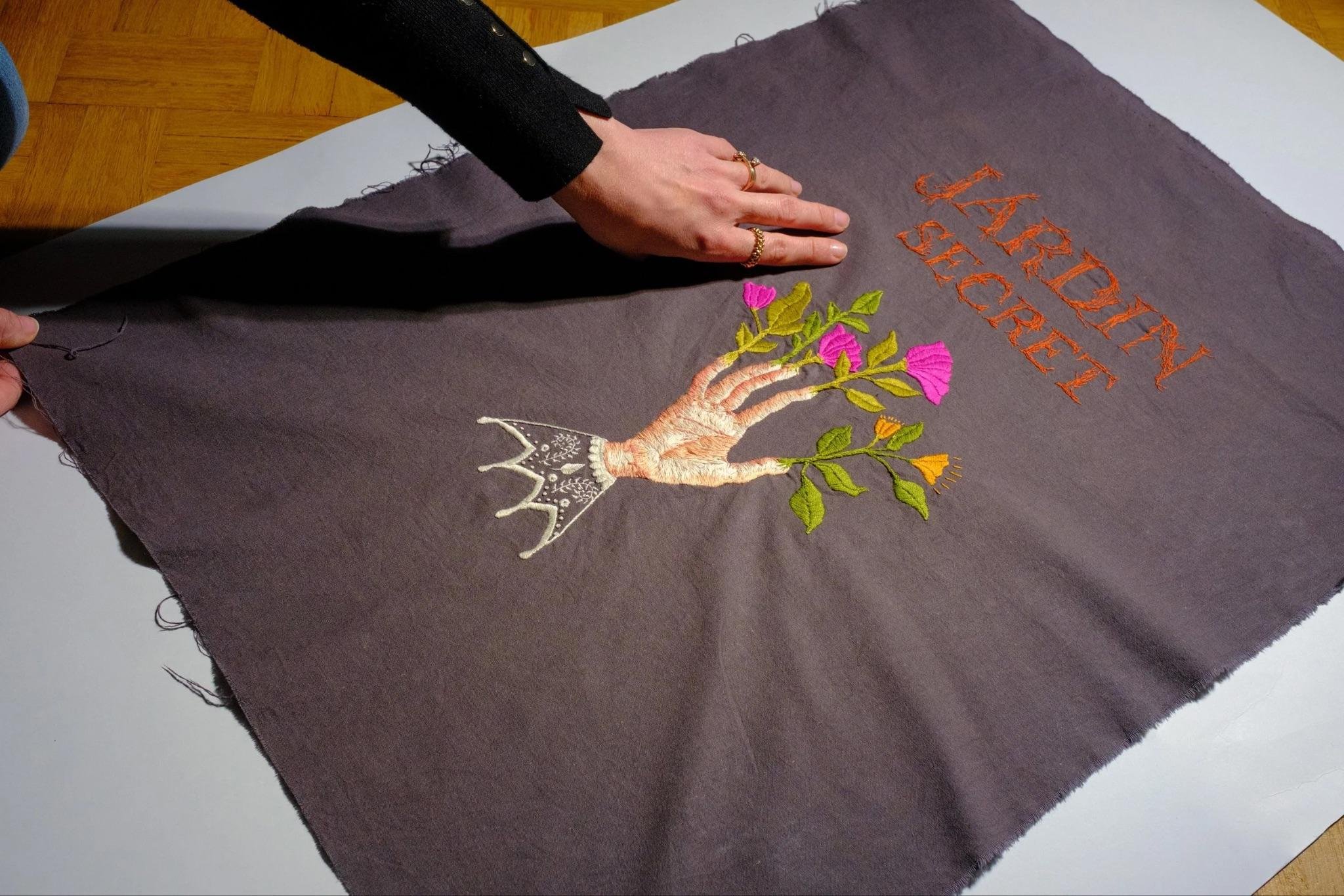
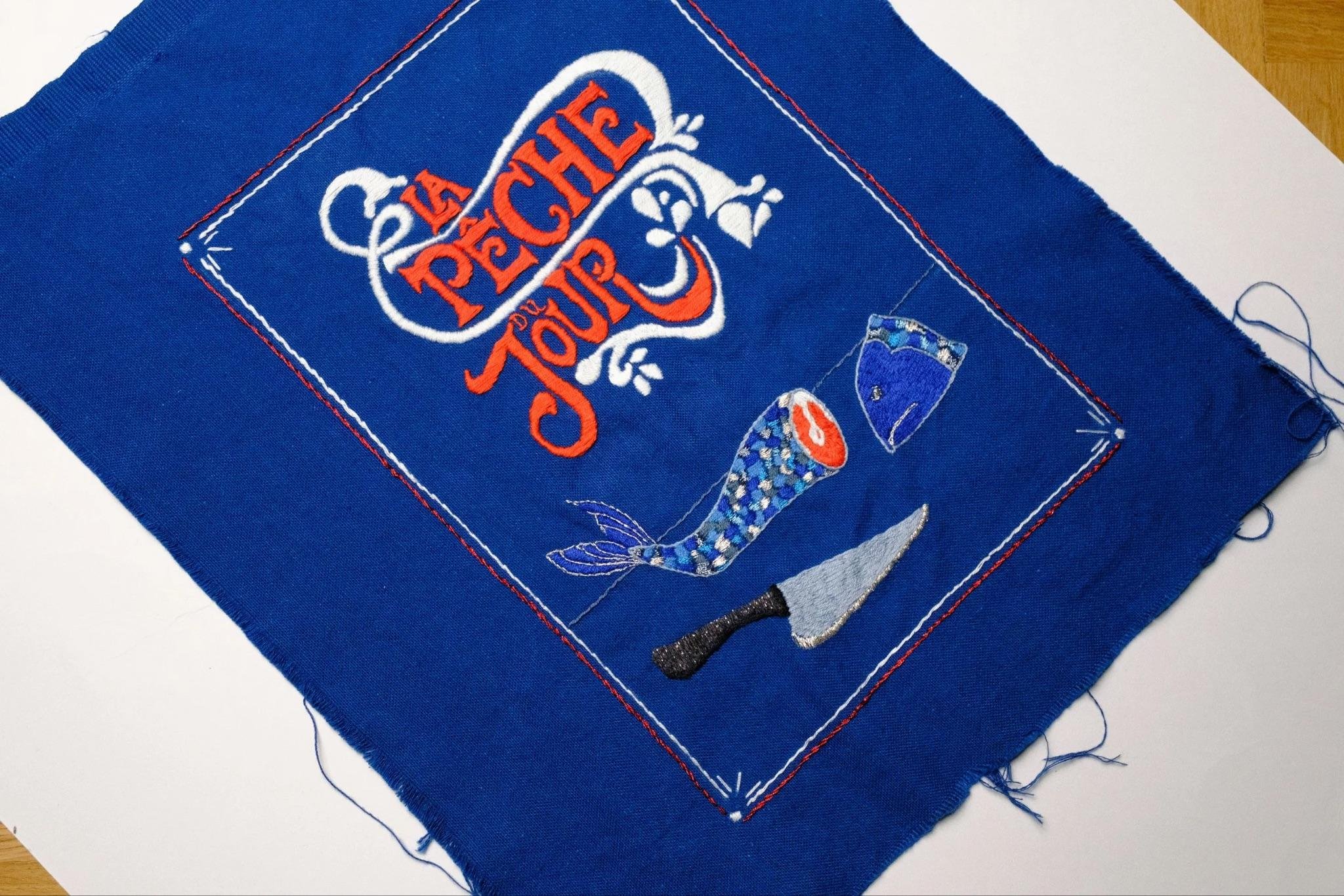
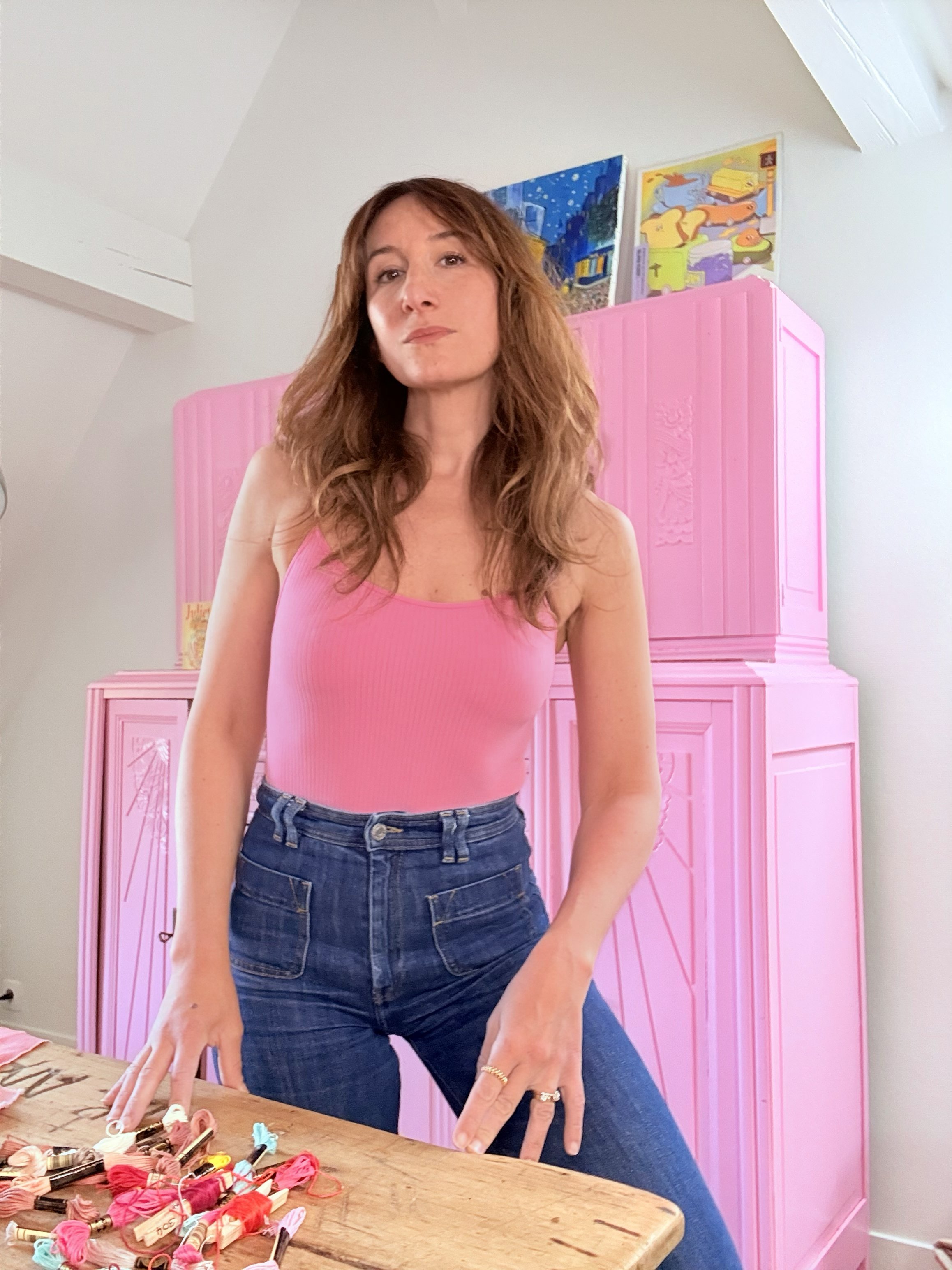
Juliette Livet is a French textile artist whose work explores embroidery as a contemporary language at the intersection of image, materiality, and collective memory. Drawing from 1990s visual culture, vintage advertising, graphic design, and typography, she appropriates familiar images and signs, translating them into another language—that of thread and material.
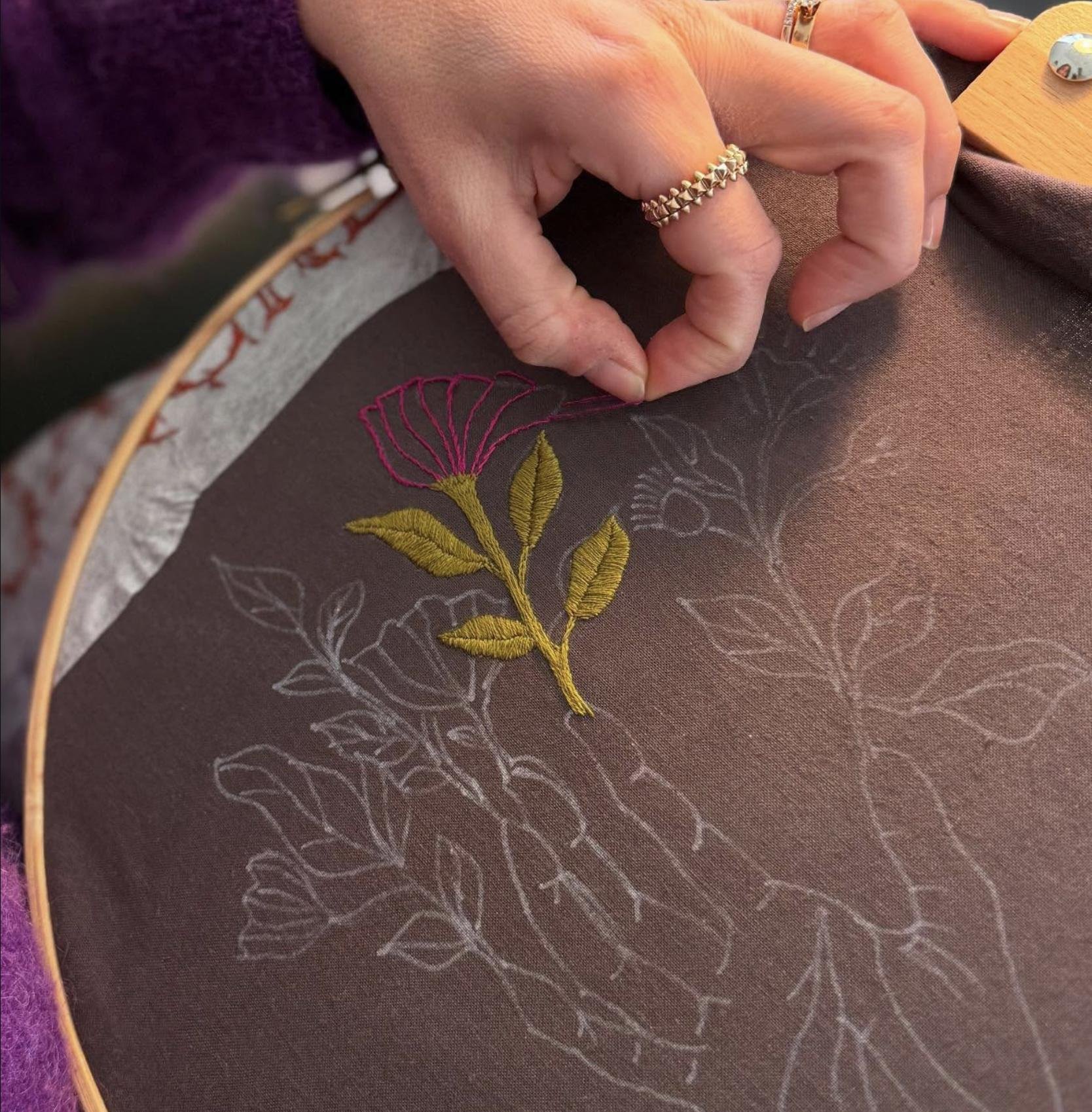
Her practice develops a distinctive textile language in which the slowness of hand embroidery contrasts with the immediacy of imagery drawn from popular culture. Through thread, color, and texture, she explores memory, identity, and the narratives carried by familiar images. By removing them from their original context and reconstructing them stitch by stitch, she gives them a new presence and invites the viewer to look at them differently.
Social Networks :
Instagram handle: @_juliettelivet
Portfolio: juliettelivet.myportfolio.com
Juliette Livet
1. Inspiration & Style
What initially inspired you to become an artist, and how did you develop your unique artistic style?
From a very young age, I was drawn to fabric, sewing and embroidery. I began experimenting with these materials almost instinctively, long before I ever imagined they could become central to my artistic practice. At the same time, I was always fascinated by advertising and by its ability to create images that are instantly recognisable, desirable and sometimes almost iconic.
That fascination probably comes, at least in part, from my grandfather, who was a great admirer of advertising. I believe this influenced my path quite unconsciously and eventually led me towards art direction and communication, fields in which I worked for many years.
Over time, these two worlds came together: on one side, textiles, slow gestures, materiality and craftsmanship; on the other, the visual codes of advertising, popular culture and everyday objects. My artistic language was born from that encounter.
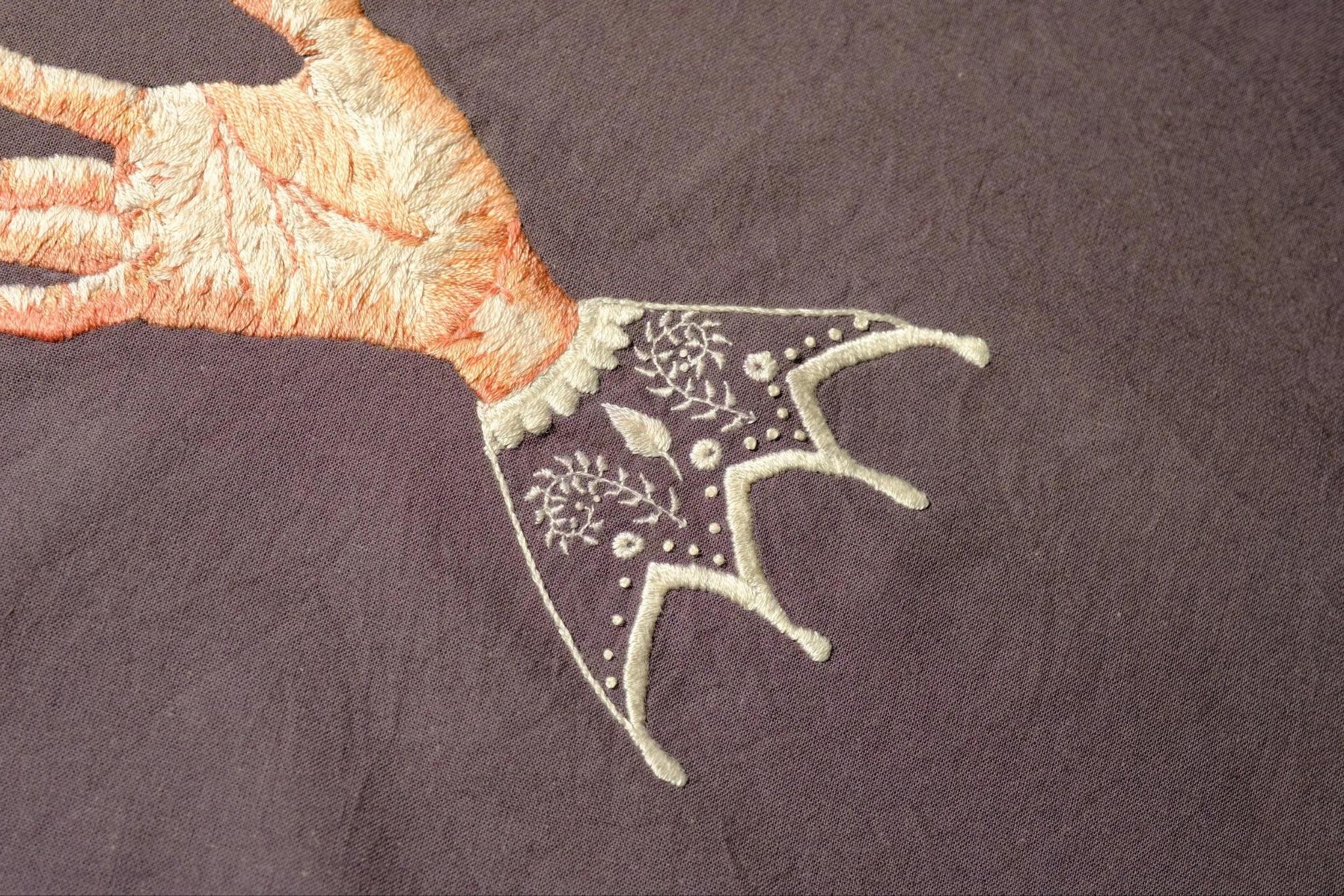
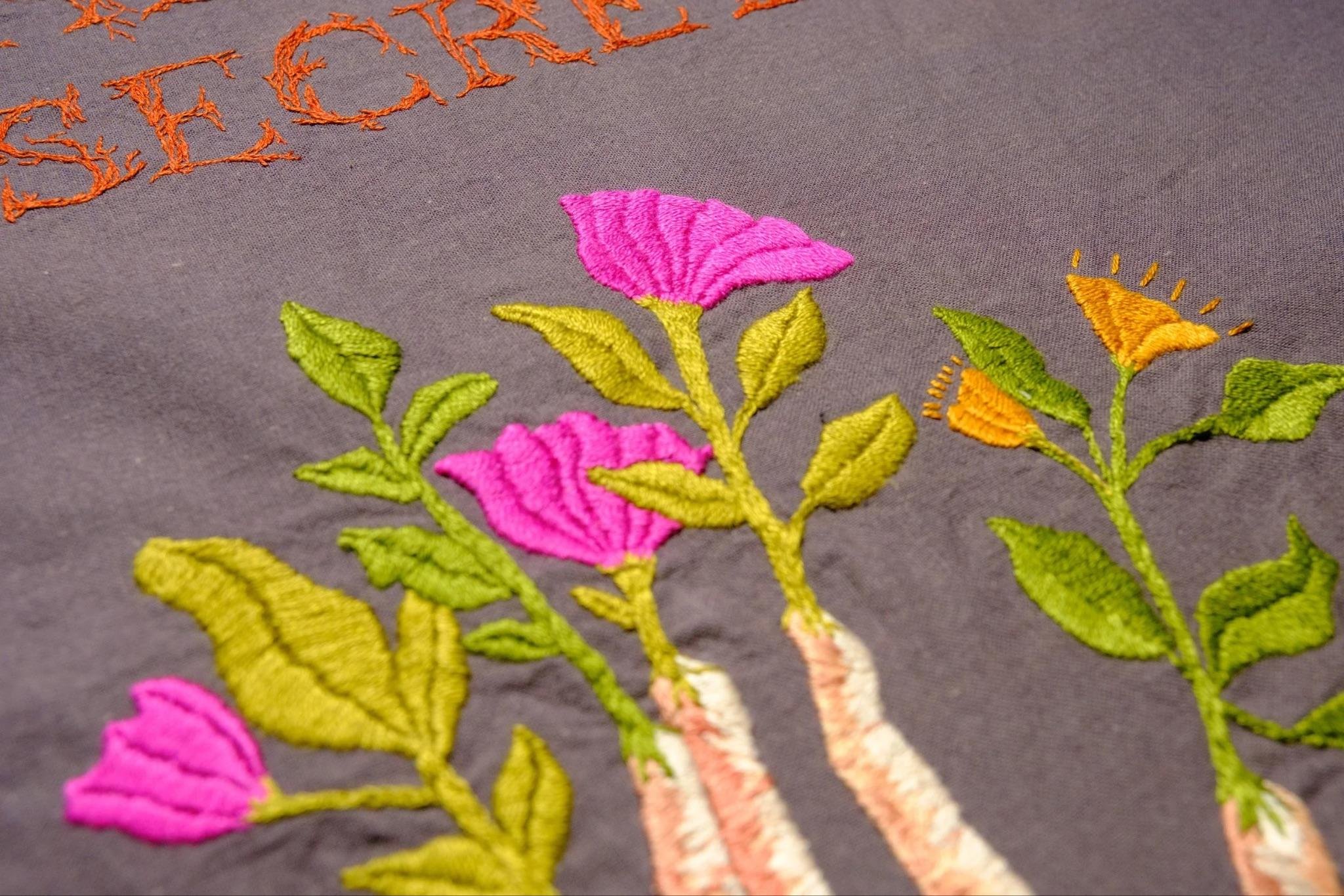
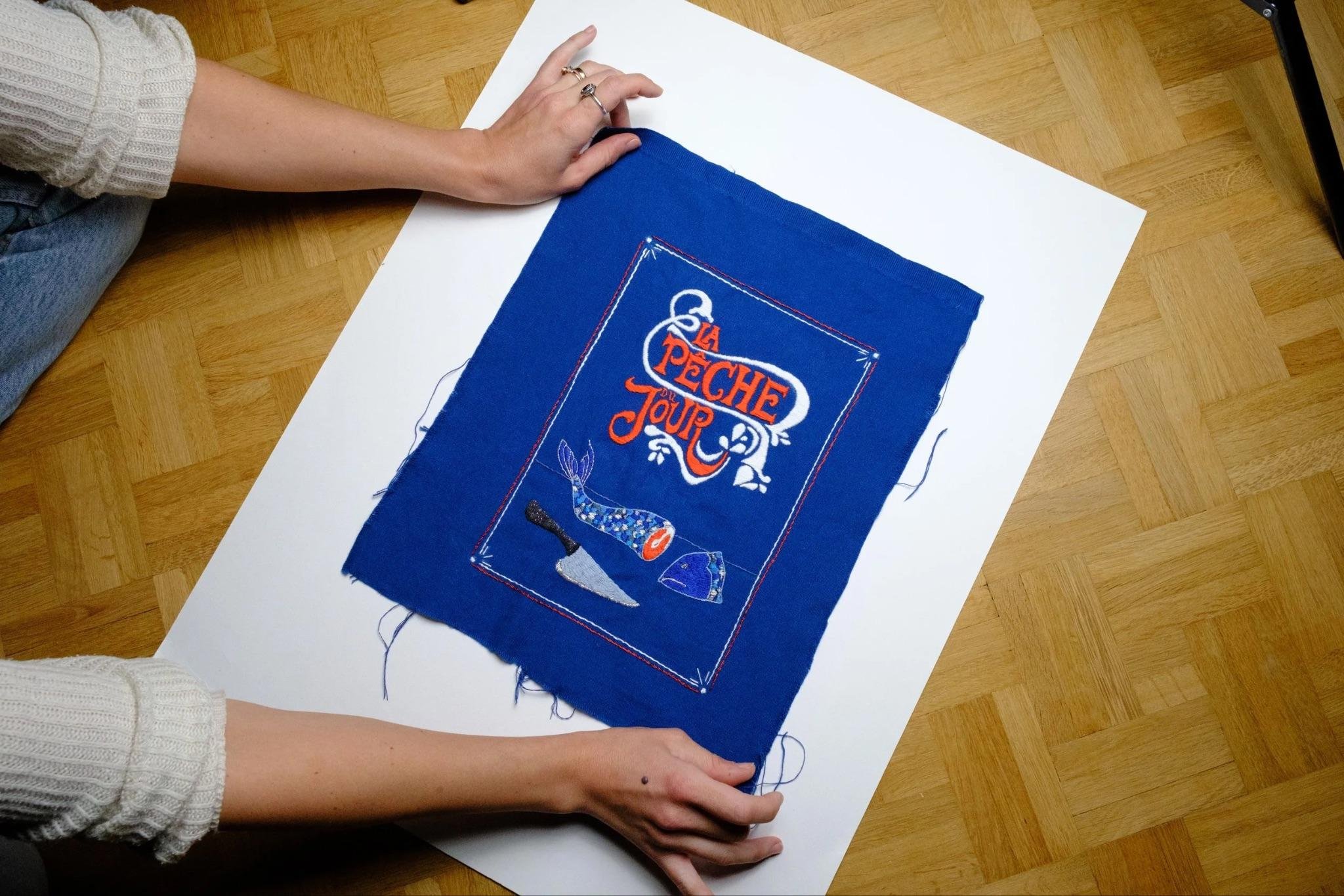
I like working with bold colours, highly graphic compositions and images that feel familiar at first glance, before shifting them slightly to suggest another reading. Embroidery allows me to slow down these immediate images and give them time, texture and a physical presence. Thread becomes almost a form of ink.
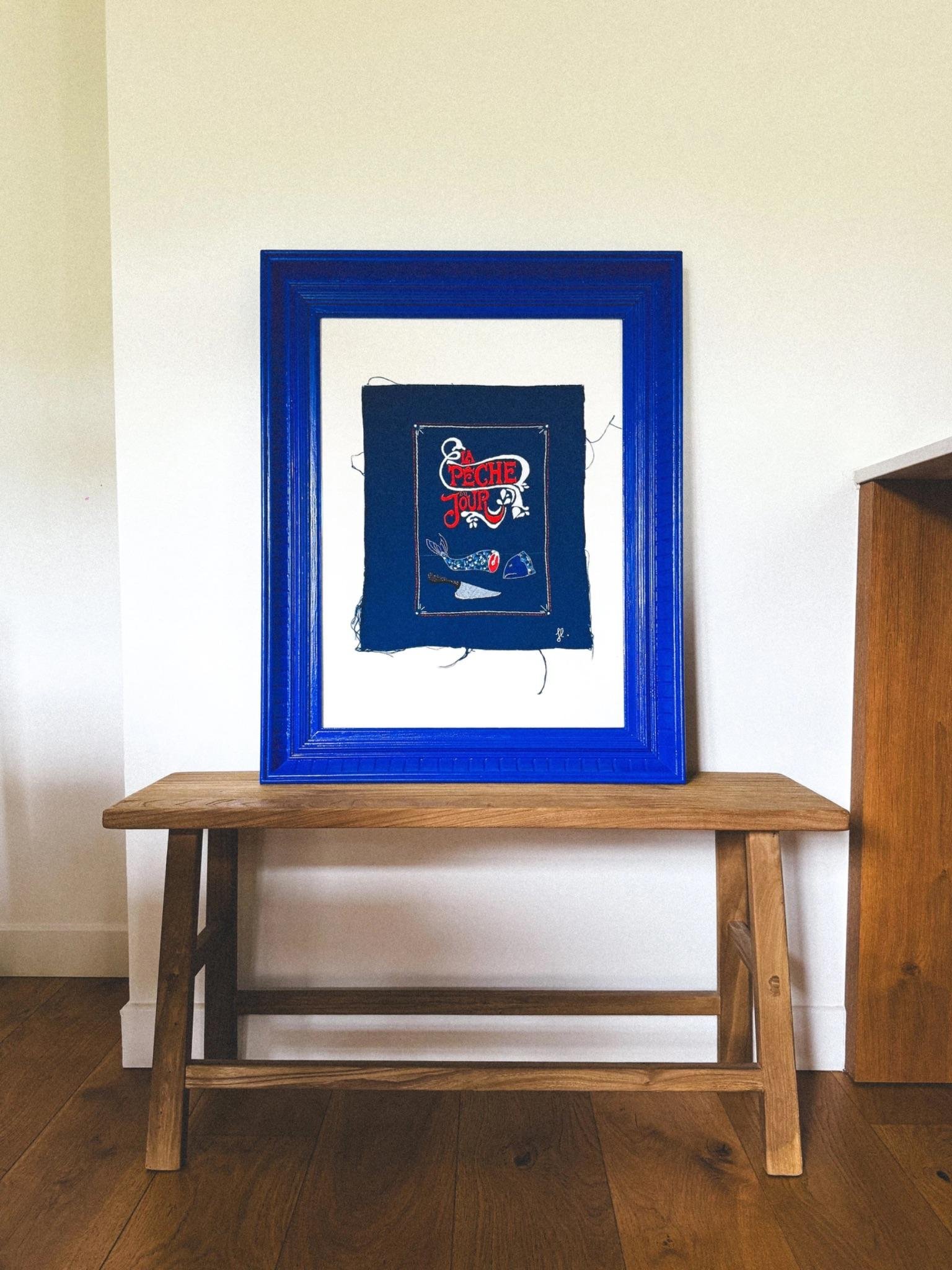
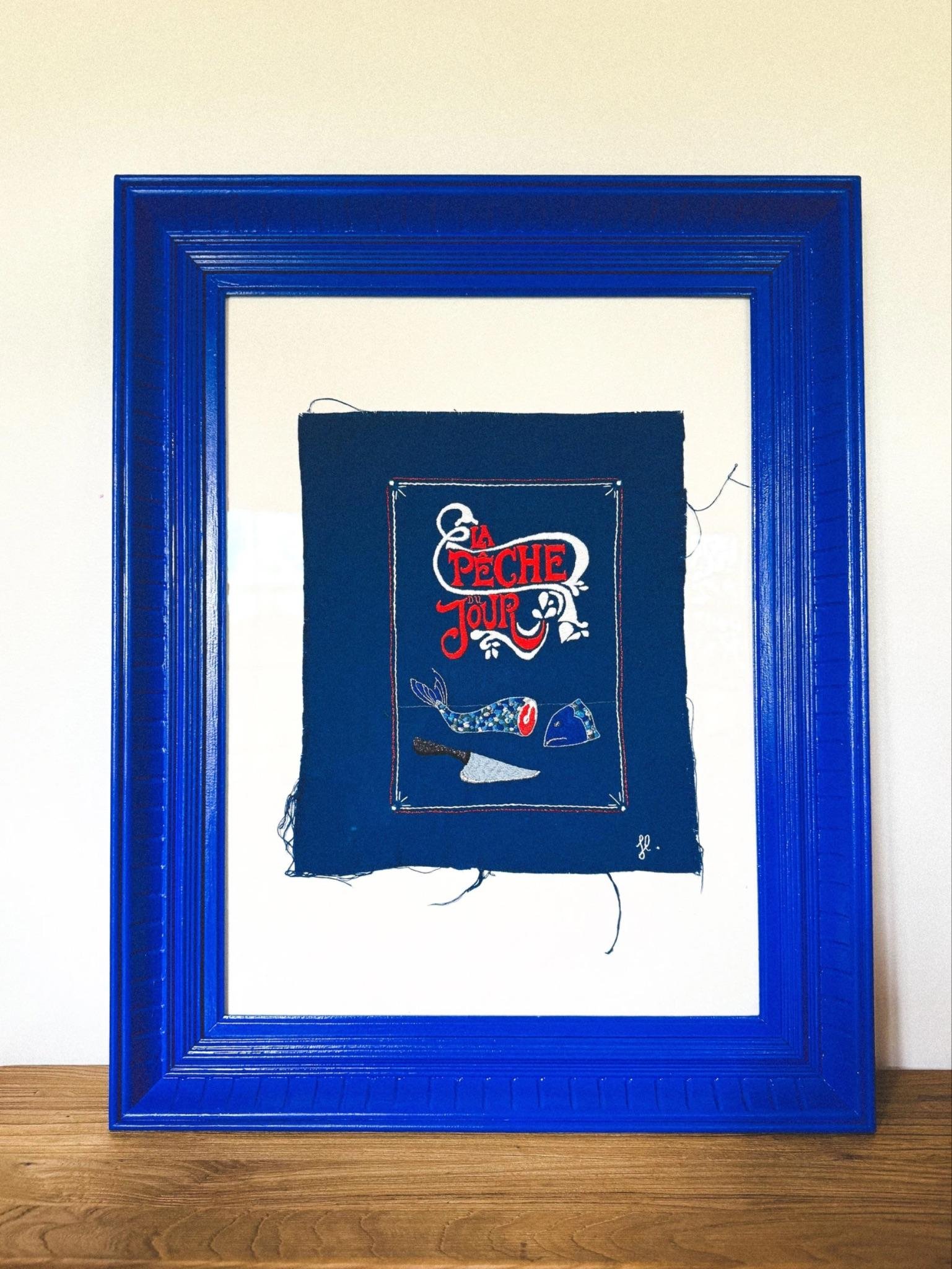
Framing is also an integral part of my work. I mainly look for antique or second-hand frames, chosen for their character, history and sometimes even their imperfections. I like creating a dialogue between a contemporary image and an object that has already had a life. This contrast between past and present, softness and tension, familiarity and displacement has become central to my visual world.
2. Creative Process
Do you have any rituals or routines that help you get into a creative mindset when starting a new project?
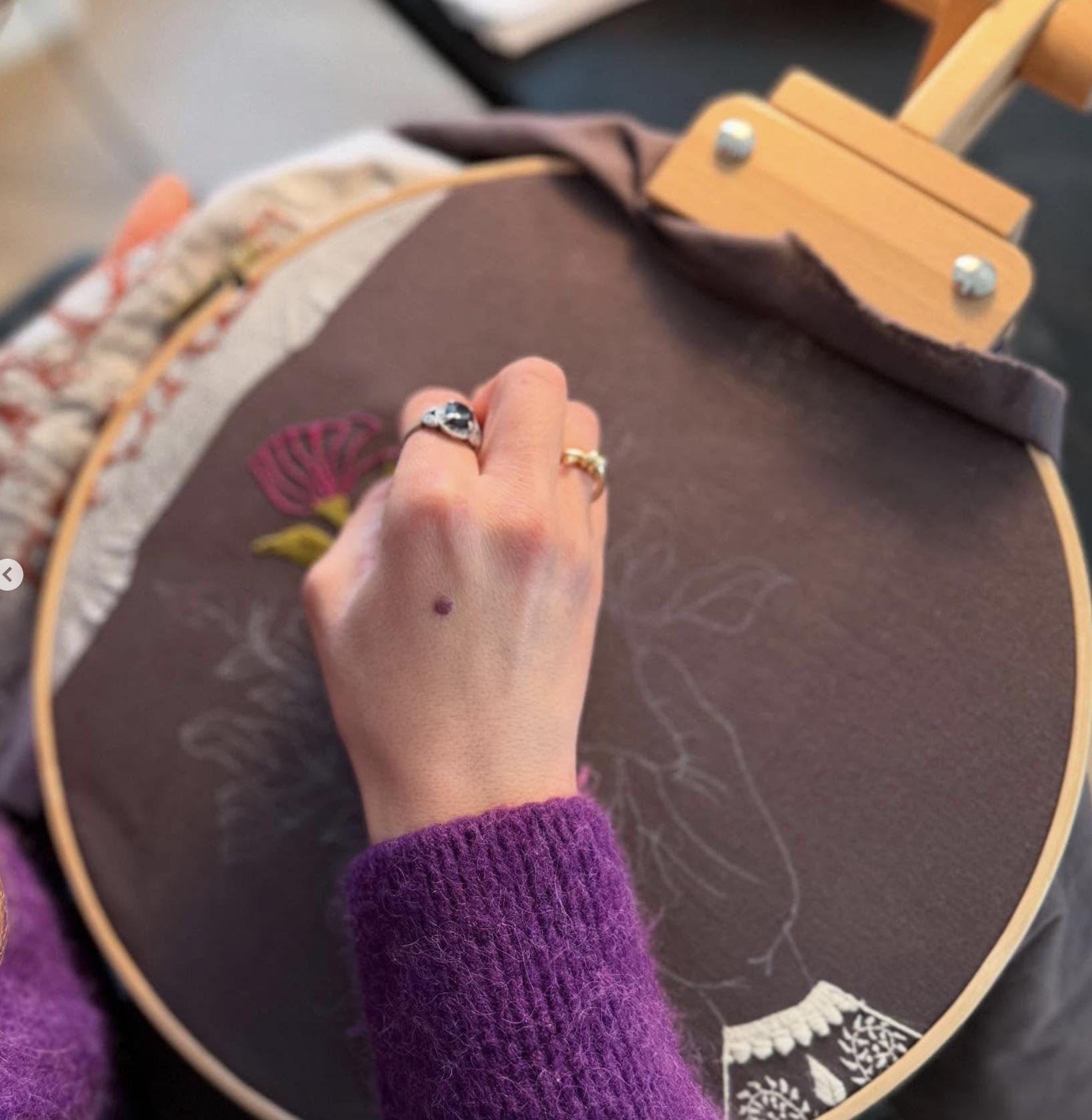
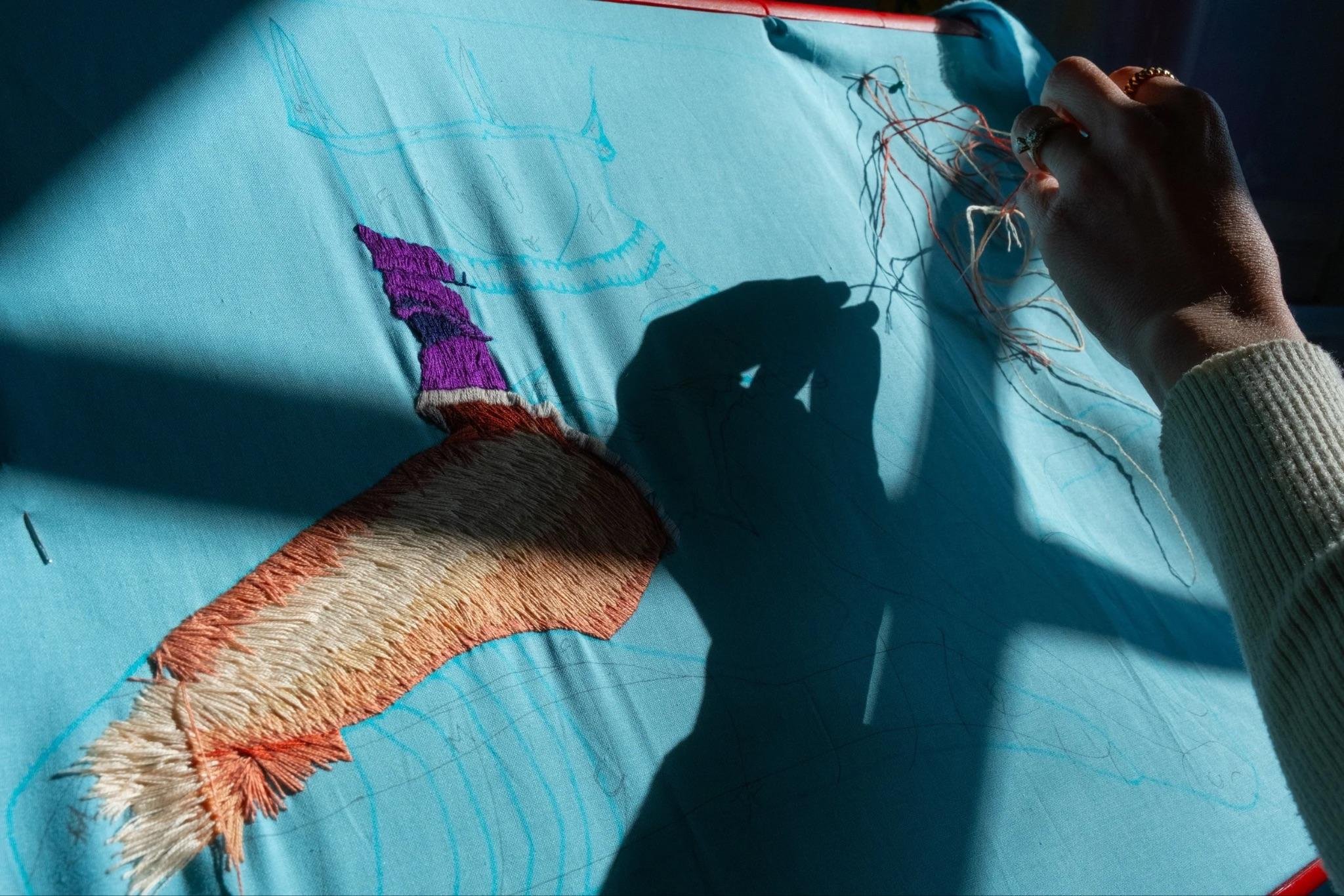
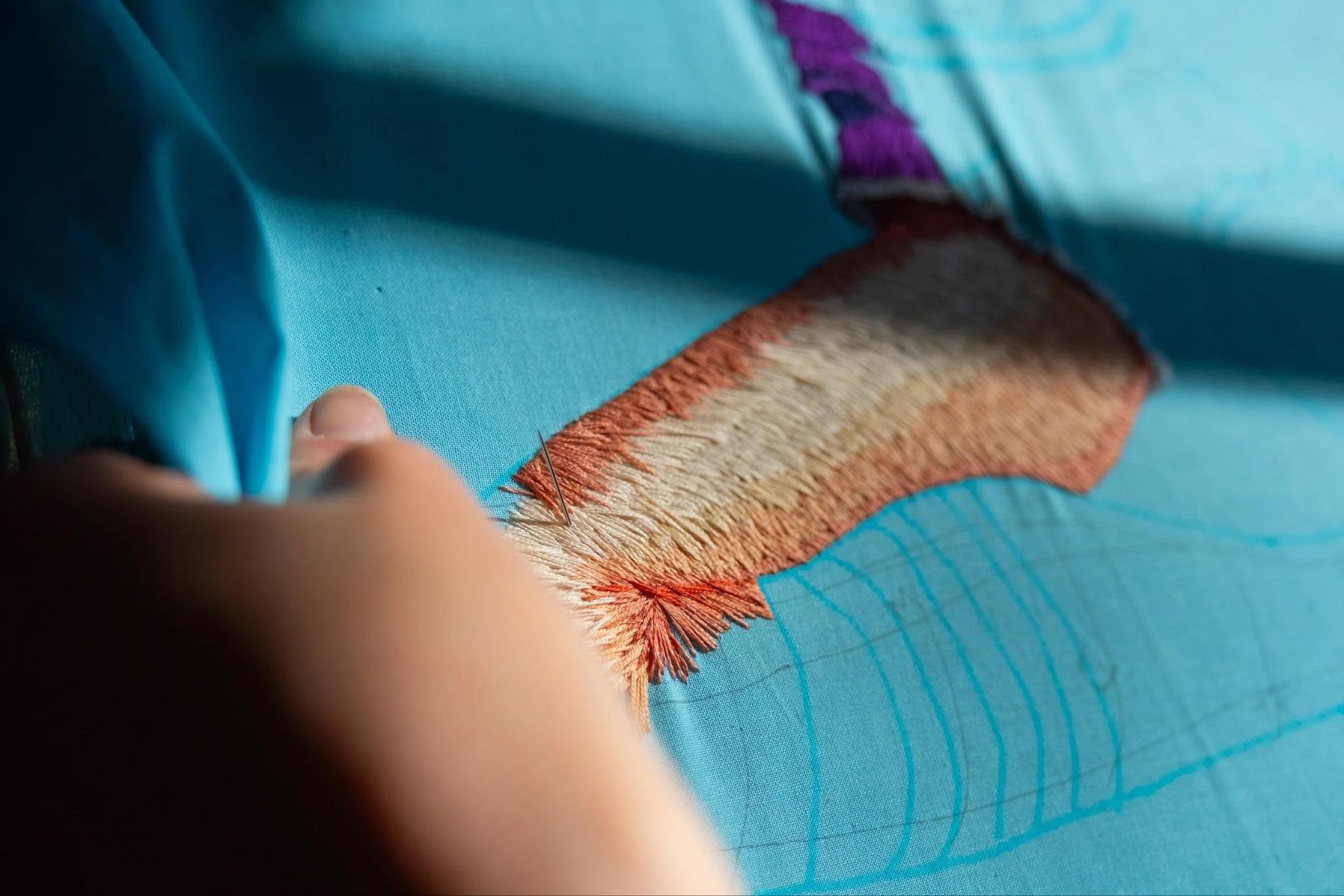
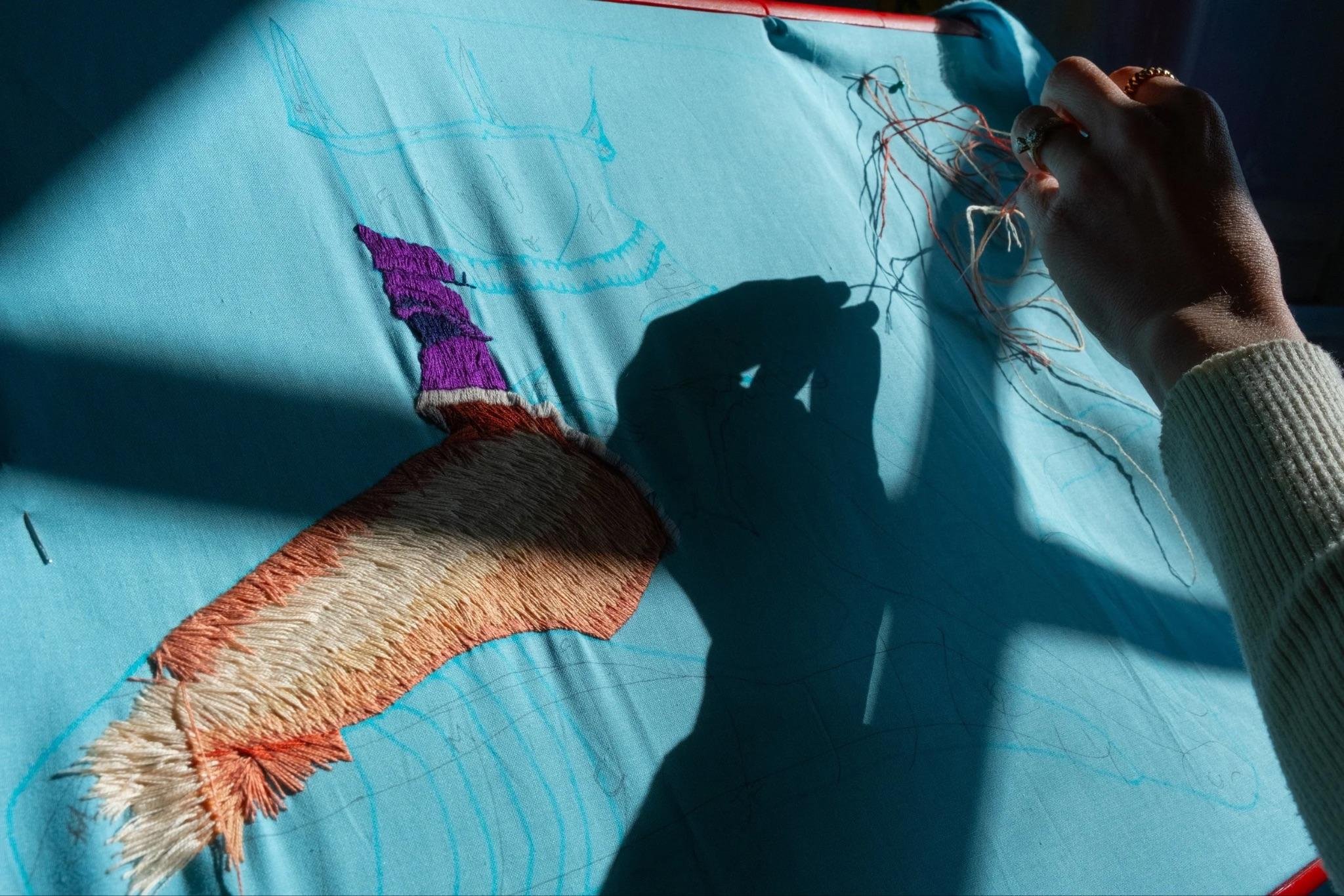
I don’t really have a fixed ritual. My process often begins long before I actually pick up a needle. I collect a lot of images, references, objects, colours and details that catch my attention. An old advertisement, an everyday object, a sentence, a photograph or even a frame found at a flea market can trigger something. Some ideas stay in the back of my mind for a long time before becoming a piece. I also love searching through things: my fabrics, threads, drawings, saved images or the frames I have collected. My studio is quite lively, sometimes a little chaotic, and that disorder is part of the way I create. It allows unexpected connections to happen. Before starting a piece, I usually go through a drawing stage. That is when the idea becomes more precise, when I look for the right balance between the image, the colours, the fabric and sometimes even its future frame. Then the embroidery itself creates a different rhythm. It is a slow, repetitive gesture that forces me to spend a long time with an image. There is something almost meditative about that stage, even if I do not necessarily experience it as a ritual. It is more the moment when the work gradually transforms and new decisions begin to emerge.
3. Artistic Influences
How do you balance historical or artistic influences with your personal style, and how do these influences manifest in your work today?
My influences come as much from art history as from popular visual culture. I am very sensitive to advertising, graphic design, vintage objects and imagery from the 1990s, but also to the history of textiles and embroidery, which were long associated with domestic or feminine practices and often considered less significant than other artistic mediums. I do not really try to quote these references directly. They are more like part of a visual vocabulary that I have absorbed over time and reinterpret through my own perspective. What interests me is often starting with an image that feels very familiar, sometimes almost ordinary or seductive, and then shifting it slightly. The choice of subject, the text, the context or simply the fact that it is recreated through embroidery can completely change the way it is perceived. The slowness of thread also creates a distance from the fast, instantly consumable images that surround us. An image inspired by advertising or popular culture suddenly becomes a handmade object that requires many hours of work and invites the viewer to spend more time looking at it. My antique and second-hand frames also contribute to this meeting between different periods. I like pairing a very contemporary image with a frame that could belong to another century or another story. It creates a tension between past and present, but also between what is traditionally considered precious and what belongs to our everyday visual culture. Today, these influences appear mostly through these contrasts: between popular culture and traditional craftsmanship, humour and more intimate subjects, seductive colours and sometimes more uncomfortable messages. This is where my work finds its identity.
4. Emotion & Expression
How do you use your art to evoke emotions, and what role does emotion play in your creative process?
Emotion is very present in my work, but rarely in a direct way. I like it to emerge gradually, sometimes from behind an image that appears colourful, familiar or even light-hearted at first. I often work with subjects connected to intimacy: wounds, memory, expectations, self-expression, what we choose to reveal and what we choose to hide. I am particularly interested in the tension between the image we project and what may actually be happening underneath. Humour, colour and references to popular culture allow me to approach these subjects without illustrating them too literally. A piece may appear joyful or seductive at first glance, then reveal something more ambiguous. I like that second reading, when the viewer moves from an immediate impression towards a more personal emotion. Emotion also appears very early in my creative process. A work can begin with a memory, a sentence, a feeling or a situation that continues to resonate with me. I do not necessarily try to tell that exact story, but rather to preserve something of its emotional trace. Embroidery plays an important role in this transformation. Its slowness forces me to stay with the subject for a long time and to look at it differently. Over the hours, the initial emotion evolves, sometimes softens, transforms or gains another kind of depth.Ultimately, I am not trying to impose one specific emotion on the viewer. I prefer to create a space in which they can project their own experience and feel something that belongs to them.
5. Standout Projects
Can you share a project that stands out to you and describe the creative process behind it?
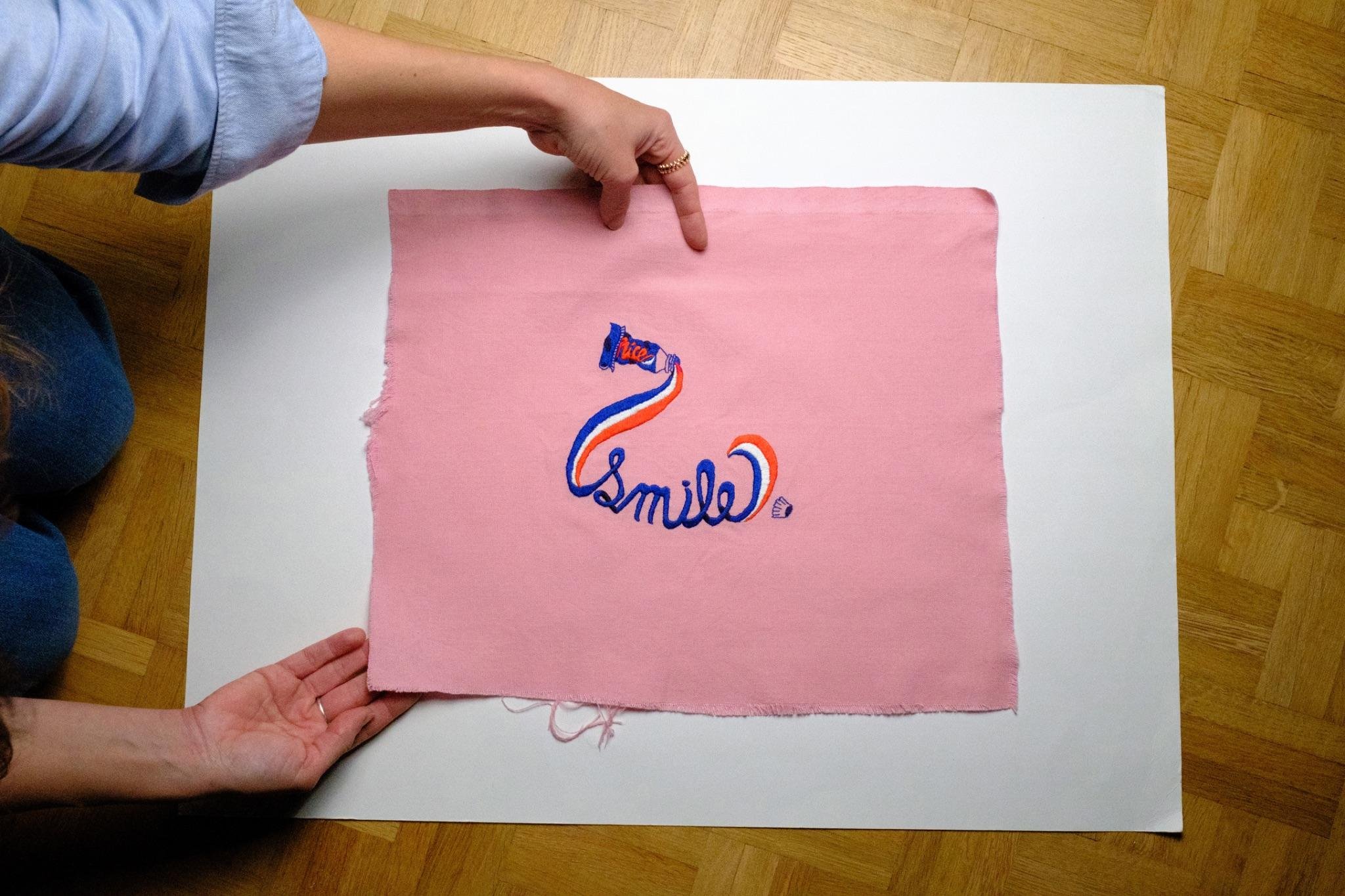
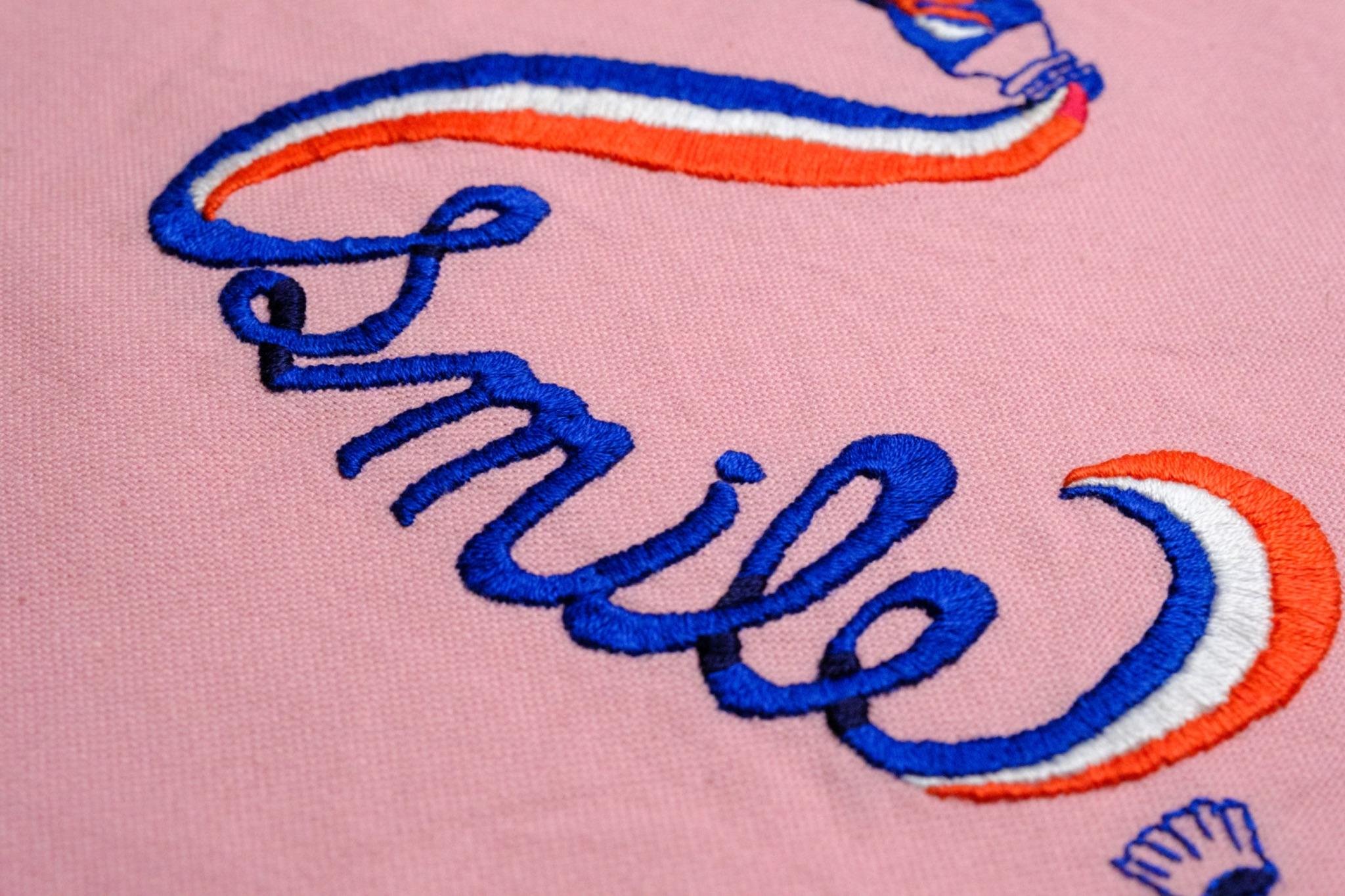
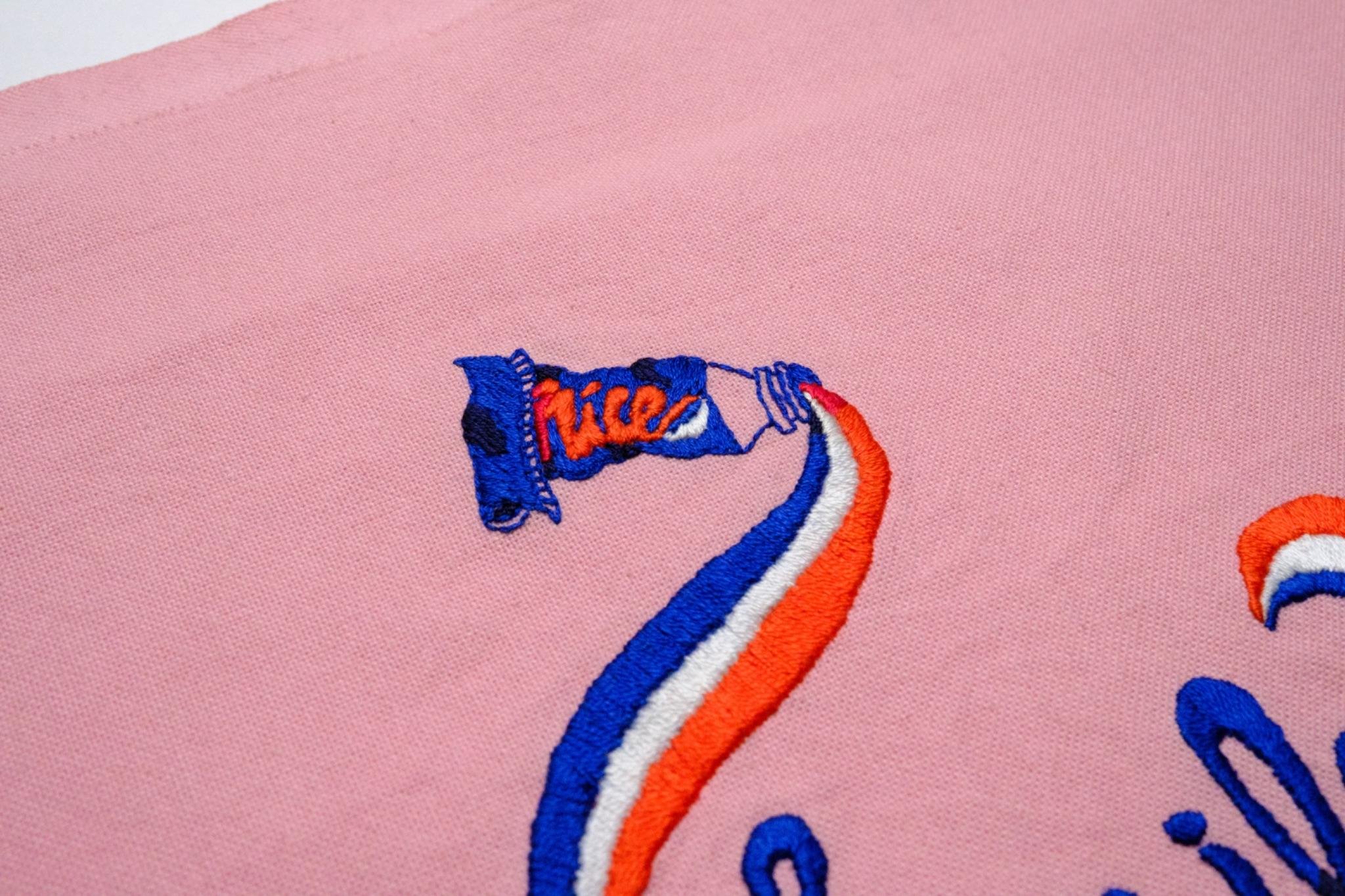
One work that holds a particularly important place in my practice is Smile. It began with a very simple, almost obvious image: the smile. I am naturally a very smiley person, and the piece came from a personal reflection on that gesture. We can smile because we are happy, of course, but also to keep going, to reassure others, to hide something, to maintain appearances, or simply to carry on despite what may be happening underneath. I was very interested in that ambiguity. Visually, however, I wanted the work to remain seductive, almost joyful. Embroidery is historically an ornamental art form, and I have realised how important that dimension is to me. I care deeply about beauty, colour, composition and finish. I do not see aesthetics and meaning as opposites. On the contrary, I find it interesting when an image first attracts the viewer through its beauty and only gradually reveals something more complex. The process always begins with drawing and with finding the right balance between shapes, colours and fabric. Then comes the embroidery itself, which is much slower. That sense of time inevitably changes my relationship with the image: over the many hours spent working on it, the subject continues to evolve in my mind. For Smile, the framing was also essential. I chose an antique second-hand frame found at the Paris flea markets in Saint-Ouen, which creates a contrast with the very graphic and contemporary aesthetic of the piece. I love this encounter between the ornamentation of an old object and an image drawn from a much more contemporary visual language. This piece sums up quite well what I am looking for in my work today: to create something visually appealing, almost decorative at first glance, while allowing a tension, a fragility or a second reading to gradually emerge.
6. Feedback & Growth
How do you incorporate feedback from critics or audiences into your work, and how do you balance this with your own artistic intuition?
I pay close attention to feedback, whether it comes from professionals, other artists or the audience, especially when it reveals something in my work that I had not necessarily identified myself.Certain comments can help me better understand what a piece communicates, or make me more aware of themes that seem to return instinctively throughout my practice. I find it particularly interesting when someone perceives a tension, an emotion or a meaning that I had not consciously intended. At the same time, I do not create according to what I think people expect from me. I try to preserve a very instinctive part of my process, whether I am choosing a subject, a colour, a fabric or a frame. If I begin to anticipate the audience’s reaction too much, I feel I risk losing something personal and alive in the work.Over time, feedback has mainly helped me gain perspective and understand my own practice more clearly. It can feed a reflection, confirm an intuition or sometimes open up a new direction, but the final decision always remains connected to what I feel in front of the work.For me, that balance is essential: remaining open to external perspectives while protecting the very personal space from which the work originates.
7. Motivation & Inspiration
How do you stay motivated and inspired, even when facing creative blocks or challenges?
I don’t think inspiration can really be forced, but I do believe in discipline.I have two children, and embroidery is a very time-consuming practice, so I have had to create a rhythm that allows my work to exist alongside everyday life. I try to dedicate at least one hour every evening to embroidery. Some days I feel very inspired, others less so, but maintaining that regularity is important to me.When I go through a period of doubt or creative block, I try to keep feeding my eye. I look at images, visit flea markets, draw, and collect references, objects, colours and small details that catch my attention. An idea may return weeks or even months later, sometimes in a completely different form.The slowness of embroidery actually helps me through these moments. Even when I do not yet know exactly what the next piece will be, I can continue working on something already in progress. The gesture itself creates continuity and often allows ideas to return naturally.I have also learned to accept quieter creative periods. There are times when I produce a lot, and others when I observe more and simply collect impressions. Looking back, I often realise that these periods are just as important because they feed future work.My motivation comes from curiosity, but also from this daily commitment to the practice. Seeing an idea gradually become a physical object, stitch by stitch, remains one of the things that makes me want to keep creating.
8. Exhibiting Work
How do you feel about exhibiting your artwork with The Holy Art Gallery, and what does this opportunity mean to you?
I am very happy to be exhibiting my work with The Holy Art Gallery. Showing in London feels like an important step for me, because it allows my work to leave the studio and exist physically in front of an audience.
Embroidery is a medium that is best experienced in person. The texture, the relief of the thread, the details, the fabric and even the frame are all integral parts of the work, and much of this is difficult to fully perceive through an image or a screen. Being able to present my pieces in an exhibition space is therefore especially meaningful.
This opportunity also represents a form of openness. Showing my work in an international context, meeting other artists and seeing how new audiences respond to it is both stimulating and valuable for the development of my practice.
Most of all, I see it as an important step in a journey that I am building gradually: continuing to exhibit, allowing my work to travel, creating new encounters, and giving the pieces a life beyond my studio.
9. Future Goals
What are your long-term goals and aspirations as an artist, and how do you plan to achieve them?
In the long term, I would like to continue growing my practice while remaining faithful to what makes it distinctive: embroidery, time, materiality, imagery, and the dialogue between popular culture and traditional craftsmanship.I would like to exhibit more widely, both in France and internationally, develop collaborations with galleries, curators and institutions, and gradually see my work enter private and public collections.I also want to keep evolving the scale, subjects and ambition of my work, while preserving the handmade and physical dimension that is essential to me. The fact that each piece requires time, gesture and sustained attention is part of its value.To achieve this, I believe consistency is essential: continuing to produce, showing the work, meeting new audiences, taking part in exhibitions and embracing opportunities that allow the practice to move beyond its immediate circle.My goal is not only to become more visible, but to build a coherent artistic path over time, with work that continues to evolve while remaining immediately recognisable as part of my visual world.
10. Audience Connection
What do you hope viewers take away from experiencing your art, and how do you aim to connect with them on an emotional or intellectual level?
I would like the viewer to be drawn in first by the image, the colour, the materiality and the aesthetics, and then gradually sense that there is something more beneath the surface.My work often begins with familiar, popular or visually appealing images, but I like to introduce a sense of ambiguity, tension or fragility. I am not trying to provide a fixed answer or impose a single message. What interests me is the moment when the viewer begins to project their own experience onto the work.Some pieces may evoke memory, expectations, self-expression, smiling, what we choose to reveal and what we choose to hide. Everyone can enter the work from a different place, depending on their own story.Embroidery also plays an important role in this connection. Its ornamental quality and precision attract the eye, but it also invites the viewer to slow down. I like the idea that an image can feel immediately accessible and then ask for a second look. If someone leaves with an emotion, a question, a personal memory, or simply the desire to spend a little more time looking at the work, then the dialogue has already begun.