Artist spotlight : Kathy Yu
Artist Statement:
My work examines how technology structures the way we experience time, labor, attention, and authorship. Working across animation, 3D design, and moving image, I create fictional environments in which invisible psychological and professional systems become visible through movement, space, color, rhythm, and atmosphere.
I am particularly interested in the conditions surrounding digital creative labor. Contemporary visual culture presents images as seamless and immediate, while concealing the revisions, negotiations, collaborations, and accumulated decisions required to produce them. My work focuses on this hidden process, transforming deadlines, software interfaces, client expectations, and repetitive production cycles into emotional and spatial metaphors.
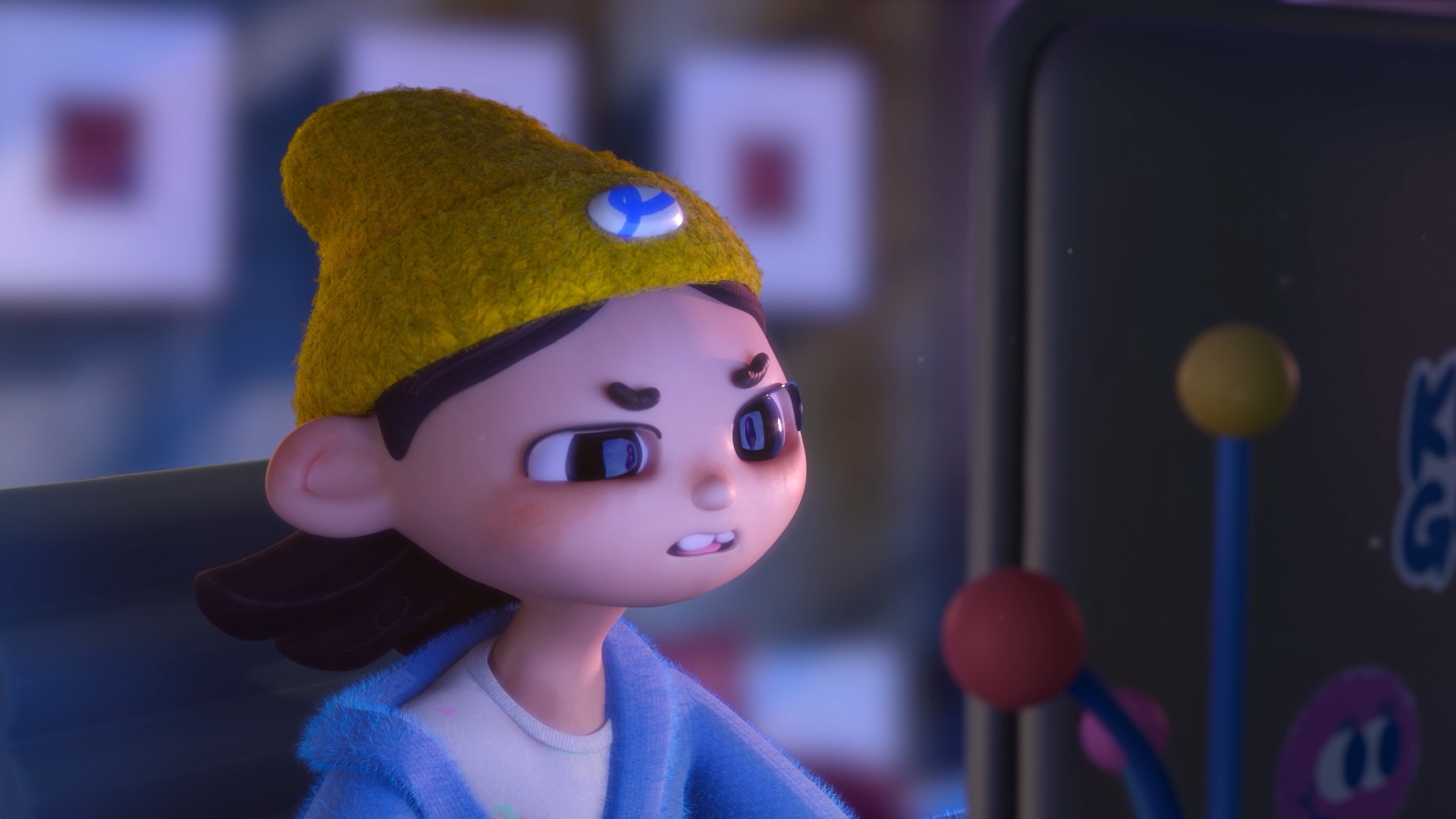
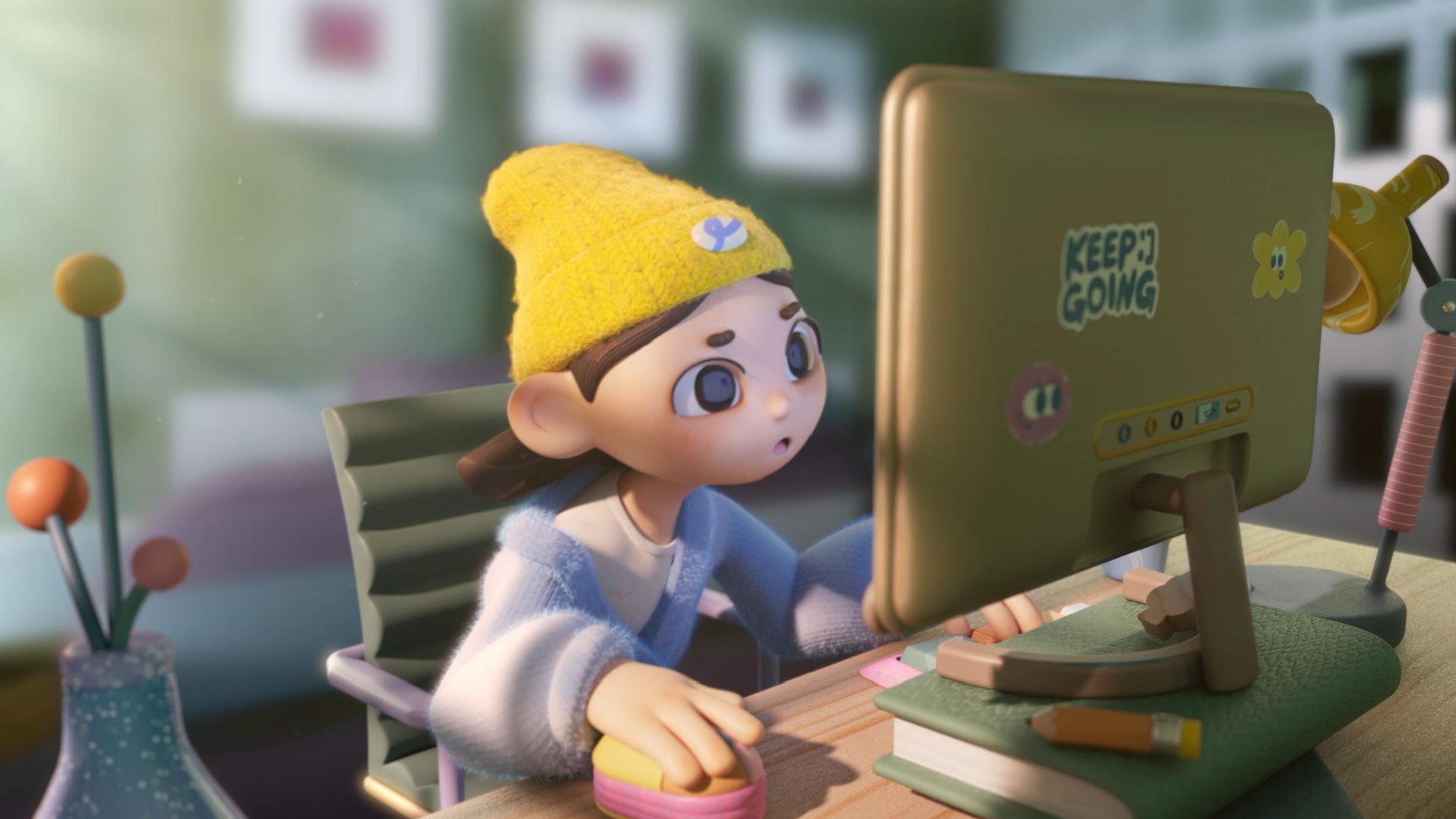
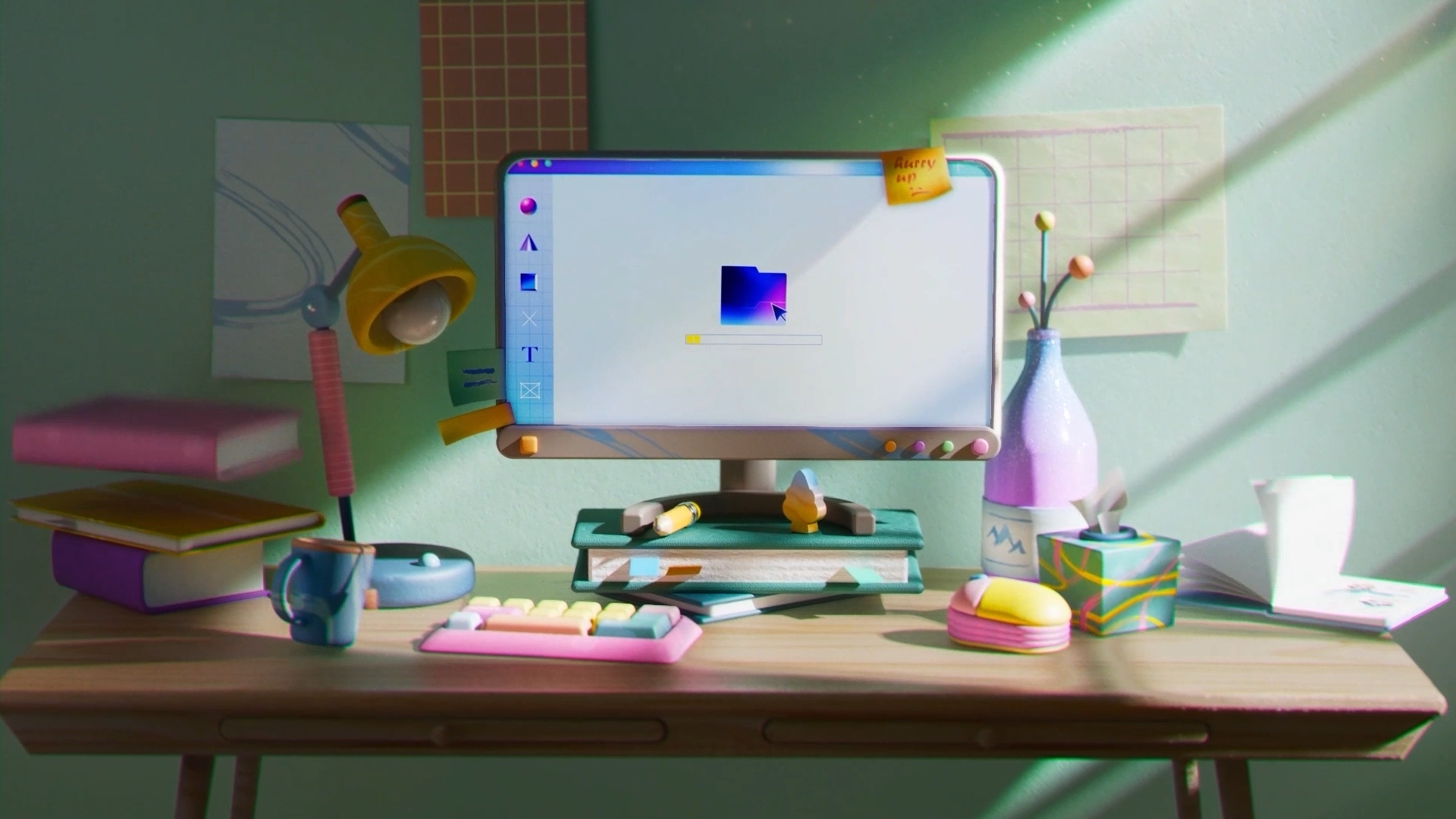
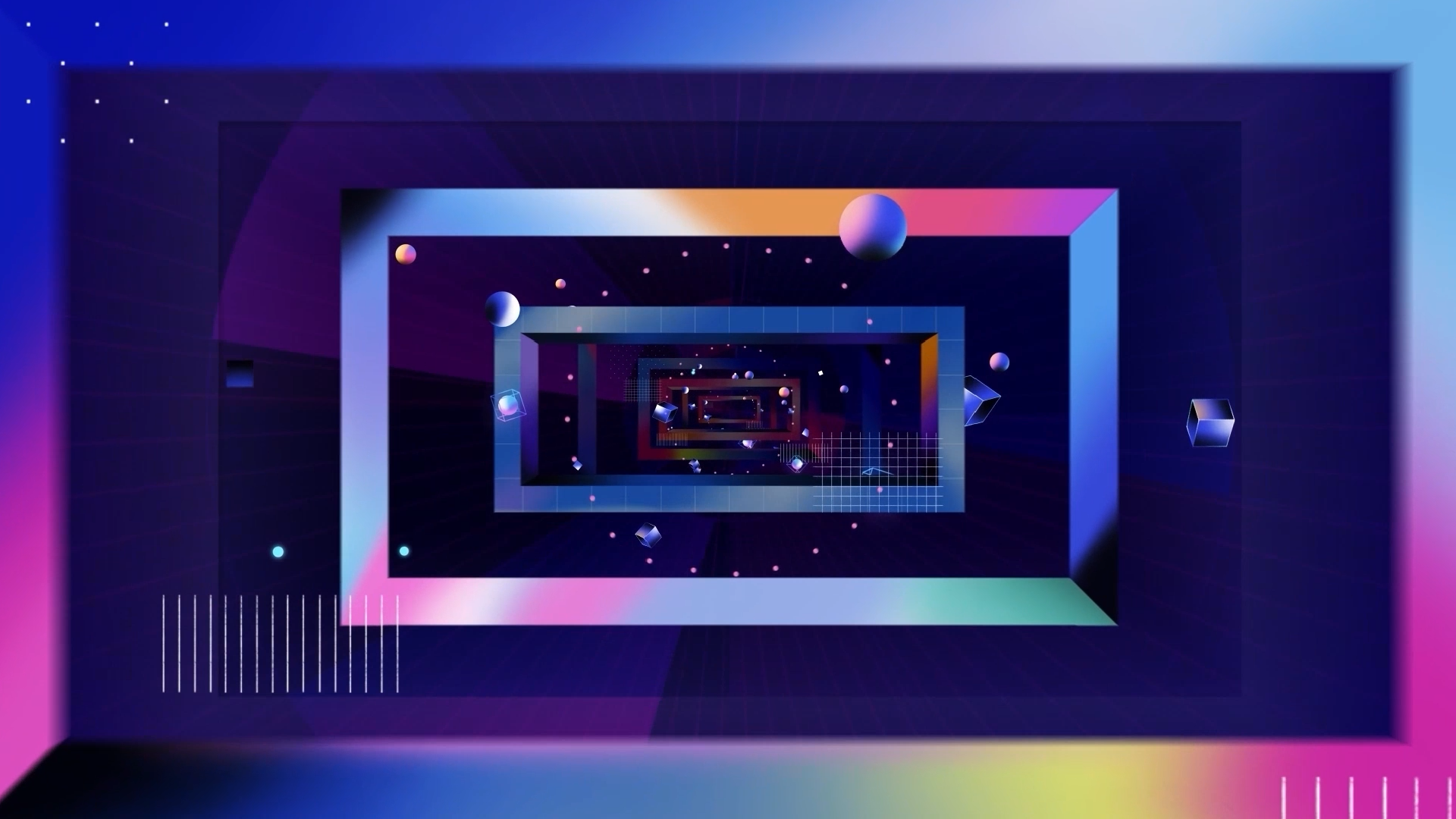
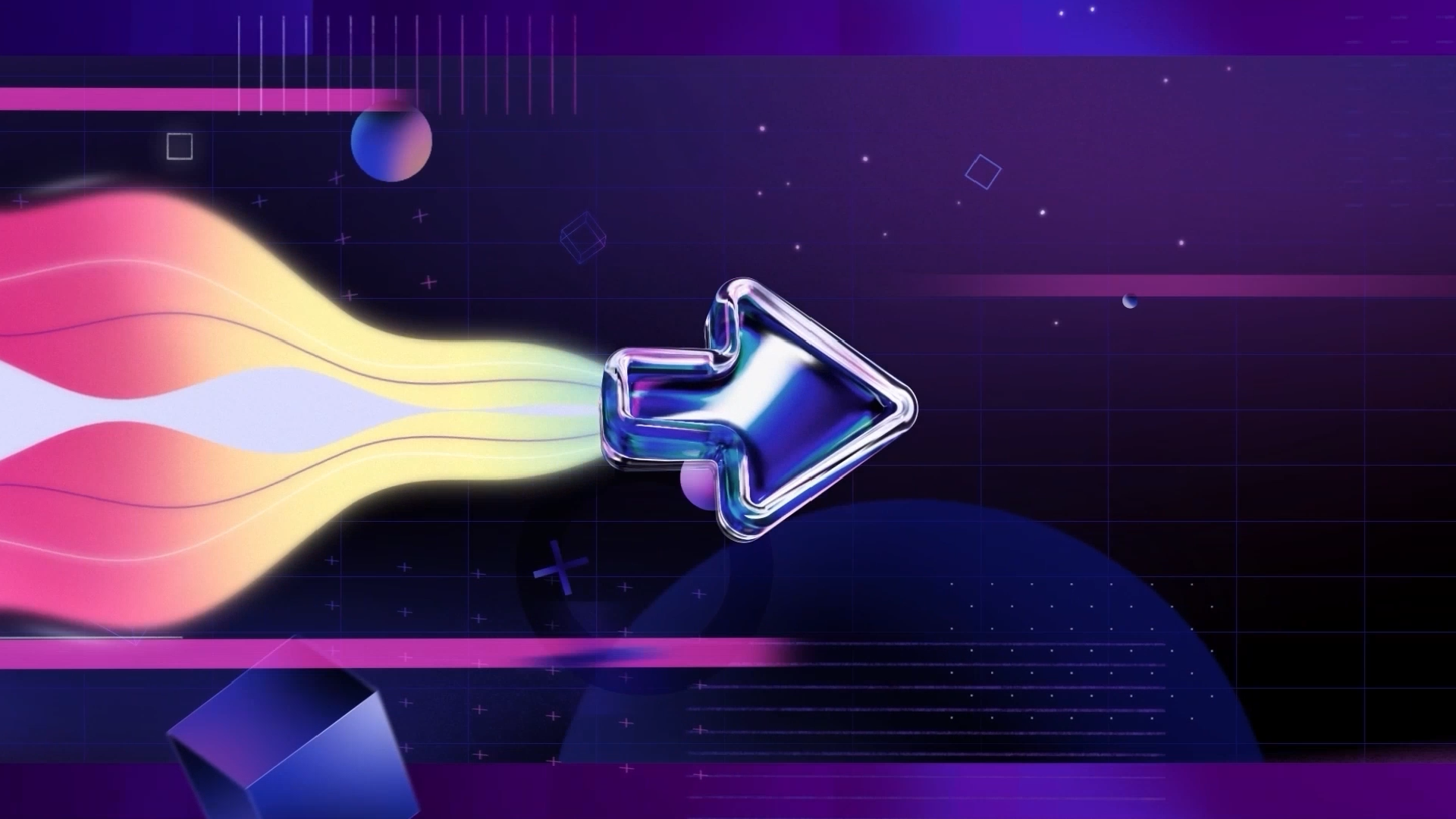
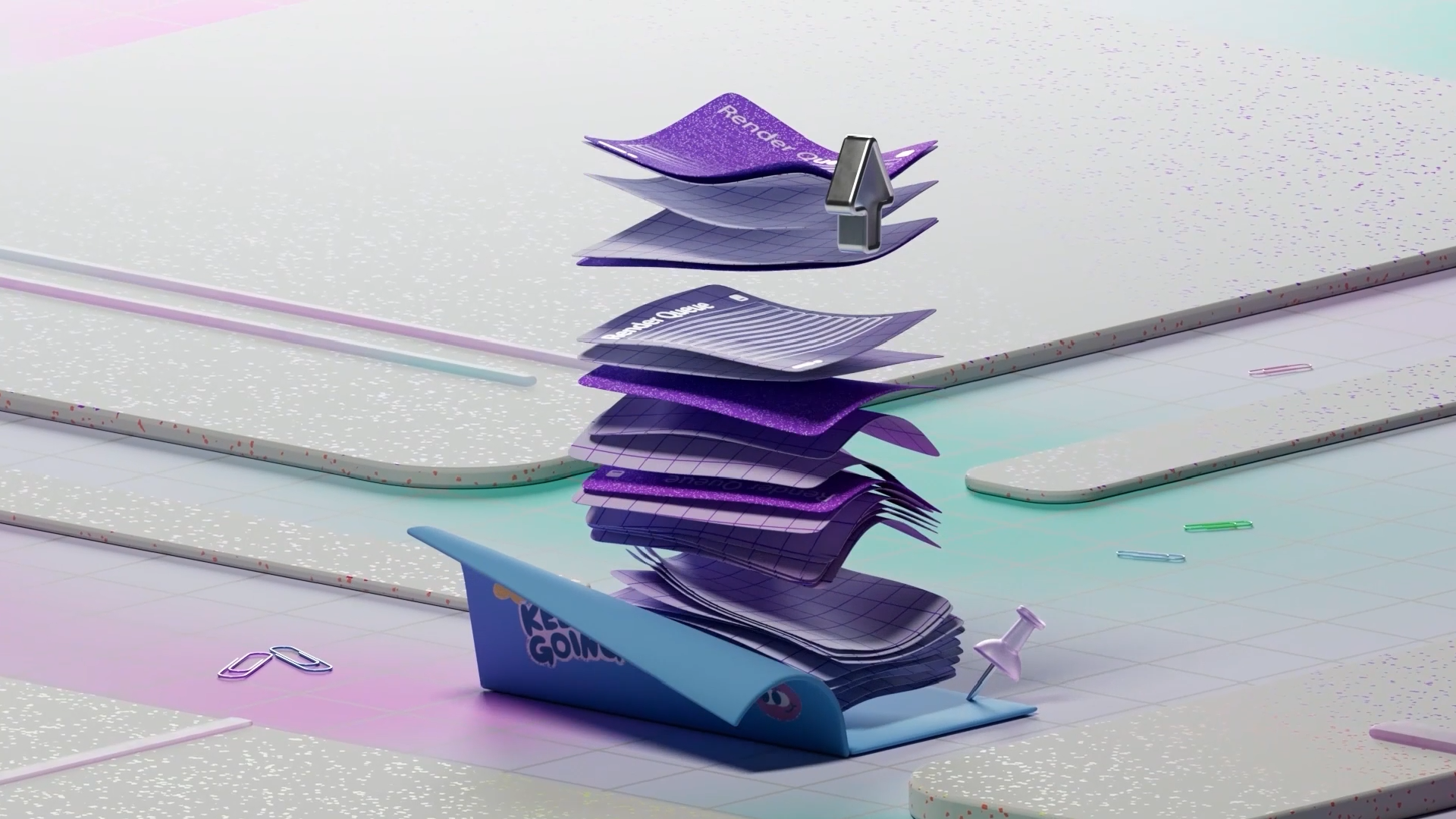
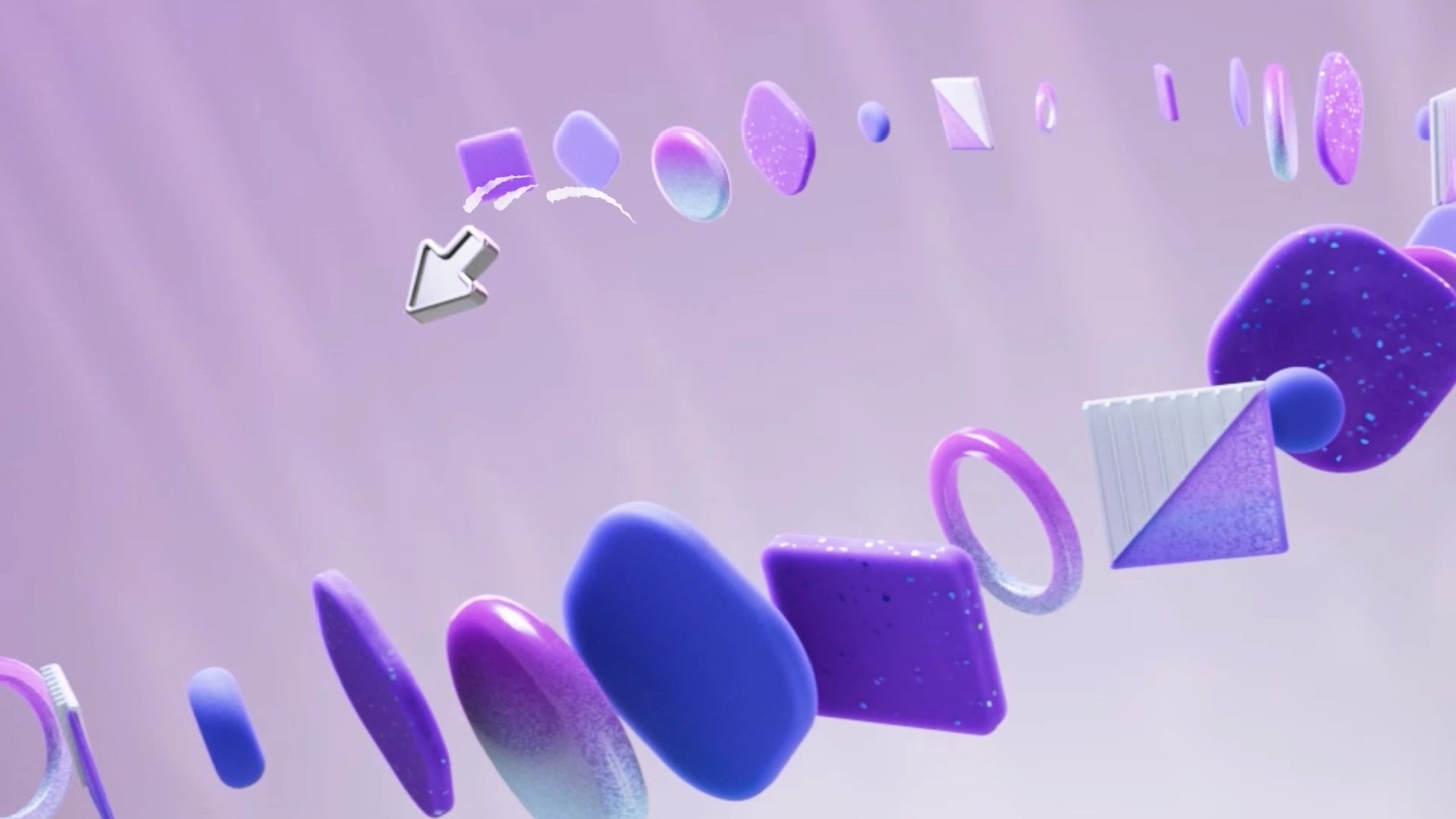
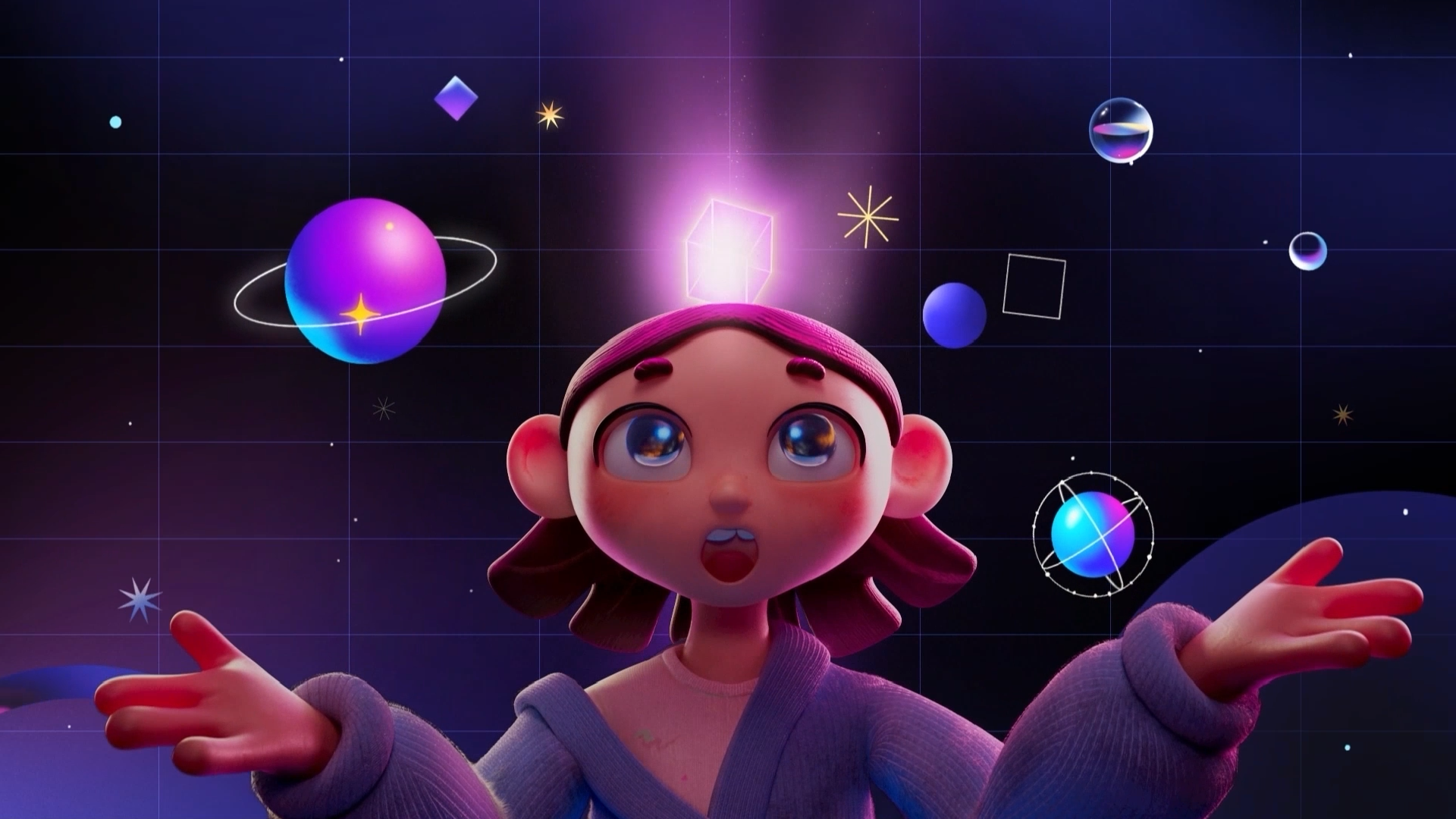
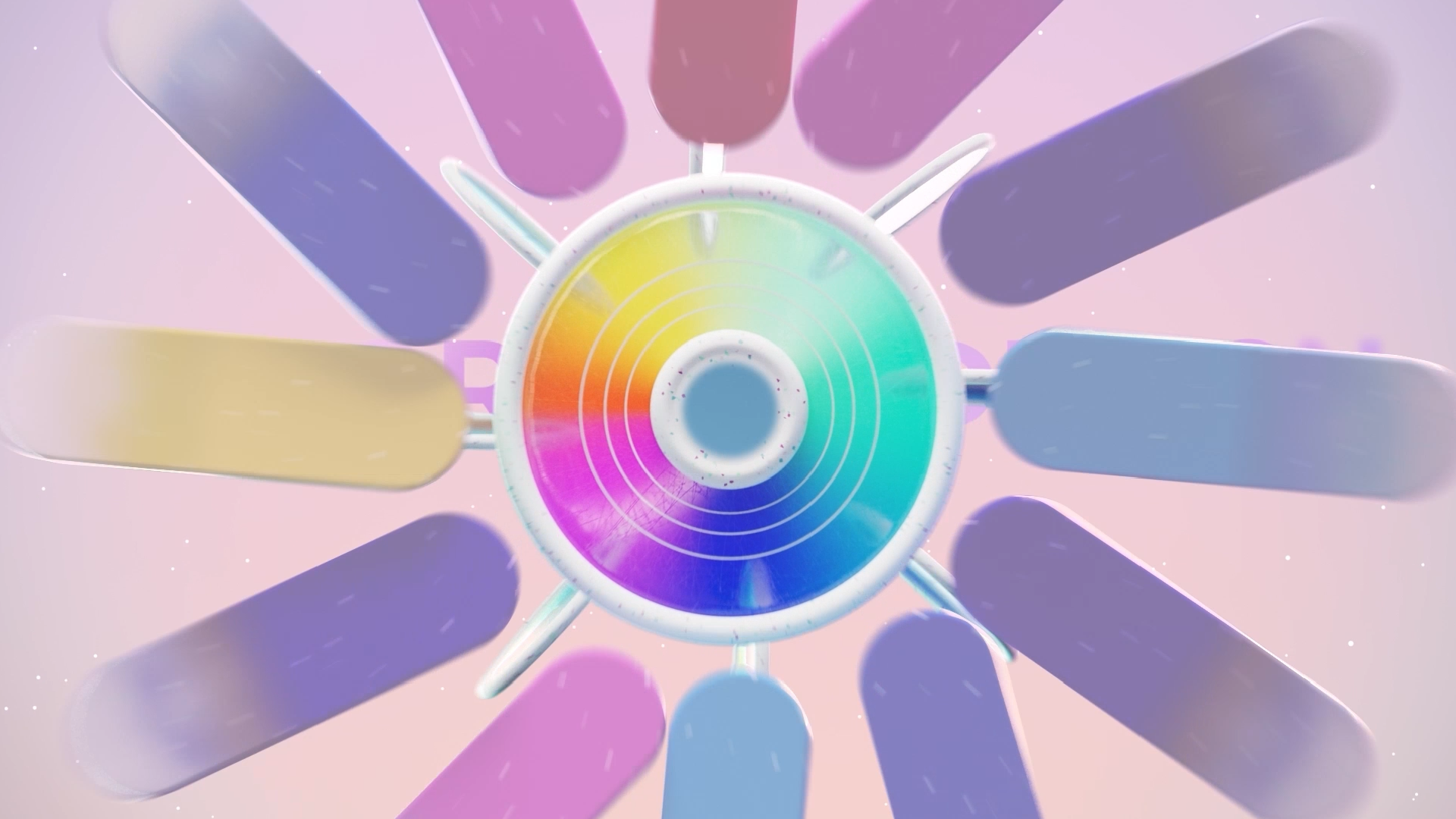
My short film Deadline reflects this approach. Rather than documenting the daily routine of a motion designer, the film constructs a world in which time behaves as a physical force and professional pressure reshapes the surrounding environment. The work moves between commercial motion design, experimental animation, and contemporary art, refusing to treat these fields as separate practices.
My process combines character design, modeling, lighting, compositing, animation, and visual development. I may also use AI-generated imagery as preliminary material, but never as a finished conclusion. These images enter a longer process of redesign, selection, composition, movement, and revision. For me, authorship exists within these decisions: rhythm, judgment, restraint, atmosphere, and the transformation of lived experience into symbolic form.
Social Networks :
Instagram handle: @cloudsita_
Personal Website: https://www.kyumotion.com/
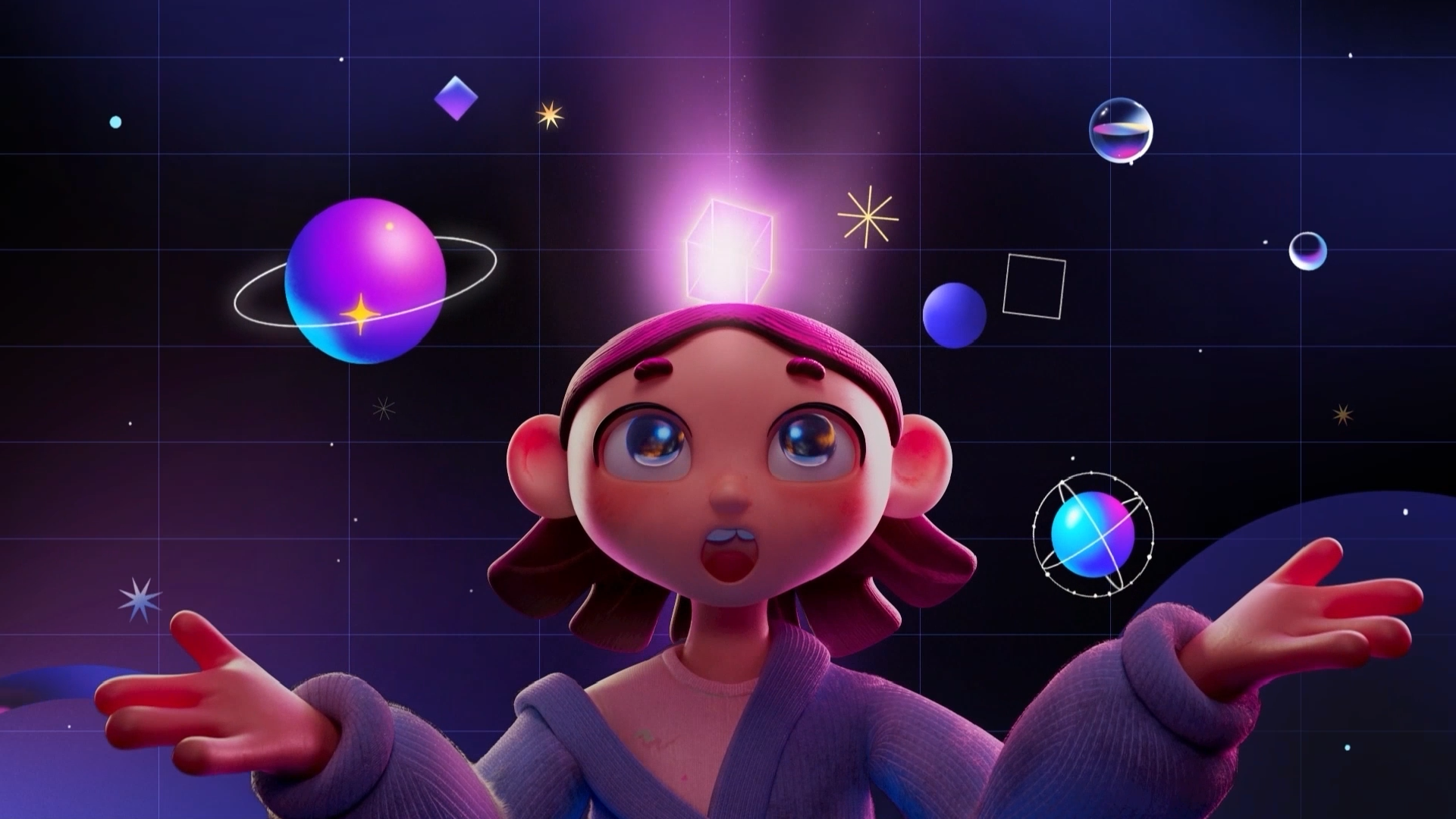
Kathy Yu
1. Inspiration & Style
Q: What initially inspired you to become an artist, and how did you develop your unique artistic style?
A: I have always been drawn to visual storytelling and making things. Through studying design and computer arts, I developed a strong interest in motion, 3D, and digital image-making. My style began to take shape when I started using these tools to explore ideas that feel personal to me, such as time, pressure, freedom, and identity. I am especially interested in creating cinematic visual worlds through light, texture, movement, and atmosphere.
2. Creative Process
Q: Do you have any rituals or routines that help you get into a creative mindset when starting a new project?
A: I usually start by giving myself some space to explore without deciding too quickly what the final work should look like. I collect images, write down small ideas, and make rough visual experiments. I often discover the direction through making rather than planning everything in advance, and then I refine the idea through motion tests, 3D studies, and repeated adjustments until it starts to feel right.
3. Artistic Influences
Q: How do you balance historical or artistic influences with your personal style, and how do these influences manifest in your work today?
A: The themes in my work are usually very personal and come from my own experiences, emotions, and observations. Artistic influences tend to appear more in the way I communicate those ideas, through techniques, visual symbols, composition, lighting, and movement. I like to borrow from different visual languages, but reshape them so they become part of my own world rather than direct references.
4. Emotion & Expression
Q: How do you use your art to evoke emotions, and what role does emotion play in your creative process?
A: Emotion is often the starting point of my work. I’m interested in feelings that are difficult to explain directly, so I use images, movement, lighting, and atmosphere to give them a visual form. I want the audience to feel something first, even before they fully understand the idea behind the work.
5. Standout Projects
Q: Can you share a project that stands out to you and describe the creative process behind it?
A: One project that stands out to me is Deadline, a personal animated work exploring the invisible pressure and anxiety behind digital creative work. I developed the concept and visual direction and worked across design, character modeling and shading, 3D motion design, lighting, and compositing, while collaborating with other artists on animation, 2D motion, and music. The process focused on translating an internal feeling of pressure into visual symbols, environments, and movement.
The work has since received recognition across motion design, animation, visual communication, and contemporary art. Deadline received Gold at the Collision Awards for Motion Design and a Silver Telly Award for Art Direction, was named a Video of the Day nominee by Motion Design Awards, and received recognition from the Wonder Global Awards in Digital Design & Aesthetics – Animation. It has also been selected and presented through the Girona Film Festival, Indie Film LA, The Great Film Club’s July Reel Ladies Night, and the 25th Venice International Art Fair organized by ITSLIQUID Group in Venice.
6. Feedback & Growth
Q: How do you incorporate feedback from critics or audiences into your work, and how do you balance this with your own artistic intuition?
A: I can give a very brief answer to that. Always be yourself in everything you do. That’s the best way to touch people’s hearts. Criticism doesn’t really get to me. I’m a bit headstrong and I do what I think is right, and things usually turn out fine.
7. Motivation & Inspiration
Q: How do you stay motivated and inspired, even when facing creative blocks or challenges?
A: When I feel creatively blocked, I usually return to collecting references, experimenting, and making small things without expecting an immediate final result. I find that inspiration often comes through the process of making rather than waiting for the perfect idea. Personal projects are especially important to me because they give me space to explore subjects and techniques outside of commercial work.
8. Exhibiting Work
Q: How do you feel about exhibiting your artwork with The Holy Art Gallery, and what does this opportunity mean to you?
A: I’m excited to have my work presented through The Holy Art Gallery and to share it with an international contemporary art audience. My practice often moves between motion design, animation, and fine art, so opportunities like this allow the work to exist in a different context and connect with viewers beyond the design industry.
9. Future Goals
Q: What are your long-term goals and aspirations as an artist, and how do you plan to achieve them?
A: My long-term goal is to continue developing a distinct artistic practice at the intersection of motion design, 3D, animation, and contemporary art. I hope to create more independent works for exhibitions and screenings internationally, collaborate with artists across different disciplines, and gradually take on larger creative and directorial roles while continuing to experiment with new forms of visual storytelling.
10. Audience Connection
Q: What do you hope viewers take away from experiencing your art, and how do you aim to connect with them on an emotional or intellectual level?
A: I hope viewers first connect with my work emotionally, even before they fully understand the concept behind it. Many of my themes come from personal experiences but also relate to feelings that are widely shared, such as pressure, uncertainty, freedom, and identity. I use visual symbols, atmosphere, movement, and storytelling to create space for viewers to recognize something from their own experiences in the work.