Artist spotlight : Reva Jain
Artist Statement:
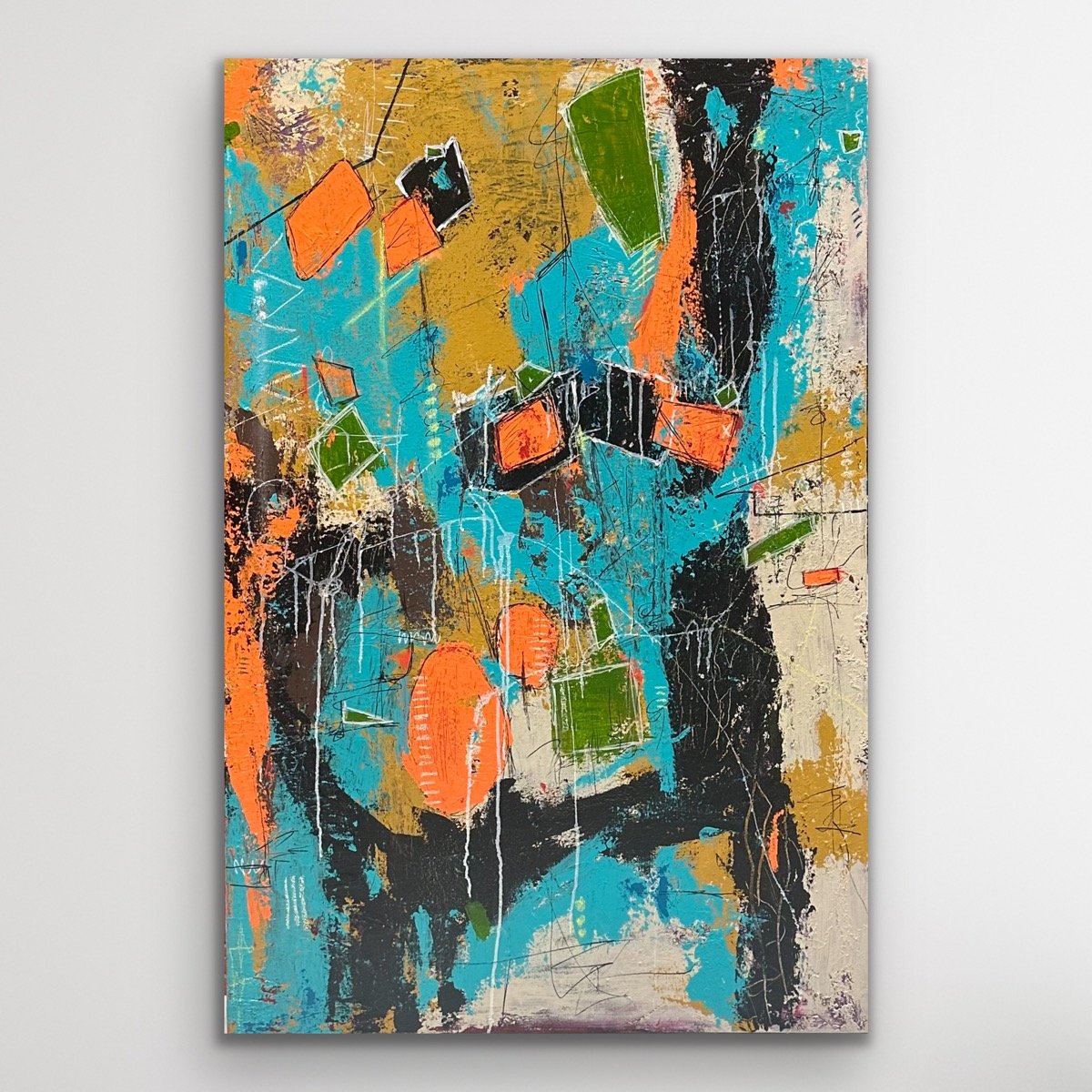
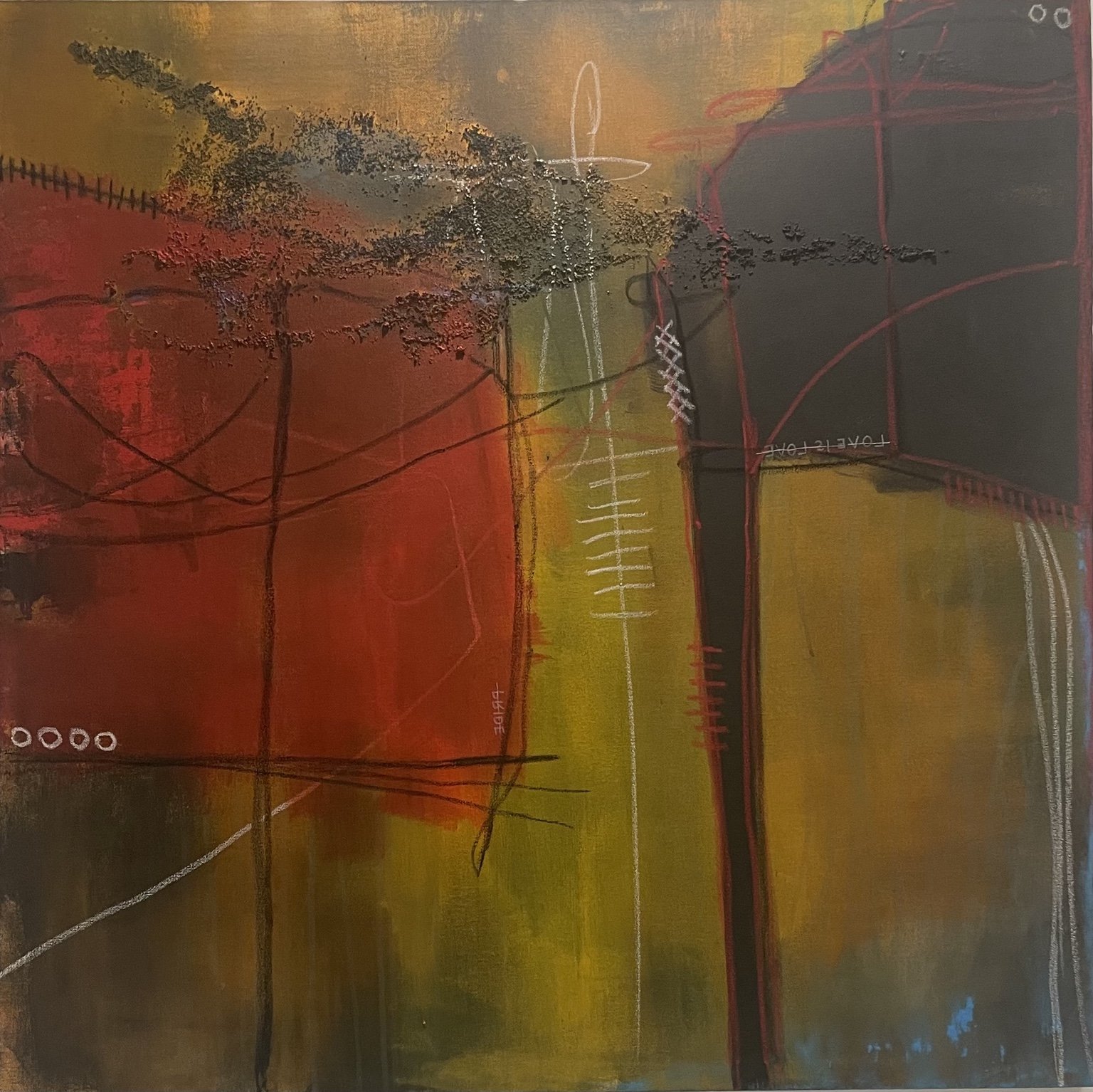
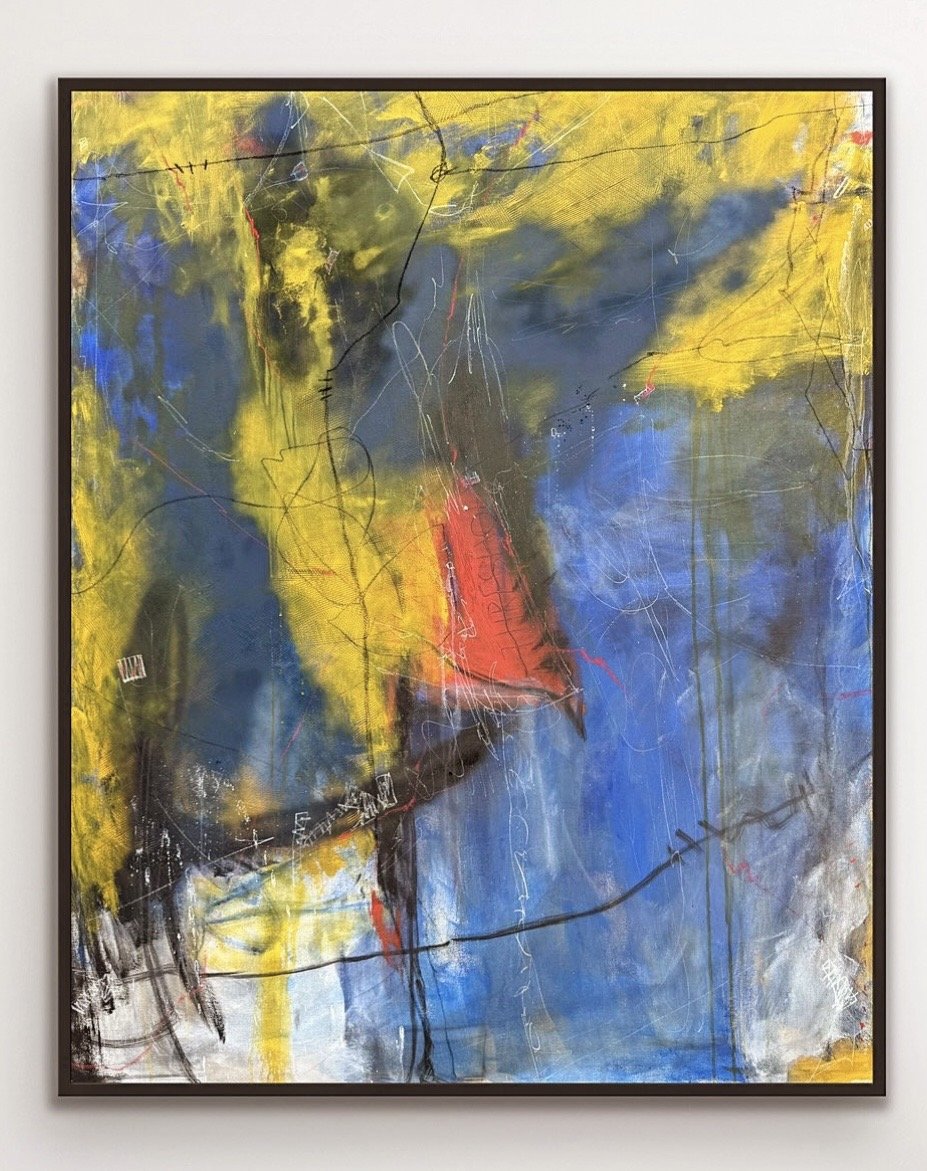
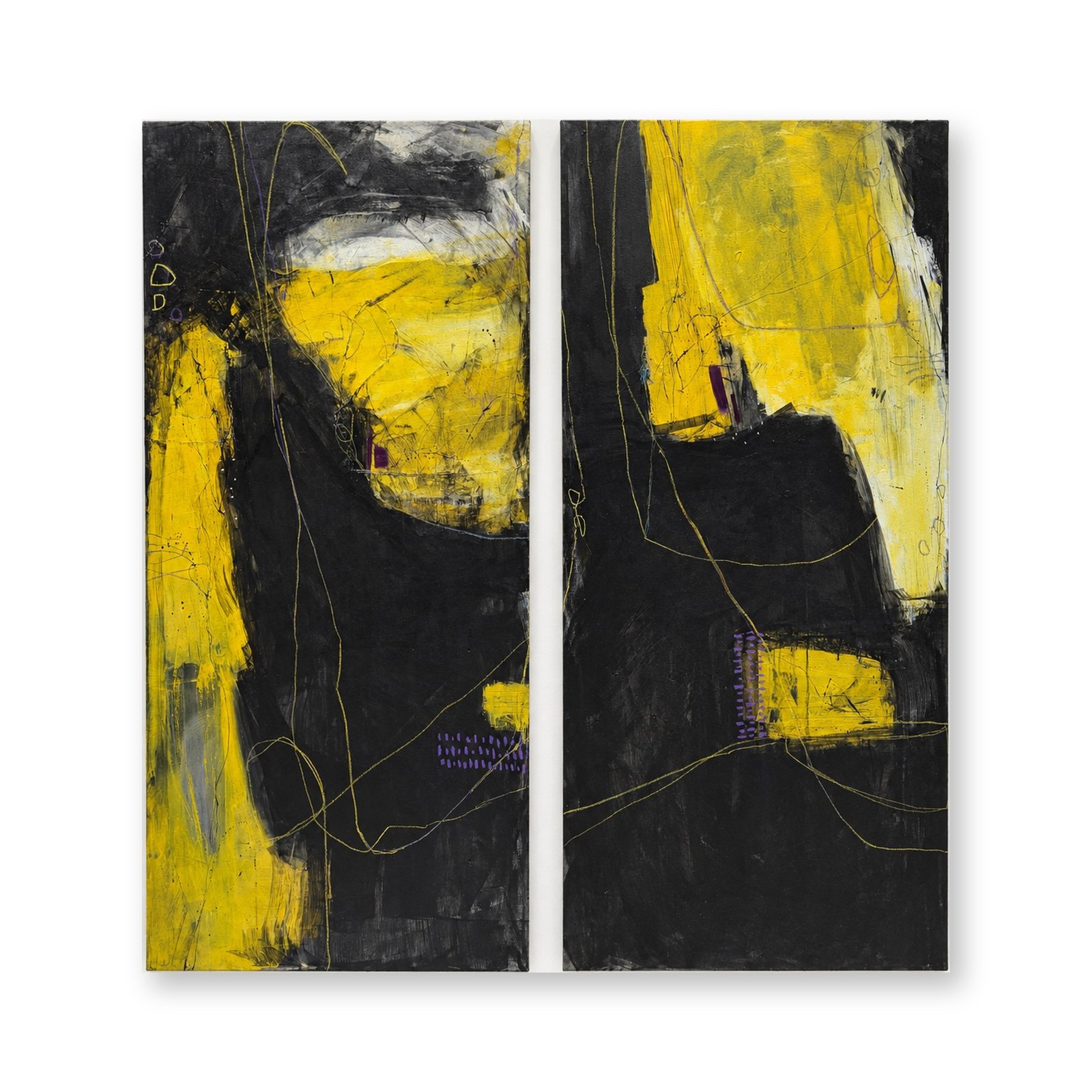
I never begin a painting knowing what it will become. My practice is intuitive: a process of listening, responding and allowing the work to reveal itself through colour, gesture, texture and material. I am drawn to the spaces where emotion resists language - where memory, tension, uncertainty and desire exist before they can be named. Each layer records a decision, an interruption or a change of direction. Marks are built, erased and reworked until the surface carries its own emotional logic. I do not seek resolution or a single narrative. Instead, I allow contradiction to remain visible: stillness beside unrest, control beside surrender, presence beside absence. Every finished work carries the trace of that discovery. What it becomes after it leaves my studio is no longer mine to define.
Social Networks :
Instagram handle: @revajart/
Personal Website: N/A
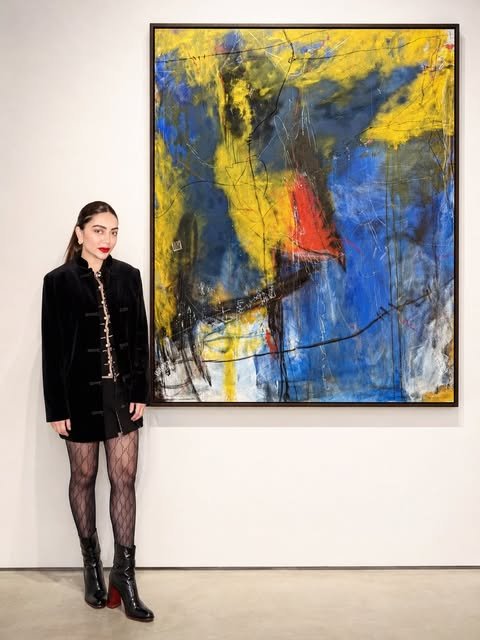
Reva Jain
1. Inspiration & Style
What initially inspired you to become an artist, and how did you develop your unique artistic style?
Answer: My journey as an artist began unexpectedly during the 2020 lockdown. With a background in fashion design, creativity had always been part of my life, but painting gave me a more instinctive and honest language. What began as a private way of processing emotion quickly became an essential practice, and I exhibited my work for the first time in October 2020. My style developed through experimentation rather than a fixed plan. I work intuitively with layers, texture, movement and colour, allowing each painting to reveal itself gradually. Over time, this process has evolved into an abstract language that explores inner states, unseen forces, identity and the tension between holding on and breaking free.
2. Creative Process
Do you have any rituals or routines that help you get into a creative mindset when starting a new project?
Answer: I usually begin by creating quiet around myself. I spend a few moments observing the blank surface and noticing the emotion or energy I am carrying that day. I may start with a colour, a line or a physical gesture rather than a finished concept. Music sometimes helps me enter that space, but intuition remains the real ritual. I build, erase, cover and reveal until the work begins to feel alive. I do not force an outcome; I allow the painting to guide me.
3. Artistic Influences
How do you balance historical or artistic influences with your personal style, and how do these influences manifest in your work today?
Answer: My background in fashion has shaped my sensitivity to colour, composition, material and detail, while abstraction has given me the freedom to move beyond form. I absorb influences from contemporary art, lived experience, meditation and the visual rhythms of everyday life, but I do not consciously imitate a particular artist or movement. These references pass through my own emotional vocabulary and emerge as layered surfaces, recurring lines and shifting areas of tension and release. The balance comes from remaining open to influence while trusting the internal logic of each work.
4. Emotion & Expression
How do you use your art to evoke emotions, and what role does emotion play in your creative process?
Answer: Emotion is the foundation of my practice. I rarely begin with an image I want to reproduce; I begin with something I need to understand, release or sit with. Through colour, texture, rhythm and interruption, I translate feelings that are often difficult to articulate. I am interested in the moment when a painting stops simply being visual and becomes physically felt. I do not want to dictate one emotion to the viewer. I want the work to create enough space for people to encounter their own memories, silences and inner contradictions.
5. Standout Projects
Can you share a project that stands out to you and describe the creative process behind it?
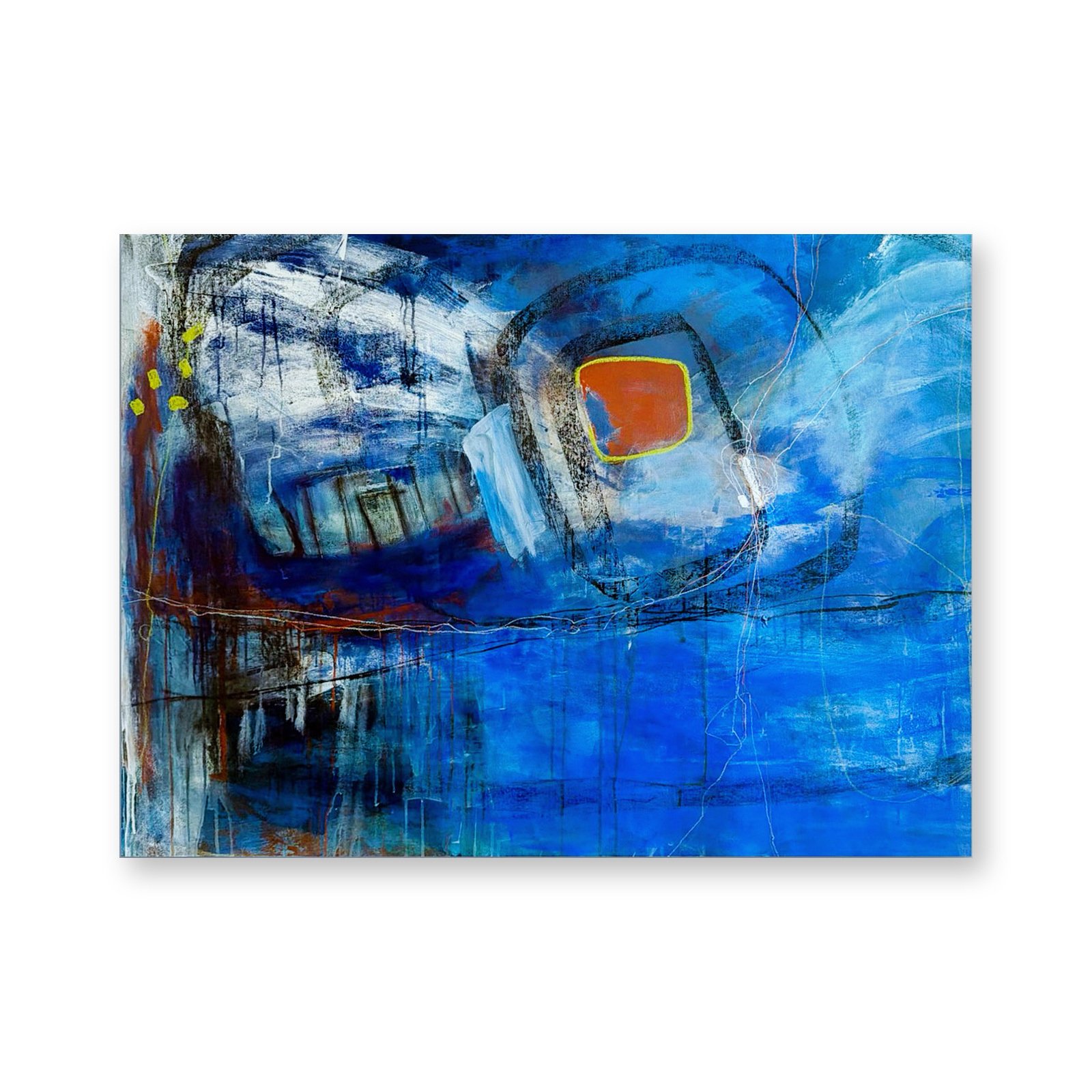
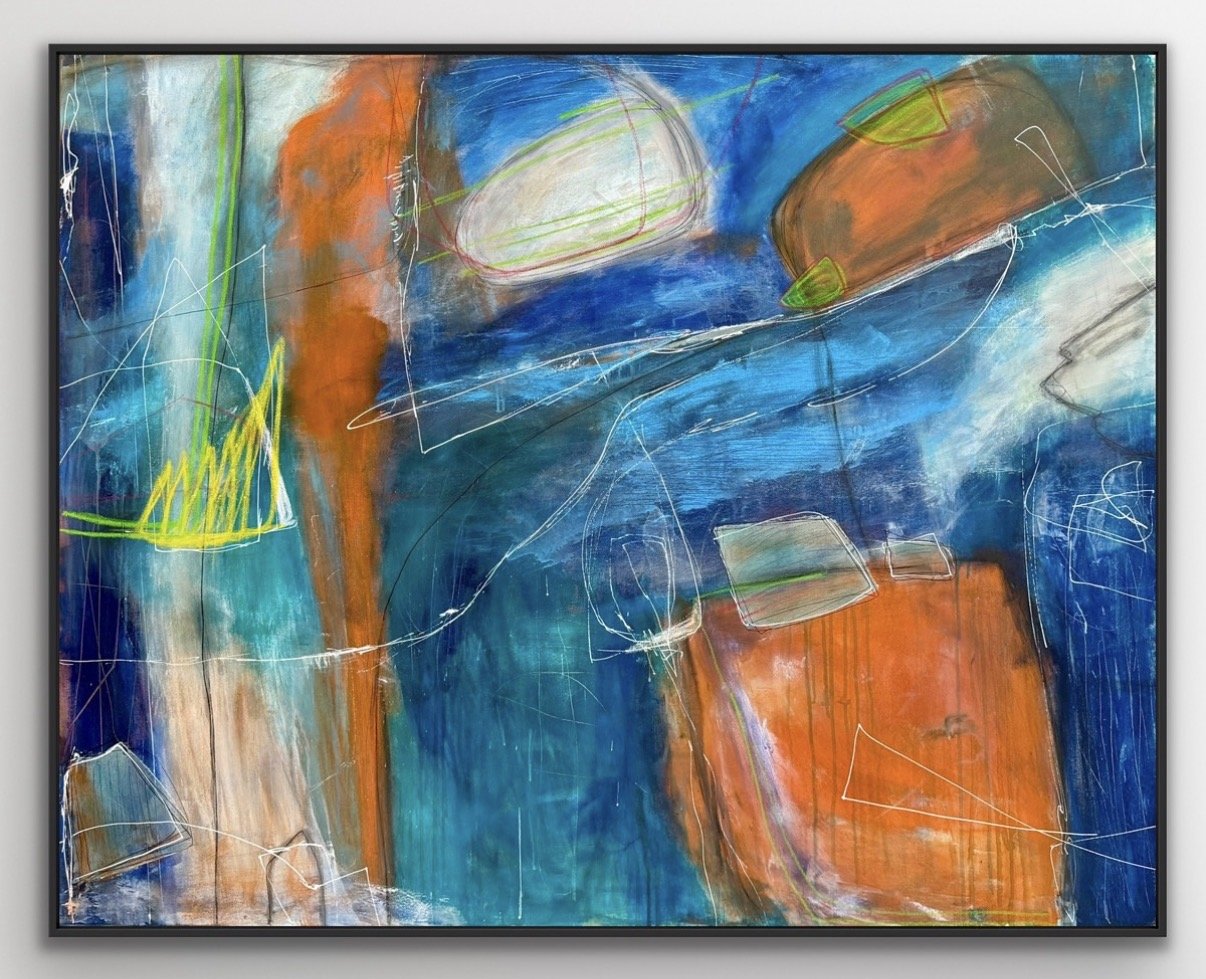
Answer: Dhyana is especially significant to me because it grew from my relationship with Shiva and the experience of meditation. Blue anchors the work as the colour I associate with Shiva: expansive, powerful and still. The repeated lines represent the noise that continues to move through the mind while one attempts to become quiet. Rather than illustrating perfect calm, the painting holds the struggle within meditation—the tension between disturbance and surrender. I built the surface intuitively, allowing gesture, colour and density to accumulate until stillness and movement could coexist. The work became less a depiction of meditation than a record of passing through it.
6. Feedback & Growth
How do you incorporate feedback from critics or audiences into your work, and how do you balance this with your own artistic intuition?
Answer: I listen carefully to feedback, particularly when it reveals how a work is experienced beyond my own intentions. It can help me recognise recurring strengths, question familiar choices and see possibilities I may have overlooked. At the same time, my process depends on instinct, so I do not allow external opinion to become the author of the work. I take in what feels honest and useful, reflect on it, and then return to the studio. Growth, for me, comes from remaining receptive without losing the emotional truth that made the work necessary.
7. Motivation & Inspiration
How do you stay motivated and inspired, even when facing creative blocks or challenges?
Answer: I have learned not to treat a creative block as emptiness. Sometimes it is a period of gathering—living, observing and allowing something new to form. After time away from painting, returning to the studio can feel intimidating, so I begin without demanding a masterpiece: one surface, one colour, one gesture. I revisit unfinished works, read, meditate, look at art and pay attention to the emotions that keep returning. Momentum usually comes after I begin. Curiosity and discipline carry me forward when inspiration feels distant.
8. Exhibiting Work
How do you feel about exhibiting your artwork with The Holy Art Gallery, and what does this opportunity mean to you?
Answer: Exhibiting with The Holy Art Gallery is both an honour and an important opportunity to place my work in conversation with an international audience. Because my paintings emerge from deeply personal and intuitive experiences, seeing them enter a shared public space gives them a life beyond me. I am excited by the possibility that viewers from different backgrounds may recognise something of their own inner world in the work. This exhibition represents visibility, connection and a meaningful step forward in the development of my practice.
9. Future Goals
What are your long-term goals and aspirations as an artist, and how do you plan to achieve them?
Answer: My long-term goal is to build a distinctive and cohesive body of work while continuing to evolve without losing the intuitive freedom at the heart of my practice. I hope to exhibit internationally, collaborate with thoughtful galleries and institutions, and place my work in significant private and public collections. I also want to create work at a larger scale and deepen the dialogue between abstraction, emotion and spiritual experience. I plan to achieve this through sustained studio practice, rigorous self-editing, continued experimentation and carefully chosen exhibitions that support meaningful artistic growth.
10. Audience Connection
What do you hope viewers take away from experiencing your art, and how do you aim to connect with them on an emotional or intellectual level?
Answer: I hope viewers do not simply look at my paintings but feel themselves slowing down in front of them. The work does not offer a single fixed narrative; it invites an intimate and individual encounter. Through layered surfaces, recurring lines, colour and spatial tension, I create room for viewers to project their own memories and emotional states. Some may experience stillness, others unrest, recognition or release. I want the work to remain with them as a sensation or unanswered question—something felt before it is fully understood—and to remind them that what is invisible can still exert a powerful force.