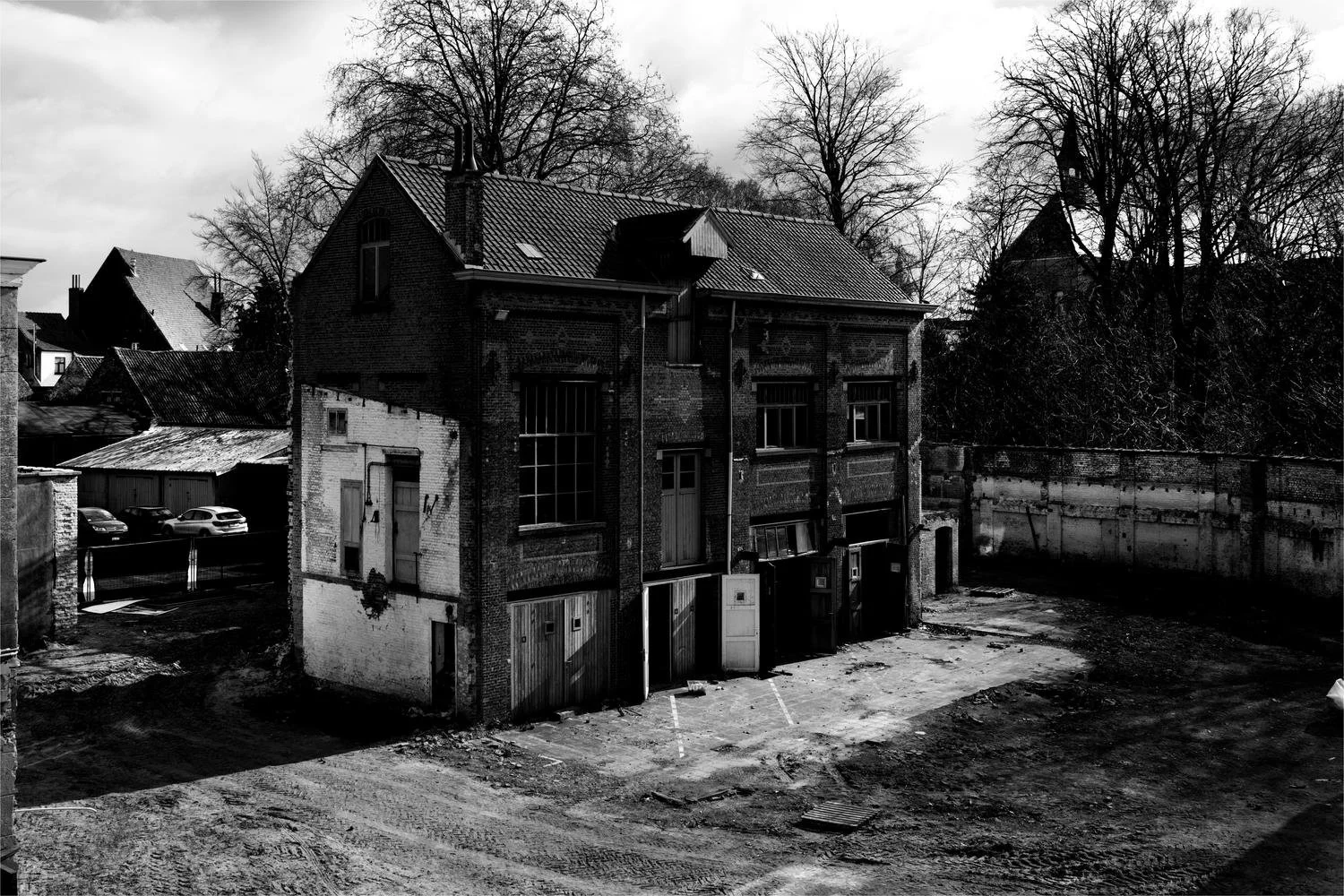
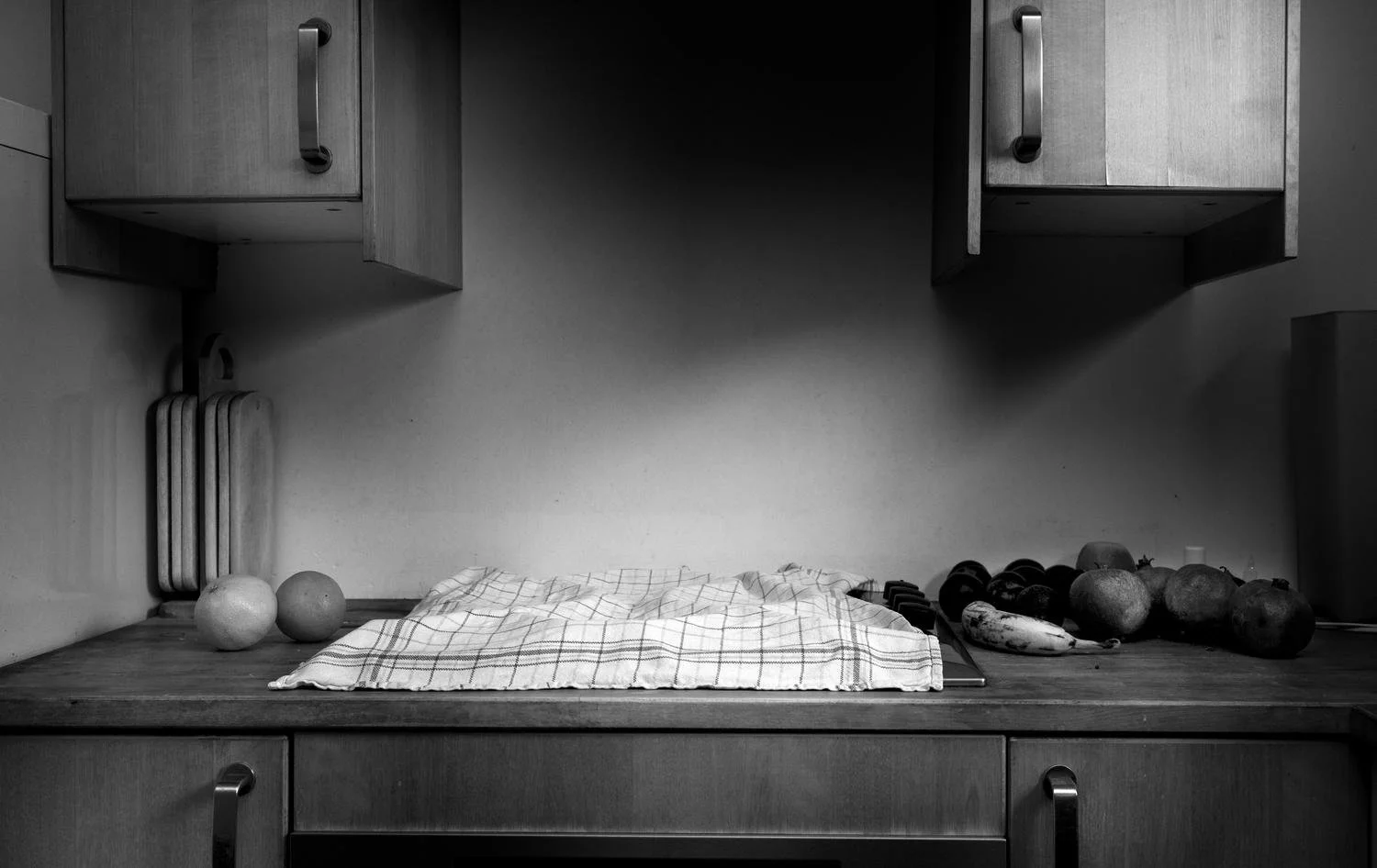
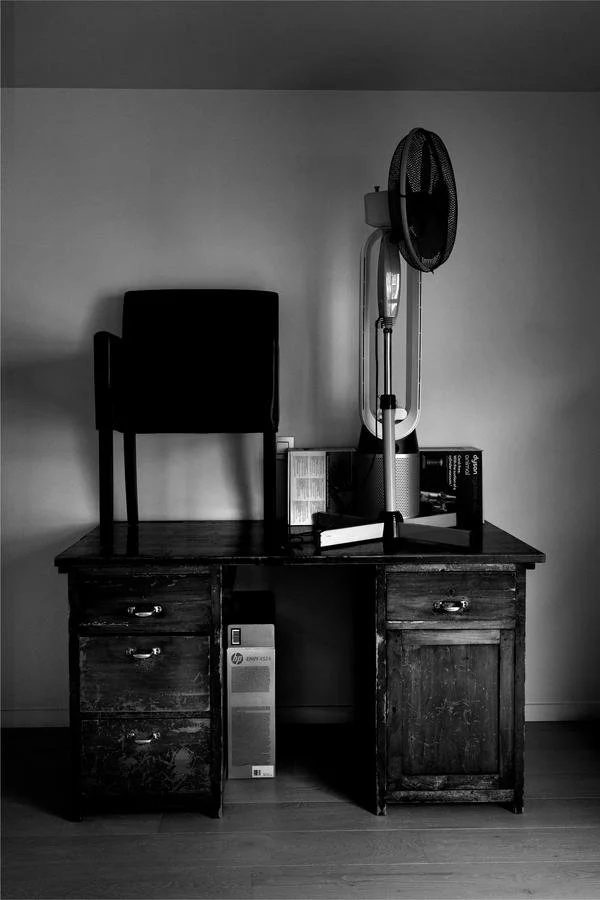
Artist spotlight : Kedist Coppejans
ARTIST STATEMENT:
Kedist Coppejans is a Belgian artist, born in Addis Ababa. She works across photography, moving image and installation.
Her practice starts from personal stories and experiences, which are explored through image-making and expanded into poetic and often unsettling works. Working between Ghent and Brussels, Kedist creates work that invites reflection on memory, emotion and everyday experience.
Social Networks :
Instagram Handle: @kedistcoppejans/
Website: www.kedistcoppejans.com
Portfolio: www.kedistcoppejans.com
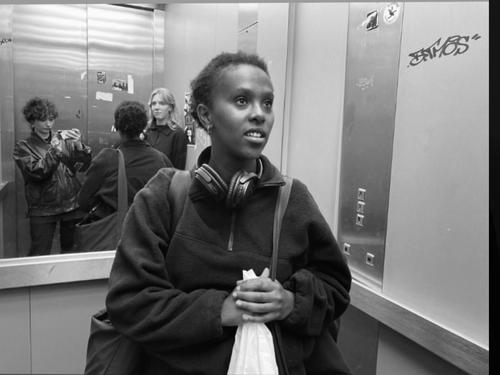
Kedist Coppejans
1. Inspiration & Style
What initially inspired you to become an artist, and how did you develop your unique artistic style?
Answer: Since I was a child, I have been fascinated by video and photography. I believe that anyone of us has stories to tell and experiences to share. But often, people lack the words to express themselves. Bringing together images, sounds, music and words gives me a platform to express myself better.
Throughout my studies (I studied Architecture before moving to Visual Arts), I was challenged to use other ways to express myself, such as mixed media. This art crossing is what I continue doing in my art today.
2. Creative Process
Do you have any rituals or routines that help you get into a creative mindset when starting a new project?
Answer: I don’t work in isolation. When I start with a project, I discuss this first with some people. I also get inspiration from other artists, photographers, filmmakers and video-artists. All of this helps me to define a path.
3. Artistic Influences
How do you balance historical or artistic influences with your personal style, and how do these influences manifest in your work today?
Answer: I am influenced by everyone, but mostly by female artists. Their way of working, the way they look at their art or at life in general, often inspire me. They give me ideas, but I don’t think that their work influences mine in a direct way. Or maybe they do.
4. Emotion & Expression
How do you use your art to evoke emotions, and what role does emotion play in your creative process?
Answer: The work that I have made so far has been personal and emotional. It typically have
been intense journeys, scratching off different layers to understand what I truly feel. Eventually, these feelings are not shown in an explicit way because I want to give the viewers the chance to fill in the blank pieces. To put their own emotions and experiences in my work.
5. Standout Projects
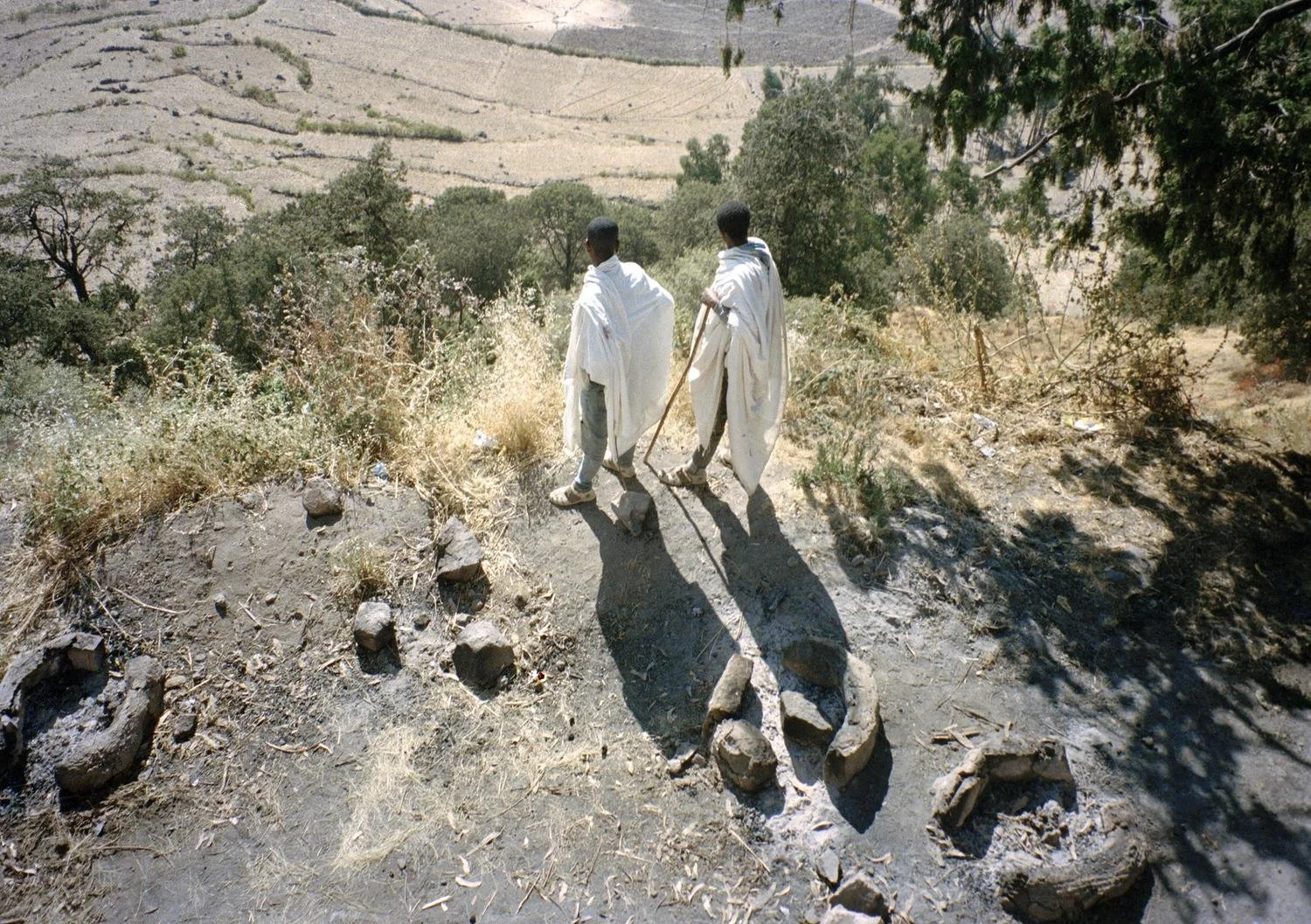
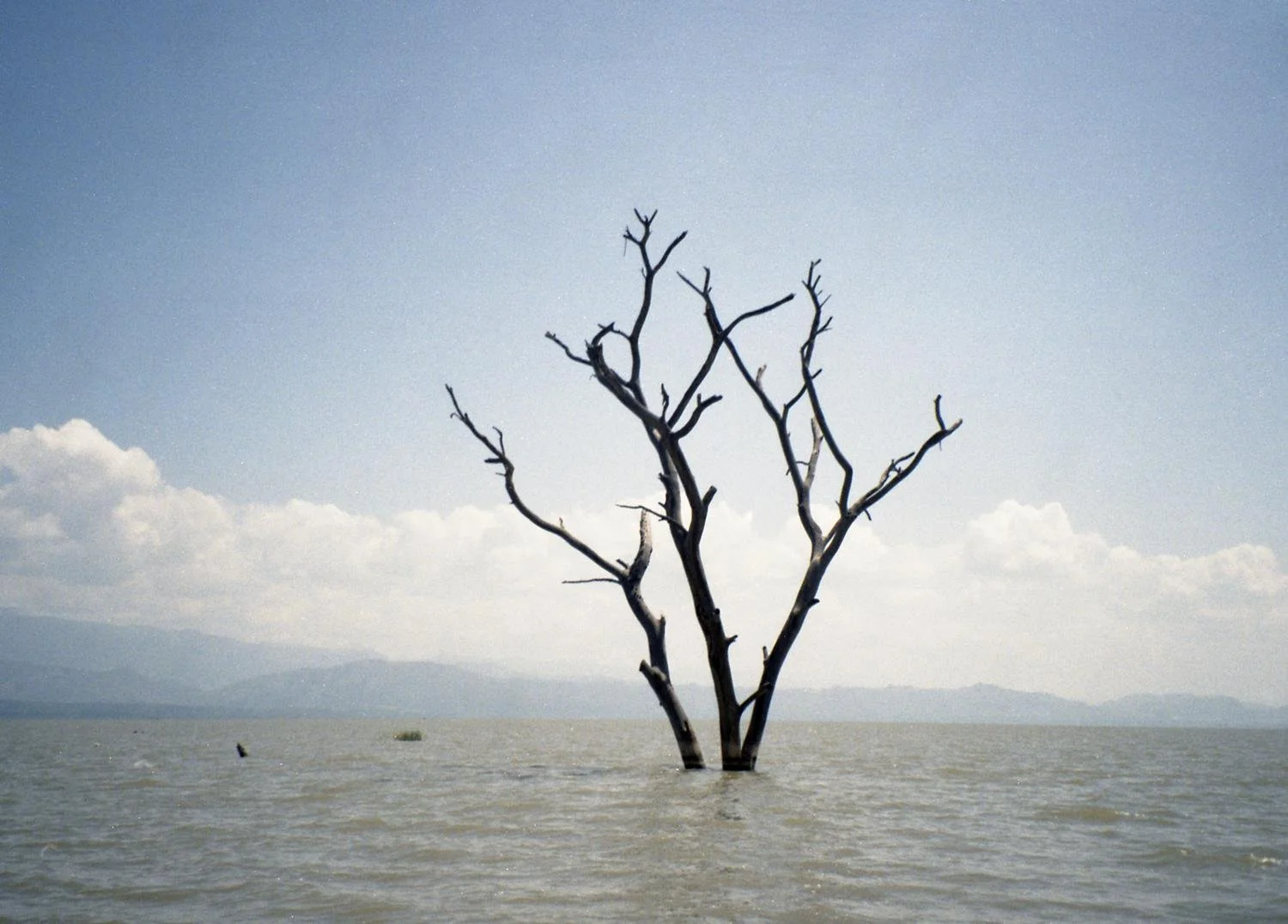
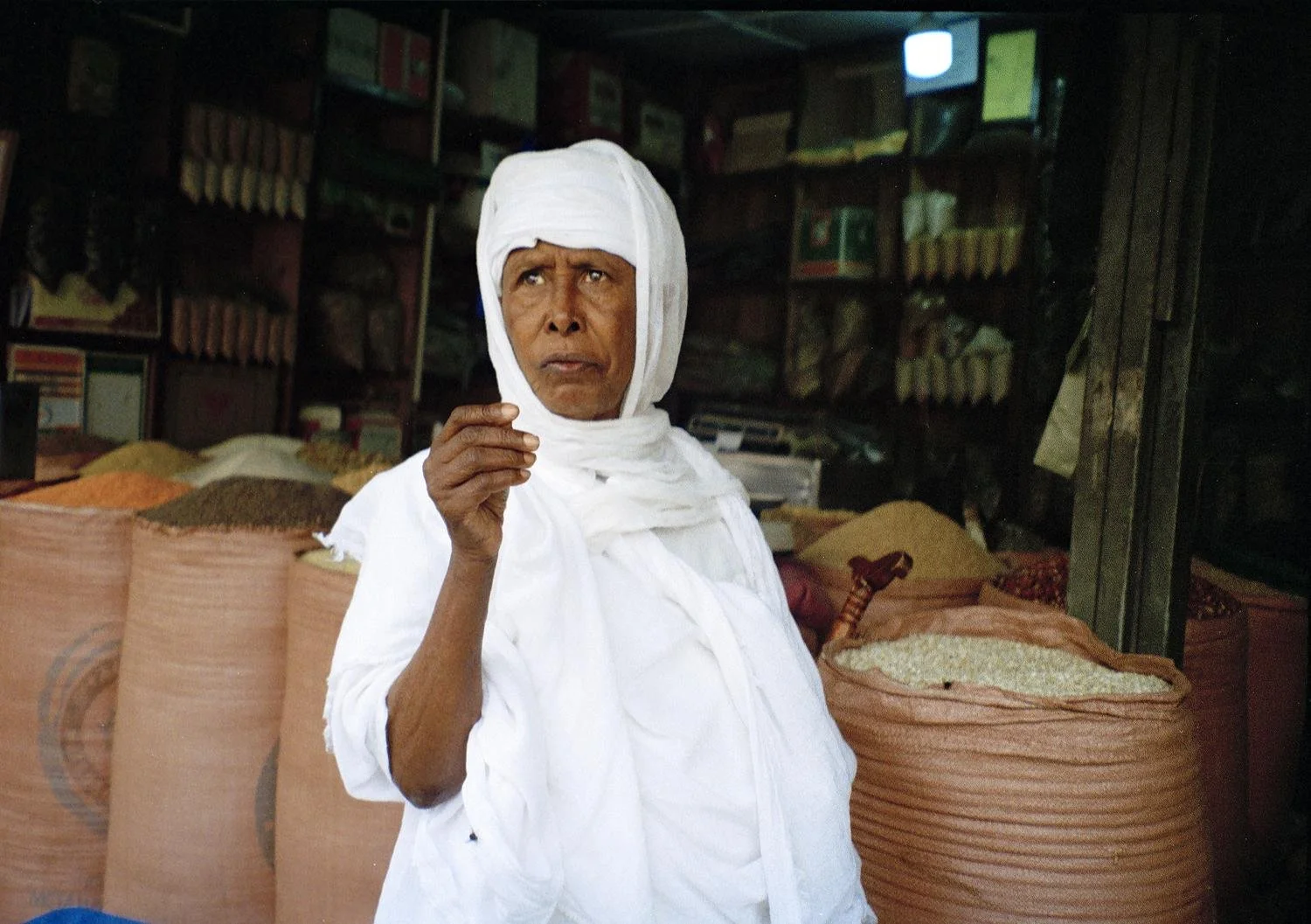
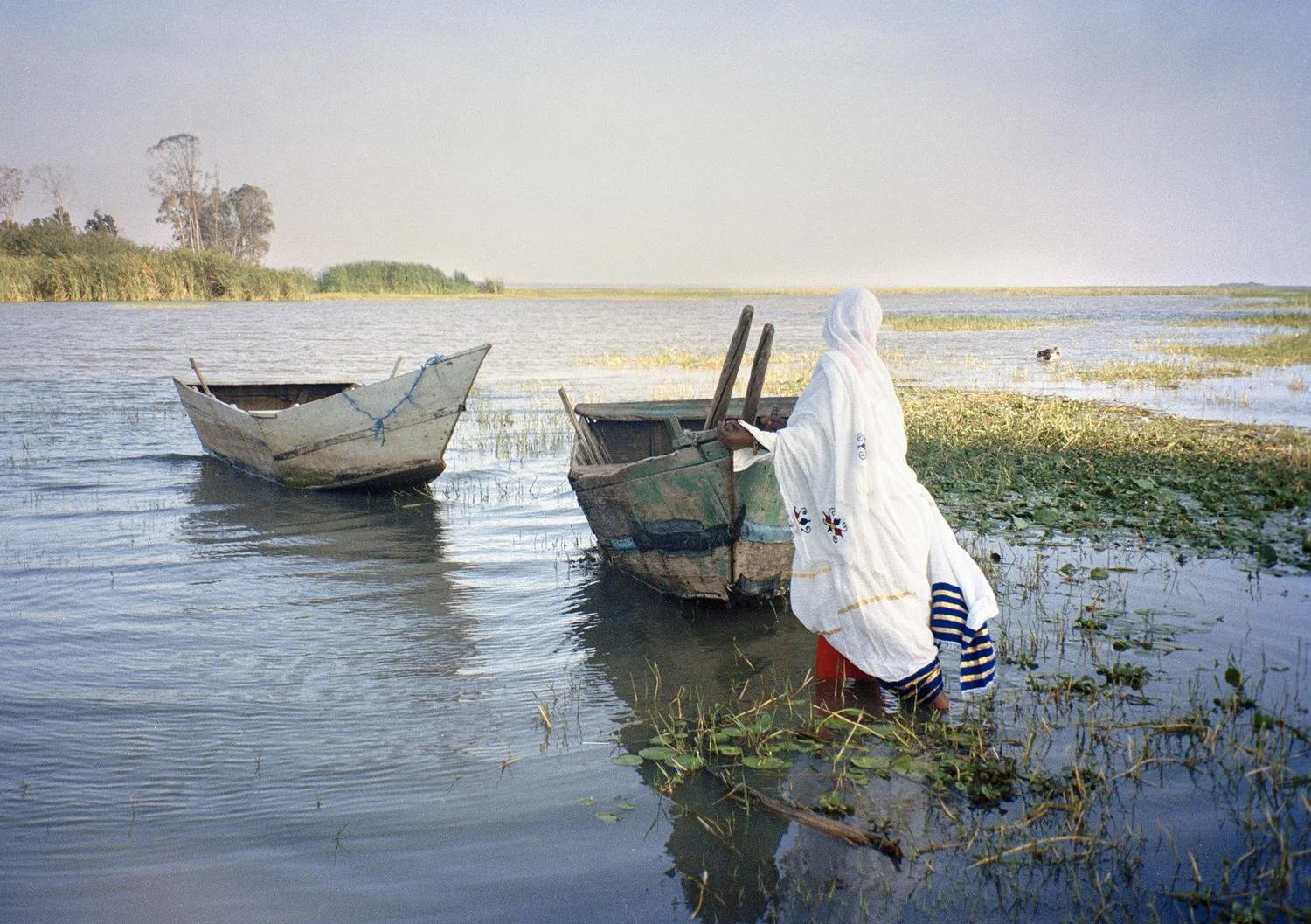
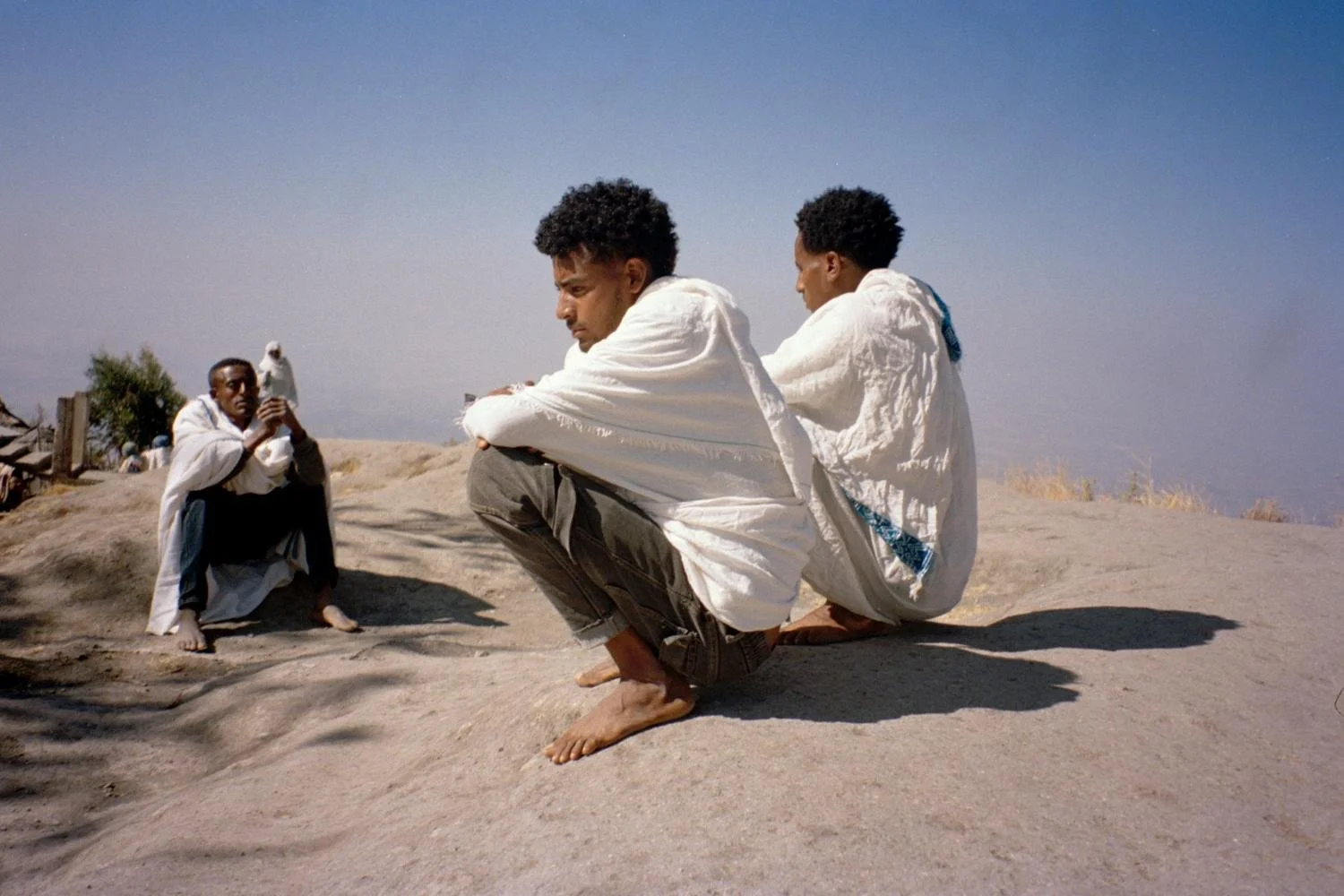
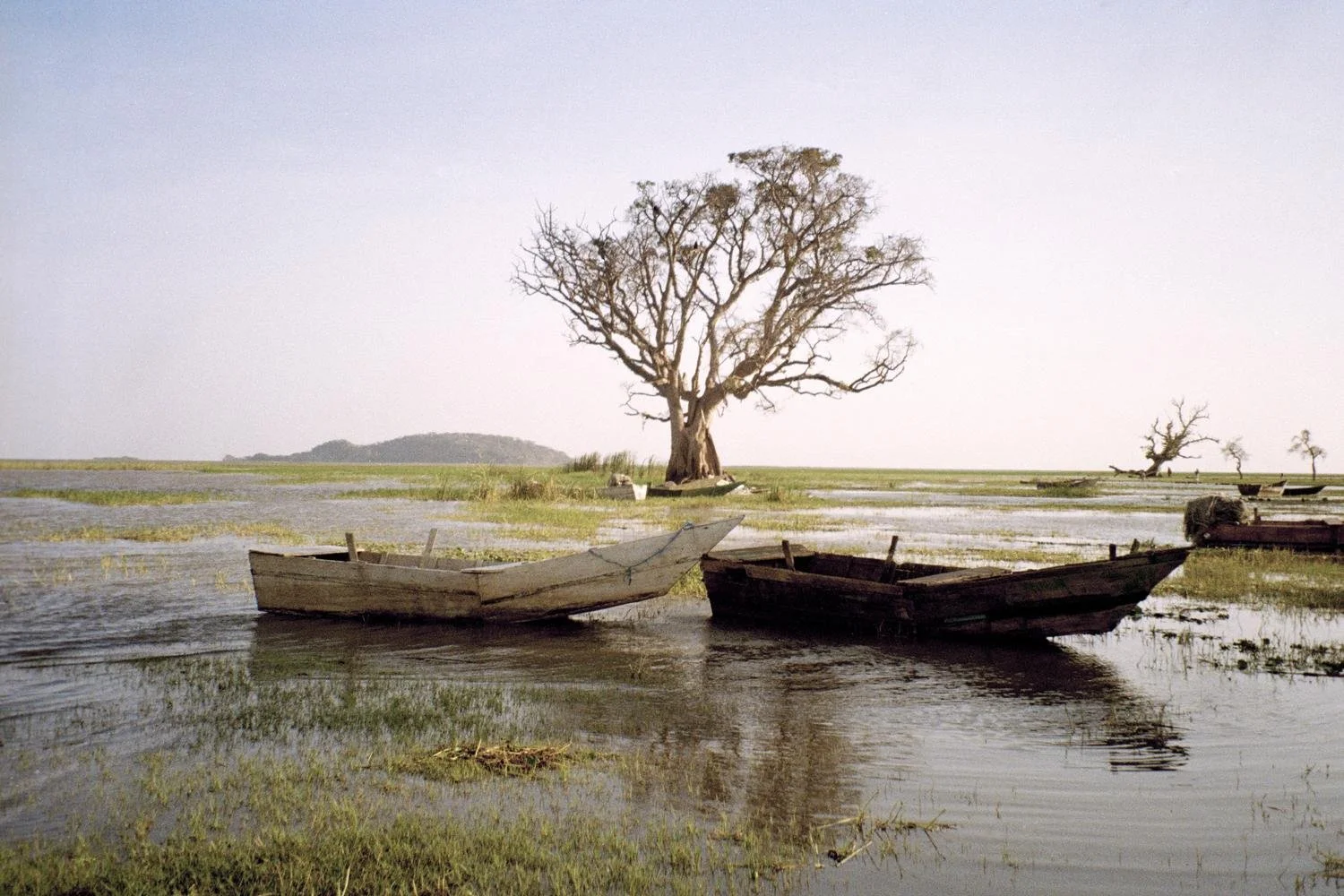
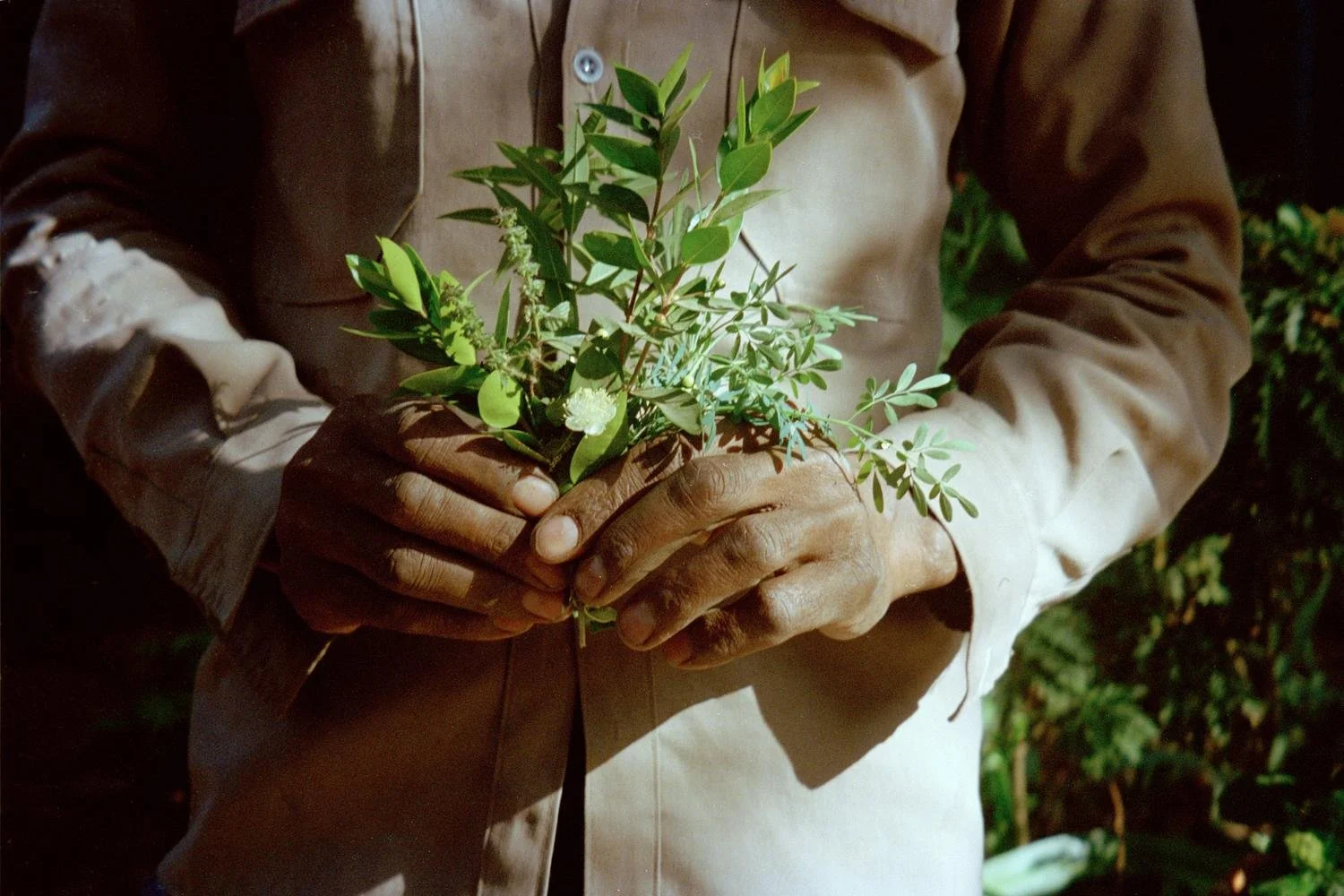
Can you share a project that stands out to you and describe the creative process behind it? Answer: My last project, Eshi Eshi, definitely stands out as it is a personal story about how it feels to lose your mother tongue. It feels as if language is the foundation of an identity, but yet again: language is ambiguous. It is not a guaranteed entrance ticket to an identity. For this project, I have immersed myself in the Amharic language, floating on echoes from a past.
6. Feedback & Growth
How do you incorporate feedback from critics or audiences into your work, and how do you balance this with your own artistic intuition?
Answer: Every photo, every video is a piece of me. Every artist needs a certain amount of insecurity to continuously be re-inventing. Negative feedback is obviously difficult, but it also pushes me forward, challenges and questions my work. I generally feel resilient. But I also have a strong vision of what I want to show.
7. Motivation & Inspiration
How do you stay motivated and inspired, even when facing creative blocks or challenges? Answer: It is important to re-invent yourself. I am at the very beginning of my career. Luckily, I still have a lot of motivation and inspiration. If I do have a creative blockage, it always helps to visit galleries or museums. This stimulates my drive to create.
8. Exhibiting Work
How do you feel about exhibiting your artwork with The Holy Art Gallery, and what does this opportunity mean to you?
Answer: I graduated only a few weeks ago. The exhibition at The Holy Art Gallery is my first exhibition that is not part of a graduation show. I am very excited and I hope that my art is picked up.
9. Future Goals
What are your long-term goals and aspirations as an artist, and how do you plan to achieve them?
Answer: This is what I do: I make art. I take photos. I make videos. My goal is to continue doing this. I am strongly convinced that we need art. Any sort of art. Our society needs art, because art helps us to cope. I would like to see that artists are valued for their impact. That policy makers, people in general, understand the value of art and its impact on our well-being. We should invest more in art and in artists. I am an artist. This is what I do: making art.
10. Audience Connection
What do you hope viewers take away from experiencing your art, and how do you aim to connect with them on an emotional or intellectual level?
Answer: I have had long discussions about art, about its meaning and about its impact. My art starts from emotions, experience or just wonder. I want viewers to feel, to experience or to wonder. Those can perfectly be different emotions, experiences or wonders. As long as the art moves.