Artist spotlight : Khyati Shodhan
ARTIST STATEMENT:
I paint what yoga teaches me.
Three years of showing up on the mat every day, no matter what. That discipline — choosing myself amid the noise of being a mother of twins, an engineer, an artist — is where my work begins.
I create digitally because sustainability matters to me. As an environmental engineer, no paper, no chemicals, no waste feels right. Just light, color, and intention.
My pieces explore what it feels like to carry many roles and still try to find yourself underneath them. The overwhelm of a crowd. The courage to sit alone with your thoughts. The moment you finally let go.
Indian visual traditions — temple art, miniatures, Gujarat's textiles — live in my work through color and composition, but filtered through a contemporary, borderless voice.
I owe this path to my husband, who believed in my art before I did, and to my mother, who never let me stop making.
Social Networks :
Instagram Handle: @ksgoingdigital ; @decade
Website: www.khyatishodhan.com
Portfolio: www.khyatishodhan.com
Khyati Shodhan
1. Inspiration & Style
Q: What initially inspired you to become an artist, and how did you develop your unique artistic style?
Answer: Art has been part of my life since childhood, but it truly found its voice when I started painting with my kids. What began as family sessions around the table turned into something I couldn't put down. My husband saw that spark and encouraged me to explore digital tools, which led me to Procreate. As an environmental engineer, going digital felt right, it’s a sustainable, zero-waste medium that aligns with how I want to live. My style draws heavily from Indian art traditions, miniature painting, temple art, folk motifs, but I filter them through bold color, layered compositions, and contemporary digital techniques. Yoga, which I've practiced daily for four years, deeply shapes my work. The themes of breath, stillness, inner strength, and the tension between chaos and calm run through everything I create.
2. Creative Process
Q: Do you have any rituals or routines that help you get into a creative mindset when starting a new project?
Answer: My creative process starts on the yoga mat. That daily practice clears the mental clutter and puts me in a space where ideas surface naturally. I don't sit down to create with a fixed plan — I let the emotion of the moment guide the composition. I work in layers, building up textures and forms the way thoughts build during meditation. Sometimes a color palette comes first, sometimes a pose, sometimes a feeling I need to process. The discipline of showing up on the mat every day translates directly into showing up at the screen. Consistency over inspiration.
3. Artistic Influences
Q: How do you balance historical or artistic influences with your personal style, and how do these influences manifest in your work today?
Answer: I grew up surrounded by Indian visual culture — temple sculptures, Mughal miniatures, Madhubani patterns, the vibrant textiles of Gujarat. These traditions live in my work through bold composition, ornamentation, and the use of rich color. But I'm equally drawn to modern layered compositions, collage aesthetics, and the freedom of digital art where you can blend textures that would never meet on a physical canvas. I don't try to replicate traditional forms. I absorb their language and let it speak through a contemporary digital voice. The result feels rooted but not bound.
4. Emotion & Expression
Q: How do you use your art to evoke emotions, and what role does emotion play in your creative process?
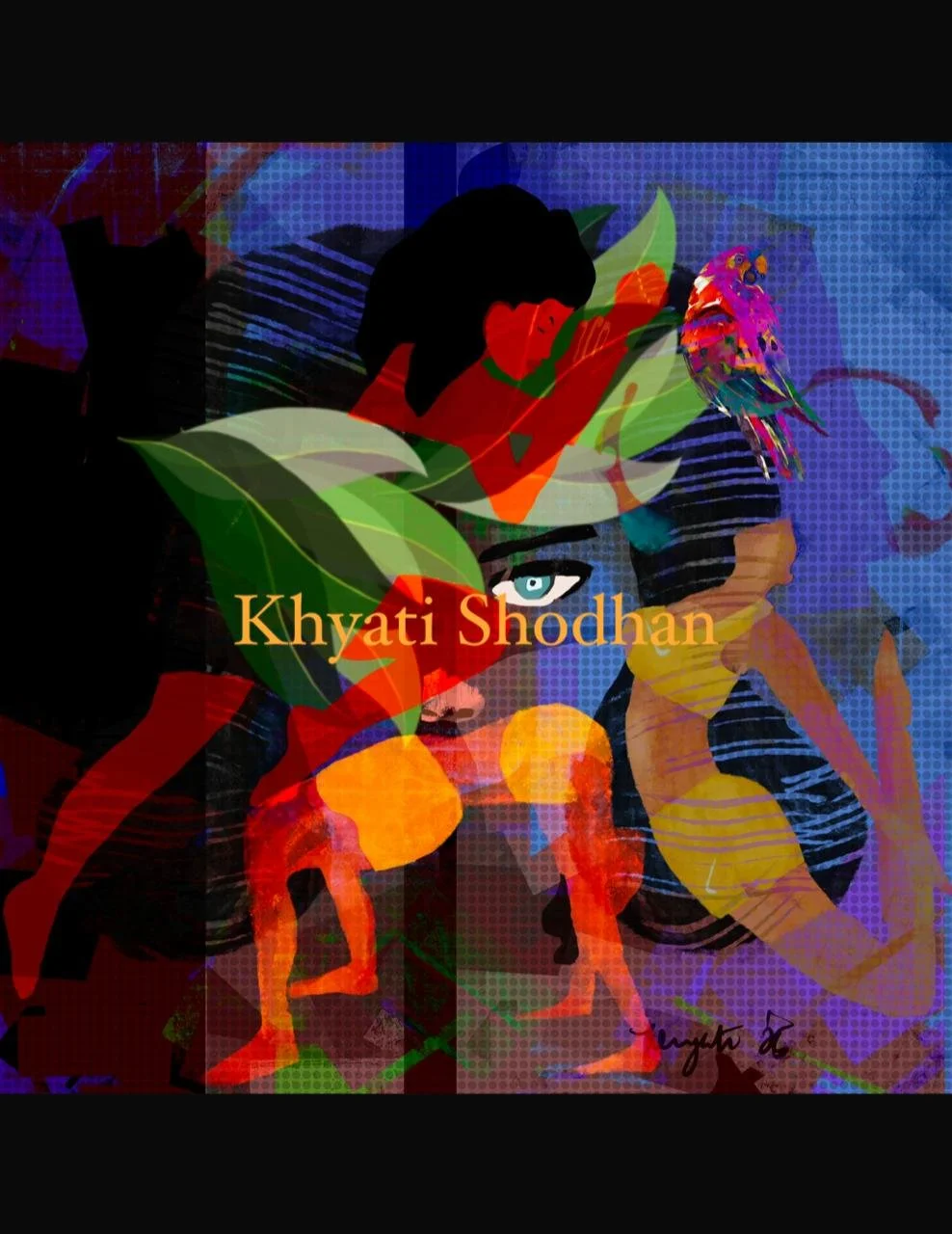
Answer: Emotion isn't something I add to my art, it's the reason the art exists. Each piece begins with a feeling I'm working through. "Dharana," the crowd piece, was born from the feeling of being everywhere for everyone until you disappear into your own life. "Shedding Thoughts" came from the opposite, the quiet relief of finally sitting still and letting go of every thought that was never mine to carry. I use color intensity and layering to carry emotional weight. Vibrant, overlapping figures for overwhelm. Warm, muted tones and bare skin for vulnerability. I want the viewer to feel something before they analyze anything.
5. Standout Projects
Q: Can you share a project that stands out to you and describe the creative process behind it?
Answer: The two pieces I'm exhibiting in Tokyo, "Dharana" and "Shedding Thoughts", stand out the most to me because they work as a pair. "Dharana" shows a sea of faceless, mirrored figures pressing in from all sides. It captures the feeling of losing yourself in the roles the world assigns you. "Shedding Thoughts" is what comes after — a woman sitting alone, back turned, one hand brushing the noise from her mind. Gold patterns glow on her skin like truths surfacing once the clutter falls away. Together they tell a story: first the chaos, then the courage to step away from it. Creating them felt like documenting my own journey with yoga and the daily practice of coming back to myself.
6. Feedback & Growth
Q: How do you incorporate feedback from critics or audiences into your work, and how do you balance this with your own artistic intuition?
Answer: I listen to feedback carefully, but I filter it through my own artistic instinct. When someone connects emotionally with a piece, that tells me the work is communicating. When they don't, I ask myself whether the disconnect is in the execution or simply a difference in perspective. My husband has been my most honest critic from the beginning, he pushed me toward digital art when I was still unsure, and his perspective helps me see my work from outside the emotional bubble of creating it. Growth for me means going deeper into my own themes, not wider into someone else's.
7. Motivation & Inspiration
Q: How do you stay motivated and inspired, even when facing creative blocks or challenges?
Answer: Yoga. Four years of daily practice taught me that showing up is the whole game. Creative blocks don't scare me the way they used to because I've learned on the mat that some days you flow and some days you just hold the pose. Both count. When I'm stuck creatively, I step away from the screen and move my body. The ideas always come back. My kids also keep me inspired. Watching them create without self-doubt reminds me what art felt like before I started overthinking it. My mother always pushed me to learn every form of art I was curious about, and that openness to try new things keeps me moving forward.
8. Exhibiting Work
Q: How do you feel about exhibiting your artwork with The Holy Art Gallery, and what does this opportunity mean to you?
Answer: Exhibiting with The Holy Art Gallery in Tokyo feels like a significant milestone. As a digital artist based in Ahmedabad, India, showing my work on an international stage in Japan is deeply meaningful. My art draws from Indian traditions and personal practice, and having it resonate with a global audience confirms that themes like finding yourself, shedding the noise, and the discipline of daily practice are universal. Displaying these pieces digitally also feels true to who I am, I create digitally because it's sustainable and aligns with my work as an environmental engineer. Showing the work in its native medium, on screens rather than printed on canvas, keeps that integrity intact.
9. Future Goals
Q: What are your long-term goals and aspirations as an artist, and how do you plan to achieve them?
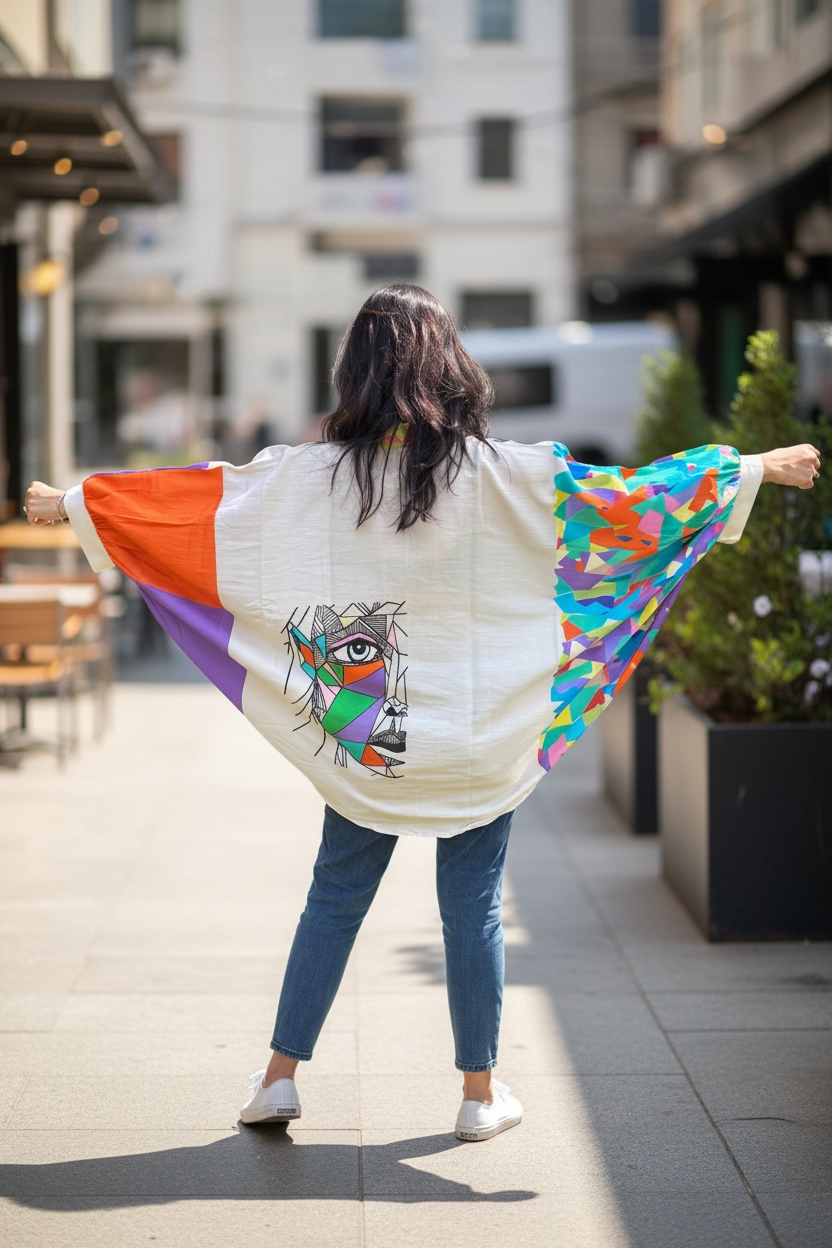
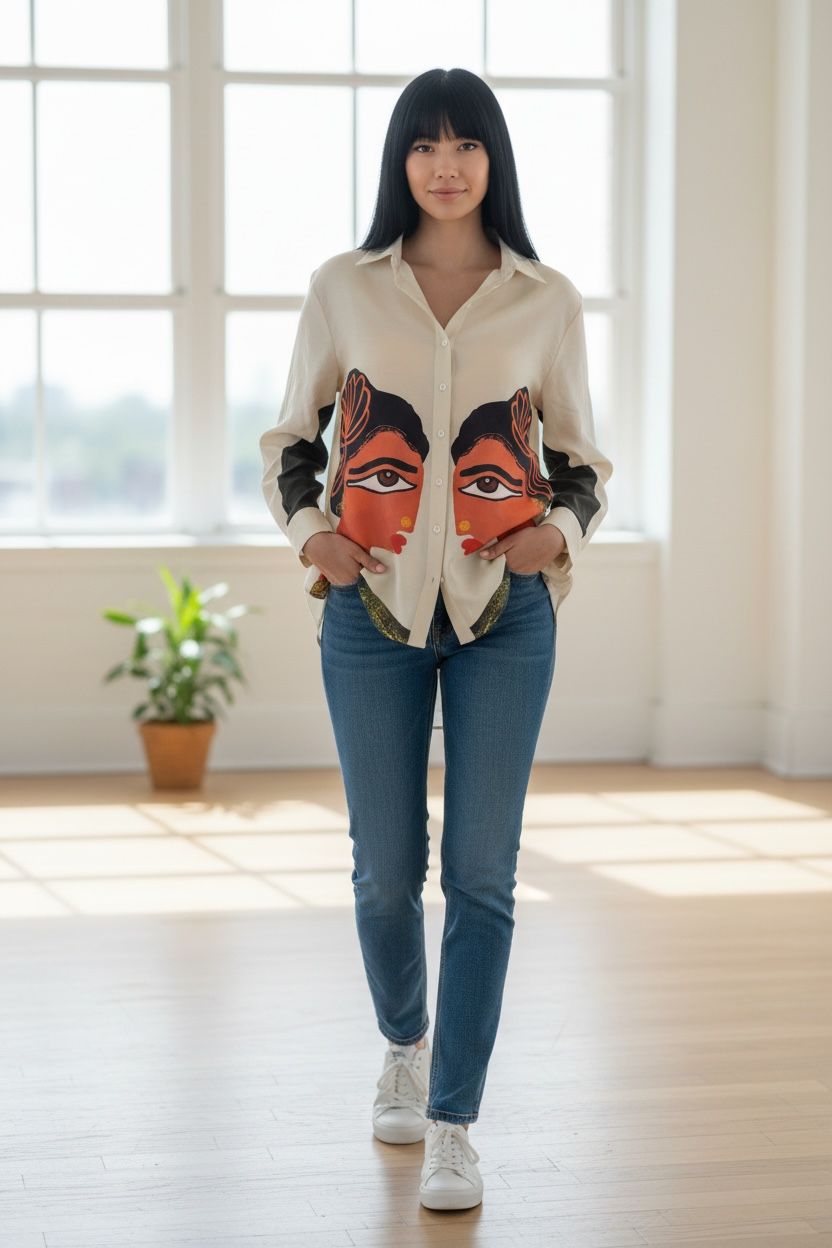
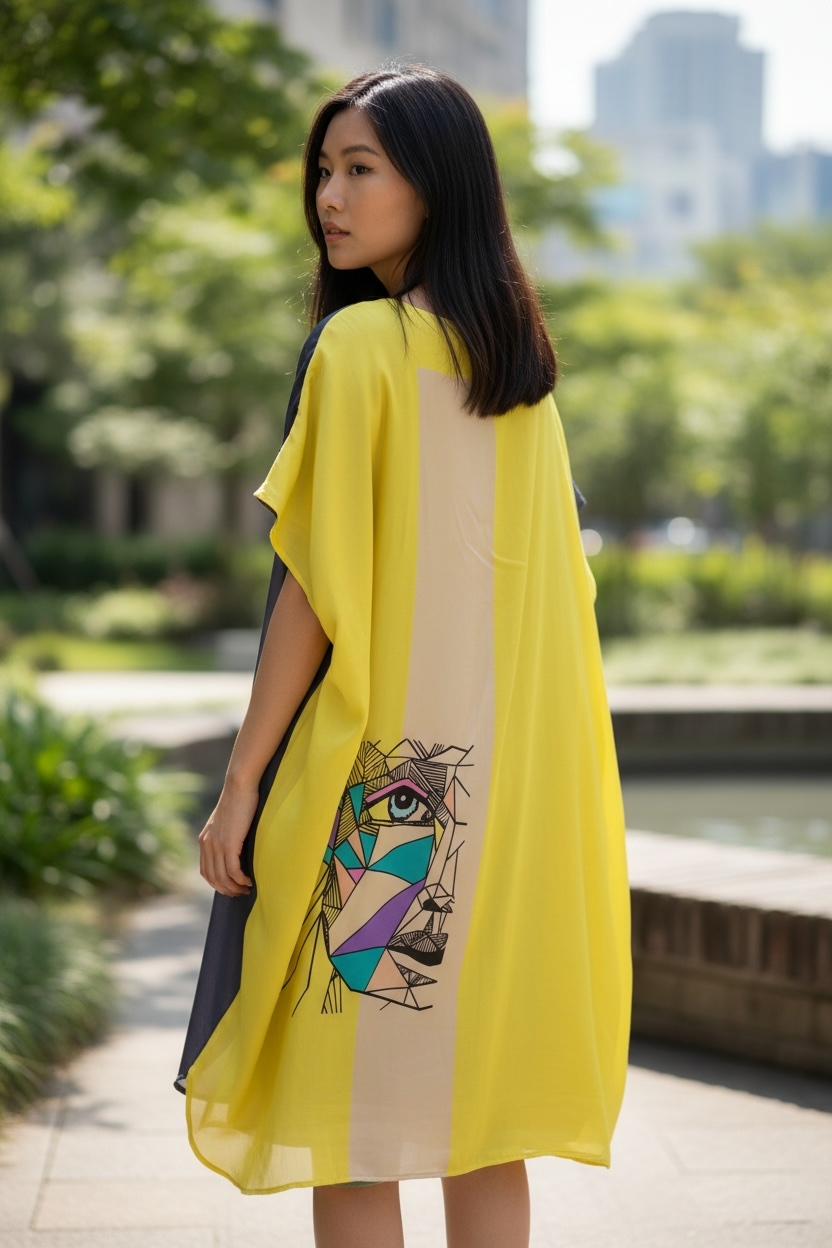
Answer: I want to take my art off the screen and into people's lives. I've already started creating home decor products and wearables using my artwork, and I plan to grow that into a full product line where art becomes something you live with daily. I also want to continue exhibiting internationally and connecting with audiences across cultures. Long term, I'd love to build a community around sustainable digital art — showing other artists, especially women and mothers, that you can create powerful work with just a tablet, zero waste, and the discipline of daily practice. Exhibiting in Tokyo with The Holy Art Gallery is a step in that direction, and I'm eager to keep building from here.
10. Audience Connection
Q: What do you hope viewers take away from experiencing your art, and how do you aim to connect with them on an emotional or intellectual level?
Answer: I want viewers to walk away asking themselves a question. "Dharana" asks: in a world that wants you to be everyone, who are you when you stand still and choose to be only yourself? "Shedding Thoughts" asks: what would remain if you let go of every thought the world placed on you? I'm not interested in art that decorates a wall and disappears. I want my work to interrupt someone's day for a moment and make them look inward. The themes I explore — losing yourself in the crowd, finding the courage to sit in silence — are not tied to any one culture or geography. If someone stands in front of my work in Tokyo and takes one deep breath they weren't planning to take, I've done what I set out to do.