Marcel van Beek
ARTIST STATEMENT
My practice explores the thresholds between landscape and human intervention, reality and imagination, familiarity and estrangement. Photography has become my primary medium because it allows me to engage directly with places and environments in transition — landscapes shaped by water, climate, infrastructure, erosion, construction and changing patterns of human use.
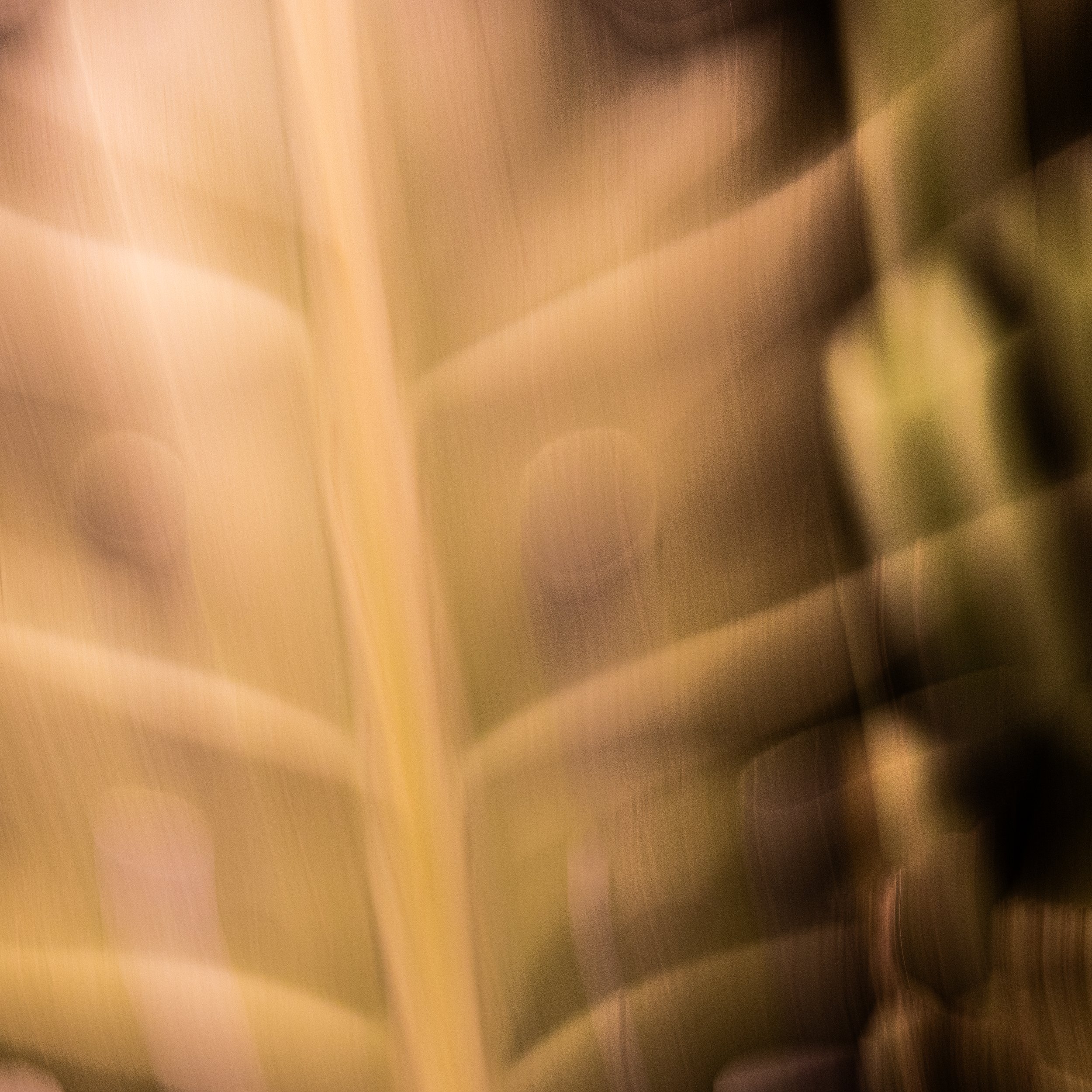
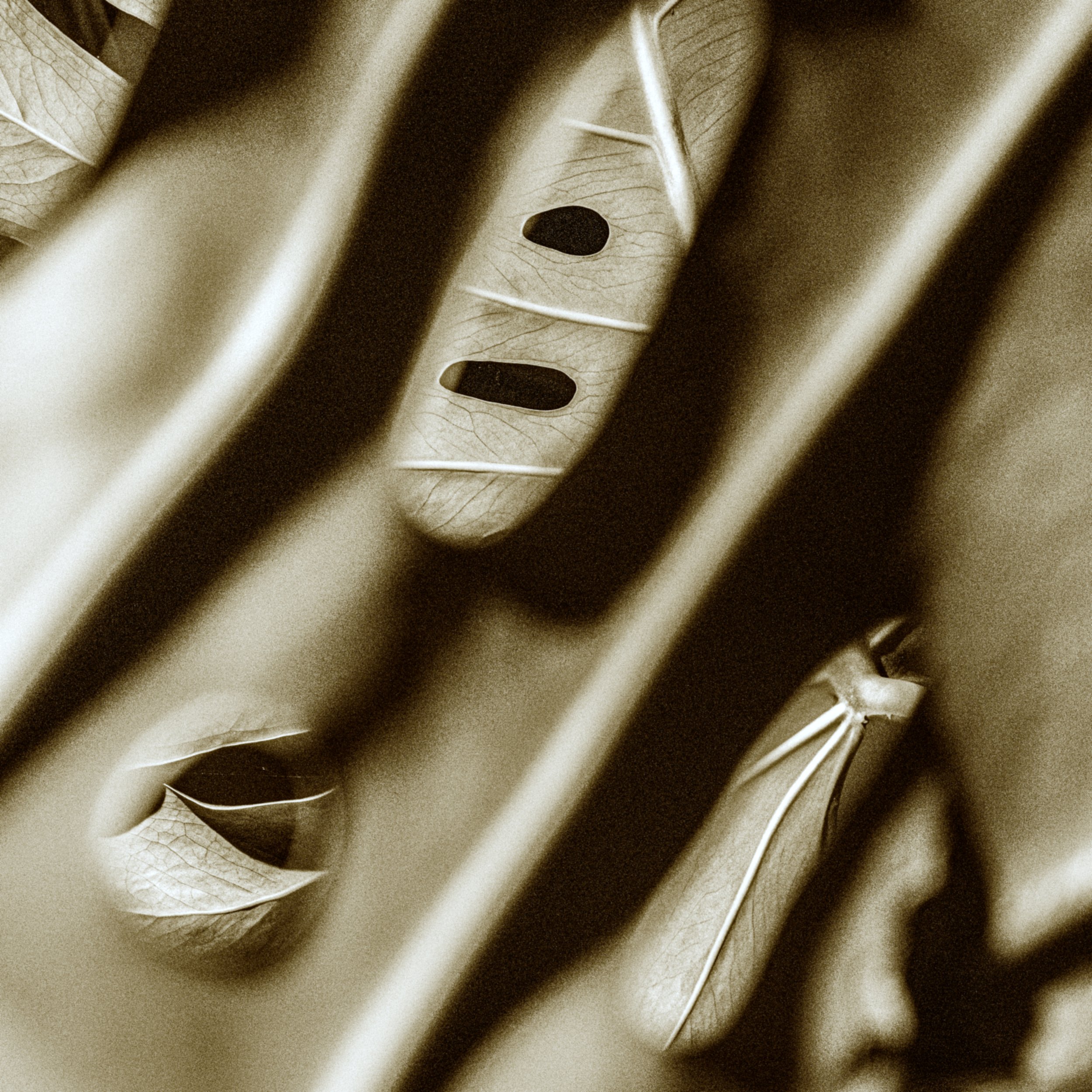
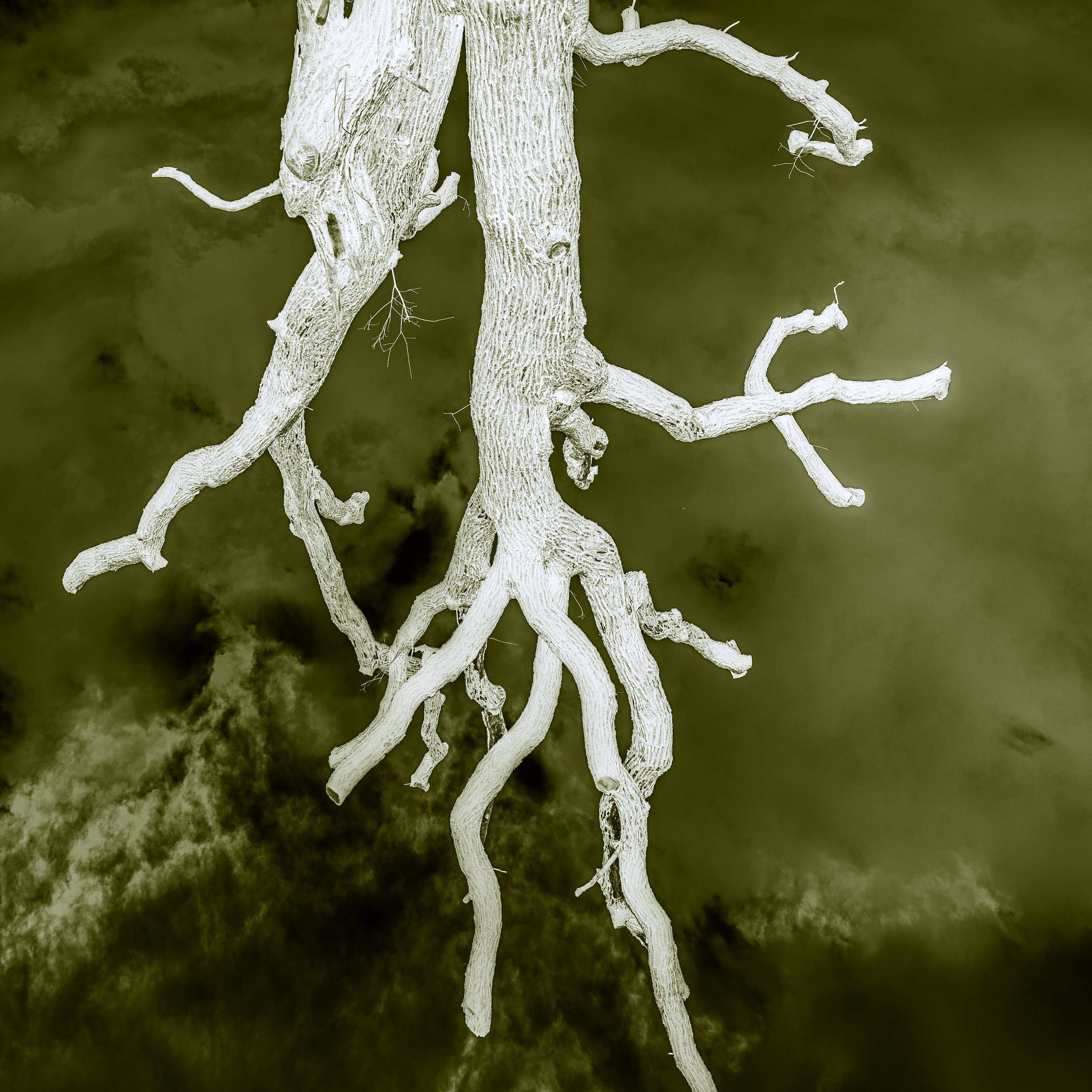
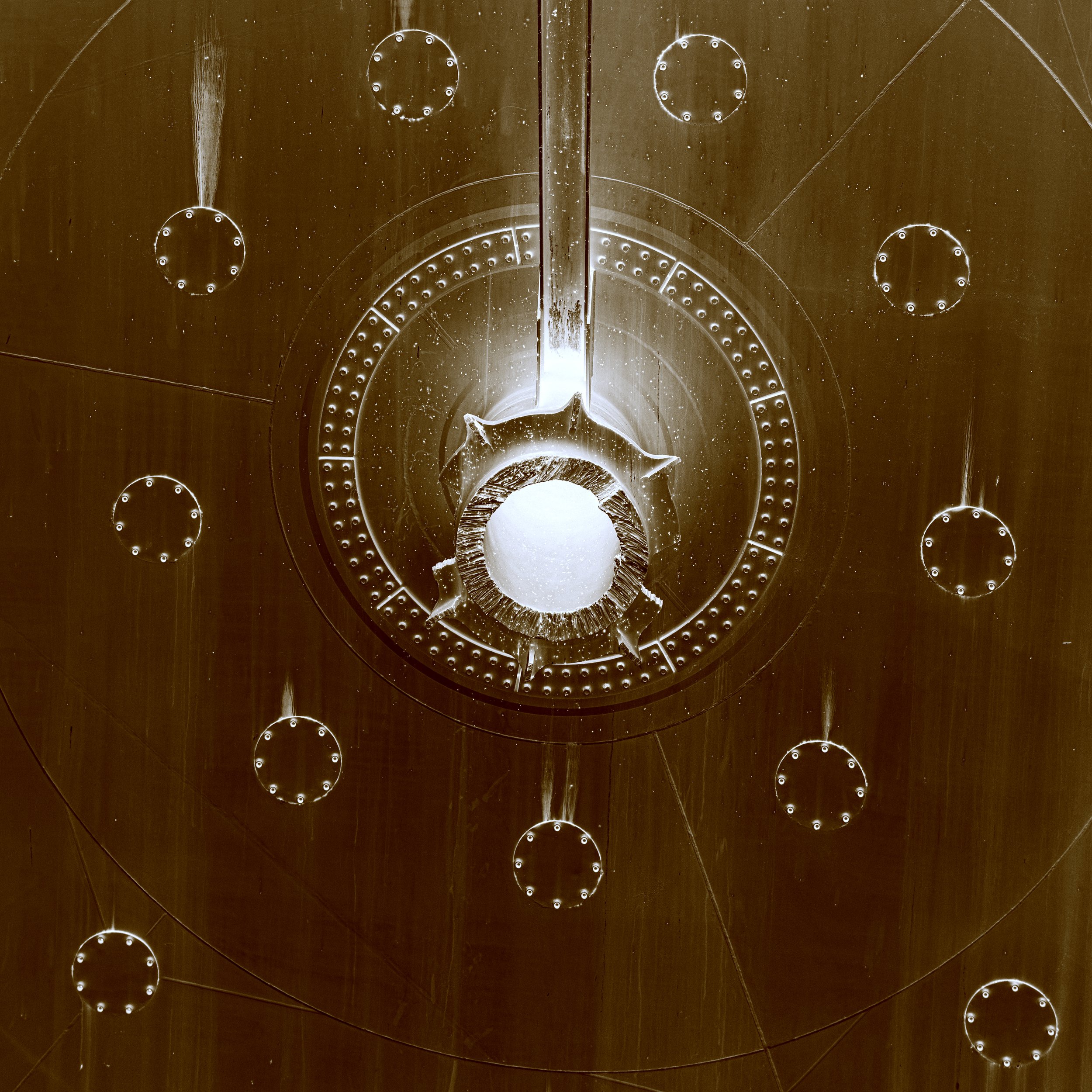
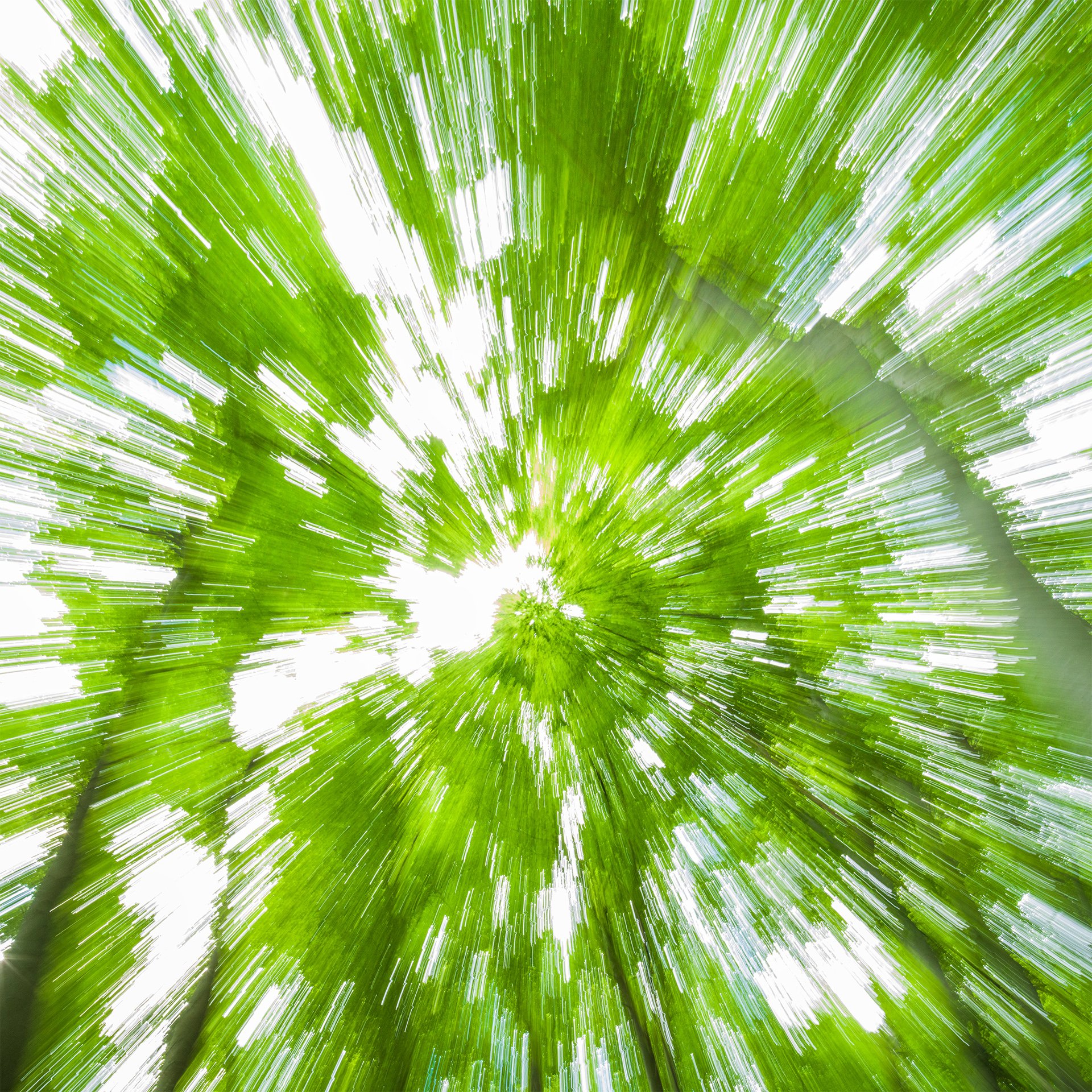
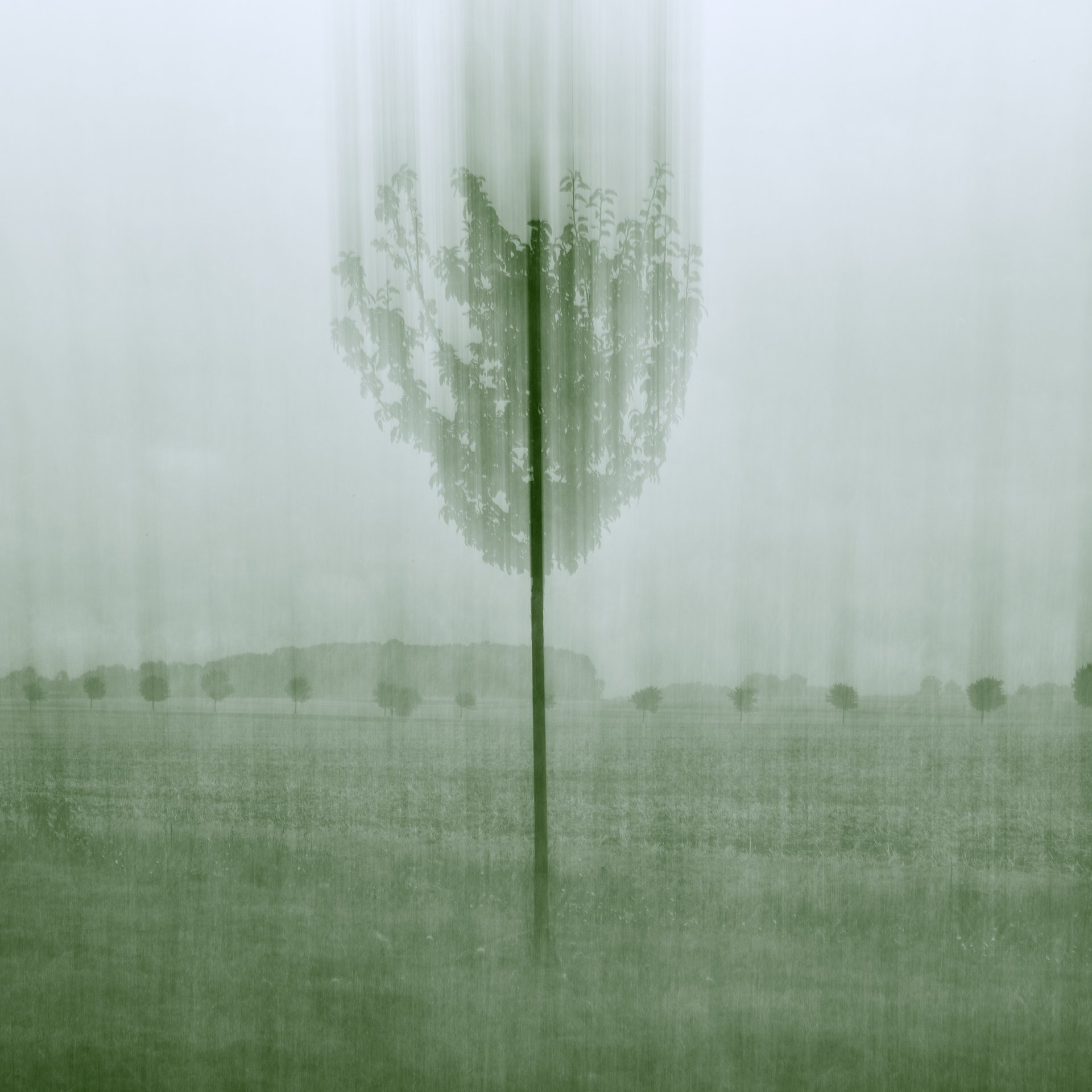
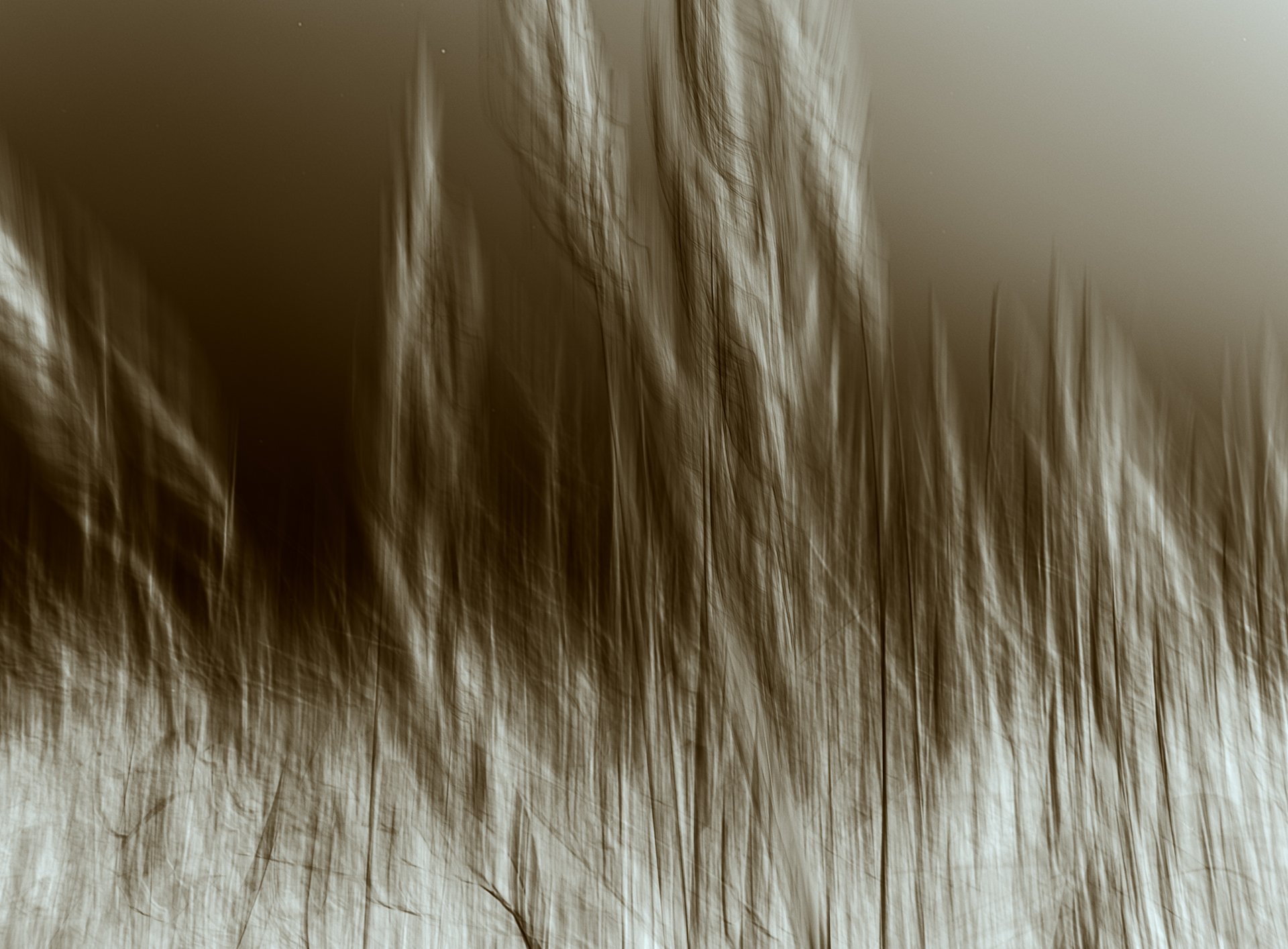
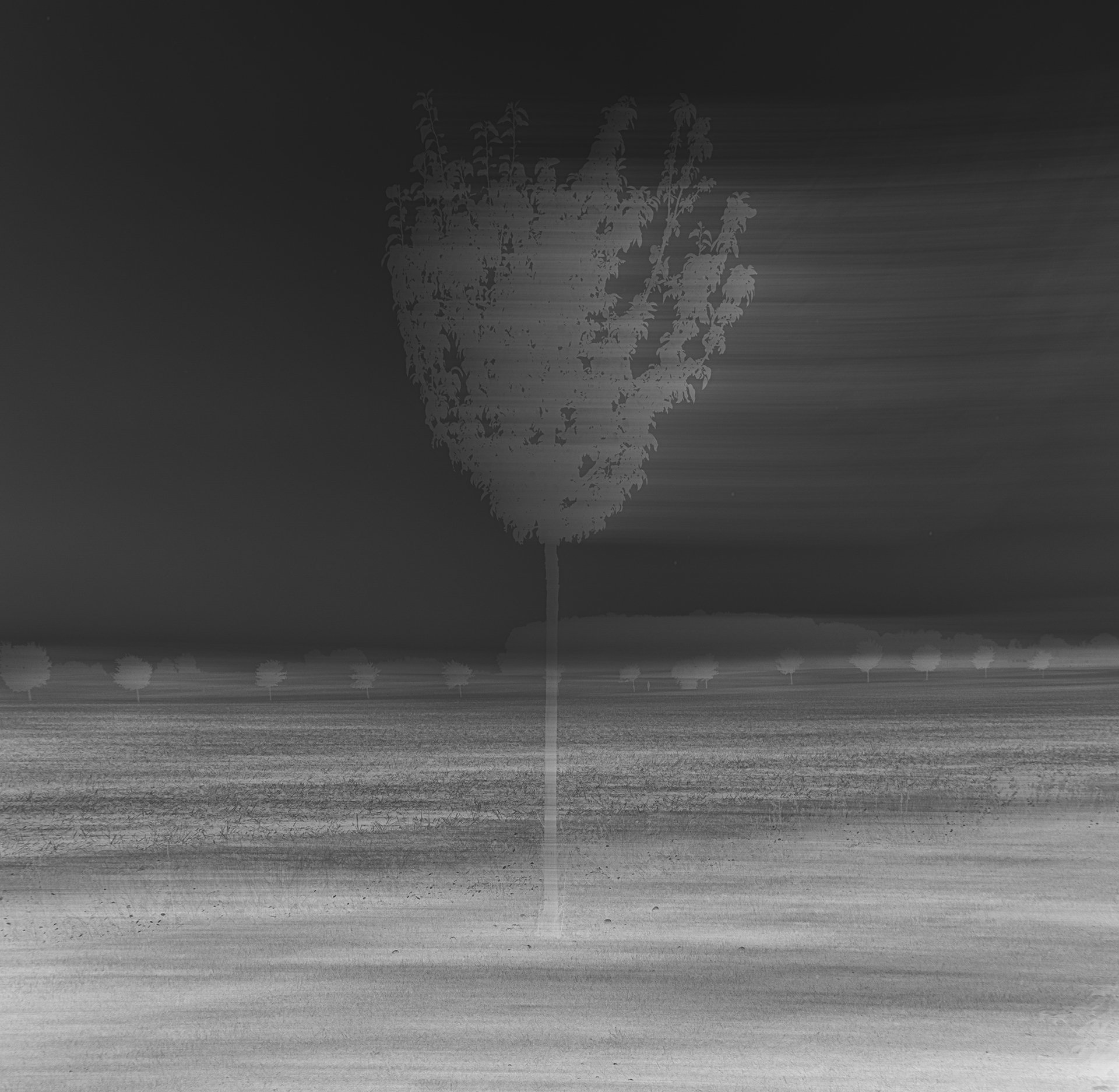
I am less interested in spectacular events than in subtle transformations and overlooked details: reflections, weathered surfaces, traces of intervention, vegetation meeting architecture, or structures whose original function has begun to dissolve. Through close observation, these elements can become ambiguous, sometimes almost abstract. I am interested in the moment when a familiar place begins to appear strange and opens itself to another reading.
My photographic work is predominantly developed in series. Individual images are created as single in-camera exposures and subsequently refined through careful tonal adjustment, selection and sequencing. Black and white often enables me to reduce a scene to structure, rhythm and atmosphere, while colour becomes essential when it carries its own material, psychological or symbolic force.
Underlying much of my work is an interest in transformation: ecological, spatial and perceptual, but also psychological. Landscapes and built environments are never simply backgrounds; I understand them as repositories of memory and as active counterparts to human experience.
Painting and printmaking remain part of my wider practice and introduce a more inward, symbolic dimension. Across these different media, I seek to create images that combine formal precision with openness — works that do not offer a single fixed interpretation, but invite viewers to pause, look again and discover something unfamiliar within what initially seemed known.
Social Networks :
Instagram handle: @_marcel_van_beek_
Portfolio: https://mybio.art/marcel-van-beek/
Marcel van Beek
1. Inspiration & Style
What initially inspired you to become an artist, and how did you develop your unique artistic style?
I was drawn to art through the possibility of making visible what is difficult to grasp directly: atmosphere, memory, transformation and the subtle tension between people and their surroundings. I studied Fine Art, with a focus on painting and photography, and my earlier experience with scenic design also shaped the way I think about space, light and staging. Over time, photography became my principal medium because it allows me to work very directly with the world while still creating images that can move beyond straightforward representation. My visual language developed through long-term engagement with landscape, water, architecture, the body and transitional spaces. I am especially interested in moments when the familiar becomes slightly strange. I work with single in-camera exposures and use post-processing primarily for tonal refinement and sequencing rather than to construct composite realities. This balance between observation and transformation has become central to my practice.
2. Creative Process
Do you have any rituals or routines that help you get into a creative mindset when starting a new project?
I do not have a fixed ritual. Most projects begin with sustained observation: walking, travelling, returning to places, reading, collecting impressions and allowing a theme to develop gradually. I often work with a loose conceptual framework rather than a predetermined image. This leaves room for chance, weather, movement, light and unexpected encounters to become part of the work. Once a body of images begins to emerge, editing and sequencing become equally important. I look for recurring forms, visual echoes and shifts in atmosphere that reveal what the project is actually about. In that sense, the creative process moves back and forth between intuition and analysis.
3. Artistic Influences
How do you balance historical or artistic influences with your personal style, and how do these influences manifest in your work today?
My influences come from several fields rather than from a single artistic lineage. Painting has shaped my understanding of colour, surface and composition; photography has taught me to value contingency and the decisive encounter with reality; and scenic design has influenced my sensitivity to spatial relationships and the suggestive power of thresholds, entrances and constructed environments. I am also interested in visual cultures associated with the Gothic and Industrial traditions, particularly their ability to turn architecture, landscape and material traces into carriers of psychological atmosphere. I try not to quote these influences directly. Instead, they enter the work indirectly through mood, structure and the way I frame ambiguous spaces. The aim is always to preserve a personal visual language rather than illustrate an existing style.
4. Emotion & Expression
How do you use your art to evoke emotions, and what role does emotion play in your creative process?
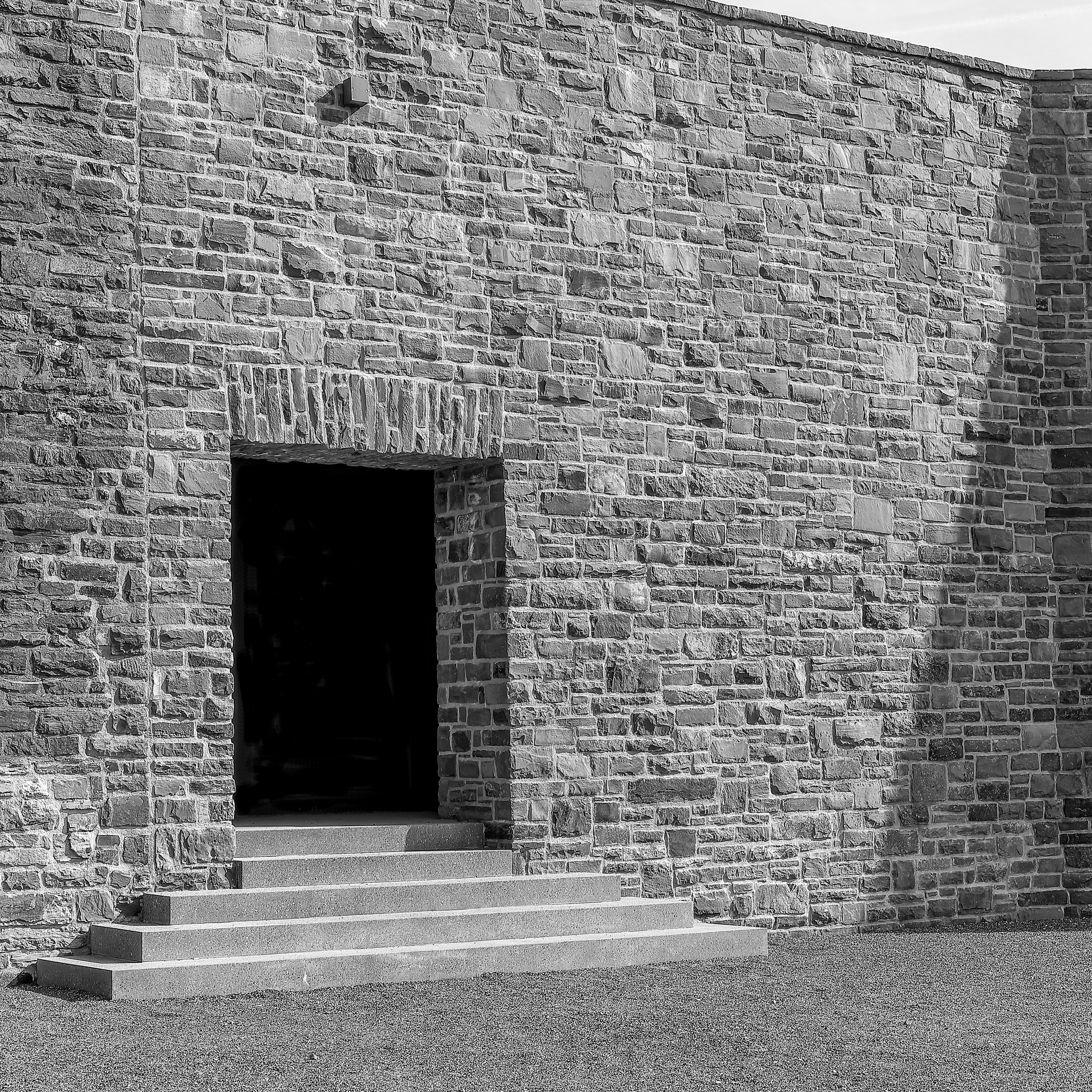
Emotion is fundamental to my work, but I rarely want to prescribe a single emotional response. I am more interested in creating images that hold several states at once: attraction and unease, intimacy and distance, beauty and disturbance, stillness and latent movement. A landscape may appear calm while carrying traces of extraction or ecological pressure; a doorway may be physically ordinary but psychologically charged; water may be both life-giving and unsettling. I often use reduction, ambiguity and repetition to create this tension. Ideally, the viewer first experiences the image sensorially and only afterwards begins to question why it feels familiar, strange or emotionally charged.
5. Standout Projects
Can you share a project that stands out to you and describe the creative process behind it?
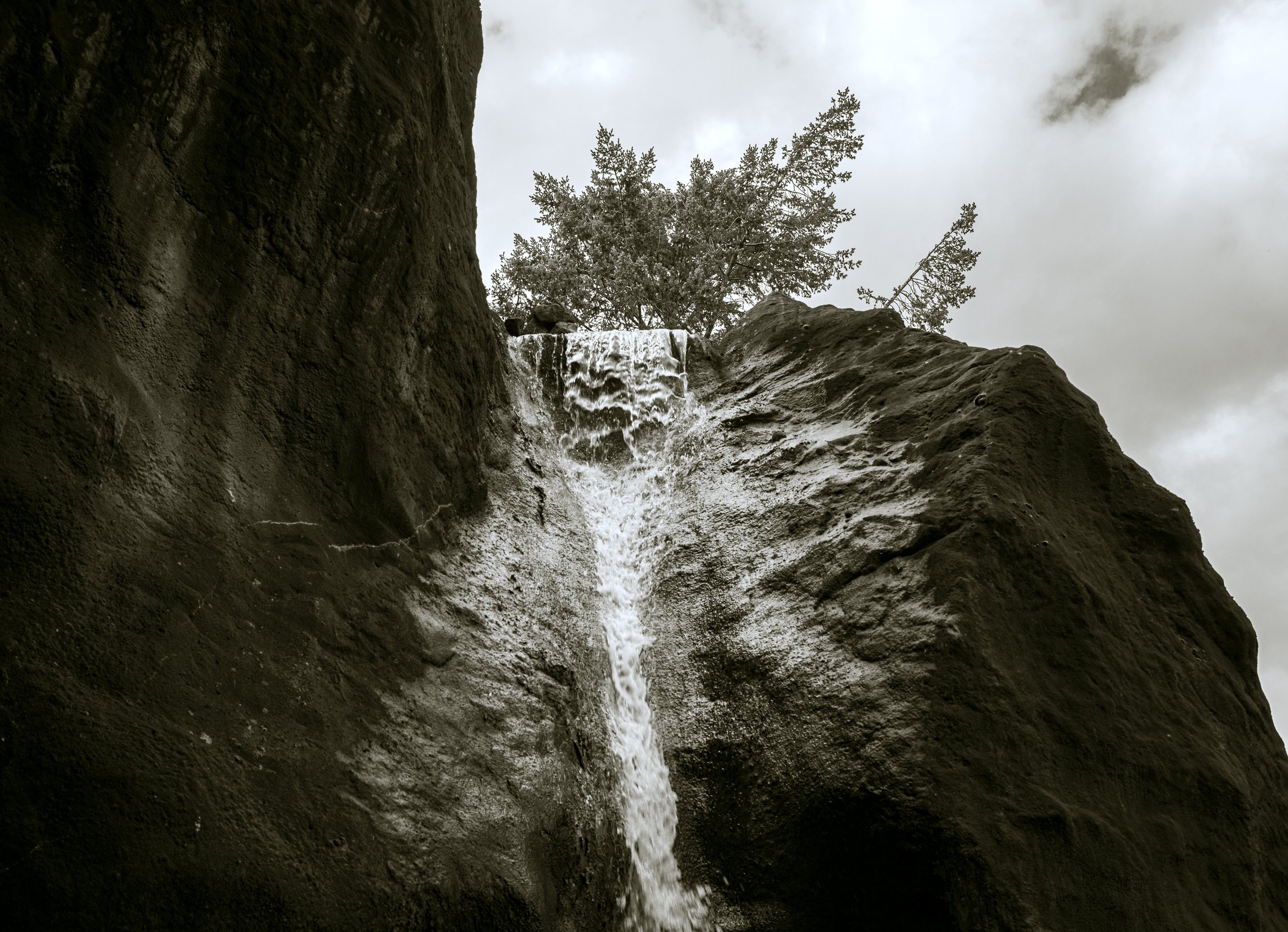
One project that has been particularly important to me is World of Water, a long-term photographic exploration of water as landscape, resource, material and cultural presence. The project grew from repeated encounters with rivers, lakes, urban water systems, drought, infrastructure and the traces left by human intervention. Rather than treating water as a single subject, I wanted the series to move between very different states - mist, reflection, flow, scarcity, technical control and disappearance. The editing process became a way of creating an arc from atmospheric and almost abstract images towards more visibly human and infrastructural contexts. The project eventually developed into a bilingual photobook and has also entered exhibition and science-art contexts. It remains important to me because it combines an immediate visual experience with questions about environmental change, perception and responsibility.
6. Feedback & Growth
How do you incorporate feedback from critics or audiences into your work, and how do you balance this with your own artistic intuition?
I take feedback seriously, particularly when it reveals how a sequence, image or concept is being read by someone who encounters it without knowing my intentions. Curators, editors and viewers can sometimes identify connections or ambiguities that I have not consciously recognised. At the same time, I do not think artistic decisions can be made by consensus. I use feedback as a form of critical testing: it can sharpen an edit, suggest a different sequence or expose where an idea is not yet clear enough. The final decision, however, has to remain consistent with the internal logic of the work and with my own visual intuition.
7. Motivation & Inspiration
How do you stay motivated and inspired, even when facing creative blocks or challenges?
I tend to work on several bodies of work over long periods, so a creative block in one project does not necessarily mean a complete standstill. Sometimes it is useful to move from photographing to editing, from urban environments to landscape, or from an image-based problem back to reading and research. I also regard periods in which nothing seems to happen as part of the process. They can be times of collecting, looking and recalibrating. What keeps me motivated is the moment when an apparently isolated image begins to connect with others and a larger structure becomes visible. That gradual emergence of a project is one of the most rewarding aspects of my practice.
8. Exhibiting Work
How do you feel about exhibiting your artwork with The Holy Art Gallery, and what does this opportunity mean to you?
I am very pleased to present my work with The Holy Art Gallery and to place it in dialogue with an international audience and with artists working across different media and contexts. For me, an exhibition is not simply a way of showing individual images; it is also an opportunity to see how a work changes when it enters a new cultural and spatial setting. I am particularly interested in how viewers with different backgrounds respond to images that deliberately leave room for ambiguity. Presenting the work through The Holy Art Gallery therefore offers a valuable opportunity to extend that dialogue and to introduce my broader practice to new audiences.
9. Future Goals
What are your long-term goals and aspirations as an artist, and how do you plan to achieve them?
My long-term aim is to continue developing coherent bodies of work that can exist in several forms: as exhibitions, photobooks, publications and, where appropriate, in dialogue with scientific or institutional contexts. I want to deepen the conceptual and visual continuity of my practice while remaining open to new subjects and methods. Photobooks are especially important to me because sequencing allows individual images to develop a more complex narrative and emotional rhythm. At the same time, I would like to expand opportunities for carefully curated exhibitions and collaborations that place the work in meaningful contexts rather than simply increasing visibility. The goal is sustainable artistic development: to keep the work intellectually rigorous, visually distinctive and open to genuine exchange.
10. Audience Connection
What do you hope viewers take away from experiencing your art, and how do you aim to connect with them on an emotional or intellectual level?
I hope viewers are encouraged to look a little longer and to question the apparent stability of what they see. Many of my images begin with ordinary things - a path, a tree, a body, a reflection, an industrial structure or a doorway - but I try to reveal the uncertainty, memory or transformation contained within them. I am interested in the point at which observation becomes projection and a real place begins to function as a psychological or symbolic space. I do not want the work to deliver a closed message. Ideally, it creates enough emotional tension and visual openness for viewers to bring their own experiences to it, while also becoming more attentive to the landscapes, structures and relationships that shape everyday life.