Artist spotlight : Marykay Citera
Artist Statement:
As a life long artist, I am evaluating my life experiences and understanding of how they have influenced my life. At a very early age I had a goal to be an artist. I attended Parsons School of design in the late 80’s and received my B.F.A from California College of the Arts by 1993. My path has taken me many places, traveling the country and Europe giving me memories and experiences all contributing to my creativity. As these experiences continue to be part of my life as research. Emphasizing how each individual experience creates one’s identity. Through my exploration of my work I have acknowledged a shift in my identity. I always had a clear vision of my path. One thing that I learned at an early age was that the decisions I made, changed the path I would take next. After 20 years of dedication as a homemaker, mother of five, my identity changed. Today I am claiming it back, knowing I will never be on that other path (the one I passed up), but now carving a new road with stronger ambitions than ever before. Going back to graduate school and teaching has been liberating. Through my creative process, I will explore my experiences, find my feelings and face what comes next for me. My body of work will not only help me find my new identity but free me from what it was. I want my viewers to enjoy my work through their eyes and let their experience influence their perception, going away with their personal feelings and meanings. Marykay Citera
Social Networks :
Instagram handle: @mkcglassworks
Personal Website: marykaycitera.com
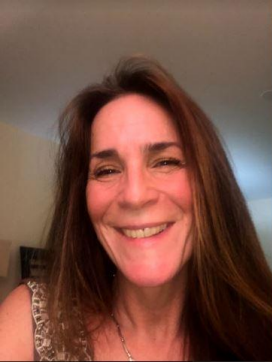
Marykay Citera
1. Inspiration & Style
Question: What initially inspired you to become an artist, and how did you develop your unique artistic style?
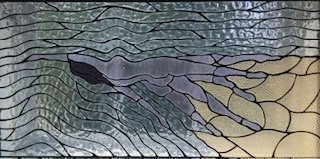
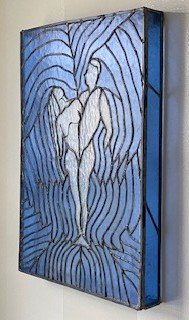
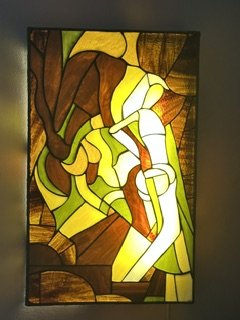
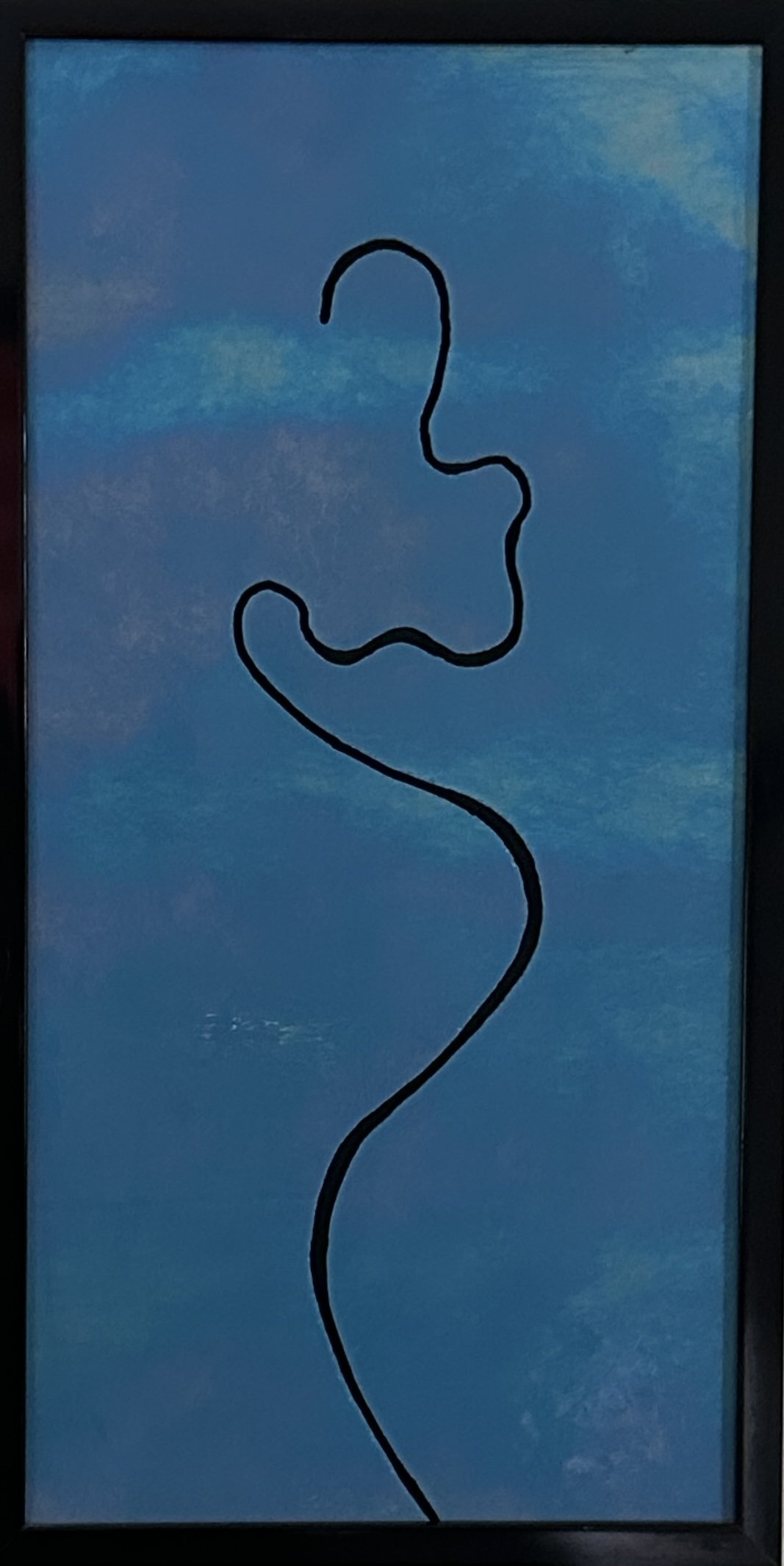
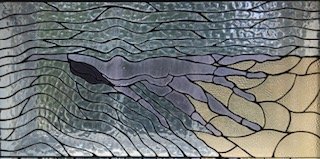
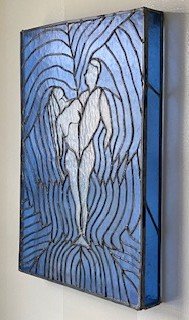
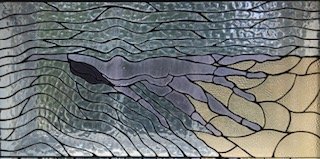
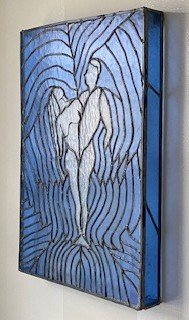
Answer: I have been an artist my whole life, and my inspiration comes from my experiences. I am particularly drawn to depicting the female figure because I want viewers to feel a sense of time and place within each work. I hope the viewer’s own emotional state becomes part of the experience, allowing the figure to feel either weightless or heavy, depending on how the work is perceived. For me, there is something exhilarating about exploring what it means to be a strong woman in our world today. My work continues to evolve as I explore identity, movement, emotion, and the experiences that shape us.
2. Creative Process
Question: Do you have any rituals or routines that help you get into a creative mindset when starting a new project?
Answer: I am almost always in a creative mindset. My thought process is constantly active, and ideas often come to me while I am driving or simply going about my daily life. I am continually thinking about shapes, materials, movements, and new ways to express an idea. Sometimes a piece evolves in my mind far beyond what I am physically able to produce at that moment, and I love that process. For me, creating begins long before I enter the studio.
3. Artistic Influences
Question: How do you balance historical or artistic influences with your personal style and how do these influences manifest in your work today?
Answer: I have been influenced by many different artistic movements, including Post-Impressionism, Fauvism, Cubism, and abstract art. I am especially drawn to the work of Wassily Kandinsky and Alexander Calder, particularly their exploration of geometric shapes, color, and the relationships between forms. Their work demonstrates how pure shapes and color can provoke emotion without relying on literal representation. I am also fascinated by movement and how it can encourage the viewer to interact with work. Although my work is not kinetic, movement is an important element within it.
4. Emotion & Expression
Question: How do you use your art to evoke emotions, and what role does emotion play in your creative process?
Answer: The female identity is a central focus of my work. I want viewers to feel the physical and emotional weight of the figure and to consider how that figure exists within a particular moment in time. The body can communicate strength, vulnerability, movement, and experience. I am interested in how the body is expressed in relation to the world and to the era in which we live. Emotion is an important part of my process because my work is often rooted in personal experience and the feelings connected to those experiences.
5. Standout Projects
Question: Can you share a project that stands out to you and describe the creative process behind it?
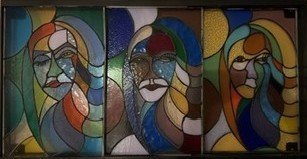
Answer: One project that stands out to me is a self-portrait titled Past, Present and Future. It is a large stained-glass work consisting of three separate portraits set within a steel frame. Each portrait is placed on its own track, allowing the pieces to slide behind one another. The background shapes remain similar, while the faces and expressions change. As the three panels move, they create constantly changing combinations of color, shape, and imagery. Work became a way for me to explore how identity changes over time while still remaining connected to who we have been, who we are, and who we may become.
6. Feedback & Growth
Question: How do you incorporate feedback from critics or audiences into your work, and how do you balance this with your own artistic intuition?
Answer: I see feedback and criticism as an important part of my growth as an artist. I consider my artwork a form of ongoing research. One piece often leads to the next, and each experience teaches me something new. I believe we are all constantly learning and evolving. I listen to the perspectives of others while also trusting my own artistic intuition and allowing my work to develop naturally.
7. Motivation & Inspiration
Question: How do you stay motivated and inspired, even when facing creative blocks or challenges?
Answer: During challenging times, I return to my own life experiences. I think about how I felt during some of the best and most difficult moments of my life and reflect on what those experiences taught me. Those memories often help me identify and express my feelings more clearly. Rather than seeing difficult experiences as obstacles, I can use them as a source of understanding and creative expression.
8. Exhibiting Work
Question: How do you feel about exhibiting your artwork with The Holy Art Gallery, and what does this opportunity mean to you?
Answer: I am very pleased and honored to be part of The Holy Art Gallery community. This is a wonderful opportunity to share my work with a new audience and to be included among a community of artists with diverse perspectives and creative voices.
9. Future Goals
Question: What are your long-term goals and aspirations as an artist, and how do you plan to achieve them?
Answer: My long-term goal is to continue exhibiting and selling my work while continuing to grow as an artist. I would also like to develop a business centered around commissioned stained-glass artwork. I am especially interested in creating meaningful, custom pieces that allow stained glass to become part of someone’s personal environment and story.
10. Audience Connection
Question: What do you hope viewers take away from experiencing your art, and how do you aim to connect with them on an emotional or intellectual level?
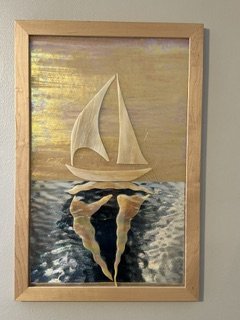
Answer: I want viewers to bring their own experiences and perspectives to my work. I want the emotions they experience to come from their own lives and interpretations rather than simply from my intended meaning. This is one reason I often choose not to title my work. I feel that a title can guide the viewer toward the artist’s words or perspective. I would rather leave room for the viewer to develop their own emotional connection and interpretation. For me, art becomes most meaningful when the viewer can find something personal within it.