Artist spotlight : TWK
Artist Statement:
I am an artist and designer from Hong Kong. After years of working in commercial design, I now create original art toys as a personal practice. My practice focuses on art toy that looks playful at first, but quietly examine the gap between appearance and reality.
Social Networks :
Instagram handle: @proj.uproar
Personal Website: N/A
TWK
1. Inspiration & Style
Question: What initially inspired you to become an artist, and how did you develop your unique artistic style?
Answer: After more than 20 years working in the design industry and running a creative agency, I reached a point of creative exhaustion. Most of my professional life had been spent solving problems for clients. I realised I wanted — and needed — to create something purely for myself. This desire became the real starting point of my artistic practice. I also wanted a creative path that could continue long after I eventually step away from running an agency. My visual language is strongly shaped by the cartoons, manga and video games I grew up with in the late 1980s and 1990s. At the same time, years of daily professional design work have refined my sense of form, surface and storytelling. The result is a style that sits between childhood nostalgia and contemporary design discipline.
2. Creative Process
Question: Do you have any rituals or routines that help you get into a creative mindset when starting a new project?
Answer: I don’t have any fixed rituals or routines when starting a new project. To be honest, I often find myself stuck for quite a long time. However, ideas tend to appear suddenly — triggered by something that happens in daily life, or by a strong personal reaction to a situation, a piece of criticism, or a social observation.
3. Artistic Influences
Question: How do you balance historical or artistic influences with your personal style, and how do these influences manifest in your work today?
Answer: Coming from over twenty years in the design industry, my approach is naturally quite structured. The visual language of late 80s and 90s cartoons, manga and Nintendo games sits underneath everything I make, but it is always filtered through the discipline of professional design. Rather than recreating those old references, I use them as a foundation and then push the work toward something more personal.
4. Emotion & Expression
Question: How do you use your art to evoke emotions, and what role does emotion play in your creative process?
Answer: Emotion is at the centre of my work and it’s also the starting point of the process. I try to translate my personal feeling or reaction into the form, surface and concept of the creative. Rather than pushing strong or dramatic emotions, I prefer to create a quieter response. The works often look playful or familiar at first, but carry something slightly uncomfortable or reflective underneath.
5. Standout Projects
Question: Can you share a project that stands out to you and describe the creative process behind it?
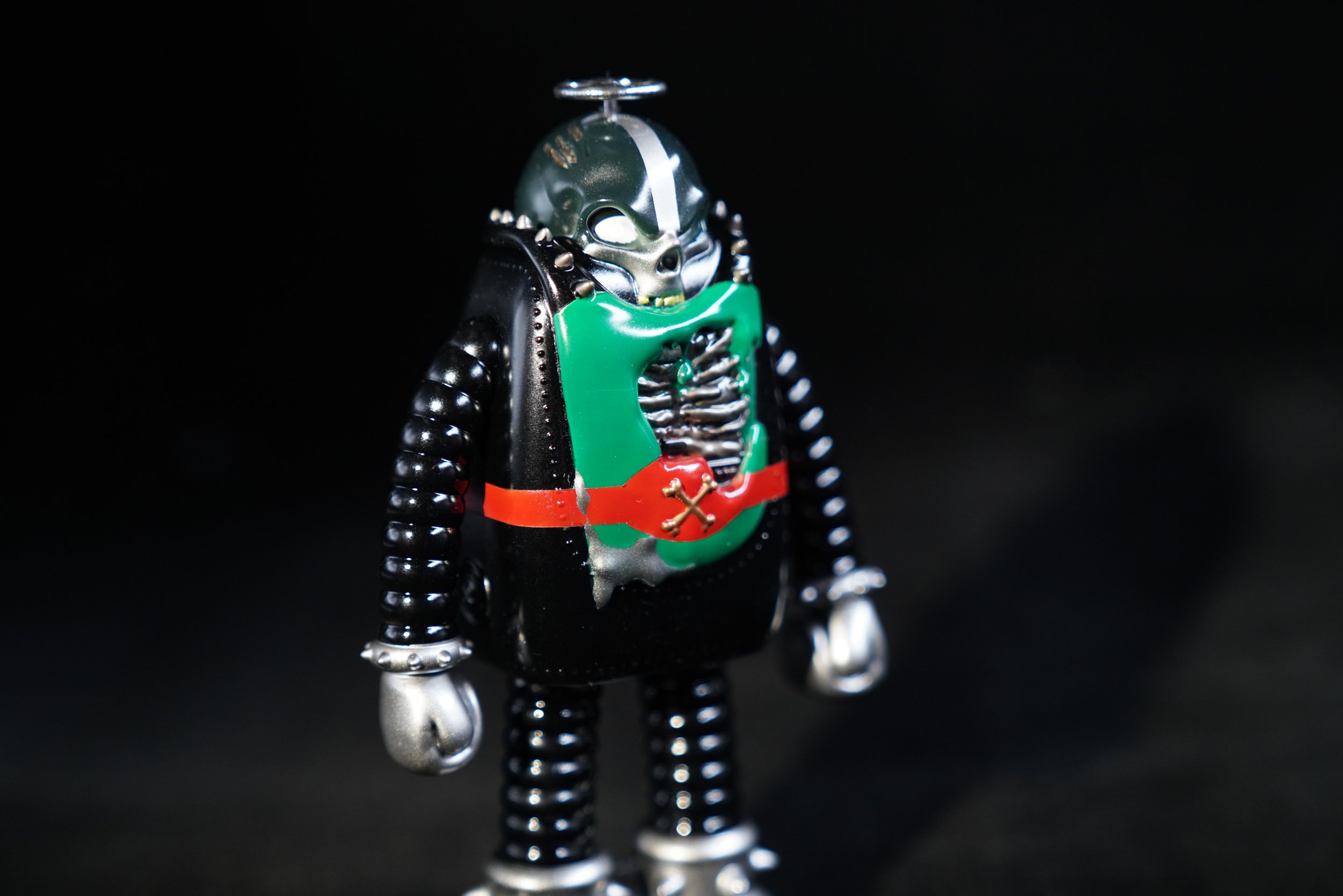
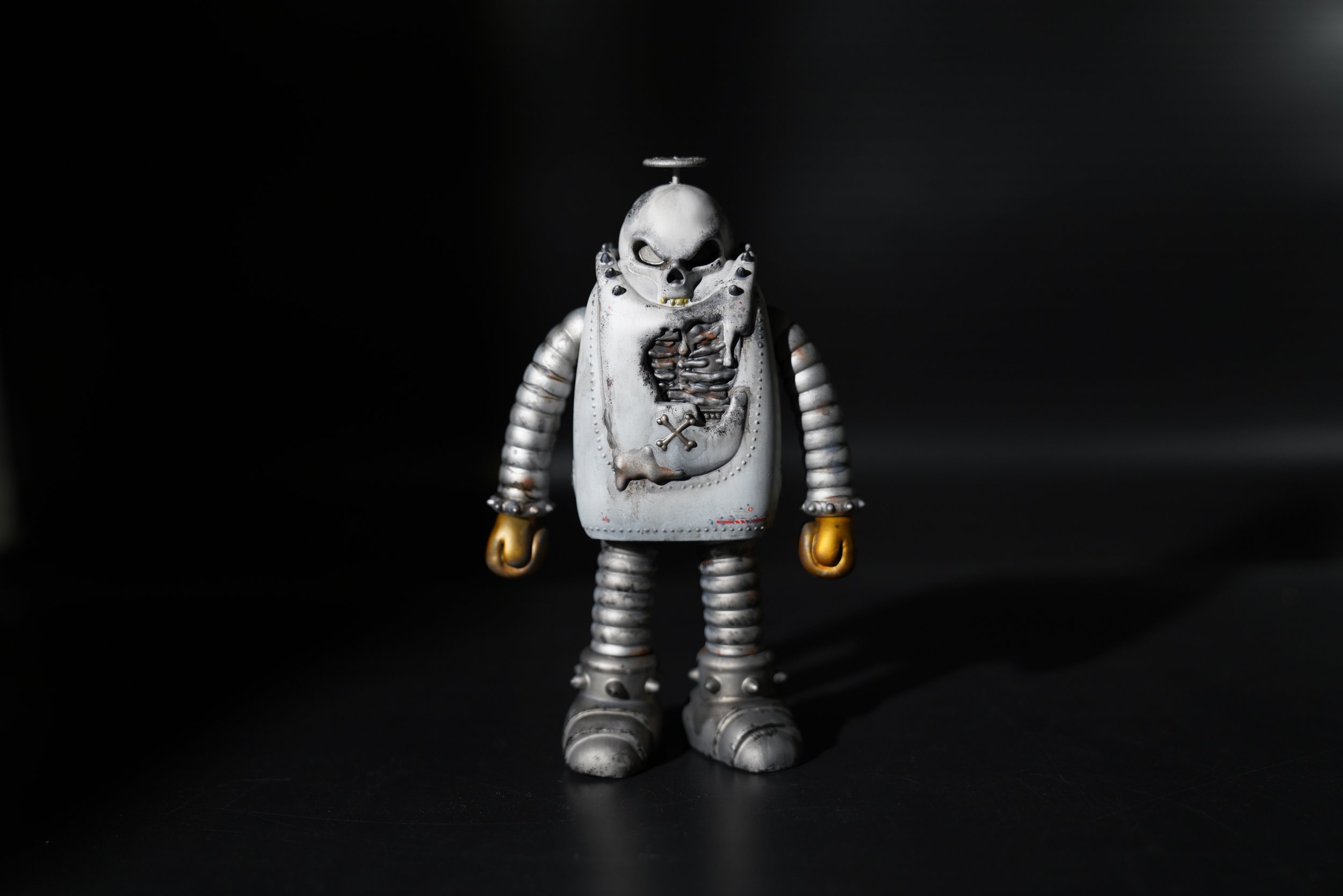
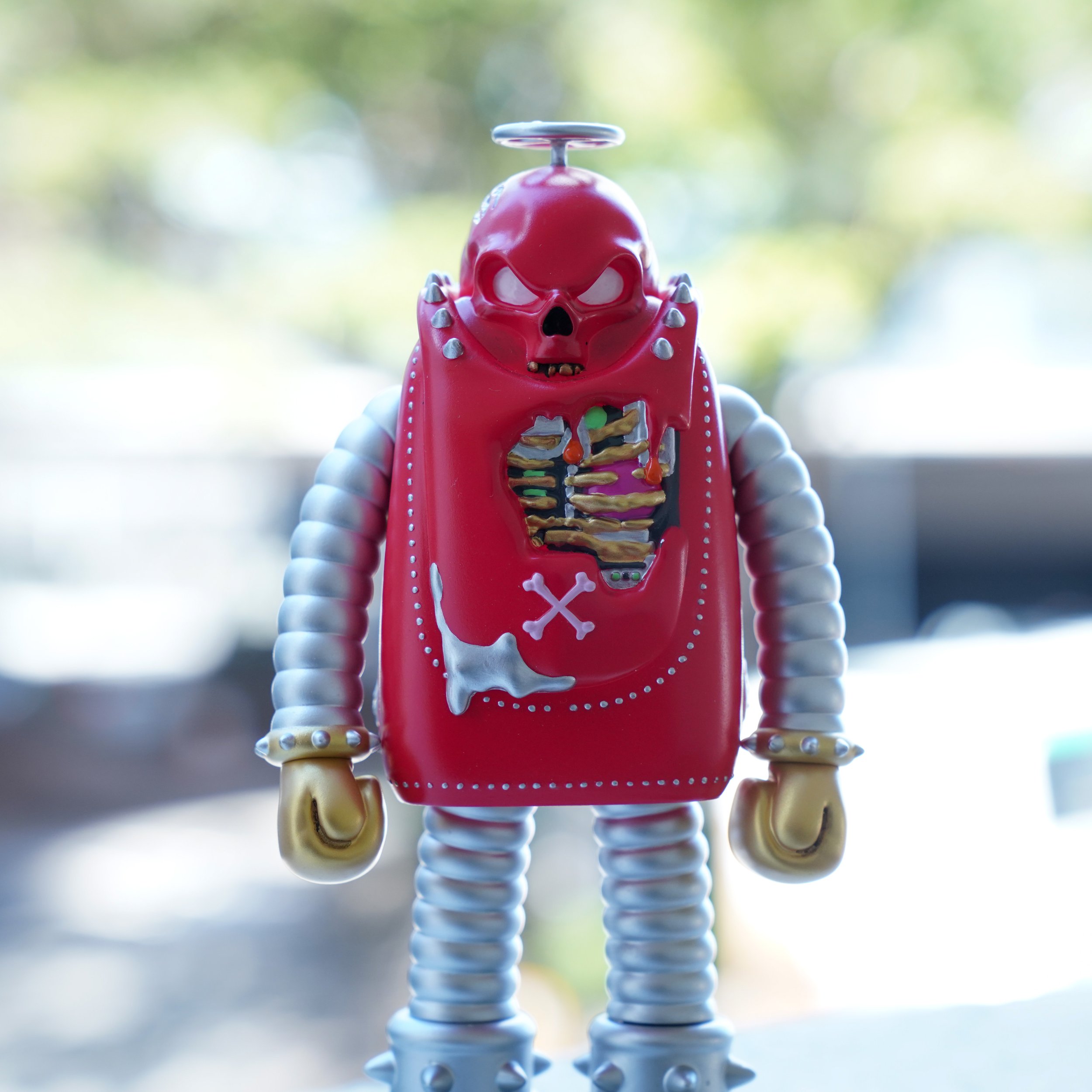
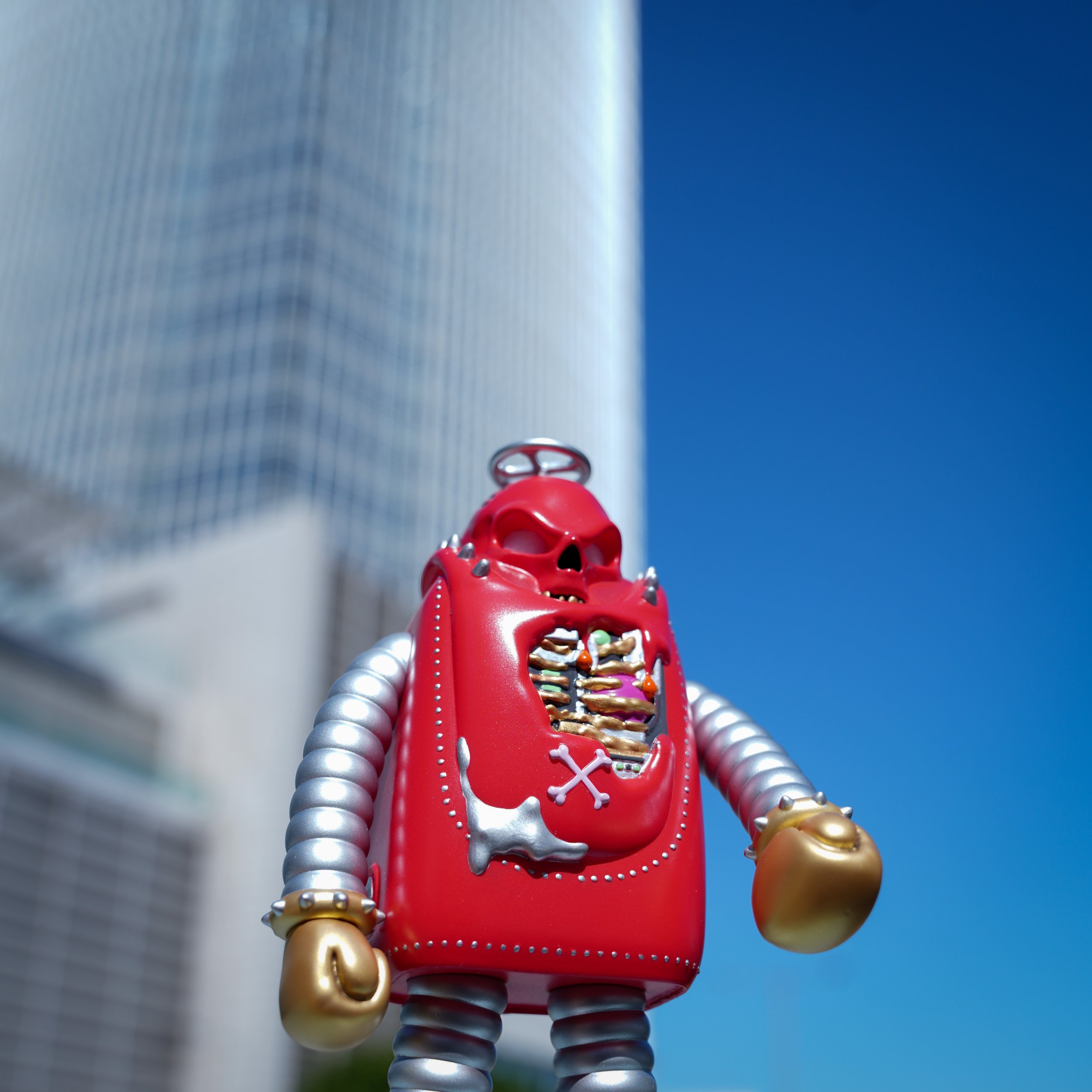
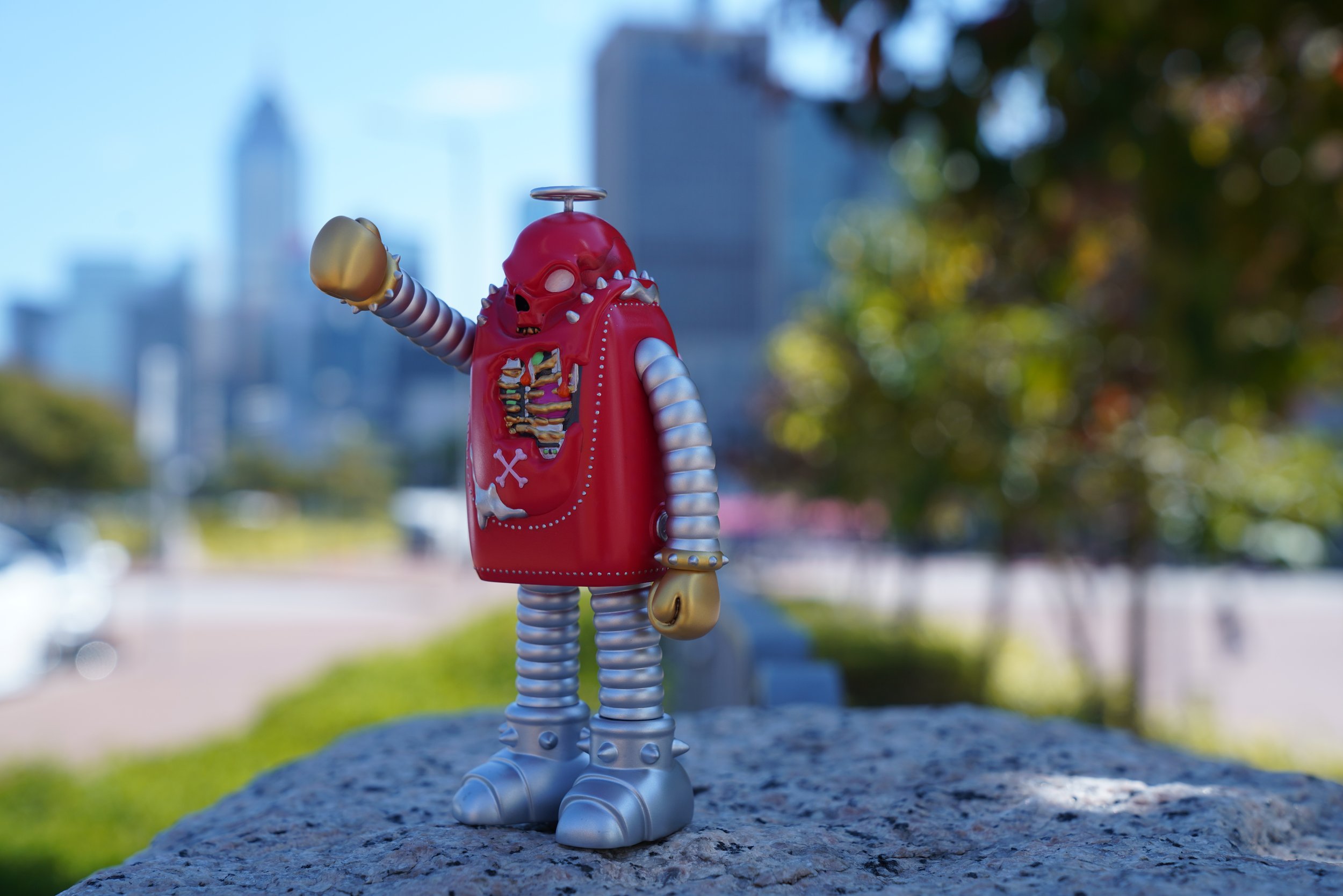
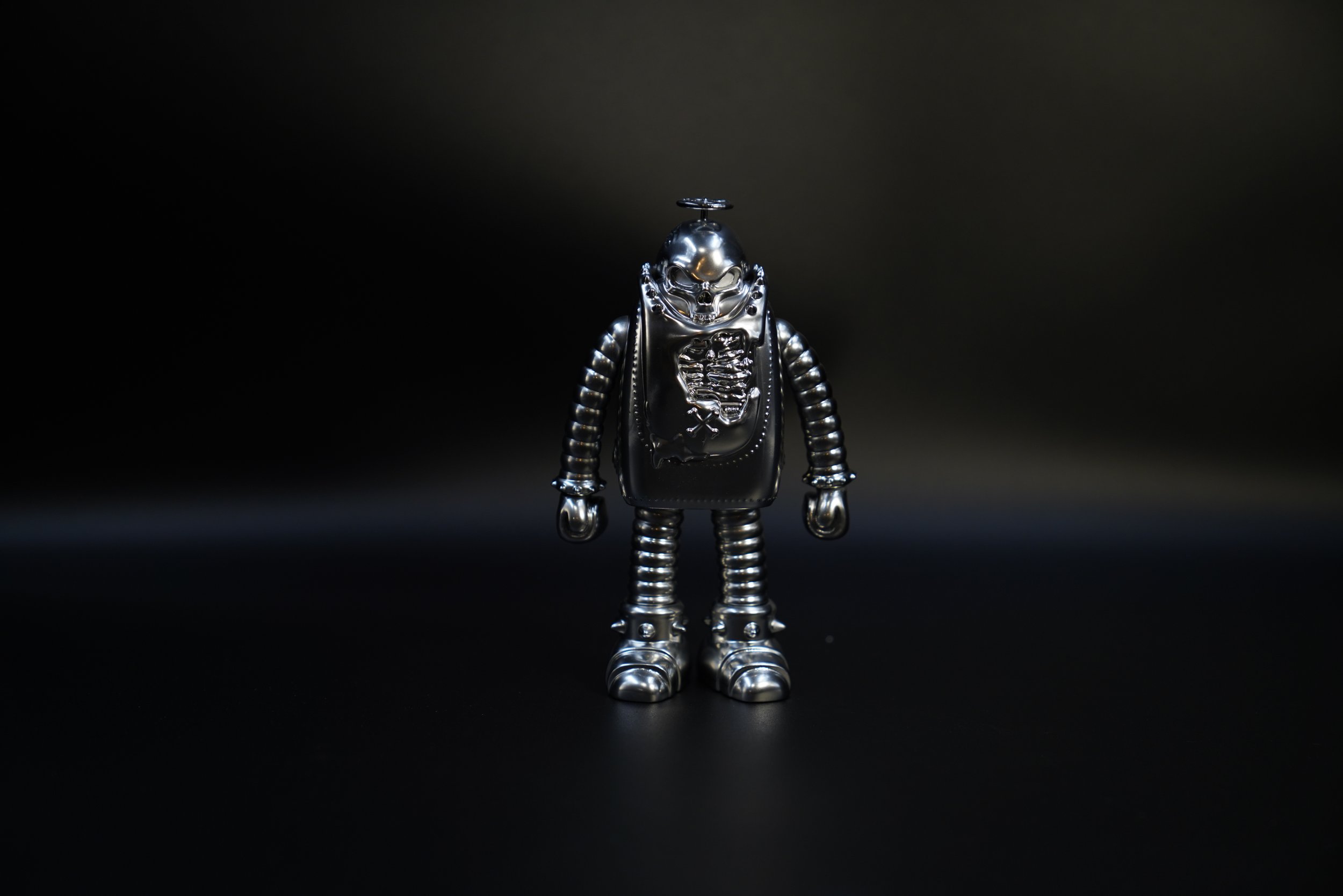
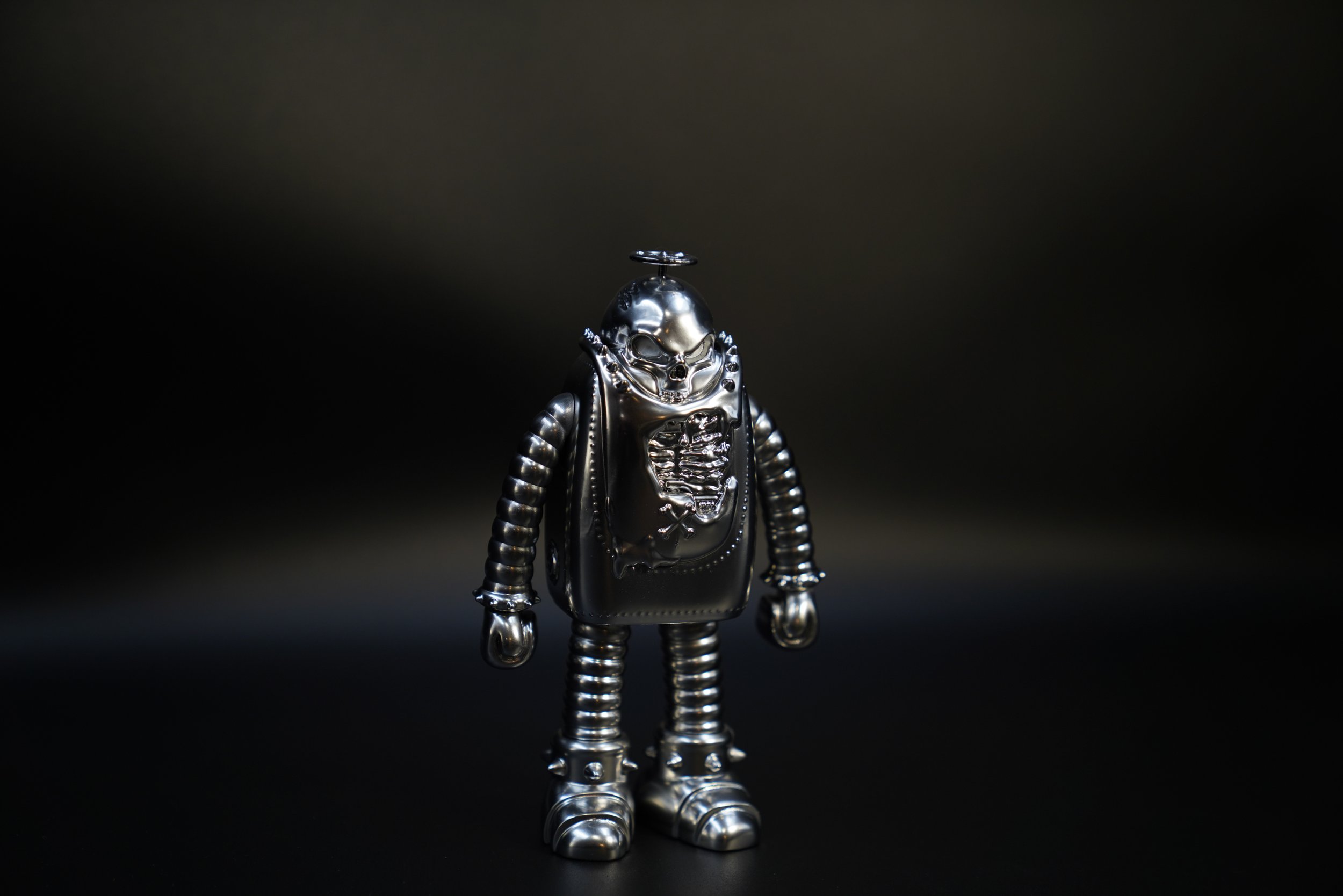
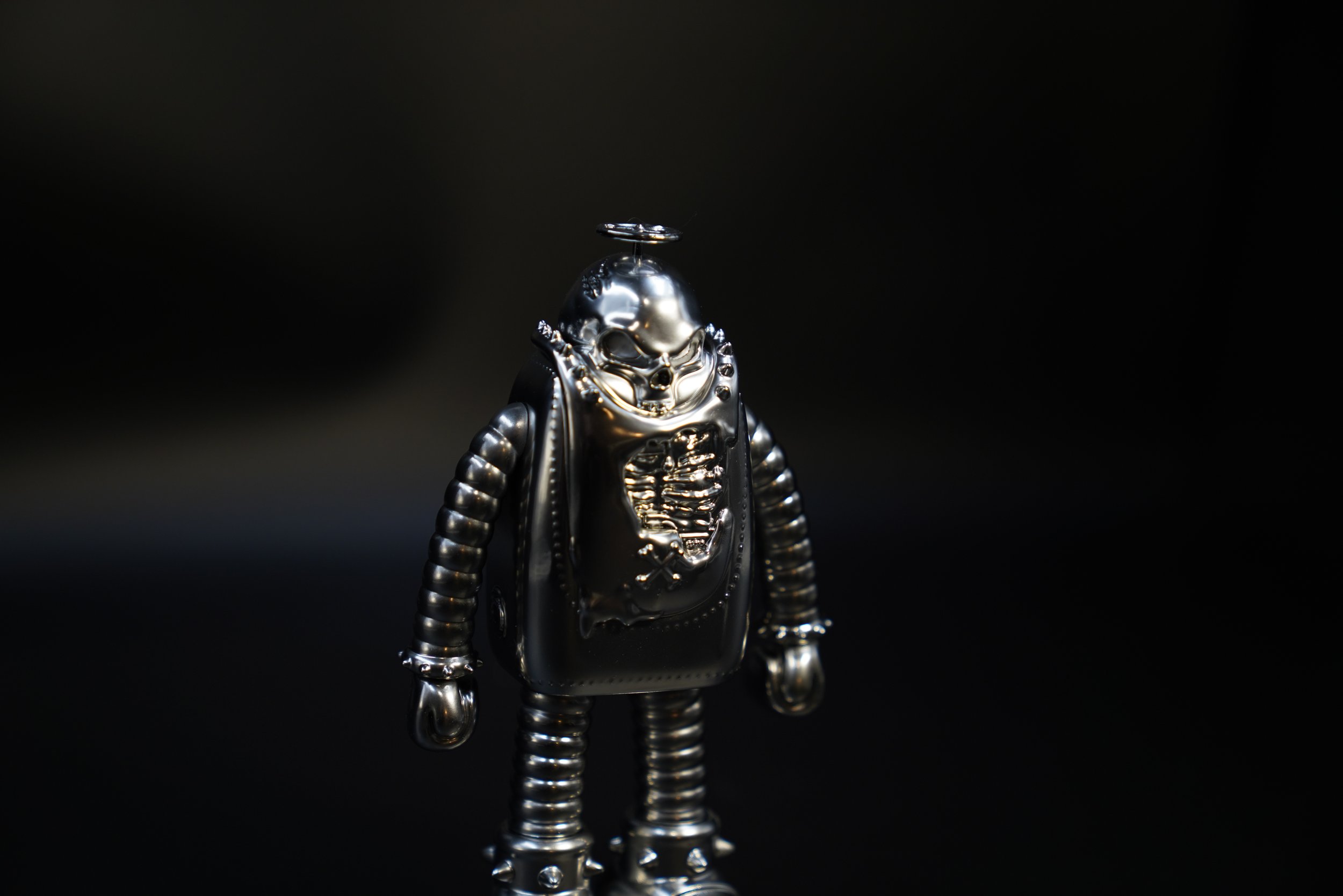
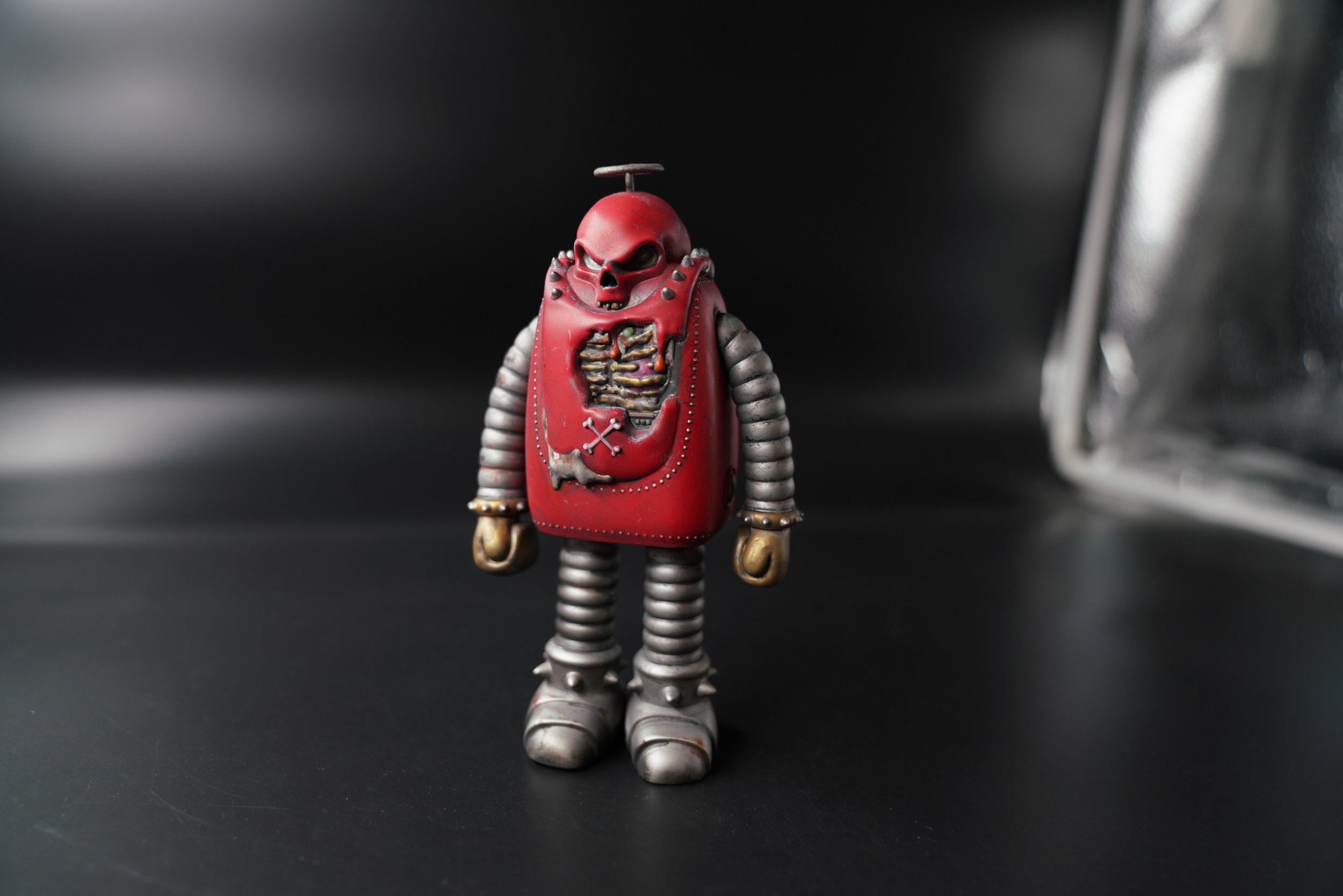
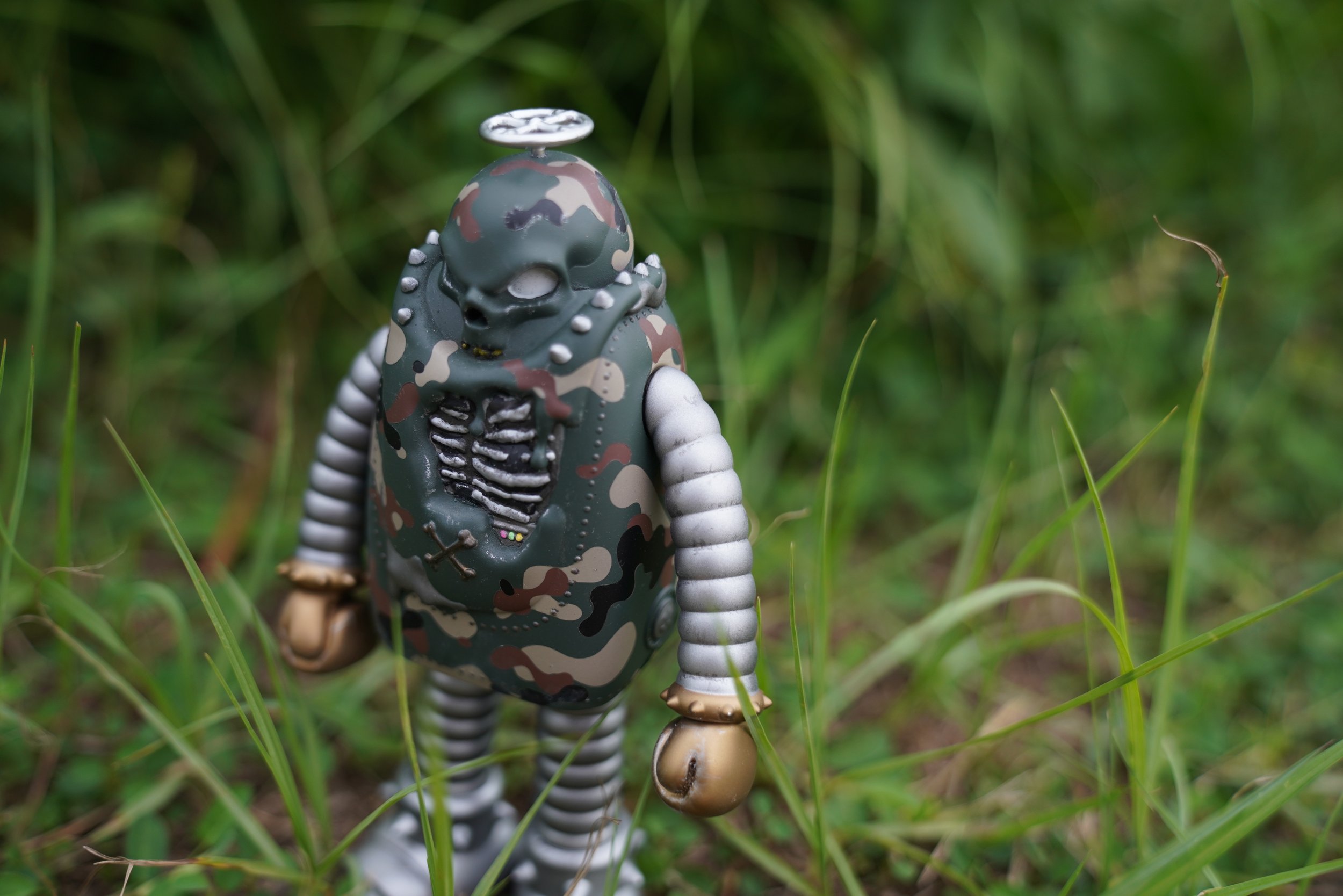
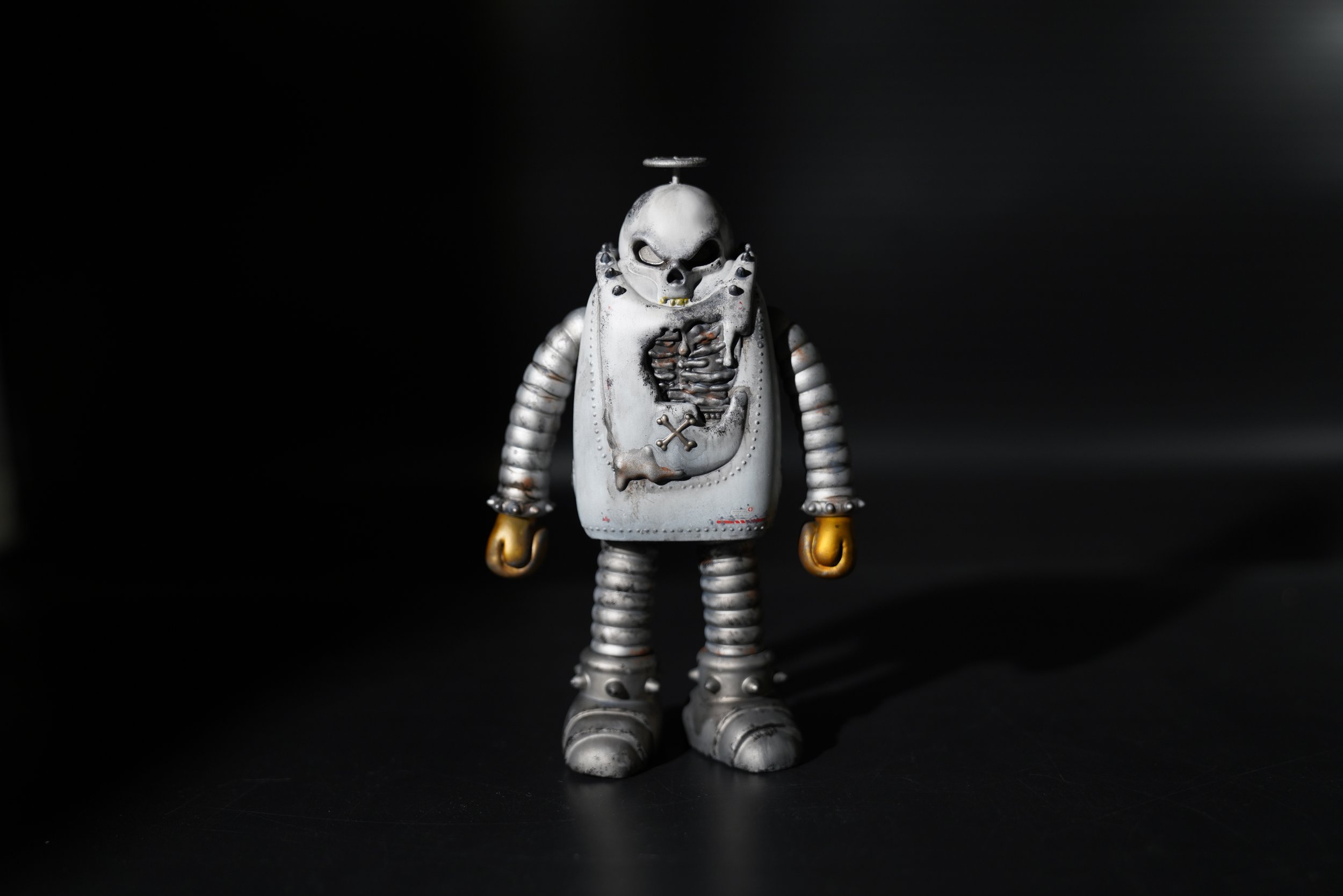
Answer: DEAD-ROBO デッドロボ (死老寶) is a soft vinyl art toy I created that stands out. The concept came from a childhood memory. Growing up, I was always uncomfortable saying the name “小露寶” (Robocon) out loud. In Cantonese, the pronunciation is uncomfortably close to several crude and insulting phrases. A character that was supposed to represent kindness and innocence somehow carried a dark, ironic association. That contrast stayed with me. It made me notice a certain type of person in everyday life — people who appear very friendly and kind on the surface, yet are calculating, self-serving, and often driven by money or status. These “old foxes” are everywhere. DEAD-ROBO was born from that observation. The heavy use of golden elements is intentional: it suggests that deep down, these characters are pure “gold.” The Art Edition series later extends this core idea. Each one-of-a-kind piece explores a different social mask or personality type. Some use camouflage and weathering to talk about people skilled at hiding their true nature. Others use shiny, cute, or polished surfaces to show how attractive exteriors can conceal something harmful. The final mirror edition turns the question directly onto the viewer, asking: “What are you, really?” Through these different treatments, the series continues to examine the gap between appearance and reality in the people around us.
6. Feedback & Growth
Question: How do you incorporate feedback from critics or audiences into your work, and how do you balance this with your own artistic intuition?
Answer: I try not to let external feedback influence me too much, because I really want the work to come from a place that is free from outside factors. And my practice is divided into two very different approaches. When I create limited or one-of-a-kind pieces, such as the DEAD-ROBO Art Editions, sales and audience reaction are not the priority. In these cases I simply follow what I want to express, trusting my own intuition. On the other hand, when I work on mass-production projects, I have to consider commercial factors more carefully — similar to how I approach client work in my full-time design career. In those situations, feedback and market considerations naturally play a larger role. So the balance depends on the nature of the project: pure personal expression for limited art works, and a more practical, audience-aware approach when the work is meant for wider production.
7. Motivation & Inspiration
Question: How do you stay motivated and inspired, even when facing creative blocks or challenges?
Answer: I’m not sure if there will ever be a day when I no longer want to “think.” Right now, my motivation mainly comes from my daily design work — I always try to get rid of it and find something. I don’t want to spend my whole life only serving clients, so I keep exploring and learning through my own projects. When I face creative blocks, I don’t have any special method. Years of professional design work have given me a more logical way of approaching problems, which helps. But with my artistic work, I prefer not to force things. If I hit a wall, I simply pause and wait until the idea comes back naturally.
8. Exhibiting Work
Question: How do you feel about exhibiting your artwork with The Holy Art Gallery, and what does this opportunity mean to you?
Answer: This is my first time showing my work in a physical public exhibition rather than only online, so it feels especially meaningful. Exhibiting in Japan has always been a dream of mine, as Japanese design and culture have had a strong influence on me. The original DEAD-ROBO also received a satisfying response when it was sold in Japan, which makes bringing this series back to Japan even more significant. I know there are many vinyl toy exhibitions in Japan, but I’m not sure how common it is for these works to be presented in an art gallery context. Showing the work in an art exhibition, rather than a typical toy show, changes the way the audience approaches it — and that difference in perspective is something I find very interesting and valuable.
9. Future Goals
Question: What are your long-term goals and aspirations as an artist, and how do you plan to achieve them?
Answer: My long-term goal is simply to keep creating. As a full-time creative director, and also an awarded Gundam modeler, my time is limited. I don’t know exactly how much I will be able to devote to my personal artistic work in the future. My approach is to keep thinking and take action whenever I have the opportunity — treating each available moment as a chance to continue developing my own projects.
10. Audience Connection
Question: What do you hope viewers take away from experiencing your art, and how do you aim to connect with them on an emotional or intellectual level?
Answer: My work is not a traditional form of art expression like painting or sculpture. When the full Art Edition series is shown together, I know it can be difficult for people to sense the deeper meaning behind it. Vinyl toys are also often perceived as having only a shallow concept. What I hope is that viewers will see the series as an installation rather than just a group of vinyl toys. I want them to feel a sense of excitement from the different styles and treatments of each piece, and perhaps begin to notice the shared theme running underneath — the gap between appearance and reality.