Mayra Affef
ARTIST STATEMENT
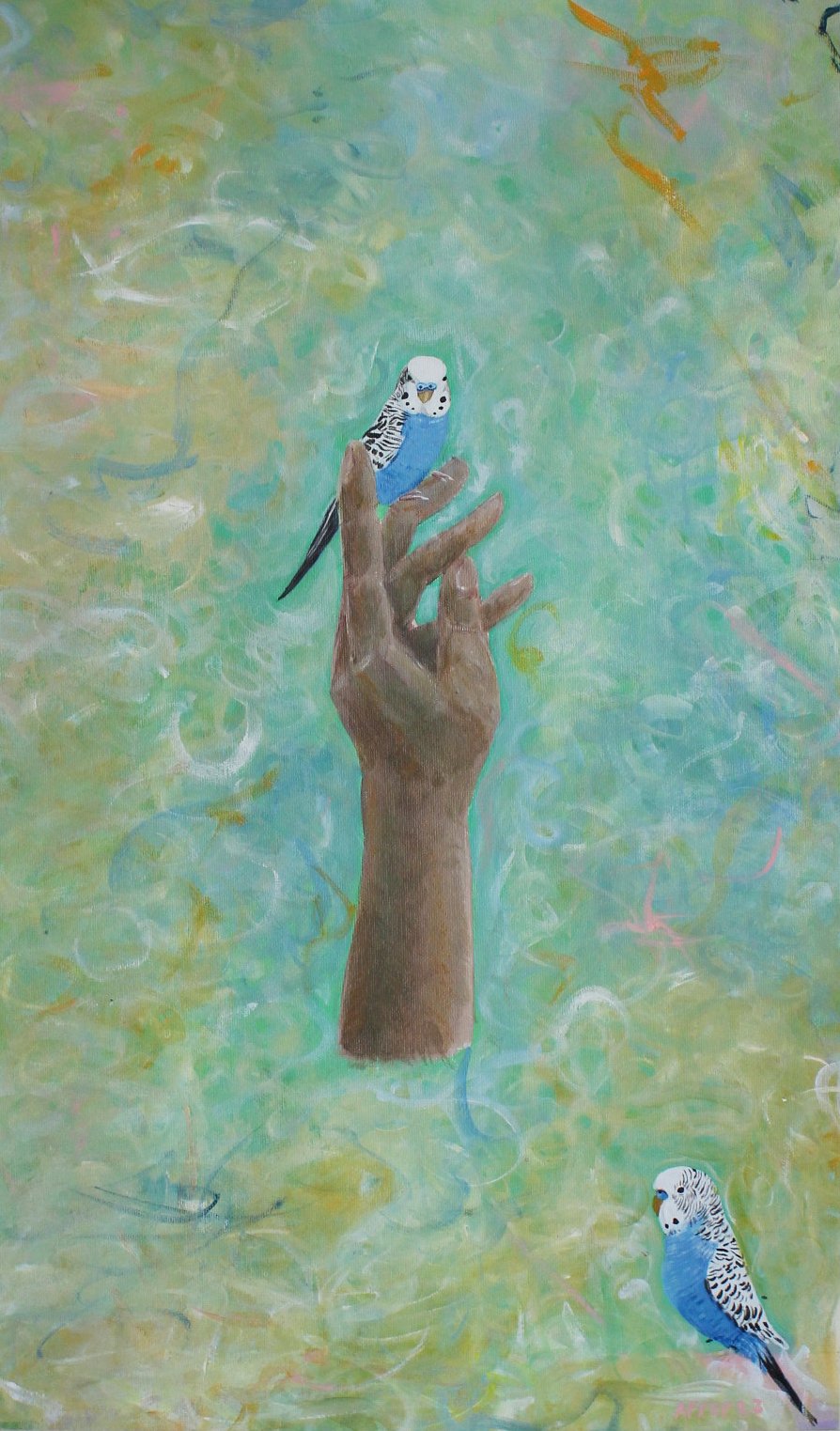
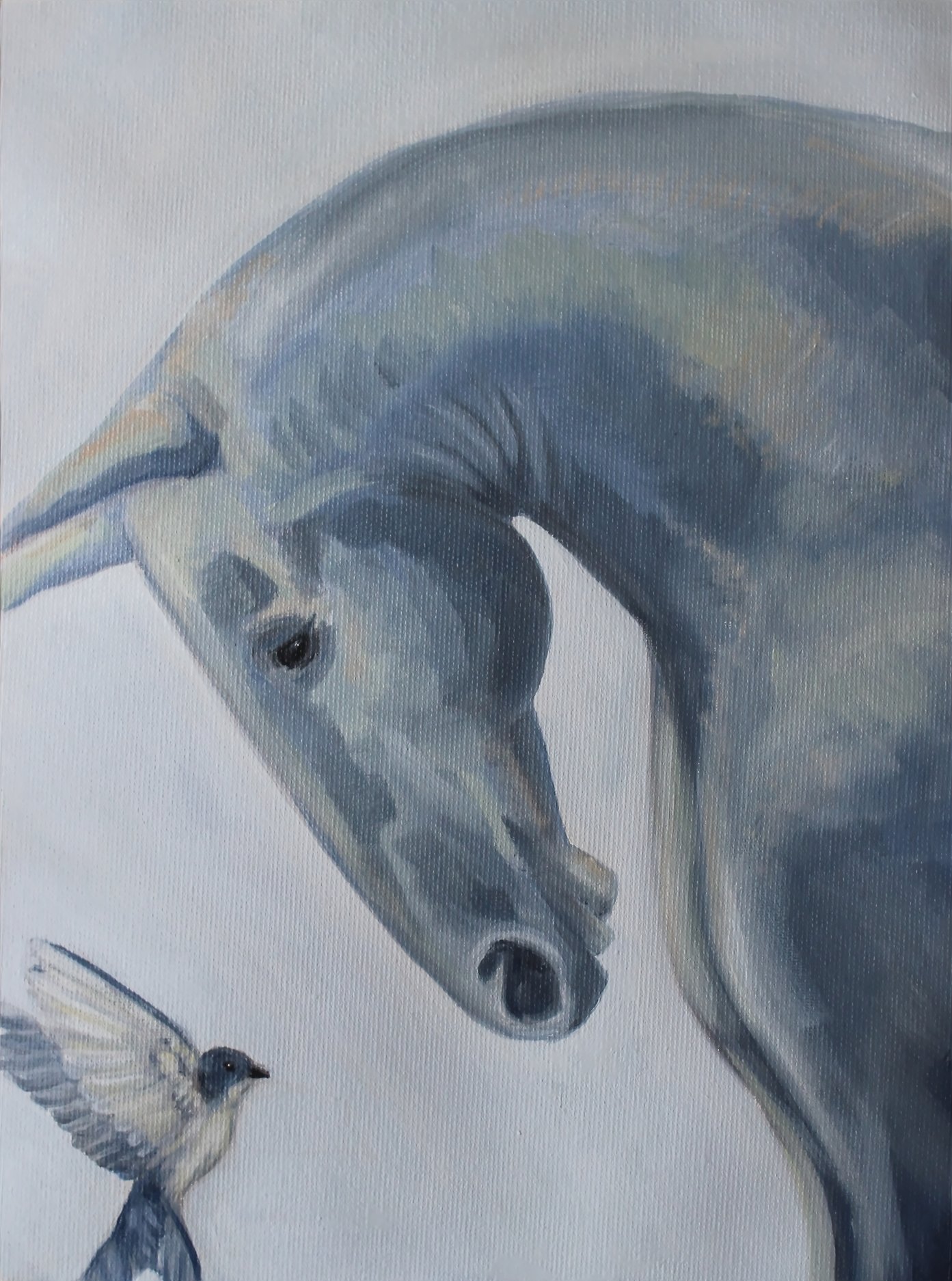
I’m a painter based in Mexico. I work primarily with oil and acrylic, occasionally incorporating pastel and charcoal. Birds, horses, and flowers recur throughout my paintings—not as symbols with fixed meanings, but as visual metaphors through which I explore memory, emotion, and the many ways we experience the world.
Art has become my language for what cannot be said. Painting allows me to transform lived experiences into images when words fall short. My work moves between tenderness and grief, wonder and longing, reflecting the emotional shifts that shape our inner lives.
People often describe my paintings as beautiful, but beauty is not my subject—it is simply the language I use. What matters to me is creating images that allow viewers to recognize something of themselves. I believe visual expression is one of our oldest forms of communication, capable of reaching places that words cannot. Rather than offering answers, I hope my paintings create space for reflection, connection, and emotional recognition.
Social Networks :
Instagram: https://www.instagram.com/mayraaffef/
1. Inspiration & Style
What initially inspired you to become an artist, and how did you develop your unique artistic style?
I have found refuge in art. I have always been a very introverted person, and through painting and drawing, I found a way to express myself without feeling shame.
My parents took me to art lessons when I was a kid after noticing how much I loved drawing and coloring; those lessons were my first approach to art. The lessons at that place were divided into 3 blocks: painting, art study, and gardening. I consider myself fortunate to have had this early exposure, during which I developed a deep sensitivity to caring for plants—which have since become one of the central subjects of my work—and, at the same time, I learned about the masterpieces of art history. I still remember the first time I saw the work of the Impressionists and their joyful colors, as well as the terror I felt standing before Goya's giant. What fascinated me most was the way art could evoke such powerful emotions, whether joyful or unsettling.
Later in life, I studied industrial design in Mexico. After graduating from college, I moved to Florence, Italy, to pursue a master’s degree in interior design. I chose Florence because it is the birthplace of the Renaissance—an art movement and era I have always admired. While living there, I continued taking art lessons outside of school, and the city itself made me fall even more in love with art. Ultimately, Italian history and culture helped me realize that I wanted to make art my career.
2. Creative Process
Do you have any rituals or routines that help you get into a creative mindset when starting a new project?
Journaling is such an important part of my process. I will write and write literally until a feeling or a thought that can’t be put into words arrives and gets transformed into a metaphor, which I will put into images to make sense of a situation. The best way to describe it is as a translation from words into pictures.
Another important part of my creative process is spending time surrounded by nature, taking care of my orchids (which I harvest), and taking a walk with my dog or riding my horse. It is at this time that I feel more present and disconnected from everything, allowing me to immerse myself in my thoughts.
3. Artistic Influences
How do you balance historical or artistic influences with your personal style, and how do these influences manifest in your work today?
My favorite artistic movements are Impressionism and the Renaissance. While my work doesn’t fit neatly into either style, both have profoundly influenced me.
From Impressionism, I am captivated by the exploration of light—the luminous colors, shifting atmospheres, and the urge to capture fleeting moments with a sense of vitality and authenticity. I strive to incorporate that same sensitivity into my own paintings.
The Renaissance inspires me with its rich color palettes. Although my art moves away from the human figure and traditional representation, I am drawn to Renaissance paintings for their ability to evoke a sense of wonder and mysticism, much like fairy tales.
Ultimately, my relationship with these movements is less about imitating their visual style and more about embracing their spirit. Impressionism and the Renaissance shape my work conceptually, influencing the atmosphere, emotion, and sense of wonder I hope to convey.
4. Emotion & Expression
How do you use your art to evoke emotions, and what role does emotion play in your creative process?
Emotion is everything in my work, as I mentioned earlier. In some of my paintings, I include a handwritten passage on the back of the work taken from my personal journal—whichever entry feels the most powerful, the one that gave birth to the piece or deepens its meaning. I don't place it on the front so each viewer can have their own interpretation first. I feel the text plays the role of a whisper, a quiet dialogue that will come after, between the viewer and the artist.
5. Standout Projects
Can you share a project that stands out to you and describe the creative process behind it?
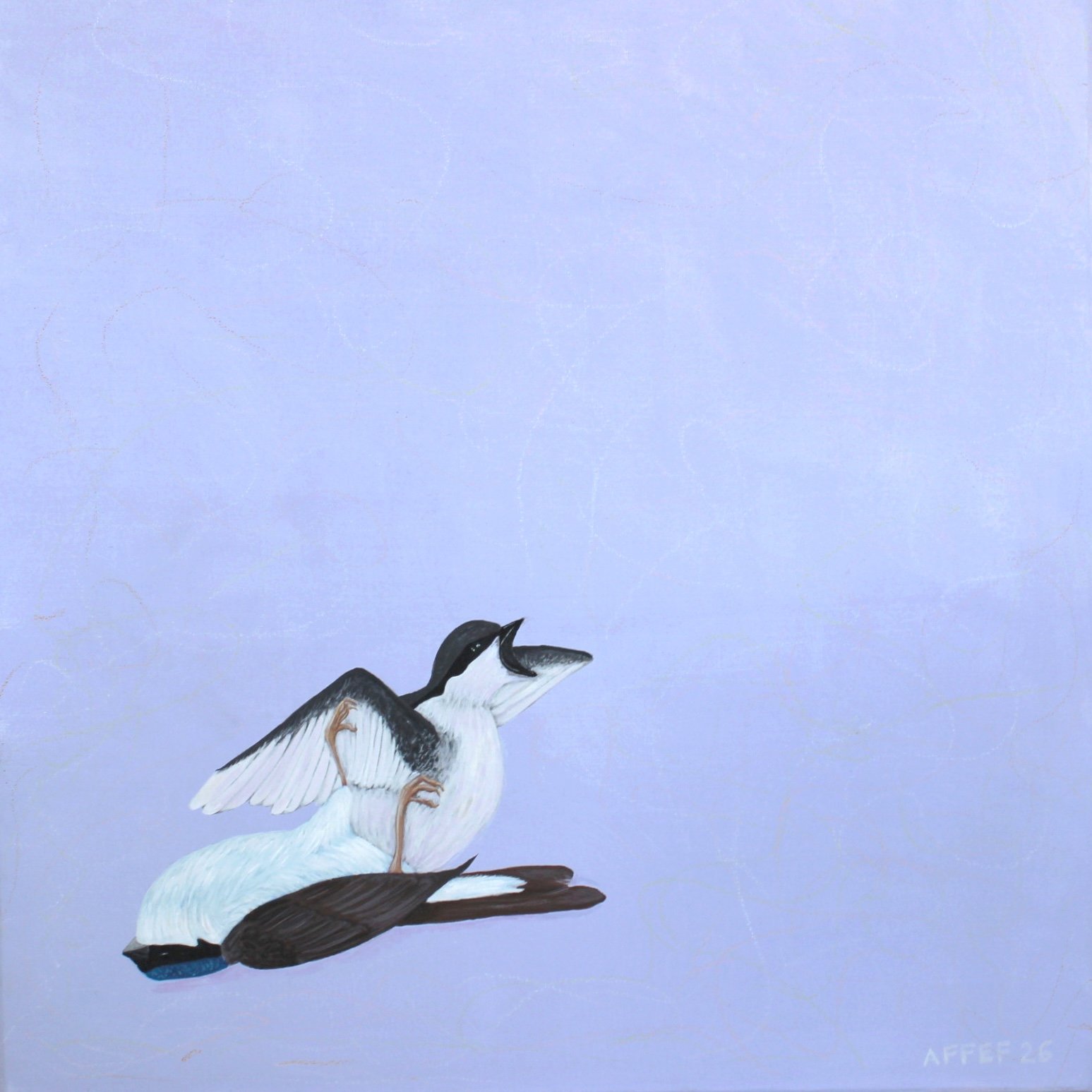
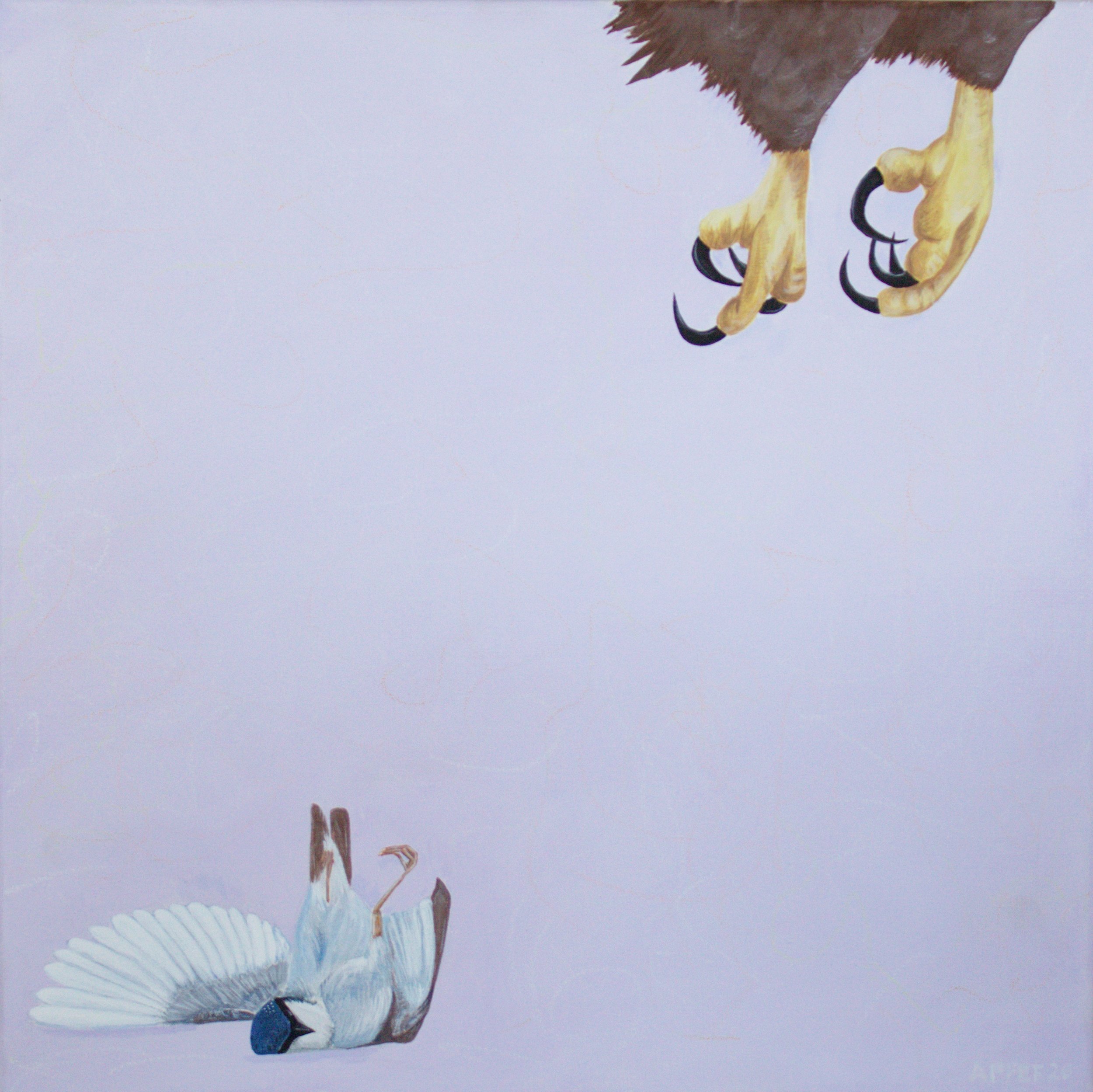
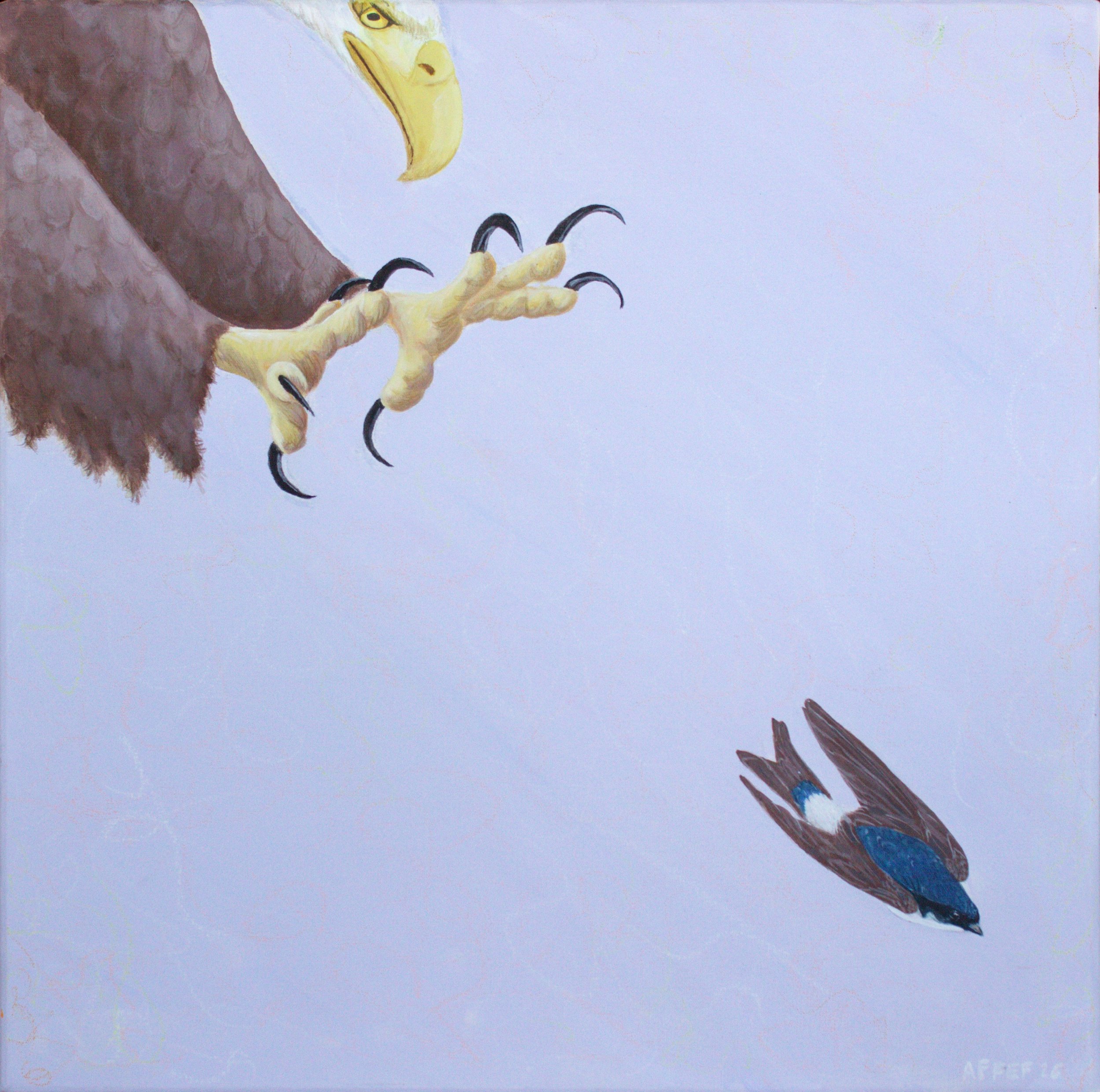
I have recently worked on a collection titled The Hunt, inspired by the pursuit of romantic love. Instead of simply telling a romantic love story, I aimed to highlight the deception and cruelty that often accompany this type of pursuit—the thrill of pursuing someone you desire, treating them like prey to be captured, and then the harshness of discarding them when they no longer fulfill your own needs.
The Hunt is currently a trilogy, but is still under “construction” since the hunt of a romantic nature rarely ceases.
6. Feedback & Growth
How do you incorporate feedback from critics or audiences into your work, and how do you balance this with your own artistic intuition?
I believe I have a very clear sense of who I am and, as a result, of what—or perhaps who—my work is. I always welcome criticism when it comes with the intention of helping me grow. As I see it, we are all in a constant state of evolution, and anyone who believes they already know everything is destined for stagnation. Life is movement, and I feel my work is so alive, so full of possibility, that I hope it will continue to grow alongside me
7. Motivation & Inspiration
How do you stay motivated and inspired, even when facing creative blocks or challenges?
Traveling! If I can't make it to a faraway destination, I try to escape to a nearby town or city. Nothing restores me quite like getting away, changing my surroundings, talking to strangers, and discovering places I've never been before, whether it's a new museum or a local market.
I always carry a small notebook with me in case a memory or emotion finds its way to me. I jot down a phrase I overhear from a stranger on the street, make a quick sketch, or write a note about something I saw and loved. In these trips, there are no expectations or pressure; these little escapes are a gift to my creative self.
8. Exhibiting Work
How do you feel about exhibiting your artwork with The Holy Art Gallery, and what does this opportunity mean to you?
I feel both excited and deeply honored that my application has been accepted. It is an important milestone for me, both personally and in my career as an artist.
Exhibiting my work means opening myself up and sharing my inner world with an audience. For a long time, I limited my work to close friends and family. I have now reached a point in my life where I have decided to listen to the voices encouraging me to share my work more openly.
9. Future Goals
What are your long-term goals and aspirations as an artist, and how do you plan to achieve them?
Taking steps to give my work greater visibility is an important part of my journey as an artist. One of my long-term goals is to participate in internationally recognized exhibitions such as Art Basel. For now, I am focusing on taking part in as many exhibitions as possible to introduce my work to a broader audience.
On a more personal level, I hope to create a unique world within my art—a recognizable atmosphere that invites viewers in. My aspiration is for people to find the same sense of refuge and emotional connection in my work that I have experienced through the art of others.
10. Audience Connection
What do you hope viewers take away from experiencing your art, and how do you aim to connect with them on an emotional or intellectual level?
I hope the audience connects with my work in the same way I have connected with the work of other artists. I hope those deeply personal metaphors, transformed into images, evoke empathy or a sense of recognition in someone—that inexplicable feeling of, "I know what you felt, because I am feeling it right now." Art is some sort of language through which we create communication; hence, we create connection. I believe that’s the goal.