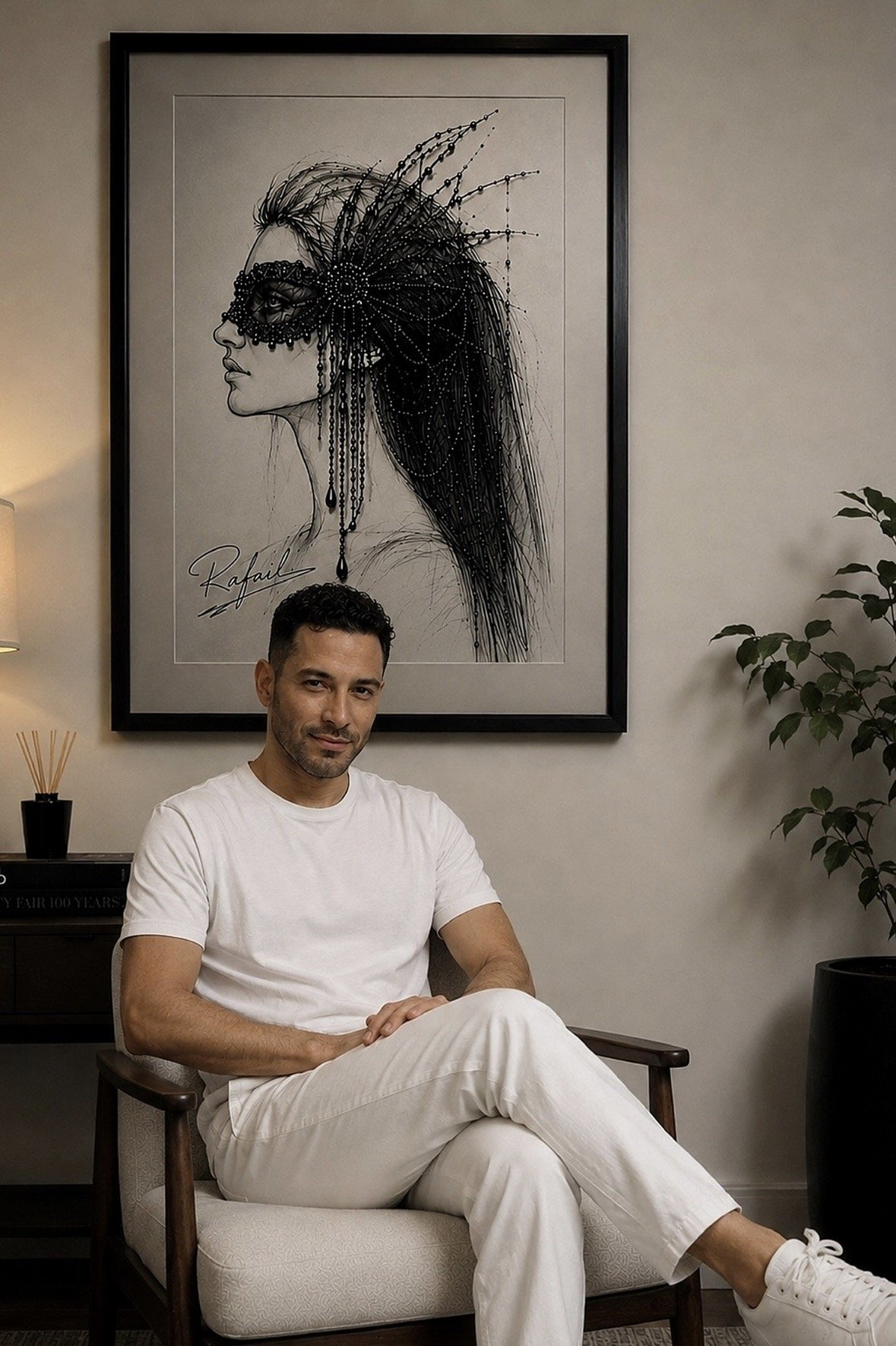
Rafail Salis
ARTIST STATEMENT
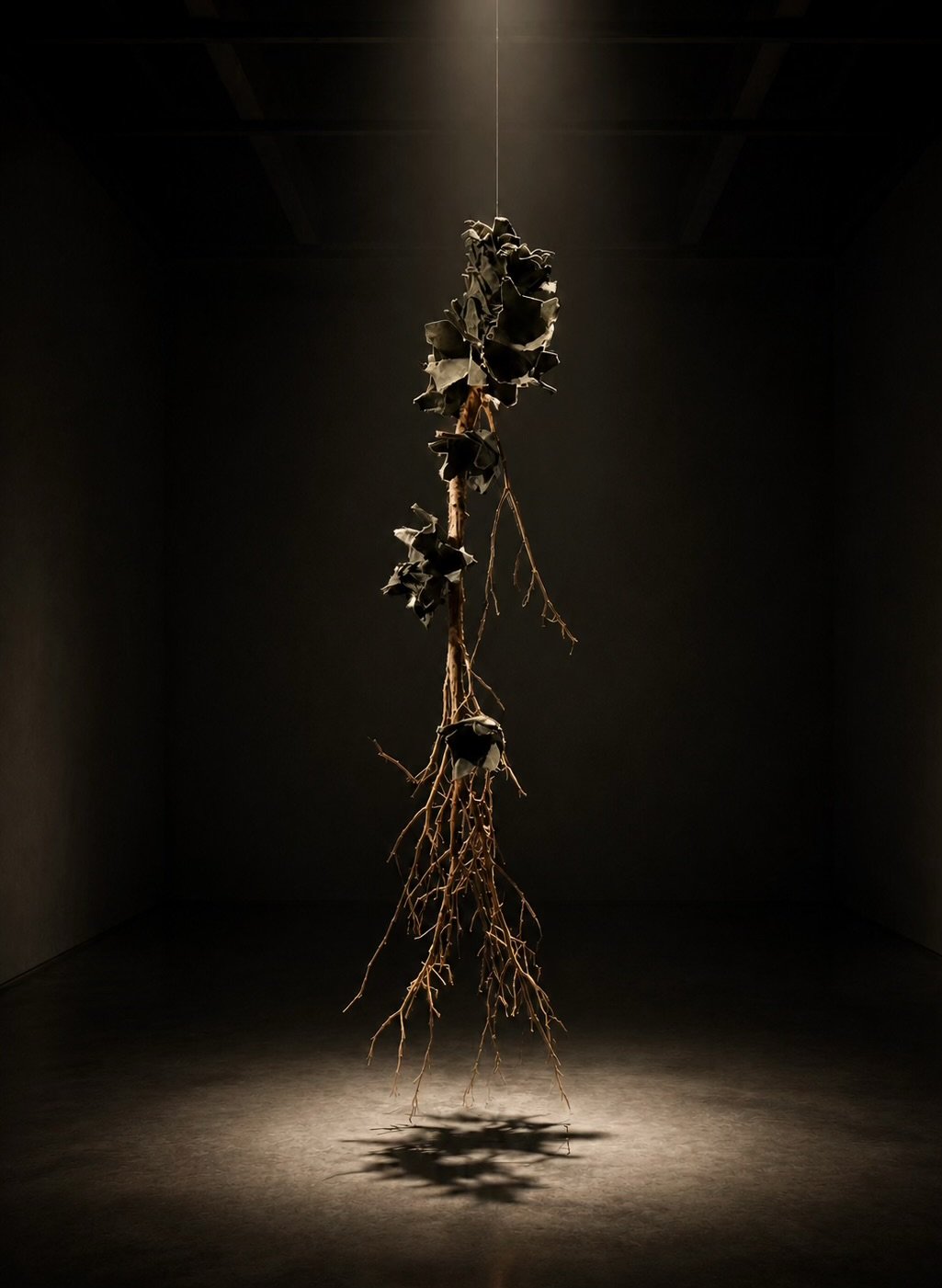
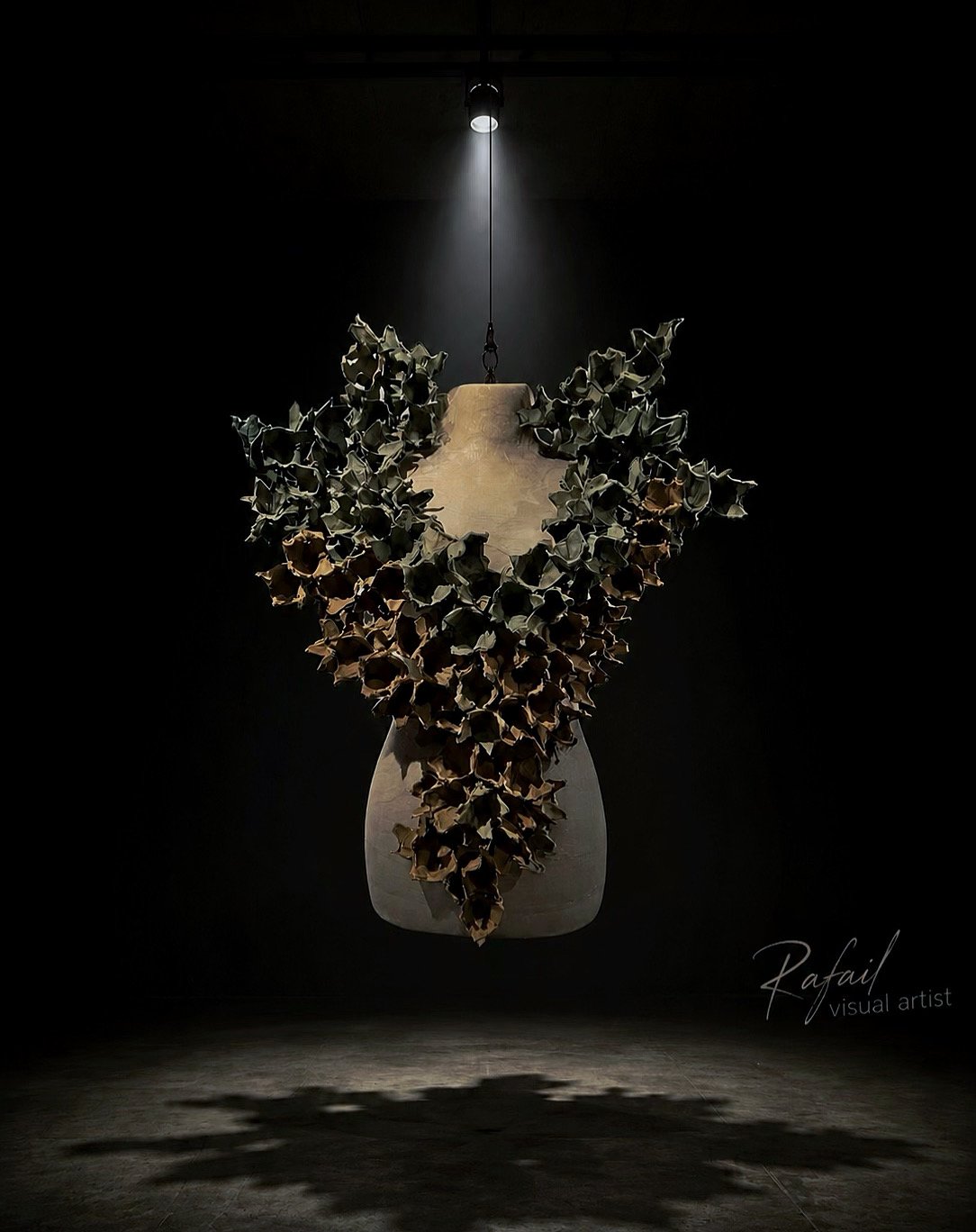
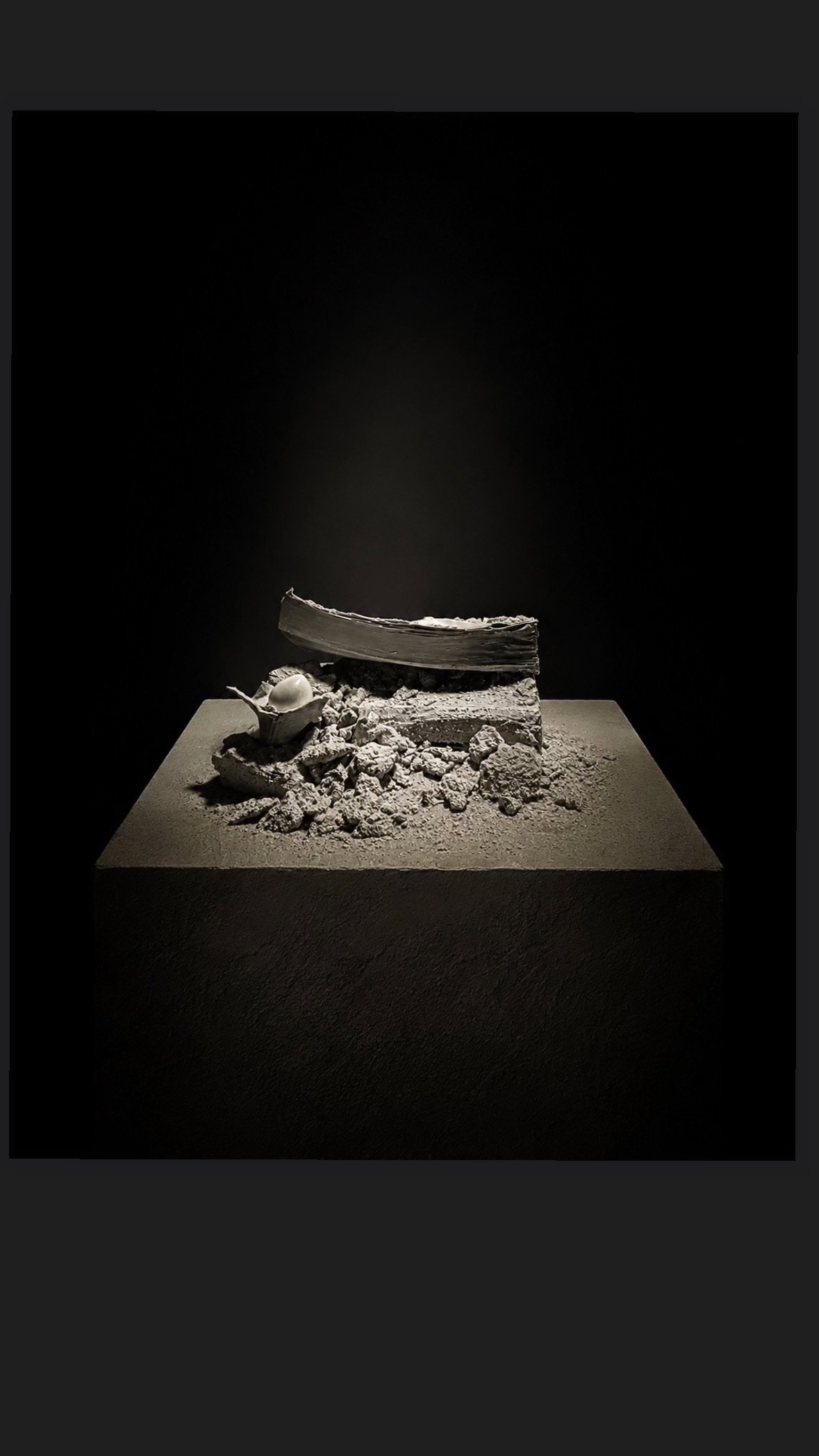
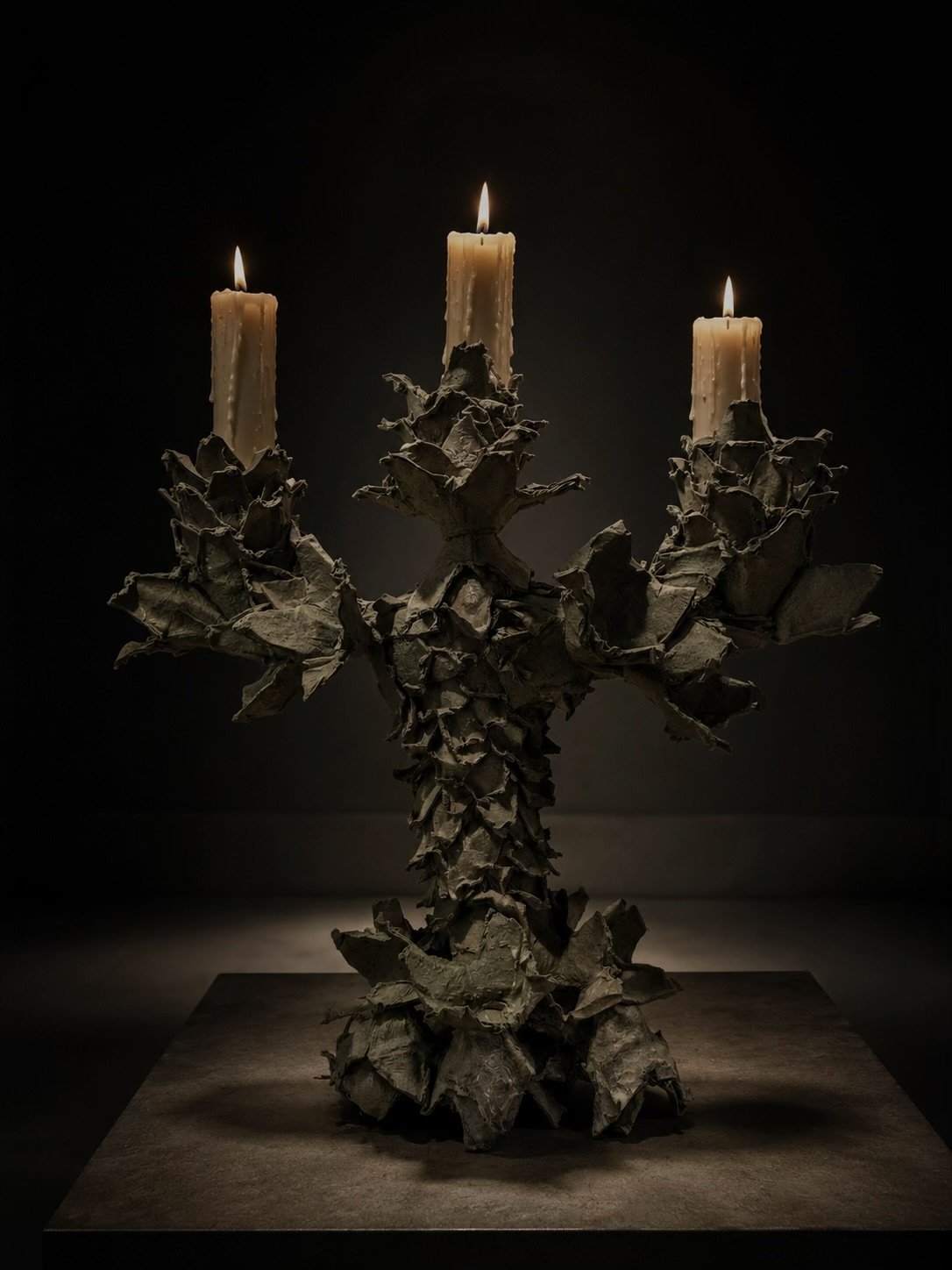
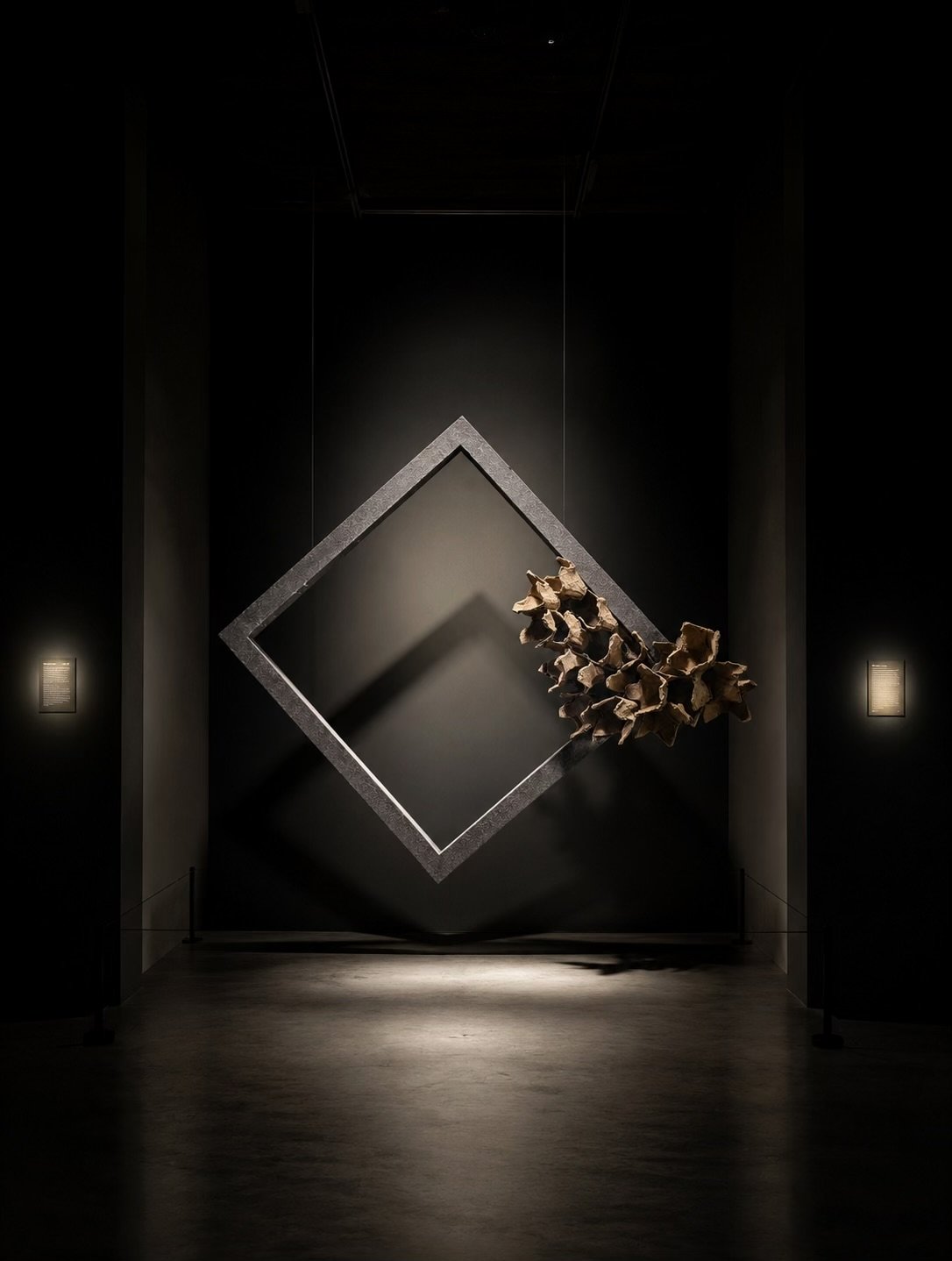
GENESIS is an ongoing sculptural series exploring transformation, birth, protection and renewal through the use of discarded everyday materials.
At the core of the series is the egg carton — an industrial object originally designed to protect something fragile and full of potential. By transforming this discarded material into organic and sculptural forms, I explore the possibility of new life emerging from what has been overlooked or abandoned.
In my work, the material gradually loses its original function and becomes something unfamiliar: a body, a garment, a structure or an abstract organic form. The relationship between fragility and strength, protection and exposure, destruction and creation is central to the visual language of GENESIS.
The human body and the idea of wearable form are recurring elements in my practice. Through sculpture and material transformation, I am interested in the point where an object can exist simultaneously as art, form and imagined garment.
GENESIS is ultimately a reflection on transformation — the moment when something discarded is given the possibility to become something new.
RAFAIL
Visual Artist
Social Networks :
Rafail Salis
1 .Inspiration & Style
What initially inspired you to become an artist, and how did you develop your unique artistic style?
I have always been drawn to creating with my hands and transforming ideas and materials into something unexpected. For me, becoming an artist was not a single decision, but a natural evolution of my need to create, experiment and communicate through visual form.
My artistic style developed through experimentation with materials, particularly objects that already carry a history and a previous purpose. I am interested in transformation — taking something ordinary, discarded or overlooked and giving it a completely new identity.
Through sculpture, mixed media and wearable forms, I explore the relationship between material, the human body and emotion. My work is constantly evolving, but transformation remains at the centre of my artistic language.
2 .Creative Process
Do you have any rituals or routines that help you get into a creative mindset when starting a new project?
My creative process usually begins with an image or an idea that stays in my mind. I do not always begin with a fixed plan. Instead, I allow the material itself to guide part of the process.
I experiment, construct and deconstruct forms until something unexpected begins to emerge. Working with my hands is essential to my practice, because many of my ideas develop during the physical process of creating.
I am particularly interested in the moment when an ordinary material loses its original identity and begins to transform into something else. That moment of transformation often becomes the starting point for a new work or series.
3. Artistic Influences
How do you balance historical or artistic influences with your personal style, and how do these influences manifest in your work today?
I am inspired by artists, fashion, theatre and the visual language of the human body. I am particularly drawn to creative practices that transform materials and challenge the boundaries between art, sculpture, fashion and performance.
However, I do not want to reproduce the work or aesthetic of other artists. Inspiration for me is a starting point rather than a destination. I absorb different visual references and then transform them through my own materials, experiences and creative process.
My personal style is shaped mainly through experimentation. In my work, materials play an active role in the final result. I am interested in allowing unexpected forms to emerge and in creating works that exist somewhere between sculpture, object and wearable form.
Ultimately, my goal is to develop a visual language that feels recognisably my own while remaining open to change and evolution.
4. Emotion & Expression
How do you use your art to evoke emotions, and what role does emotion play in your creative process?
Emotion plays an important role in my creative process, although I do not try to dictate what the viewer should feel. I am more interested in creating a visual and emotional atmosphere that allows each person to develop their own connection with the work.
Many of my works are born from personal experiences, thoughts and moments of transformation. These experiences may influence the energy behind the work, but once the artwork is completed, I believe it becomes open to interpretation.
Through materials, texture, form and the relationship with the human body, I aim to create a sense of curiosity, tension and emotional response. For me, art becomes powerful when the viewer does not simply look at the work, but feels something that is difficult to immediately explain.
5. Standout Projects
Can you share a project that stands out to you and describe the creative process behind it?
GENESIS is one of the most important ongoing projects in my artistic practice. The series explores transformation, birth, protection and renewal through the use of discarded egg cartons.
The egg carton is an everyday industrial object originally designed to protect something fragile and full of potential. By transforming this material into organic sculptural forms, I explore the possibility of new life emerging from something that was once considered ordinary or disposable.
The creative process is highly physical and intuitive. Each work develops through construction, experimentation and transformation, allowing the material to gradually lose its original identity.
In GENESIS, the egg carton can become a flower, an organic structure, part of a body or even a wearable sculptural form. This transformation between discarded material, sculpture and the human body is at the heart of the series.
6. Feedback & Growth
How do you incorporate feedback from critics or audiences into your work, and how do you balance this with your own artistic intuition?
I value feedback because it allows me to see my work through perspectives different from my own. The way a viewer, curator or critic responds to an artwork can reveal aspects of the work that I may not have consciously considered during the creative process.
At the same time, I believe it is important to protect my own artistic intuition. Not every opinion should change the direction of the work. I listen carefully, reflect on different perspectives and remain open to growth, while allowing my personal vision to remain at the centre of my practice.
For me, artistic development comes from this balance: being open to dialogue and new interpretations, while continuing to trust the instinct and creative language that make the work uniquely my own.
7. Motivation & Inspiration
How do you stay motivated and inspired, even when facing creative blocks or challenges?
I stay motivated because creating is an essential part of who I am. I constantly observe the world around me and find inspiration in materials, textures, forms, fashion, theatre and everyday objects.
When I face a creative block, I do not always try to force an idea. Sometimes I allow myself to experiment without knowing what the final result will be. Often, the most interesting ideas emerge unexpectedly during the process of working with a material.
Challenges have also become an important part of my artistic development. They push me to look at my work differently, take creative risks and continue evolving.
For me, inspiration comes from remaining curious and allowing myself to keep transforming ideas into new forms.
8. Exhibiting with The Holy Art Gallery
How do you feel about exhibiting your artwork with The Holy Art Gallery, and what does this opportunity mean to you?
I am very pleased to have the opportunity to present my work through The Holy Art Gallery. For me, this is an important step in sharing my artistic practice with an international audience and introducing the world of GENESIS beyond my local environment.
The opportunity to present my work digitally reflects an important aspect of contemporary art today: the ability for an artwork to travel beyond physical borders and reach viewers in different parts of the world.
I am particularly interested to see how audiences from different cultural backgrounds will respond to the work and interpret the transformation of an everyday material into sculptural and wearable forms.
I see this opportunity as part of my continuing artistic journey and as an important step towards future international exhibitions and collaborations.
9. Future Goals
What are your long-term goals and aspirations as an artist, and how do you plan to achieve them?
My long-term goal is to continue developing a strong and recognisable artistic identity while expanding my practice internationally. I want to continue exploring new materials, forms and ideas, allowing my work to evolve while remaining connected to the central themes of transformation and creation.
I am particularly interested in presenting my work in different cultural environments and developing collaborations that connect contemporary art with sculpture, fashion, design and performance.
My ambition is to build a substantial body of work and to exhibit internationally, creating opportunities to engage with curators, galleries and audiences from different parts of the world.
I believe this can only be achieved through continuous creation, experimentation and artistic development. For me, the goal is not simply to reach a destination, but to keep evolving and pushing the boundaries of my own creative language.
10. Audience Connection
What do you hope viewers take away from experiencing your art, and how do you aim to connect with them on an emotional or intellectual level?
I hope viewers take away more than a first visual impression. I want the work to create curiosity and encourage people to look more closely, especially at the materials and the transformation that has taken place.
Many of the materials I use have a familiar, everyday identity. By placing them in a different context and transforming them into sculptural forms, I hope to encourage viewers to question what they are seeing and reconsider the possibilities of ordinary objects.
On an emotional level, I hope the work creates a personal connection. I do not believe that every viewer needs to experience an artwork in the same way. Each person brings their own memories, emotions and interpretation.
For me, the most meaningful connection happens when an artwork continues to exist in the viewer’s mind after they have moved away from it.