Artist spotlight : Ryan Montoya
Dr. Ryan Montoya, MD is a board-certified Family Medicine physician and professional comic book artist whose career bridges medicine, art, and design. He graduated from Harvard University with a degree in Biology and pursued graduate studies at the Massachusetts Institute of Technology and Johns Hopkins University before earning his medical degree and completing residency at the University of Massachusetts Medical School. He has provided full-spectrum family medicine care and opioid addiction treatment at a Federally Qualified Health Center while simultaneously founding a direct primary care practice in Massachusetts. His global health work has included community healthcare in Bosnia and Herzegovina and India, and he has served as Associate Medical Director of Planned Parenthood in Washington, DC. He currently works as the Physician Medical Officer for the U.S. Embassy in Moscow, Russia. Parallel to his medical practice, Dr. Montoya has cultivated a professional career as a comic book artist and writer, with work appearing in the New England Journal of Medicine and Scientific American. Trained at the Massachusetts College of Art, the Art Institute of Boston, the School of the Museum of Fine Arts Boston, and the Joe Kubert School of Comic Book Art, he has also worked as a luggage designer for Goyard and as a project manager in European fashion collectives. Dr. Montoya’s artwork is borne from a lifelong passion for comic book illustration—a medium that has shaped the way he sees and interpret the world. Influenced by Brian Bolland, Robert Crumb, Travis Charest, Moebius, Tula Lotay, Paul Chadwick, Howard Cruse, and Katsuhiro Otomo, he strives to balance bold technical lines and dark brush strokes with the freedom of gestural movement. His illustrations move between looseness and intricacy, inviting viewers to experience not just the story on the page but the rhythm, weight, and emotion embedded in every line
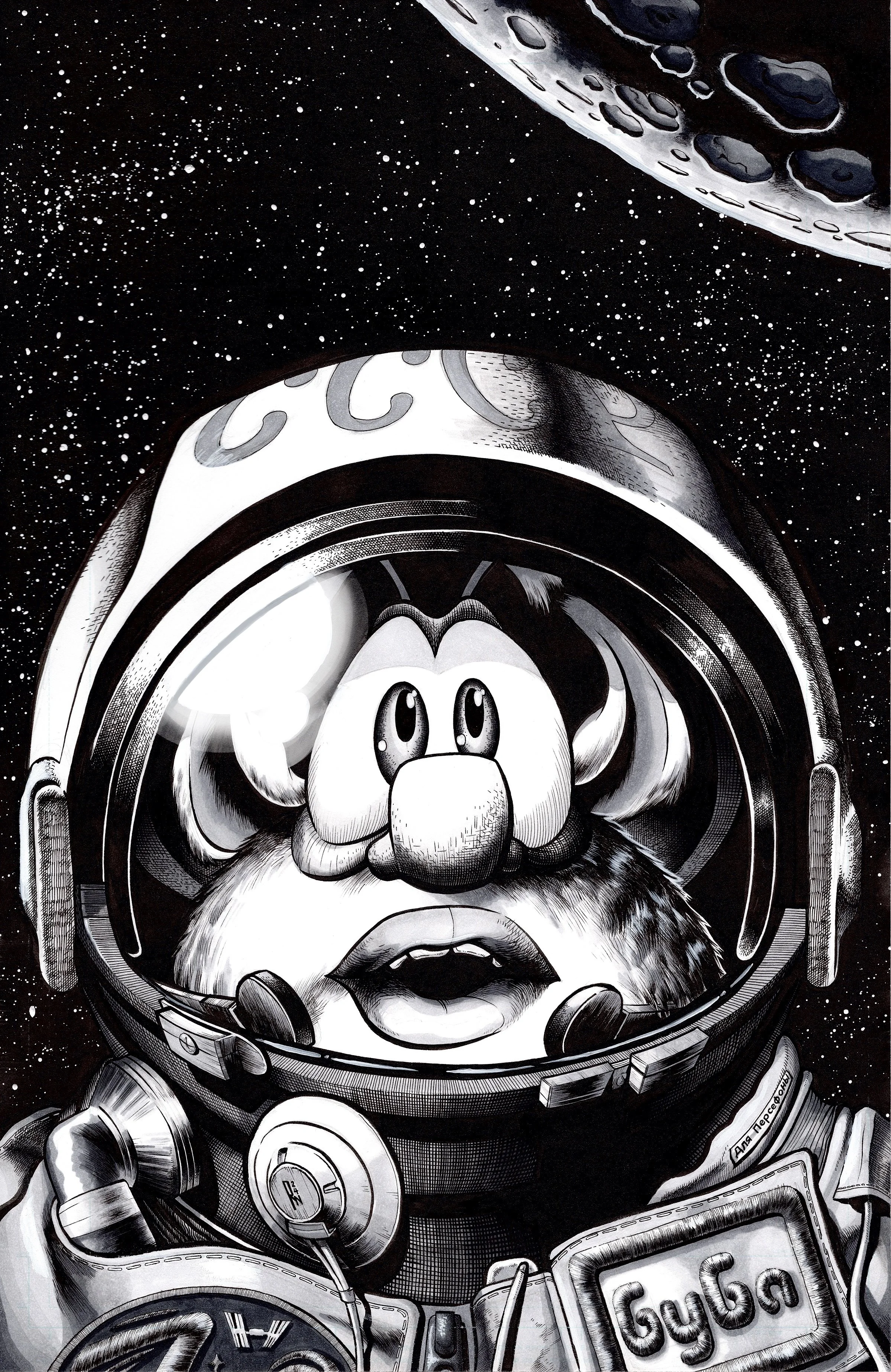
Artist: Ryan Montoya
Inspiration & Style
What initially inspired you to become an artist, and how did you develop your unique artistic style?
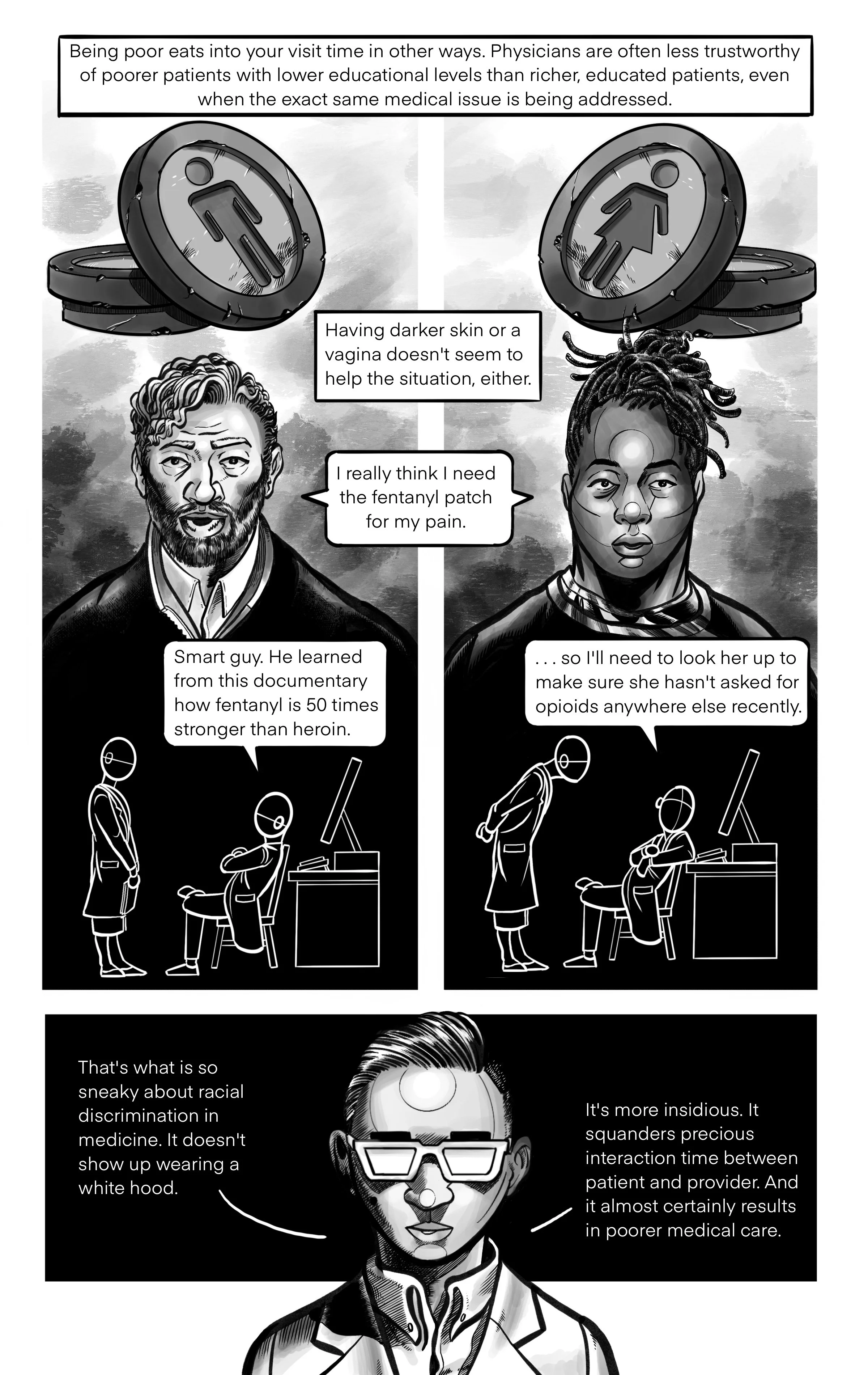
I’ve always loved and read comic books, and my favorite comic artists like Brian Bolland, Travis Charest, Howard Cruse, Tula Lotay, Moebius, and Paul Chadwick have had profound influence on my work. I started the way everyone does: by ripping off my favorites, and trying to synthesize it into my own style.

Creative Process
Do you have any rituals or routines that help you get into a creative mindset when starting a new project?
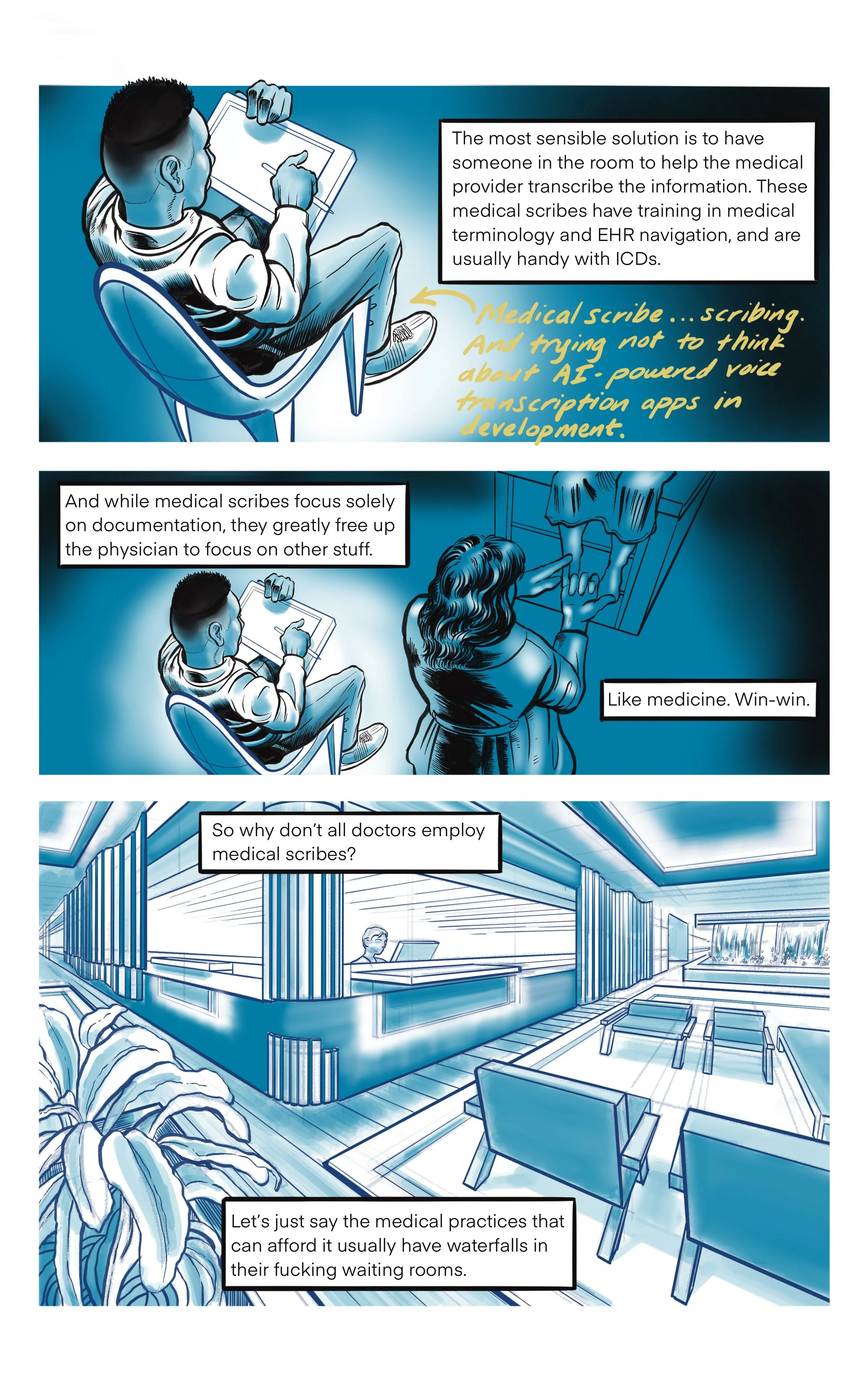
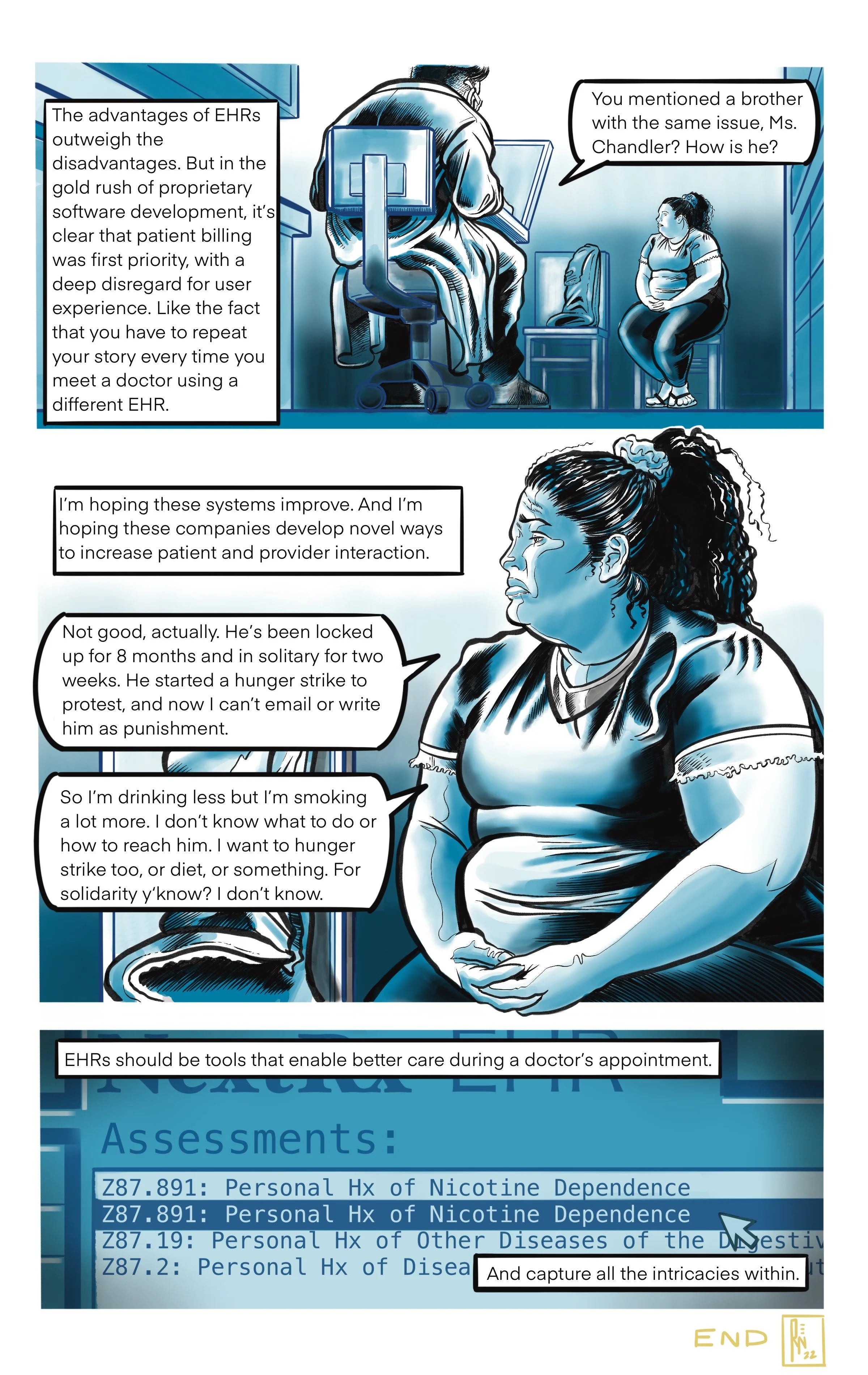
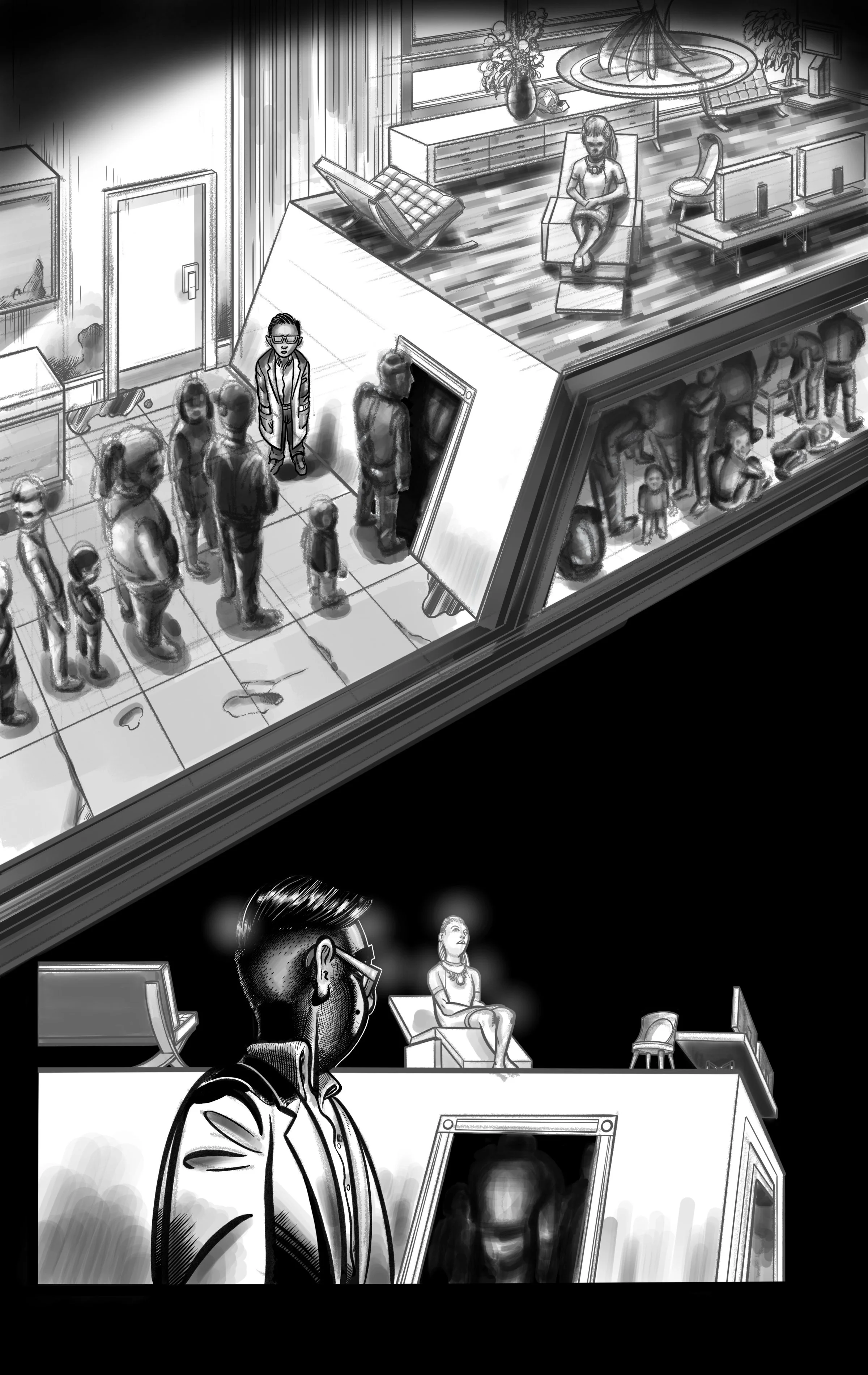
I’ve become better at visualizing projects or stories in much broader strokes, and avoiding getting into the details too quickly. Once the larger shape of an image, or a comic page has been much more broadly determined, it gives me more confidence when diving into the details
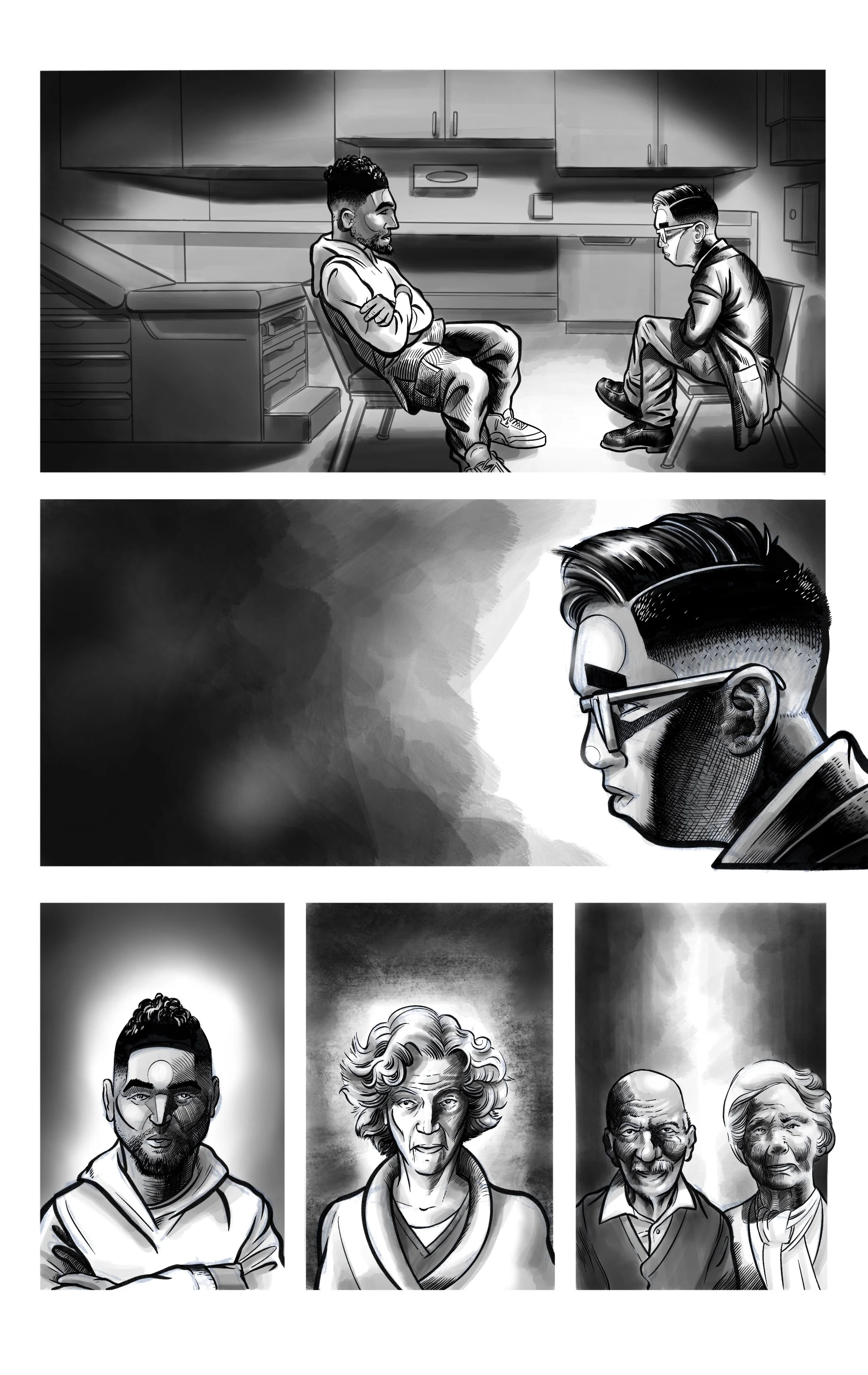
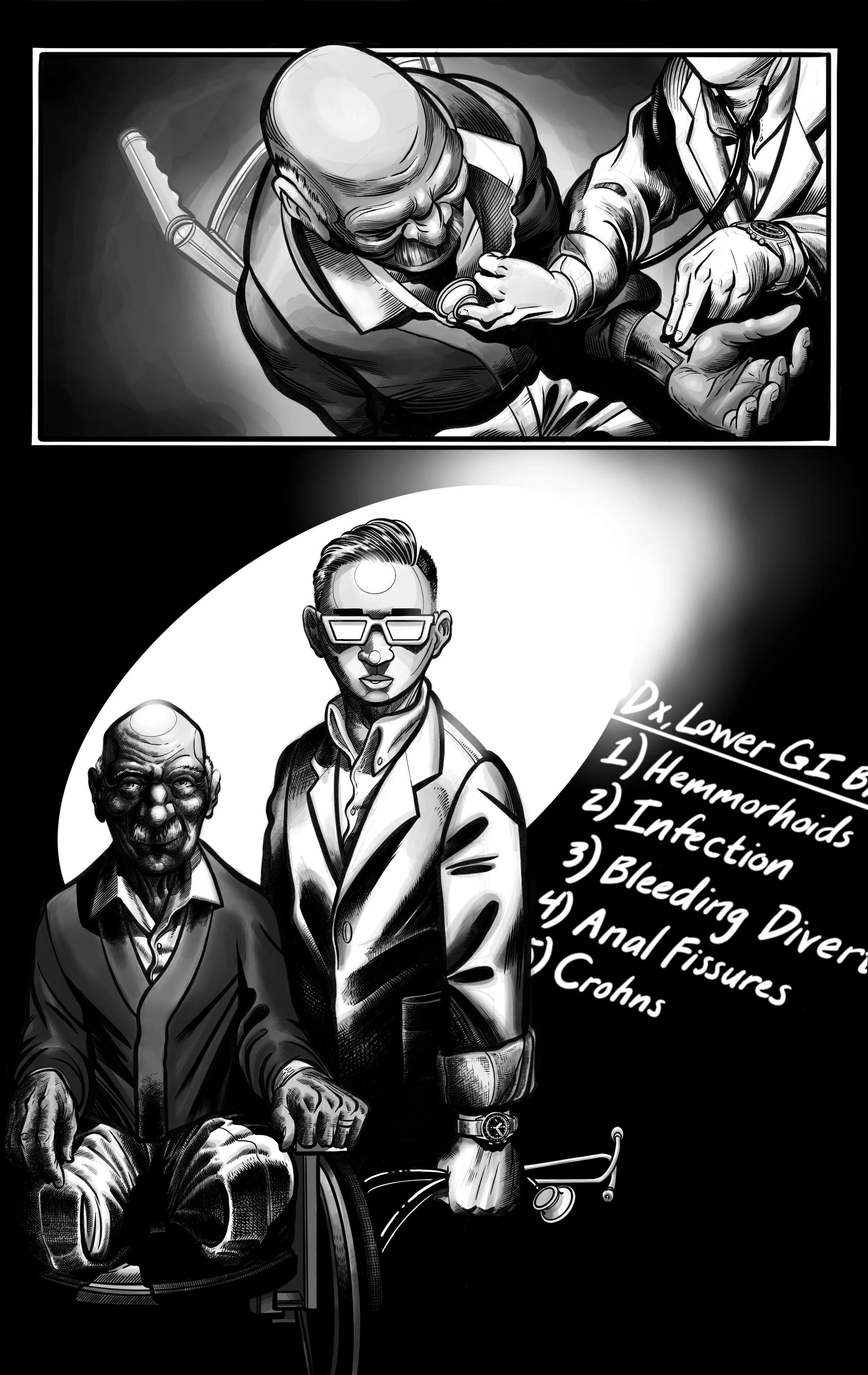
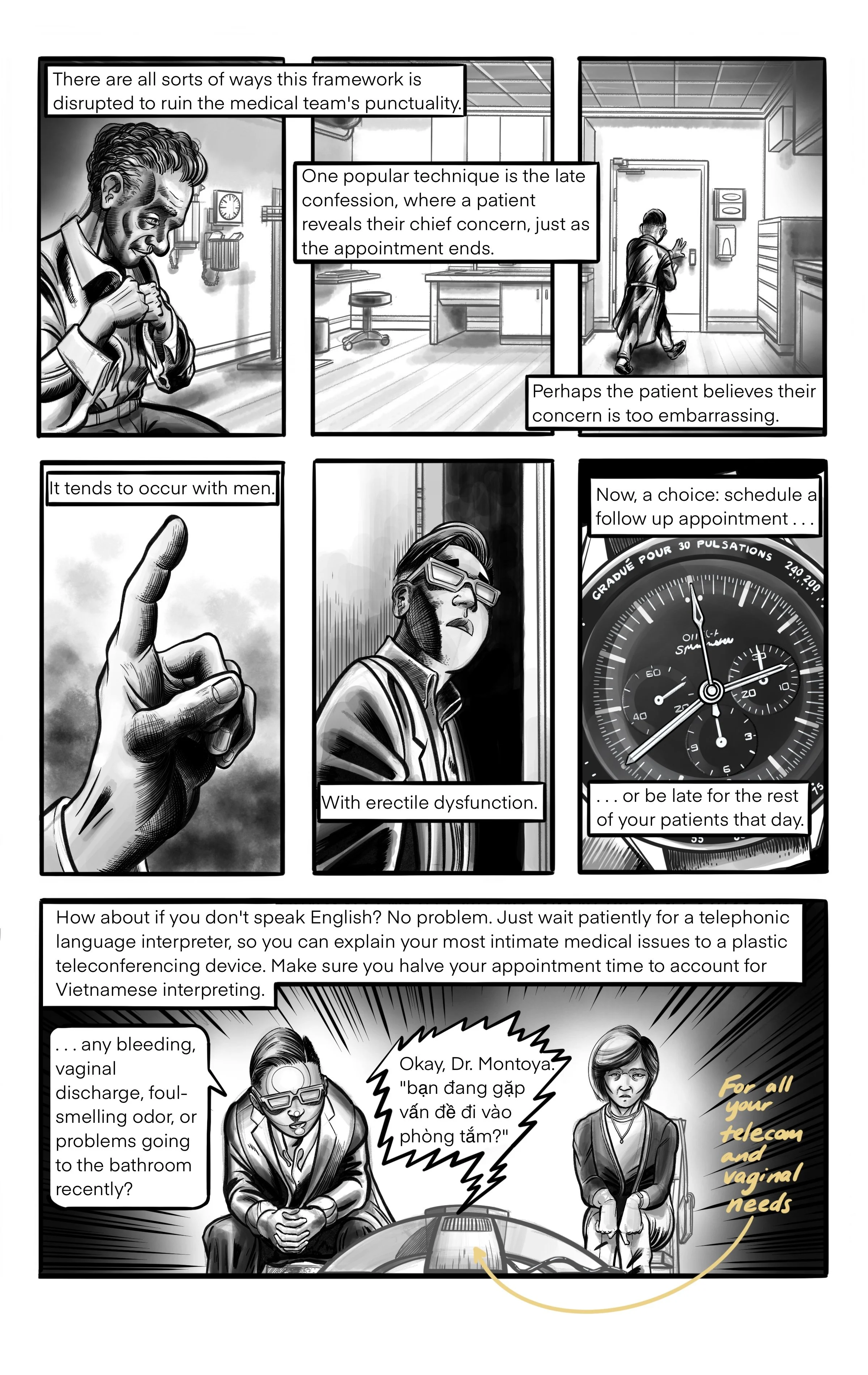
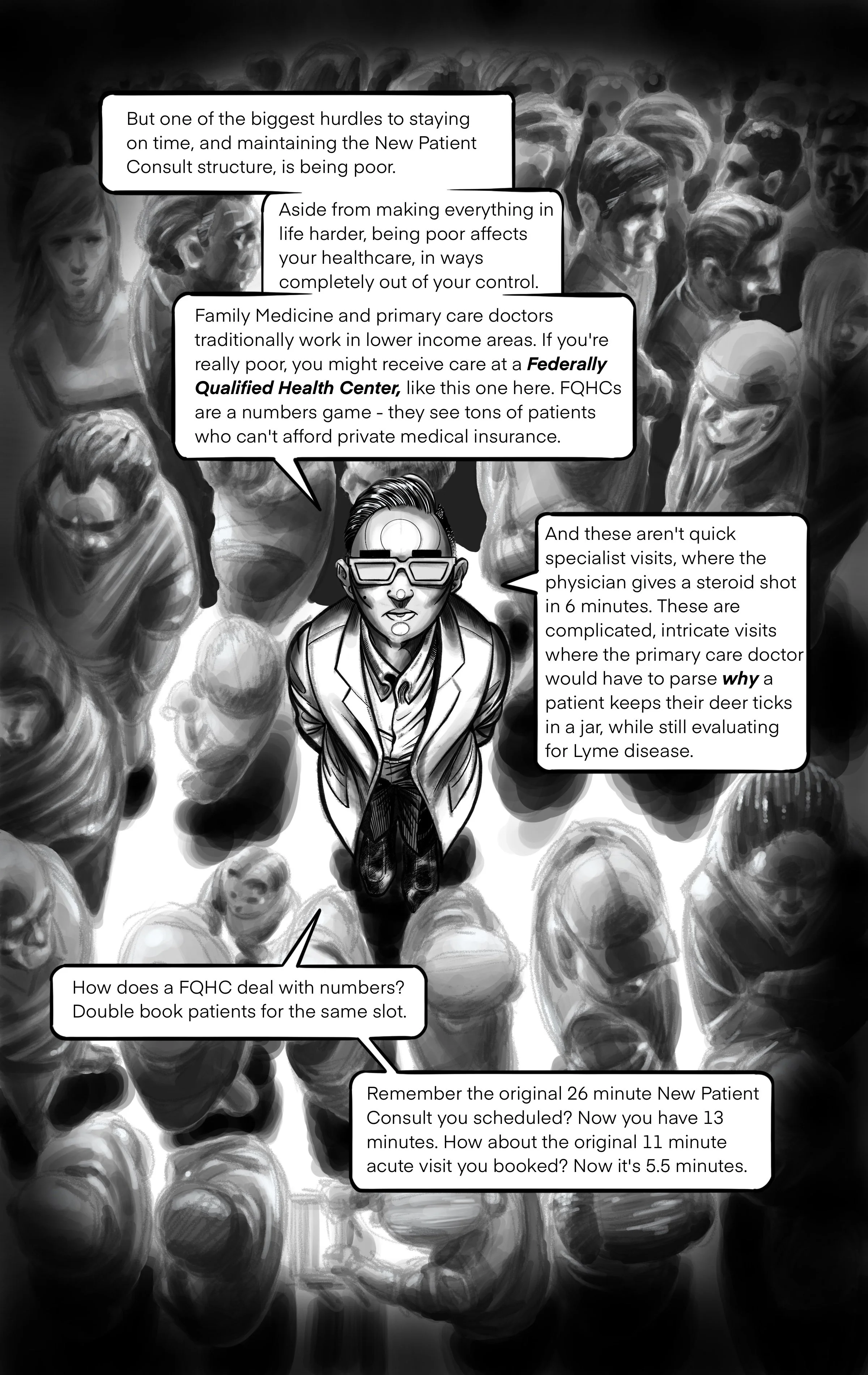
Artistic Influences
How do you balance historical or artistic influences with your personal style, and how do these influences manifest in your work today?
My artistic influences are always in the background of my personal style, because they have figured out solutions to artistic challenges, and have accomplished this in a way I deeply admire. My hope is that my work is an amalgamation of everything I love about these artists’ work, and by mixing it together, I express an opinion that is my own.
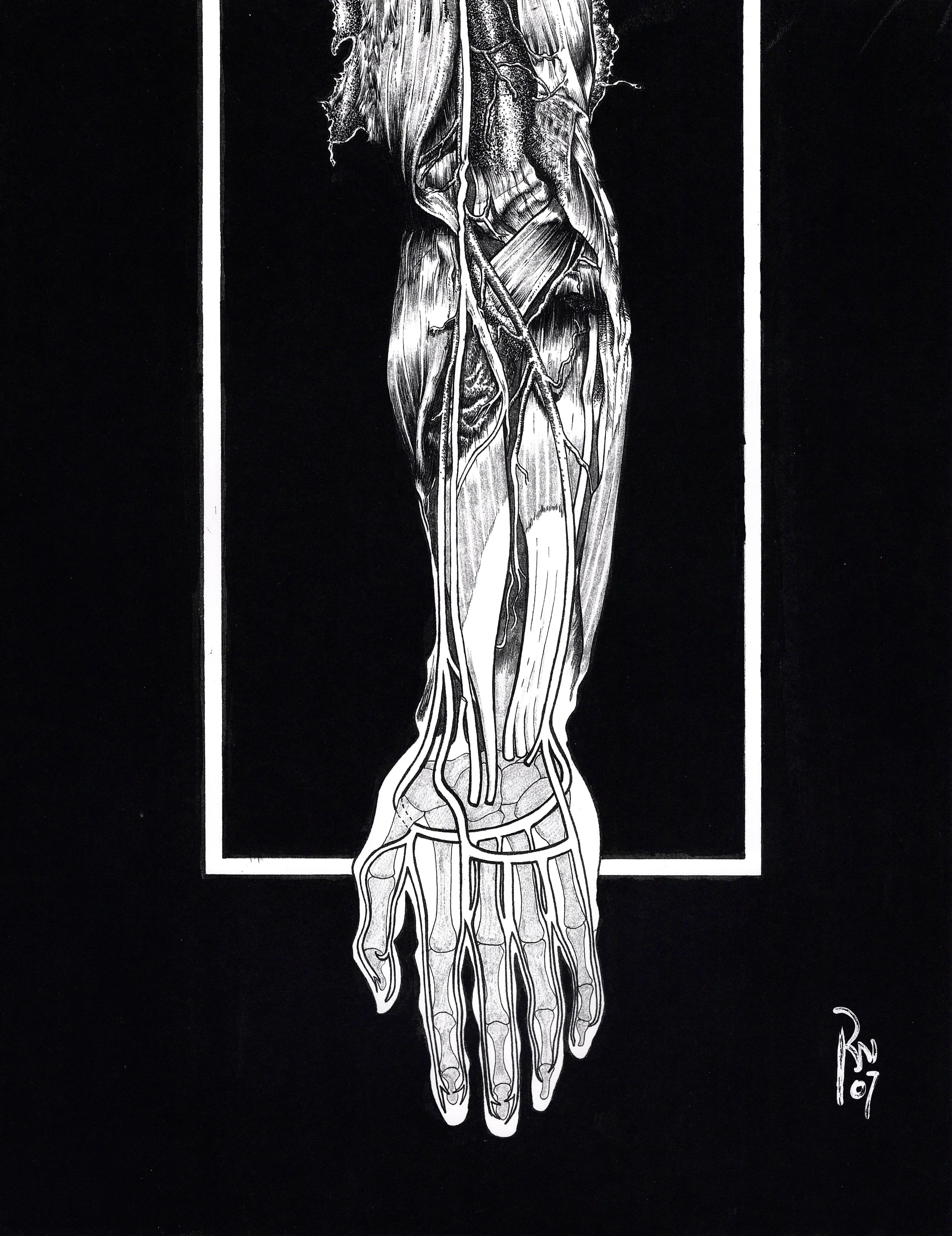
Anatomy arm
by Ryan Montoya
Emotion & Expression
How do you use your art to evoke emotions, and what role does emotion play in your creative process?
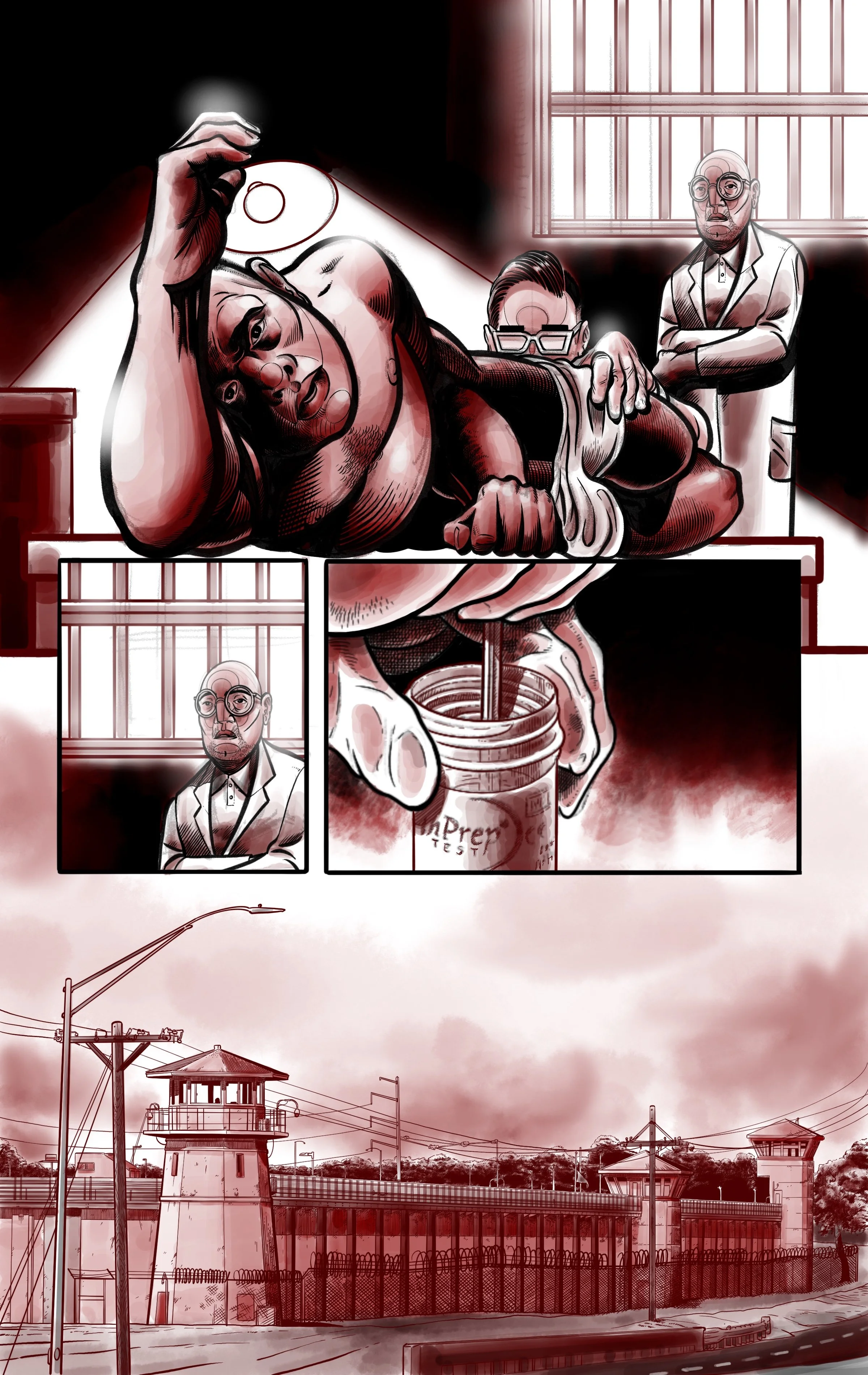
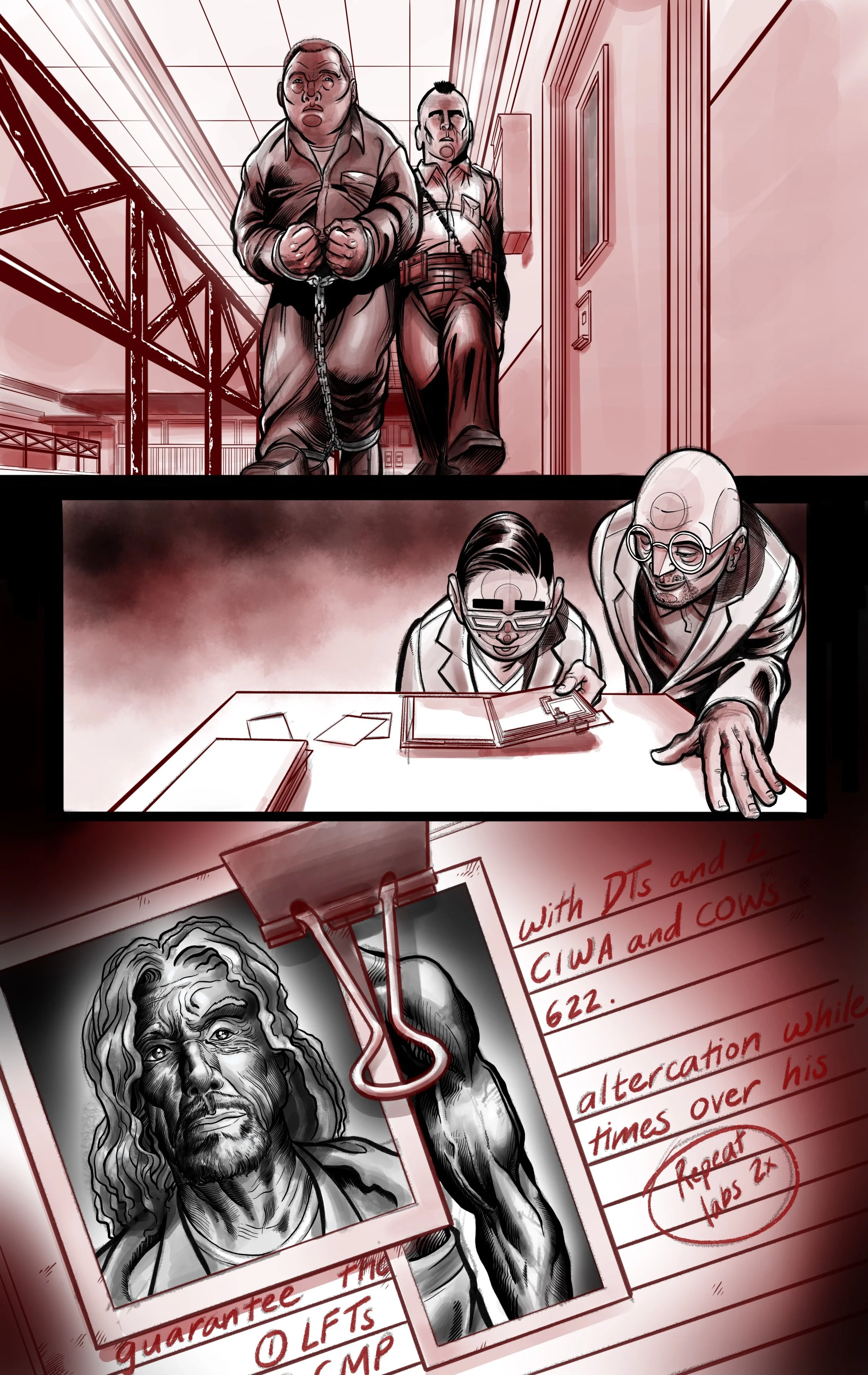
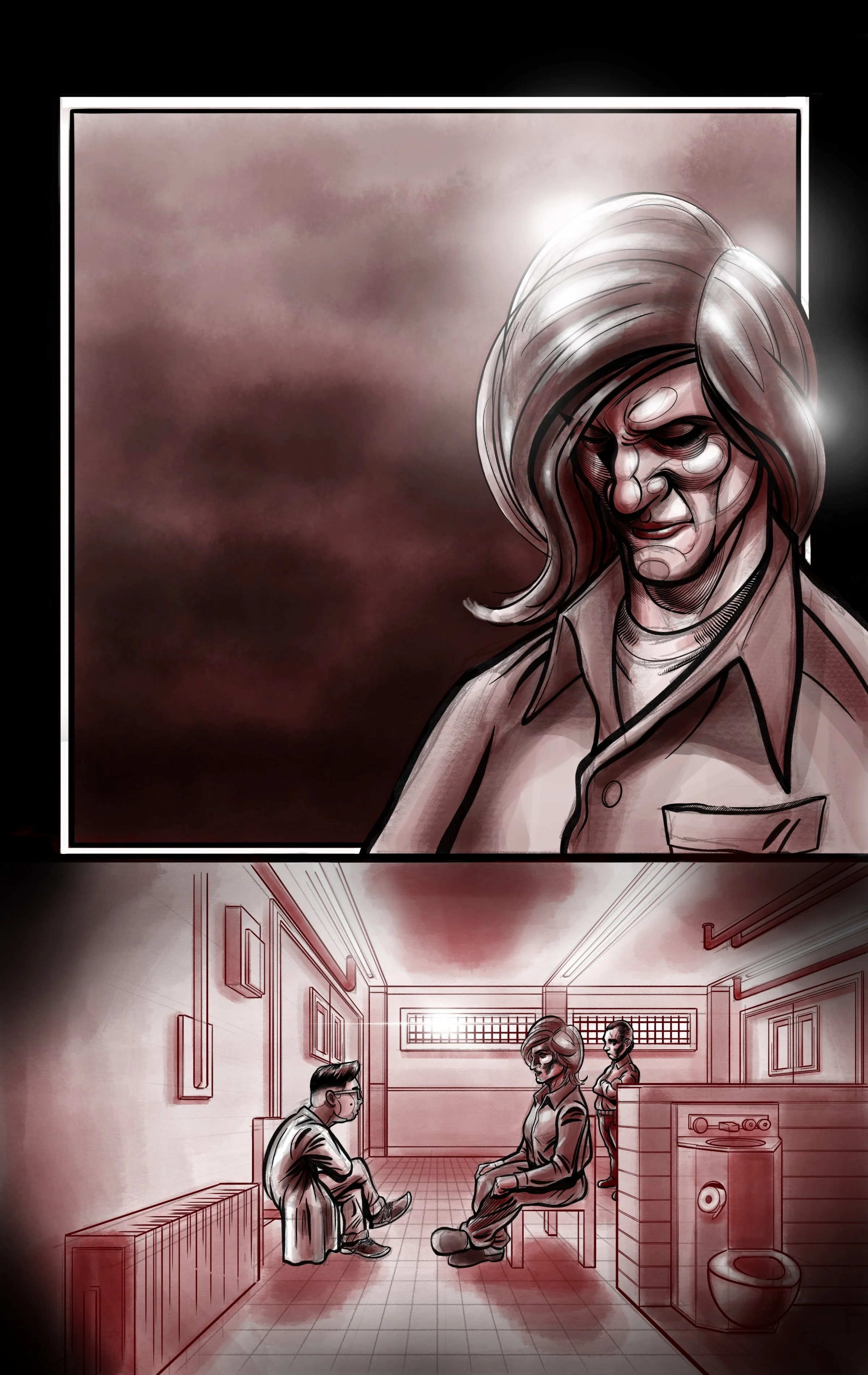
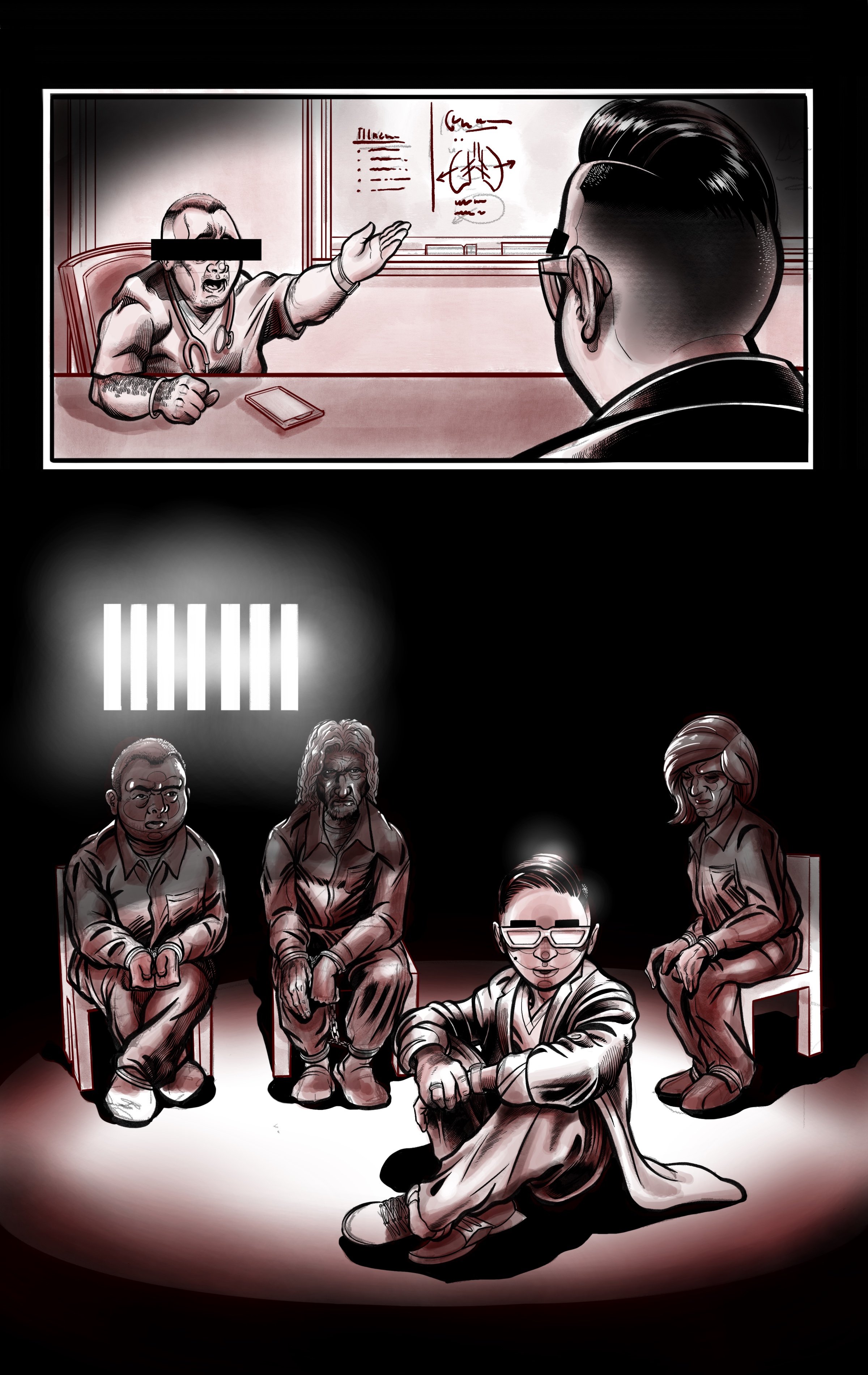
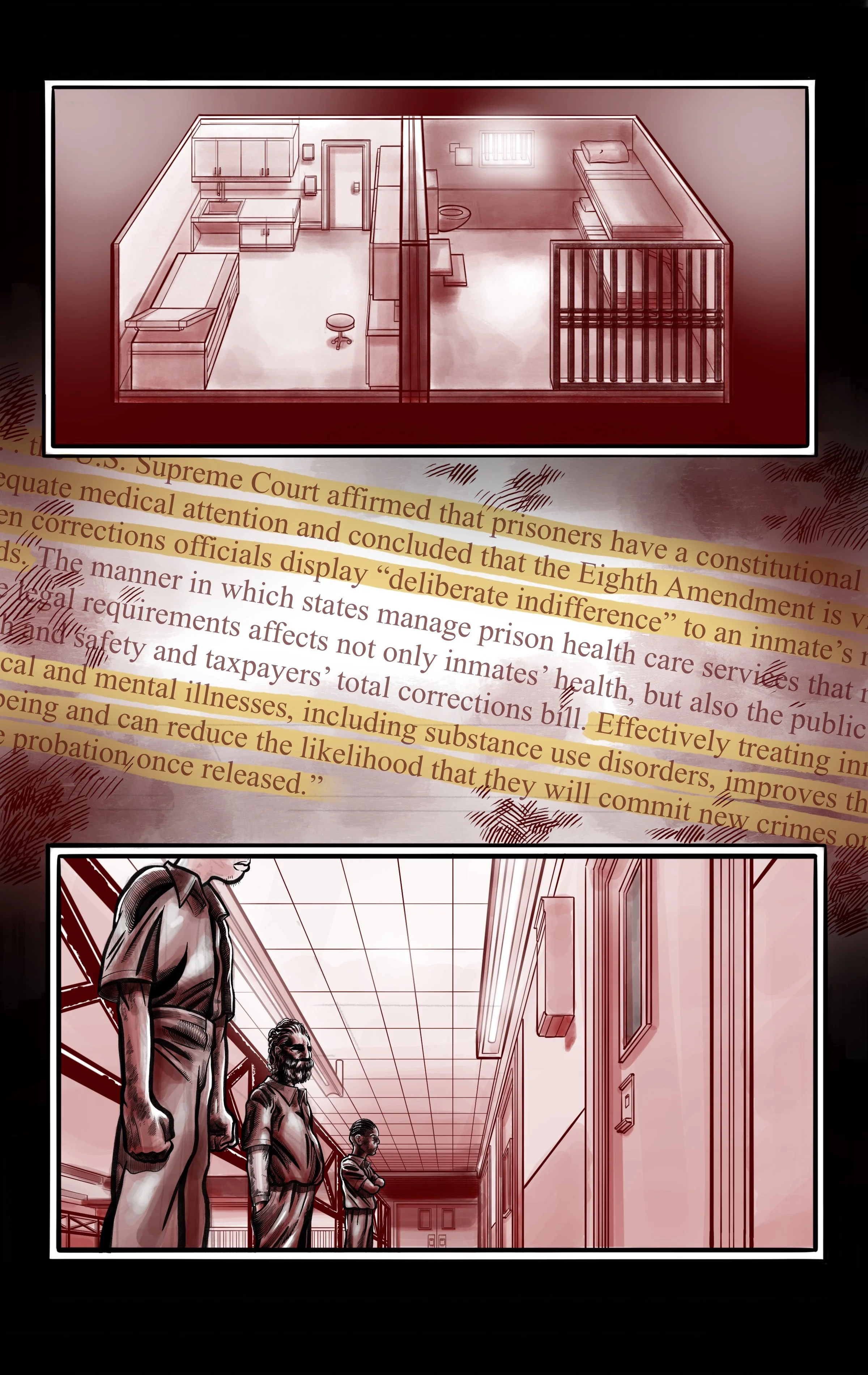
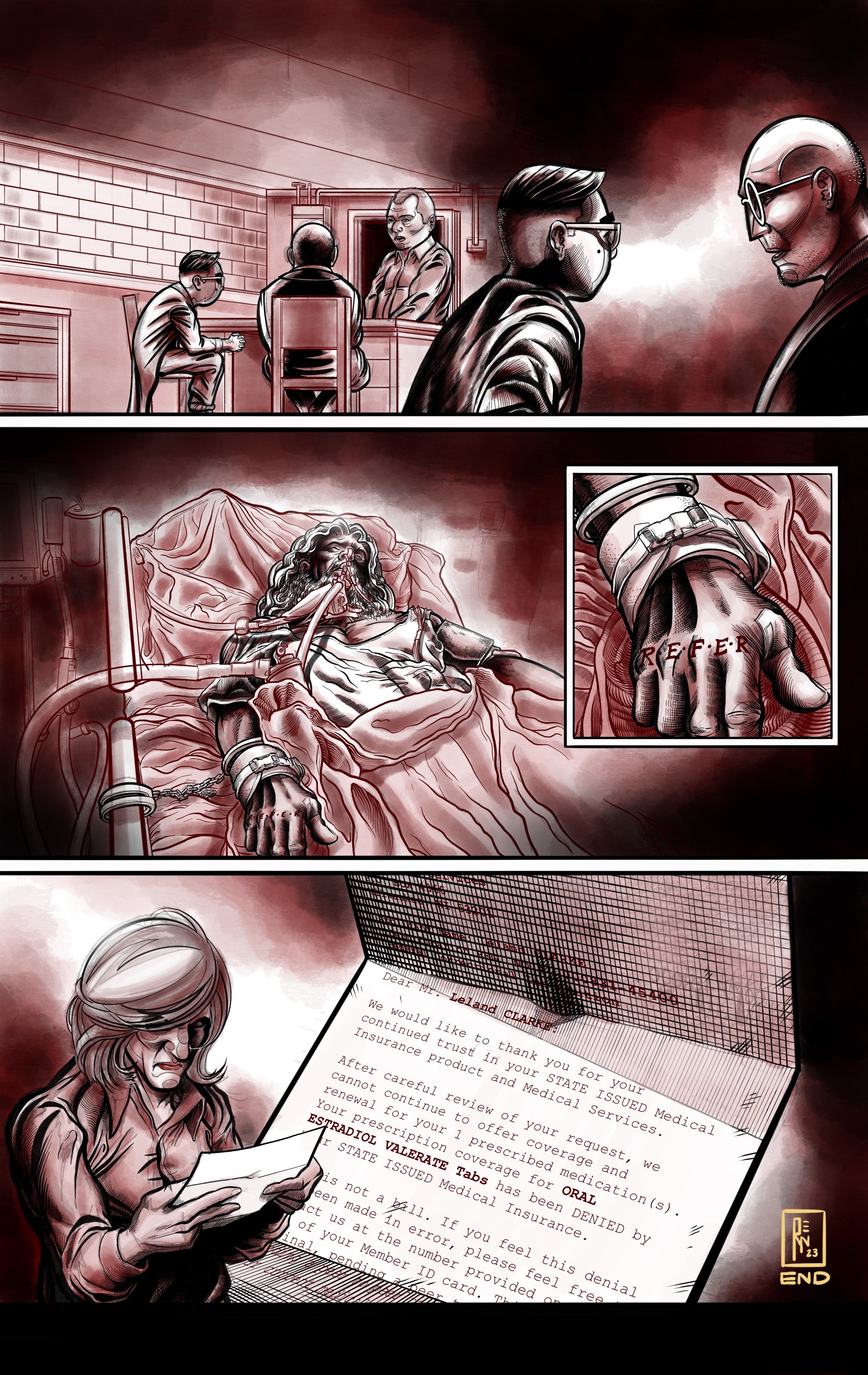
All told, I’m an illustrator and commercial artist who draws comics. On one hand that can be seen as a limitation on the expressive capabilities of the work, but I believe that these limitations (of print technology, or reproduction, of the size of the comic book page) compel the artist to become much more creative to accomplish their goal. Similarly, the emotionality of the art is the only way to engage the reader, and I believe the reader can sense the emotion of the artist in the creative process. Emotion plays the largest role in the development of the concept of a comic, and in the writing and what I aim to express. As for the execution, I’d argue that the emotion comes from the idea but the process of making art is repetitious and monotonous in the best way – it allows me consistency, it allows the work to be completed, and it allows me not to be frustrated when I don’t have a successful session.
Exhibiting Work
How do you feel about exhibiting your artwork with The Holy Art Gallery, and what does this opportunity mean to you?
I’ve never had the chance to exhibit my work before. It is a dream, and to be able to see it alongside other artists, and to engage with others, is incredibly exciting. I can’t wait for the opportunity.
Future Goals
What are your long-term goals and aspirations as an artist, and how do you plan to achieve them?
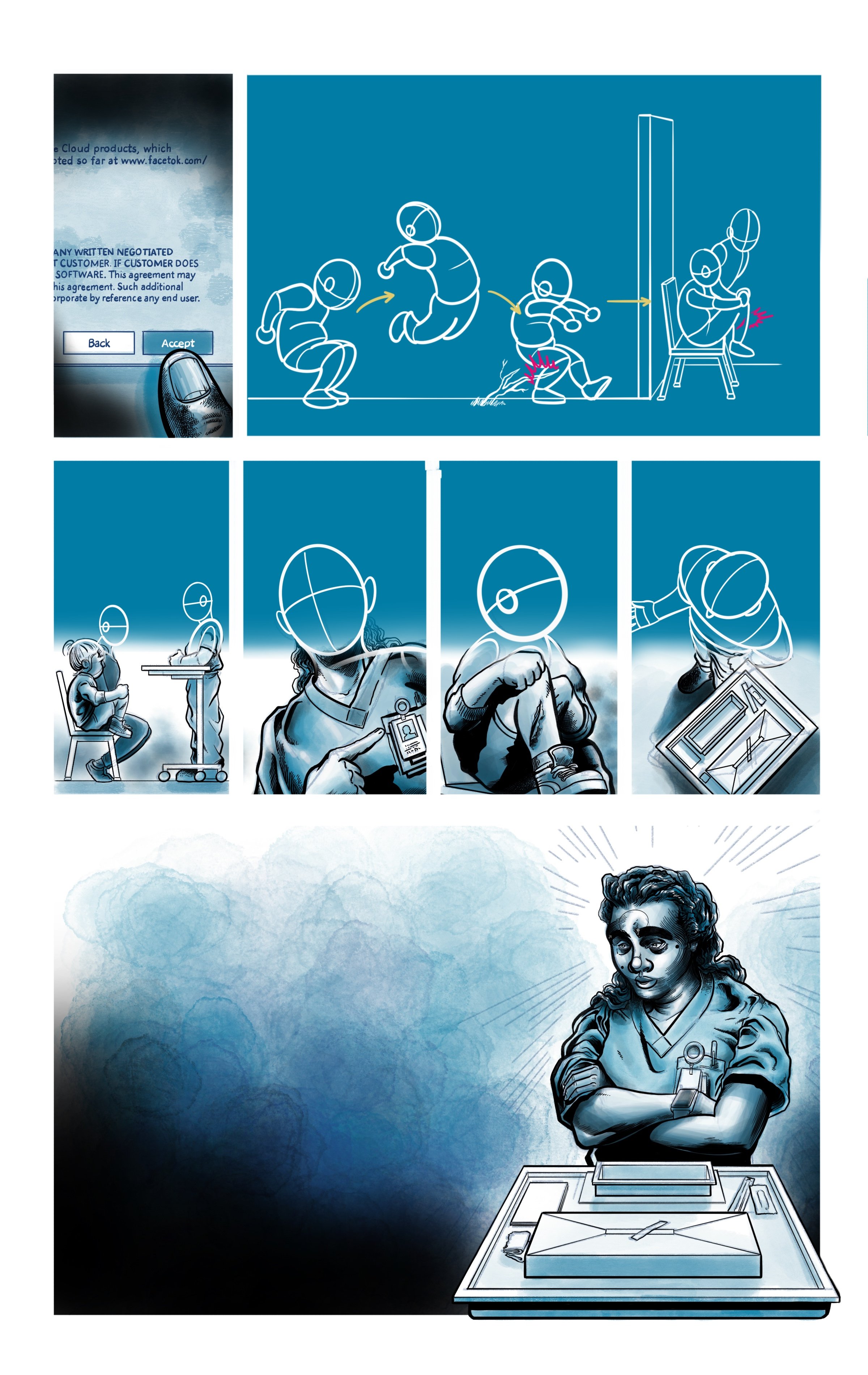
My long term goals are to keep making comics and comic illustrations as long as I can, and not get distracted by other aspects of art that take away from that time. While advertising and marketing one’s own work is always part and parcel of any artist, I don’t want it ever to supplant why I make art in the first place.
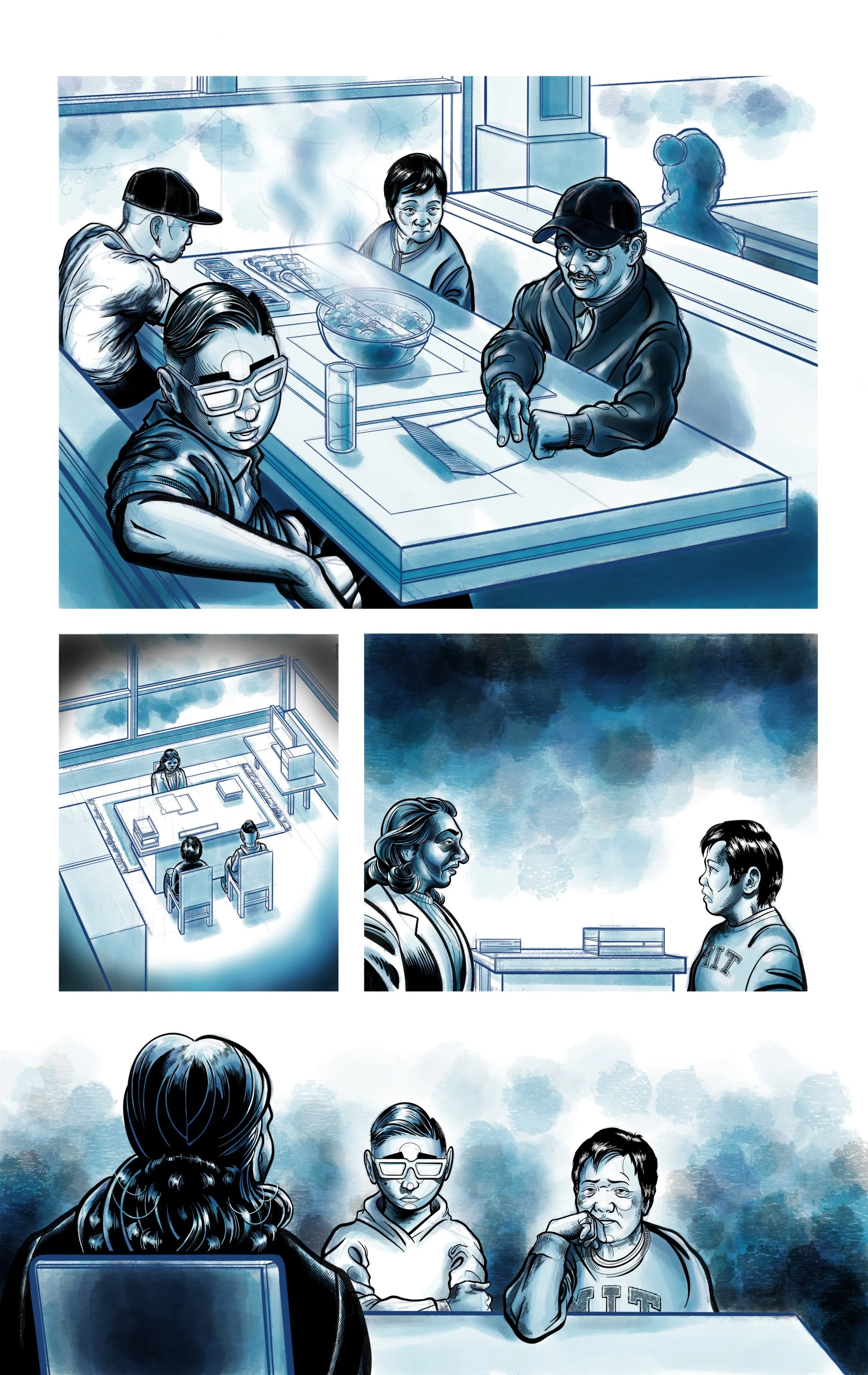
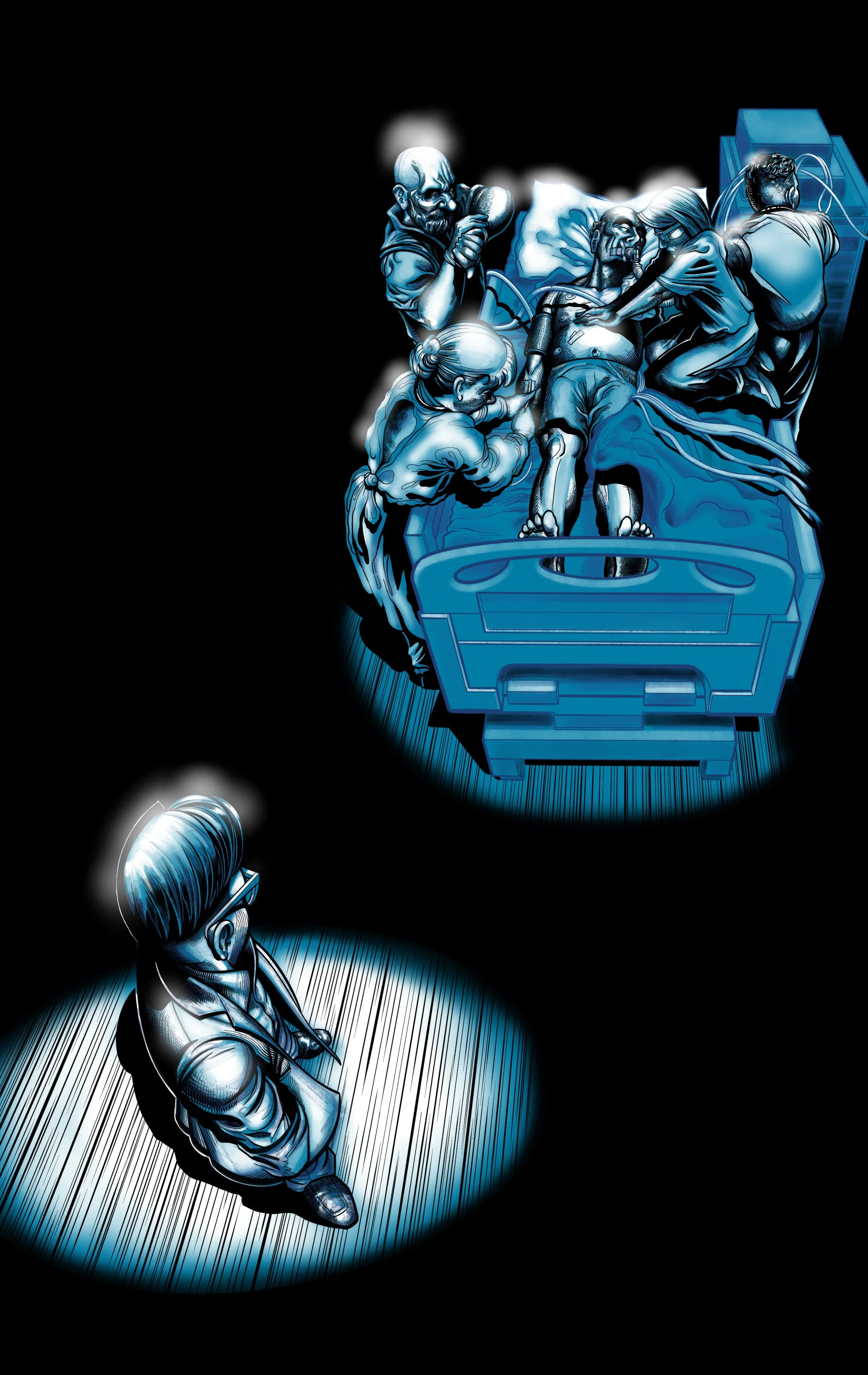
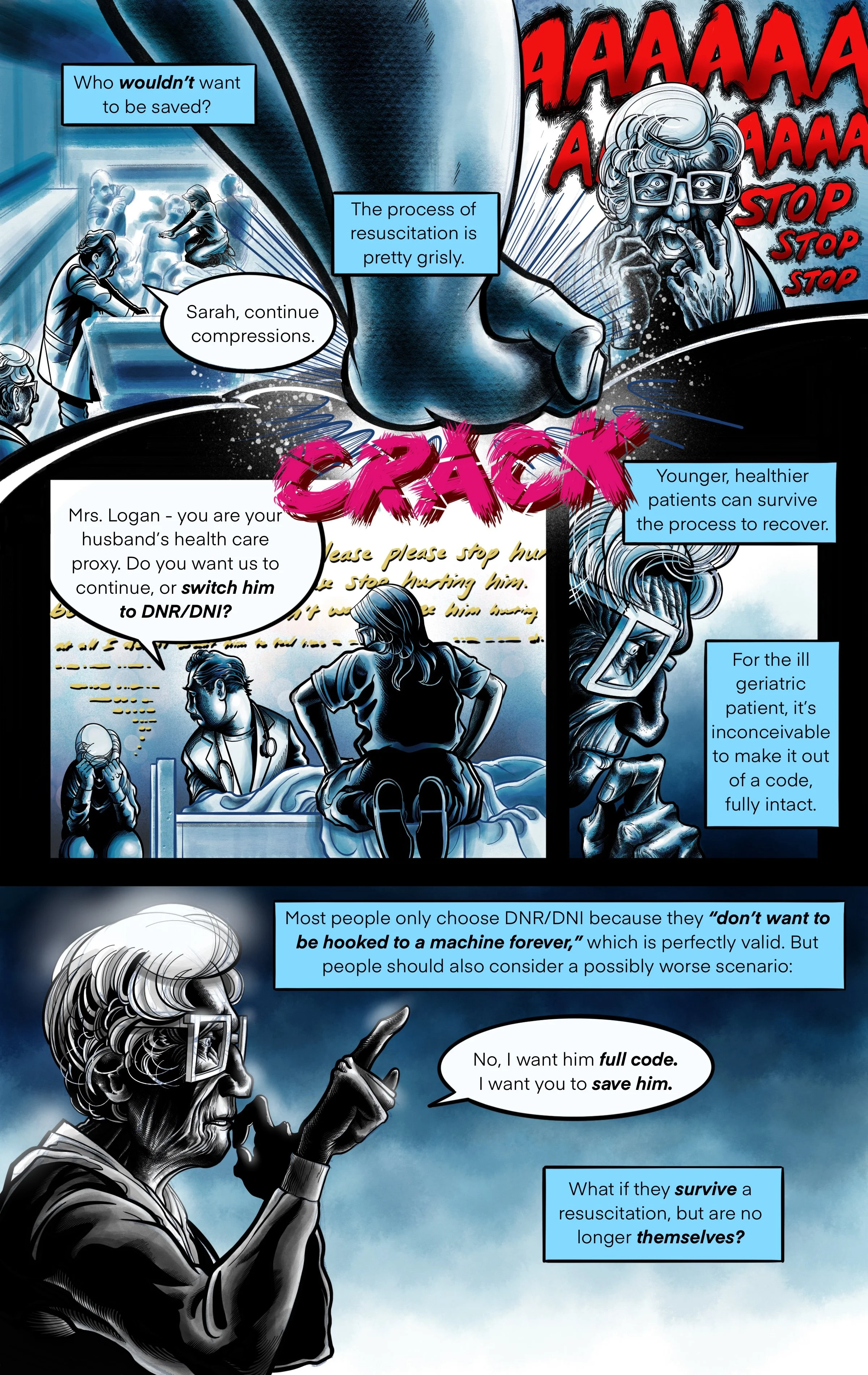
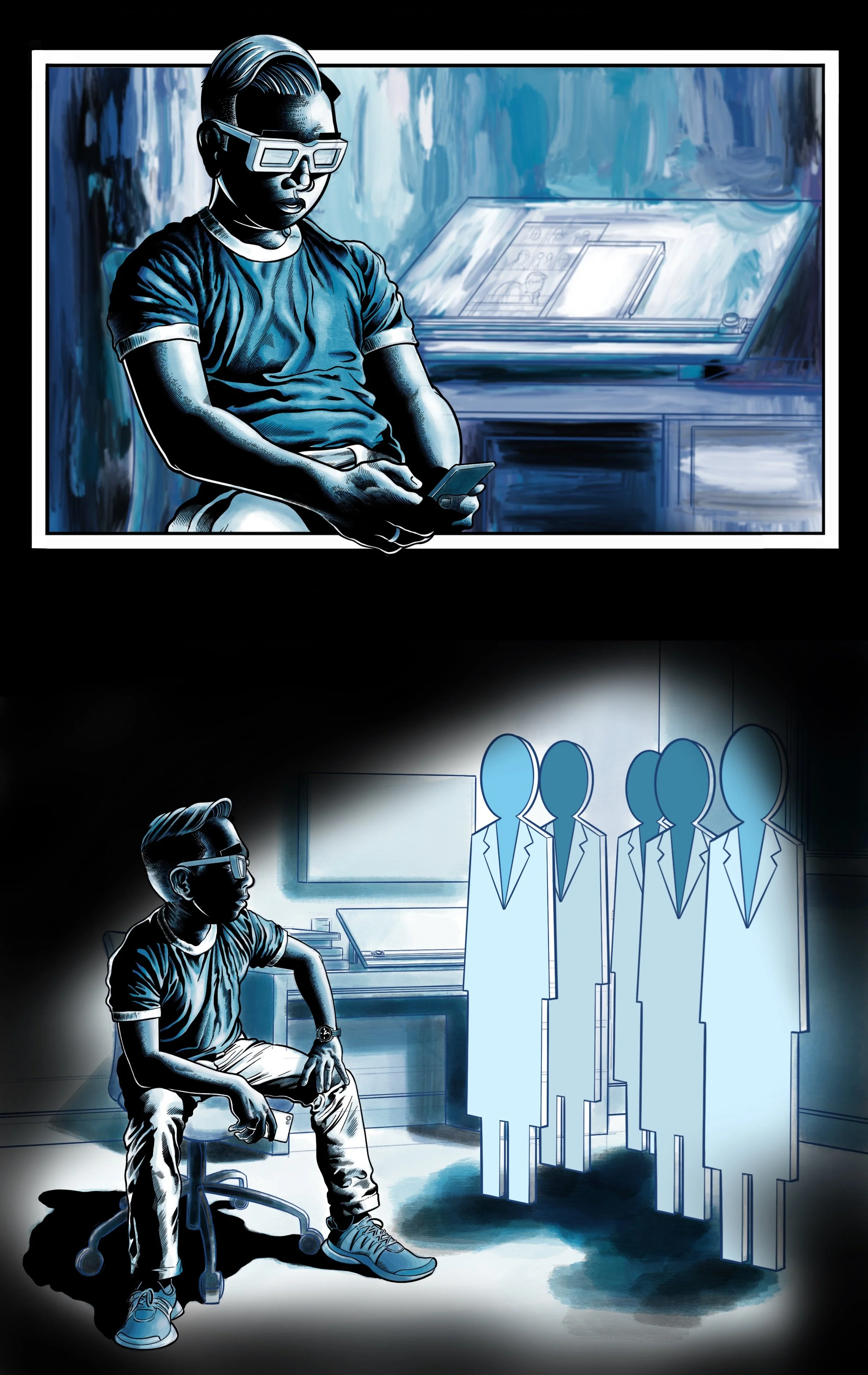
Audience Connection
What do you hope viewers take away from experiencing your art, and how do you aim to connect with them on an emotional or intellectual level?
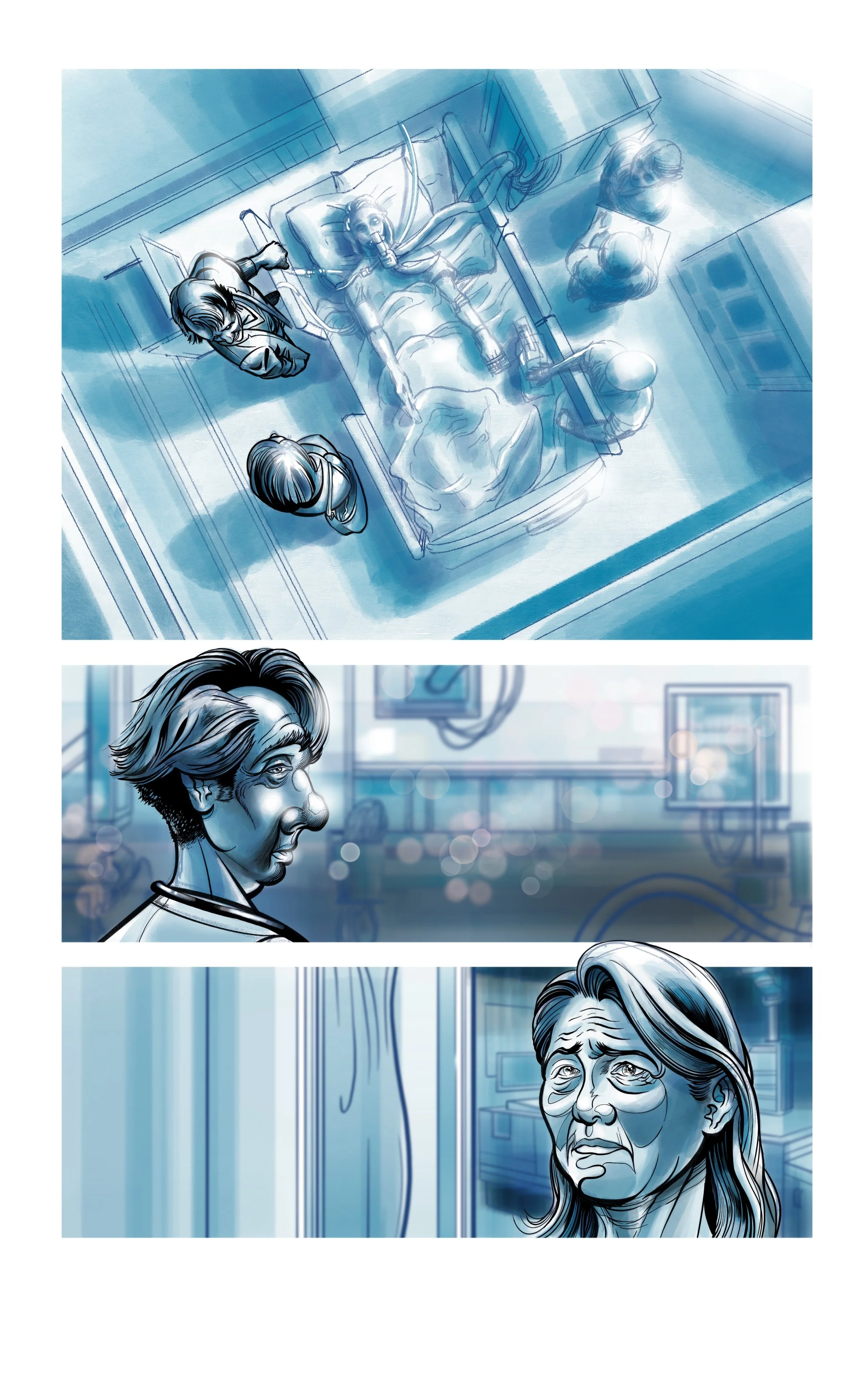
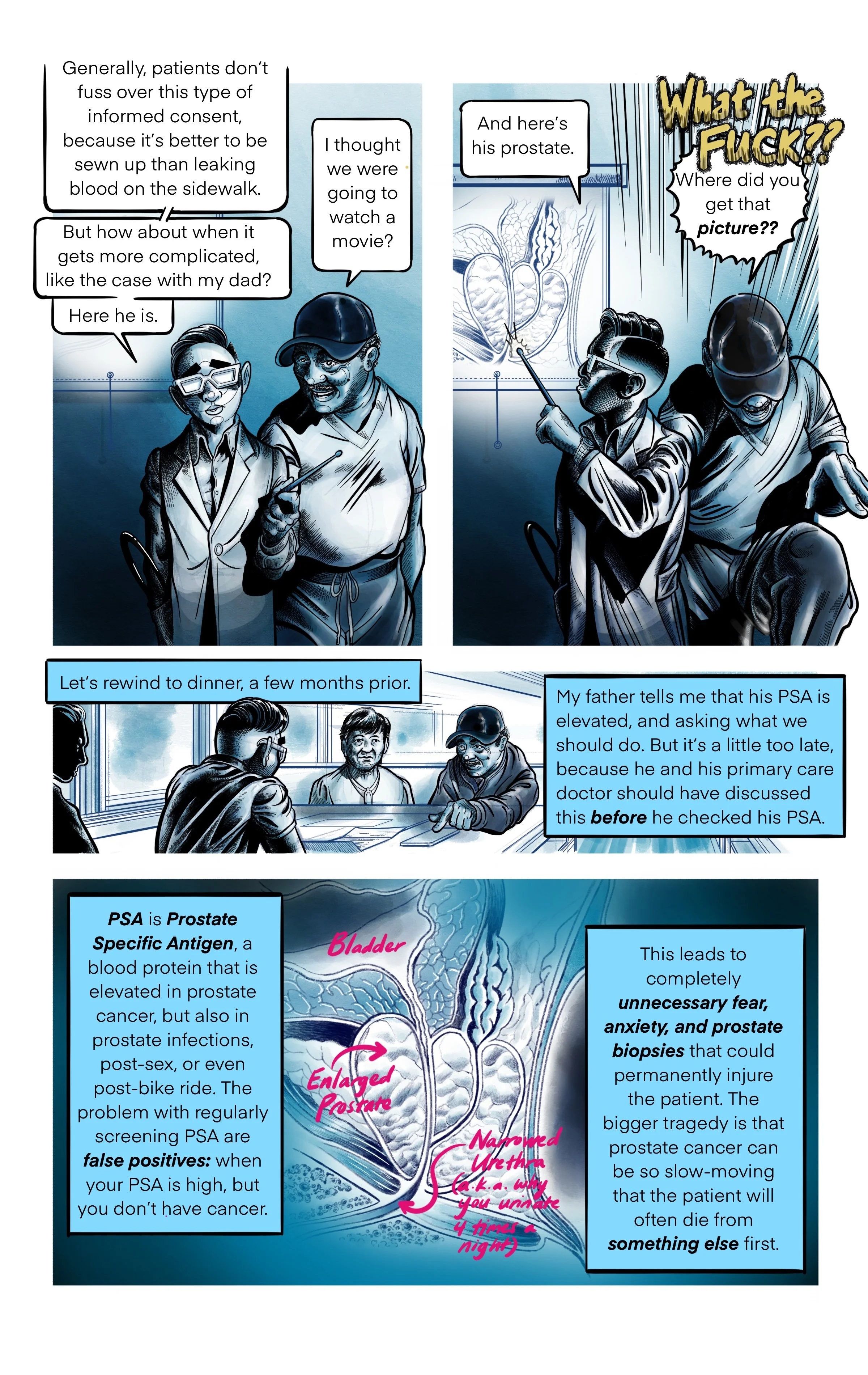
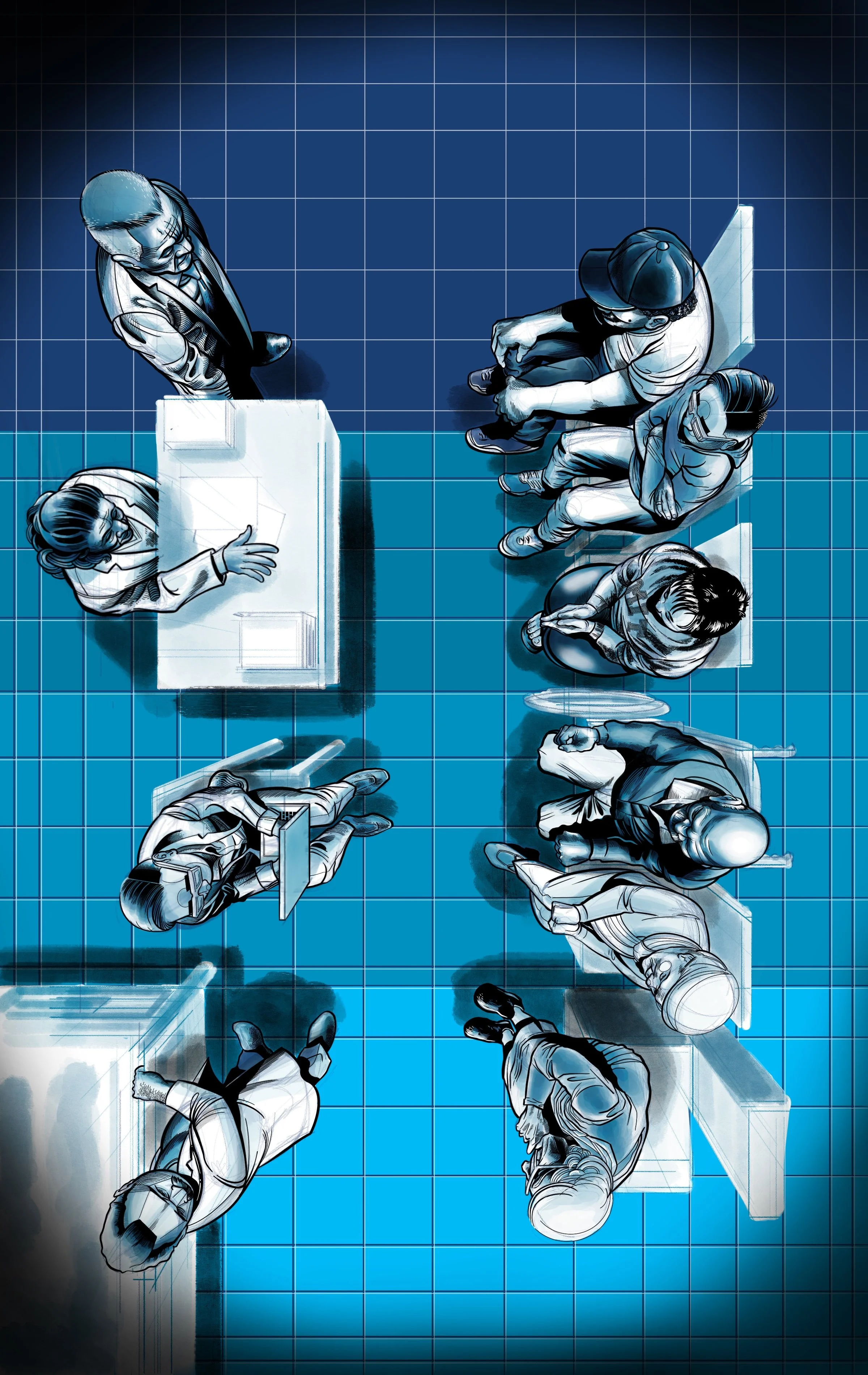
My comics and art can be taken fairly literally – in comics in particular, I am telling a story and hoping to connect with the audience through ideas. But for my illustrations, I hope to invoke the lines and styles of my favorite artists, and act as a connection or conduit between the audience and those masters. If I could ever interest or introduce a viewer into looking at the works of Moebius or Will Eisner or Paul Chadwick, I would be a very happy artist indeed.