Artist spotlight :Sandra Casado
Artist Statement:
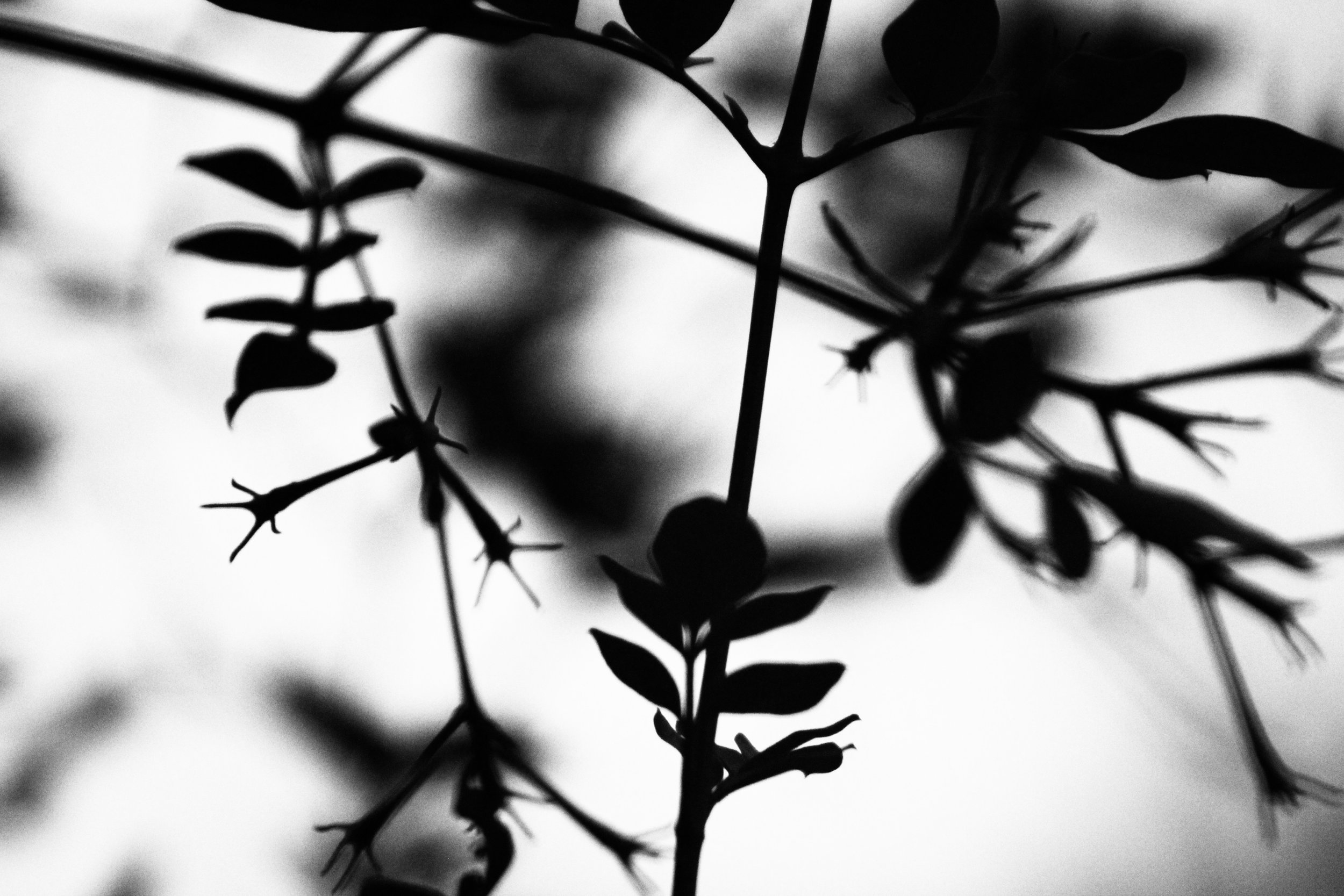
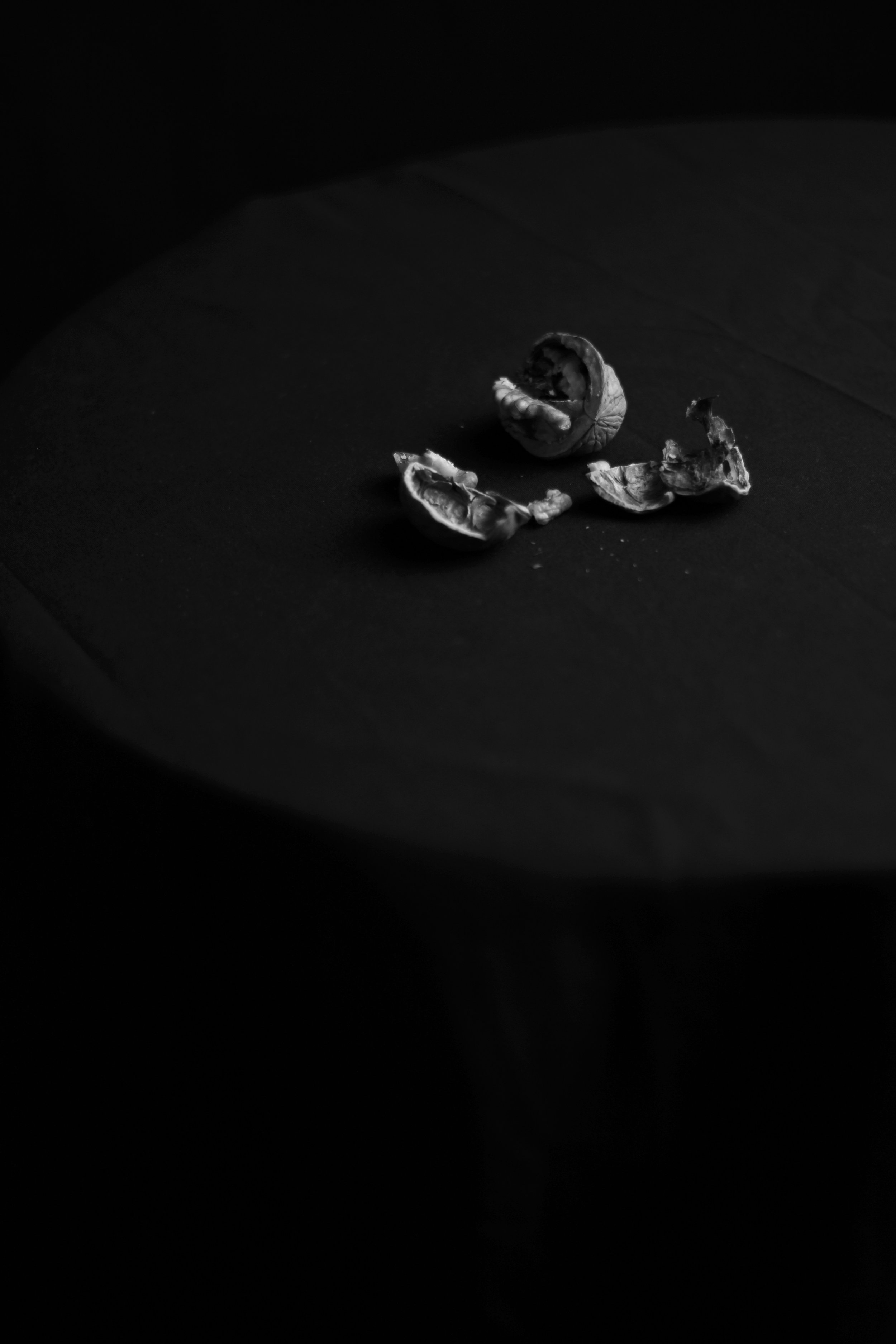
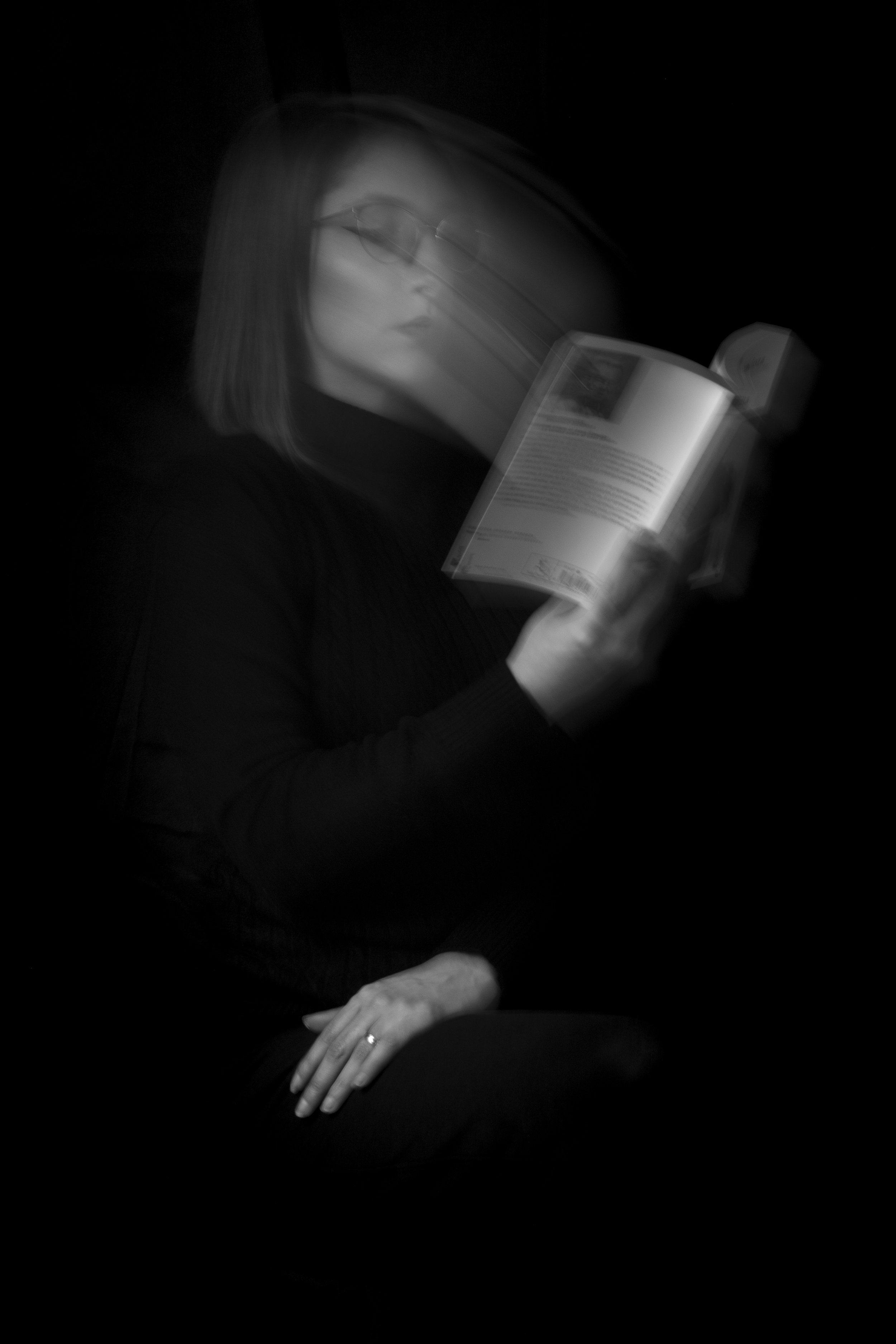
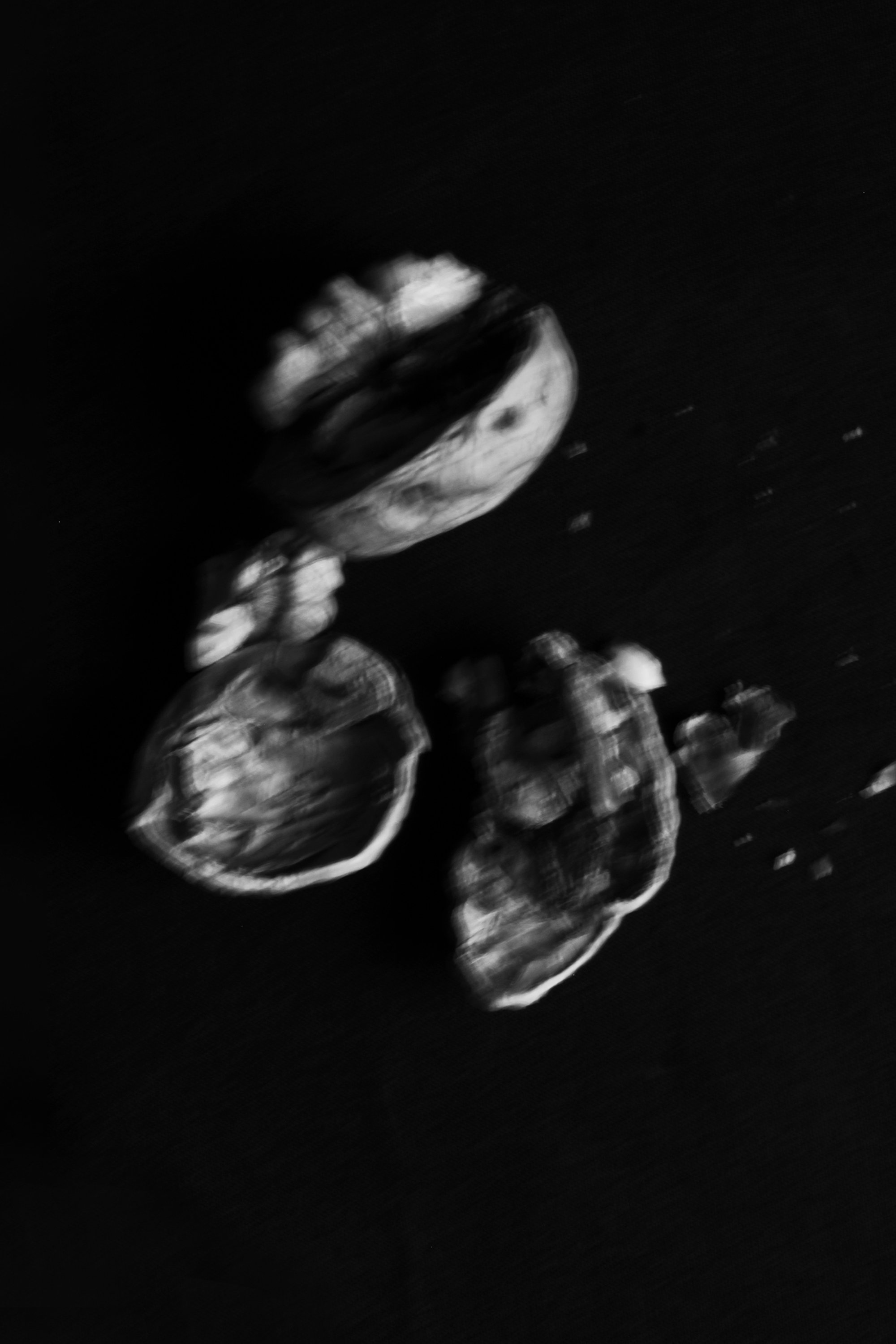
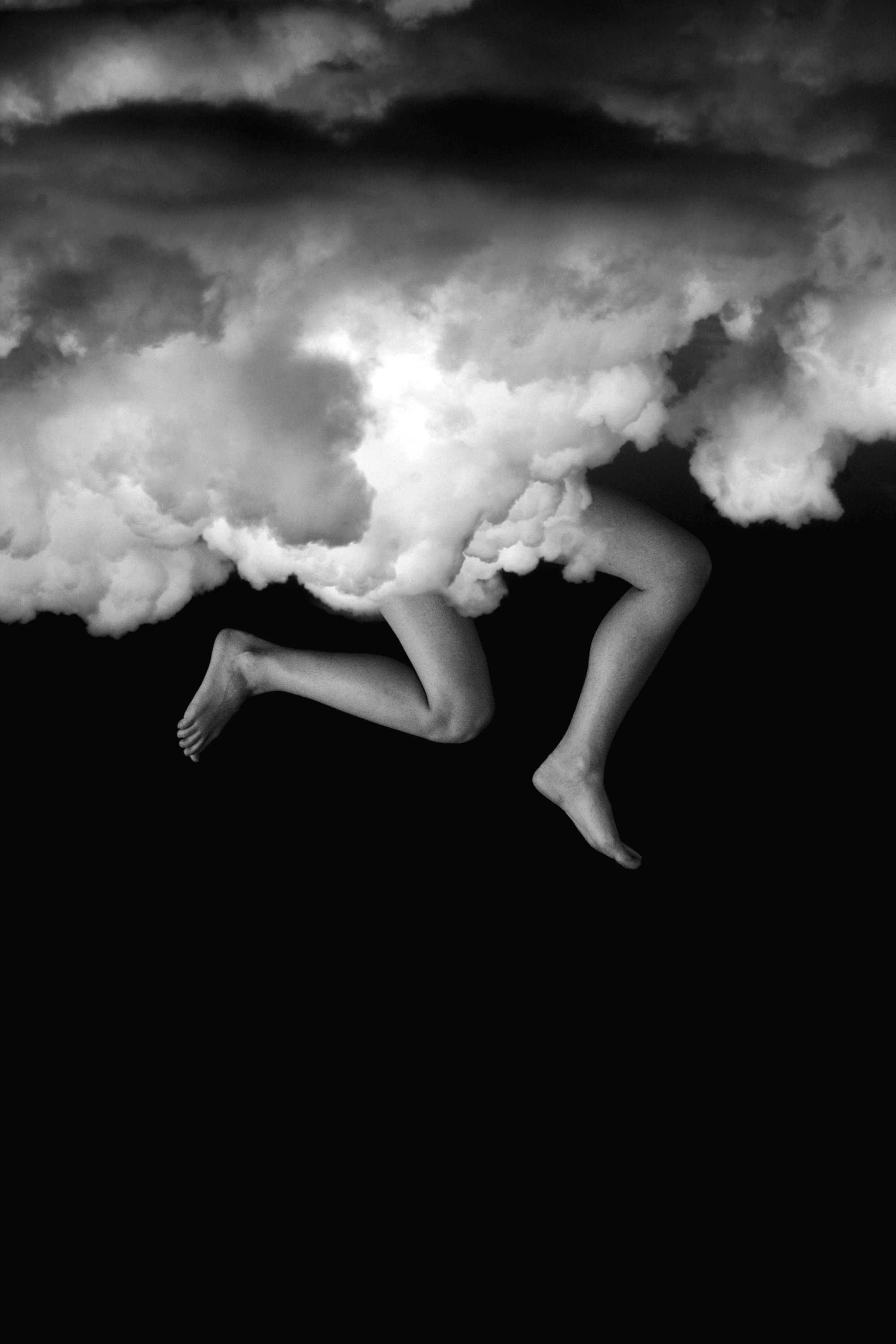
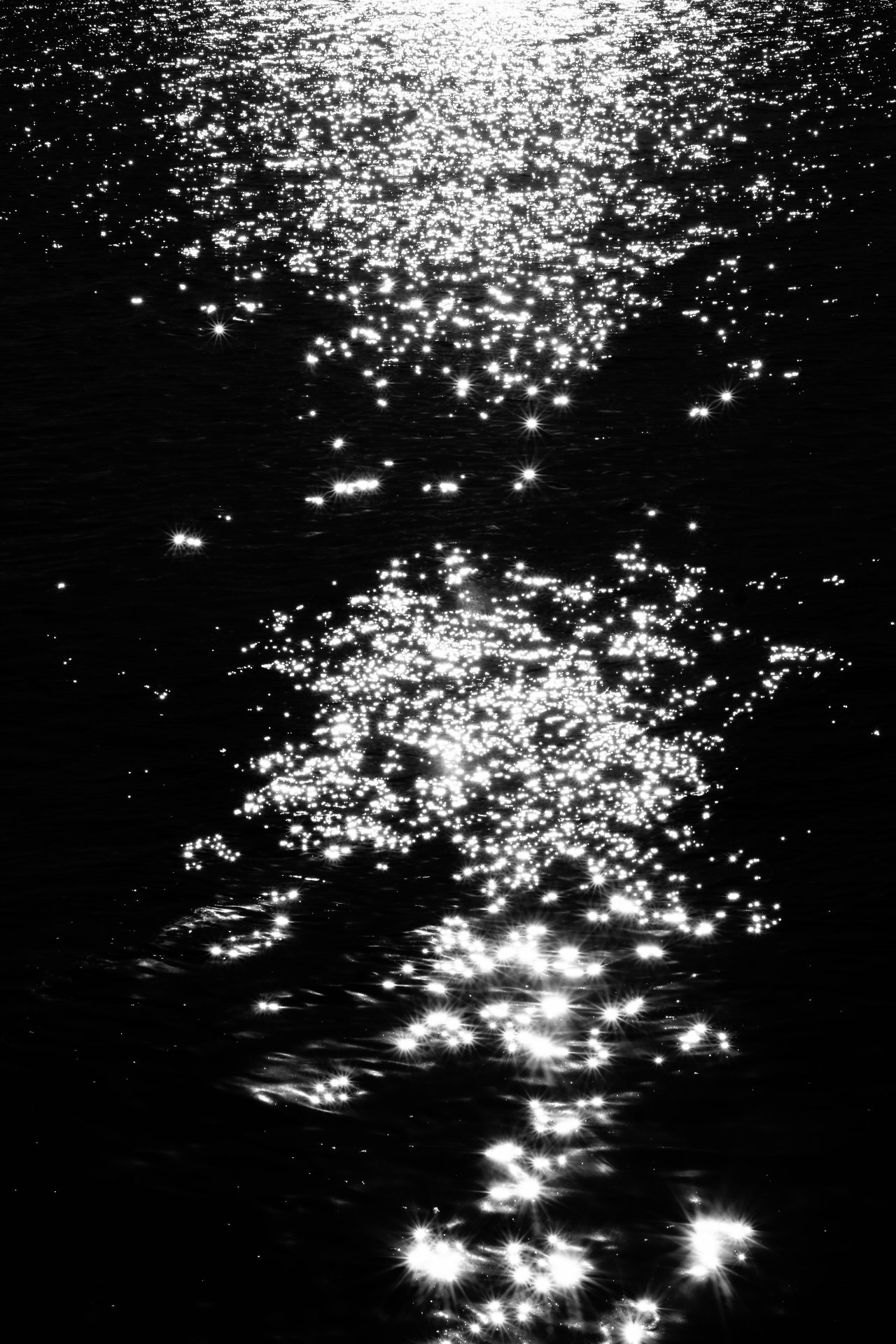
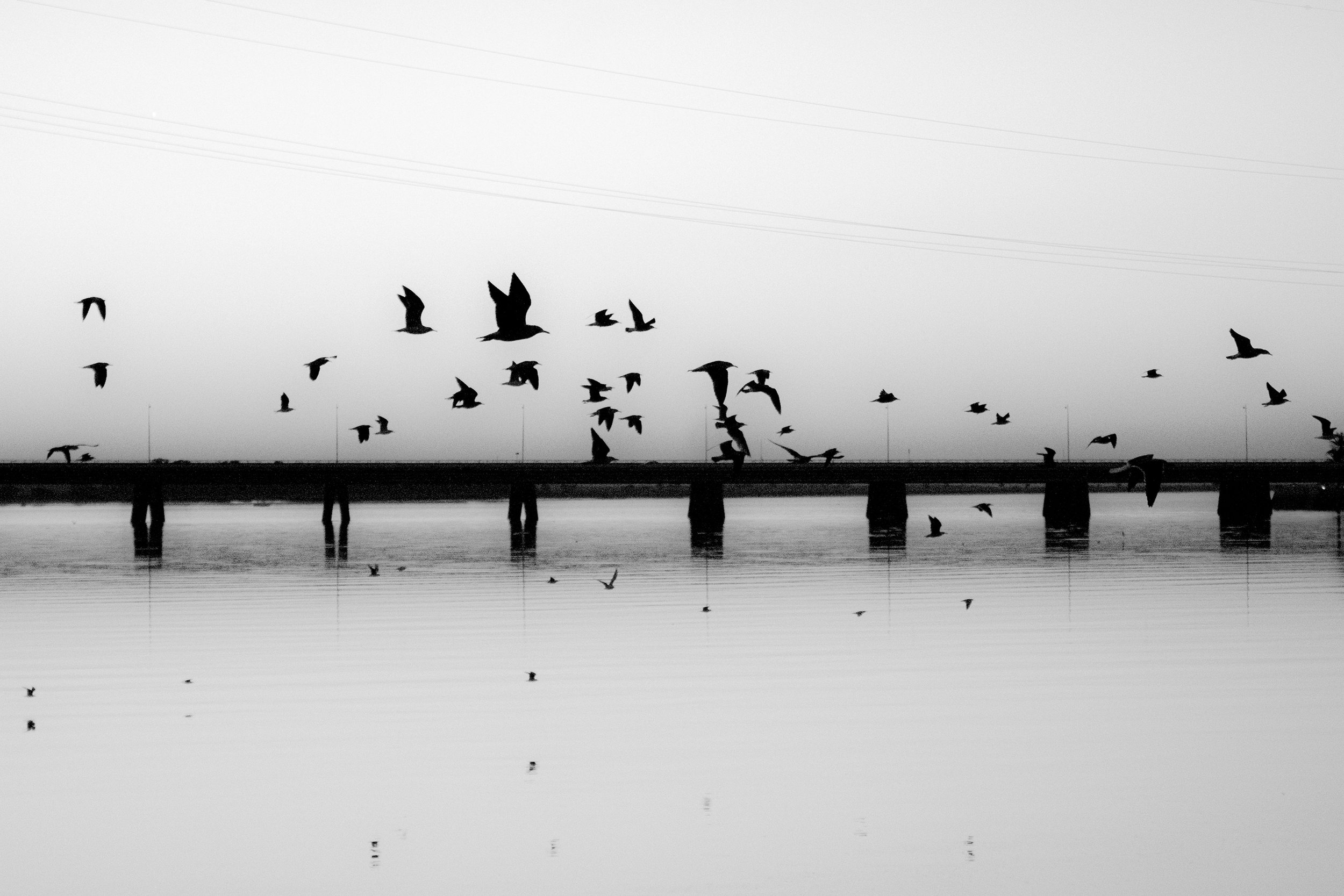
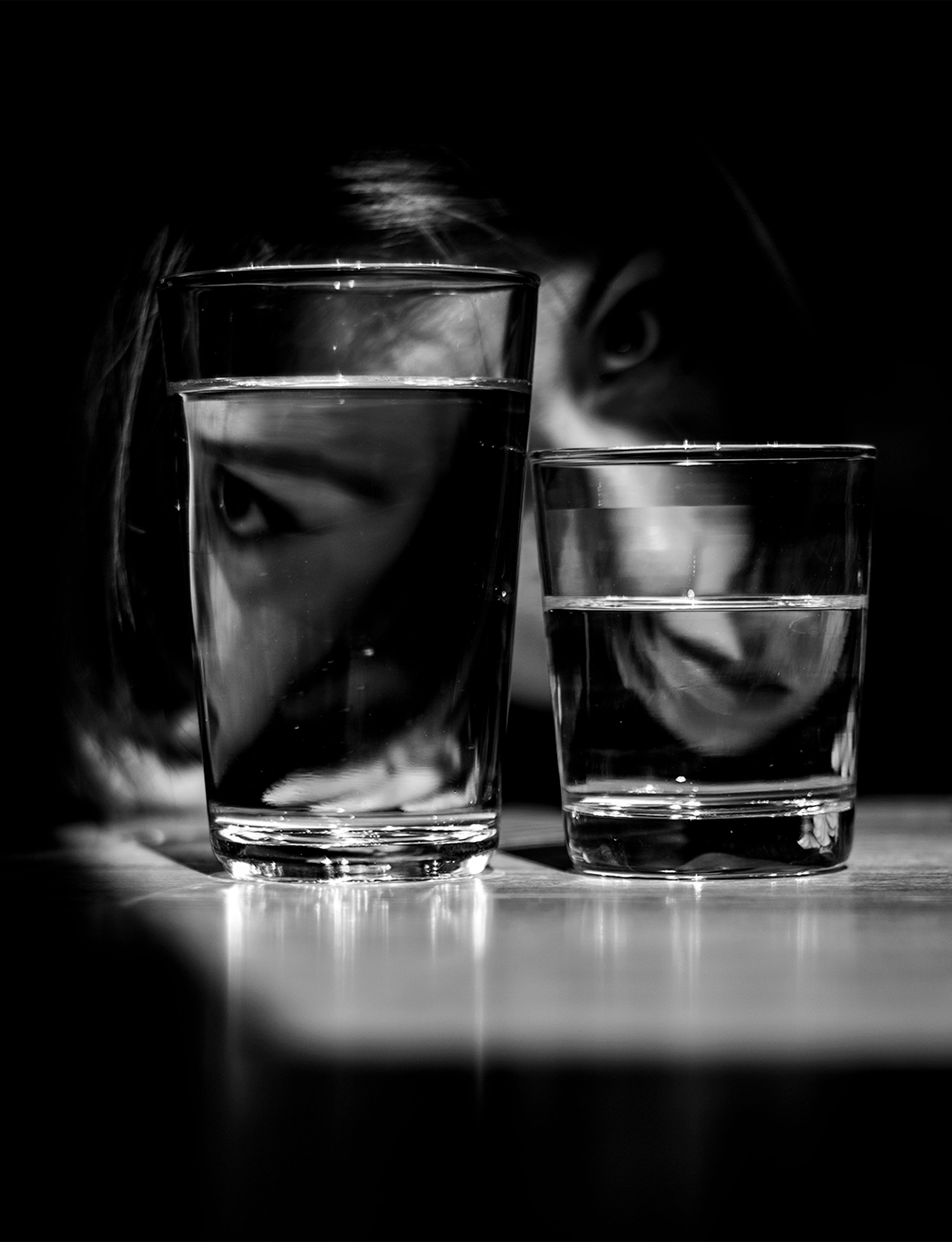
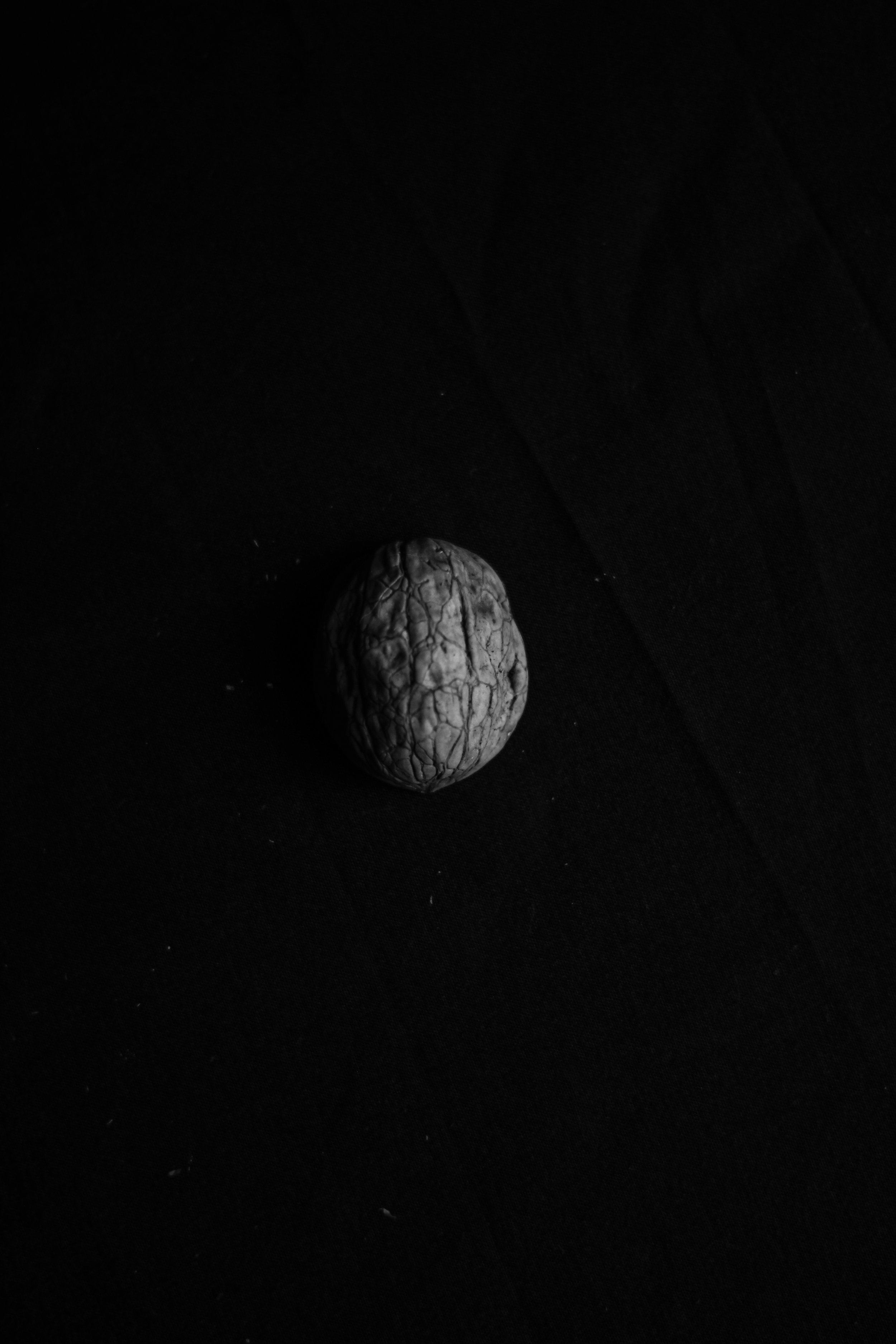
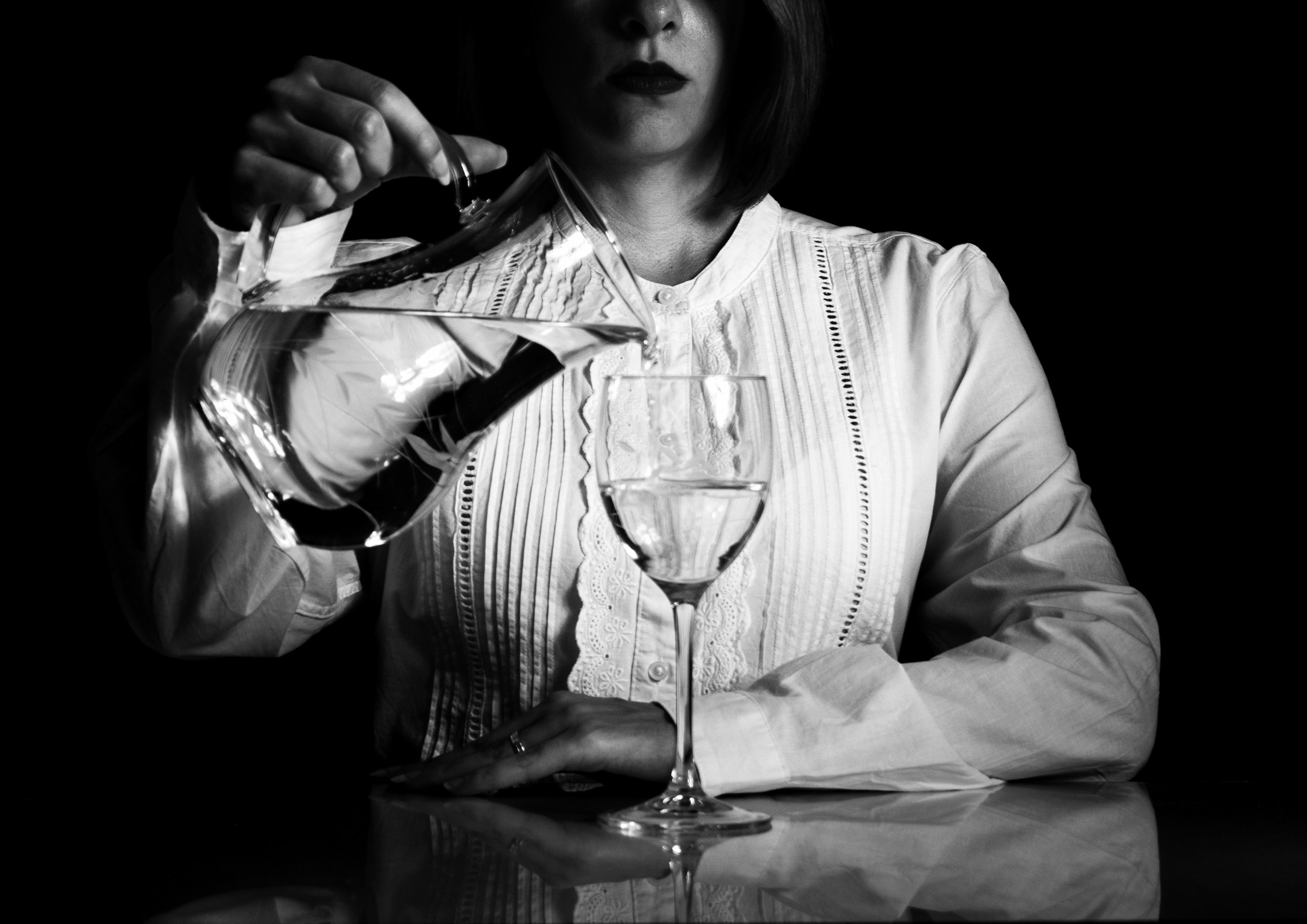
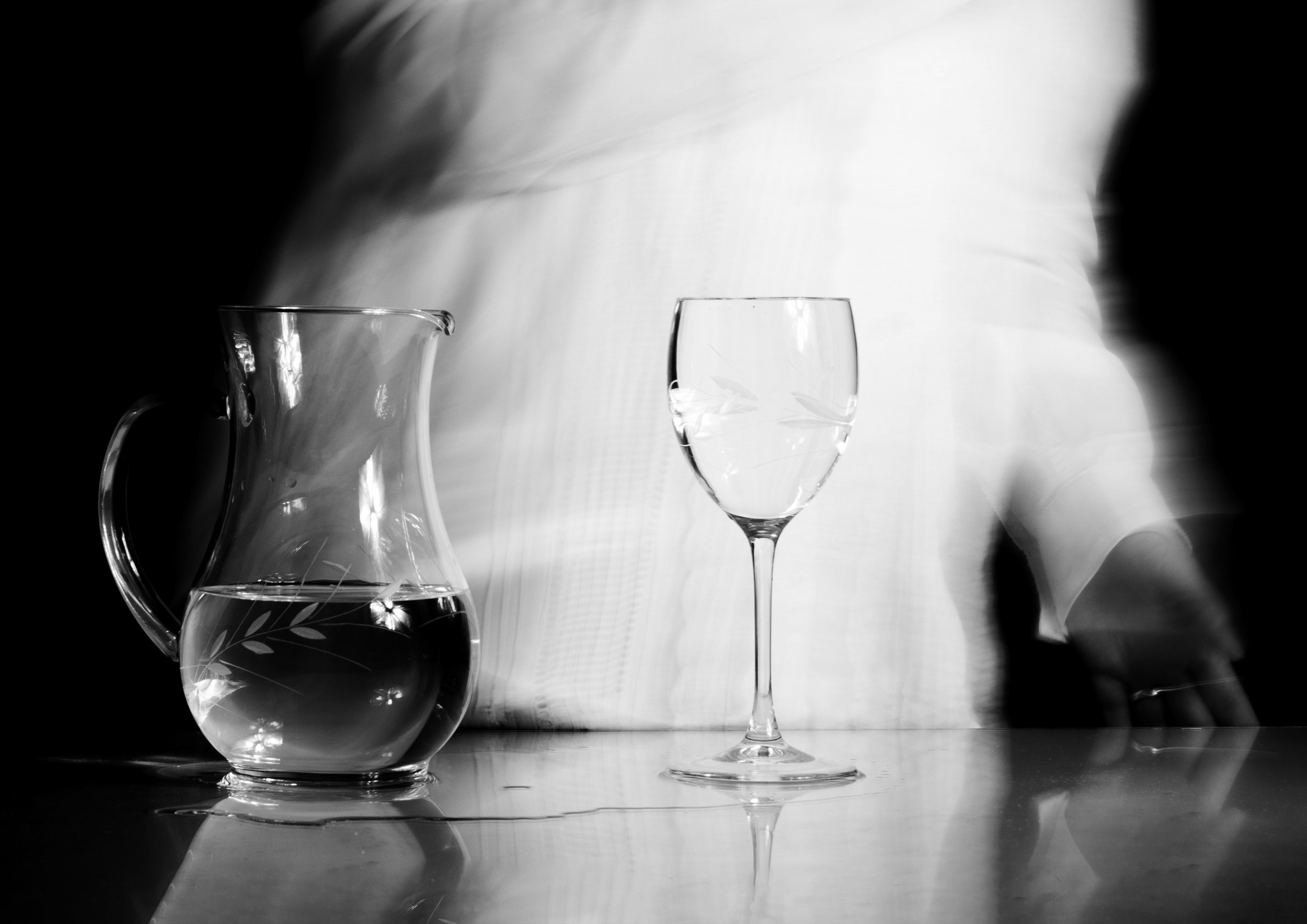
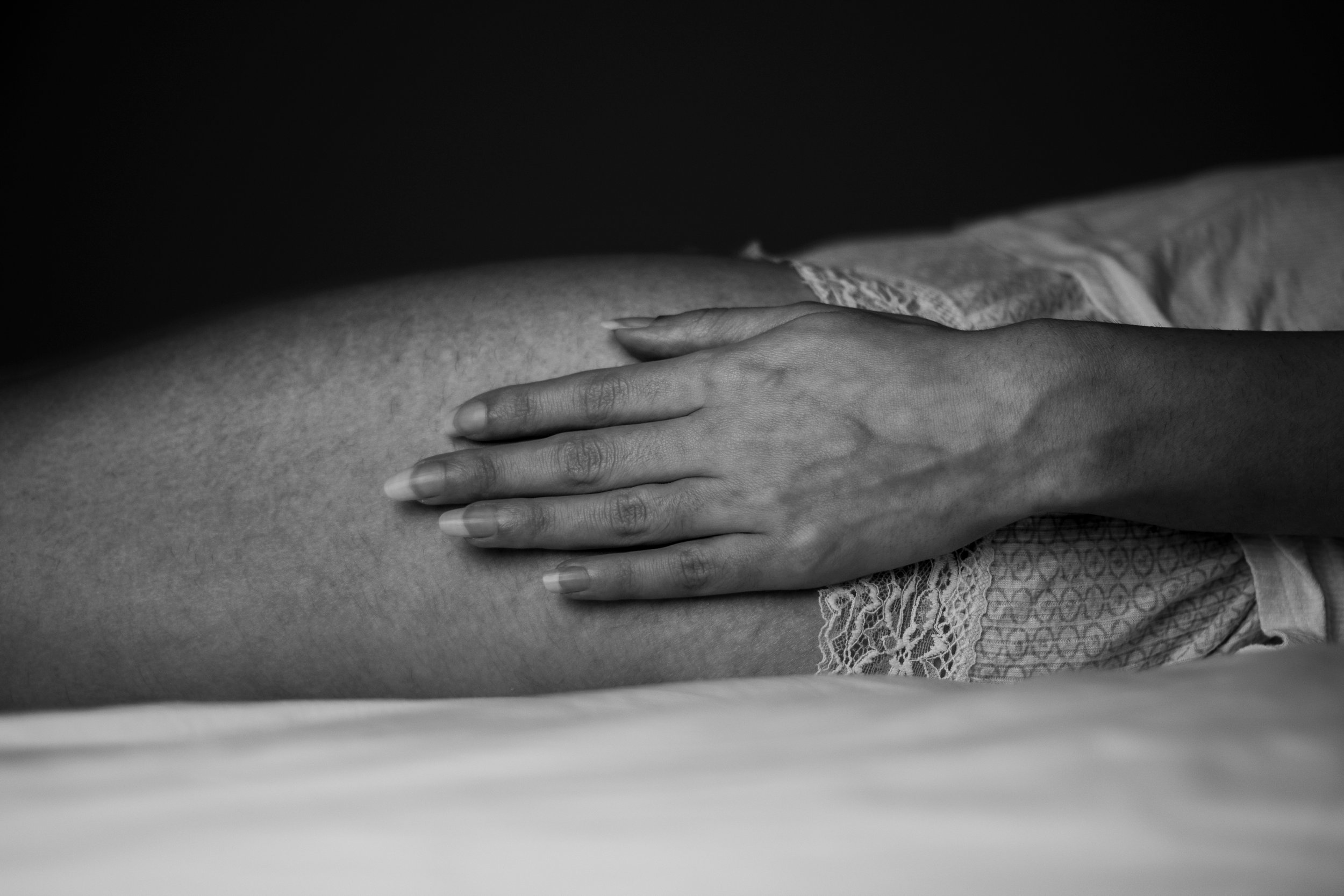
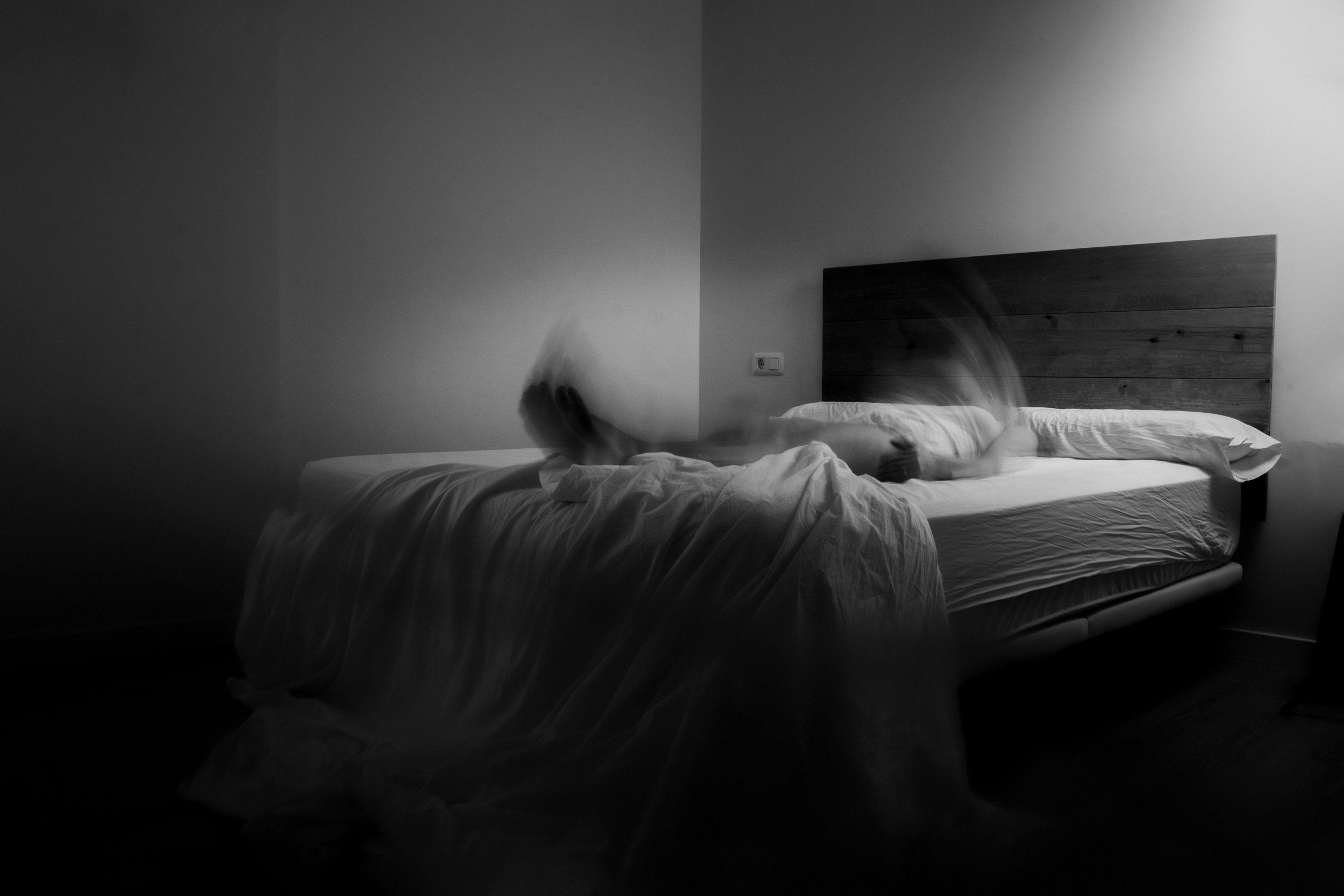
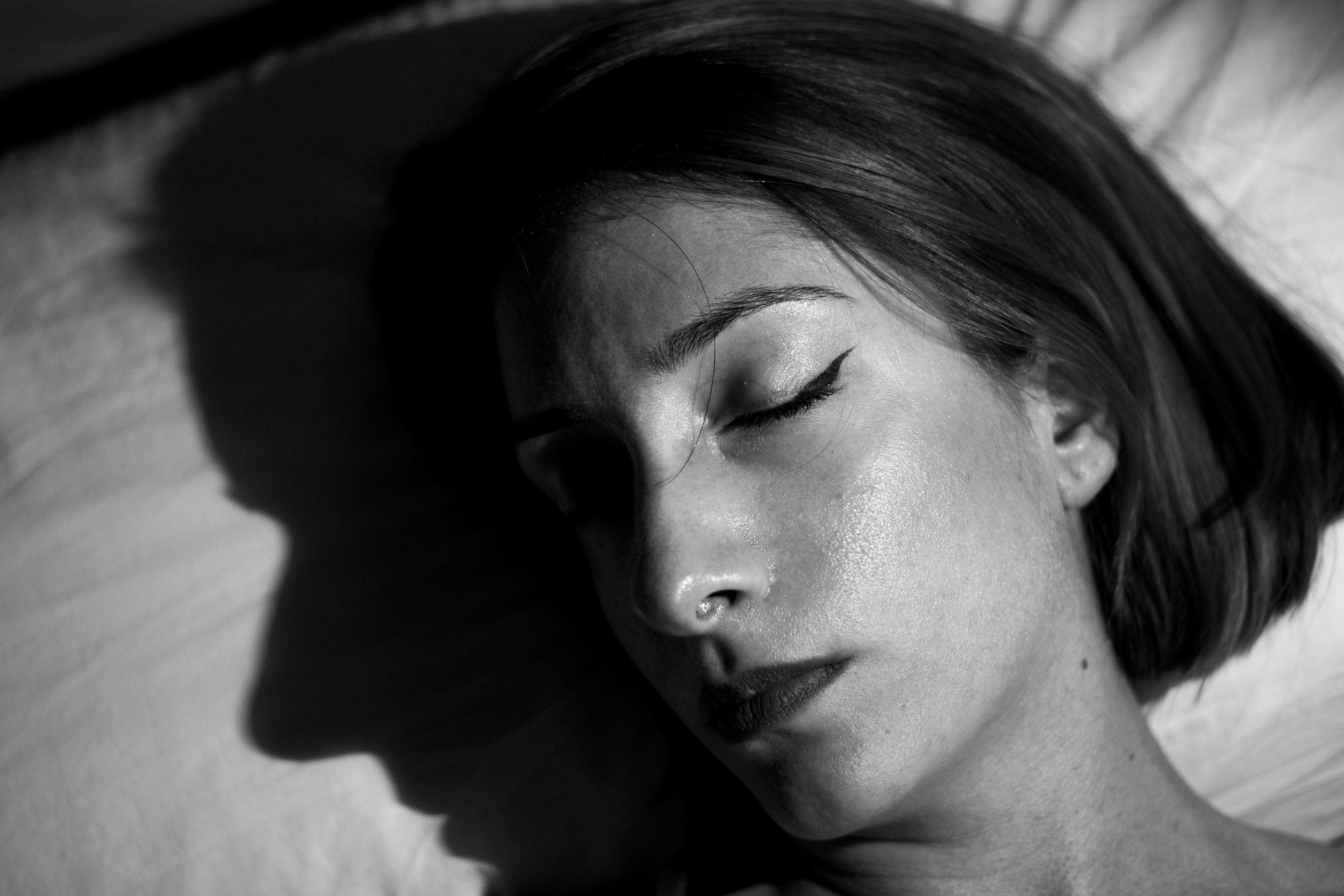
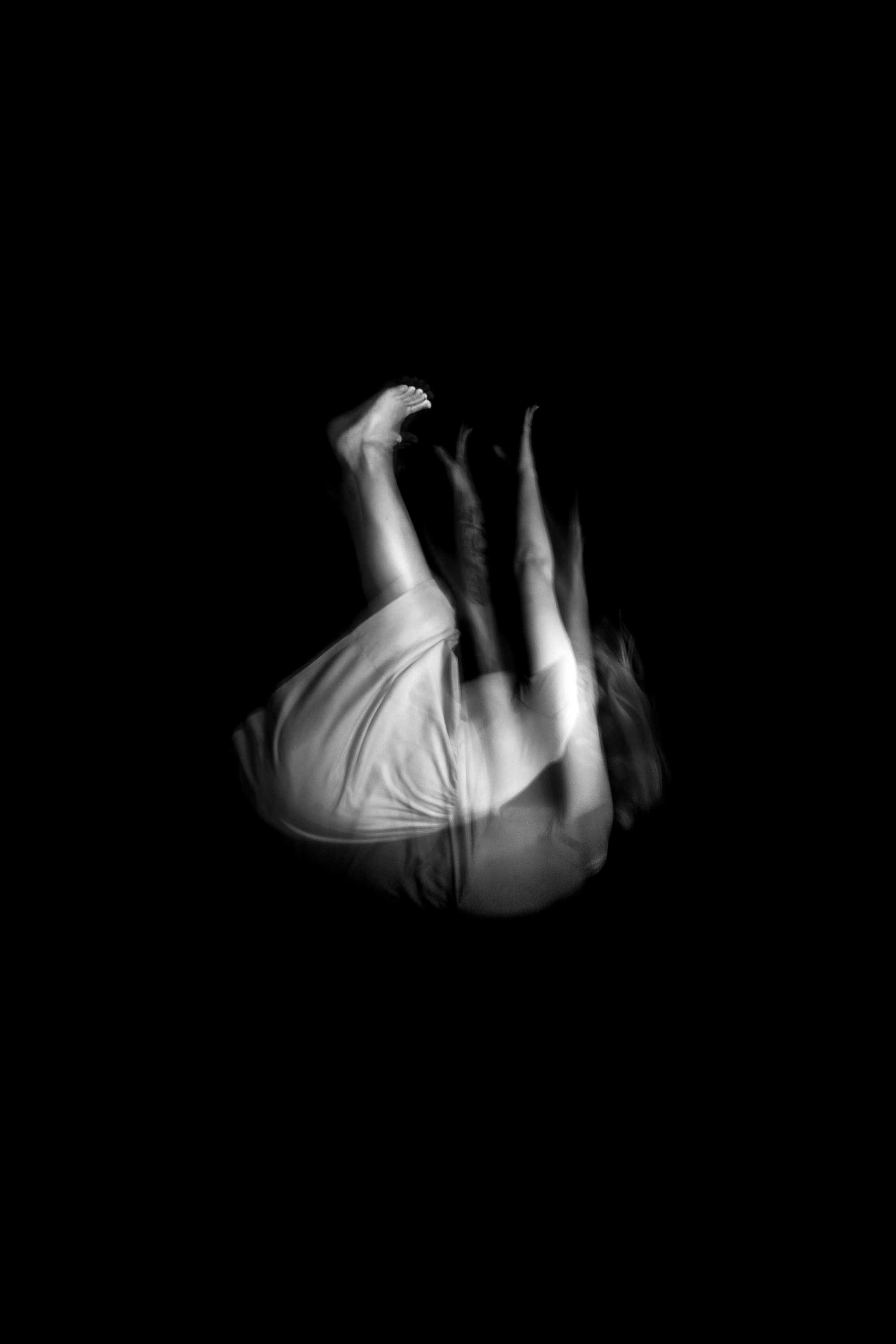
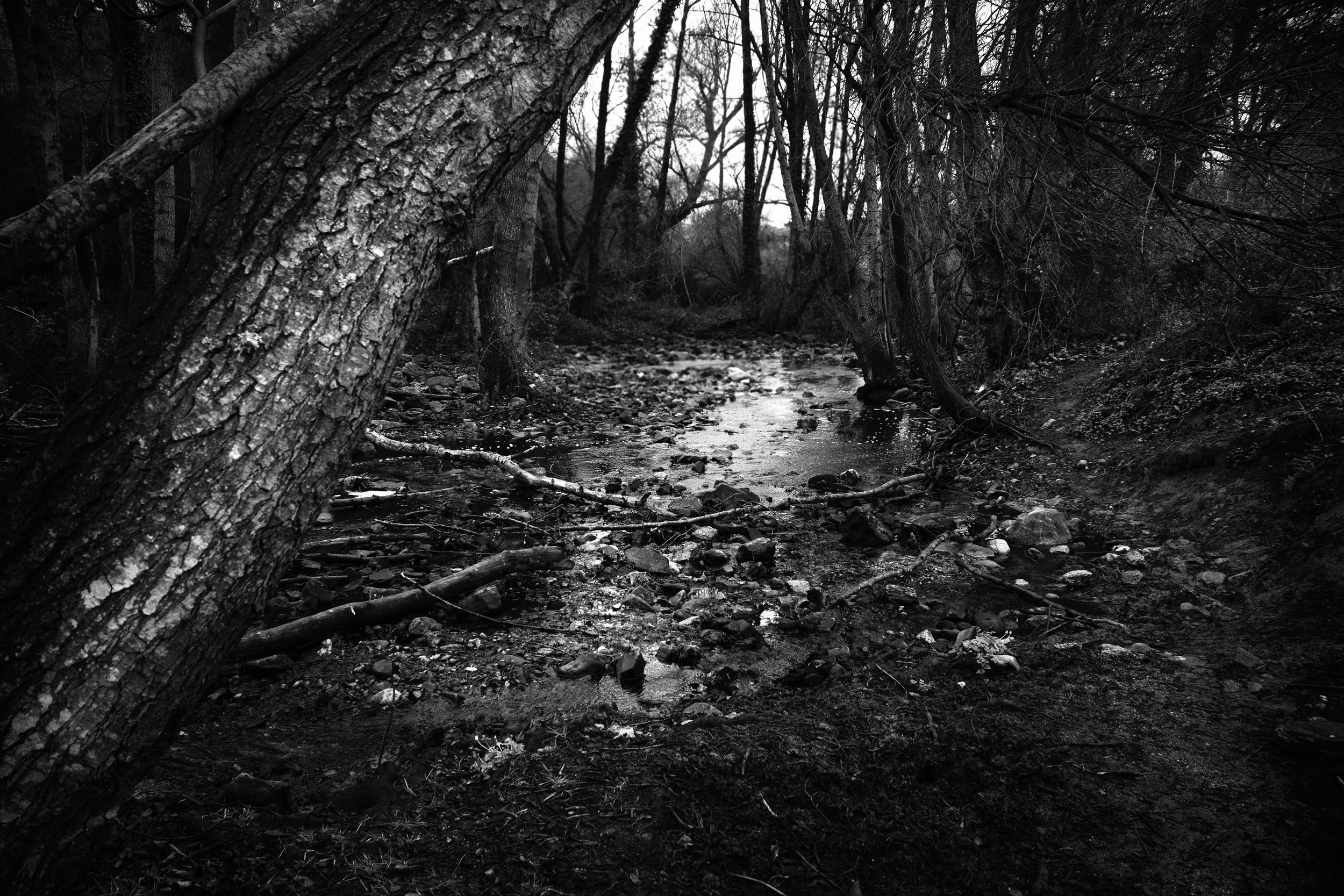
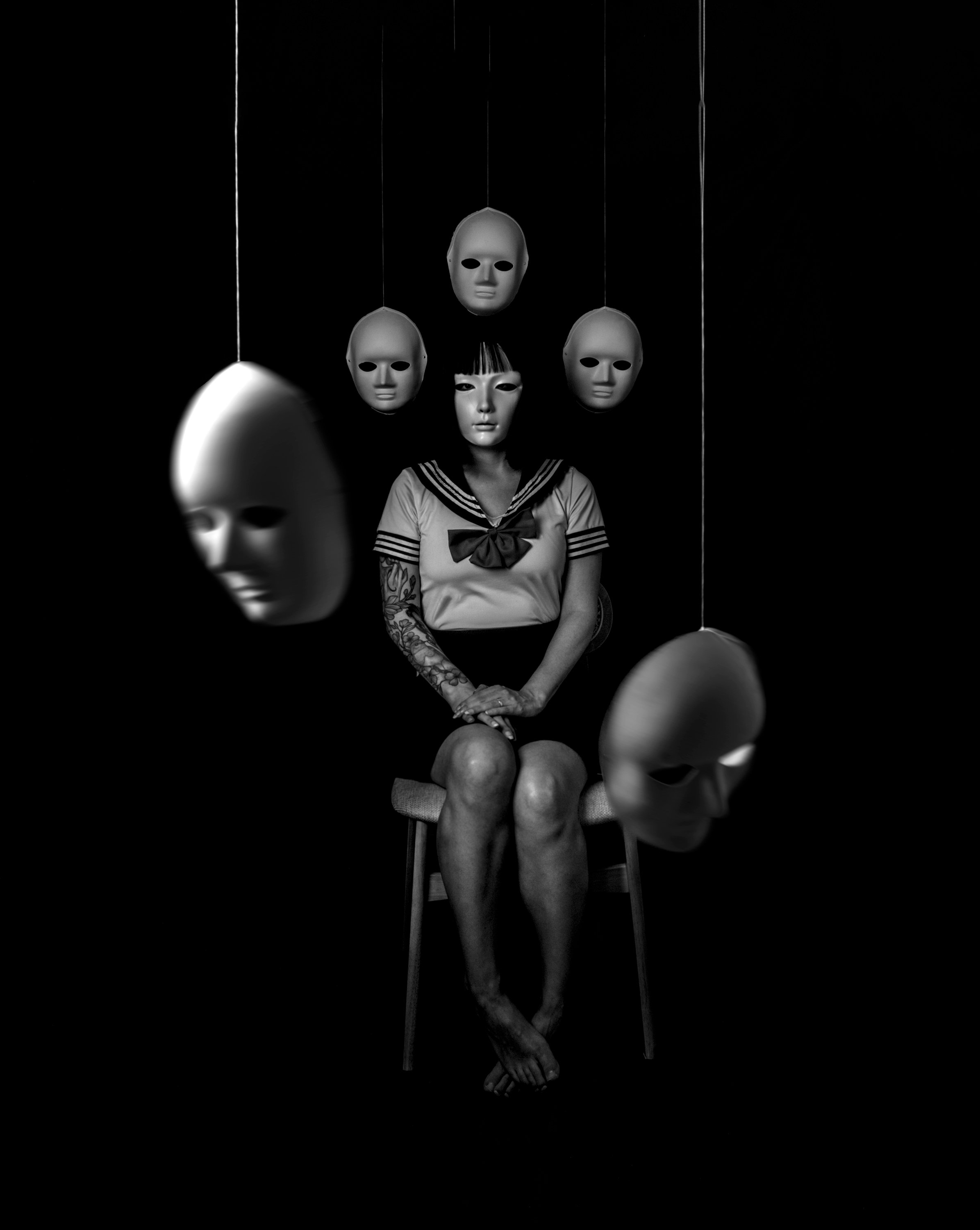
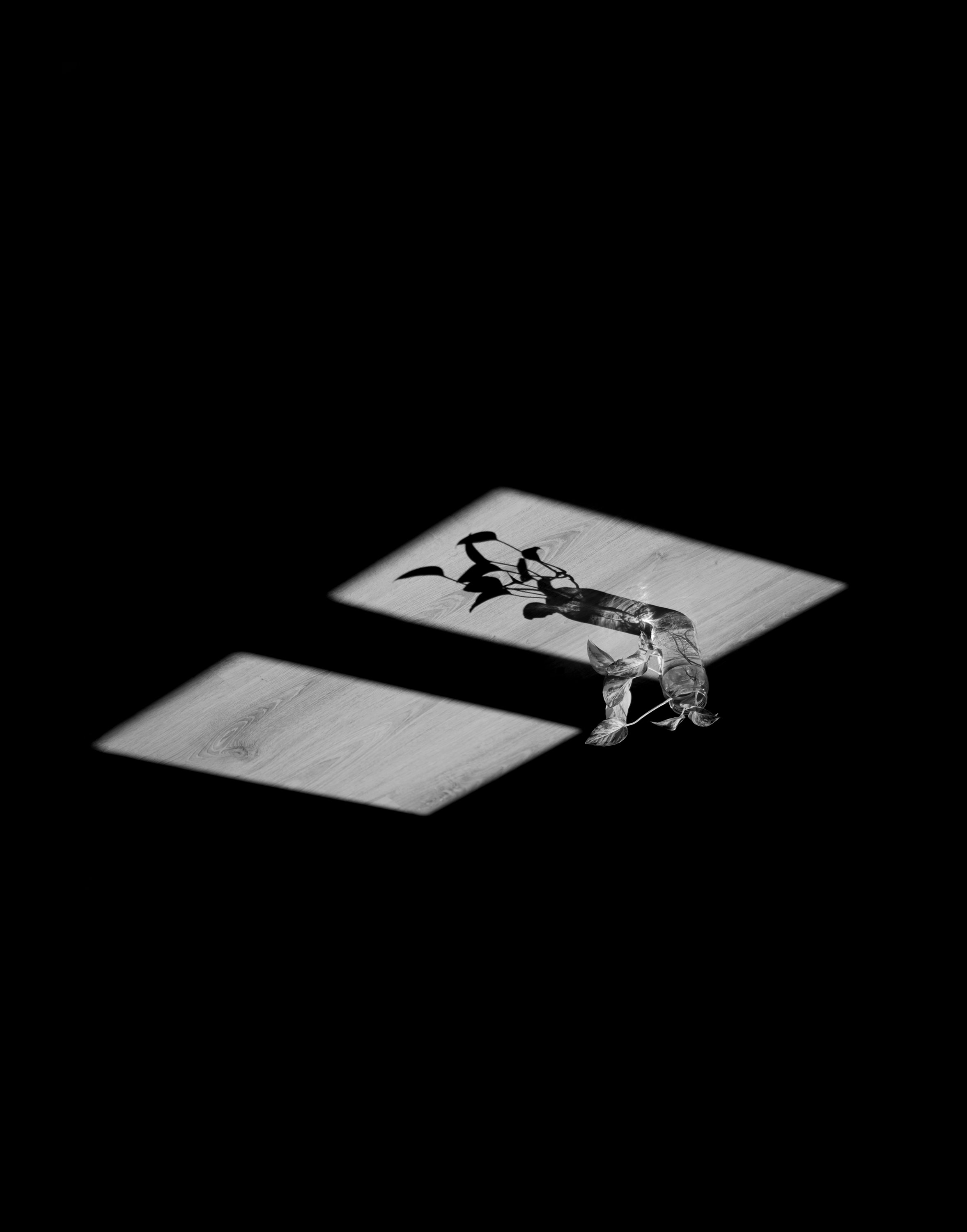
Sandra Casado Díaz is a visual artist born in Huelva, Spain. Her education and professional background are rooted in graphic design and illustration, while photography has gradually become her most personal form of expression. She uses photography as a tool to explore emotions, thoughts, and experiences that are often difficult to express through words. She is particularly interested in what remains hidden: the invisible, the intimate, and what cannot always be perceived at first glance. She works primarily through self-portraiture, using her own body as a means of representing emotional states. Through light, composition, shadows, and experimentation, she seeks to transform those emotions into visible images.She is interested in moving photography away from a literal representation of reality and bringing it closer to a more abstract and dreamlike concept. Her aim is to create scenes that exist on the boundary between the real and the imagined. Recurring themes in her work include identity and solitude. She is especially drawn to ambiguity and to the possibility that a photograph can be both beautiful and unsettling at the same time.
Social Networks :
Instagram handle: @methodsofscape
Personal Website: N/A
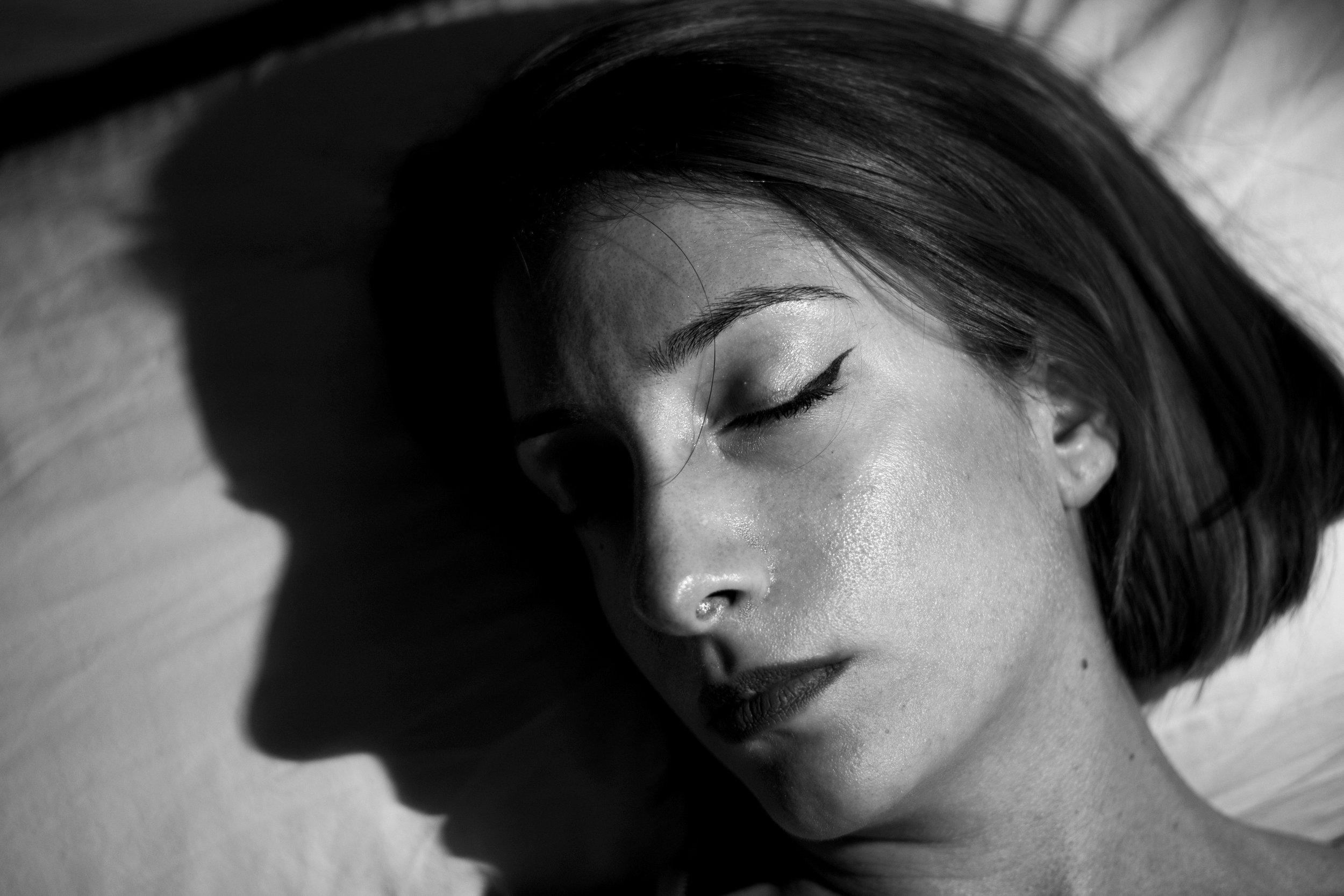
Sandra Casado
Here is the extracted Q&A from the interview questionnaire for Sandra Casado:
1. Inspiration & Style
Q: What initially inspired you to become an artist, and how did you develop your unique artistic style?
A: I have always been drawn to artistic expression. For me, it is one of the best ways to communicate things that we sometimes do not know how to express with words. My education and professional background are connected to graphic design and illustration, but over time photography became a more personal space for me, a place where I could understand and explore my own emotions. My style has developed naturally through experimentation, exploring themes such as identity, emotions, and solitude. I mainly work with self-portraiture to explore the invisible and make perceptible what we cannot normally see.
2. Creative Process
Q: Do you have any rituals or routines that help you get into a creative mindset when starting a new project?
A: I do not really have a specific ritual. My creative process usually begins with an idea that stays in my mind, coming from something I experienced, read, a song, or a feeling. I let the idea develop for a while, then experiment with light and composition. I like to leave room for the unexpected, as the final image sometimes emerges while trying something unplanned.
3. Artistic Influences
Q: How do you balance historical or artistic influences with your personal style, and how do these influences manifest in your work today?
A: I absorb influences from many different things, including cinema, literature, music, and graphic design. Rather than trying to reproduce a particular artist or movement, these references become part of a visual vocabulary that mixes with my own experiences.
4. Emotion & Expression
Q: How do you use your art to evoke emotions, and what role does emotion play in your creative process?
A: Emotion is usually at the beginning of everything for me. I am interested in creating photographs that make the viewer feel something, drawing on ambiguity and the possibility that an image can be both beautiful and uncomfortable. I prefer each person to find their own interpretation rather than telling them what to feel.
5. Standout Projects
Q: Can you share a project that stands out to you and describe the creative process behind it?
A: Miradas is a very personal photograph created by projecting multiple eyes directly onto my own body, allowing those gazes to become part of the skin. I experimented with darkness, composition, and body position to create visual simplicity alongside tension between the observer and the observed, blurring the boundary between them.
6. Feedback & Growth
Q: How do you incorporate feedback from critics or audiences into your work, and how do you balance this with your own artistic intuition?
A: I listen to opinions, but I protect the intuitive part of the creative process. The feedback that interests me most is what the work makes people think or feel, as their interpretations can reveal aspects I had not noticed myself.
7. Motivation & Inspiration
Q: How do you stay motivated and inspired, even when facing creative blocks or challenges?
A: I have learned not to force creativity too much. During periods when ideas do not come, I enjoy myself without demanding immediate results—reading, listening to music, or observing the world around me.
8. Exhibiting Work
Q: How do you feel about exhibiting your artwork with The Holy Art Gallery, and what does this opportunity mean to you?
A: I am incredibly excited about it. Knowing that a personal photograph can travel independently and be seen by people thousands of kilometres away—such as having Miradas reach Tokyo—feels like a wonderful new chapter.
9. Future Goals
Q: What are your long-term goals and aspirations as an artist, and how do you plan to achieve them?
A: My goal is not to turn photography into my profession, maintaining the freedom to create without commercial constraints. I would love for my work to continue travelling, take part in more exhibitions, develop new personal projects, and eventually create a photobook.
10. Audience Connection
Q: What do you hope viewers take away from experiencing your art, and how do you aim to connect with them on an emotional or intellectual level?
A: I would like my work to generate more questions than answers and leave a sense of discomfort or reflection. In Miradas, I want viewers to become aware of their own position as observers as the projected eyes look back at them.