Sebastian Gherca / SHABBA
ARTIST STATEMENT
Sebastian Gherca is a talented 3D environment artist and digital illustrator who creates immersive visual worlds across gaming and digital media. He specializes in high-fidelity 3D modeling, detailed level design, and concept storyboarding, maintaining a professional portfolio that highlights his talent for shaping interactive spaces and virtual ecosystems. Beyond his technical game development work, Gherca is an avid 2D illustrator who frequently shares vibrant digital paintings, character concepts, and Procreate process videos with his audience on social media, showcasing a versatile artistic style that bridges complex technical production with expressive, traditional-leaning digital art.
Social Networks :
Instagram handle: @gherca.sebastian
Portfolio: https://www.artstation.com/onisim
Sebastian Gherca / SHABBA
1. Inspiration & Style
What initially inspired you to become an artist, and how did you develop your unique artistic style?
I have loved drawing from an early age. Growing up, I went through a difficult childhood, and drawing became a way for me to escape, process my emotions, and find a sense of calm. It was also the first time I realised I was good at something. Seeing people’s raw, unfiltered reactions to my art fascinated me and made me realise I wanted to become an artist.
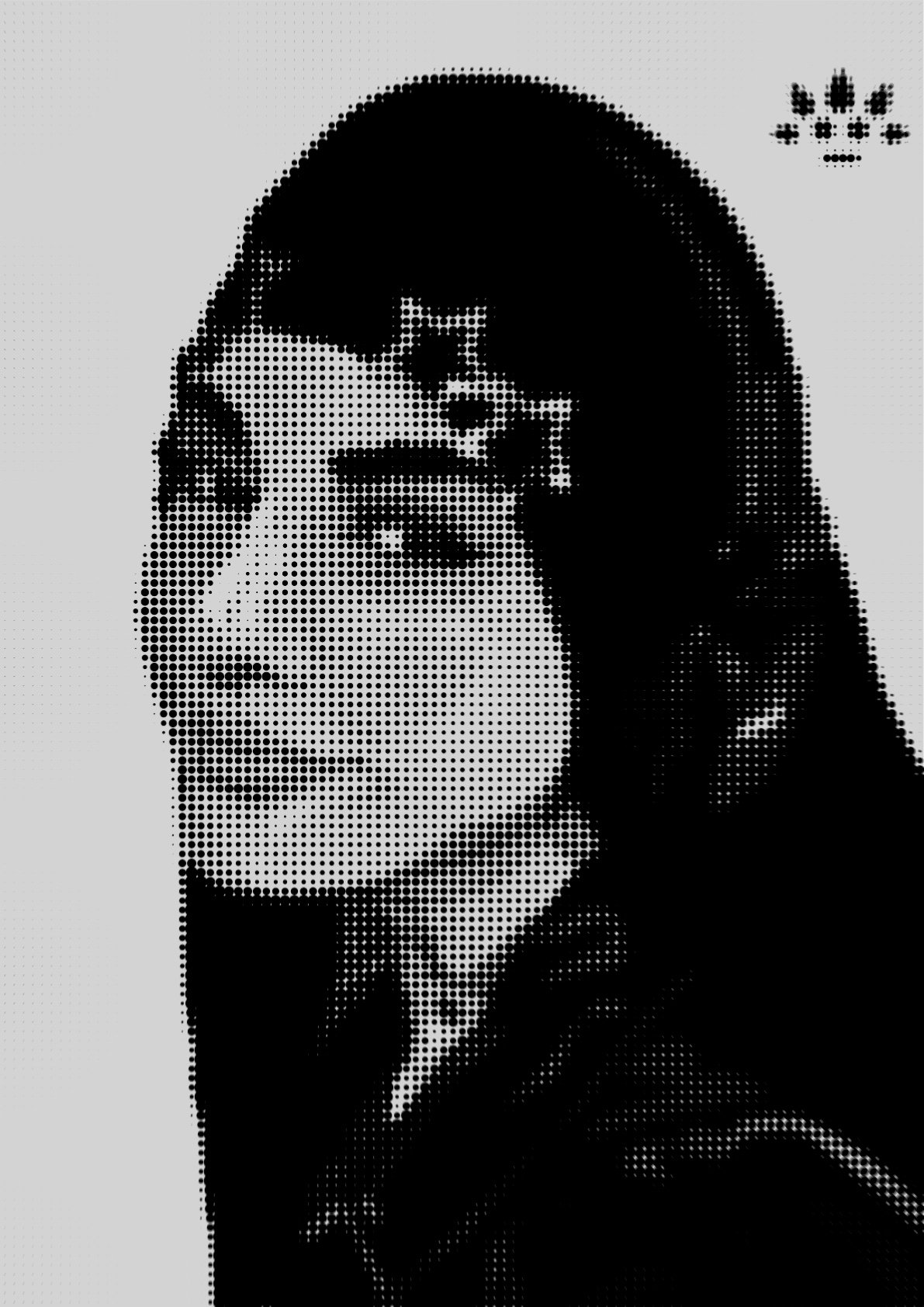
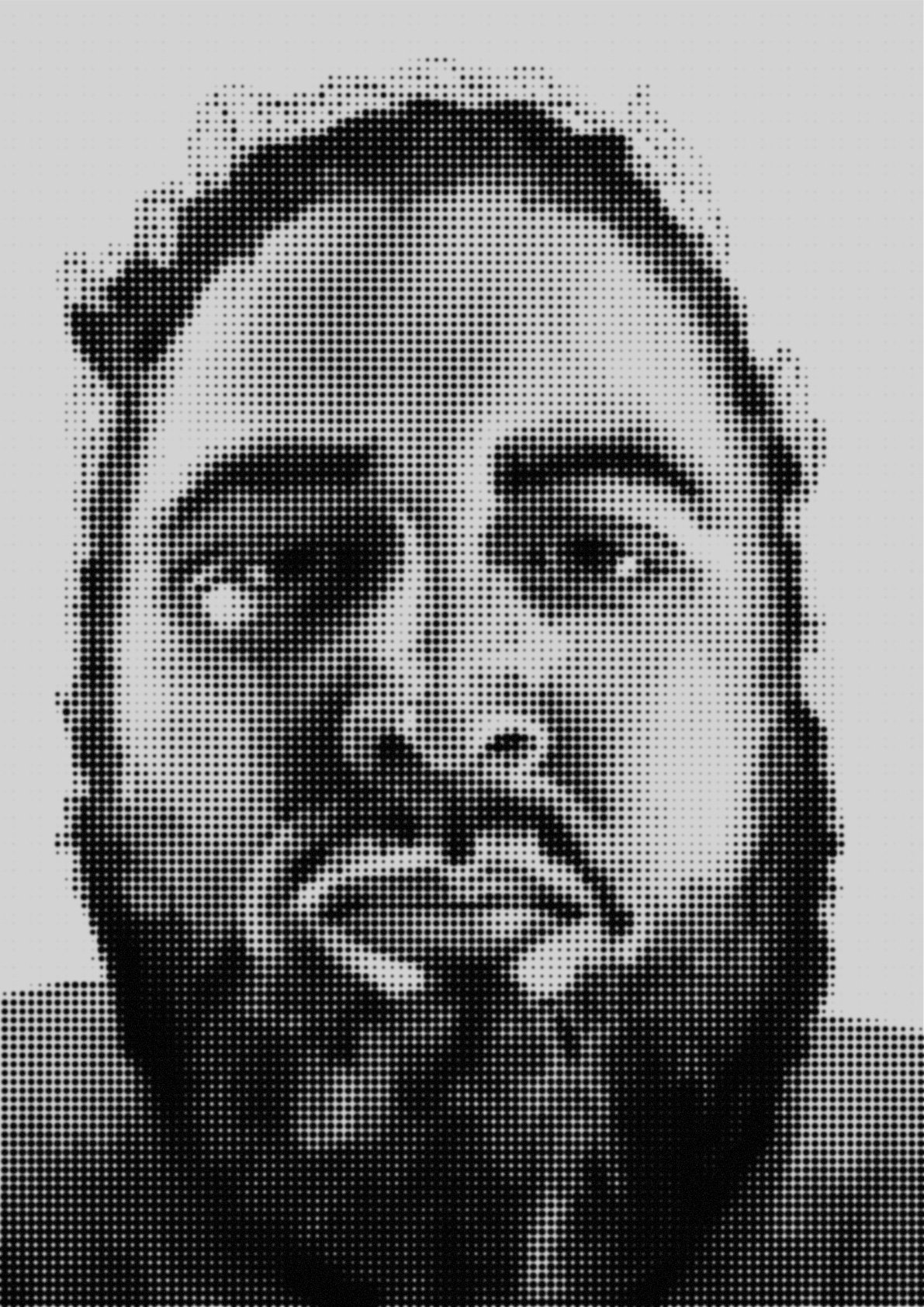
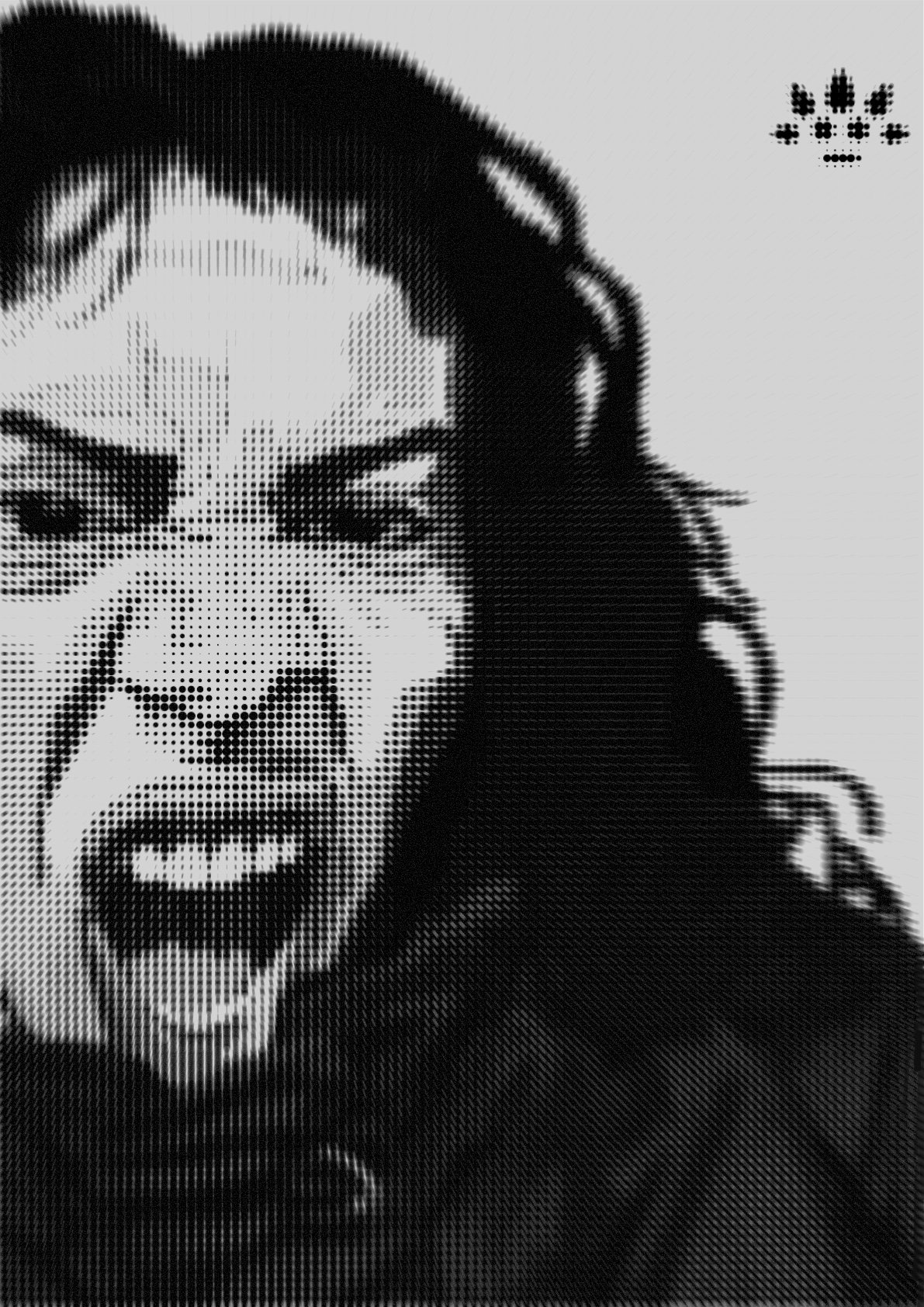
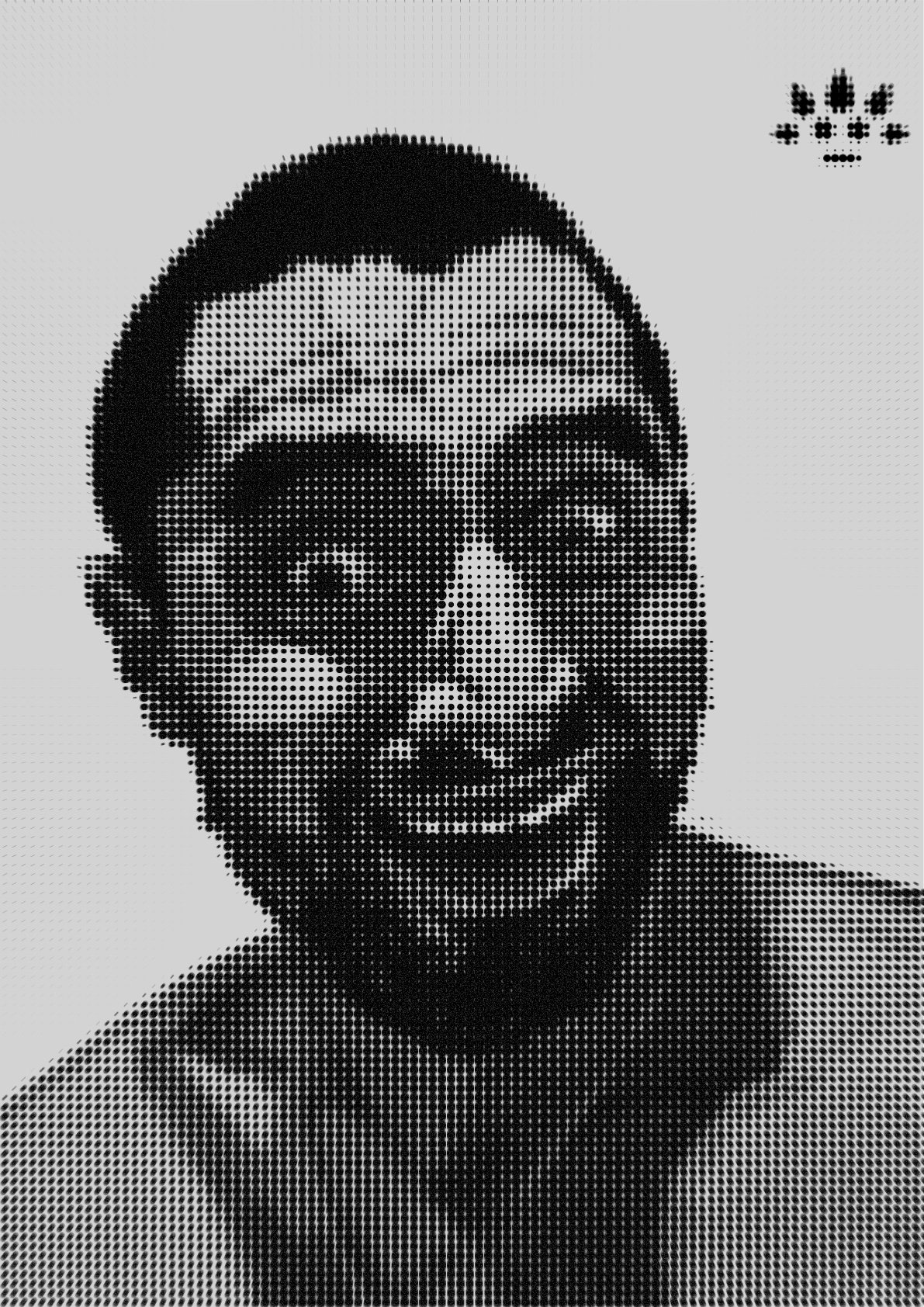
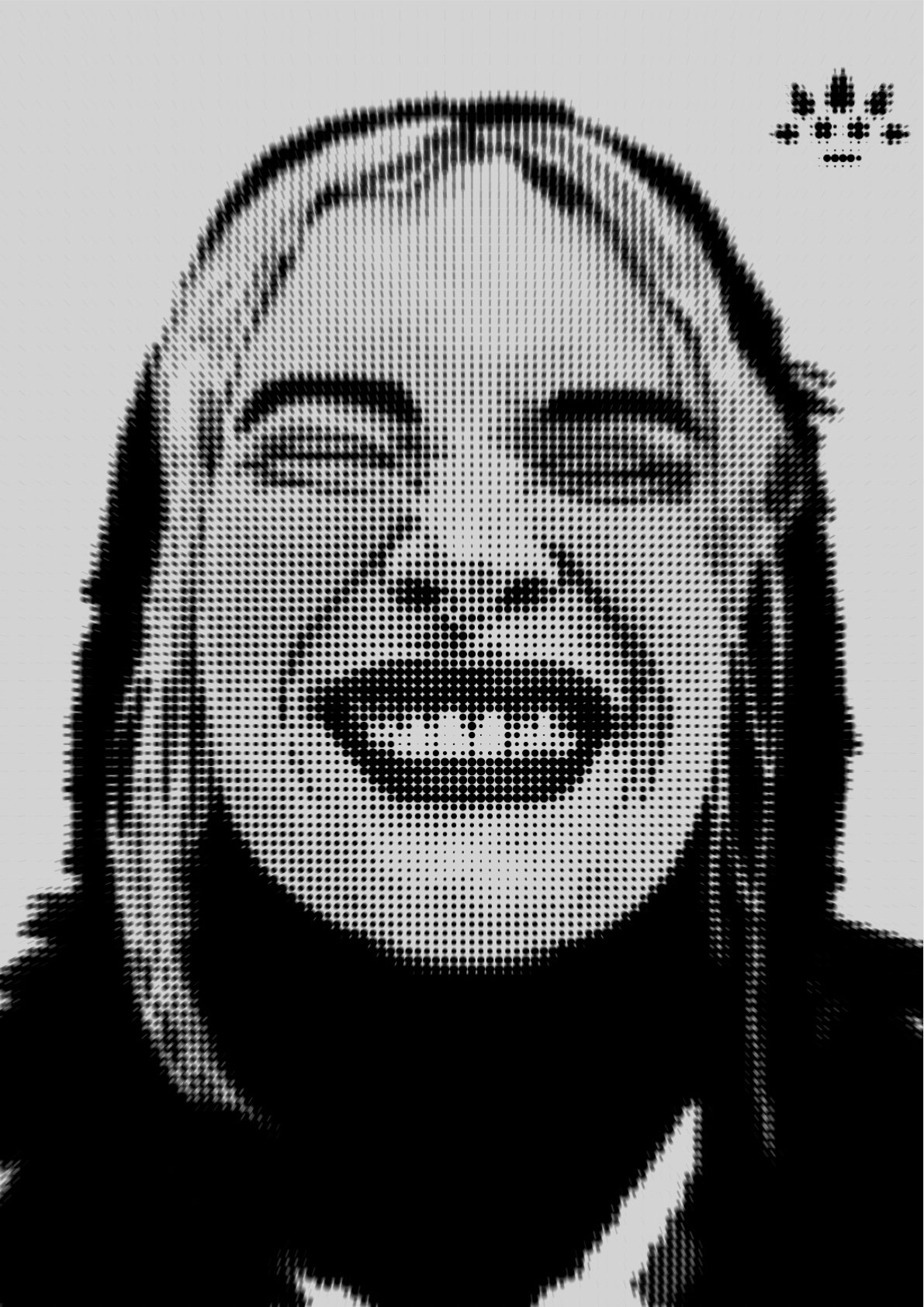
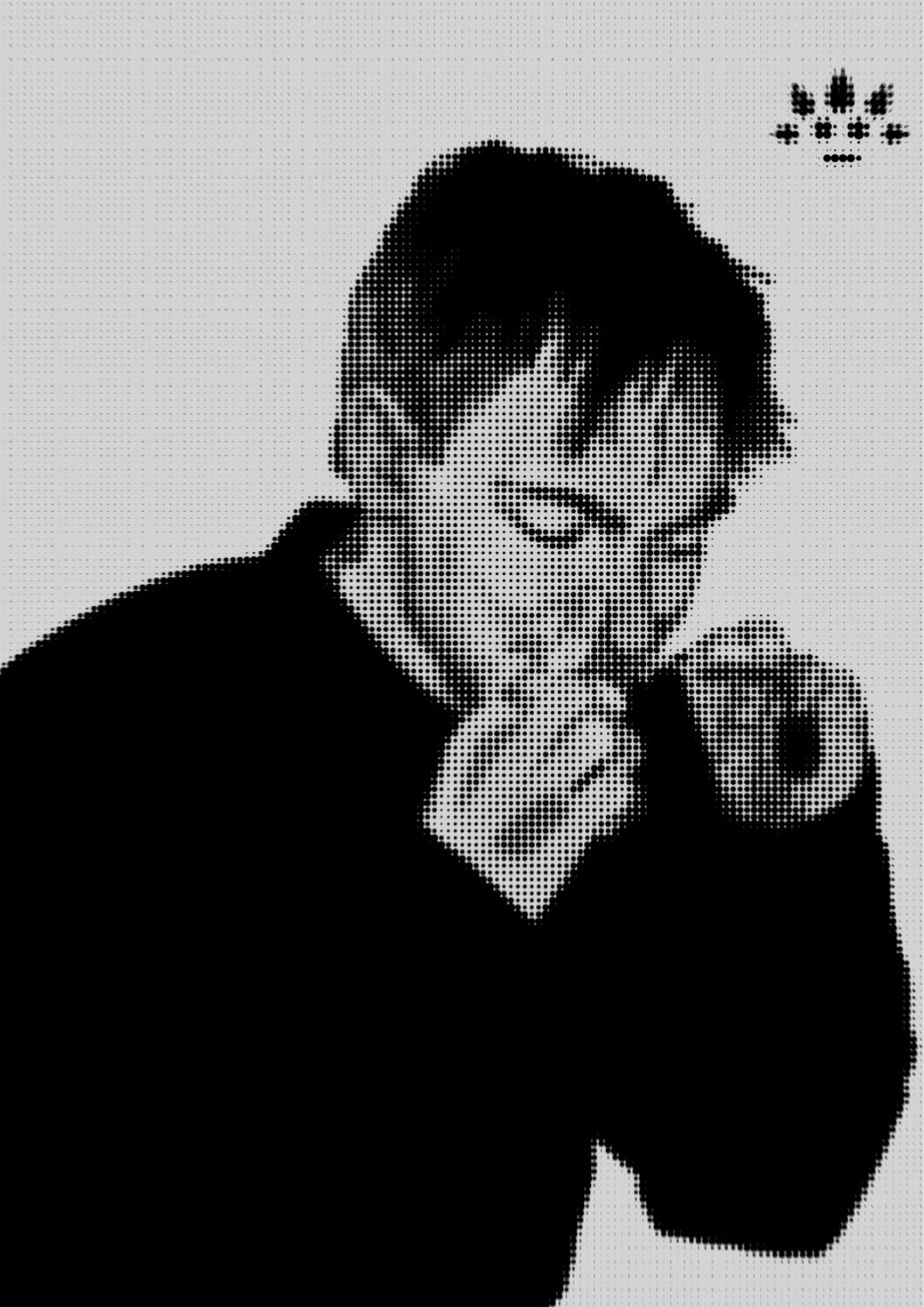
My style is heavily inspired by comic books and vinyl especially their textures, patterns and readability. The artwork I am showcasing is part of a year long project where I challenged myself to see how far I could push one idea while keeping it clear and cohesive. This process led me to develop my monochrome halftone portraits,
2. Creative Process
Do you have any rituals or routines that help you get into a creative mindset when starting a new project?
I don’t really have a set routine. I’m a pretty chaotic artist. I like to let my subconscious take the wheel and trust my mind to connect the puzzle pieces. Rather than forcing an idea, I let the process unfold naturally and see where it takes me.
3. Artistic Influences
How do you balance historical or artistic influences with your personal style, and how do these influences manifest in your work today?
I look up to many artists who influence my work through their use of emotion, subject matter, themes, colour, and drawing style. Some of my biggest inspirations are Zdzisław Beksiński, Piotr Jabłoński, M.C. Escher, and Marcos Mateu-Mestre. Their work constantly pushes me to improve.
4. Emotion & Expression
How do you use your art to evoke emotions, and what role does emotion play in your creative process?
Answer: Emotion plays a huge role in my art. I often create to understand my own emotions and what I’m feeling in the moment. Art allows me to put those emotions onto the canvas and create an experience that others can connect with. I mainly evoke emotion through my choice of subject matter and the expressions of my characters, using them to communicate feelings that words sometimes cannot.
5. Standout Projects
Can you share a project that stands out to you and describe the creative process behind it?
Yes my project Blurs is a year long project that is part of this exhibition. Each month, I create a headshot portrait of a person in a monochrome halftone style. I ask each person to send me three unfiltered, raw photographs that they feel represent their authentic self. From these, I subconsciously choose one and transform it into the style of the project.
I chose this style because the monochrome and halftone treatment removes differences between people and gives everyone an equal visual presence. What fascinates me most is seeing their reactions and hearing that the final portrait genuinely feels like them. Through Blurs, I wanted to challenge the idea of the perfect Instagram image and create a space where people can show themselves authentically, without feeling judged.
6. Feedback & Growth
How do you incorporate feedback from critics or audiences into your work, and how do you balance this with your own artistic intuition?
I find feedback difficult because I genuinely value it, and I would say I have thick skin. The challenge is knowing which feedback to take on board, because not all feedback is good feedback. I often want to use every piece of advice, but I’ve learned that trusting my own intuition is just as important.
I usually ask myself whether the feedback is practical. If it is, I’m happy to take it on board and use it to improve my work. If it questions the whole idea or direction of a piece, I take it with a grain of salt and trust my own intuition. I believe your intuition is the essence of your art, and letting others shape it too much can take away from what you originally wanted to create.
7. Motivation & Inspiration
How do you stay motivated and inspired, even when facing creative blocks or challenges?
It can be hard sometimes. I’ve had periods where I made art that I disliked, and it can be really discouraging. What helps me keep going is changing the way I think about the process. Sometimes I deliberately try to make something ugly or allow myself to fail. This takes away the pressure of trying to be perfect and gives me the freedom to experiment.
I also remind myself that 80 percent is good enough. I don’t need to be perfect, I just need to keep learning and do a little better than I did last time.
8. Exhibiting Work
How do you feel about exhibiting your artwork with The Holy Art Gallery, and what does this opportunity mean to you?
For me, this exhibition is an opportunity to see, in real life, how people respond to my art. It feels like a major milestone and a dream come true. Having my work exhibited in an art gallery is something I’ve always wanted, and I’m incredibly grateful that the Holy Art Gallery is giving me the opportunity to make that dream a reality.
9. Future Goals
What are your long-term goals and aspirations as an artist, and how do you plan to achieve them?
I have a couple of long-term goals. One is to try as many different art forms as I can, like tattooing, sculpting, stonework, making clothes, and more. I want to experience as much as possible because I think learning different ways of making things can help me grow as an artist and expand my creative vision.
Another goal of mine is to become an art director, either in film or games.
My biggest dream, though, is to build an art centre in Amsterdam. A place where anyone can come in and learn or try different types of art. Almost like a hands-on library for art, where it’s affordable and accessible to everyone, no matter their background or financial situation. I want it to be a place where people can come, experiment, learn, and discover what they enjoy.
10. Audience Connection
What do you hope viewers take away from experiencing your art, and how do you aim to connect with them on an emotional or intellectual level?
I hope people look at my art and feel safe enough to open up and show their weird and authentic self. To drop the mask and just be who they are. I want to connect with people by showing them others who have also taken off their masks and allowed themselves to be seen for who they really are.