Artist spotlight : Yasmin Aly
ARTIST STATEMENT:
Yasmin Aly is a contemporary artist and visual designer working with digital and mixed media. She lives and works in Karlsruhe, Germany.
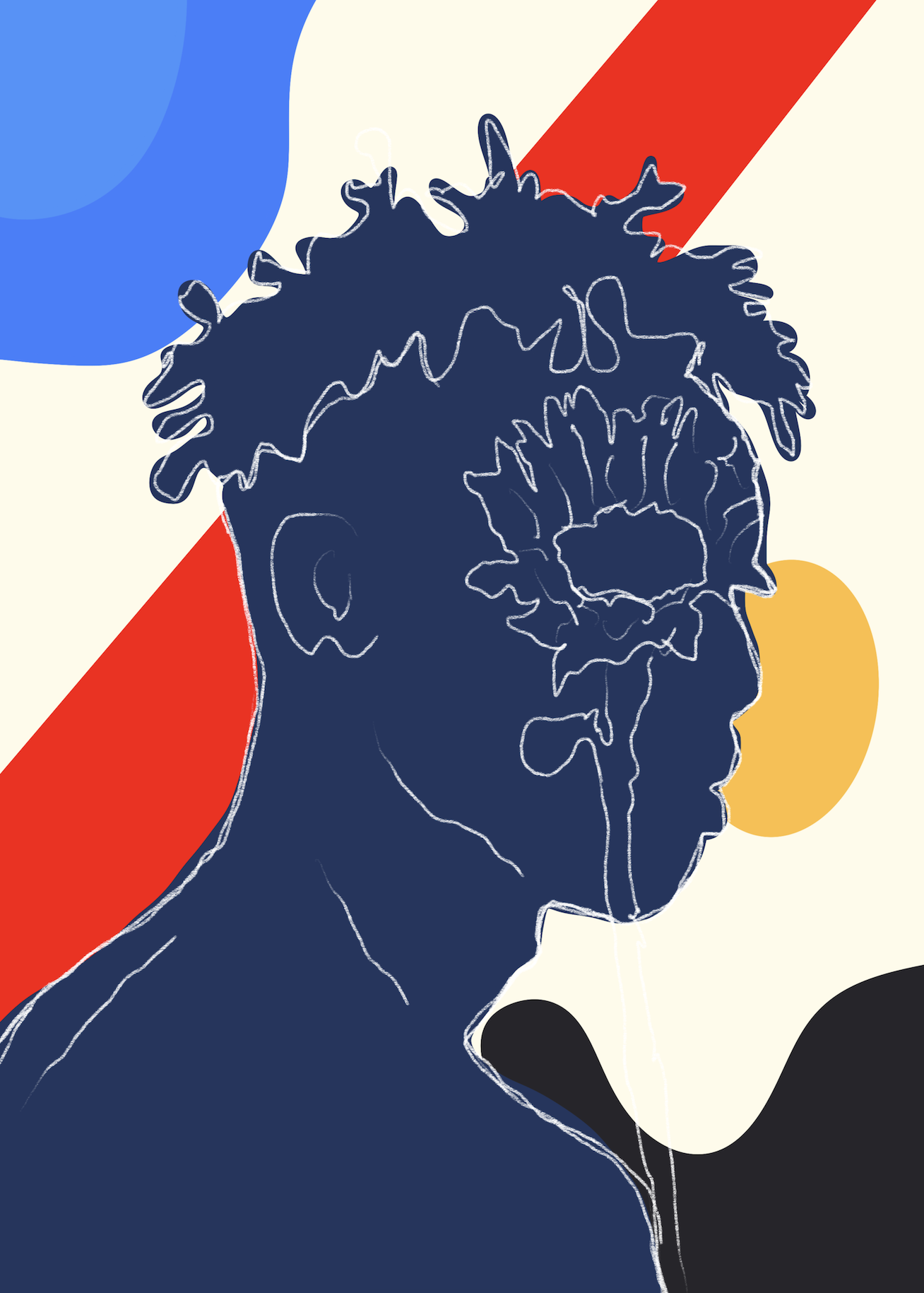
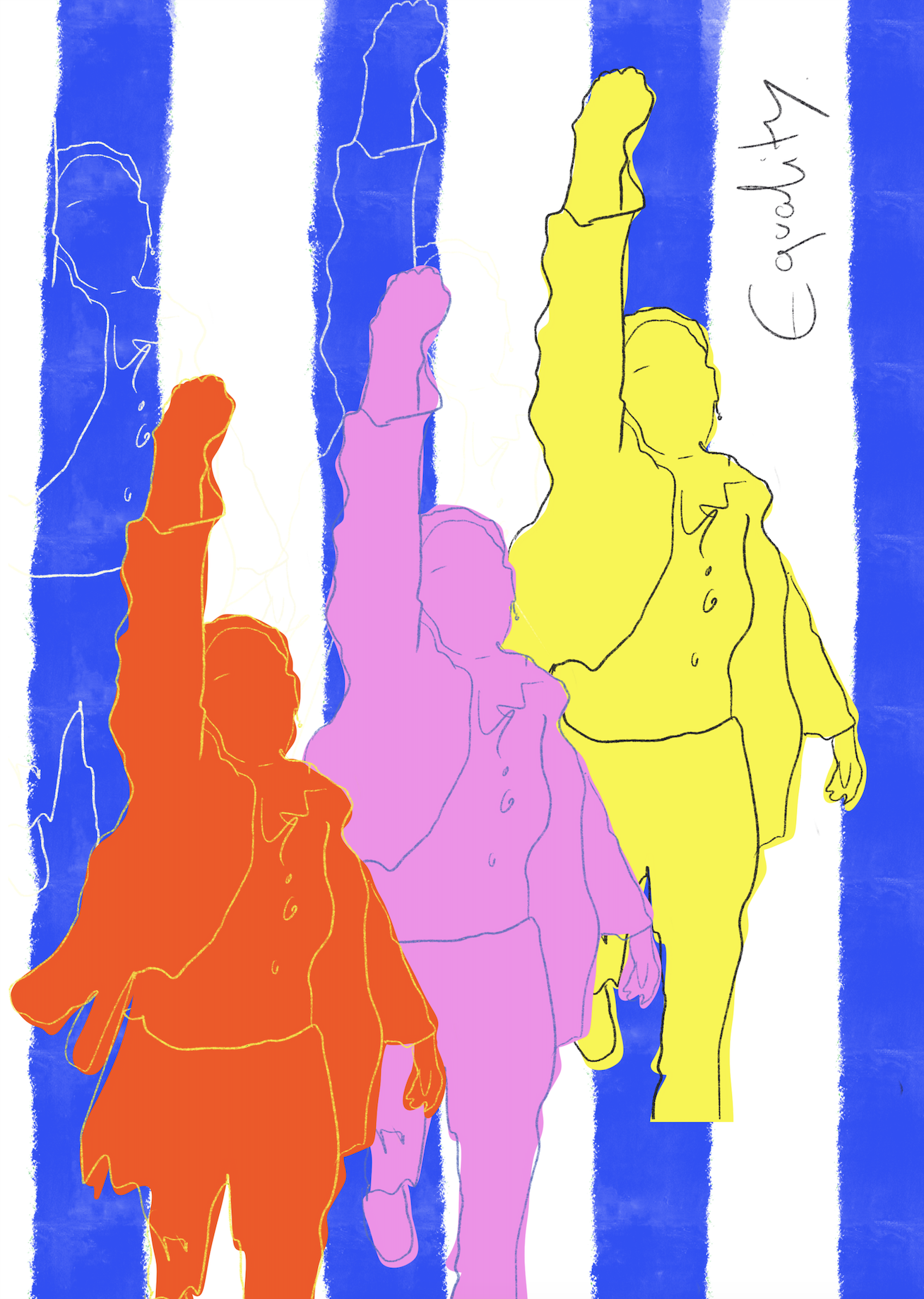
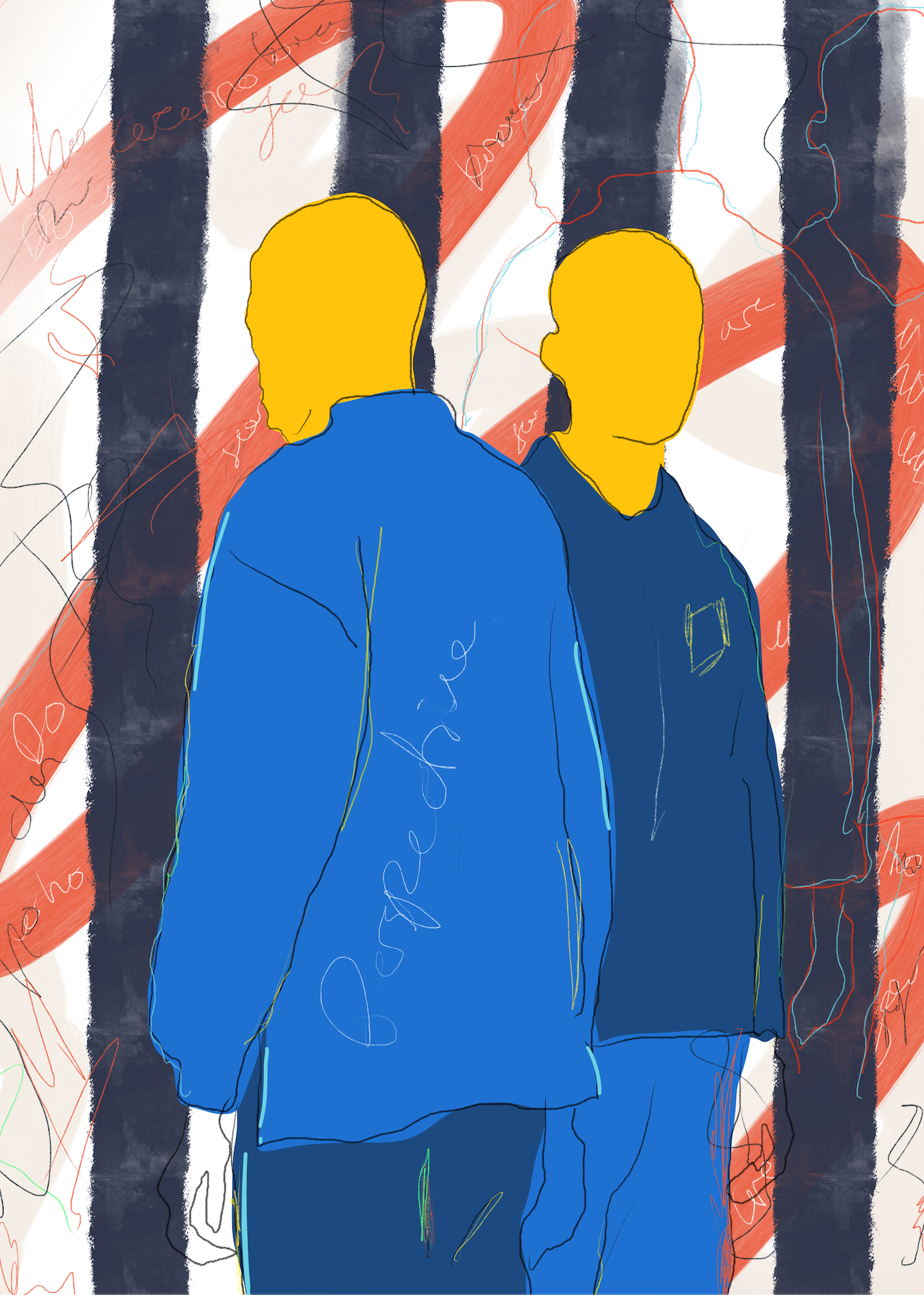
Her practice explores identity, perception, and the emotional complexity of contemporary life. Through a symbolic visual language and expressive compositions, she engages with questions of equality, anti-racism, and social structures, reflecting on the tension between individuality and collective experience.
With a background in media and visual communication, her work is grounded in conceptual clarity and a refined sense of composition. Over time, her practice has shifted from commercial design toward a more personal and artistic exploration of contemporary realities.
Aly’s work considers how meaning and identity are constructed within today’s visual culture, translating complex social and emotional conditions into layered visual forms.
Social Networks :
Instagram: @yaz.designandillustration
Website: https://yasminalyart.bigcartel.com/
Yasmin Aly
1. Inspiration & Style
Question: What initially inspired you to become an artist, and how did you develop your unique artistic style?
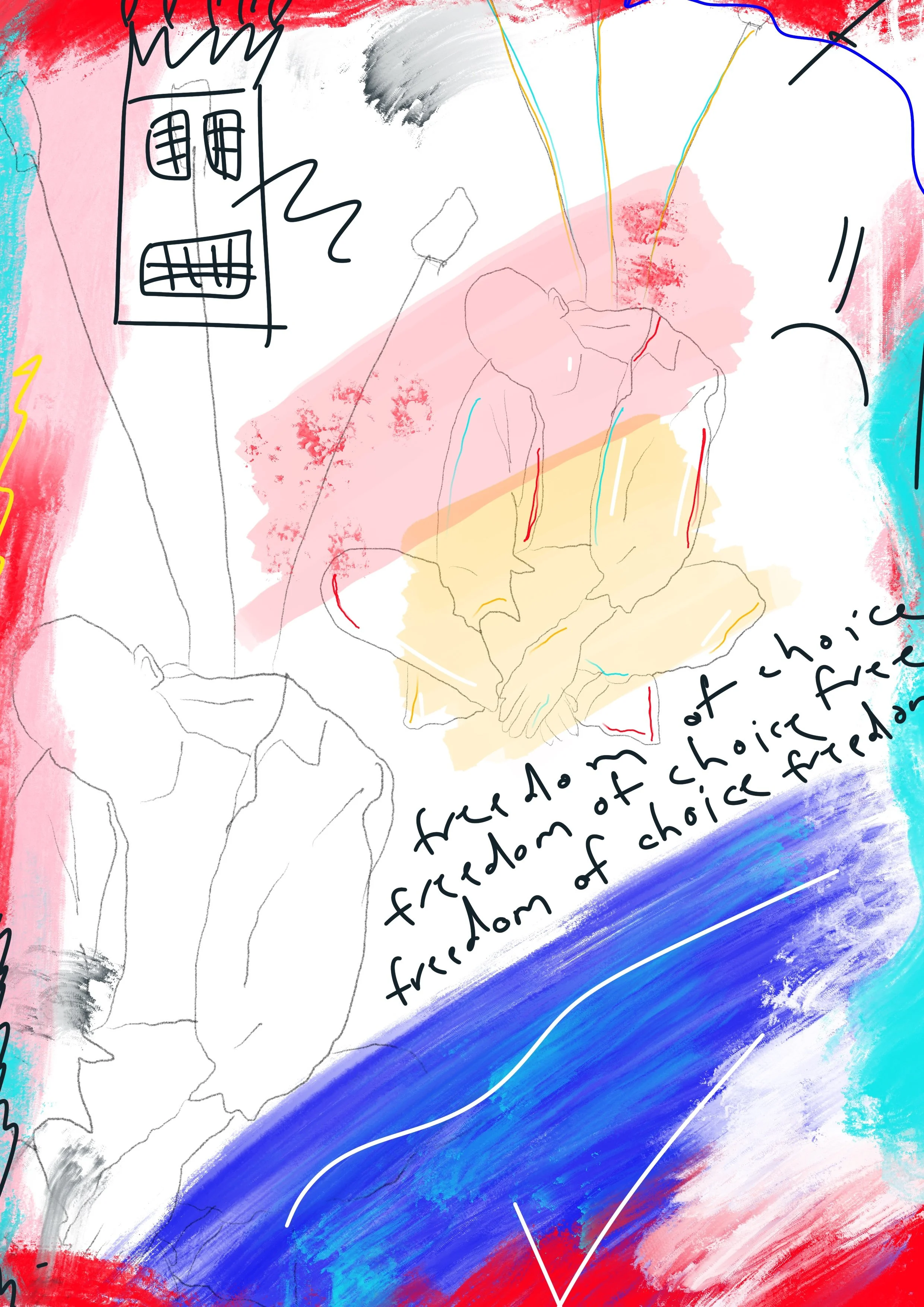
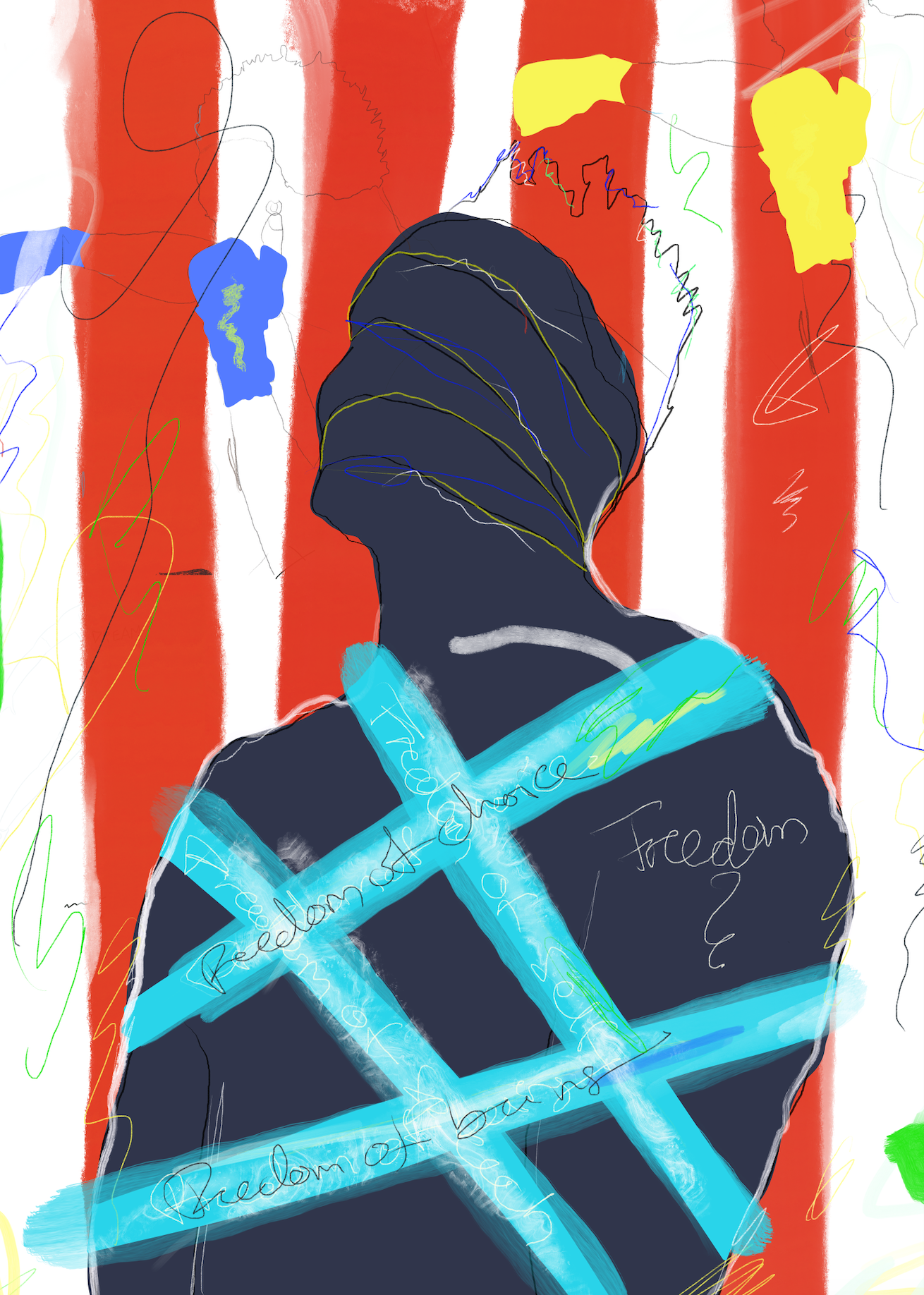
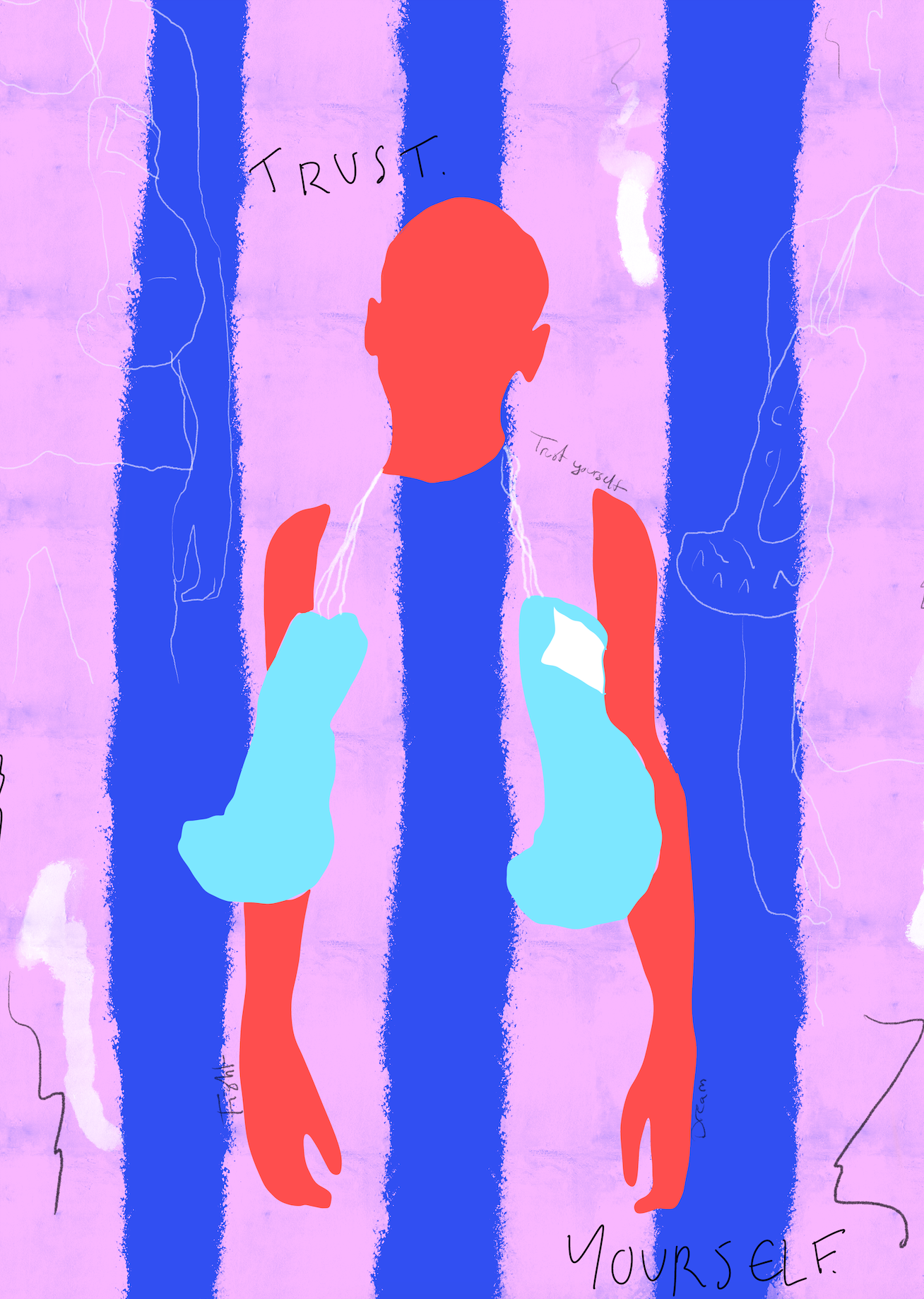
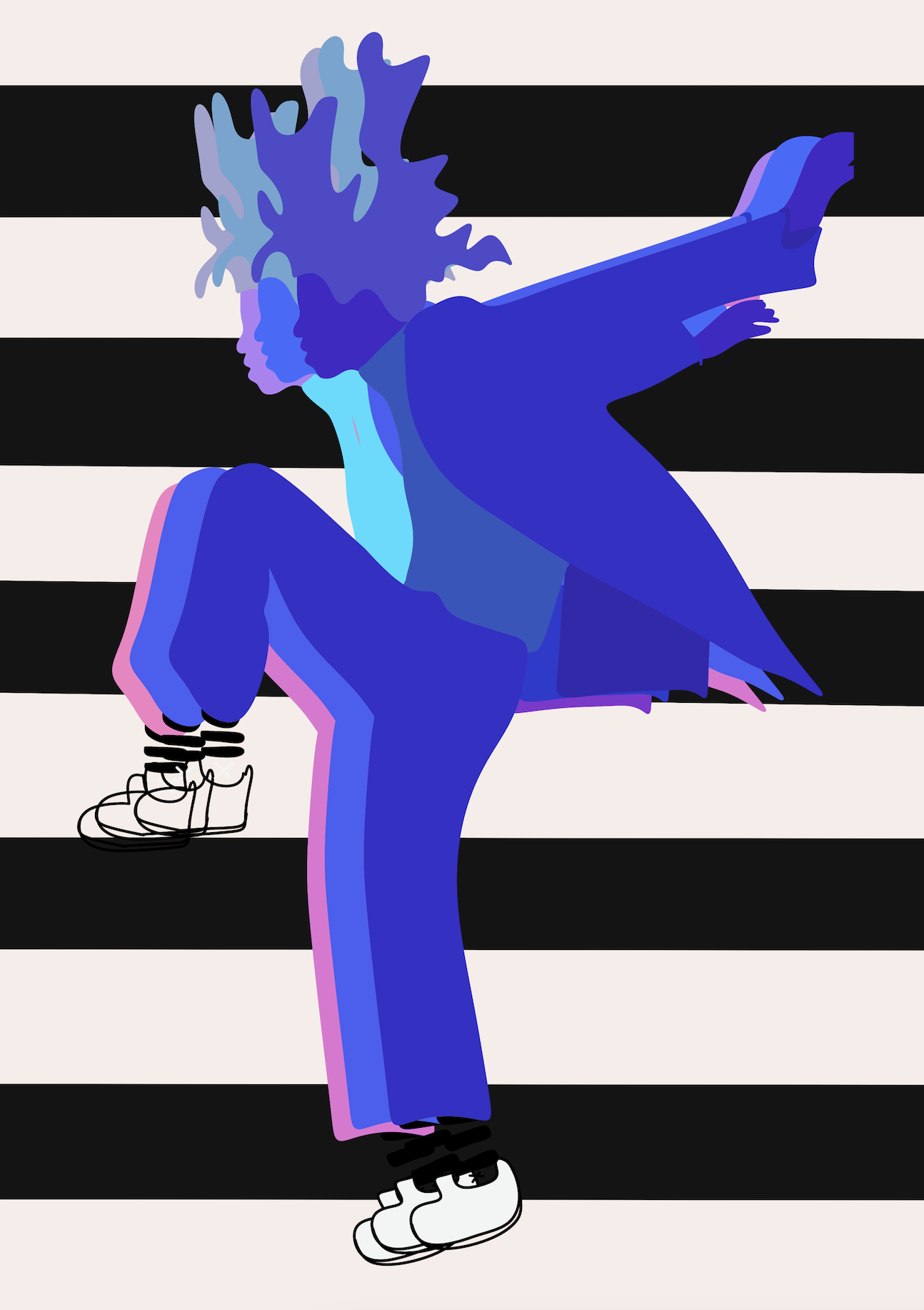
Answer: My journey into art began at a very early age, as I have always been drawn to creativity, images, and people. I was especially fascinated by photography and street photography, as it captures raw and unfiltered fragments of everyday life and human presence. I have a background in visual design and studied visual communication, which strongly informs my understanding of composition, structure, and visual storytelling. My practice has developed into a contemporary visual language combining digital and mixed media. It explores identity, equality, and freedom of expression within fragmented social realities. Visually, my work is defined by structured color fields, stripes, symbolic figures, and textual elements that create tension between visibility and silence.
2. Creative Process
Question: Do you have any rituals or routines that help you get into a creative mindset when starting a new project?
Answer: My creative process is intuitive and emotionally driven. I begin with fragments - a feeling, a social observation, or a visual impression - rather than fixed concepts. Music plays an important role in my process; I often listen to jazz, rap, or instrumental soundscapes, which helps me enter a focused and immersive working state. I also draw inspiration from everyday life, including contemporary social and political discourse, which informs the conceptual foundation of my work. I build my works in layers, combining structure and spontaneity until a balance emerges between control and emotional intensity. Color guides both the atmosphere and direction of each composition.
3. Artistic Influences
Question: How do you balance historical or artistic influences with your personal style, and how do these influences manifest in your work today?
Answer: My influences include both art history and contemporary visual culture. Artists such as Picasso, Frida Kahlo, Jean-Michel Basquiat, Salvador Dalí, Andy Warhol, and Banksy have shaped my understanding of art as expression, symbolism, and social commentary. I am also influenced by contemporary practices exploring color, perception, and visual language, as well as street photography, which informs my interest in raw and authentic human presence. My background in visual design influences my approach to composition and visual balance. Rather than directly referencing styles, I translate these influences into my own visual system, focused on identity, equality, and visibility.
4. Emotion & Expression
Question: How do you use your art to evoke emotions, and what role does emotion play in your creative process?
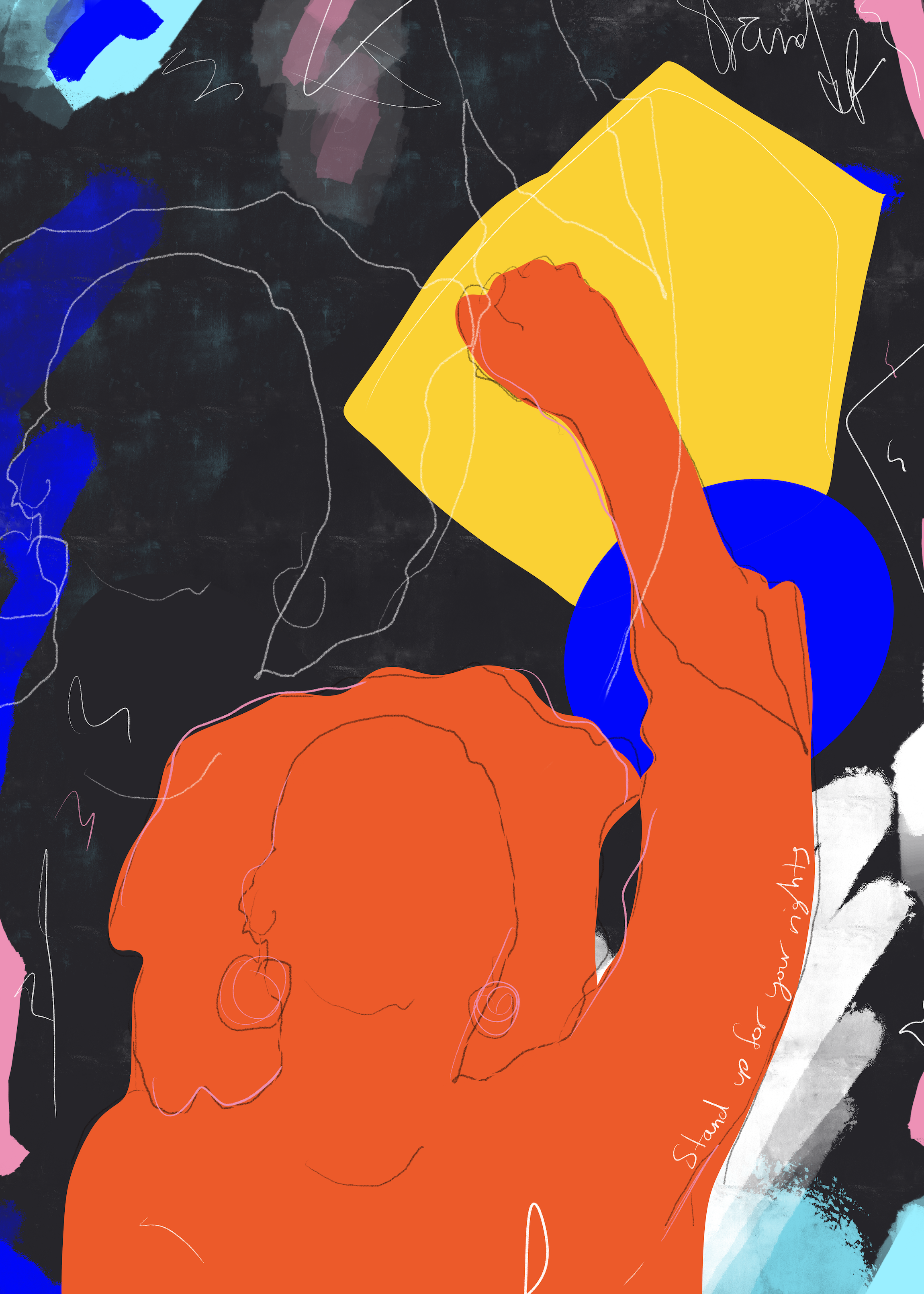
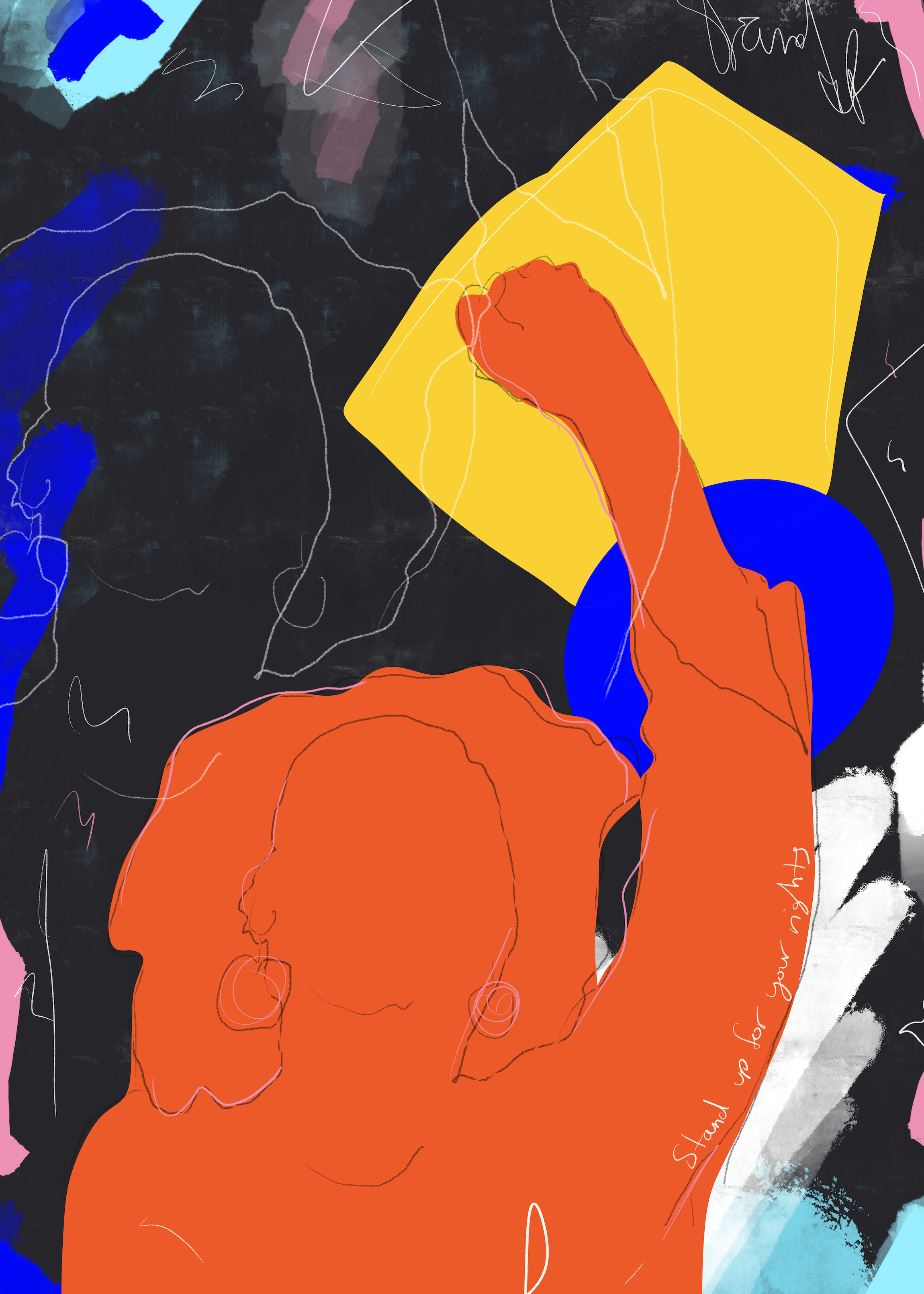
Answer: Emotion is at the core of my practice. I translate emotional and social states into visual tension through color, contrast, and layered structures. My work exists in a space between vulnerability and strength, expression and suppression, visibility and silence. Symbolic elements such as raised fists or silenced forms appear as interruptions within the composition, reflecting themes of resistance, empowerment, and presence. Each work holds a balance between intensity and clarity, where color becomes both language and resistance.
5. Standout Projects
Question: Can you share a project that stands out to you and describe the creative process behind it?
Answer: A central part of my practice is my long-term project Art for a Change, which connects artistic practice with social responsibility. Through this initiative, 30% of each artwork sale is donated to support children in need, women’s empowerment and equality initiatives, families in difficult circumstances, people living with illnesses, and socially disadvantaged communities. The project is grounded in my belief that art is not only a form of expression, but also a responsibility and a means of creating real-world impact.
6. Feedback & Growth
Question: How do you incorporate feedback from critics or audiences into your work, and how do you balance this with your own artistic intuition?
Answer: I see feedback as part of artistic development, especially when it opens new perspectives. However, I always filter external input through my own intuition and visual language. My practice is grounded in maintaining a balance between dialogue and autonomy, ensuring that the work remains aligned with my artistic vision and intent.
7. Motivation & Inspiration
Question: How do you stay motivated and inspired, even when facing creative blocks or challenges?
Answer: I stay motivated by a desire to create change and raise awareness around social issues, as well as through continuous observation of everyday life, people, and urban environments. Even during periods of creative resistance, I return to color, rhythm, and lived experience as entry points into my work. Challenging phases often become part of the process itself, helping to further refine my visual language and conceptual direction.
8. Exhibiting Work
Question: How do you feel about exhibiting your artwork with The Holy Art Gallery, and what does this opportunity mean to you?
Answer: Exhibiting with The Holy Art Gallery is a meaningful opportunity to present my work within an international context and engage with a wider audience. It allows me to share my artistic vision in dialogue with others and further develop my presence within the contemporary art field.
9. Future Goals
Question: What are your long-term goals and aspirations as an artist, and how do you plan to achieve them?
Answer: My long-term goal is to develop a strong and recognizable artistic language within the international contemporary art scene. I aim to exhibit in institutional and curated gallery contexts while continuing to expand Art for a Change as a sustainable social initiative. My focus is on building a practice that evolves both visually and socially, combining artistic development with meaningful long-term impact.
10. Audience Connection
Question: What do you hope viewers take away from experiencing your art, and how do you aim to connect with them on an emotional or intellectual level?
Answer: I hope viewers take away a sense of both emotional connection and reflection when experiencing my work. I want the pieces to create a moment of pause, where people can relate to the emotions, tensions, and contradictions within contemporary society. My work is not about giving clear answers, but about opening space for feeling, interpretation, and awareness around social realities and the need for change. Through color, rhythm, and symbolic elements, I aim to create an immediate emotional impact, while also encouraging a slower, more reflective engagement on an intellectual level. Ultimately, I hope the work feels relatable on a human level - as a shared space where struggle, awareness, and hope can exist at the same time.