Artist spotlight : Mani Löwe
ARTIST STATEMENT:
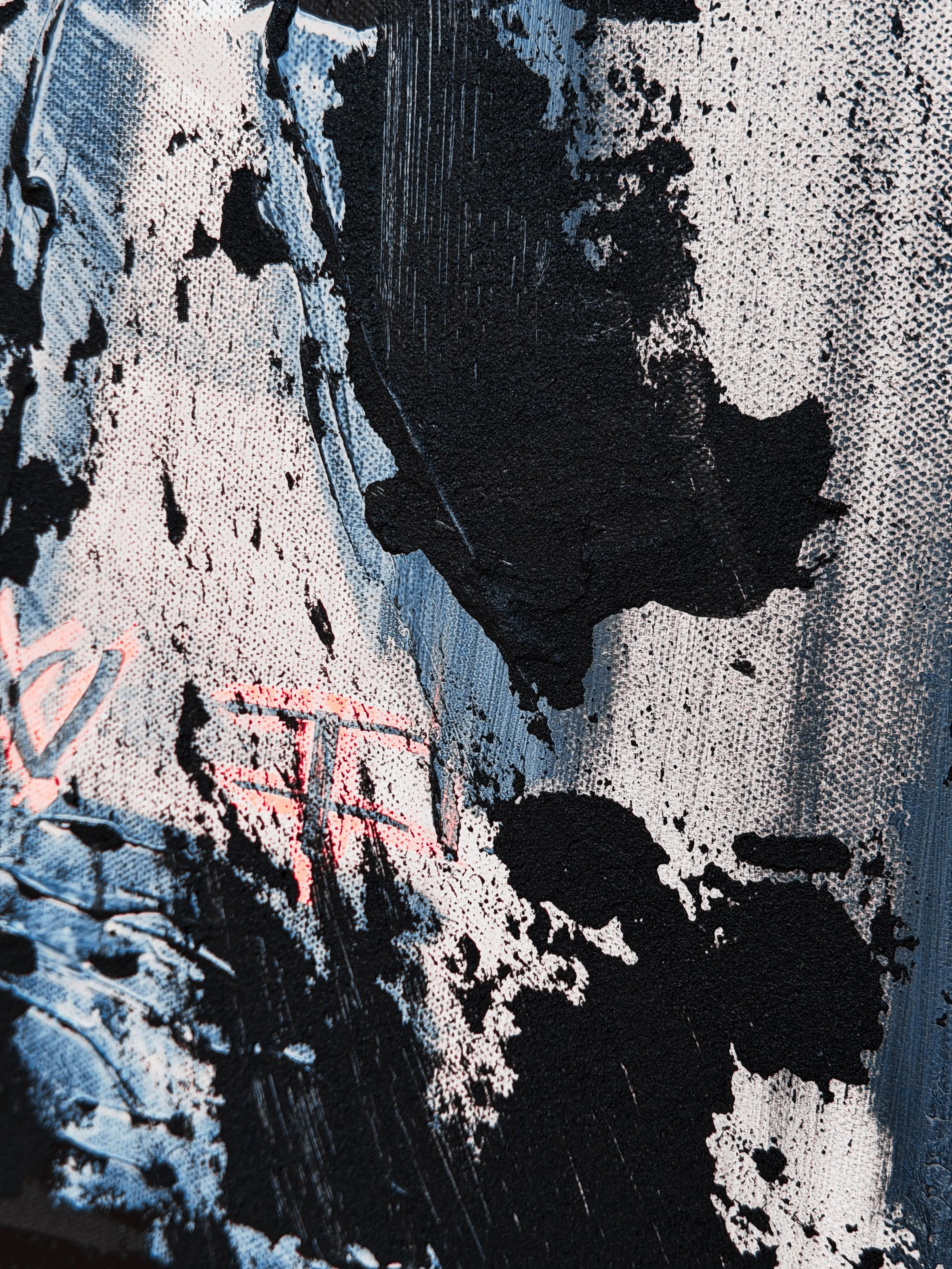
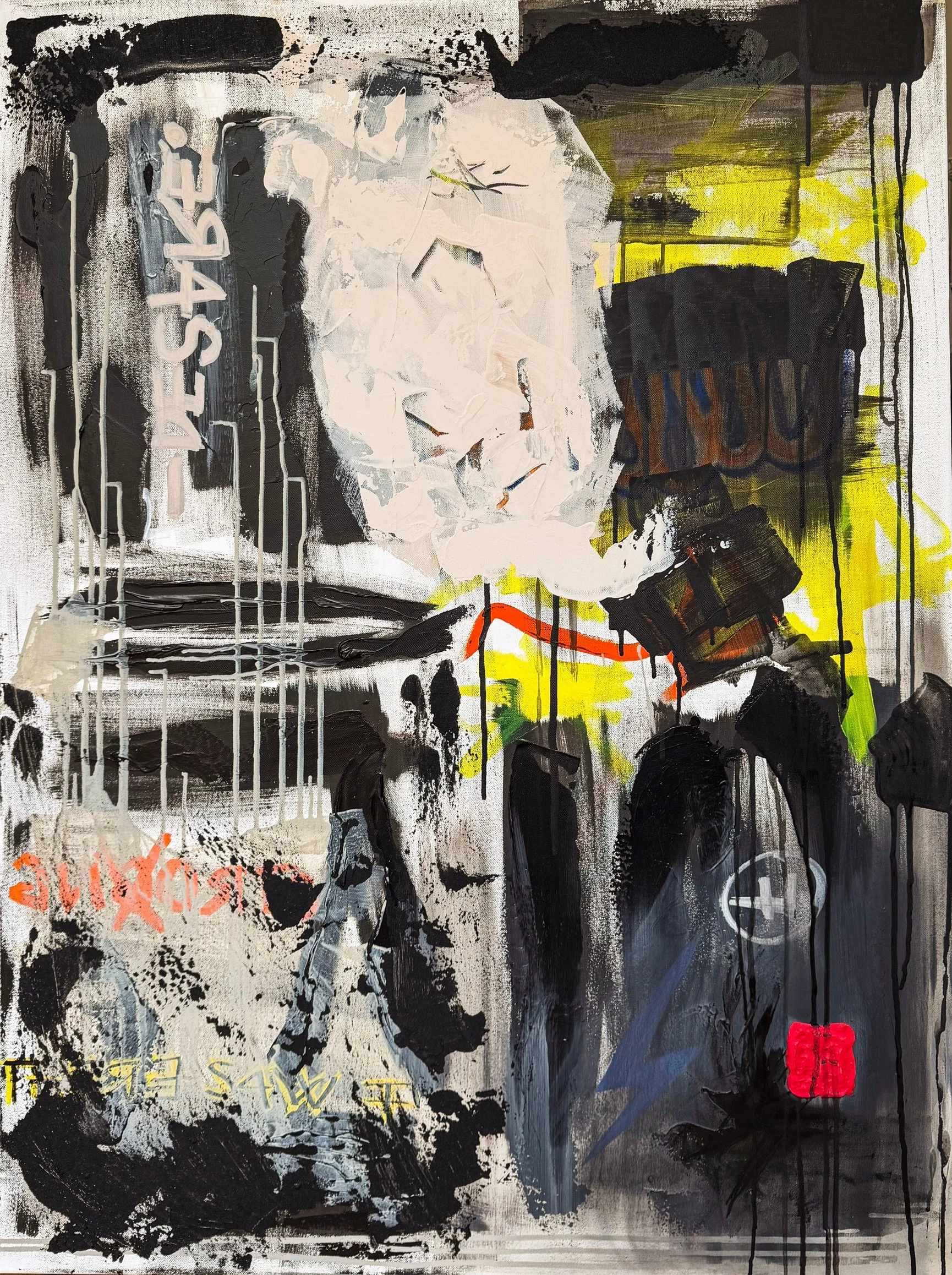
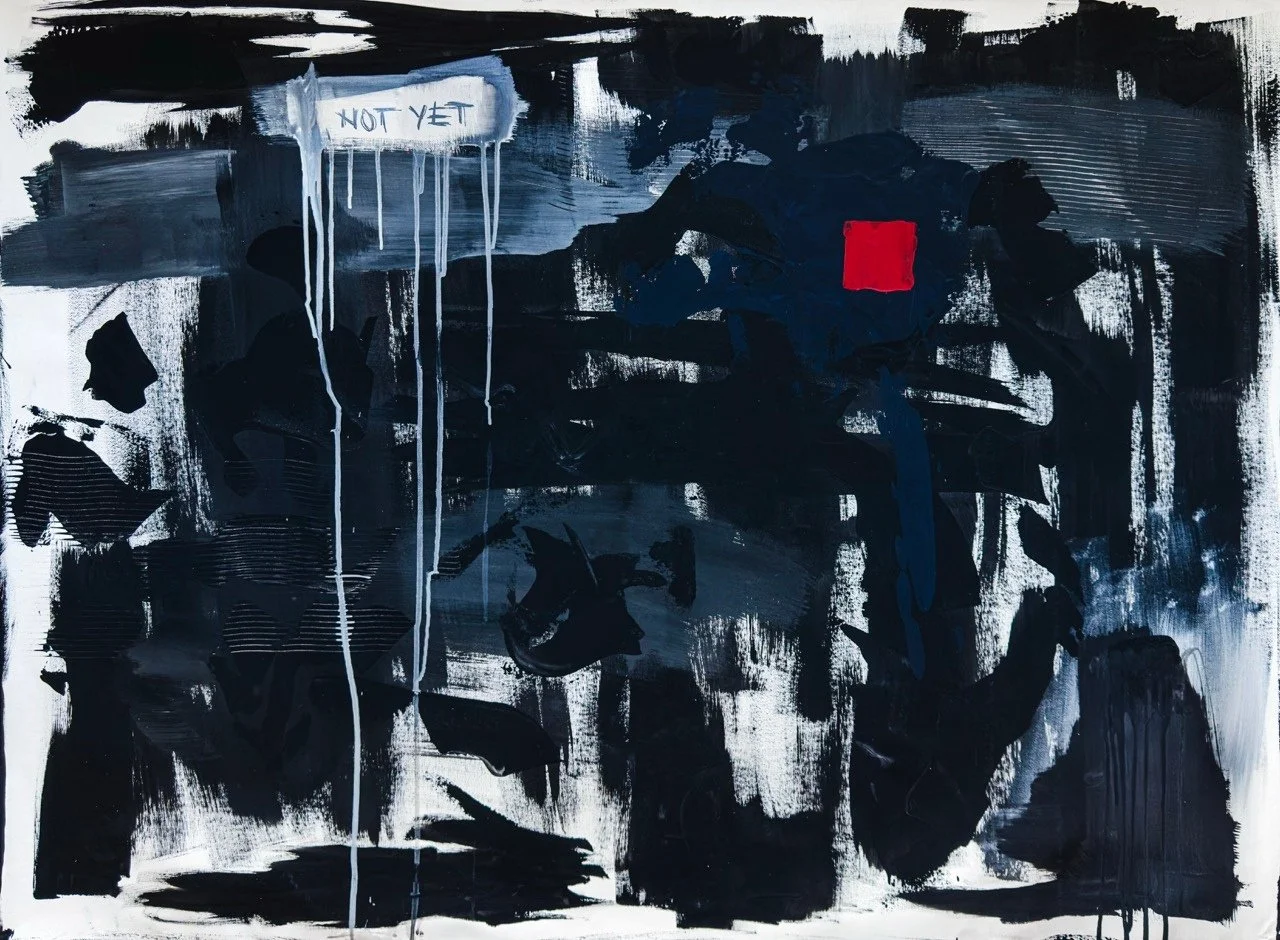
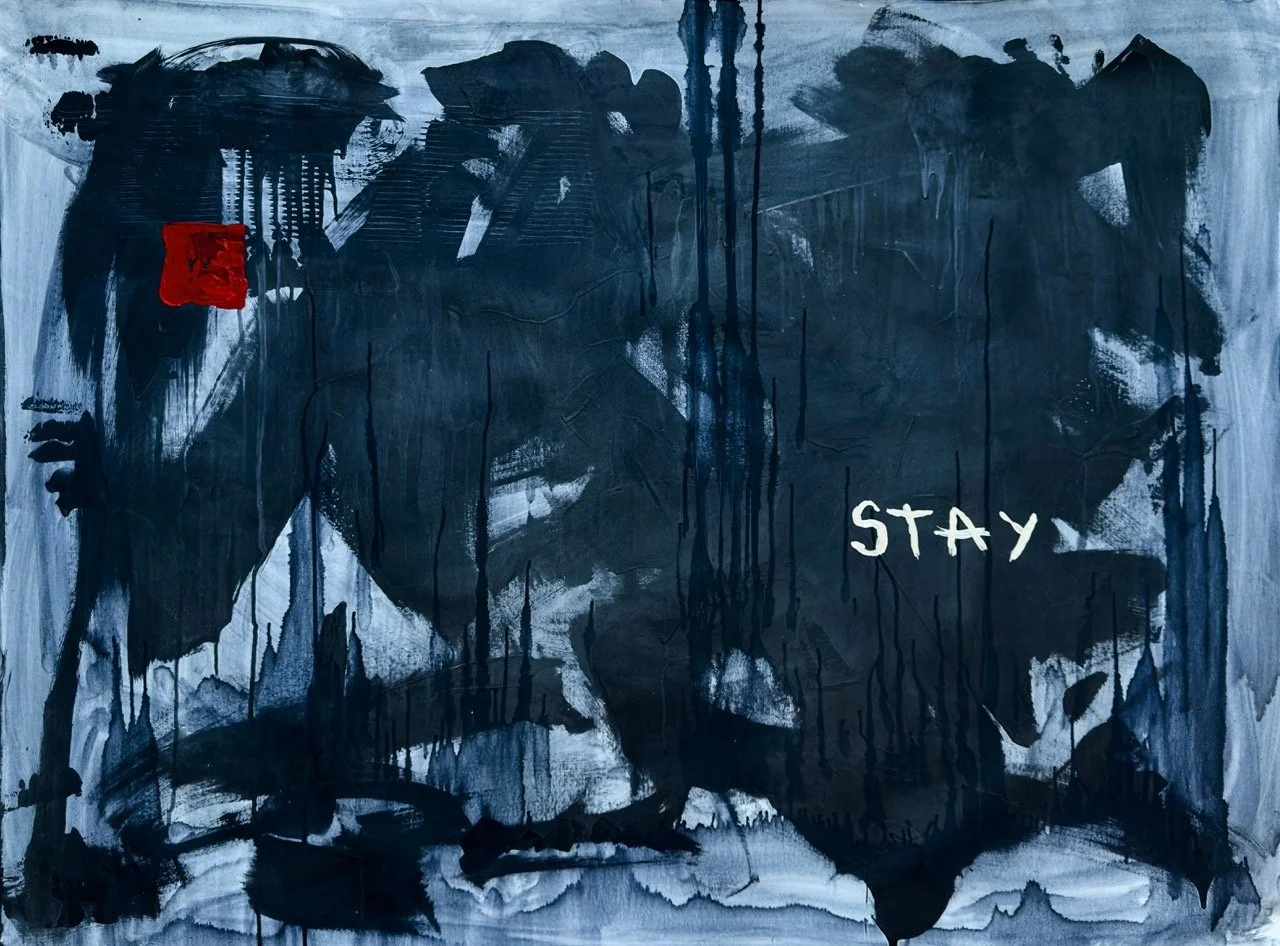
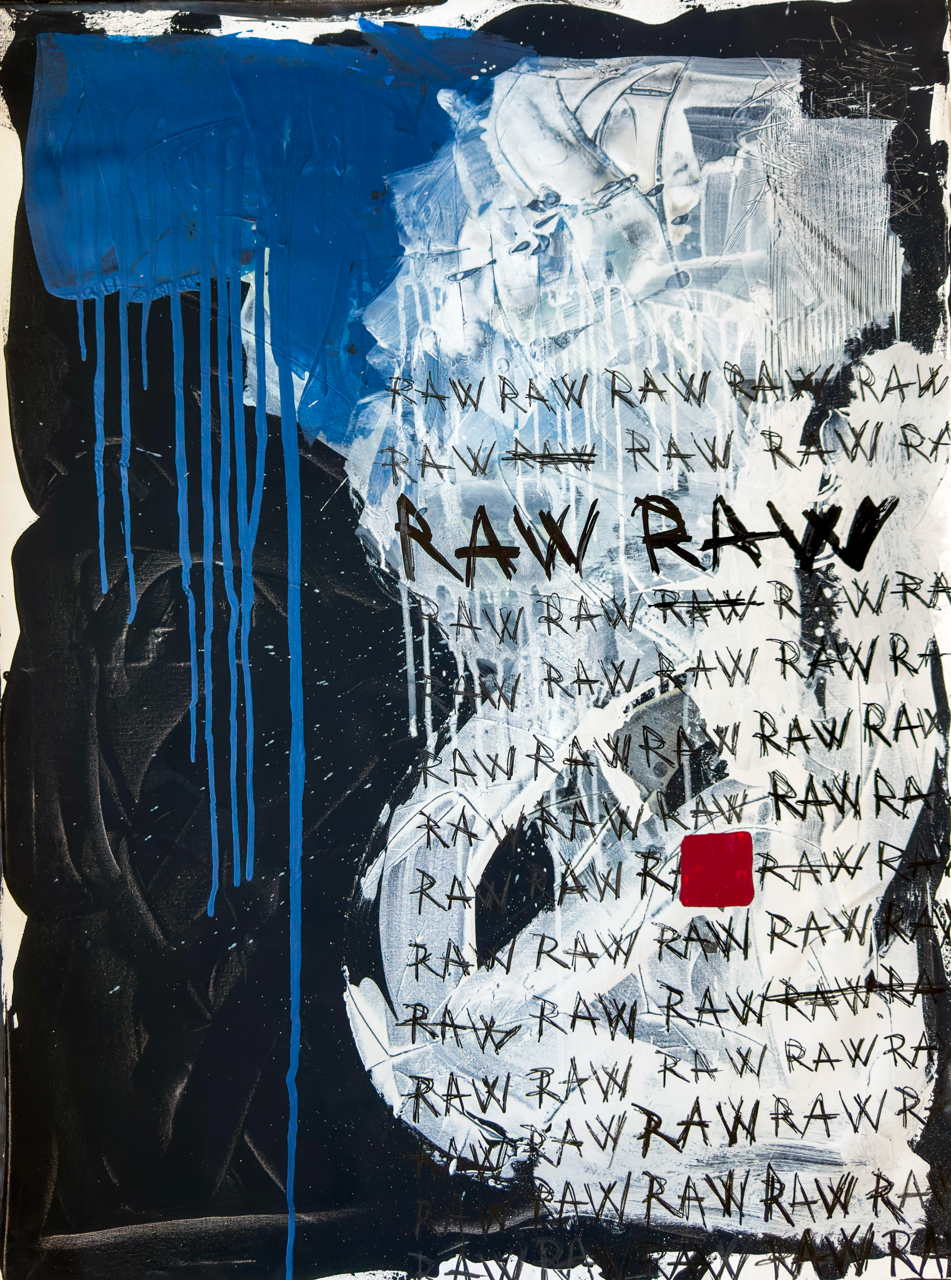
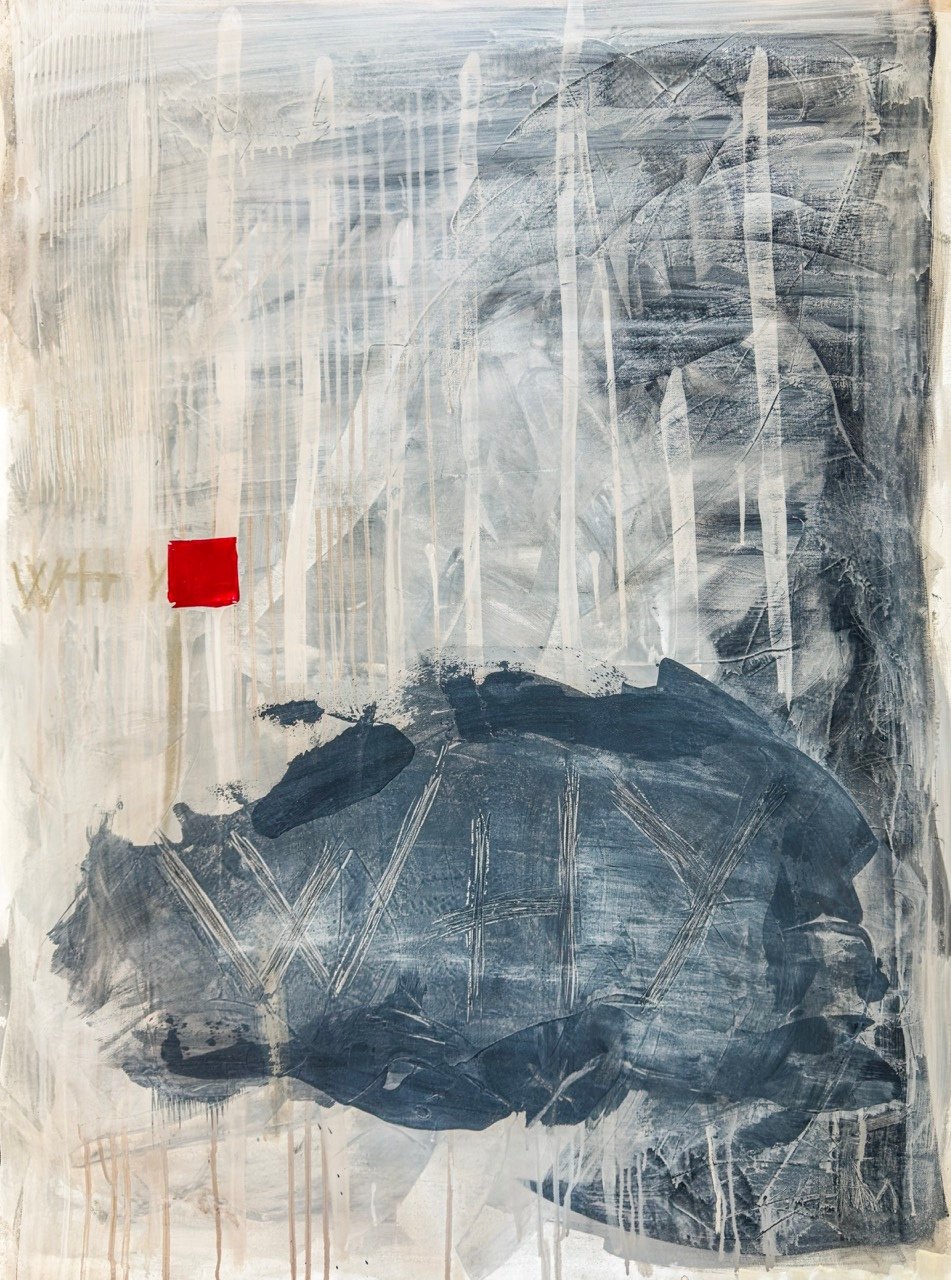
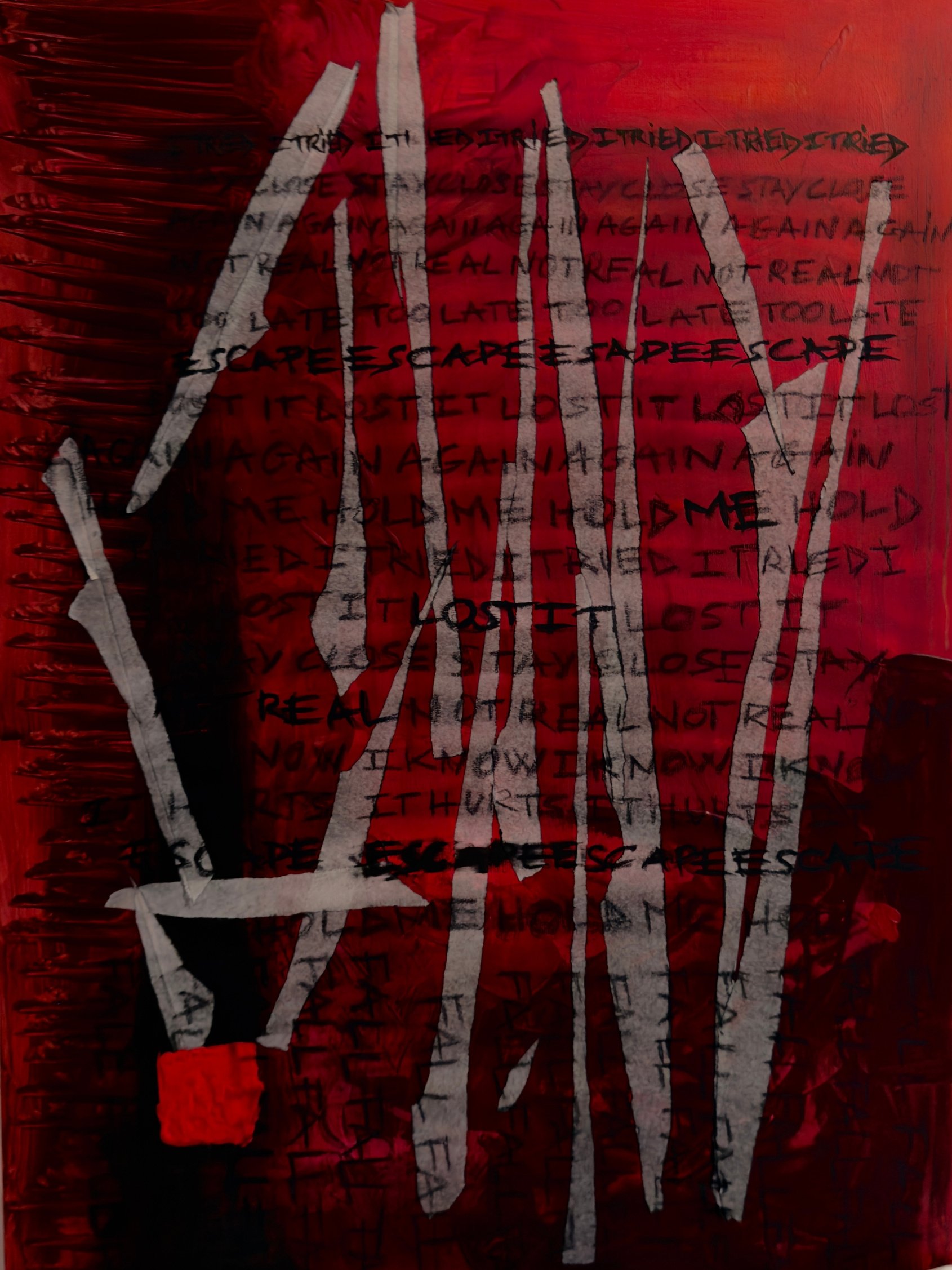
My practice is rooted in contemporary abstraction and Neo-Expressionism. I use painting to give form to tensions, memories and impulses that resist language. Through layers of acrylic, raw gestures, erasures and fragments, I build surfaces where control and accident coexist. A recurring red square acts as a visual anchor—at once a presence, an interruption and a marker of identity.
I am interested in what we reveal, conceal, preserve and try to escape. Rather than imposing a fixed narrative, I create open compositions that invite viewers to project their own emotions and memories. Each work develops through an intuitive dialogue between energy and observation, movement and stillness, density and empty space.
Social Networks :
Instagram: @mani.lowe.art
Website: https://manilowe.com
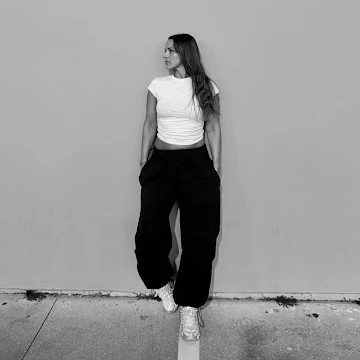
Mani Löwe
1. Inspiration & Style
What initially inspired you to become an artist, and how did you develop your unique artistic style?
Answer: I was drawn to art as a way of giving form to things that are difficult to explain with words—tension, movement, memory and instinct. My style developed through experimentation rather than through a fixed plan: building and erasing layers, combining raw gestures with more controlled areas, and allowing accidents to remain visible. Over time, a recurring red square emerged as a visual anchor. It has become a sign of presence, interruption and identity within the energy of each composition.
2. Creative Process
Do you have any rituals or routines that help you get into a creative mindset when starting a new project?
Answer: Before I begin, I need to create a space where I can stop overthinking. I prepare the studio, choose music that matches the energy I want to explore, and begin with one colour, gesture or word rather than a complete image. I usually work intuitively and quickly at first, then step back repeatedly to observe. Sometimes I leave a painting for several days before returning to it. My ritual is not rigid; it is about creating enough freedom for something unexpected to happen.
3. Artistic Influences
How do you balance historical or artistic influences with your personal style, and how do these influences manifest in your work today?
Answer: I am particularly drawn to Abstract Expressionism and Neo-Expressionism for their physicality, immediacy and emotional honesty. Photography, urban surfaces, calligraphic movement and the power of empty space also influence the way I compose. I do not try to quote these references literally. I absorb their energy and filter it through my own vocabulary of layers, marks, erasures, fragments and the red square. The aim is for the work to feel connected to a wider artistic history while remaining personal and contemporary.
4. Emotion & Expression
How do you use your art to evoke emotions, and what role does emotion play in your creative process?
Answer: Emotion is both the starting point and one of the materials of my work. I use contrast, rhythm, density, empty space, sudden marks and partially hidden forms to create tension or release. I do not want to impose one precise feeling on the viewer; I prefer to create enough ambiguity for personal memories and interpretations to enter. During the process, emotion guides the first gestures, but distance is equally important. Instinct creates the energy, and observation helps me refine it.
5. Standout Projects
Can you share a project that stands out to you and describe the creative process behind it?
Answer: ESCAPE is a work that stands out to me because its process closely reflects its subject. It began with the idea of movement away from confinement, but I did not want to illustrate a literal story. I built the surface through repeated layers, energetic marks and moments of erasure, allowing certain traces to disappear while others resisted. The red square became a point of orientation—a fixed presence inside the movement. Creating it felt like advancing, hesitating, covering, reopening and finally making space.
6. Feedback & Growth
How do you incorporate feedback from critics or audiences into your work, and how do you balance this with your own artistic intuition?
Answer: Feedback matters because it reveals what travels beyond the studio and reaches another person. I listen carefully, especially when certain observations return—for example, the sense of tension, movement, unexpected cultural echoes or the recurring red square. However, I do not alter a work simply to satisfy every opinion. I treat feedback as information rather than instruction. My intuition remains the final filter, because growth comes from staying open to others without losing the original necessity and honesty of the work.
7. Motivation & Inspiration
How do you stay motivated and inspired, even when facing creative blocks or challenges?
Answer: I try to accept creative blocks as part of the practice rather than as proof that inspiration has disappeared. I return to the materials, make small studies, photograph details, walk, observe architecture, fashion, music and human behaviour, or revisit an unfinished work without forcing myself to complete it. Discipline helps more than waiting for the perfect idea: simply showing up creates movement. Curiosity is my most reliable source of motivation, because it keeps the process open even when the final direction is not yet clear.
8. Exhibiting Work
How do you feel about exhibiting your artwork with The Holy Art Gallery, and what does this opportunity mean to you?
Answer: I am genuinely excited to exhibit with The Holy Art Gallery. The opportunity means presenting my work to a new and international audience, while placing it in dialogue with artists whose approaches and backgrounds are very different from my own. The September exhibition is an important step for me: it transforms a private and intuitive studio process into a shared experience. I see it both as recognition of the work already created and as encouragement to continue developing with greater ambition and freedom.
9. Future Goals
What are your long-term goals and aspirations as an artist, and how do you plan to achieve them?
Answer: My long-term goal is to build a coherent yet evolving body of work, exhibit internationally, collaborate with galleries and cultural spaces, and see my paintings enter meaningful private and public collections. I also want to explore larger formats, new materials and more ambitious installations without losing the spontaneity that defines my practice. I plan to achieve this through consistent studio work, carefully chosen exhibitions, strong documentation, genuine relationships with curators and collectors, and a willingness to keep taking creative risks.
10. Audience Connection
What do you hope viewers take away from experiencing your art, and how do you aim to connect with them on an emotional or intellectual level?
Answer: I hope viewers leave with a feeling before they search for an explanation. The work should create a pause—perhaps tension, recognition, curiosity or release—and remain open enough for each person to bring their own memory to it. I connect through visual elements that are immediate but ambiguous: gesture, texture, contrast, fragments and the red square. Intellectually, I am interested in what we reveal, erase, preserve and try to escape. Emotionally, I want the viewer to feel addressed, never instructed.