Artist spotlight : Yue Fan
ARTIST STATEMENT:
My work explores the relationship between emerging technology, human perception, and the environments we inhabit.
Social Networks :
- Instagram Handle: @fy_eeeee
- Website: yuefan.design
Yue Fan
1. Inspiration & Style
What initially inspired you to become an artist, and how did you develop your unique artistic style?
Answer: I'm a UX designer with a background in both human-computer interaction and landscape architecture, and my artistic practice has naturally evolved from the intersection of these two disciplines. I've always been fascinated by how people experience the world around them—from the spaces we inhabit to the technologies we interact with every day. While designing digital experiences, I often found myself asking broader questions that couldn't always be explored through commercial products alone. That curiosity led me to speculative design, where I use visual storytelling to explore how emerging technologies might reshape the relationship between people, technology, and the environments we share. My artistic style is rooted in the intersection of spatial thinking, interaction design, and future-oriented research.
2. Creative Process
Do you have any rituals or routines that help you get into a creative mindset when starting a new project?
Answer: Every project begins with a question rather than a visual idea. I usually start by researching emerging technologies, observing changes in everyday behavior, and identifying the gap between technological possibilities and human needs. Instead of designing around a solution, I try to understand the broader implications of a technology and ask, "What kind of future experience could this create?" Once that question becomes clear, the visual language and narrative naturally begin to emerge.
3. Artistic Influences
How do you balance historical or artistic influences with your personal style, and how do these influences manifest in your work today?
Answer: My work is influenced by speculative design, interaction design, architecture, and science fiction. Rather than following a particular artistic style, I'm interested in projects that encourage people to question the future instead of predicting it.
4. Emotion & Expression
How do you use your art to evoke emotions, and what role does emotion play in your creative process?
Answer: Rather than creating dramatic emotional responses, I hope my work inspires curiosity and reflection. Many of my projects present familiar technologies in unfamiliar contexts, encouraging viewers to reconsider their relationship with the digital systems that increasingly shape everyday life.
5. Standout Projects
Can you share a project that stands out to you and describe the creative process behind it?
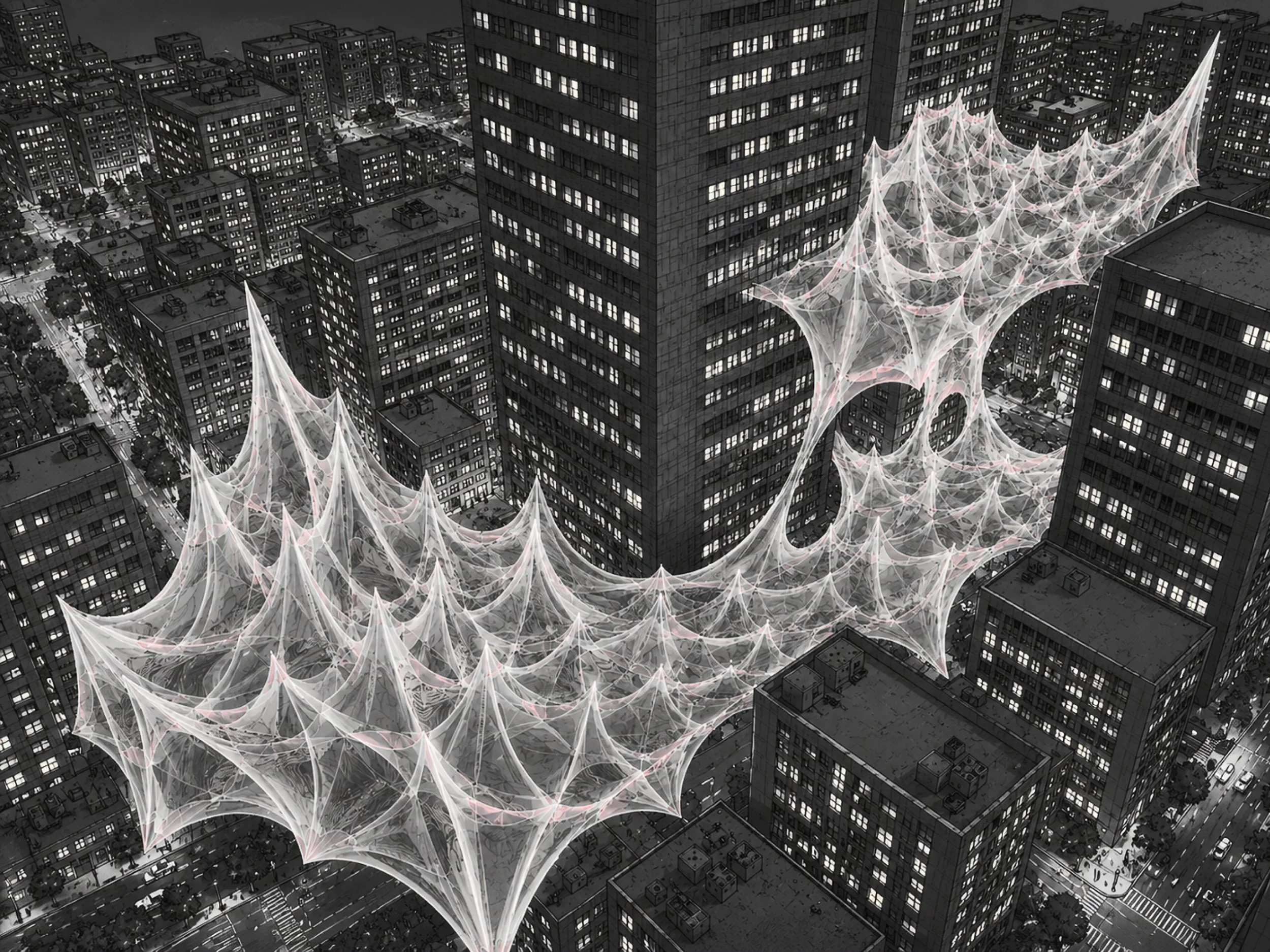
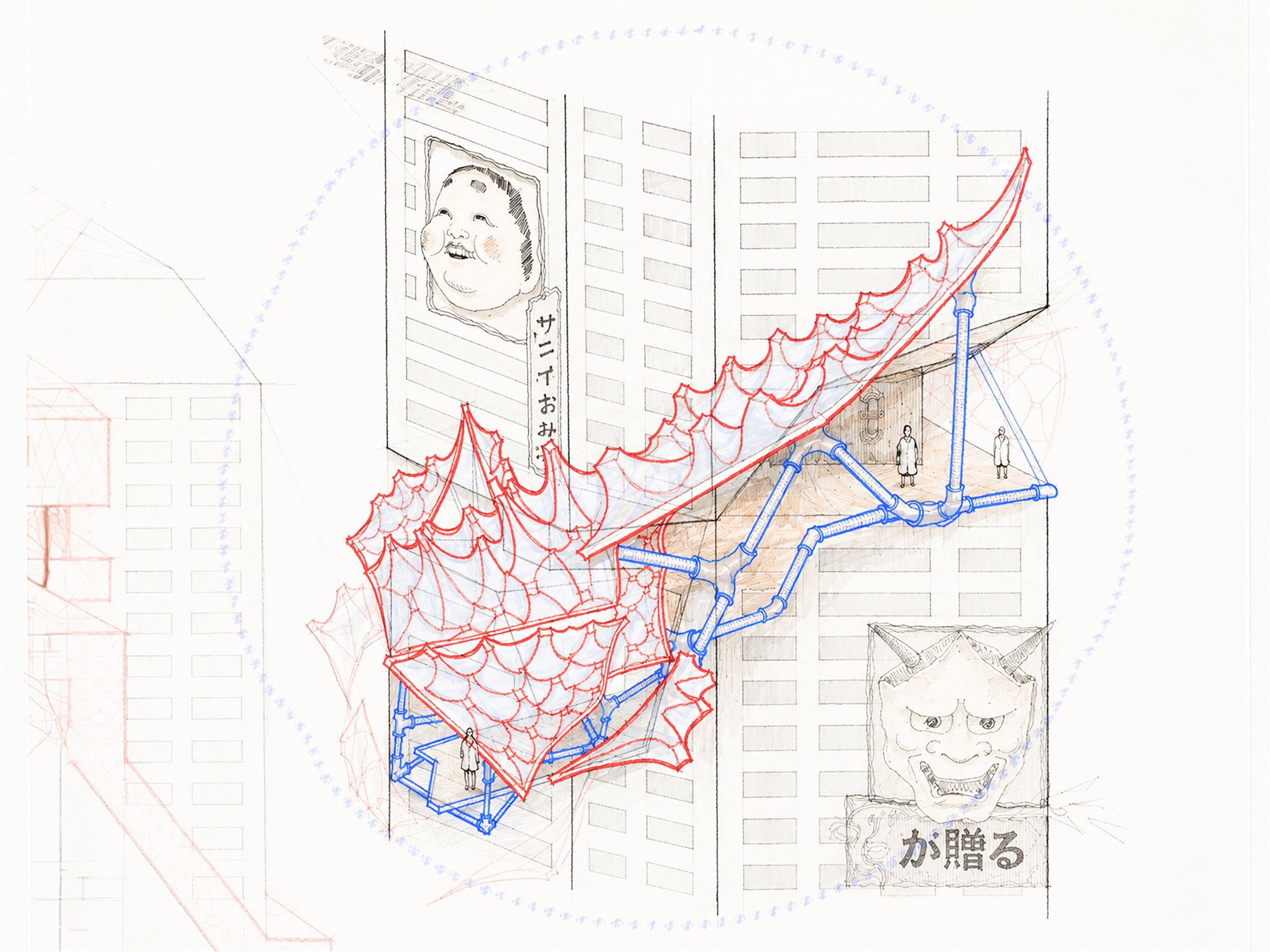
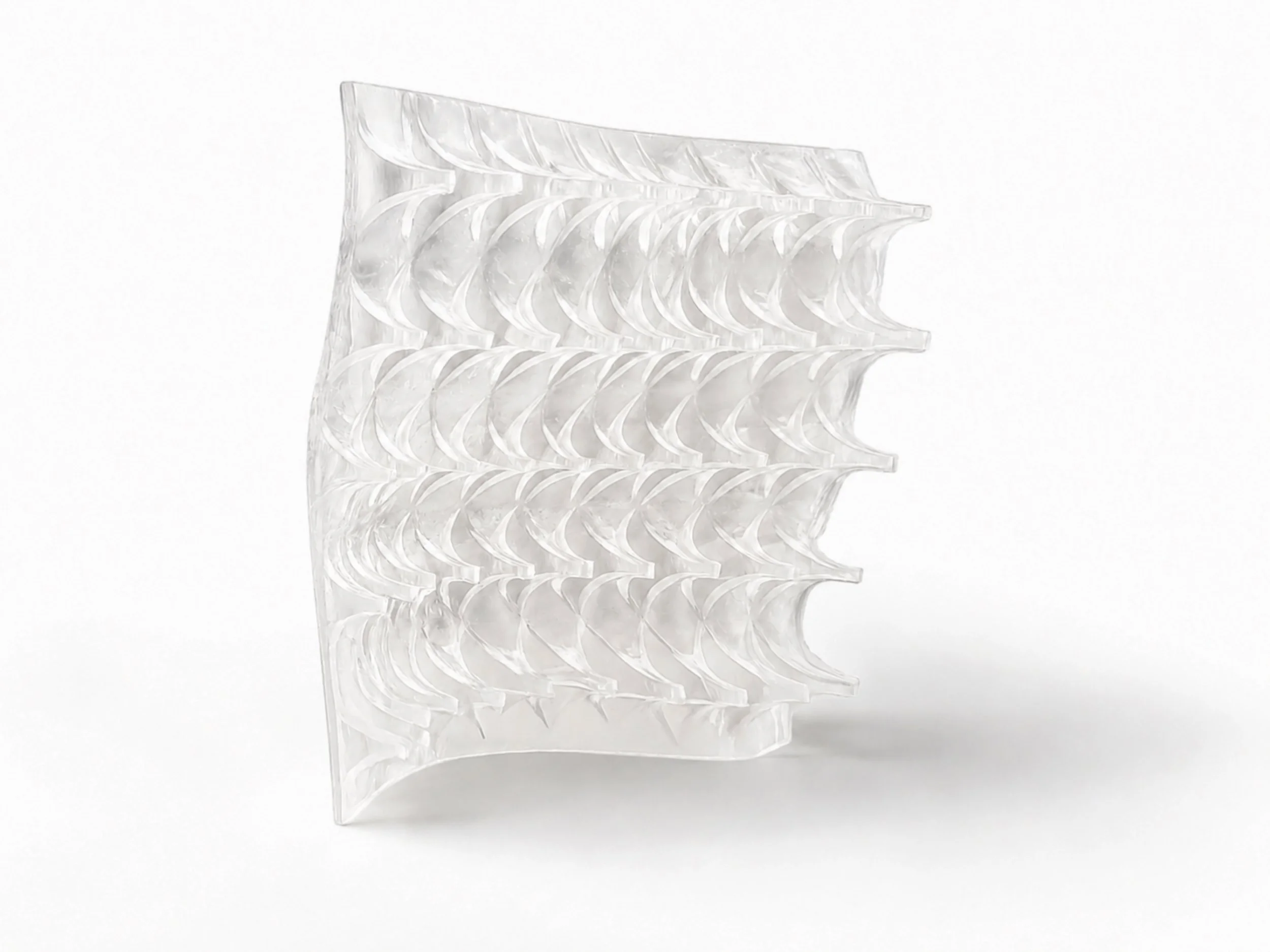
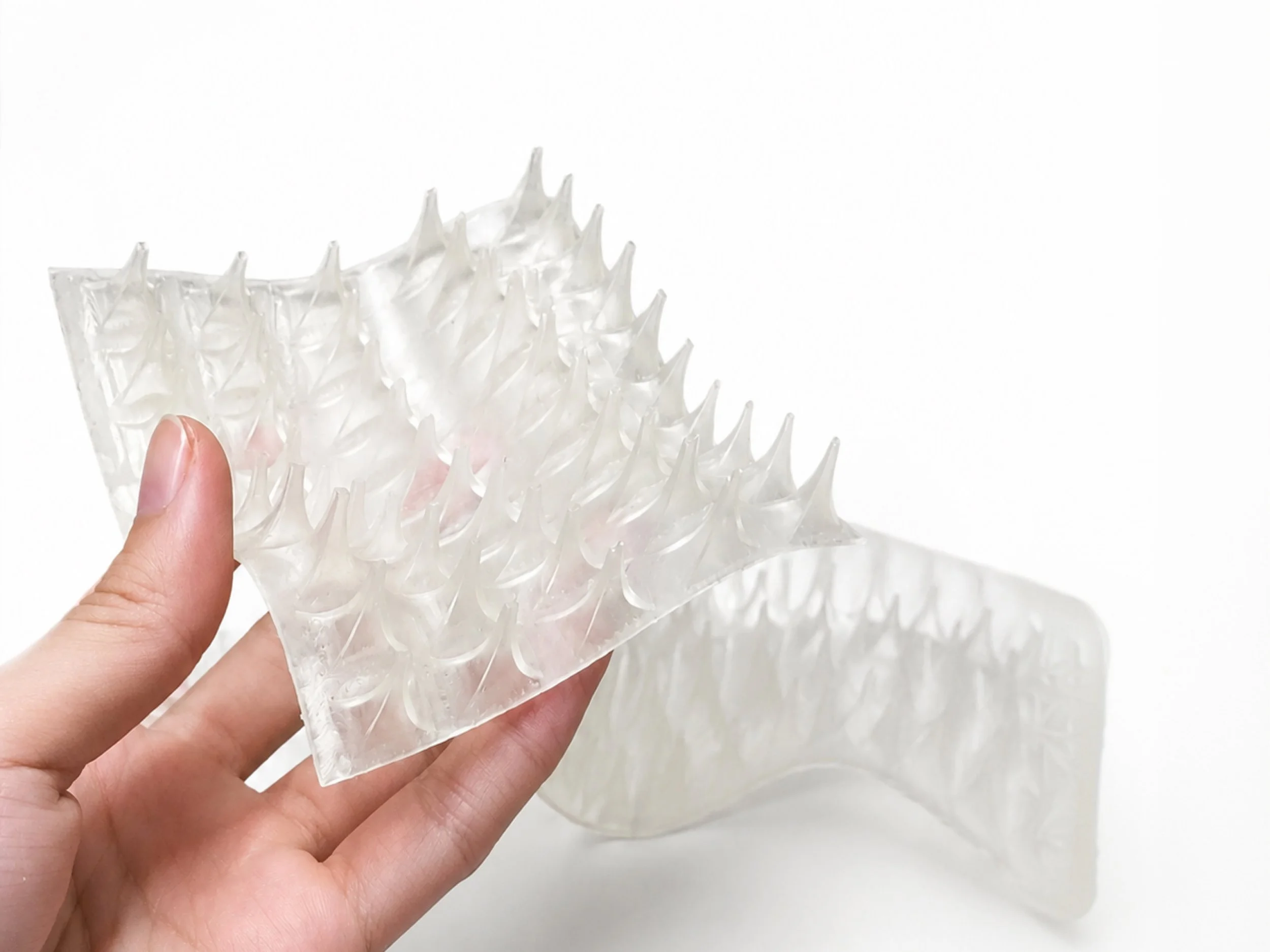
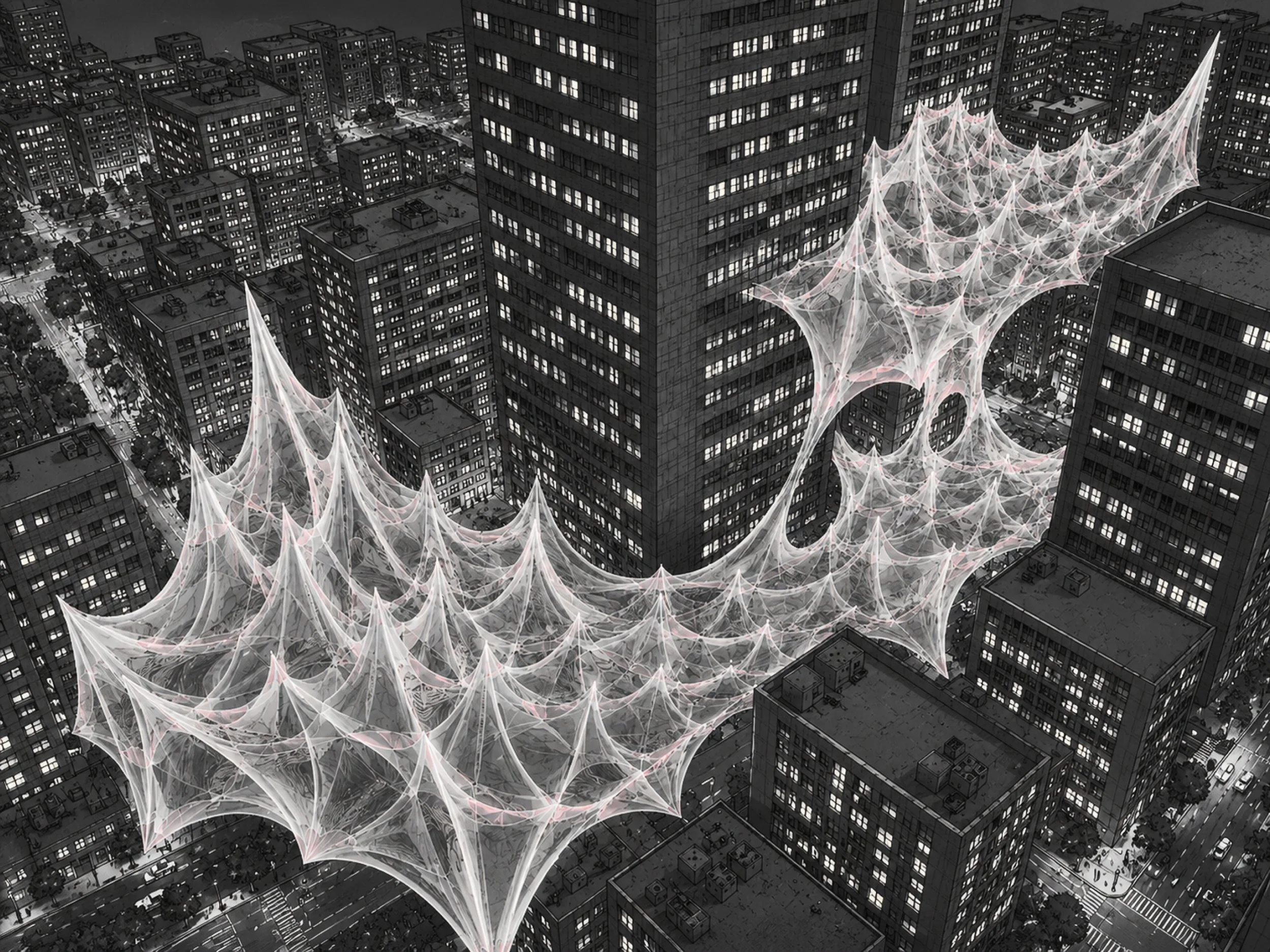
Answer: Reclaiming Shared Reality is one of the projects that best represents my practice. While my professional work focuses on designing interfaces for today's technologies, this project asks what happens when the entire city becomes an interface. It imagines a future where augmented reality transforms public space into personalized digital experiences, gradually replacing shared reality with individualized perceptions. Through an Anti-AR interface, the project explores how interaction design might help restore moments of shared experience in an increasingly digital world.
6. Feedback & Growth
How do you incorporate feedback from critics or audiences into your work, and how do you balance this with your own artistic intuition?
Answer: Different perspectives often reveal assumptions that I hadn't considered, helping me communicate ideas more clearly. At the same time, I try to distinguish between improving how a concept is expressed and changing the core question behind the work. I value iteration, but I also believe a project should remain true to its original intention.
7. Motivation & Inspiration
How do you stay motivated and inspired, even when facing creative blocks or challenges?
Answer: Curiosity is my biggest source of motivation. Whenever I feel creatively stuck, I usually return to research rather than forcing ideas. Learning about emerging technologies, observing how people adapt to new products, or simply paying attention to everyday interactions often leads to new questions. Those questions naturally become the starting point for new projects.
8. Exhibiting Work
How do you feel about exhibiting your artwork with The Holy Art Gallery, and what does this opportunity mean to you?
Answer: I'm honored to exhibit Reclaiming Shared Reality with The Holy Art Gallery and to share the project with an international audience. Speculative design becomes most meaningful when it sparks conversations, and I'm excited to present work that explores the future relationship between AI, augmented reality, and public life. I hope the exhibition encourages viewers from different backgrounds to imagine how technology may shape not only our devices, but also our shared experiences of the world.
9. Future Goals
What are your long-term goals and aspirations as an artist, and how do you plan to achieve them?
Answer: My long-term goal is to continue exploring the future of user experience beyond screens. Alongside my work as a UX designer, I hope to create speculative projects that investigate how AI, spatial computing, wearable technologies, and future environments influence the way people live, interact, and perceive the world. I see design and art as complementary practices—one helps shape today's experiences, while the other allows us to question the experiences we may create tomorrow.
10. Audience Connection
What do you hope viewers take away from experiencing your art, and how do you aim to connect with them on an emotional or intellectual level?
Answer: I hope viewers leave with more questions than answers. My work isn't intended to predict the future, but to encourage reflection on the choices we're making today. If someone begins to think differently about how technology shapes perception, public space, or human connection after experiencing my work, then I feel the project has achieved its purpose.