Artist spotlight : Sveta Sangani
ARTIST STATEMENT:
Hi, I’m Sveta, a self taught string artist passionate about transforming simple threads into bold, contemporary art.
Untangle My String Art began from a very personal place. I started nailing into a wooden board as a way to release years of suppressed emotions. With every nail, something inside me softened. With every thread, my mind felt a little clearer.
As I worked through my own knots of life, the process became deeply therapeutic. It helped me slow down, focus on the moment, and express emotions I didn’t yet have words for. That’s where the name Untangle came from because, piece by piece, the process untangled the many knots in my mind, one at a time.
What started as personal healing soon grew into creating meaningful, personalised pieces for friends and family, celebrating milestones, memories, and moments that matter. Seeing the joy and connection these pieces brought to others showed me the power of art as expression.
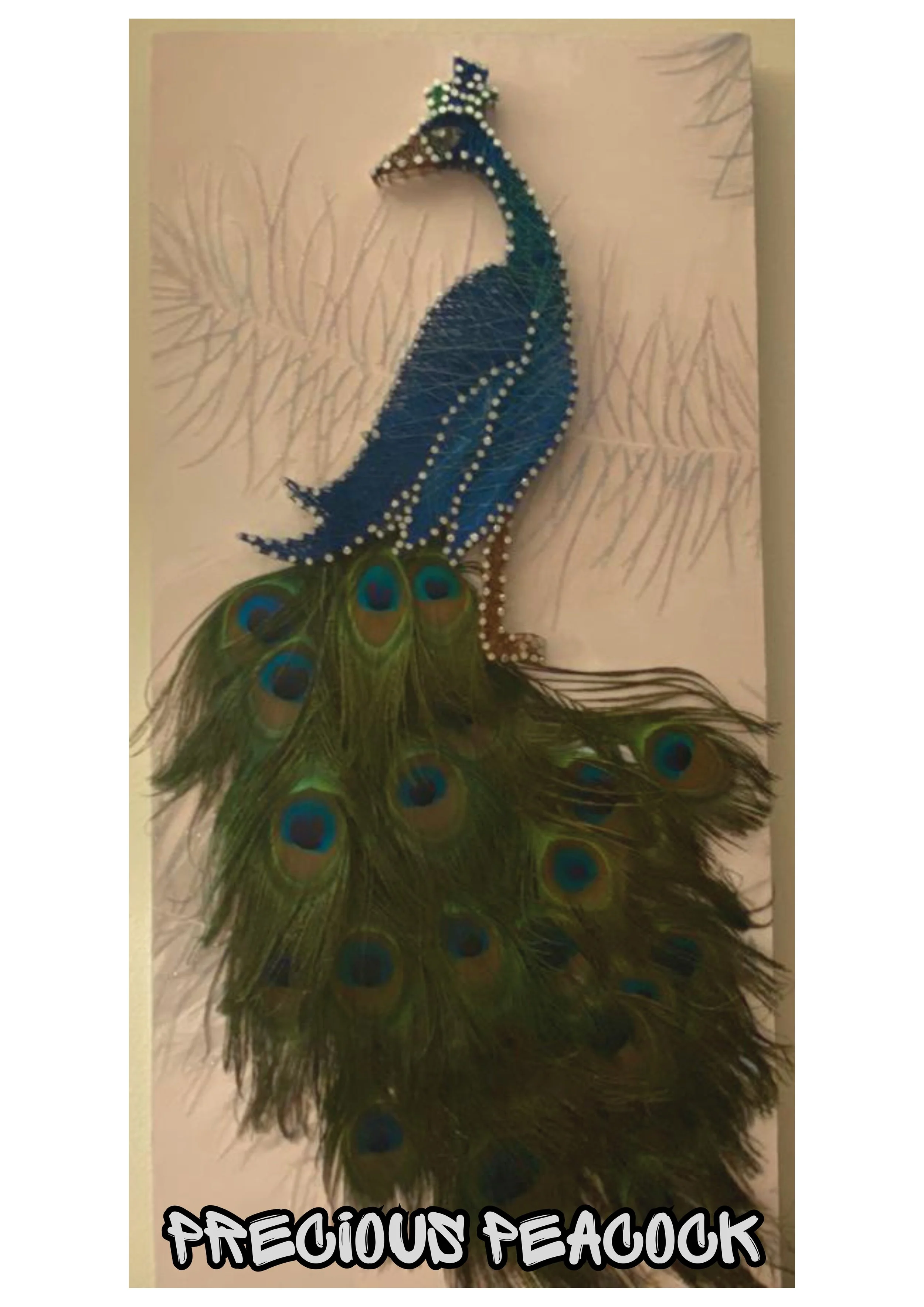
Nature inspires much of my work, along with causes close to my heart such as mental health awareness, cancer support, and the full spectrum of human emotion. Each piece tells a story, not just in its final form, but in the process of creating it.
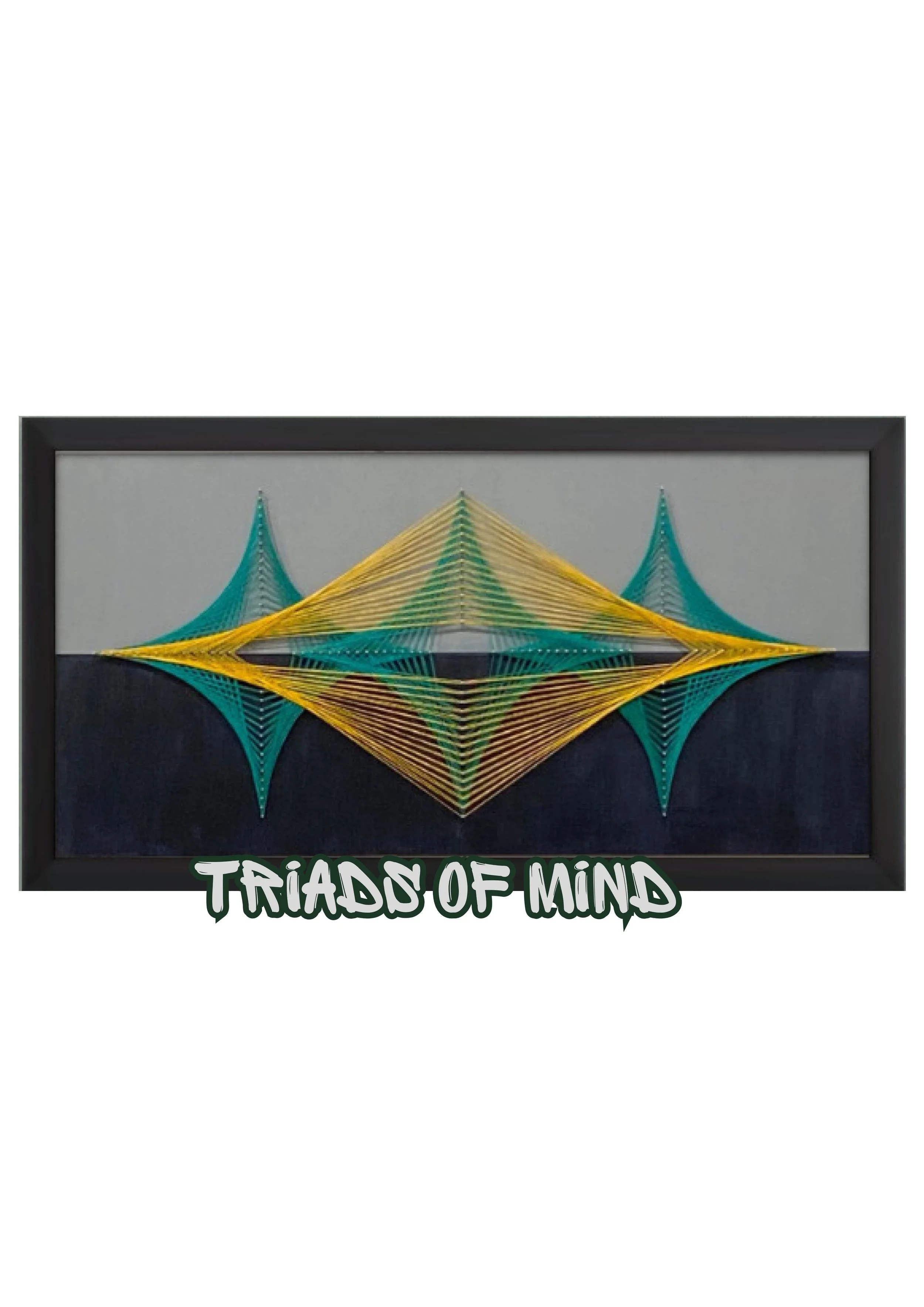
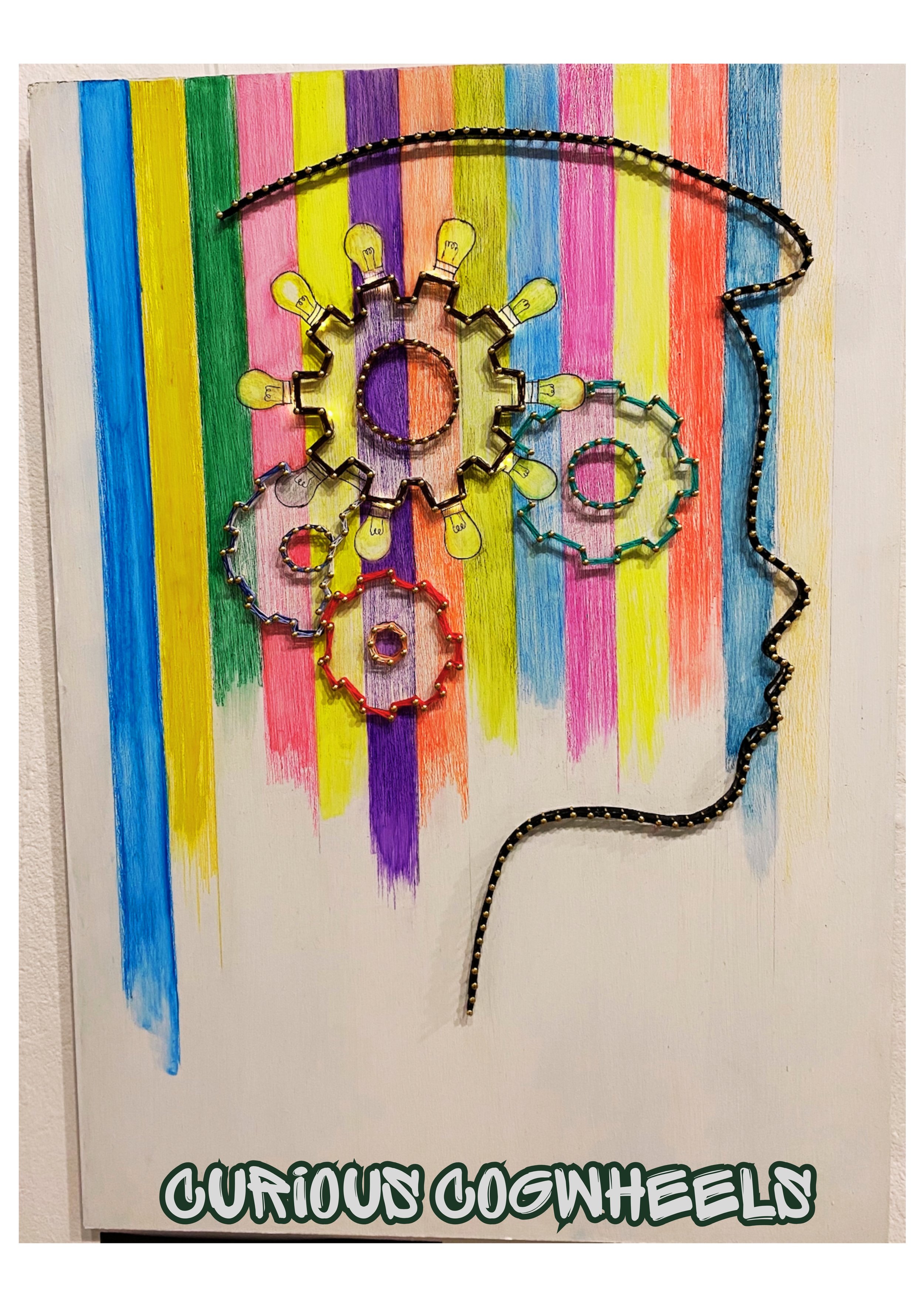
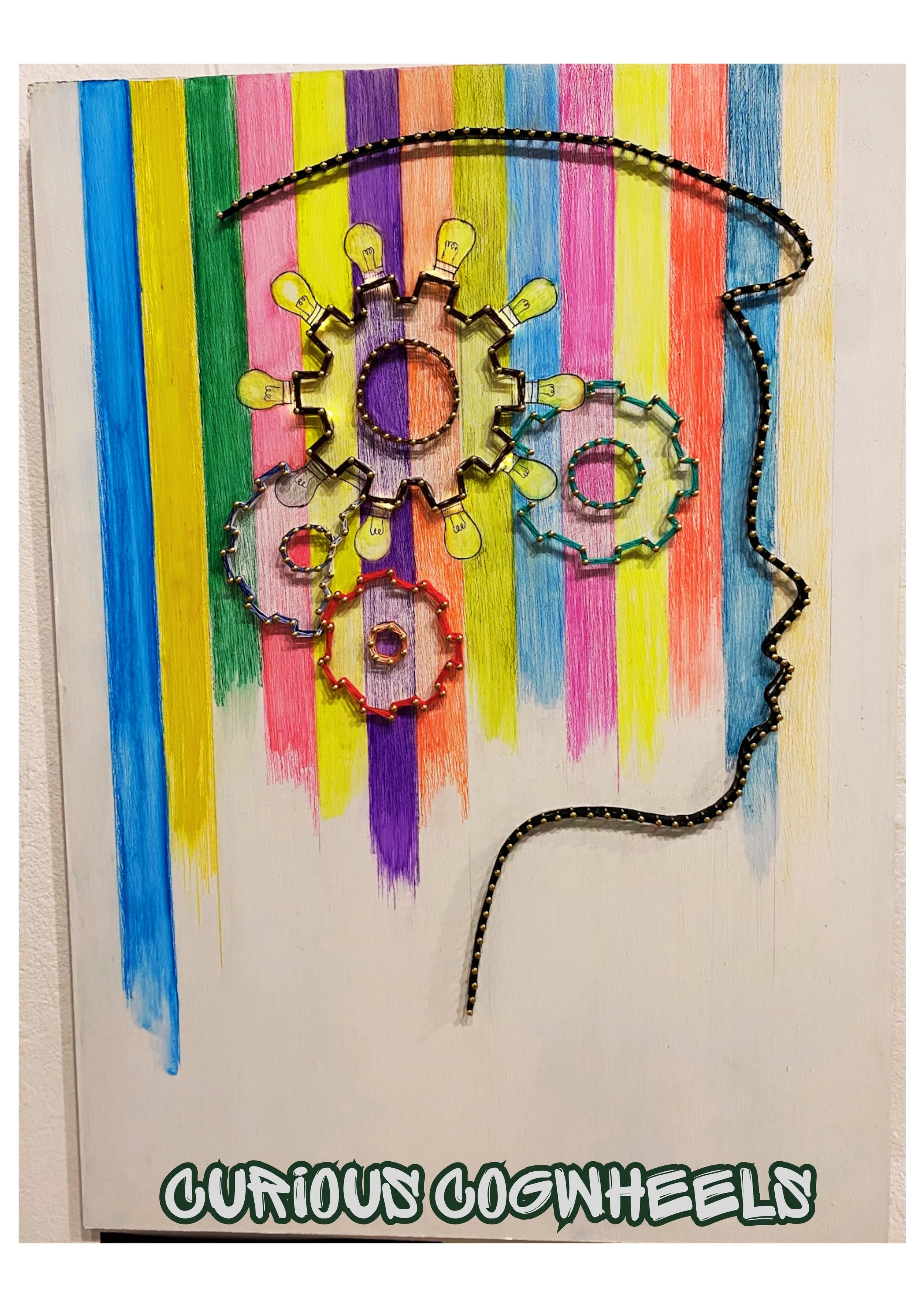
I also love maths, and only later realised that string art naturally weaves mathematics into its symmetry and geometry. That discovery felt intentional, a beautiful connection between logic, creativity, and emotion.
Today, alongside creating bespoke string art pieces, I run wellbeing workshops for people of all ages and abilities. These workshops share the same experience that once helped me: using nails, thread, and focused creation as a way to express, release, and begin untangling what we carry inside.
Whether it’s a personalised artwork or a shared workshop space, my work is about one thing, expression that leads to clarity, and the gentle untangling of life’s knots.
Social Networks :
Instagram Handle: @untanglemystringart
Website: untanglemystringart.co.uk/
Portfolio: untanglemystringart.co.uk/mystringart.html
Sveta Sangani
1. Inspiration & Style
What initially inspired you to become an artist, and how did you develop your unique artistic style?
Answer: When I first stumbled upon string art, I knew very little about the art form. Back in 2019, I was going through depression after losing my best friend, who had died by suicide following her own struggles with mental ill health. My mind was tangled with so many questions about life, health, and why my friend had made that decision. I was carrying frustration, guilt, and grief, and I desperately needed an outlet.
That was when I began randomly hammering nails into a piece of wood lying in my garage. With every nail, I felt as though I was releasing some of that frustration and slowly untangling the knots in my mind (that's why it is called ‘Untangle’ My String Art). That experience became the inspiration behind my work and shaped the way I think about the connection between art, the mind, and mental wellbeing.
It made me realise how deeply mental health can affect our overall wellbeing, and how important it is to take it seriously, even though it is still often overlooked or misunderstood.
For me, the process of hammering nails and working with string has become a way to focus and a kind of mental exercise. Every time I create a piece, I find immense satisfaction and joy in the process itself, while completing the finished artwork brings me a deep sense of calm and peace.
2. Creative Process
Do you have any rituals or routines that help you get into a creative mindset when starting a new project?
Answer: I do a lot of research before creating a piece. If I am creating something for a particular cause, I take time to learn about the cause, how it affects individuals, and the experiences or symptoms associated with it. I then try to bring those elements together within the design.
I sketch the ideas that come to mind and continue developing and revising them until I feel happy with the final concept. I also take inspiration from the work of other artists, while adapting those influences in a way that feels true to my own style.
3. Artistic Influences
How do you balance historical or artistic influences with your personal style, and how do these influences manifest in your work today?
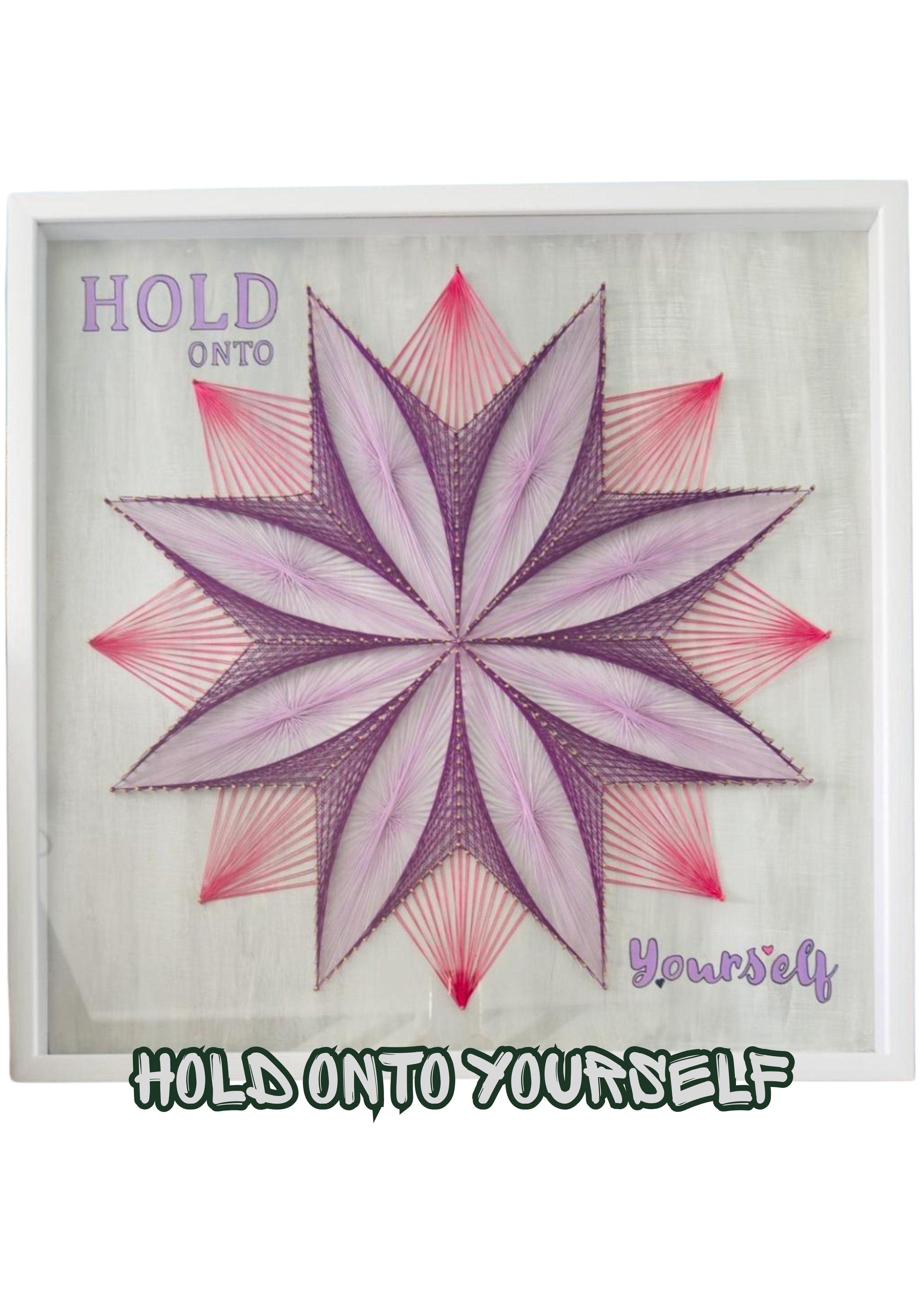
Answer: I balance historical and artistic influences with my personal style by using them as a foundation for my work. I have always loved maths, geometry and symmetry, which is perhaps why I am naturally drawn to string art, as it brings all three together. When creating mandalas, for example, I use calculations to build patterns and proportions, much like the mathematical principles seen in the Golden Ratio.
I am also drawn to abstract art and often incorporate abstract backgrounds into my pieces. Nature is another source of inspiration, particularly the way contrasting colours exist so beautifully alongside one another.
A large part of my work is about capturing human emotions and connections. My ideas are often influenced by how I am feeling at a particular moment, or by imagining myself in someone else’s situation. From those emotions and visualisations, I begin to develop an artistic design that expresses the story or feeling I want to communicate.
4. Emotion & Expression
How do you use your art to evoke emotions, and what role does emotion play in your creative process?
Answer: Emotion plays a major role in my creative process, as it is what led me to string art in the first place. Had I not been going through such emotional upheaval after the loss of my best friend, along with the impact of my own childhood experiences and attachments, I may never have taught myself this art form.
Now, I often use string art as a way to express emotions that can sometimes be difficult to put into words. I feel very strongly about mental health, particularly because it is still not openly spoken about within many parts of the Indian community. This inspired me to use string art for my first solo exhibition, Strings of Mind – A Journey Through Art, with the aim of raising awareness of mental health and helping to break the stigma within my community.
For me, art has the ability to go beyond the boundaries of spoken emotion. It gives us a way to express what we feel deeply, almost as though we are placing our heart into our hands and allowing the artwork to speak for us.
5. Standout Projects
Can you share a project that stands out to you and describe the creative process behind it?
Answer: My solo exhibition, The Strings of Mind: A Journey Through Art, is a project that stands out deeply for me. I dedicated it to my best friend, who died by suicide after struggling with depression, and I wanted the exhibition to show how seriously mental ill-health can affect a person’s wellbeing.
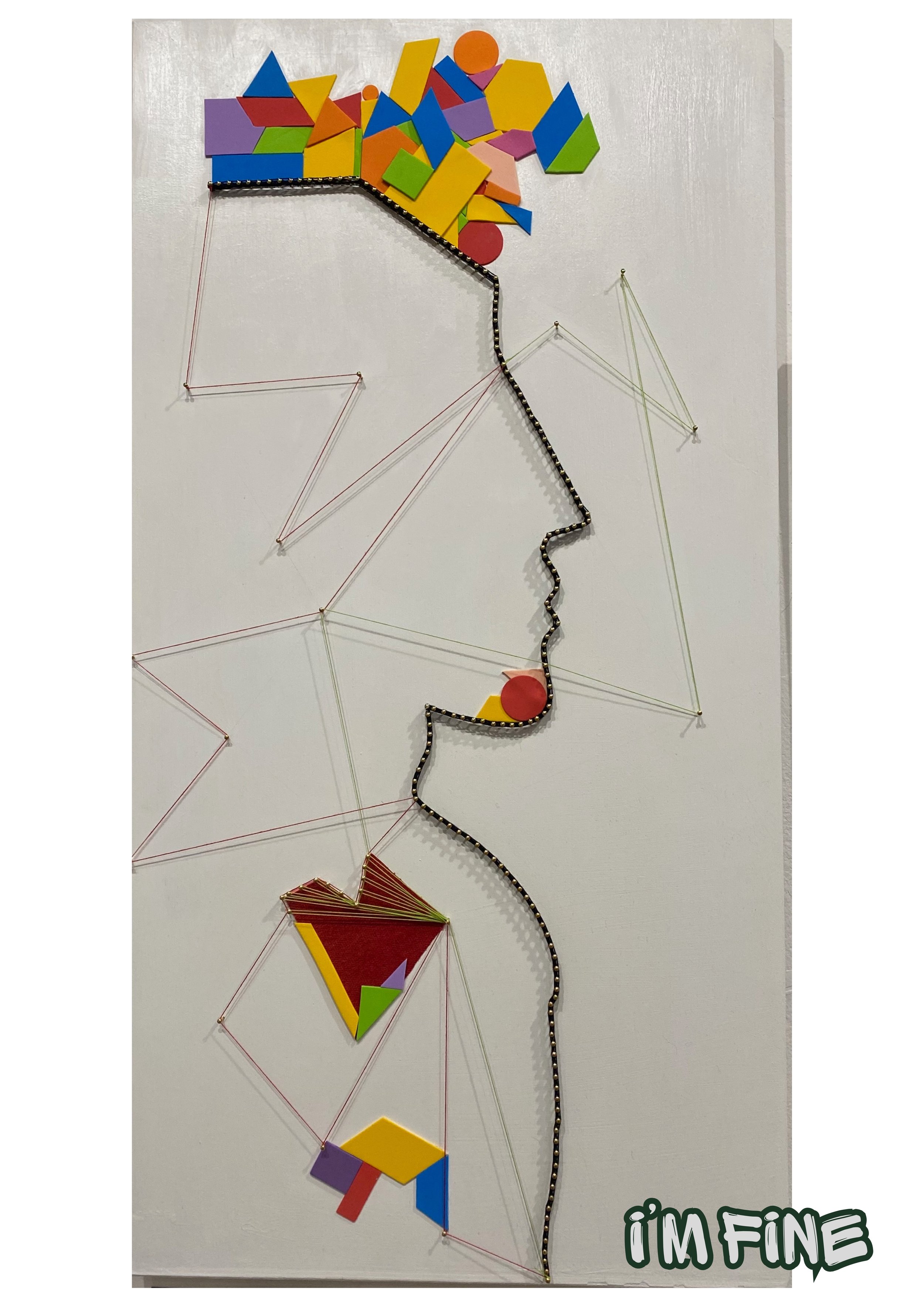
My main target audience was the Asian community, where there can still be significant stigma around mental health and open conversations about it. Through the exhibition, I wanted to show that mental health is not a single moment, but a journey and a process. The artworks explored different emotional stages through five themes: Echoes of Emotions, Inner Labyrinth, Breaking Silence, Healing Connections, and Transformation.
I also made the exhibition interactive, allowing visitors to take part in creating pieces themselves. This helped encourage conversation and understanding, while reinforcing the message that mental ill-health is real and should not simply be dismissed as something a person should “just get on with.”
6. Feedback & Growth
How do you incorporate feedback from critics or audiences into your work, and how do you balance this with your own artistic intuition?
Answer: I value feedback because it motivates me and challenges my artistic intuition. I pay close attention to what people connect with and how they respond to my work. At the same time, I trust my own creative instincts, as they are what make my work personal and authentic.
Feedback is important for my growth as an artist, but I have found that my strongest pieces often come from my own emotions, personal journey, perspective on life, and understanding of human experiences. I try to find a balance between listening to others and staying true to the emotions and ideas that inspired the work in the first place.
7. Motivation & Inspiration
How do you stay motivated and inspired, even when facing creative blocks or challenges?
Answer: Creating complex pieces is one of the biggest creative challenges I face with string art. Sometimes I find it difficult to translate an image I have visualised in my mind into string, especially when trying to capture all the details and stay true to the original idea.
However, seeing the piece gradually develop into something close to what I had imagined motivates me to keep going. For me, the inspiration does not only come from the finished artwork, but from the process of creating it. With every piece, I feel that I grow a little more as an artist. I enjoy discovering something new about myself, my creativity, and my artistic skills, which inspires me to then carry forward and apply to the next piece.
8. Exhibiting Work
How do you feel about exhibiting your artwork with The Holy Art Gallery, and what does this opportunity mean to you?
Answer: I am absolutely thrilled to exhibit my art with The Holy Art Gallery. This is my first experience and I am only hoping that it will add value to my artistic skill and put my art to the international audience in a positive and promising way.
9. Future Goals
What are your long-term goals and aspirations as an artist, and how do you plan to achieve them?
Answer: I want to continue growing as an artist and challenging myself by creating pieces inspired by causes that are close to my heart. I would also like to collaborate with galleries and corporate organisations, using my art to bring different communities together.
My aim is to create unique and meaningful pieces that connect with audiences on an emotional level while giving them the opportunity to become part of the artwork itself. I want the experience to be not only visually engaging, but also interactive, expressive, and memorable.
10. Audience Connection
What do you hope viewers take away from experiencing your art, and how do you aim to connect with them on an emotional or intellectual level?
Answer: I hope the viewers will connect with the deep emotions I am trying to show through both my pieces—‘Withering Yet Hopeful' and ‘Breaking Silence’—and understand the rollercoaster of feelings one goes through when on a mental health journey. I hope viewers take away more than just the visual beauty of the piece. I want them to pause, reflect, and find their own meaning within the threads, patterns, and symbolism.
A lot of my work is connected to emotions, mental wellbeing, and the idea of untangling what we carry inside us. I use string not only as a material, but as a metaphor for thoughts, experiences, and connections. What may initially look tangled can gradually become something structured, balanced, and meaningful. Emotionally, I want people to feel that the work speaks to something they may have experienced themselves. Intellectually, I also enjoy bringing in geometry, symmetry, mathematics, and cultural influences, so there is often another layer for the viewer to discover. I hope my work creates a moment of connection, whether that is with their own emotions, with another person, or simply with the story behind the artwork.